Usage of Collaborate tool in REVIT
1) Open an architectural template. Using the Manage tab set project base point and project shared coordinates for the project
AIM :
To Using the Manage tab set project base point and project shared coordinates for the project
INTRODUCTION :
- A project template provides a starting point for a new project, including view templates, loaded families, defined settings (such as units, fill patterns, line styles, line weights, view scales, and more), and geometry, if desired.
- Revit Levels and Grids are really the skeleton of building projects. Typically Levels in Revit are used to indicate the locations of floors, foundations, and the roof of a building in section and elevation views. More recent versions of Revit include Levels in 3D views. Grids are used to host columns and walls.
PROCEDURE :
- Open the revit software and create the new file with help of new sheet
- And give the template architecture
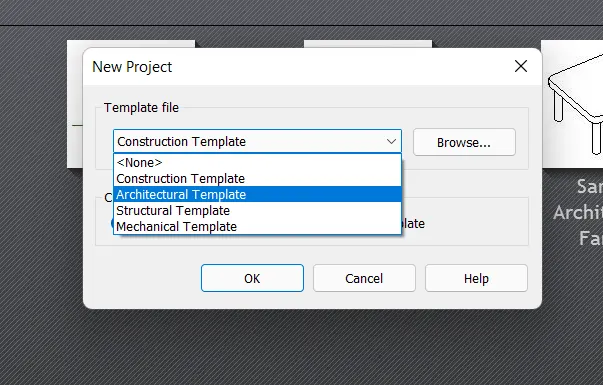
- Now we want to make the grid with help of grid option
- just click the grid on the right top of the screen
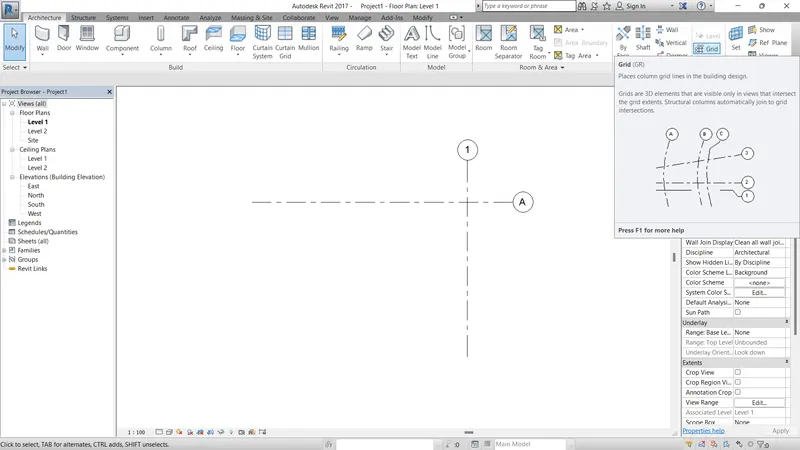
- draw the grid line
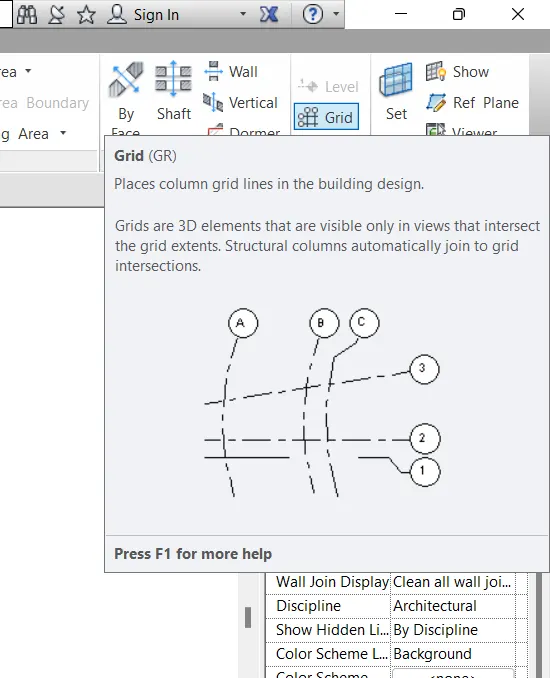
- Draw the grid line at two direction one in horizontal and one in vertical directiob
- And the one is give the value of (A) and another one is give the value of (1)
- finally the grid is created in architectural template
RESULT :
2) Open another new file but with a structural template. Using the manage tab set project parameters the same as the architectural model. Copy the parameters from the architectural model to the structural template or enter the parameters manually into the structural model
AIM :
To Open another new file but with a structural template. Using the manage tab set project parameters the same as the architectural model. Copy the parameters from the architectural model to the structural template or enter the parameters manually into the structural model
INTRODUCTION :
- The basic structure of a template includes a site (with assets, layouts, pages, and content), an associated theme, and any custom components. When you create a site, you must choose a template to provide the site structure and initial content, a theme with design and layout specifications, and any custom components.
- Revit Levels and Grids are really the skeleton of building projects. Typically Levels in Revit are used to indicate the locations of floors, foundations, and the roof of a building in section and elevation views. More recent versions of Revit include Levels in 3D views. Grids are used to host columns and walls.
PROCEDURE :
- Open the revit software and create the new file with help of new sheet
- And give the template structural
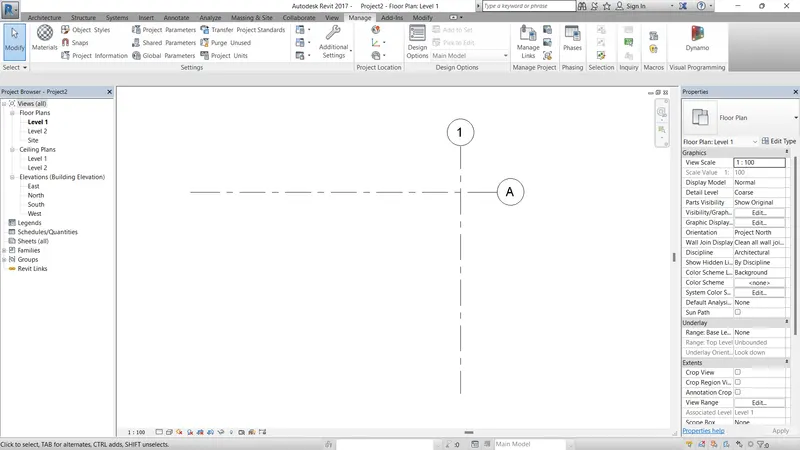
- As the same like as we want to the grid line
-
- Draw the grid line at two direction one in horizontal and one in vertical directiob
- And the one is give the value of (A) and another one is give the value of (1)
- The grid is created in structural template
- And here we can use the specify coordinate at the point option
- It's is placed in the manage option at the toolbar
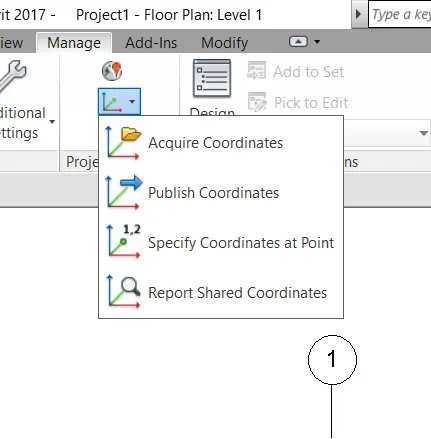
- Just pick the specify coordinate at point
- pick the grid and then give the value of (0) and enter
RESULT :
3) Re-open the architectural model. Using the tools under the Collaborate tab make the architectural model a central model (enabling simultaneous working on the model)
AIM :
To Re-open the architectural model. Using the tools under the Collaborate tab make the architectural model a central model (enabling simultaneous working on the model)
INTRODUCTION :
- Revit provides several different ways to collaborate with team members who are also using the software. You can link multiple Revit models together, allowing team members to work in context. Through worksharing, users on the same local area network (LAN) can work together in the same Revit model.
- Open the appropriate version of Revit. Click File > Open > and navigate to the central model on the server. Click once to select the central model. Verify that the Create New Local box is checked.
PROCEDURE :
- Here we can reopen the architectural model
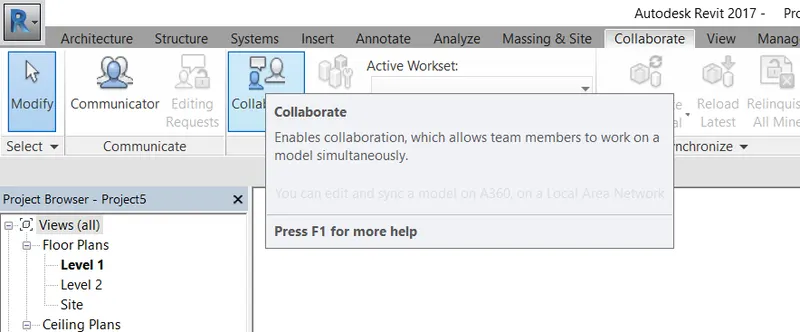
- And Using the tools under the Collaborate tab
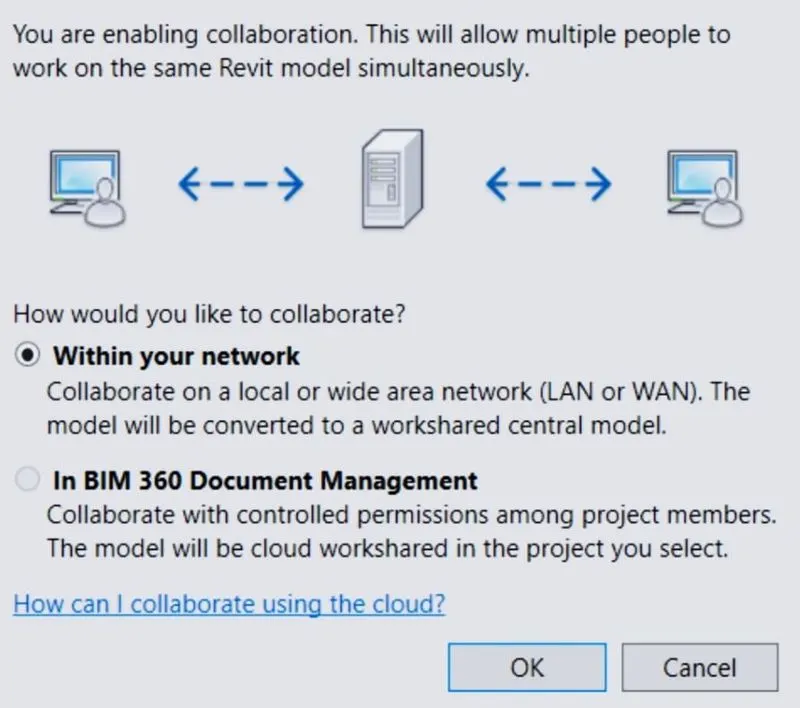
- using the tool as collaboration for allow the multiple people to work option
- click the collaborate
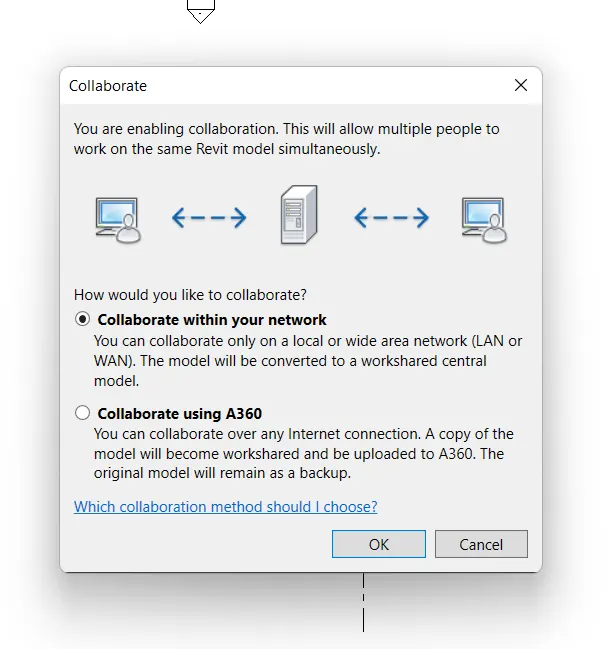
- And select the (within your network)
- then press ok
RESULT :
4) Create the Grids Longitudinal and Transverse pattern for the project similar to the task done in Week 2
AIM :
To Create the Grids Longitudinal and Transverse pattern for the project similar to the task done in Week 2
INTRODUCTION :
- Grids are annotation elements that help organize your design. Add grid lines to a model to create a reference and framework for the design. Change the grid type during placement or change the type of existing grids in a view.
- Revit provides several different ways to collaborate with team members who are also using the software. You can link multiple Revit models together, allowing team members to work in context. Through worksharing, users on the same local area network (LAN) can work together in the same Revit model
PROCEDURE :
- open the revit file
- then open the allready saved above file on architectural template
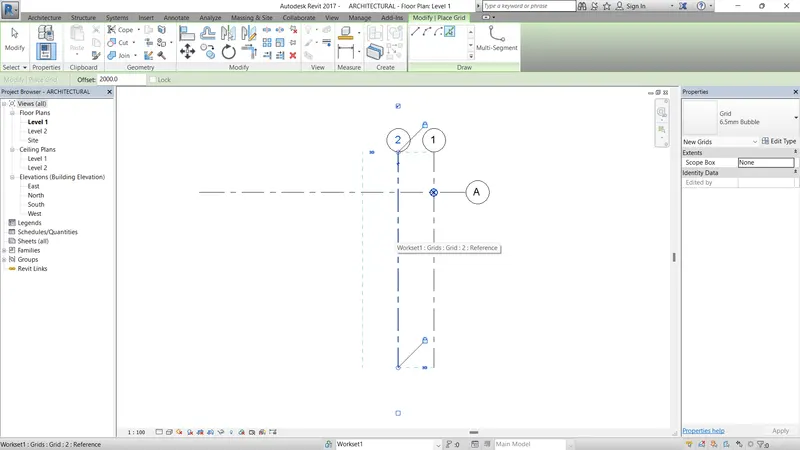
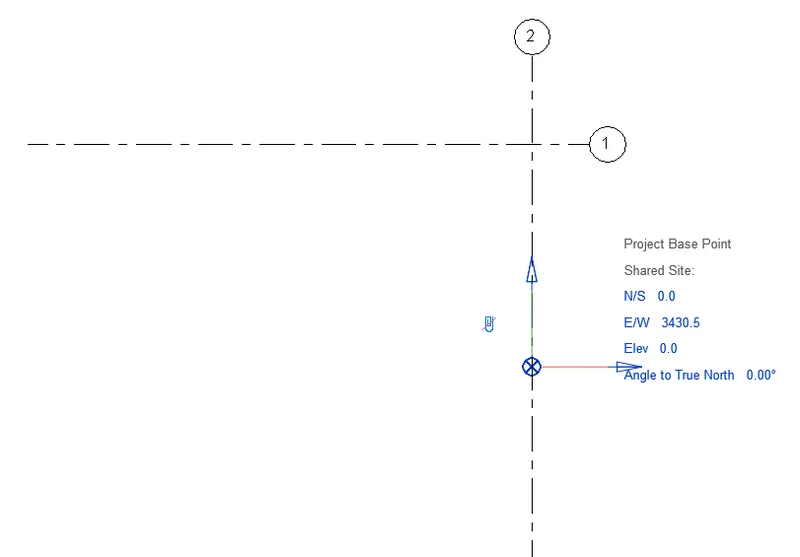
- taken the same grid option
- And use the offset at below the toolbar
- give the value offset at 2000
- And make the line offset with help of pick option in modify tool bar option
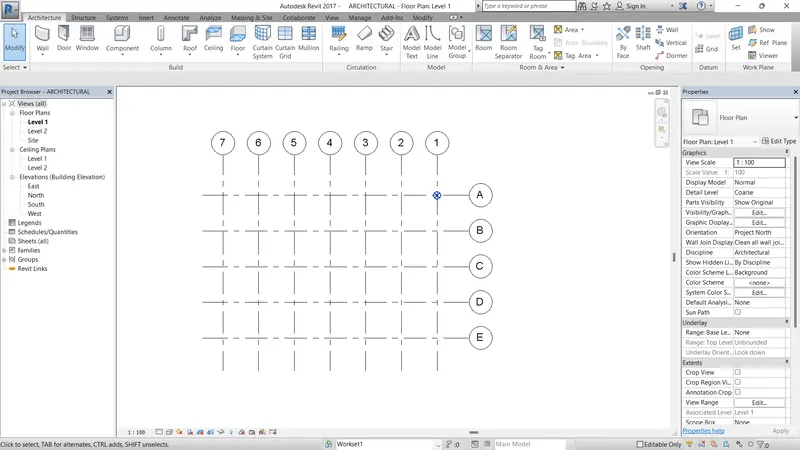
- finally the result as been given below
RESULT :
5) Synchronize the changes from the local copy to the central file of the architectural model.
AIM :
To Synchronize the changes from the local copy to the central file of the architectural model.
INTRODUCTION :
- When working on a workshared project, use the Synchronize with Central tool to save your local changes to the central model. To Synchronize with Central: Click Collaborate tab Synchronize panel Synchronize with Central drop-down (Synchronize Now).
- The central model stores the current ownership information for all worksets and elements in the project, and acts as the distribution point for all changes made to the model.
PROCEDURE :
- open the revit file
- then open the allready saved above file on architectural template
- After finishing the offset grid option make the drawing to syned with central file
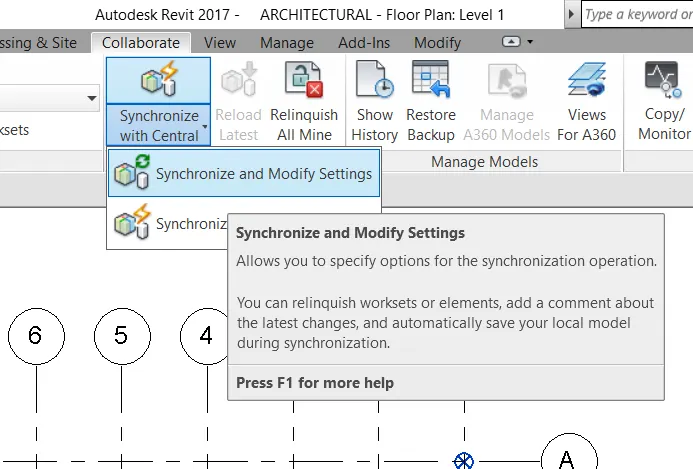
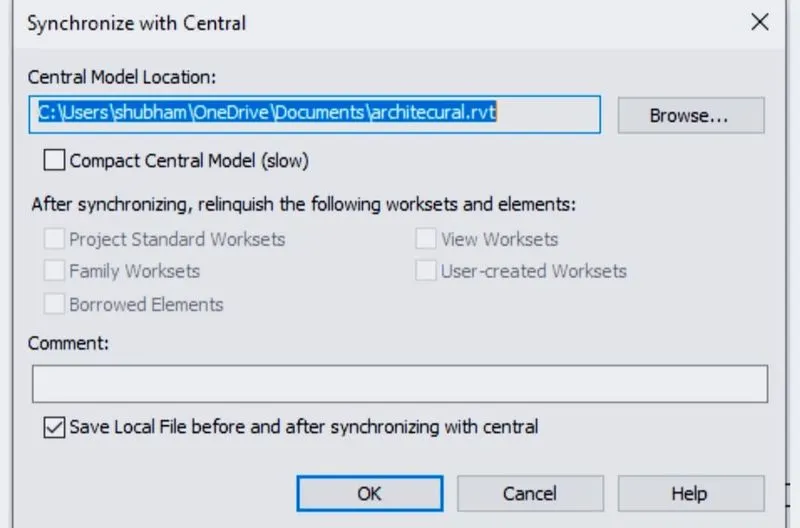
- Select the collabarate tab,and select the synchornize and modify setting
- And select the compact central model and press ok
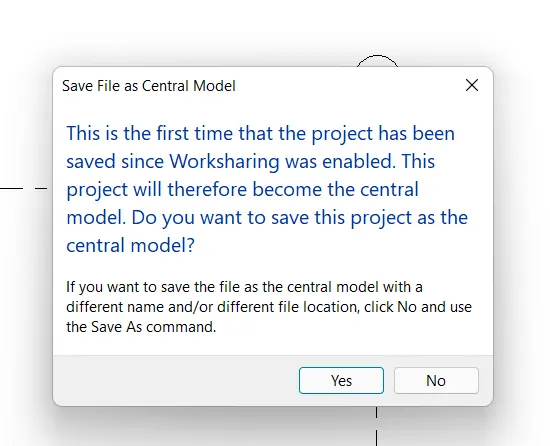
- Finally finishing the settings and give save option to save file in central model
RESULT :
6) Open the structural model and use the collaborate tools to save the model as a central file.
AIM :
To Open the structural model and use the collaborate tools to save the model as a central file.
INTRODUCTION :
- When working on a workshared project, use the Synchronize with Central tool to save your local changes to the central model. To Synchronize with Central: Click Collaborate tab Synchronize panel Synchronize with Central drop-down (Synchronize Now).
- The central model stores the current ownership information for all worksets and elements in the project, and acts as the distribution point for all changes made to the model.
PROCEDURE :
- open the revit file
- select the structural template already we did file
- And use the collaborate tab
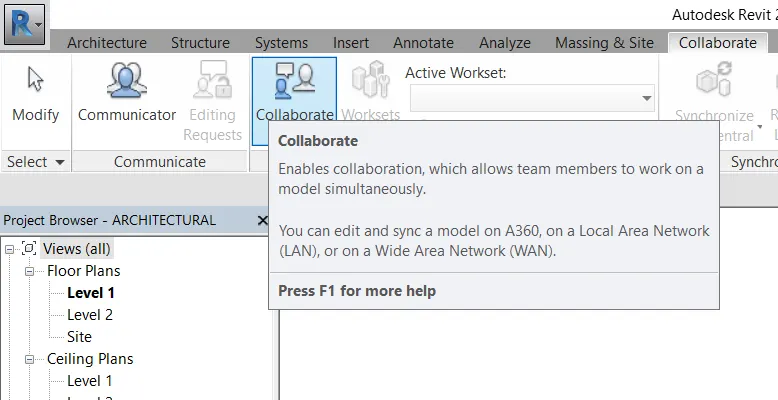
- select the collaborate with in a network option
- select the synchornize and modify setting
- And select the compact central model and press ok
- synchorized with central and modify
RESULT :
- In the model of the synchoronized is checked and doned
7) Under the Collaborate tab, select the grids and levels from the architectural model, and using Copy Monitor try to copy the grids to the structural model. See what happens when the copy monitored grid is moved around in the structural model
AIM :
To Under the Collaborate tab, select the grids and levels from the architectural model, and using Copy Monitor try to copy the grids to the structural model. See what happens when the copy monitored grid is moved around in the structural model
INTRODUCTION :
- The Copy/Monitor tool is designed for use with important elements of a building model to streamline coordination and collaboration on a project that involves multiple teams. When you start the Copy/Monitor tool, you can select Use Current Project or Select Link.
- When working on a workshared project, use the Synchronize with Central tool to save your local changes to the central model. To Synchronize with Central: Click Collaborate tab Synchronize panel Synchronize with Central drop-down (Synchronize Now).
PROCEDURE :
- open the revit file
- select the architectural template already we did file
- And use the collaborate tab
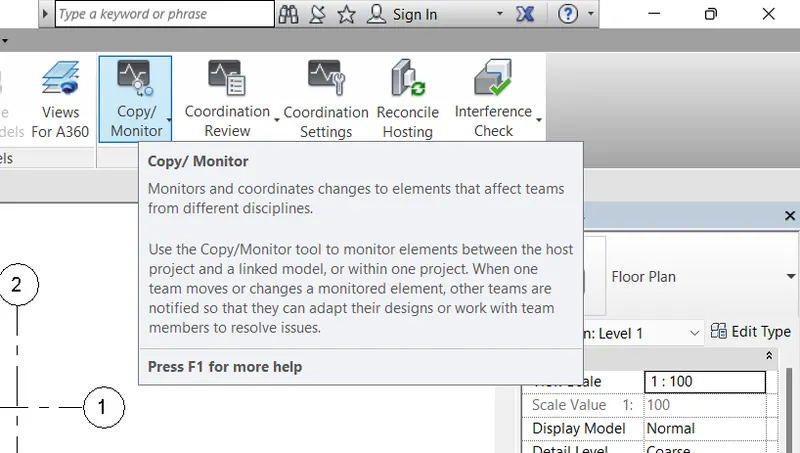
- For use the copy/monitor option
- And select the link revit option
- Then open the structural drawing to link in the architectural template
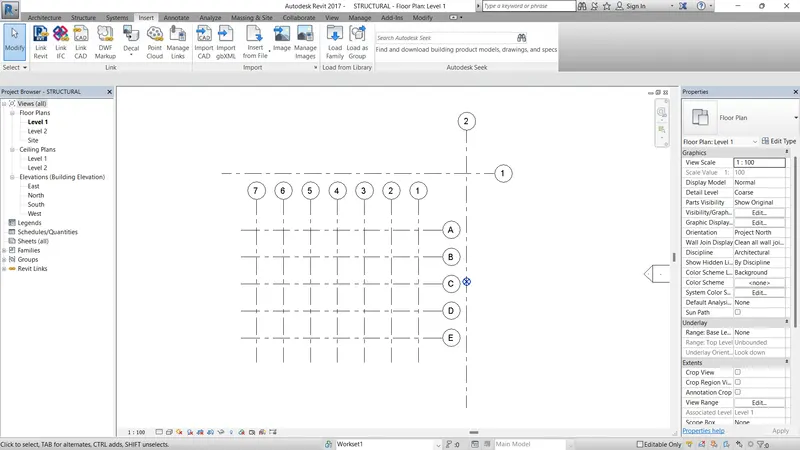
- select the grid and copy option and make the multiple
- And select the drawing
- Select the finish command
- finally the column will be founded in the current template
RESULT :
8) Create another new file with a construction template. Save the new file as a central model. This file will include both architectural and structural model. Under the manage tab, Click manage links to link both architectural and structural files. Save the file and close all the files.
AIM :
To Create another new file with a construction template. Save the new file as a central model. This file will include both architectural and structural model. Under the manage tab, Click manage links to link both architectural and structural files. Save the file and close all the files.
INTRODUCTION :
- A template is nothing more than the starting point of our project. With them, we can set all the information that is common within projects of the same type without having to manually input it every time we start a new one.
- Products and versions covered. Revit 2021. Aug 24 2021In-product view. When working on a workshared project, use the Synchronize with Central tool to save your local changes to the central model. To Synchronize with Central: Click Collaborate tab Synchronize panel Synchronize with Central drop-down (Synchronize Now).
PROCEDURE :
- open the revit file
- select the construction template
- And use the collaborate tab
- In the colllaborate tab to file as centre line
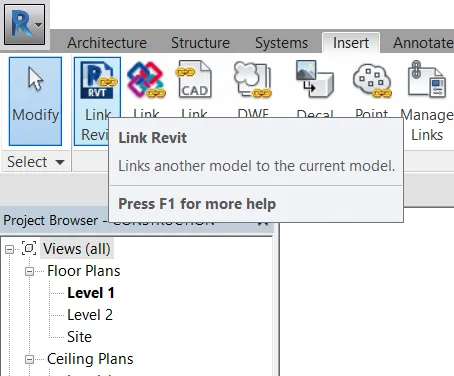
- select the manage tab in tool bar and select the link revit
- then select the architectural and structural drawing one by one
- and link the current template
- finally all the template combined in one template
RESULT :
9) Are the grids from structural and architectural model matching in the construction template created? If yes the model is set up for project 2. If not work on the shared parameters and linking options under Manage links
( Hint: origin to origin, by shared coordinates or by project base point to base point ) to link the models in an appropriate manner
AIM :
To project on structural and architectural model matching in the construction template created? If yes the model is set up for project 2. If not work on the shared parameters and linking options under Manage links ( Hint: origin to origin, by shared coordinates or by project base point to base point ) to link the models in an appropriate manner
INTRODUCTION :
- Linking models is primarily intended for linking separate buildings, such as those that compose a campus. You can link architectural models, structural models, and MEP models. You can link Revit LT models to other Revit LT models. ... Linked models are listed in the Revit Links branch of the Project Browser
- Monitor means that Revit monitors the copied object with the object it has been copied from. If the Architect makes a change to something that is Monitored, then a message will appear when the link is updated.
PROCEDURE :
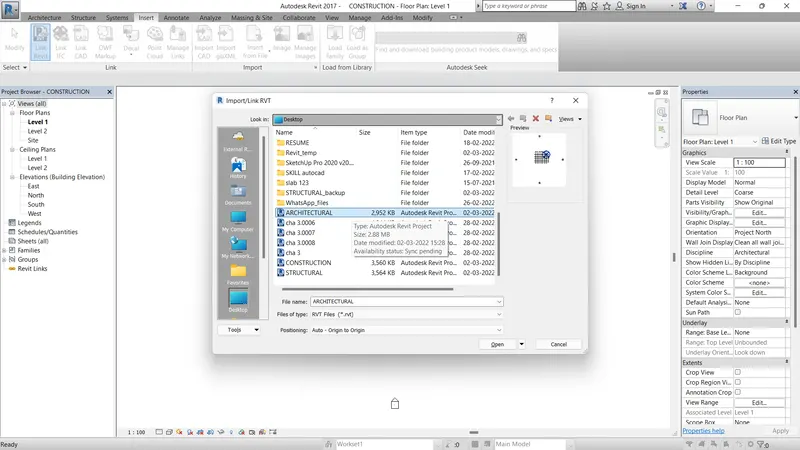
- Open the architectural template and select manage tab.
- In the manage tab select the manage links and
- select the structural template drawing.
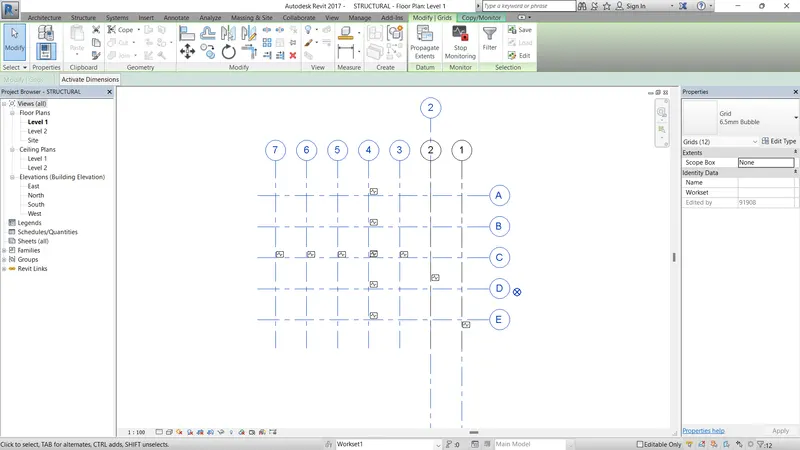
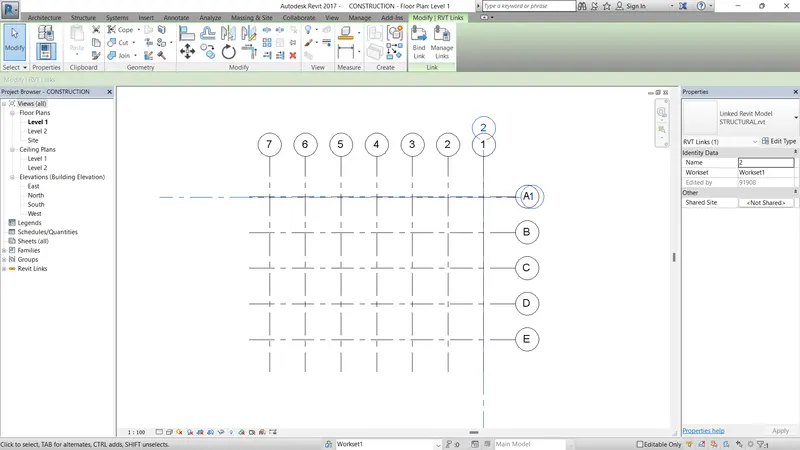
- Both the grids will appear in the arch template and it is not coninciding.
- Select the arch grid and select acquire coordinates and select the arch template grid.
- Select the position icon and click relocate position and select the intersection point of the grids.
- The grids will be positioned.
RESULT :
- my strcutural and architectural model are coninciding in the construction template created.
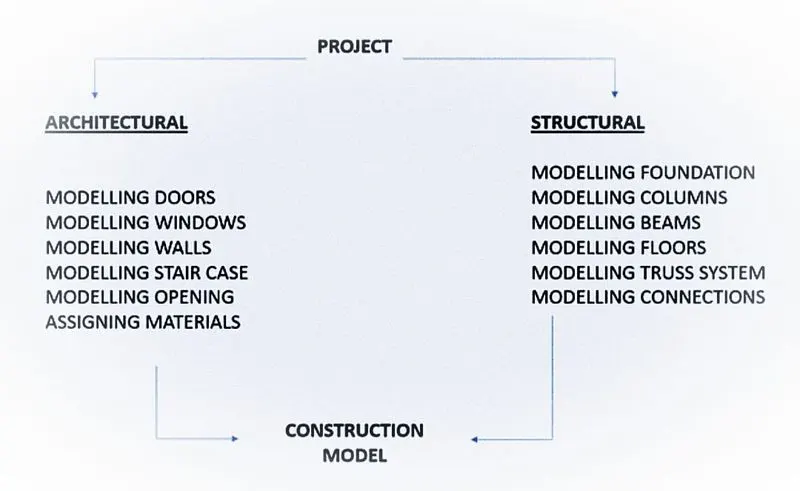
10) List a flow chart of a project tree set up in terms of Construction model, Architecture & Structure model, in this exercise and understand how many people can work on the same project using Revit simultaneously
AIM :
To List a flow chart of a project tree set up in terms of Construction model, Architecture & Structure model, in this exercise and understand how many people can work on the same project using Revit simultaneously
INTRODUCTION :
- Add structural elements to the building model. Use the structural column tools to add vertical load-bearing elements to building models. Use beams tools to add load-bearing structural elements to building models.
PROCEDURE ,RESULT :
how many people can work on the same project using Revit simultaneously
- Enable worksets, this will create a central file then multiple people can work on the same project. For multiple users to use the same Revit file at the same time you need to turn on Worksets.
- Use worksharing to allow multiple users to work on different parts of one Revit project. Worksharing allows simultaneous access to a shared model through use of a central model. Use worksharing when you are working with a single model (one RVT file) that will have multiple team members working on it.
List a flow chart of a project tree set up in terms of Construction model, Architecture & Structure model, in this exercise
For the construction model the project tree is as:
- Site access
- Logistics and storage
- Quality control
- Outstanding contract details
- Outstanding design-related challenges
- Health and safety
For architectural model
- Schematic design
- Design Development
- Construction Documents
- Bidding
- Construction Adminintration.
For structural model
- The primary objective of structure analysis and design is to produce a structure capable of resisting all applied loads without failure during its intended life.If improperly designed,elements ofa structure would fail causing serious consequences such as large expenses.
- Once the architechtural engineer sets the function and layout of the structure,the role of the structural engineer begins which can be summarized in the following steps to develop a safe.functional and economic structures.