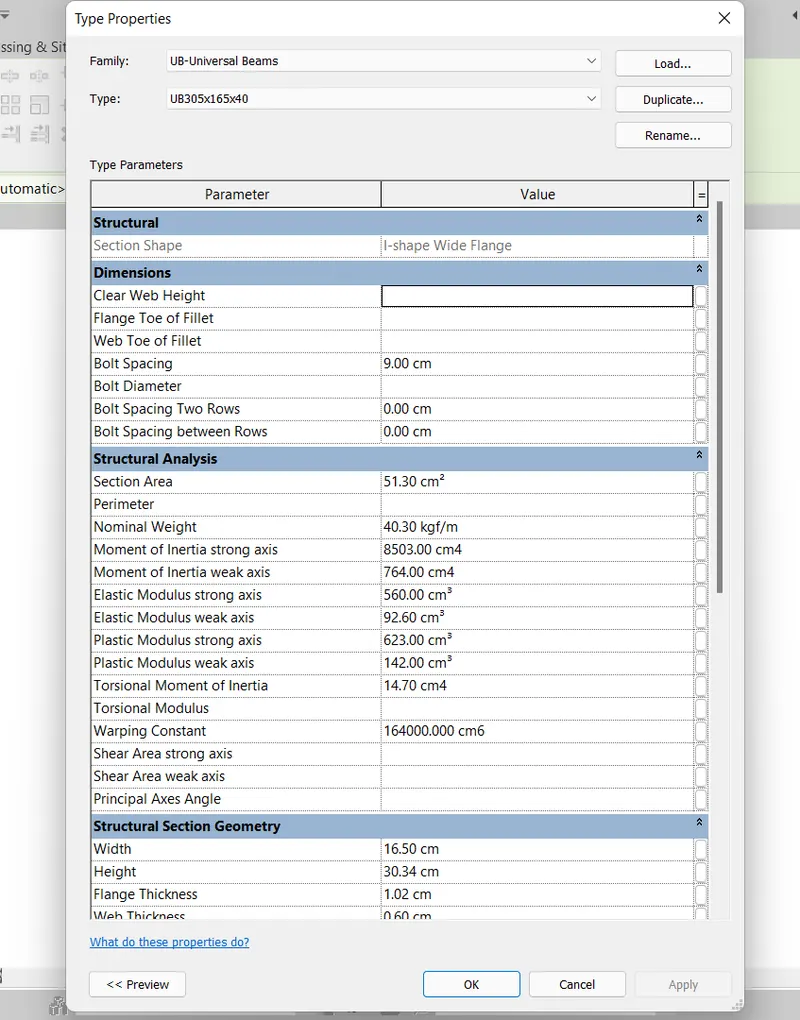
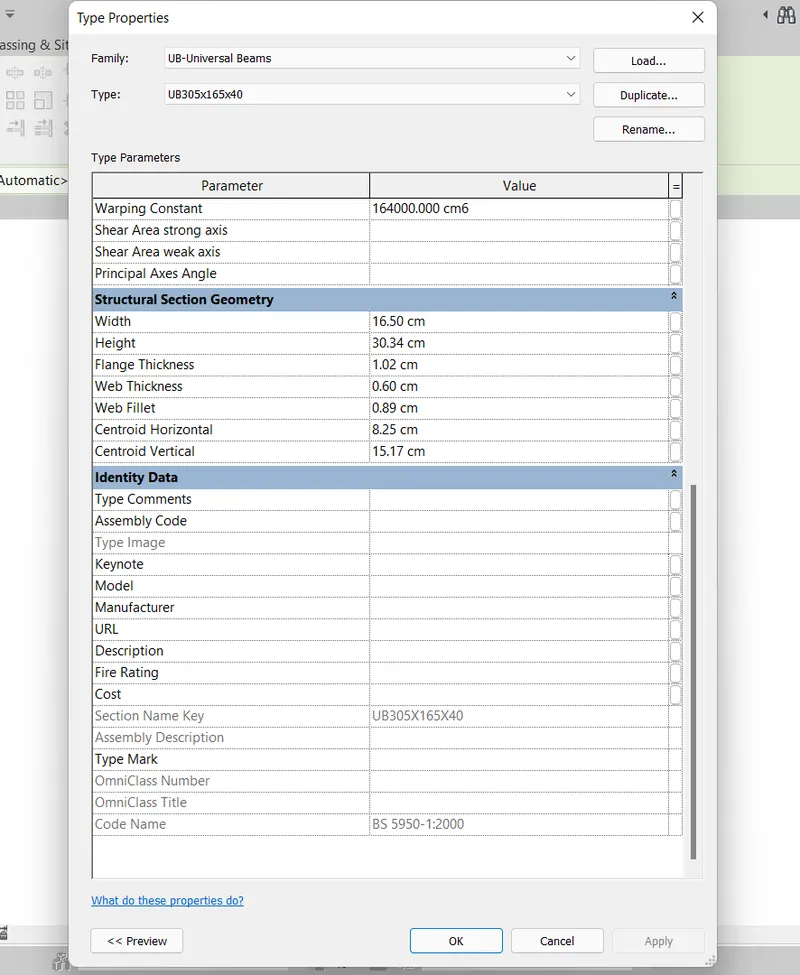
Preparing Schedule & Cost Estimation for a building using REVIT
1) Use the shortcut keys in Revit discussed in class to complete the following tasks and list them below
AIM :
To Use the shortcut keys in Revit discussed in class to complete the following tasks and list them below
INTRODUCTION :
Shortcut keys help provide an easier and quicker method of navigating and executing commands in the computer software. Shortcut keys are performed using the Alt key (on IBM compatible computers), Command (on Apple computers), Ctrl key, or Shift key in conjunction with another key.
PROCEDURE :
a. Using 3D model create a section box
KEYBOARD SHORTCUT : Section box - BX
b. To create similar doors and windows in a floor plan layout
KEYBOARD SHORTCUT : Create similar - CS
c. To reduce the thickness of lines visible in plan views
KEYBOARD SHORTCUT : Thin line - TL
d. To apply override settings to a floor in the model section view
KEYBOARD SHORTCUT : Visibility Graphics and Override setting - VG
f. To select the previously selected items
KEYBOARD SHORTCUT : Reselect - Ctrl+<
g. To add annotations to the model views
KEYBOARD SHORTCUT : Dimension - DI
h. To bring the model elements in line
KEYBOARD SHORTCUT : Align - AL
i. To rotate the model elements
KEYBOARD SHORTCUT : Rotate - R
j. To move an object to another location
KEYBOARD SHORTCUT : Move - MV
k. To copy a model element
KEYBOARD SHORTCUT : Copy - CO
l. To mirror an element about an axis
KEYBOARD SHORTCUT : Mirror- MM
m. To create an array of model elements
KEYBOARD SHORTCUT : Array - AR
RESULT :
Finally Completed the following tasks and list them below about use the shortcut keys in Revit
2) Using Revit and the project used from week 6 to 8 prepare a schedule for the following
a. Walls
b. Doors
c. Windows
d. Material – Concrete/Wood
AIM :
To using Revit and the project used from week 6 to 8 prepare a schedule for the following
INTRODUCTION :
A schedule is a tabular display of information, extracted from the properties of the elements in a project. A schedule can list every instance of the type of element you are scheduling, or it can collapse multiple instances onto a single row, based on the schedule's grouping criteria.
PROCEDURE :
PLAN :
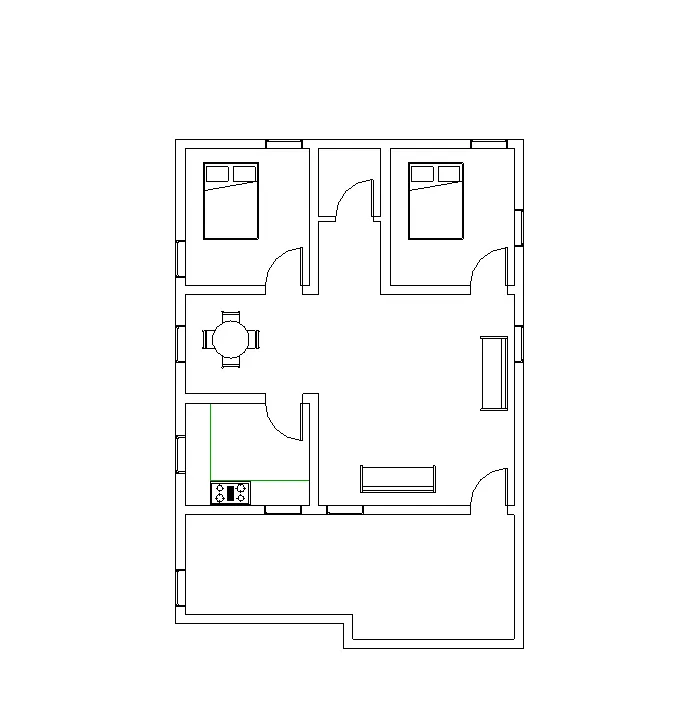
a. Walls :
- Open the revit software
- make sheet as architectural template
- And draw plan as given above
- Use the shedules > in the view tab
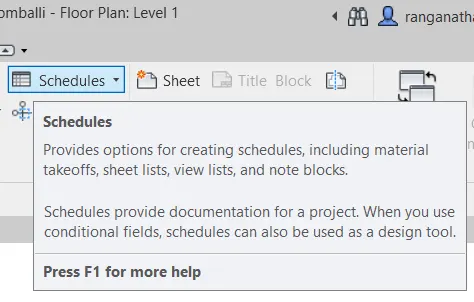
- Use the shedule option to take the (schedule/quantities)
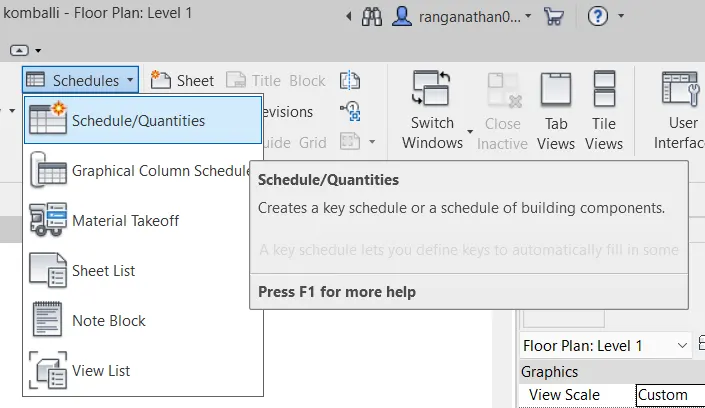
- After selection of schedule/quantities it's automatically open the new shedule box
- And just pick the walls option, and then click ok
- And select the material in available field
- Then make import the material to available field to shedule field (in order)
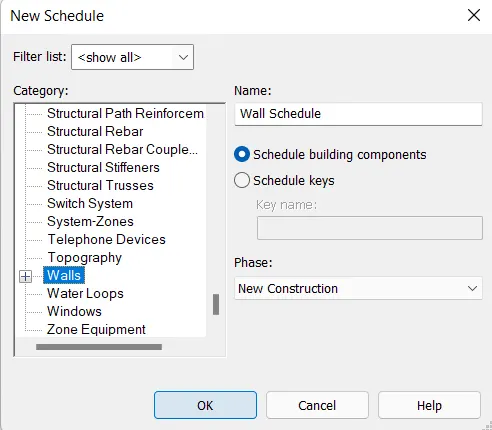
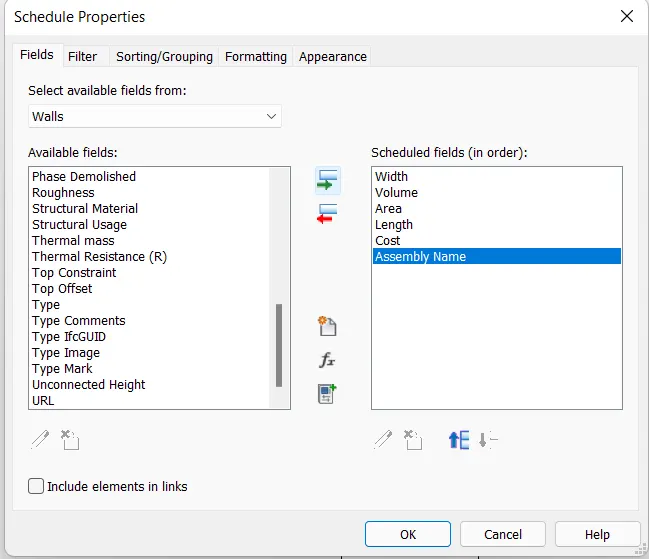
- After import the material Assemble
- Just click ok
- Now we can seen below, its make the wall shedule table
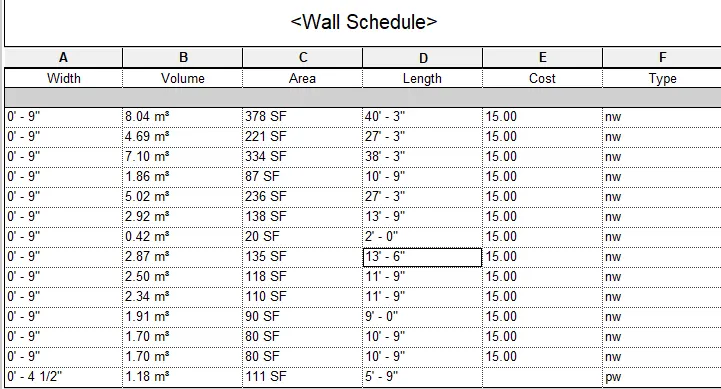
b. Doors :
- Same like as use the above procedure for doors shedule
- Use the shedules > in the view tab
- Use the shedule option to take the (schedule/quantities)
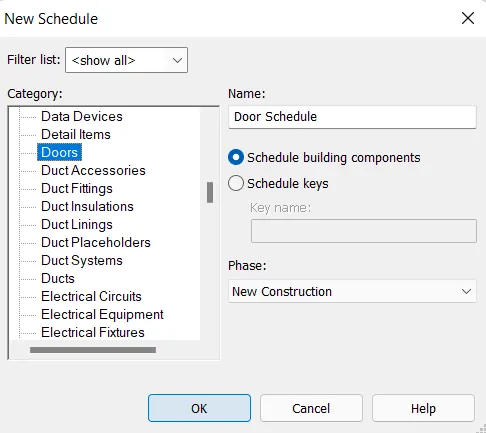
- After selection of schedule/quantities it's automatically open the new shedule box
- And just pick the doors option, and then click ok
- And select the material in available field
- Then make import the material to available field to shedule field (in order)
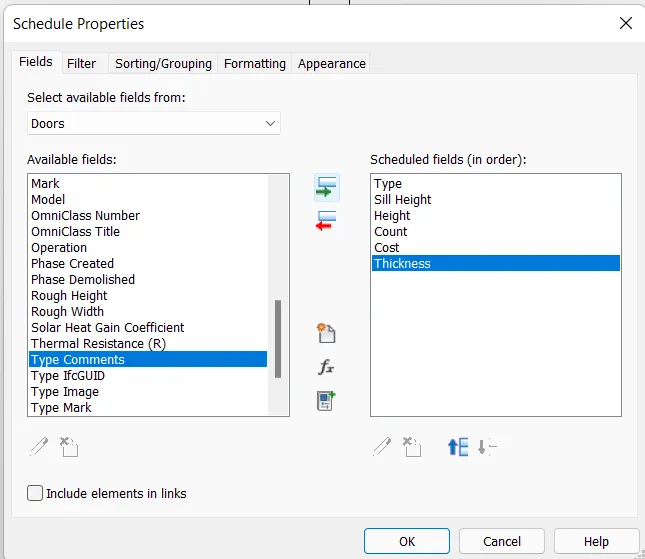
- After import the material Assemble
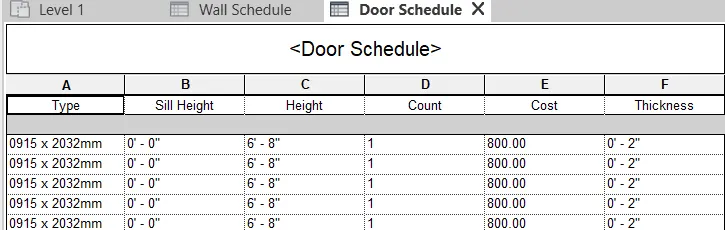
- Just click ok
- Now we can seen below, its make the wall shedule table
c. Windows :
- Same like as use the above procedure for window shedule
- Use the shedules > in the view tab
- Use the shedule option to take the (schedule/quantities)
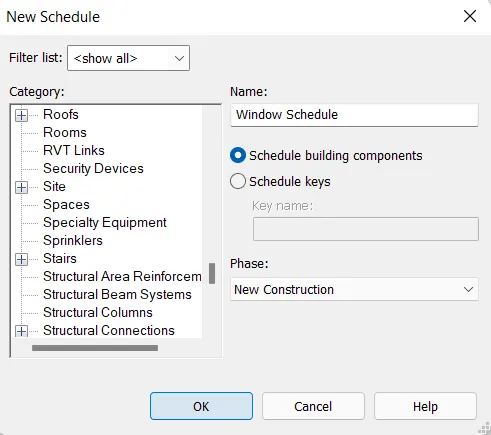
- After selection of schedule/quantities it's automatically open the new shedule box
- And just pick the windows option, and then click ok
- And select the material in available field
- Then make import the material to available field to shedule field (in order)
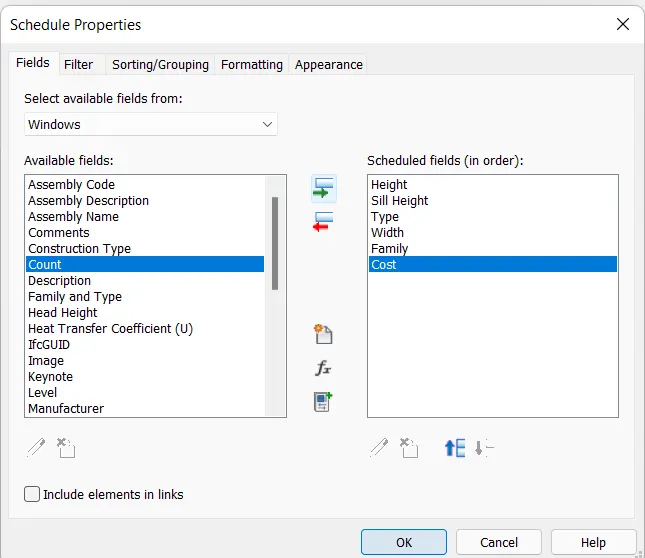
- After import the material Assemble
- Just click ok
- Now we can seen below, its make the window shedule table
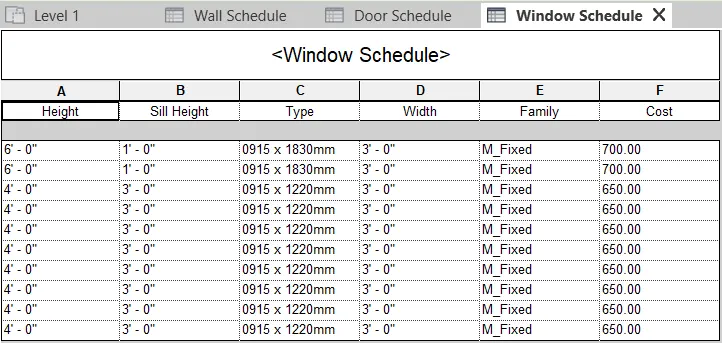
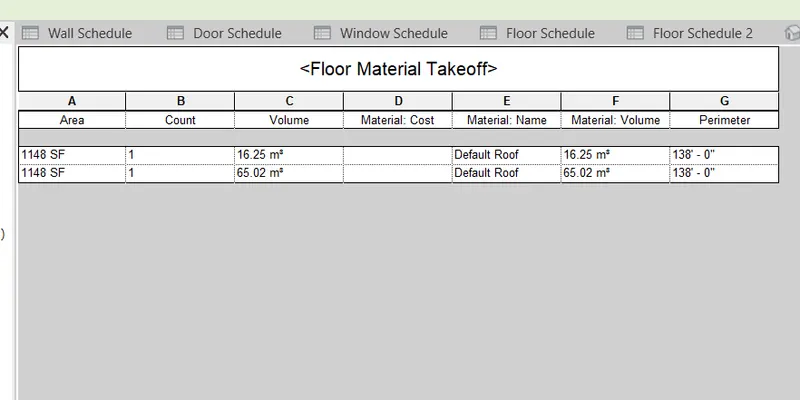
d. Material – Concrete/Wood :
- Here some procedures are different
- Now we can take the material take off in shedule tab
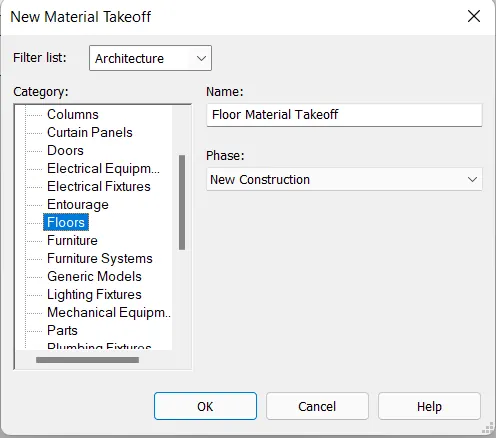
- After selection of material take off it's automatically open the new material takeoff box
- And just pick the floor option, and then click ok
- And select the material in available field
- Then make import the material to available field to shedule field (in order)
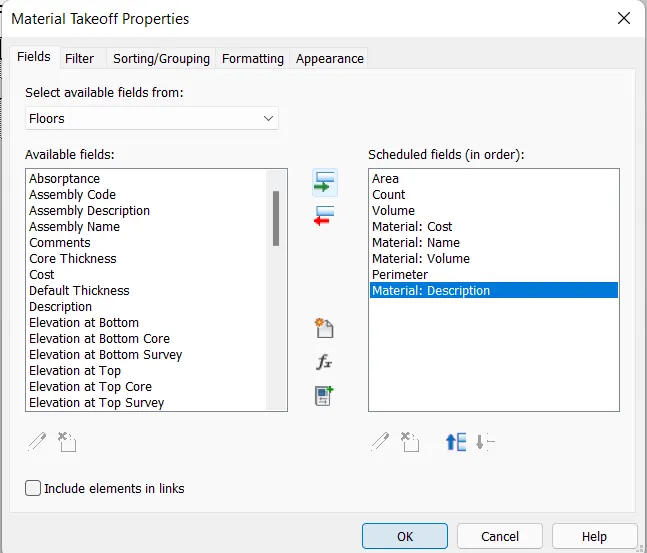
- After import the material Assemble
- Just click ok
- Now we can seen below, its make the floor material shedule table
RESULT :
1.) WALLS :
2.) DOORS :
3.) WINDOWS :
4.) MATERIAL CONCRETE (FLOOR) :
3) Using Revit Calculate area and volume of each room in the model with appropriate room tags applied to each room. Prepare a schedule report for area and volume of each room.
AIM :
To Using Revit Calculate area and volume of each room in the model with appropriate room tags applied to each room. Prepare a schedule report for area and volume of each room.
INTRODUCTION :
A schedule is a tabular display of information, extracted from the properties of the elements in a project. A schedule can list every instance of the type of element you are scheduling, or it can collapse multiple instances onto a single row, based on the schedule's grouping criteria.
PROCEDURE :
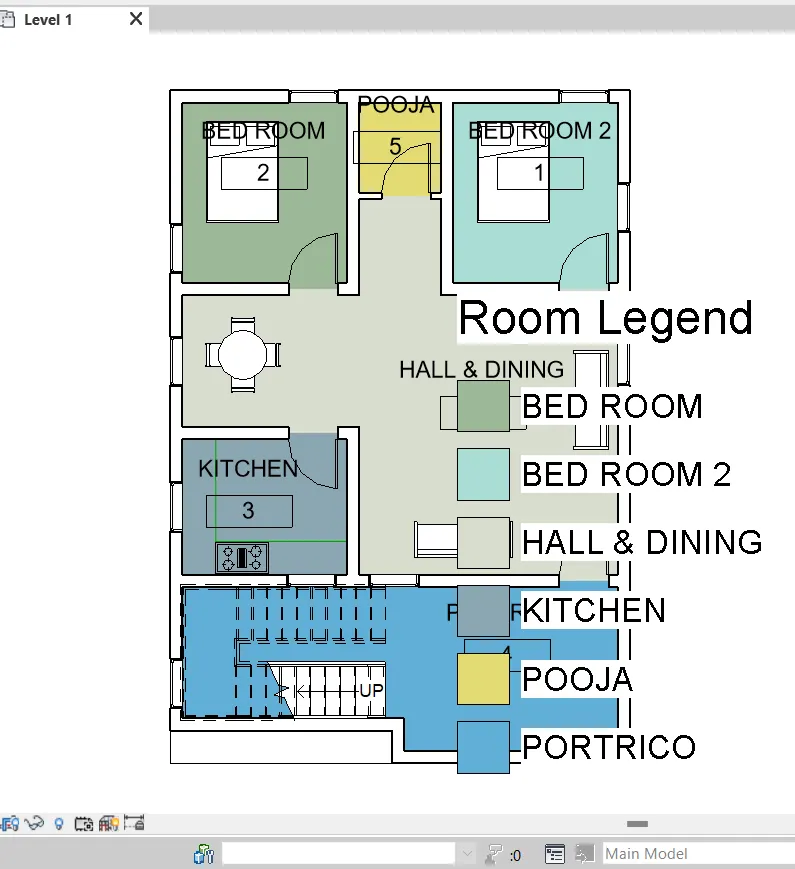
- Here use the same plan as given above
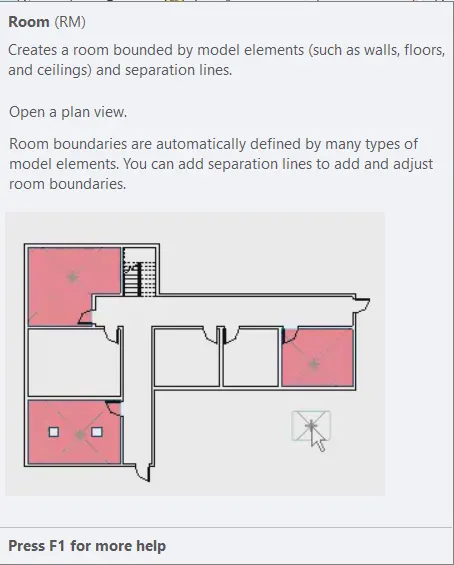
- And just pick the room option
- Then select the rooms what you want
- And make the name of the rooms
- And pick the colour scheme in analize tab
- Then the rooms are created as shown below
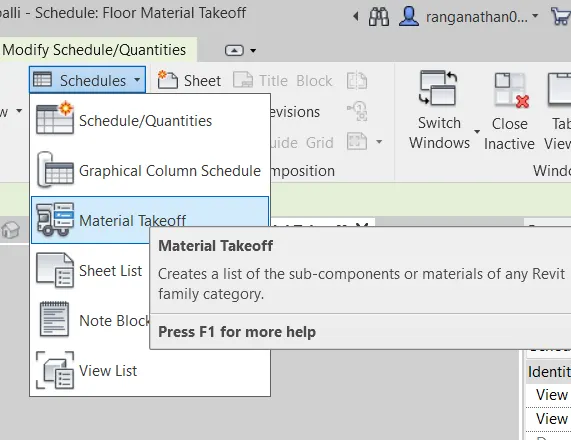
- Use the shedules > in the view tab
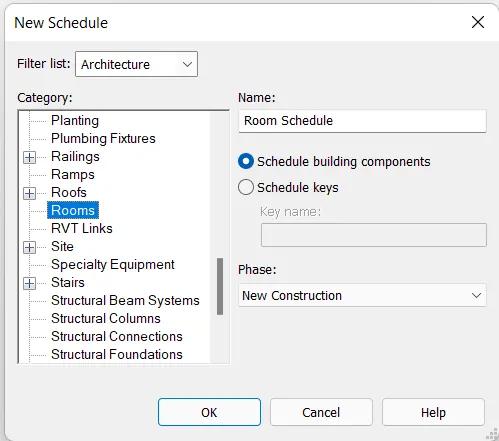
- Select the material take off
- it's can open automatically the new schedule box
- And the select the room and then click ok.
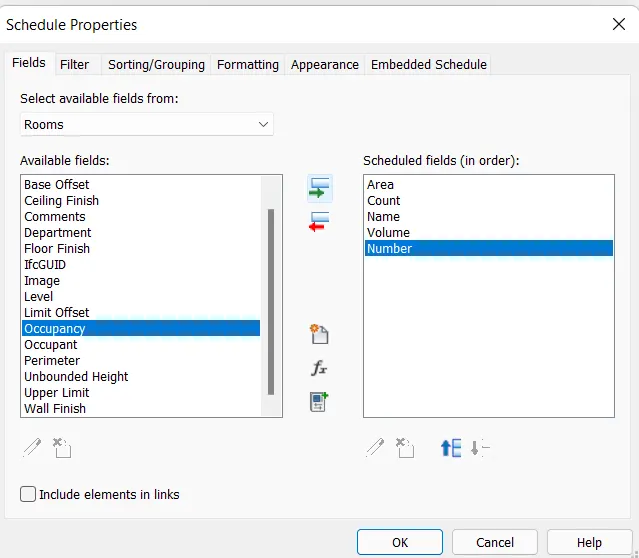
- we can import the wanted materials from available fields to the schedule field
- And then click ok
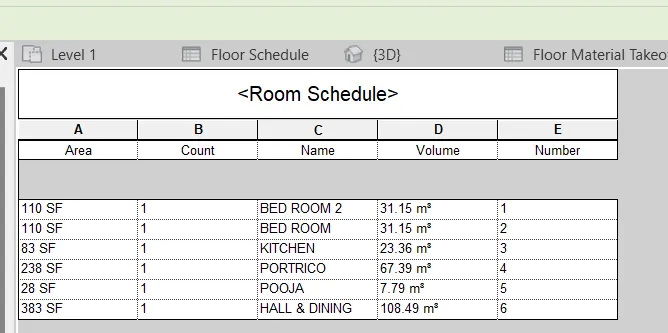
- Here we can see the result as finally the room schedule as beeen created in below
RESULT :
4) Using the same schedule using the unit cost rate for materials available in the internet, prepare total cost of materials used in the project
a. Total Cost of Materials
b. Individual Material Take off
AIM :
To using Revit and the project used from week 6 to 8 prepare a schedule for the following
INTRODUCTION :
A schedule is a tabular display of information, extracted from the properties of the elements in a project. A schedule can list every instance of the type of element you are scheduling, or it can collapse multiple instances onto a single row, based on the schedule's grouping criteria.
PROCEDURE :
1.) FOR WALLS :
- Open the revit software
- make sheet as architectural template
- Use the shedules > in the view tab
- Select the material takeoff
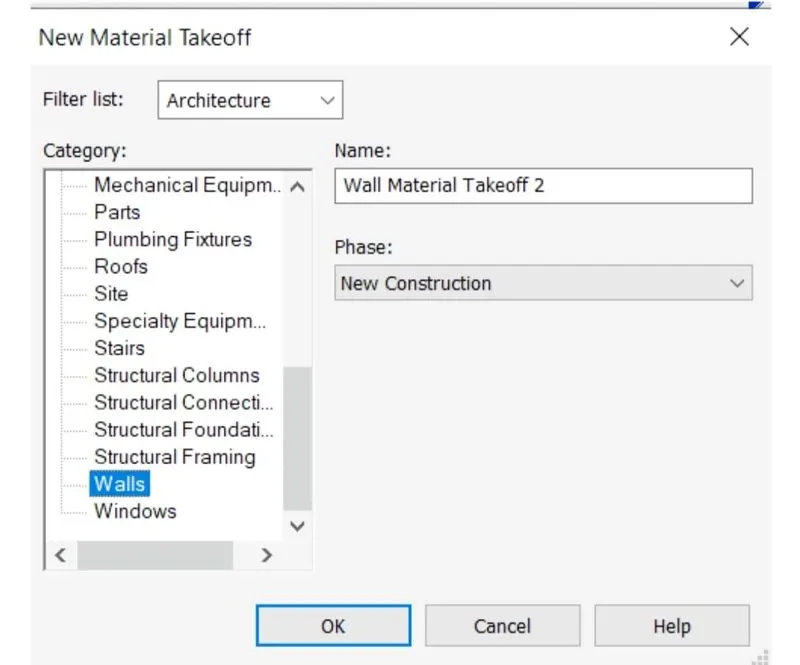
- Then select the walls option
- It's automatically open the material takeoff properties
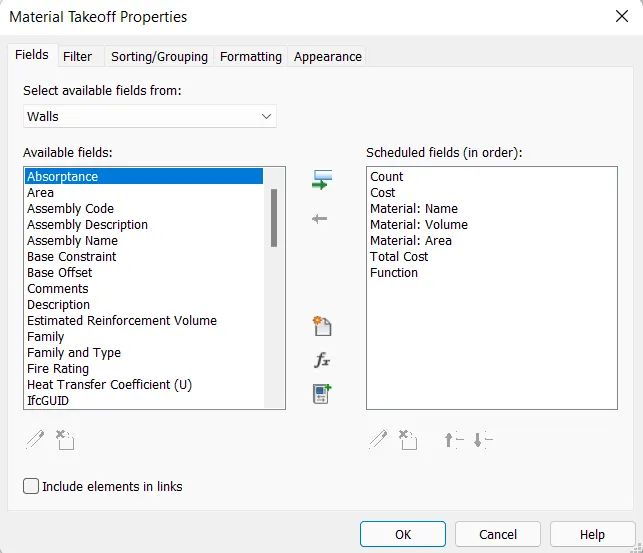
- And select the material in available field
- Then make import the material to available field to shedule field (in order)
- And then open the calculated option in above the modify tab
- Select one schedule tab like i select the description option
- Then select the calulated tab and make name and formula
- the formula as given below the image
- And then click ok
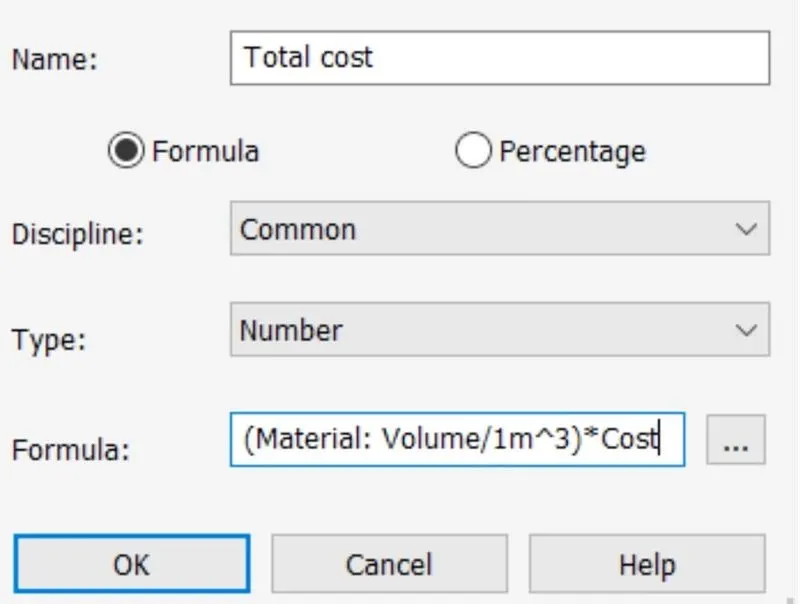
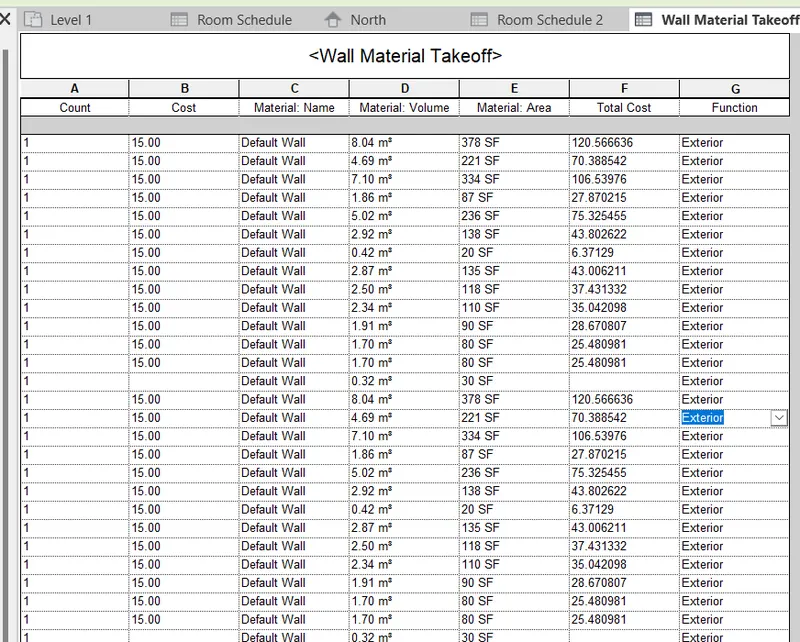
- It's automatically formula as calculate the value in the tabel shown below
2.) FOR DOORS :
- Same like as the above procedure
- Use the shedules > in the view tab
- Select the material takeoff
- Select the door option here
- And then click ok
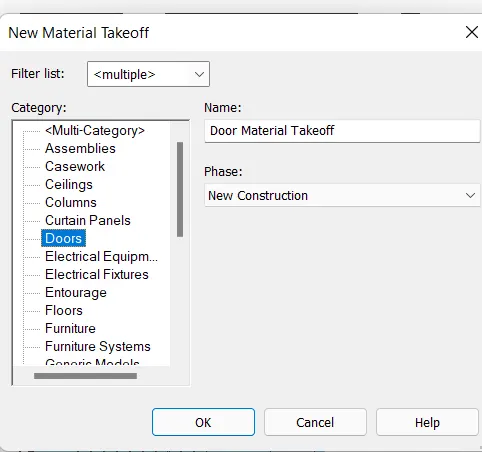
- It's automatically open the material takeoff properties
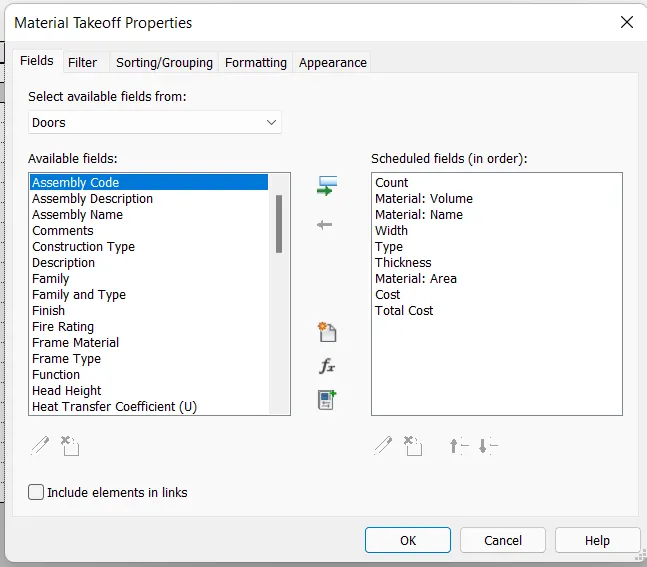
- And select the material in available field
- Then make import the material to available field to shedule field (in order)
- And then open the calculated option in above the modify tab
- Select one schedule tab like i select the description option
- Then select the calulated tab and make name and formula
- The formula as given below the image
- And then click ok
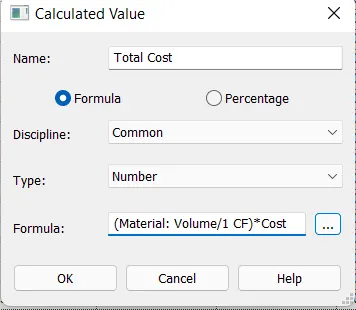
- It's automatically formula as calculate the value in the tabel shown below
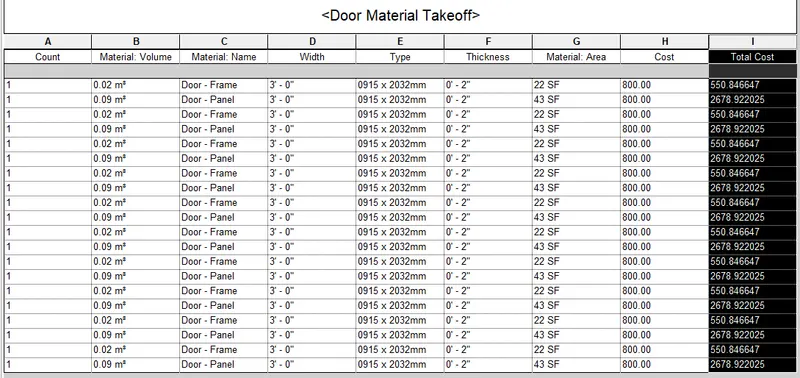
RESULT :
1. FOR WALLS :
2.) FOR DOORS :
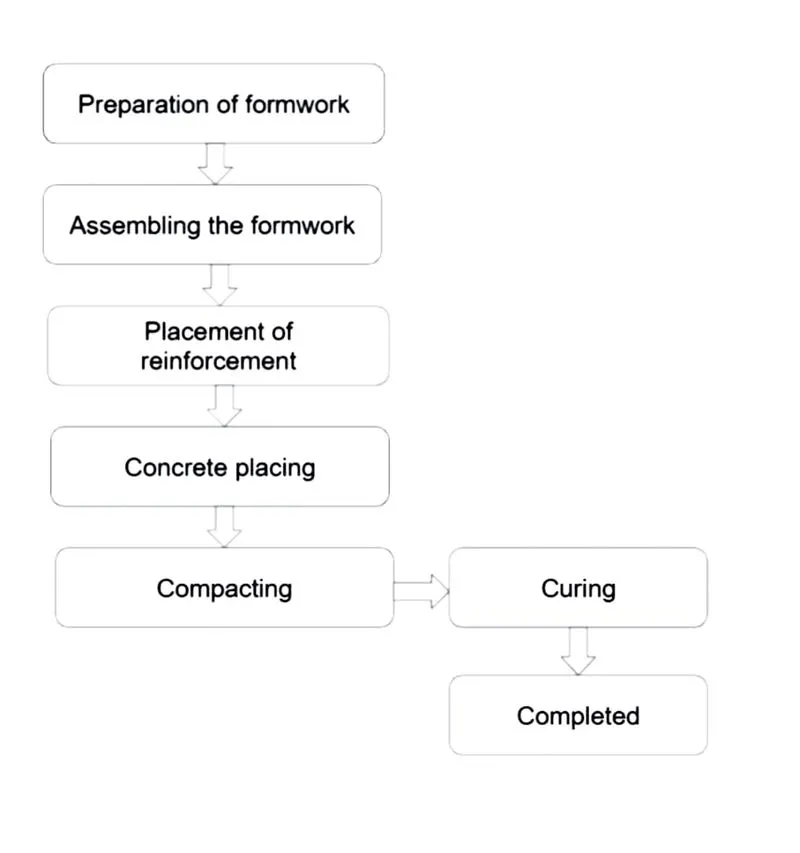
5) Using the concept of Visual Programming discussed in class, list a flowchart for the following scenario
a. How to decide framings for a structure using Dynamo ?
b. If there is no water coming from the pipes
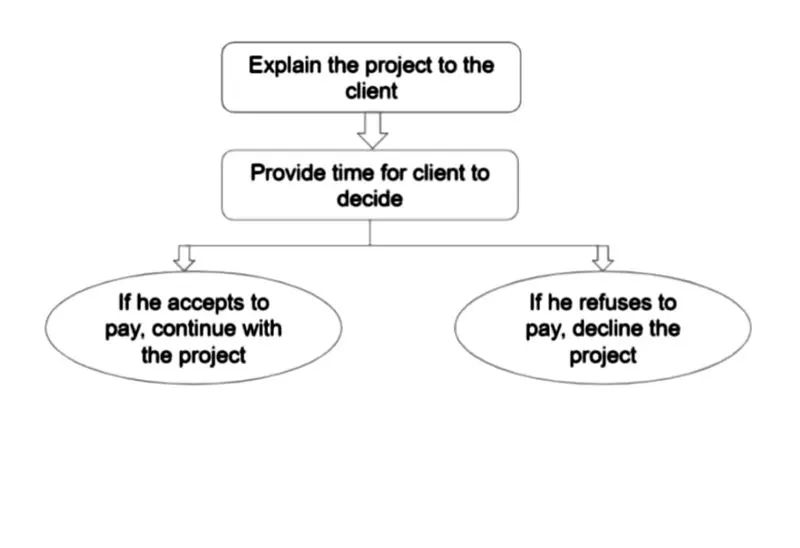
c. If request for money from client has been declined for the project
A.)
B.)

C.)
6) List the parameters associated with each model element
AIM :
To List the parameters associated with each model element
PROCEDURE :
a. Wall
- Wall type
- Wall description
- wall material
- wall posistion
- wall width
- wall length
- wall height
- wall area
- wall volume
- Material cost
b. Floor
- Floor type
- Floor description
- Floor area
- Floor thickness
- Floor material
- Material cost
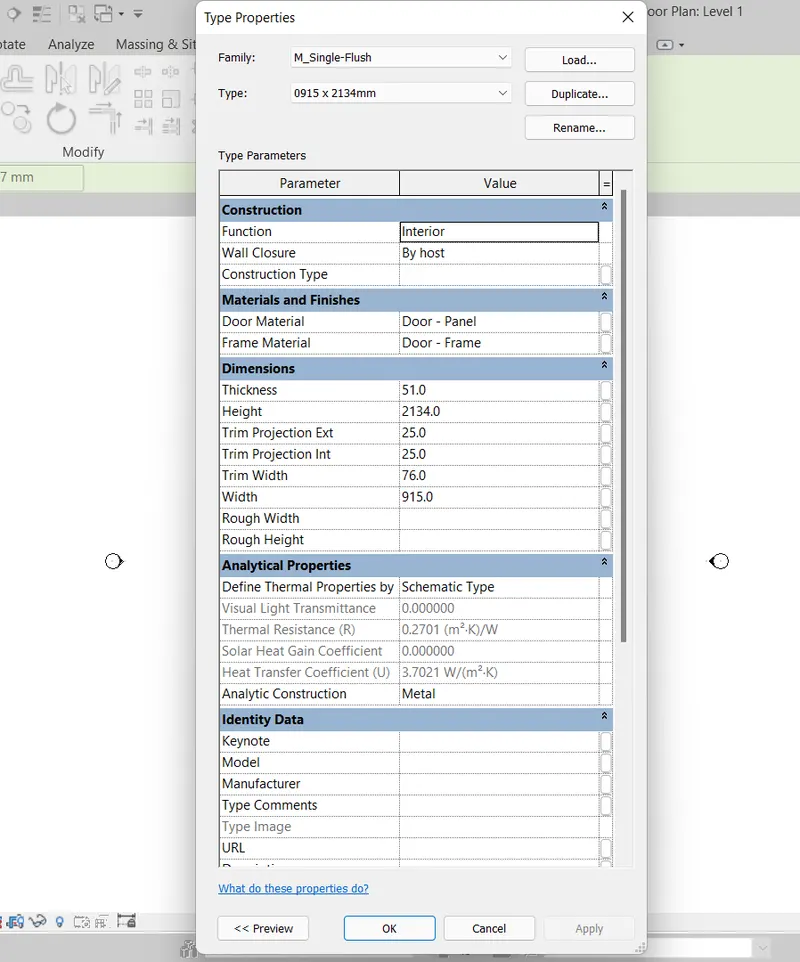
c. Door
- Door type
- Door Description
- Door material
- Door width
- Door height
- Material cost
d. Window
- Window type
- Window description
- Window width
- Window height
- Window material
- Material cost
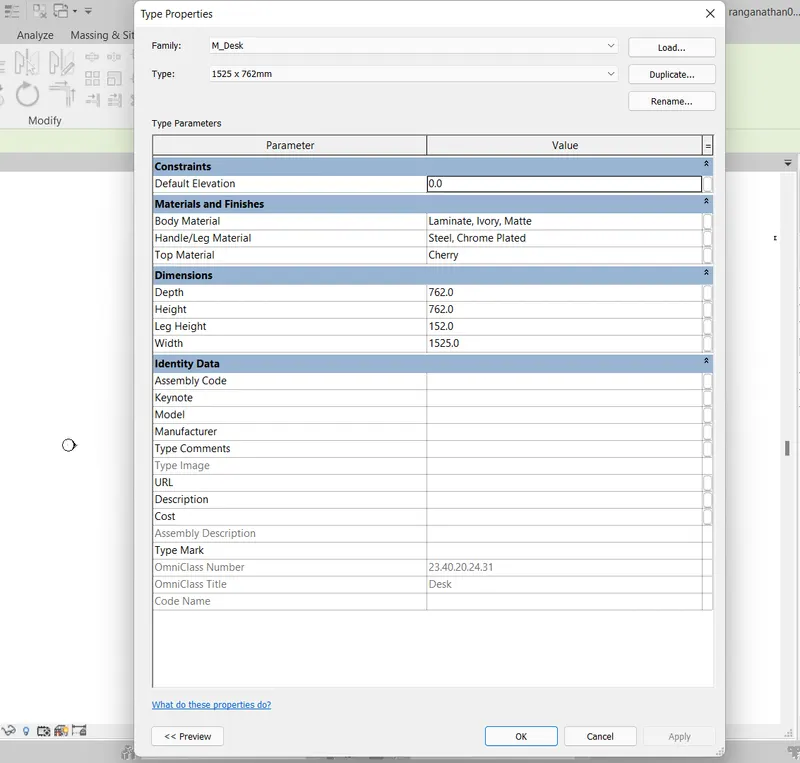
e. Table
- Table width
- Table length
- Table type
- Table weight
- Table matrial
- Table cost
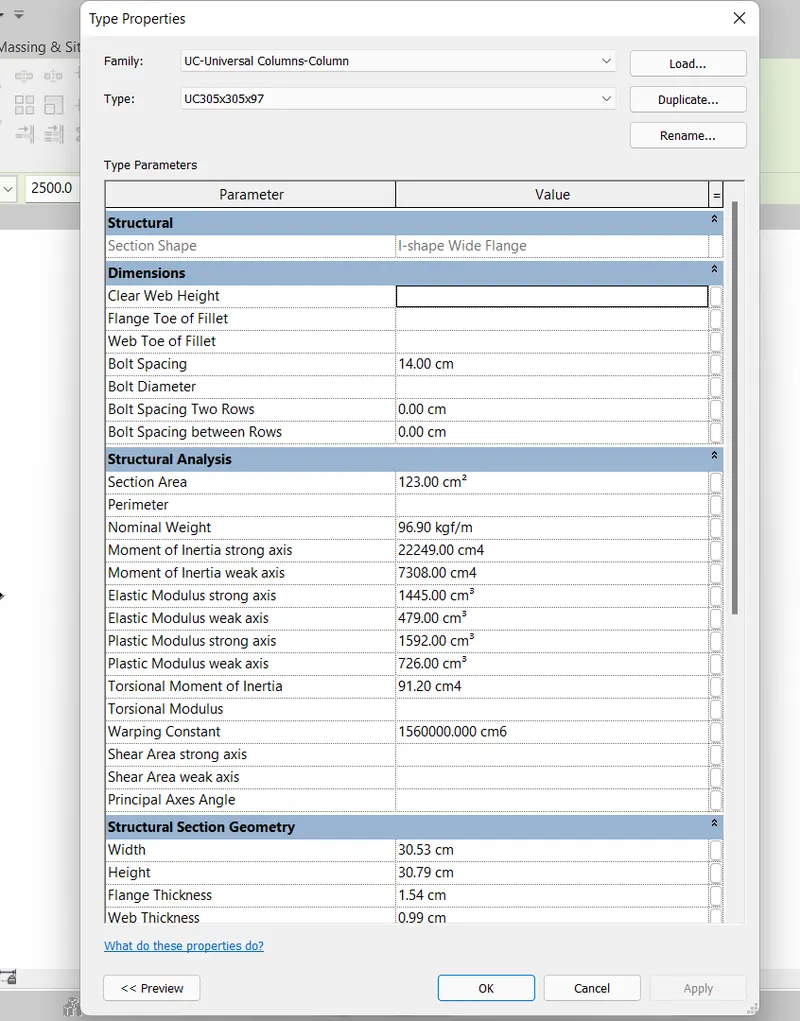
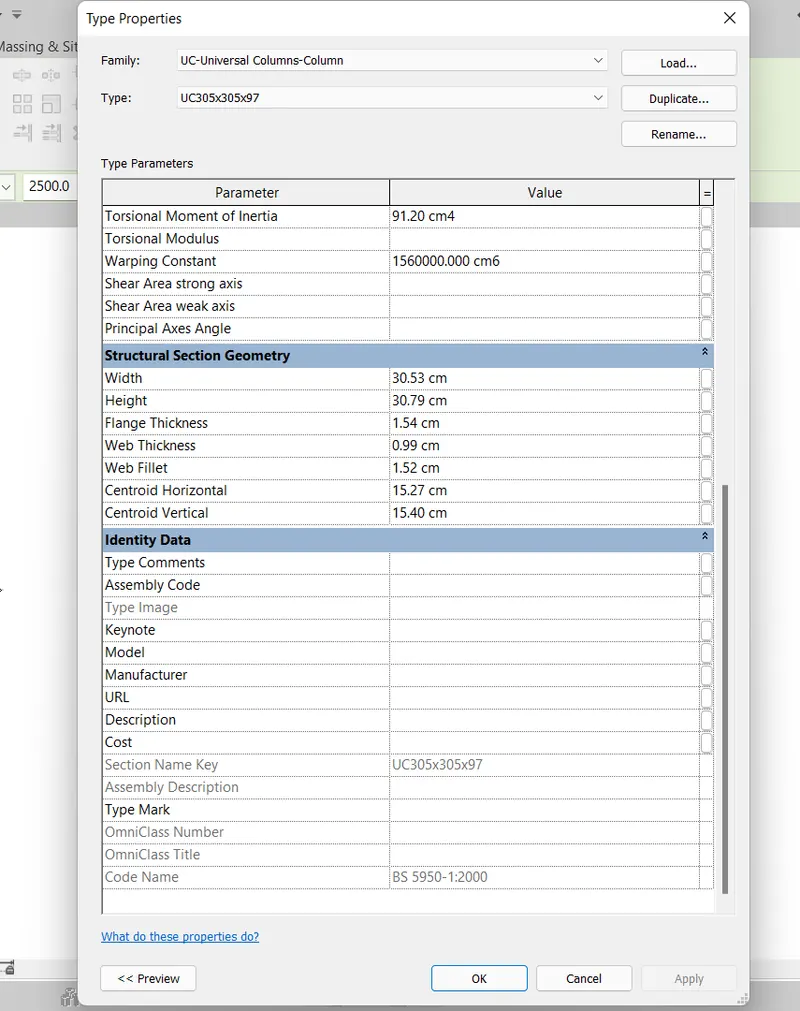
f. Building
- Building type
- Building floor area
- Building perimeter
- Building location
- Building height
- Material
- Possible loads on a building
RESULT :
1.) WALL :
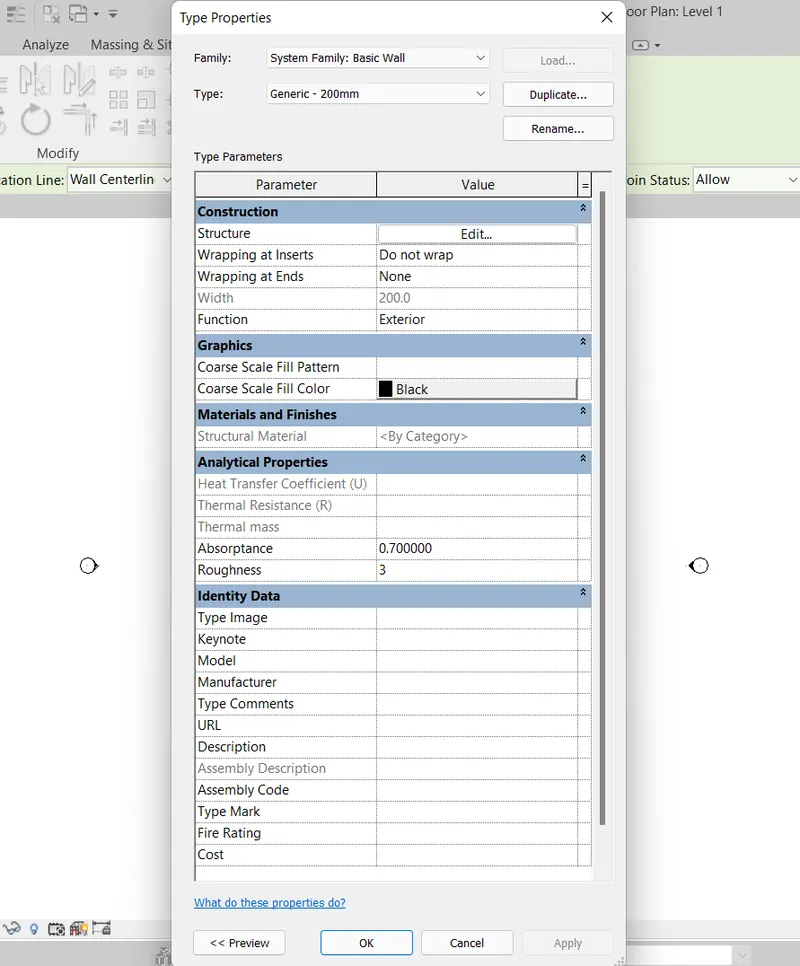
2.) FLOOR :
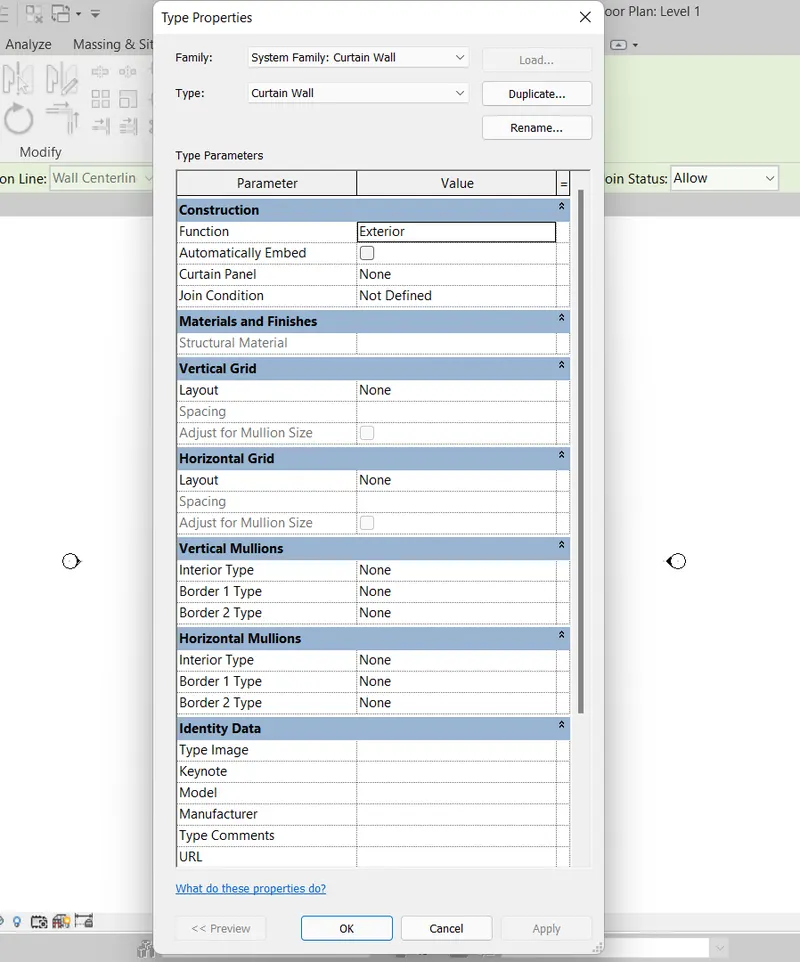
3.) DOOR :
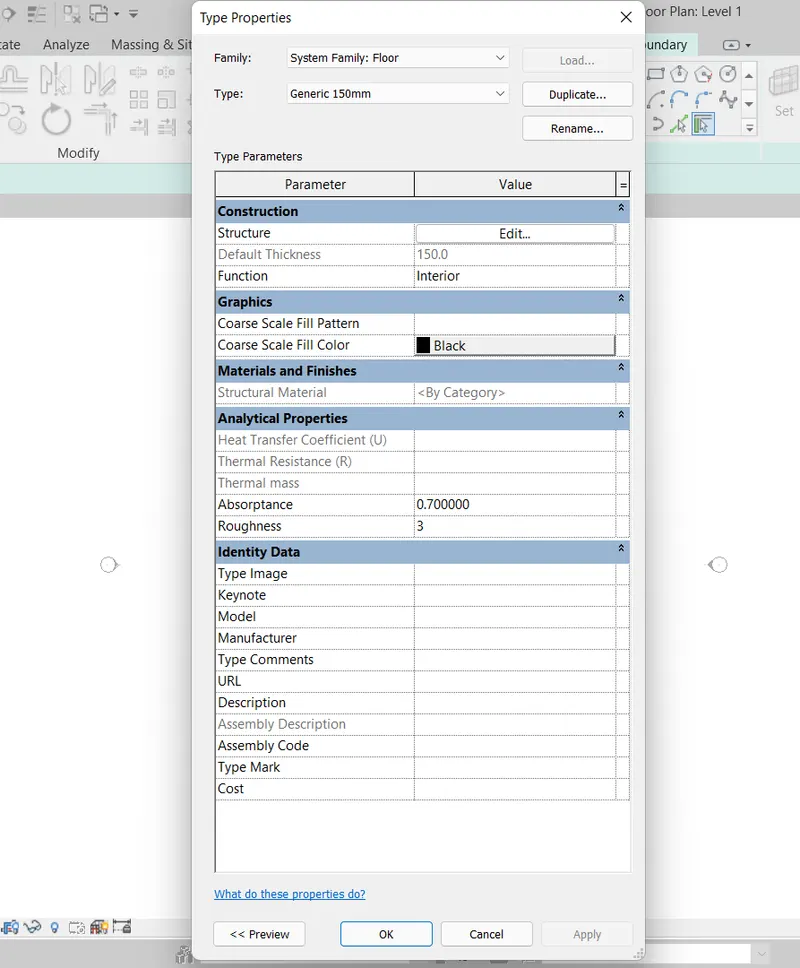
4.) WIMDOW :
5.) TABLE :
6.) BUILDING :
COLUMN :
BEAM :