Week 8 - Natural Convection-II
Natural Convection-II
Aim :
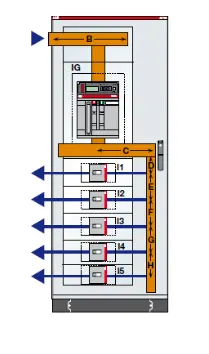
The aim of this challenge is to check the temperature increases in the configuration of the low voltage control panel with circuit breakers and bus bars. The impact of natural convection on circuit breakers and bus bars devices was also observed.
Objective:
The system of bus bars and disrupting circuits has been designed to study the natural convection effect and heat loss at a low voltage panel.
Build the enclosure with Panel dimensions:
Height-2000mm
Width-800 mm
Depth-900mm
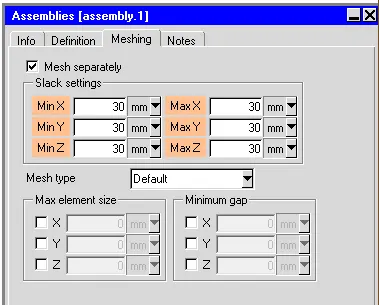
Choosing the height of the cabinet here is a rather tough thing. We must select a size in order for the airflow to circulate equally and systematically in the cabinet.Using mesh assemblies separately gives us the non-conformal mesh.
Now, address the normal convection issue by preserving the surface region of the radiation.
Theory:
A low-voltage panel is a part of a power distribution system that divides the power supply into branch circuits by supplying each circuit with a protective disruptor or fuse in a shared enclosure. Panelboards are used primarily to safeguard against electrical surges and short circuits while distributing power across a building or installation.
Circuit Breaker:
A circuit breaker is an electric switch that is operated automatically to protect a circuit against damage from overload or shortening by excessive current. The basic task is to stop the current flow following the discovery of a fault. In contrast, a circuit breaker can be reset to resume normal operation manually or automatically, in order to replace a fuse that works occasionally. Circuit breakers are manufactured of various types, from tiny gadgets to protect low-current circuitry or home electronics to massive switchgear to protect high-voltage circuits to power the whole community. As an automatic method for removal of control from a disabled device, the common role of a circuit breaker or fuse is sometimes abbreviated in an OCPD type.
Types of circuit breakers are:
- Low-voltage
- Solid-state
- Magnetic-state
- Thermal-magnetic
- Magnetic-Hydraulic, etc.
Bus bars:
With greater simplicity and versatility than any other permanent construction and storage formes, Busbars deliver energy. Sometimes spelt bus bars or bus bars are metal strips of copper, brass, or aluminium, which both use electricity and drive. Busbar comes in red, rectangular, cross-sectional, and a number of other forms. The rectangular bus bar is primarily used in the control network. A wide range of busbar arrangements is typically made from copper, aluminium, and brass.
Geometry:
Using the Icepak, we have created a geometry of the enclosure with the dimensions of
Height- 2000mm
Width- 800 mm
Depth- 900mm.
By trial and error, the size of the cabinet is set to the dimensions of 2000 * 2800 * 1500 mm
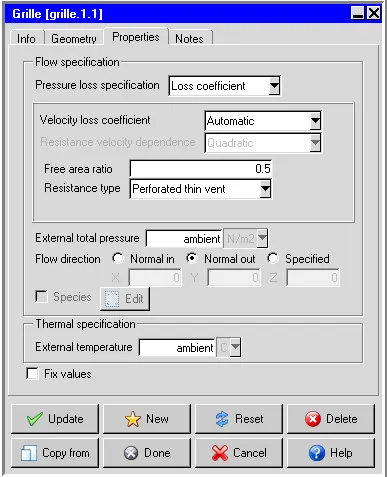
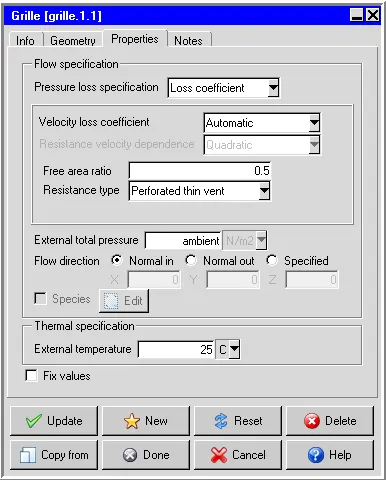
The upper grid is set to normal, so the air flowing through this grille went outside.
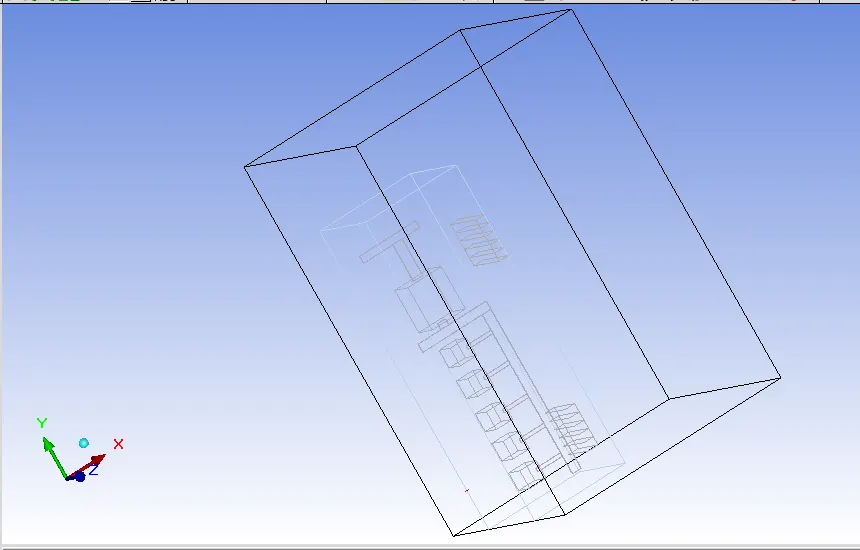
The geometry layout:
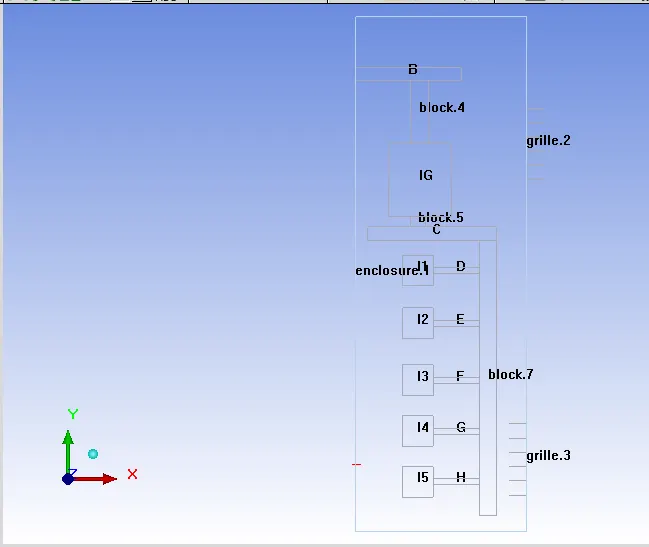
Here we created a box geometry that contains block circuit breakers, bus bars are connected to the blocks.
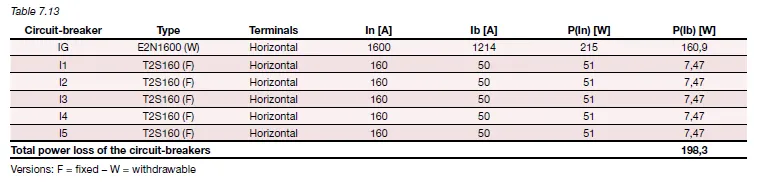
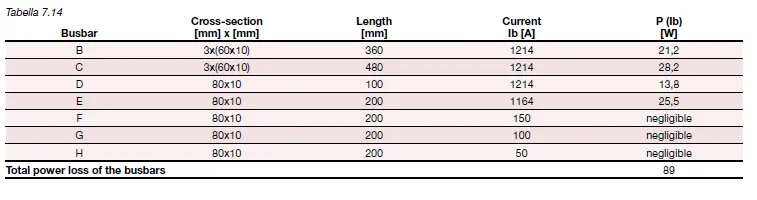
Dimensions and power in watts for the bus bars, circuit breakers are provided in the challenge.
Check that there are no gaps in the connections between the bus bars and the circuit breakers. The solution will diverge if some gulf exists between the two components.
Meshing:
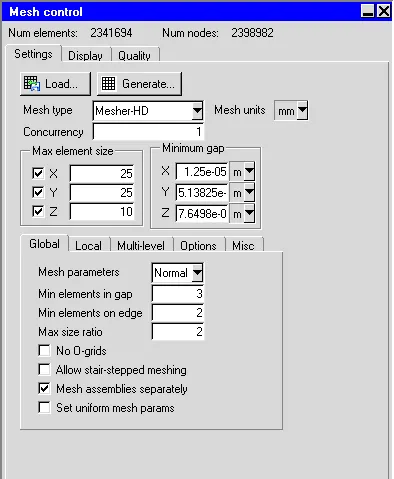
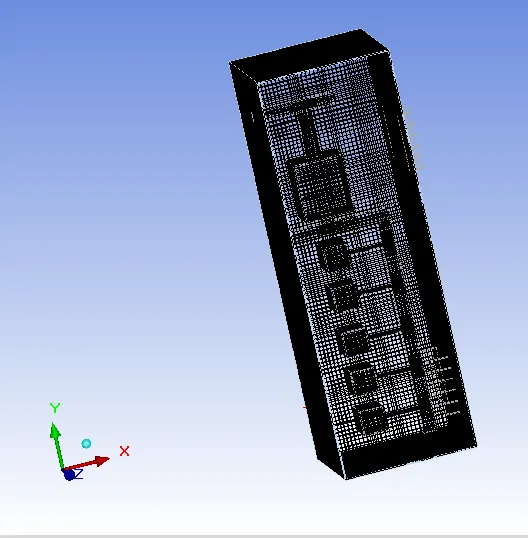
Here we have generated a non-conformal mesh with the number of elements are 2341694 and the number of nodes is 2398982.
Meshing for the total domain with cabinet:
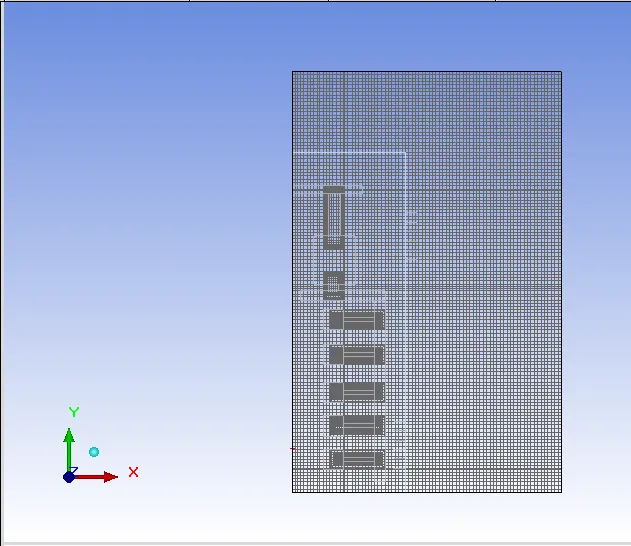
Meshing for the electronic panel board:
Skewness:
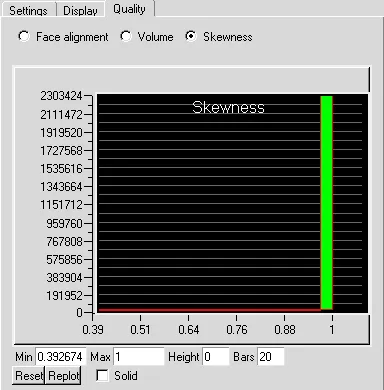
Skewness is the disparity between the shape of the cell and the type of an equilateral volume unit. The general concept is that with certain fluxes, the maximal skewness will be held below 0.95, with an average of less than 0.392 for a three-wing / tetrahedral mesh.
In this case, we achieved a good skewness value regarding the mesh quality.
Setup:
Basic parameters:
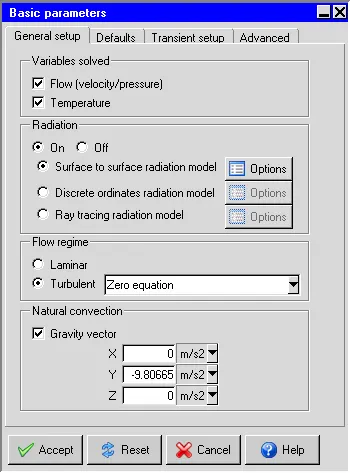
- To capture the natural convection phenomena in the problem, it is necessary to toggle the radiation option and then toggle the surface to surface radiation model.
- A turbulent flow regime has to be calculated with the gravity vector of -9.81 m/s in Y-direction in the natural convection space.
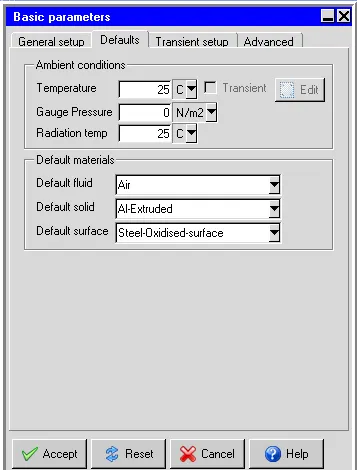
- The initial temperature for the case is set to 25 deg centigrade
Set no of iterations 100 and convergence criteria for energy to 1e-12.
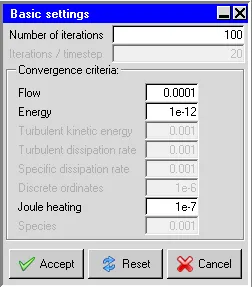
The total number of iteration was set to be 100 iterations and coming to the convergence criteria the flow was set to 0.0001 and energy was 1e-12, and the turbulent kinetic energy and turbulent dissipation rate were 0.001
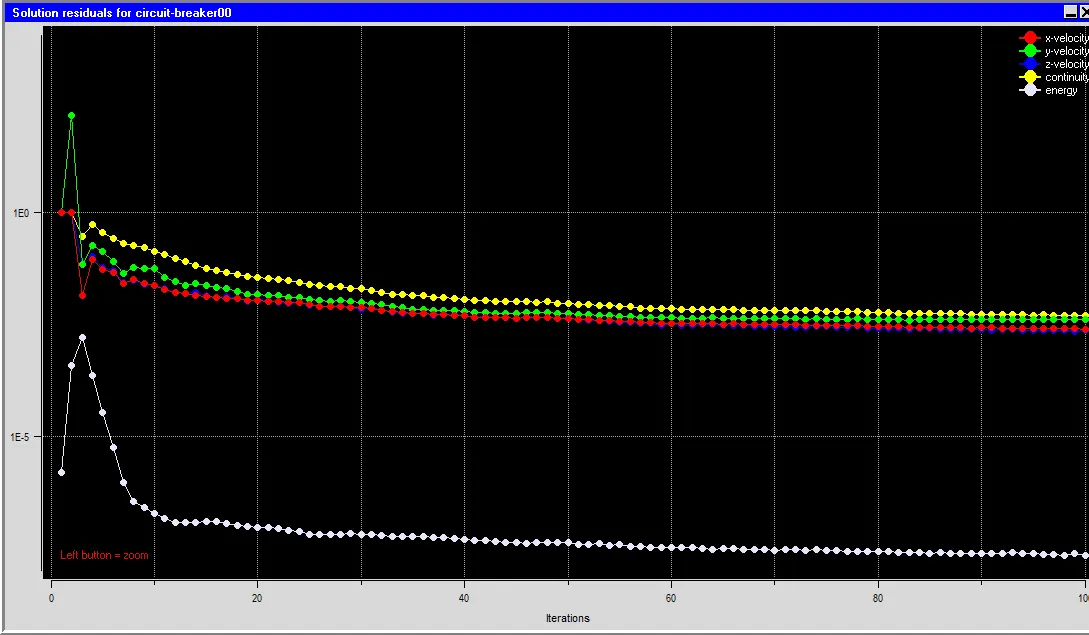
From the residual plot, it is clear that the simulation has reached the converged stage and also obtained the converge, and they are no fluctuations in the plot.
Parallel settings:
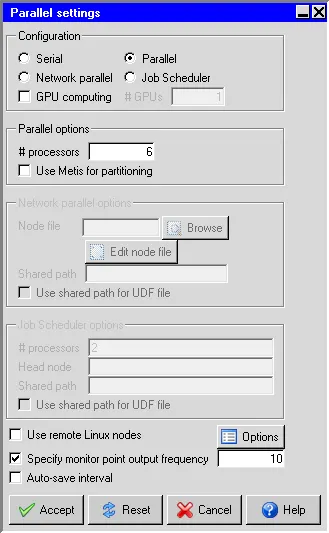
Temperature Linear solver: F cycle is selected for Type Enter 1e-6 for both the Termination criterion and Residual reduction tolerance
The discretization scheme properties were set accordingly as shown below
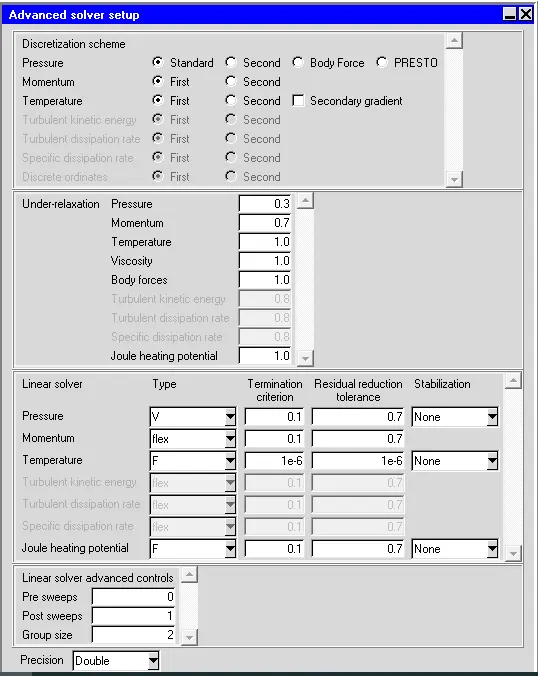
Enter a value of 1e-6 for both the Termination criterion and Residual reduction tolerance and the F cycle is was selected.
Select Double for the solver Precision.
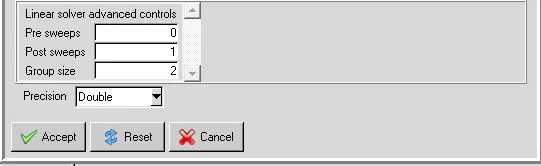
Single precision means that the floating-point numbers will be represented in a 32-bit system whereas double-precision means that they will be represented in a 64-bit system. So Calculation in double precision will be more accurate.
Save and Solve the model.
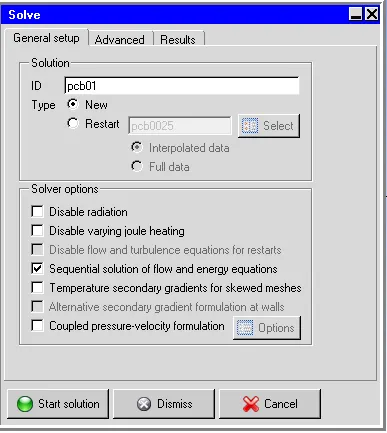
There are no universal metrics for judging convergence, a good indicator is when the solution no longer changes with more iterations, and when the residuals have decreased to a certain degree. The default criterion is that each residual will be reduced to a value of less than 10^-3 except the energy residual, for which the default criterion is 10^-7. It is a good idea to judge convergence not only by examining residuals levels but also by monitoring relevant integrated quantities.
Post-process and results:
Temperature:
- Filled colours, give a good visualization for the temperature, pressure, and mass flow rate, etc.
- The colour legends are used to show the temperature contour.
Temperature Contour:
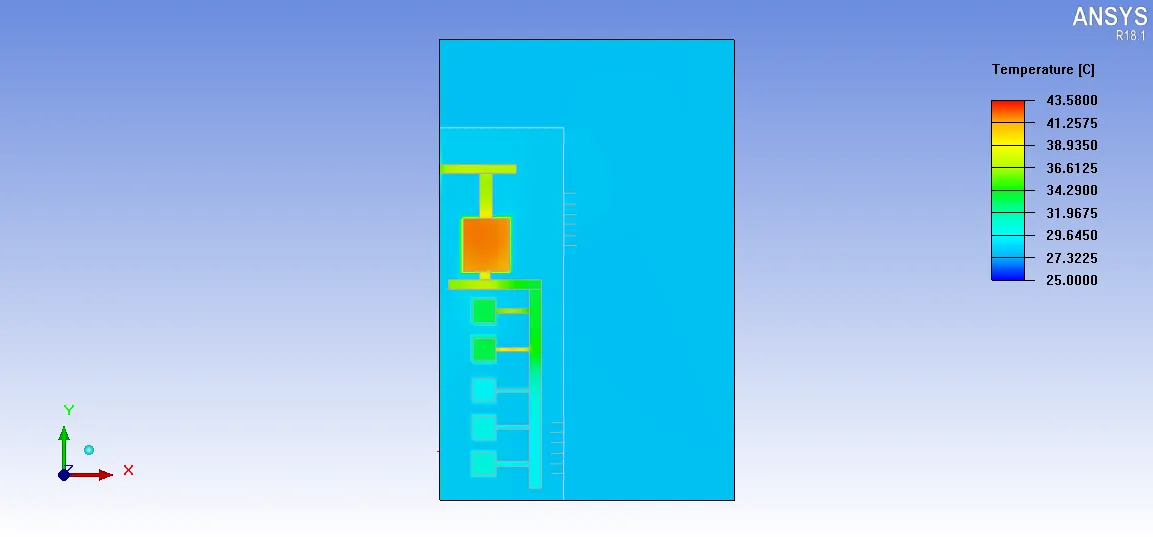
Joule heating explains how the energy of an electric current is converted into electricity when it flows through a barrier. This is often called resistive or ohmic heating. In specific, electric energy is transferred to heat by resistive losses in the substrate as the electric current passes through a solid or liquid with minimal conductive capacity.
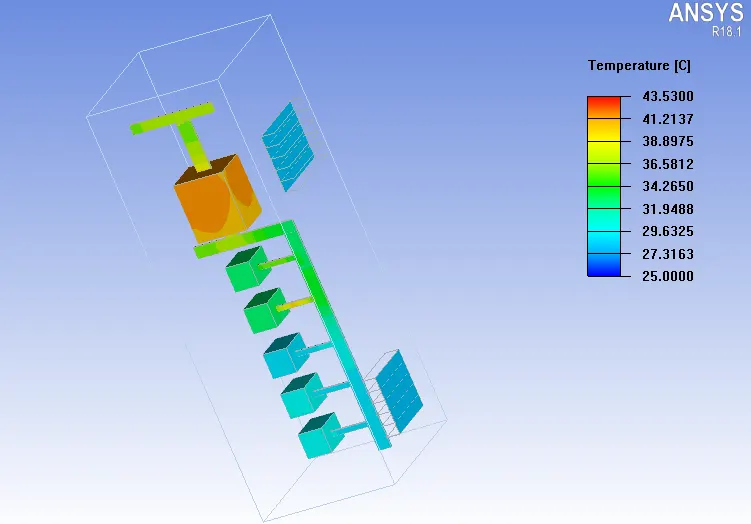
When the conduction electrons transfer energy to the conductor's atoms via collisions the heat is generated on the microscale. It also ensures that the power produced by the circuit breakers would reduce the current-carrying ability as the conductor duration decreases, regardless of the resistance of the components.
The thermal flow of components decreases slightly as the driver length increases due to the above statement.
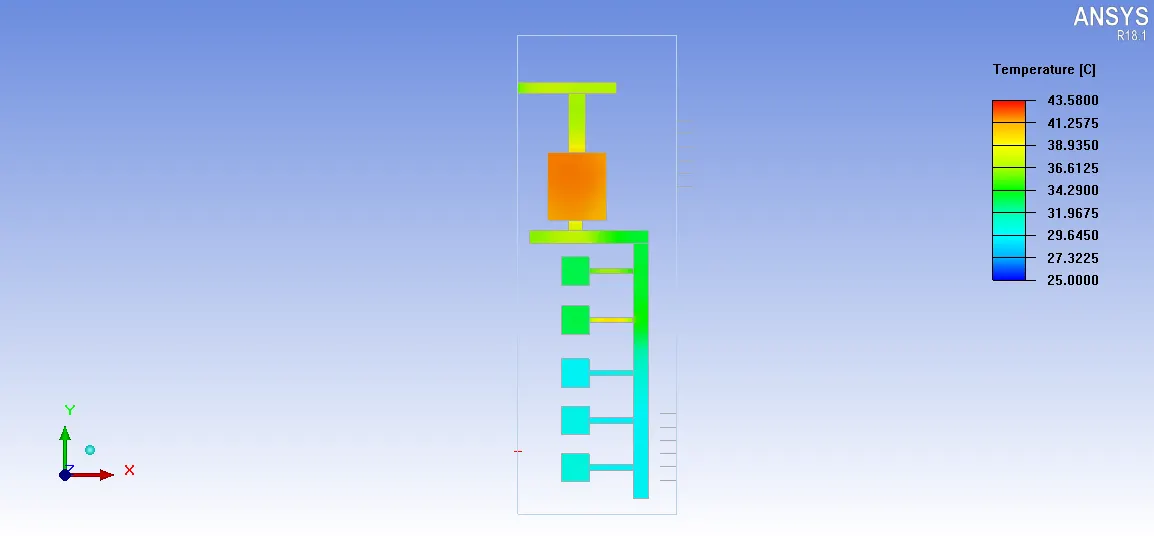
In the above contour, we have seen that the max. temperature is 43.58 deg and min. the temperature is 25.00 deg.
The object face of the components gives us a more detailed view compare to the cut plane
Velocity:
Ascertain grids have been developed, the air movement has only taken place in the enclosure via such grids. We kept the free area ratio to 0.5 a non-dimensional number in order to circulate the air inside the frame.
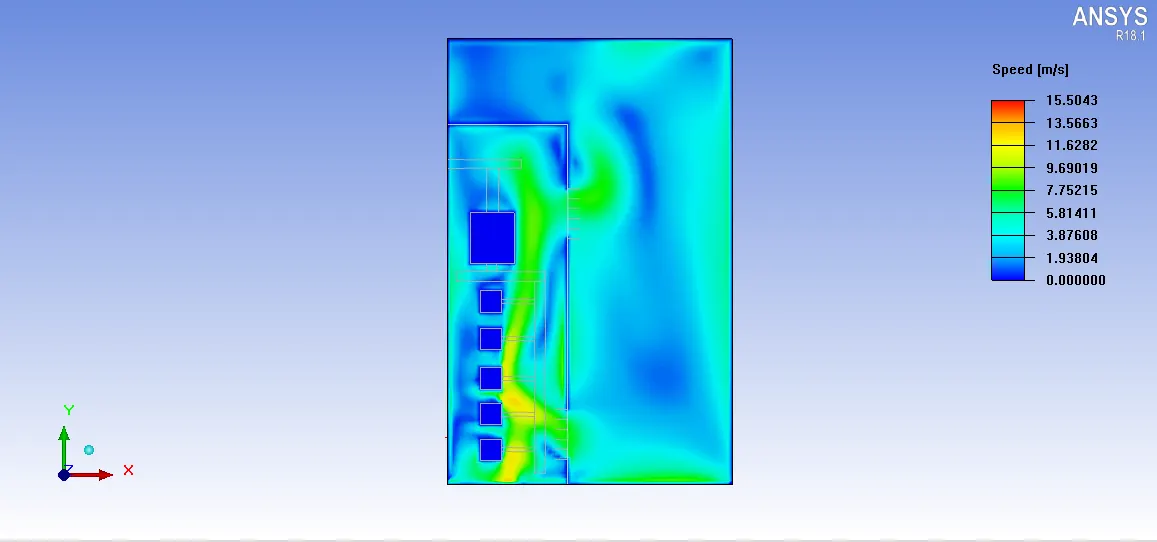
The velocity in the enclosure is built up to 15.50 m/s. The max velocity is attained inside the enclosure.
The trace of the particle tells us clearly whether or not the flow originates from the grill on the side and leaves the grill.
The velocities at the entry and exit points of the enclosure are
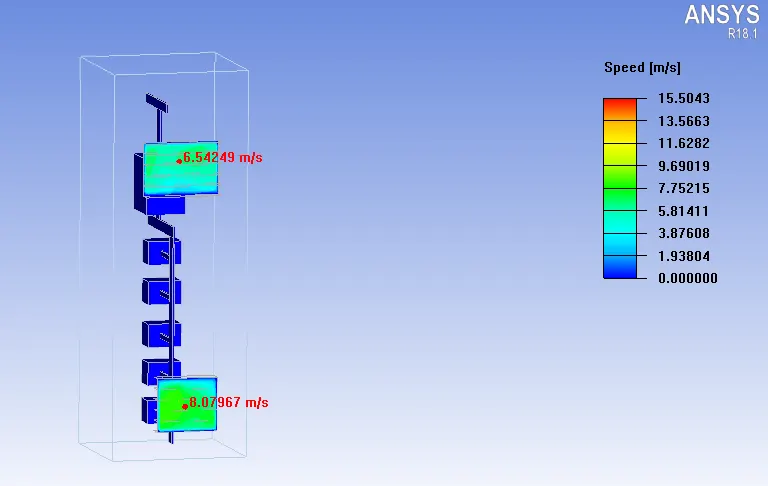
The velocity of air going inside the grille through the grille.3 is 8.07 m/s and the air going out through the grille.3 with a velocity of 6.54 m/s.
And for other items such as block, circuit breakers, and bus bars the speed is 0 m / s, as they are not active
Summary report:
Go to report -> summary report -> Select the object -> select the value (temp, speed, heaty flow, etc.) -> Write.
Temperature:
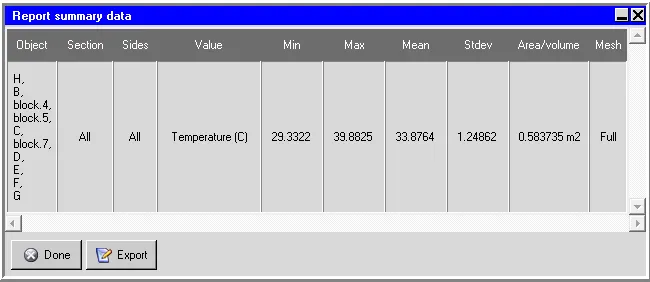
It gives us the max temperature and min temperature of the objects we have selected collectively. The mean temperature, standard difference, and area/volume ratio info, which can be used for comparing the effects, can also be obtained here.
Velocity:
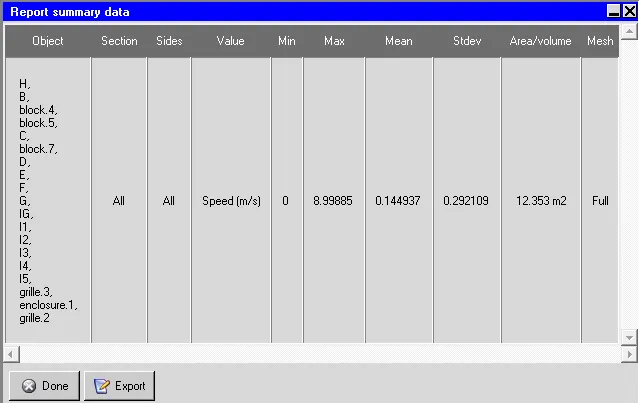
Above in the velocity section, we have seen that the max. the velocity recorded as 15.50 m/s.
But here in the report, it shows the max. velocity of 8.99 m/s. As it only displays the speeds registered on the grids in the above article. However, our maximum speed is recorded in the box which is not included in the study.
Heat Flow:
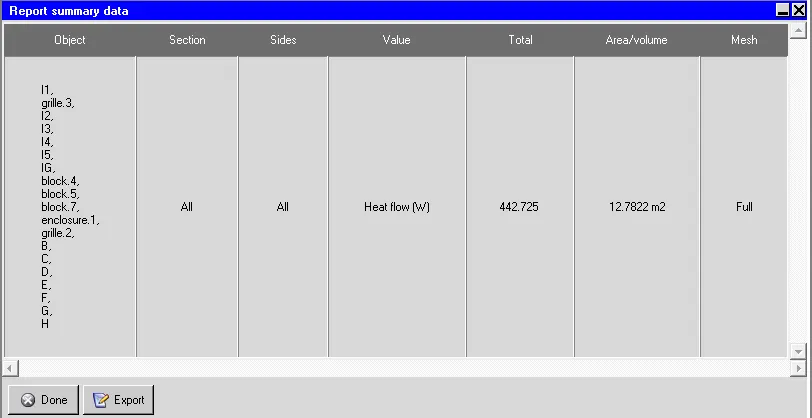
Heat can flow from one place to another, just like all kinds of energy. Heat flows through the conduction of solids, where two objects in contact with each other transfer heat between them.
- That happens because the molecules hit each other, and the faster-moving molecules in the hot object spread that energy into the cooler object.
- Here if we see the total heat loss or heat flow of the circuit breakers, it is 442 W manually (means the input), coming to the simulation it is 450 W. Which is matched up to 95%.
- This can be another proof that our simulation is gets converged and throws the correct values as outputs.
Heat transfer coefficient:
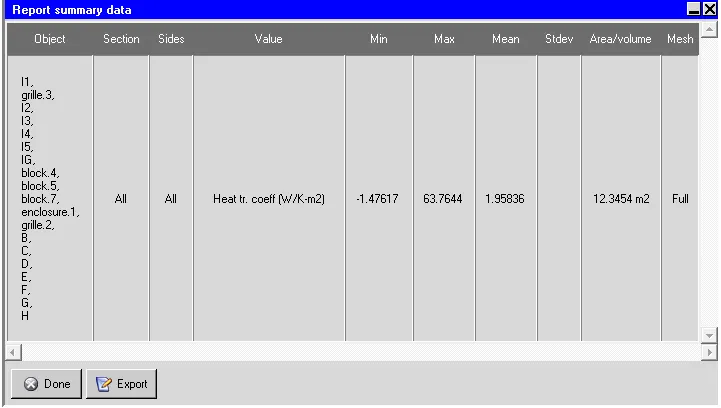
It is used in calculating the heat transfer, typically by convection. The heat transfer coefficient has SI units in watts per squared meter kelvin: W/(m2K). The max heat transfer coefficient recorded on selected objects is 63.76 W/K-m2.
Conclusion:
1. The temperature is very high in incoming bus bars so it is recommended to solve the problem with radiation heat transfer to see changes.
2. It is also recommended to set up another set of grilles in the middle of the cabinet to further improve the heat transfer.