Week 5: Prandtl Meyer Shock problem
PRANDTL MEYERSHOCK PROBLEM
AIM: To simulate the Prandtl Meyer Shock flow in Converge CFD
OBJECTIVE:
1. Shock flow boundary conditions
Do a literature search on what BC's are typically used for shock flow problems
2. What is a shock wave?
In your own words, describe the physics behind shock waves
3. Effect of SGS parameter on shock location
In the Prandtl Meyer shock problem, look at the effect of SGS temperature value on cell count and the shock location
THEORY:
What is a shock wave?
Shock is a type of propagating disturbance that moves faster than the speed of sound in that medium. It carries energy and can propagate through a medium similar to an ordinary wave. But in the shock wave, there is an abrupt change in pressure, temperature, and density of the medium.
It is a strong pressure wave in any medium air or water. It is created by supersonic aircraft, explosions, lightning, or other phenomena that create violent changes in pressure. Their speed increases as the amplitude is raised. The amplitude of a strong shock wave, as created in the air by an explosion, decreases almost as the inverse square of the distance until the wave has become so weak that it obeys the laws of acoustic waves.
Prandtl–Meyer expansion fan
A Prandtl-Meyer expansion fan also knows as a supersonic expansion fan which is a centered expansion process that occurs when a supersonic flow turns around a sharp corner or a convex corner. It consists of infinite Mach waves diverging from the sharp corner. Each wave turns the supersonic flow in small steps. A supersonic flow cannot turn through a single shock wave because that would violate the second law of thermodynamics.
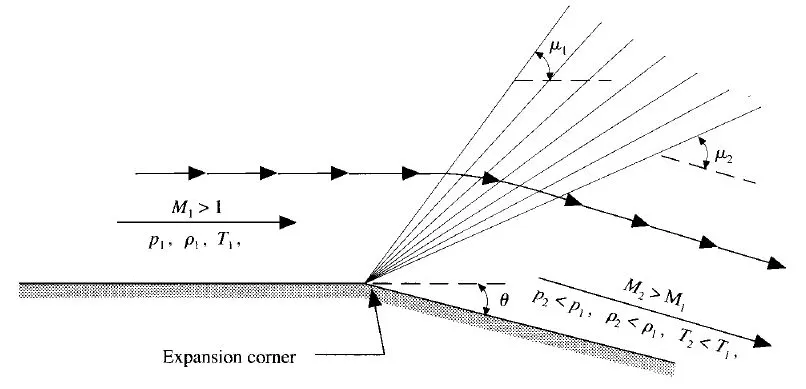
The above image shows the expansion fan (a set of diverging lines from the corner). As the flow passes through the expansion fan the velocity increases and thereby the Mach Number increases while the static pressure, temperature, and density decrease. This process is isentropic and that is why the stagnation properties (the total pressure and total temperature) remain constant across the fan.
Shock flow boundary conditions
1. Dirichlet boundary condition
In the Dirichlet boundary condition, the value of the function is specified at the boundary
y = f
2. Neumann boundary condition
In the Neumann boundary condition, the value of the normal derivative of a function is specified.
`{dely}/{deln} = f`
3. Robin boundary condition:
It is the combination of both the above boundary conditions, specified at both ends
`c0*y + c1*({dely}/{deln}) = f`
4. Mixed boundary conditions
On one end there is a Dirichlet boundary condition and on the other end there is a Robin boundary condition
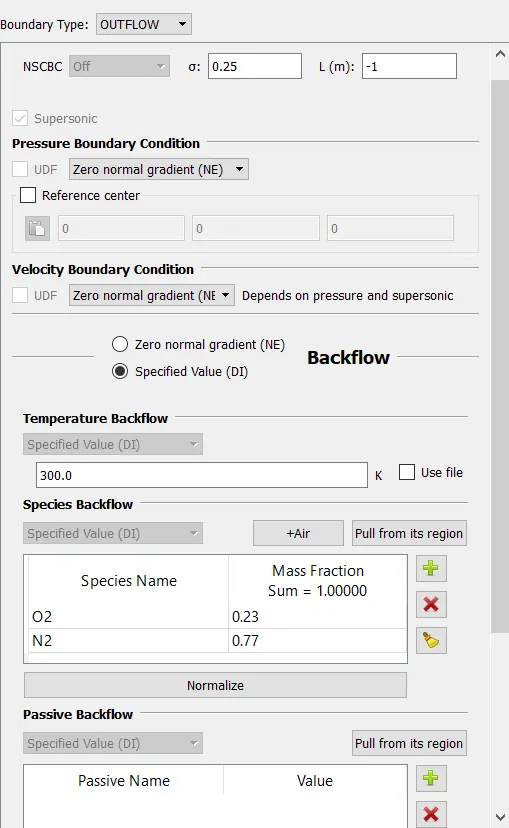
Why is the Neumann Boundary condition used for supersonic Outlets?
Because the values of all the variables (pressure, velocity, temperature, Mach no) are not available before solving the problem. So nothing is specified at a supersonic outlet and all variables are extrapolated from the domain interior. Only the Normal derivative (Normal with respect to the outlet boundary) of variables are specified as 0 (or Zero Gradient).
However, if any pressure value or velocity is specified at the outlet the solution will not converge and become unstable.
SIMULATIONS AND SOLUTION
Geometry:
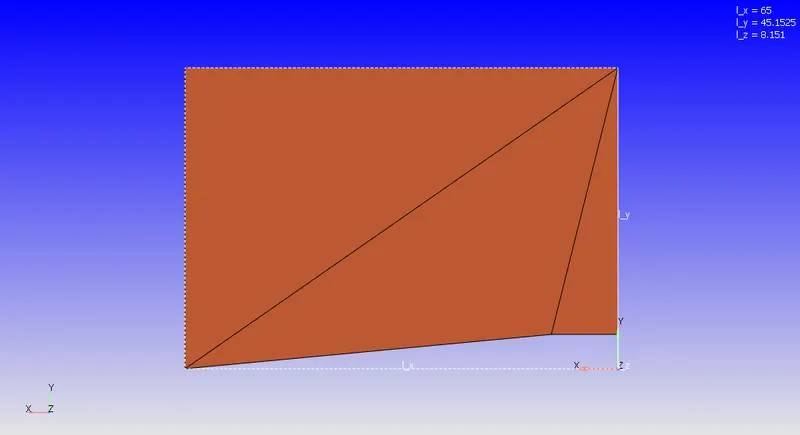
In this project, we run a total of 4 cases which are:
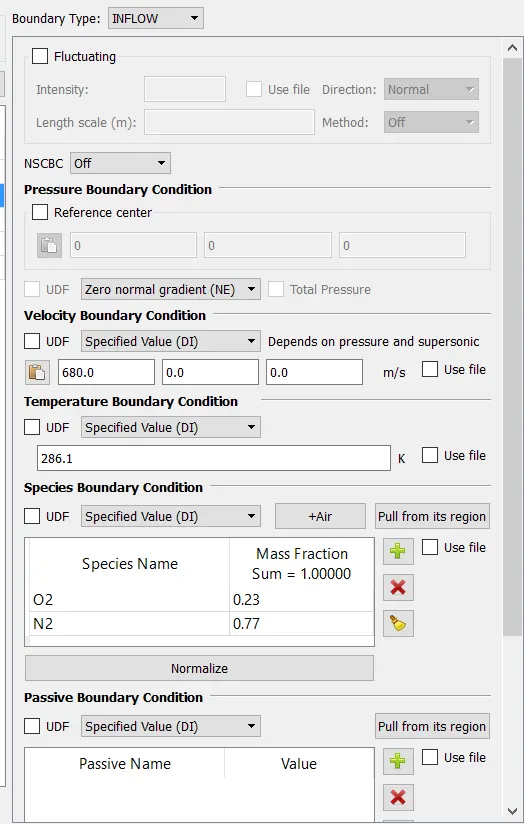
Case 1: Velocity = 680 m/s (Supersonic flow) and SGS parameter = 0.05
Case 2: Velocity = 680 m/s (Supersonic flow) and SGS parameter = 0.01
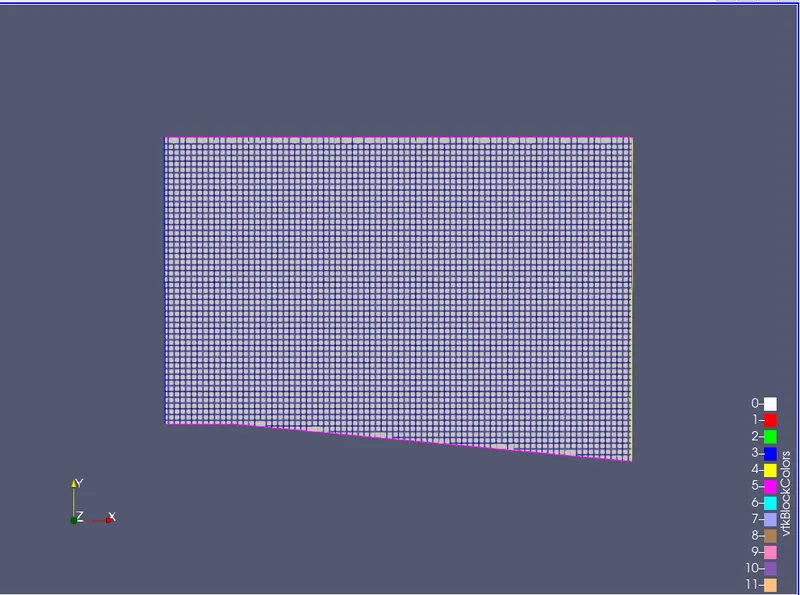
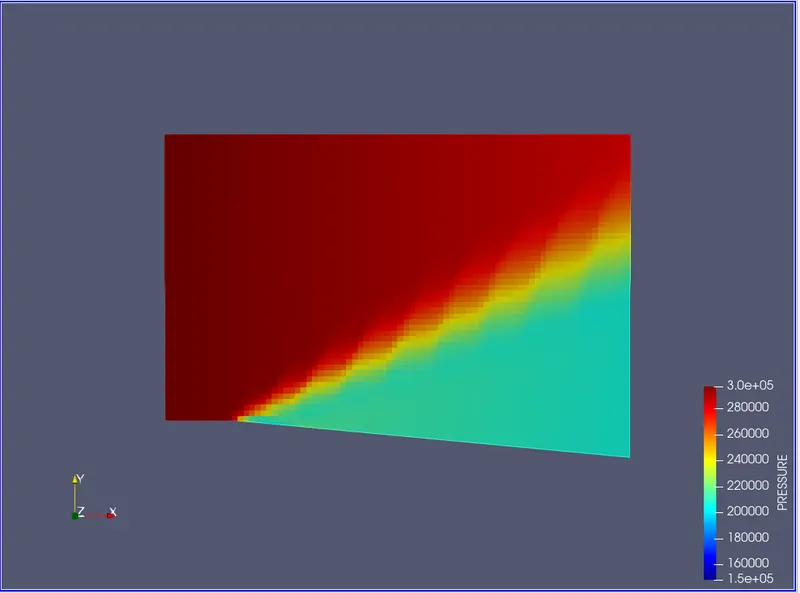
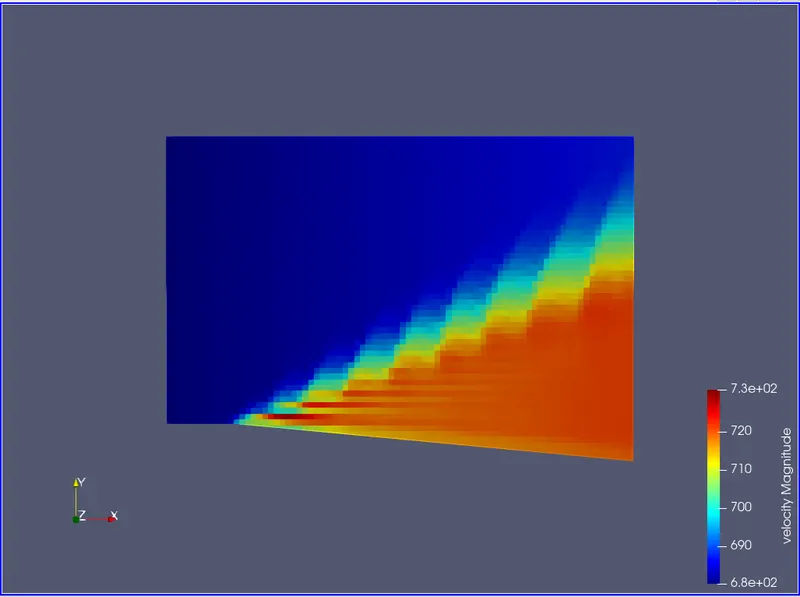
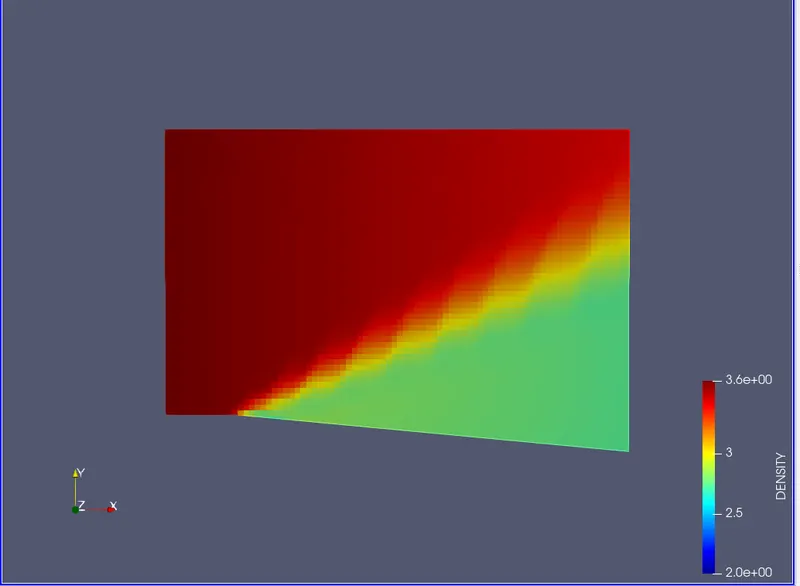
Case 3: Velocity = 680 m/s (Supersonic flow) and SGS parameter = 0.9
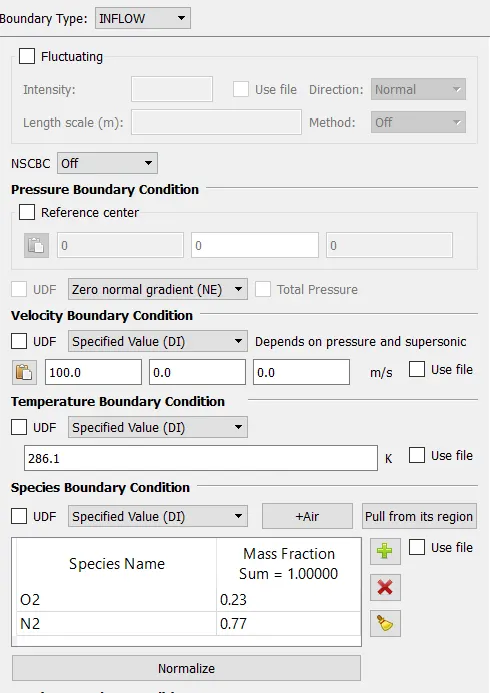
Case 4: Velocity = 100 m/s (Subsonic flow) and SGS parameter = 0.05
CASE 1
Setup:
|
Application Type |
Time-based |
|
MATERIALS: |
|
|
1. Gas simulation |
Standard |
|
2. Global Transport Parameters |
Standard |
|
3. Reaction Mechanism |
Standard |
|
SOLUTION PARAMETERS |
|
|
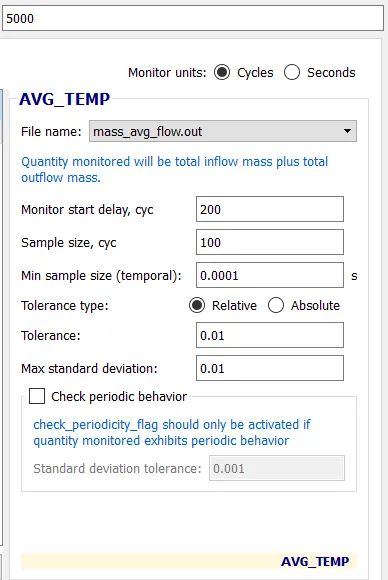
1. Run Parameters Steady-state monitor: |
Steady-state solver>Full hydrodynamic>Compressible Mass flow rate
|
|
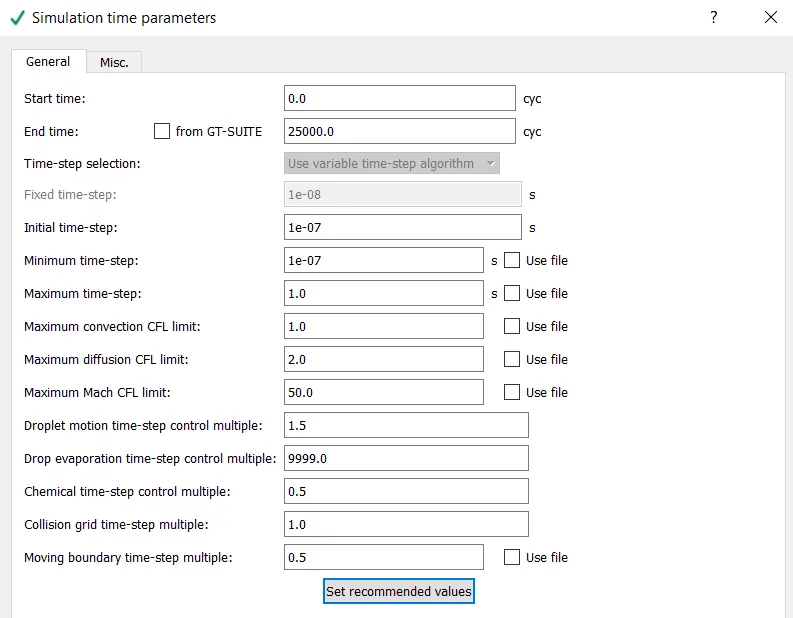
2. Simulation time parameters |
|
|
3. Solver parameters |
Navis-stokes solver scheme: PICO Navis-stokes solver type: density-based Max convection CFL limit: 0.5 |
|
BOUNDARY CONDITIONS |
|
|
1. Inlet |
For case 4
|
|
2. Outlet |
 |
|
3. top-bottom-wall |
 |
|
4. Front-2d |
2-D Wall |
|
5. Back-2D |
2-D wall |
|
INITIAL CONDITIONS AND EVENTS |
|
|
1. Regions and initialization |
Case1,Case2,Case3:
Case4:
|
|
PHYSICAL MODELS |
RNG- k-epsilon |
|
GRID CONTROL |
|
|
1. Base mesh |
dx = 0.8, dy = 0.5 and dz = 0.8 |
|
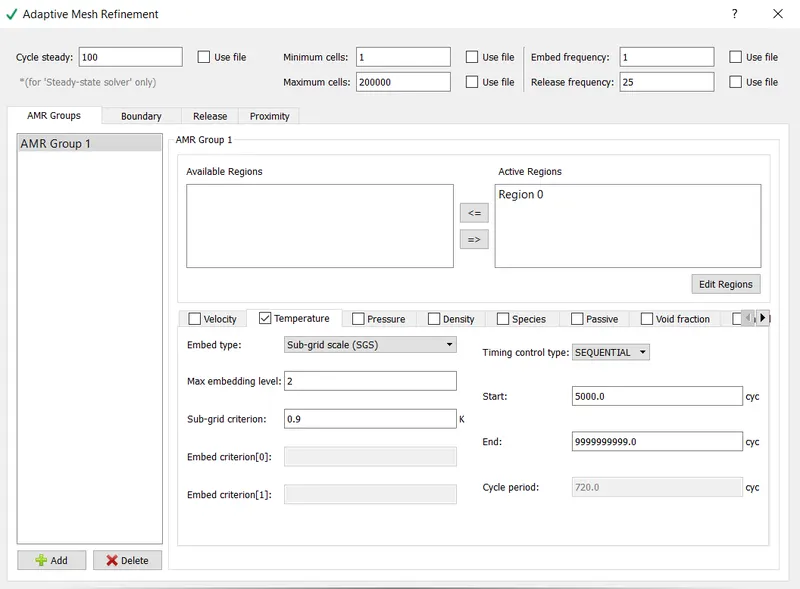
2. Adaptive Mesh refinement |
CASE 1:
CASE 2: CASE 3: CASE 4: |
|
OUTPUT/POST-PROCESSING |
|
|
1. Post variable selection |
Standard |
|
2. Output files: |
|
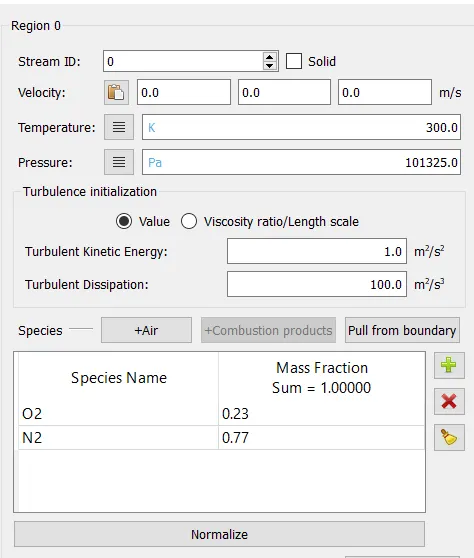
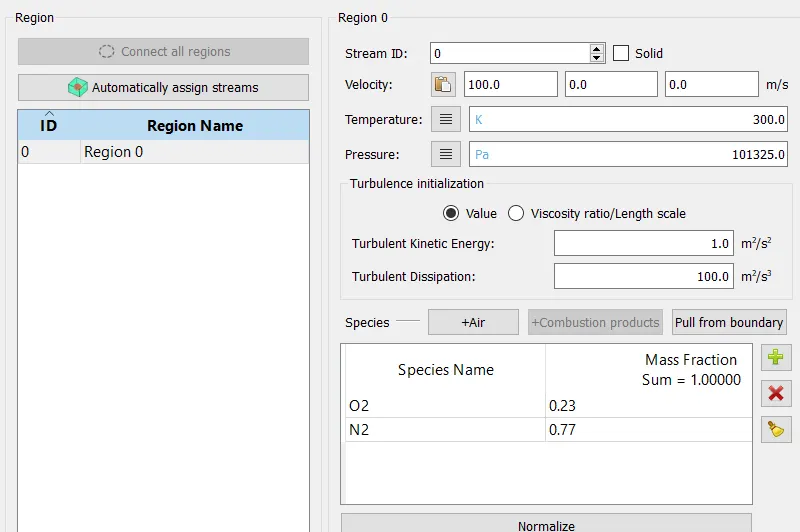
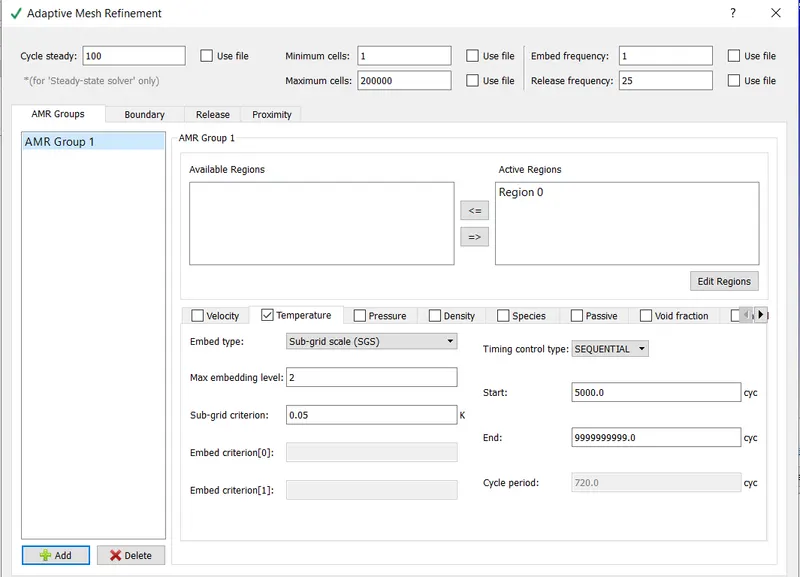
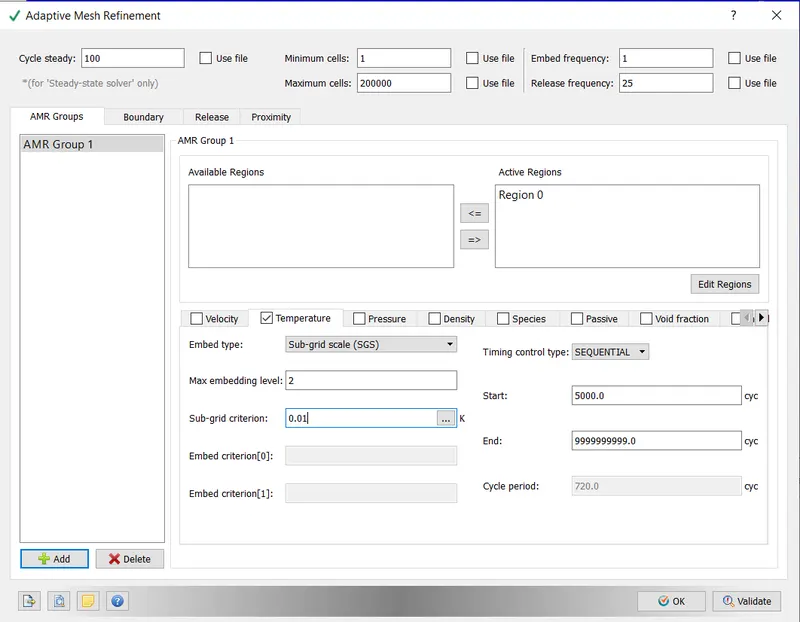
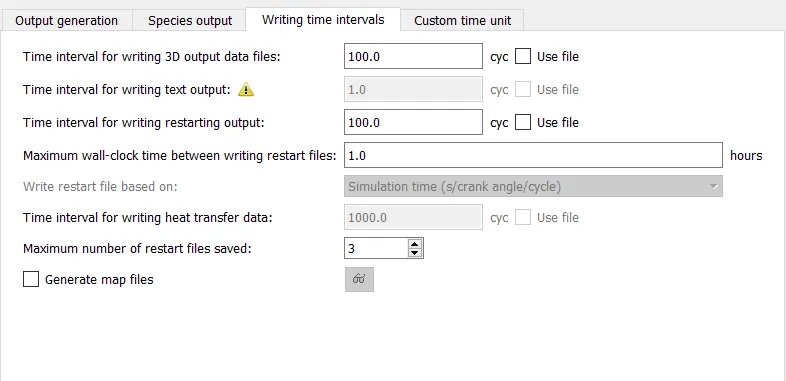
Then Export the Files
Then continuing the setup in Cygwin :
- leading to the folder where the exported files are saved
- Then using mpiexec.exe -n 2 converge.exe restricted to simulate the setup
- After the output is generated, we lead the Cygwin to the output folder, and by copying the post_convert folder and
- Using mpiexec.exe -n 2 post_convert.exe and converting these files for processable output in ParaView.
Solution
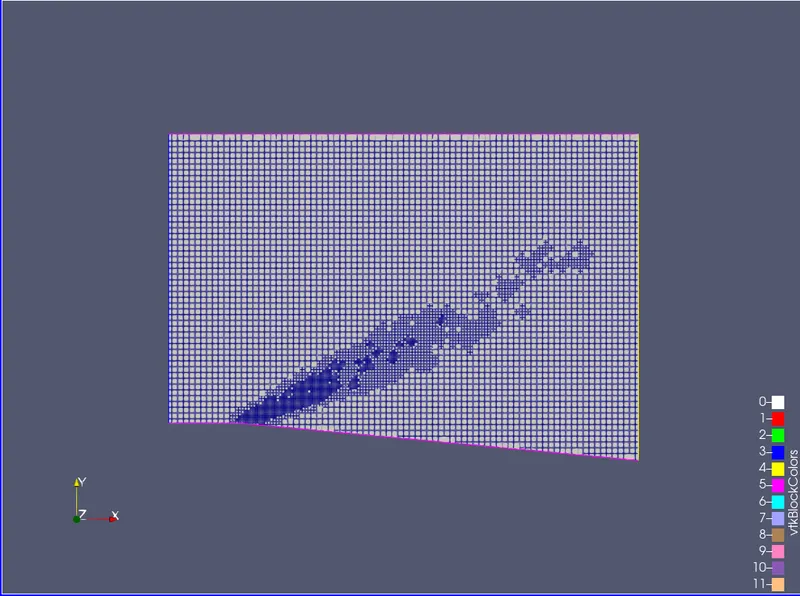
Mesh
Pressure counter
velocity counter
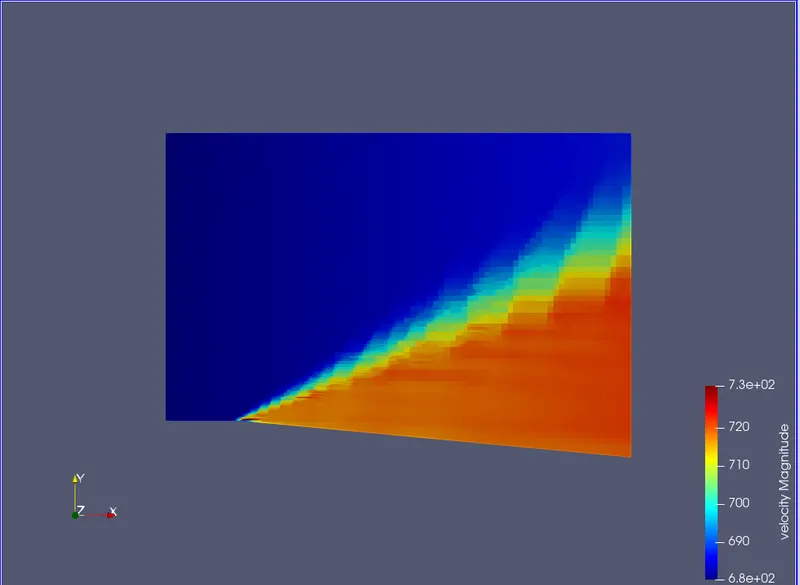
Animation for velocity
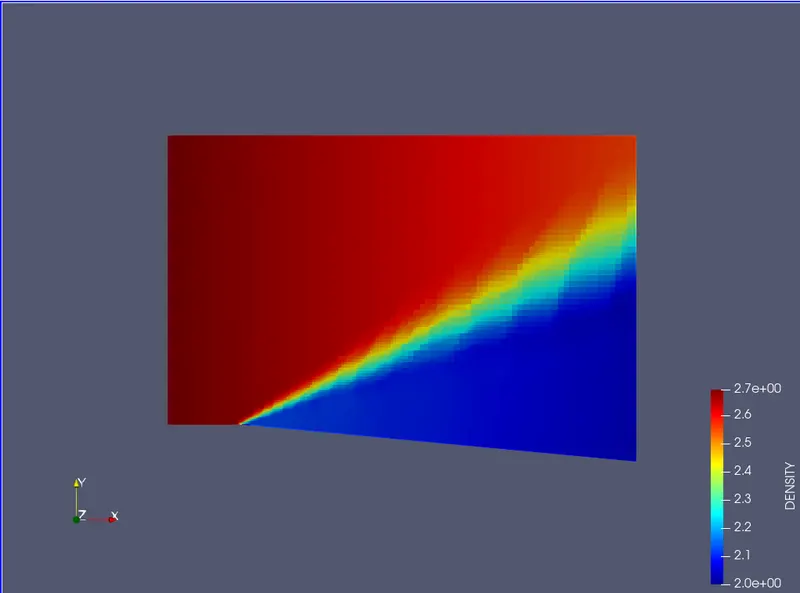
Density Counter
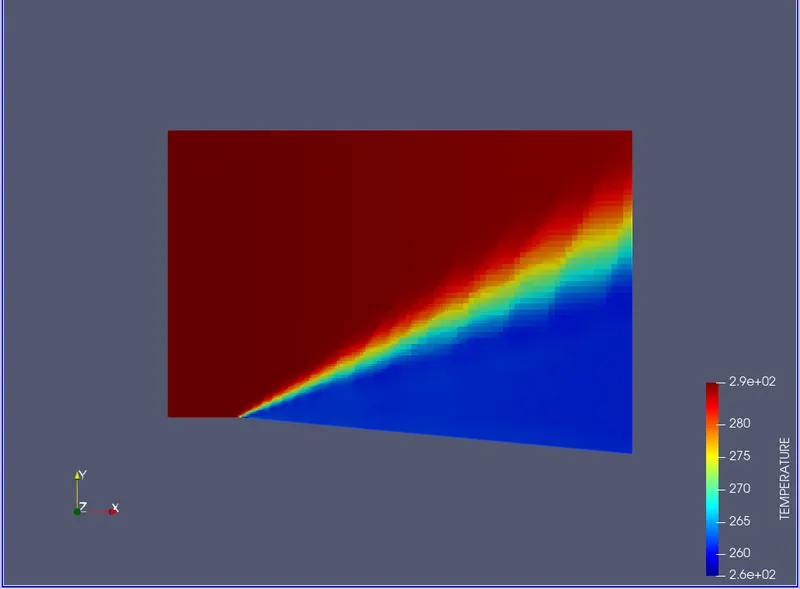
Temperature Counter
Animation for temperature
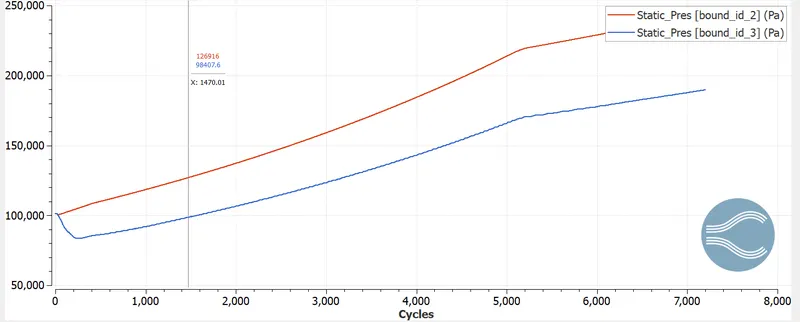
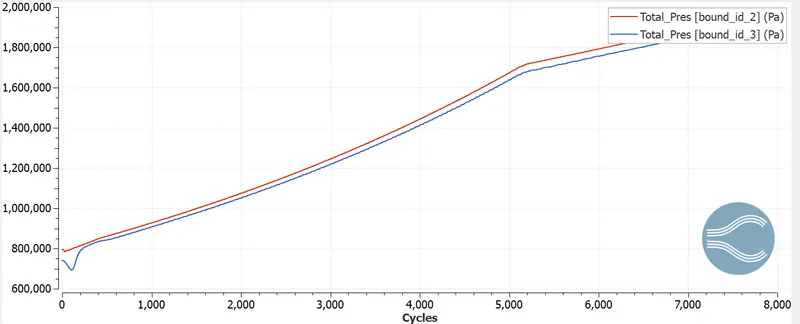
Pressure plot
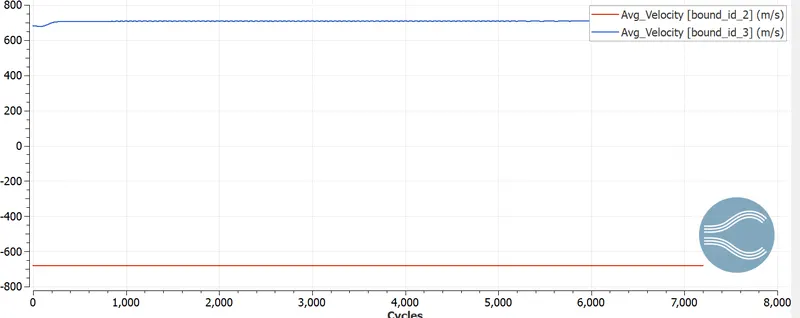
velocity plot
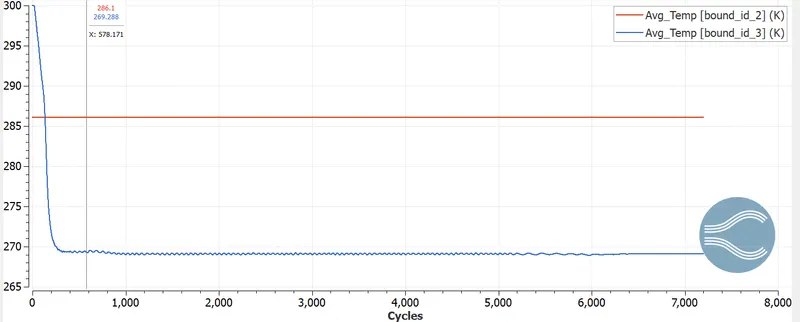
Temperature plot
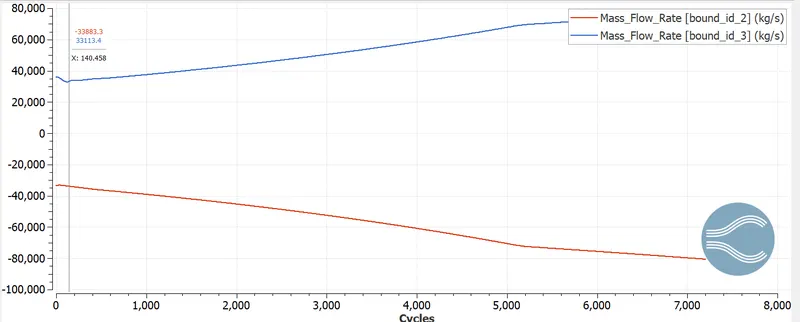
Mach number plot
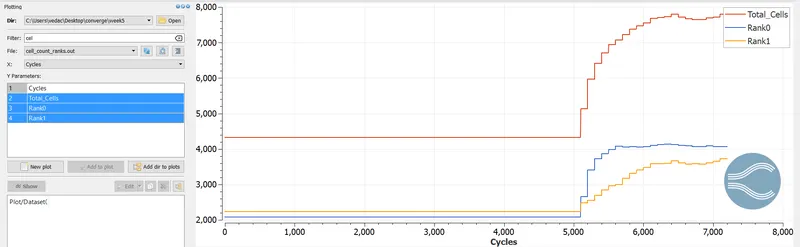
Cell Count:
CASE 2
Solution
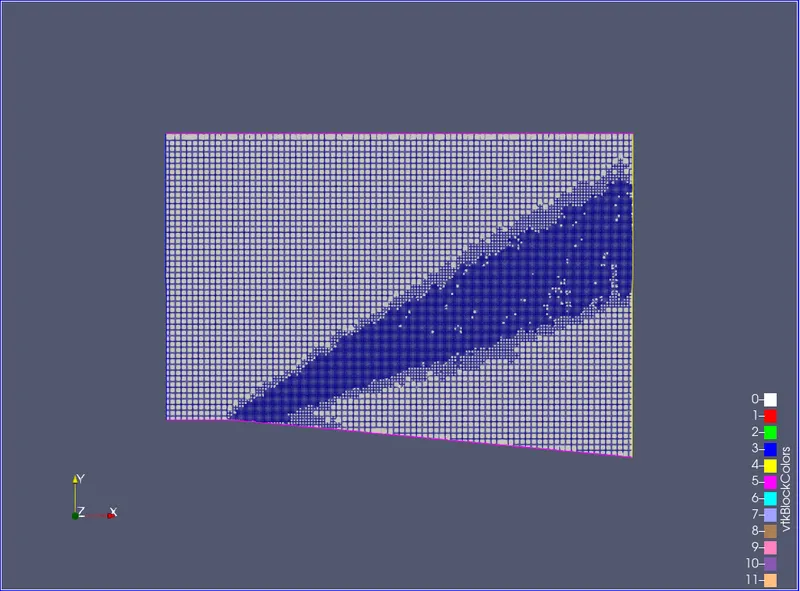
Mesh
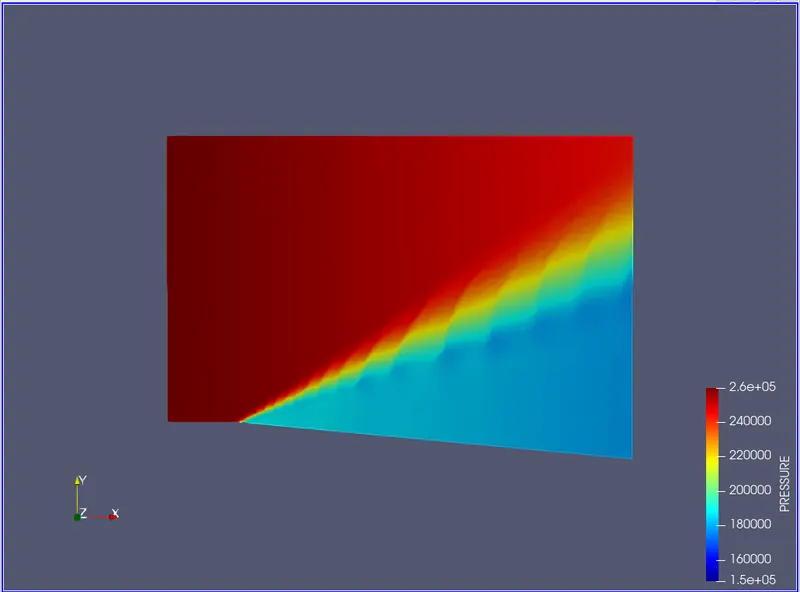
Pressure counter
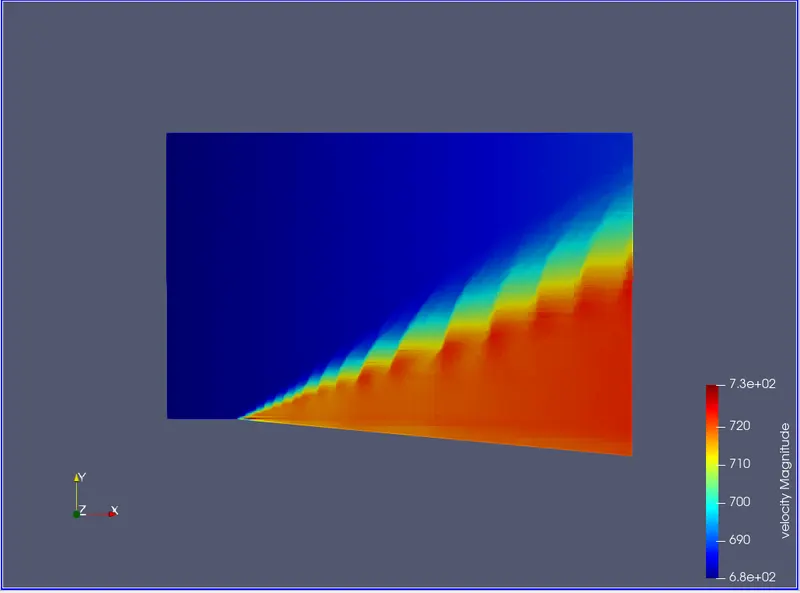
velocity counter
Animation for velocity:
Density Counter
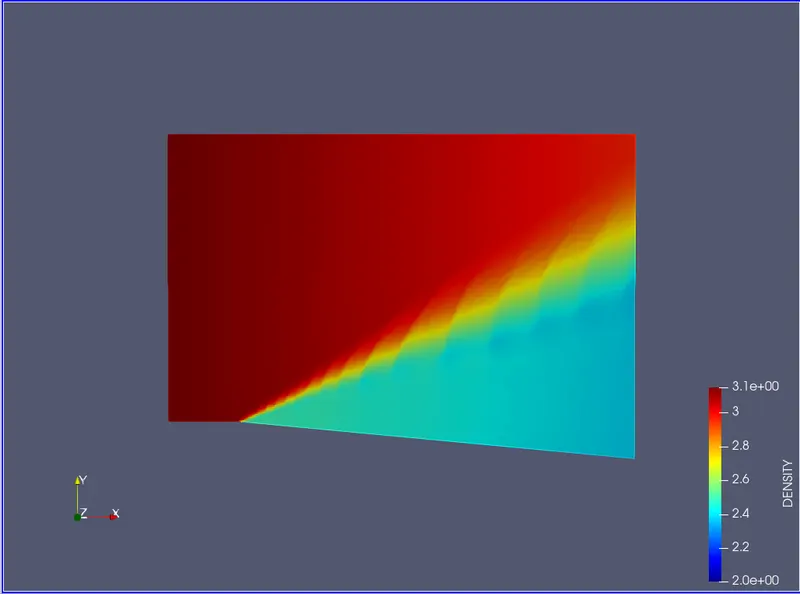
Temperature Counter
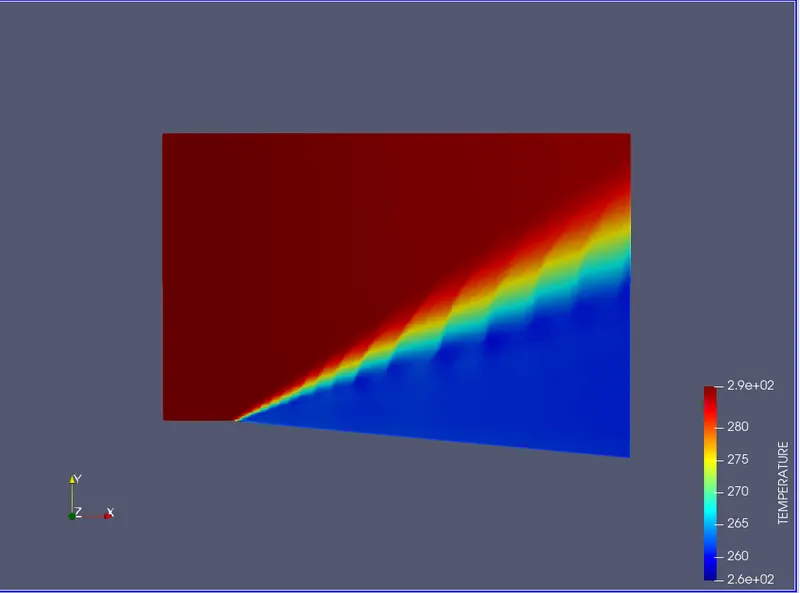
Animation for temperature:
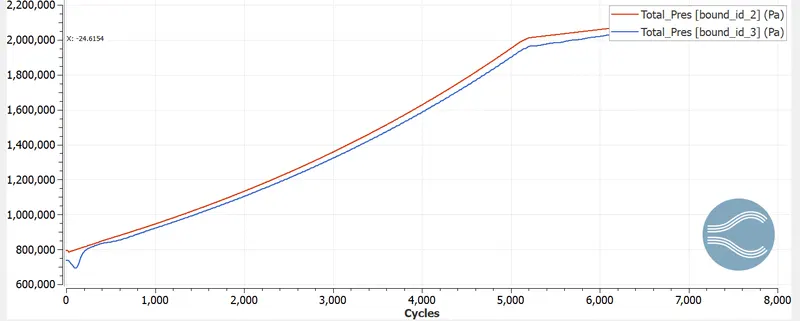
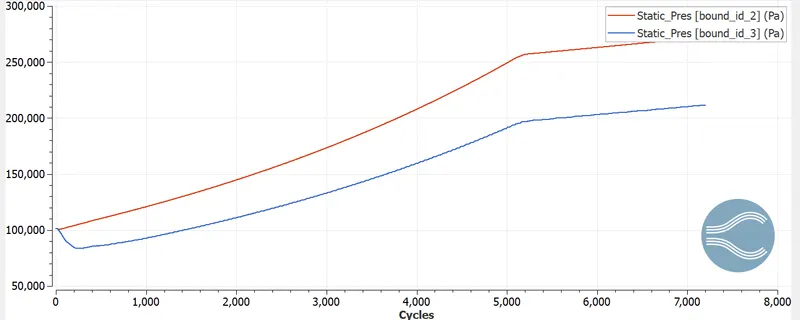
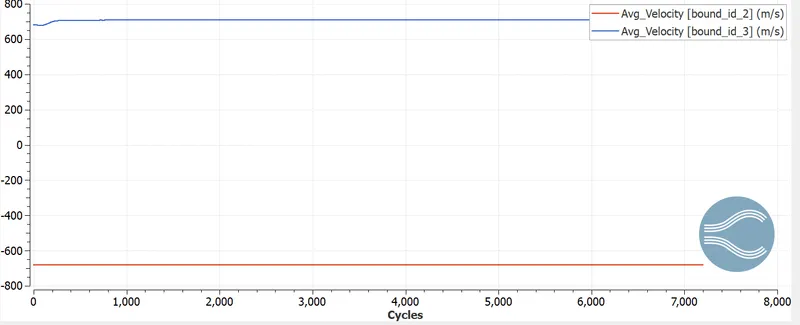
Pressure plot
velocity plot
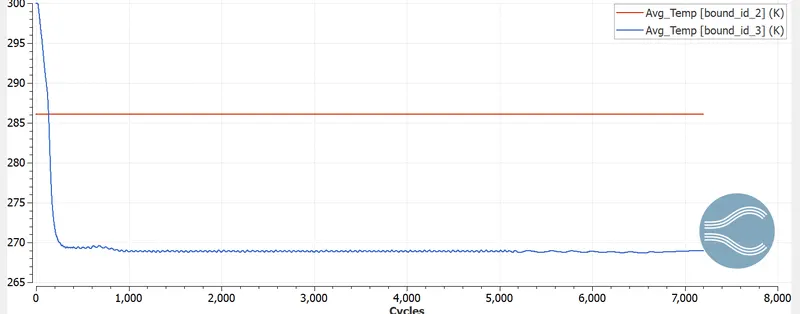
Temperature plot
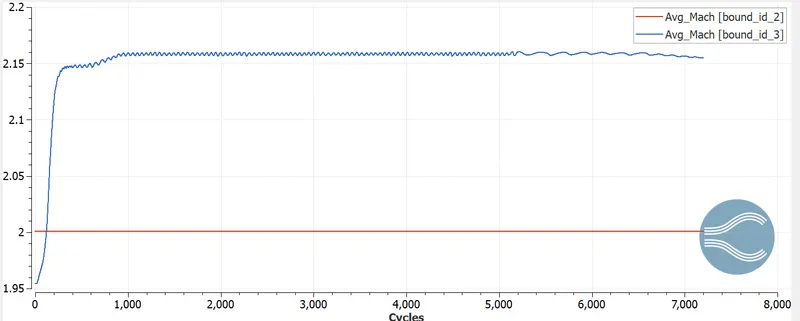
Mach number plot
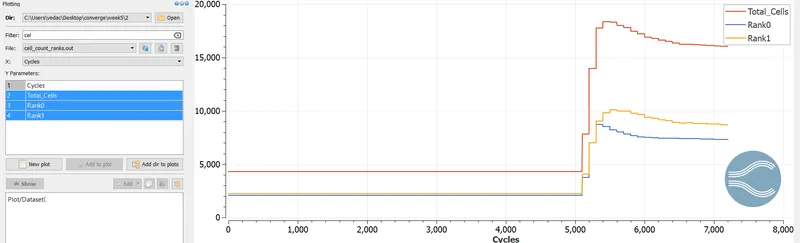
Cell Count:
CASE 3
Solution
Mesh
Pressure counter
velocity counter
Animation for velocity:
Density Counter
Temperature Counter
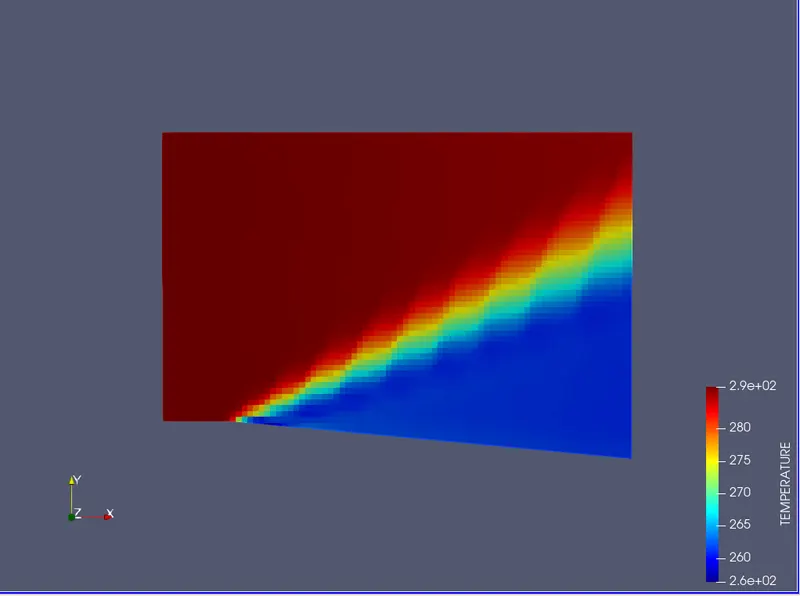
Animation for Temperature
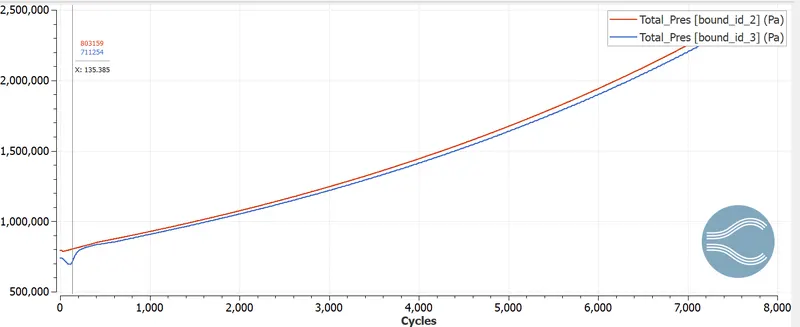
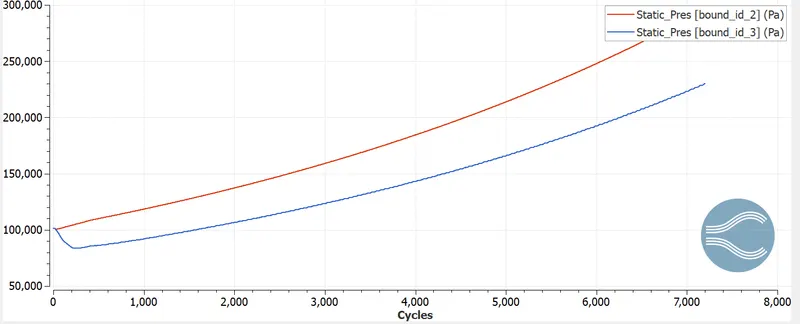
Pressure plot
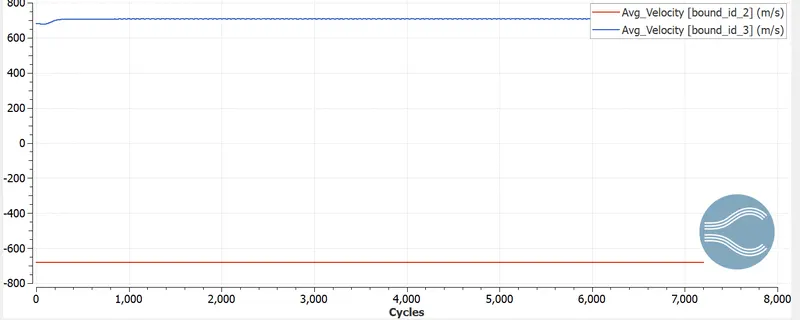
velocity plot
Temperature plot
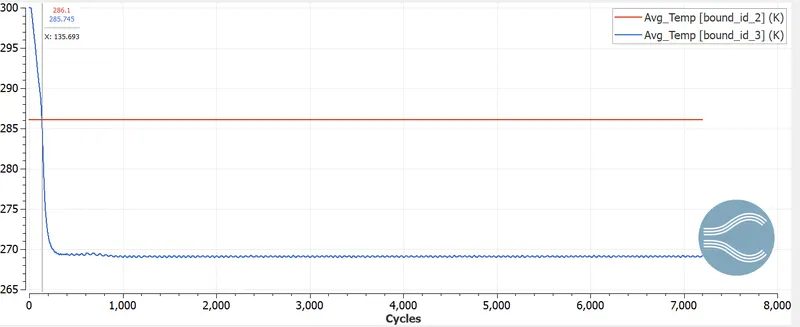
Mach number plot
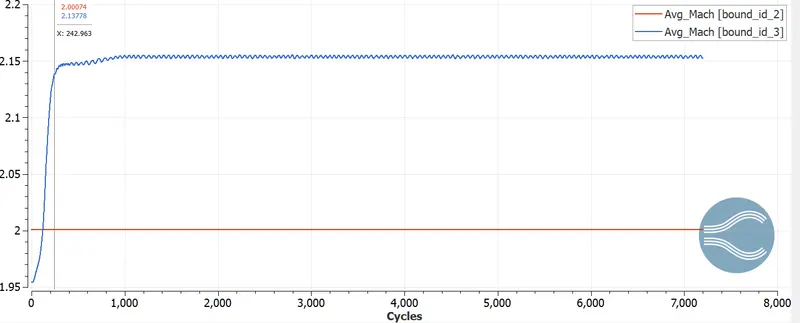
Cell Count:
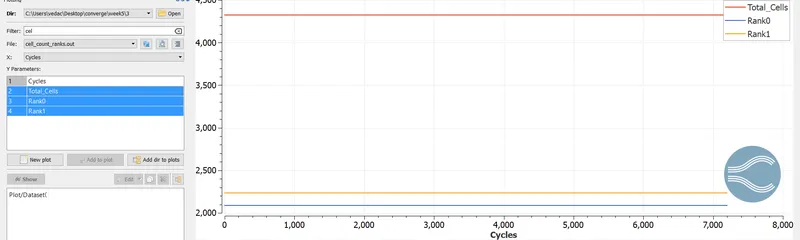
CASE 4
Solution
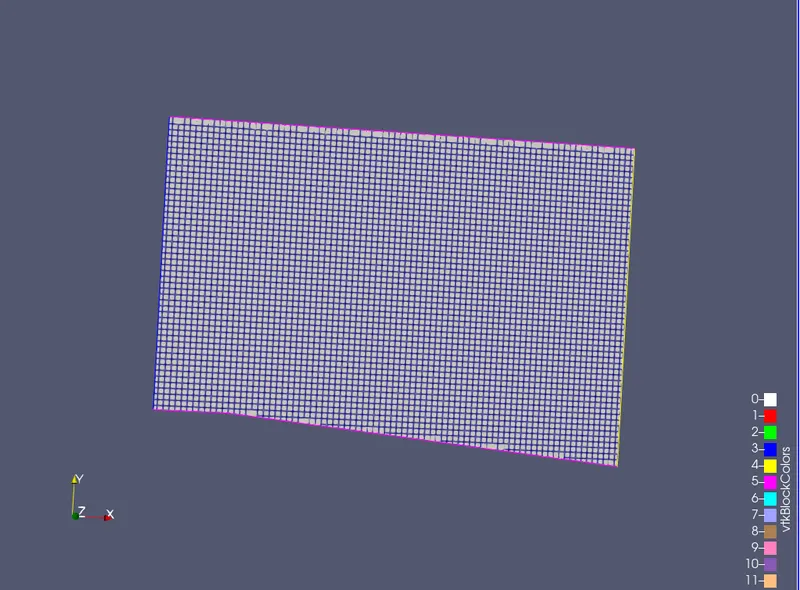
Mesh
Pressure counter
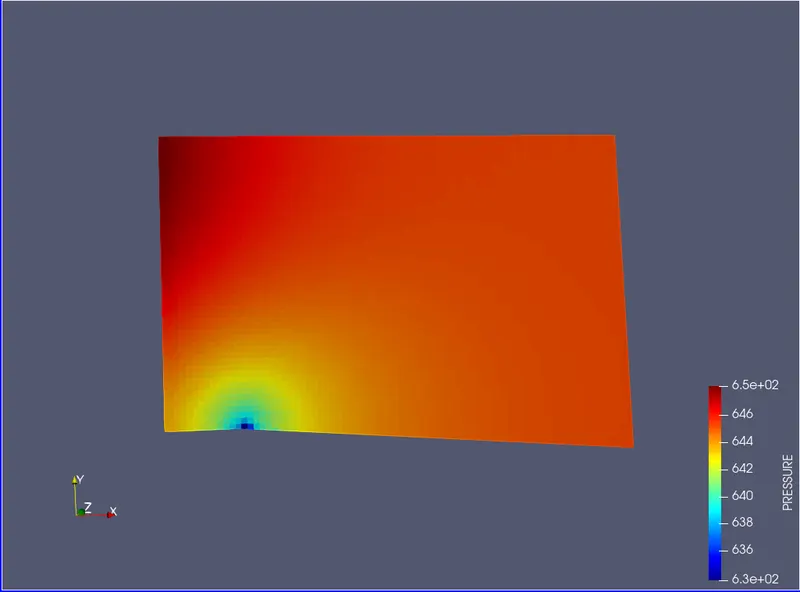
velocity counter
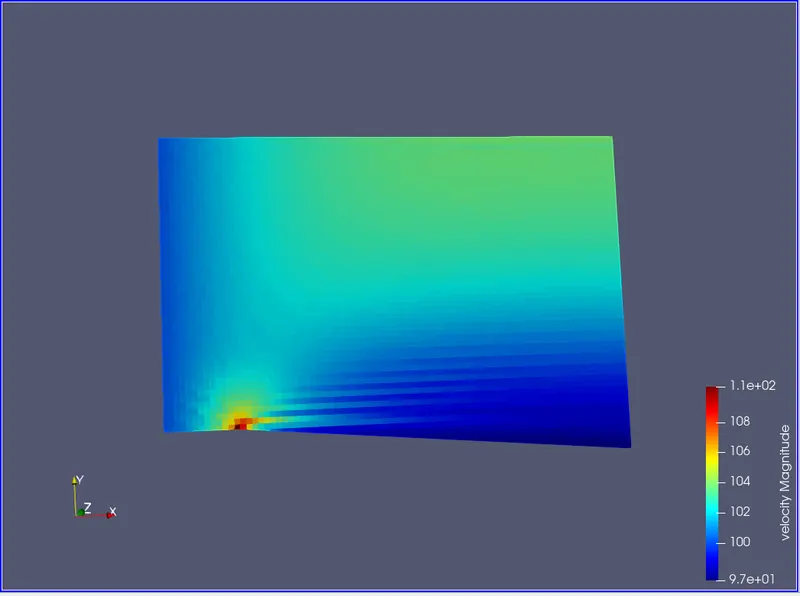
Animation for velocity
Density Counter
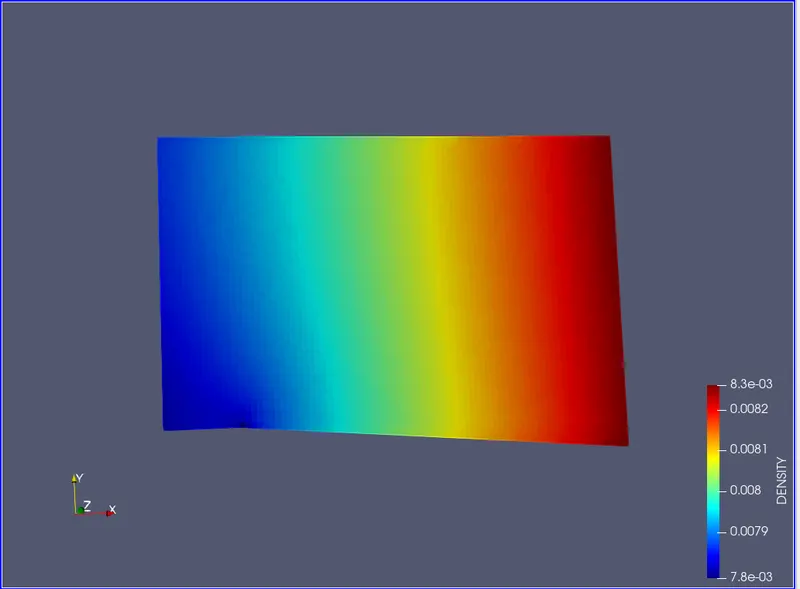
Temperature Counter
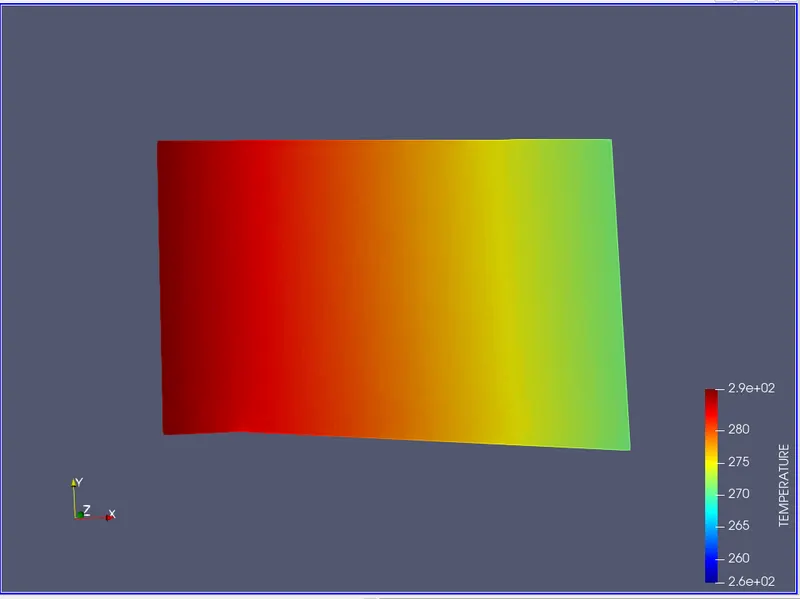
Animation for temperature
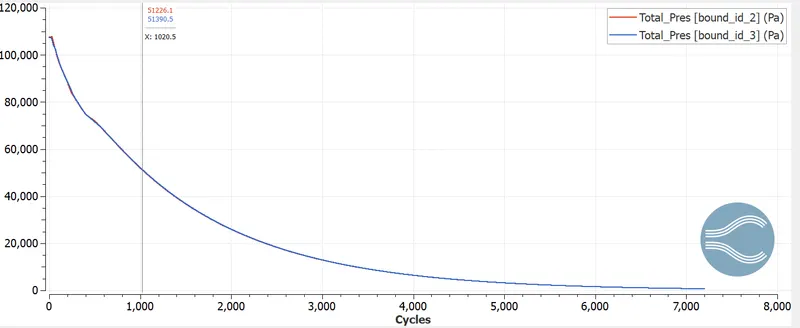
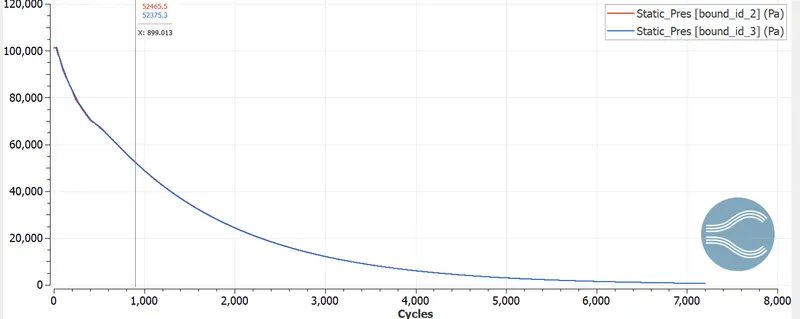
Pressure plot
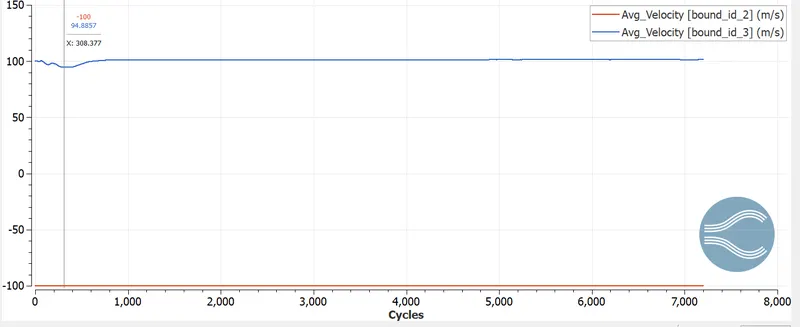
velocity plot
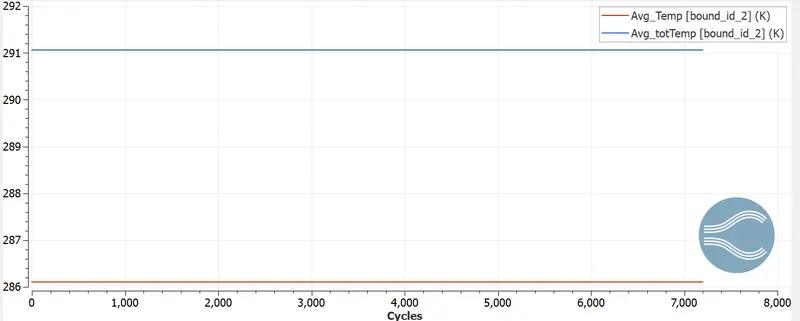
Temperature plot
Mach number plot
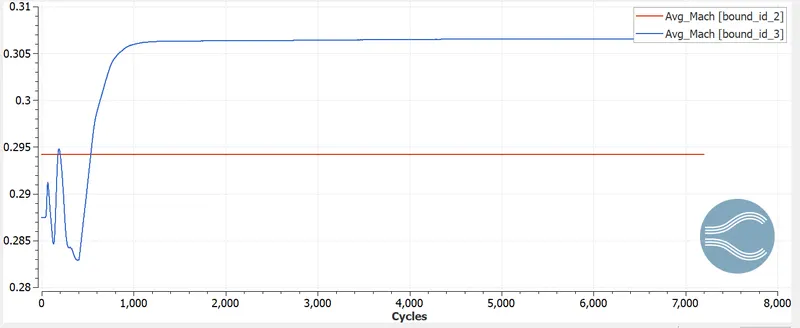
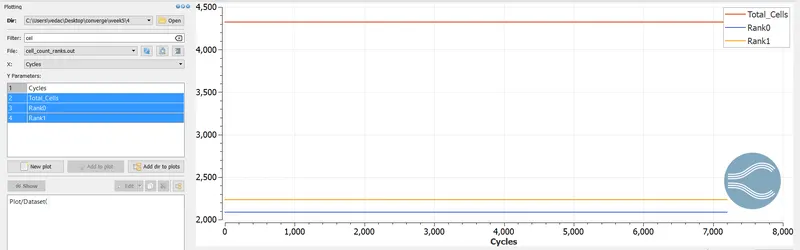
Cell Count:
Subsonic Vs Supersonic Flow Comparison
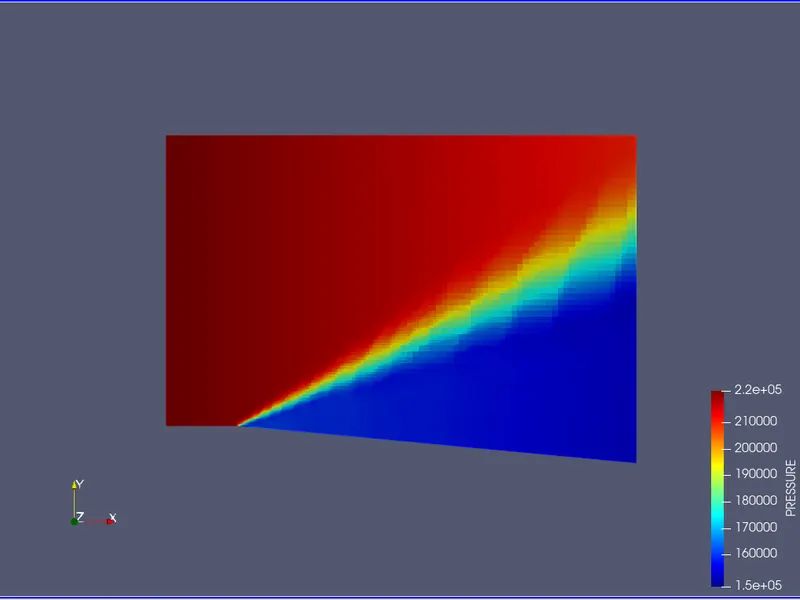
In supersonic flow, the Prandtl-Meyer expansion fan is clearly visible and the mesh refinement is also visible in the shock region
Whereas on the other hand, in the case of a subsonic flow, the Prandtl-Meyer expansion fan is not at all visible and even the mesh refinement is not visible. This is because there are no sudden fluctuations in pressure, velocity, temperature, or density, or in other words, shock.
Also, the average Mach number increases from the inlet to the outlet in case of supersonic flow and decreases in case of subsonic flow.
CONCLUSION
- From the post-processing results, it is observed that the expansion fan tends to become wider and distinct as the SGS parameter increases.
- A higher value of SGS will limit the mesh refinement required to capture the expansion waves effectively leading to wide, blurry, and improperly defined waves.
- From the comparison plot of the SGS parameter, it is seen that a lower number of SGS parameters gives out higher refinement which in turn will have a higher number of cells.