Week 4 -Wire Bending Challenge
Aim-
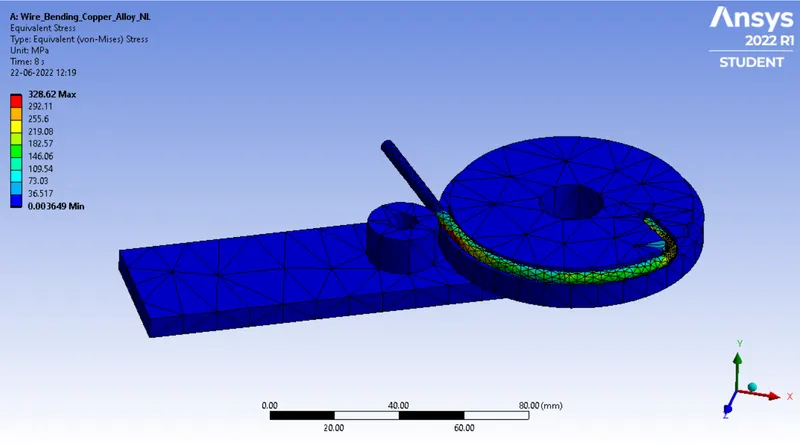
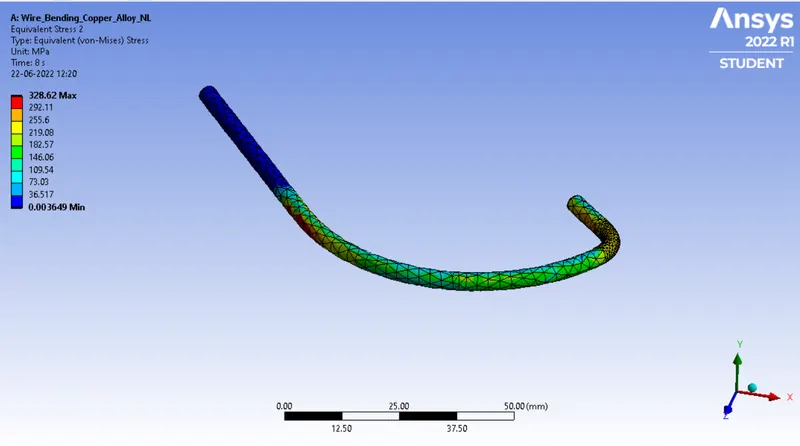
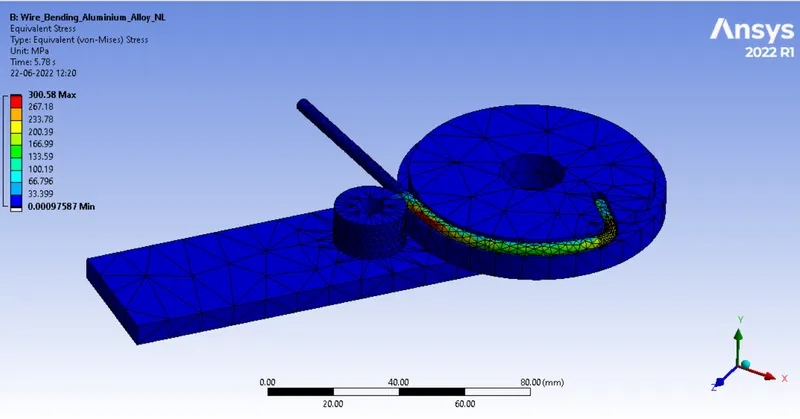
For this project we will have to perform an analysis to simulate the bending of a wire in ANSYS. We will have to use Copper Alloy (Non Linear), Aluminium Alloy (Non-Linear), and Magnesium Alloy (Non-Linear) for the wire alone. We need to find out the Equivalent stress and Equivalent strain on the wire alone.
Procedure-
- We have to first start as new project in the ansys workbench and select the proper material for the weld joint plate.
- Here material has been specified in the project so we will select materials as per case.
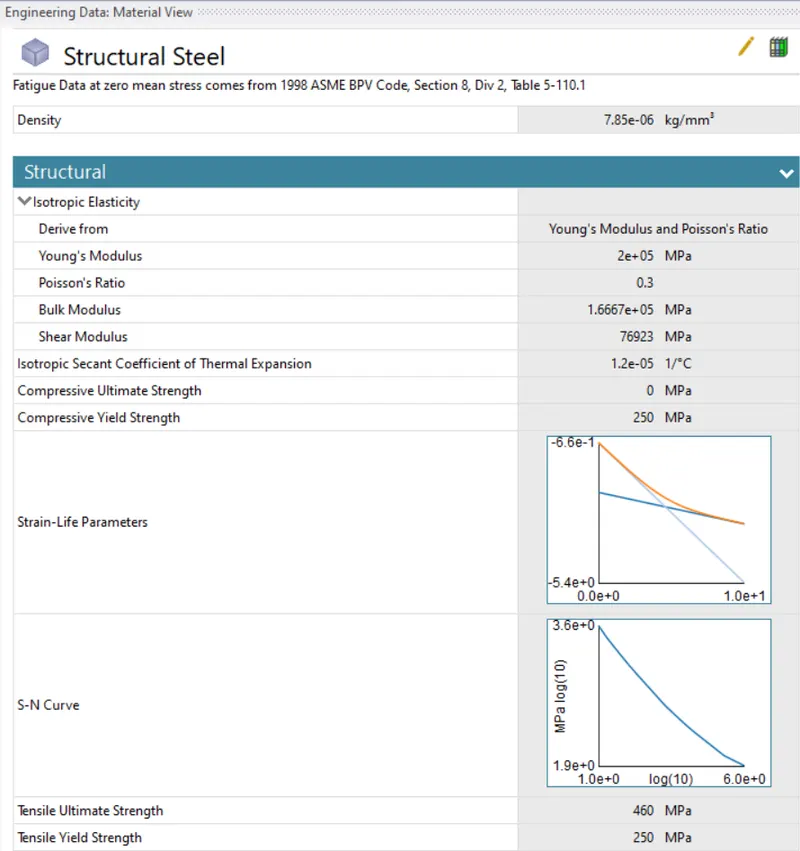
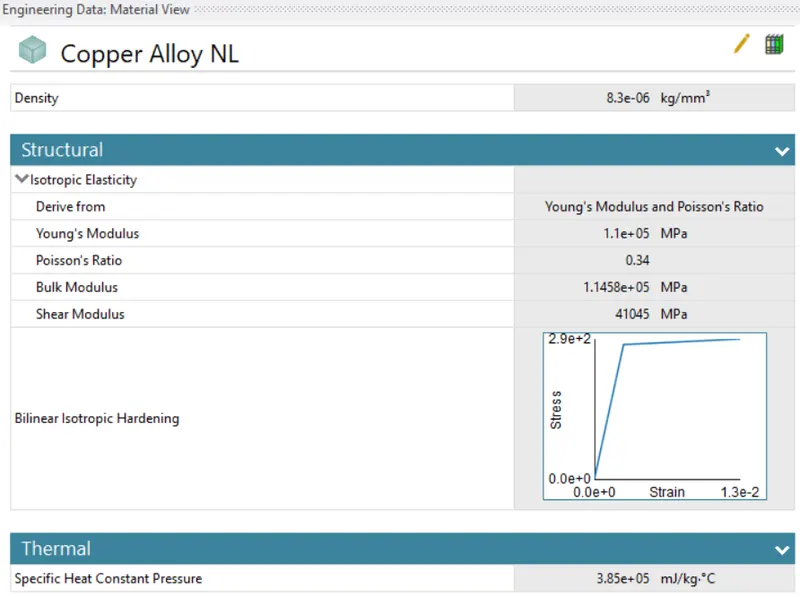
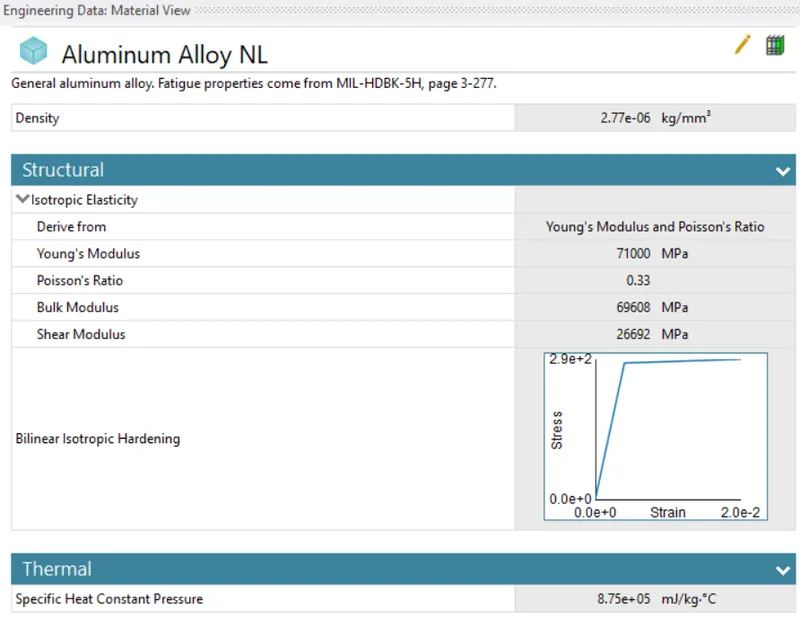
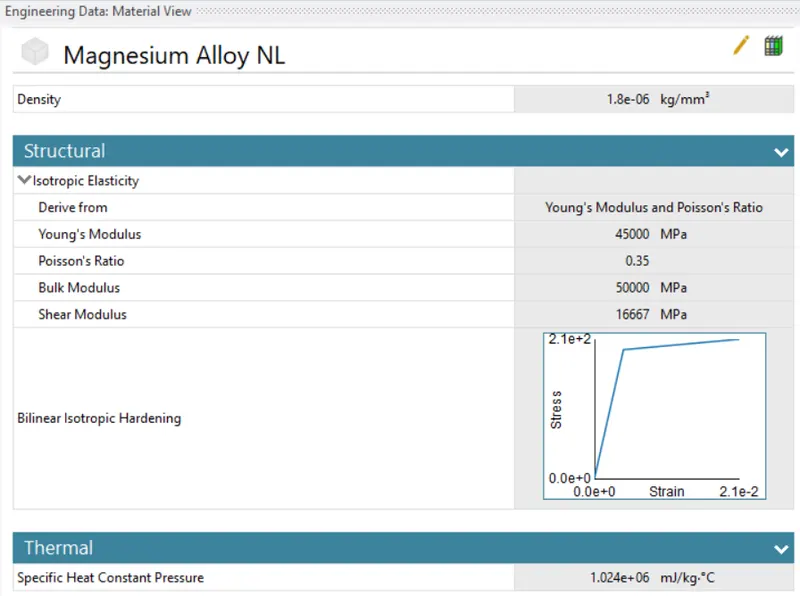
- Now we have to import the model for that right click on the geometry tab and hit import>>then select the file from saved location and hit ok.
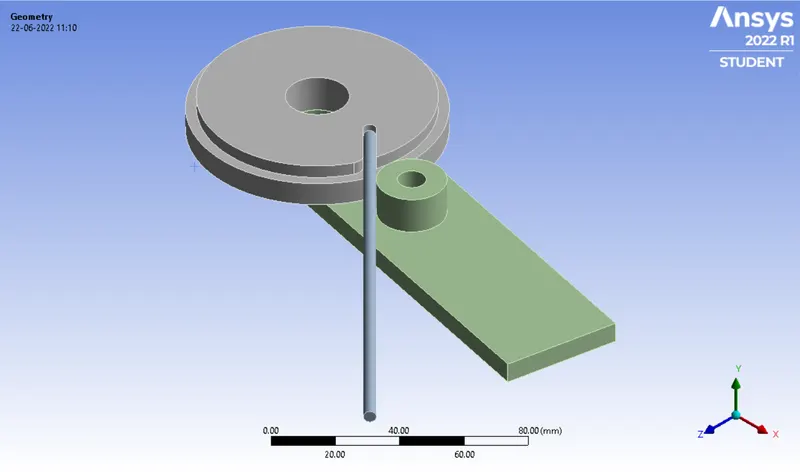
- Now we have to open mechanical Model and wait for a while till our model loads.
- For wire select material as copper alloy NL.
- We have to now remane the parts name and the proceed further for connections.
Connections-
- Now we have to delete the two old connections and then need to duplicate connections.
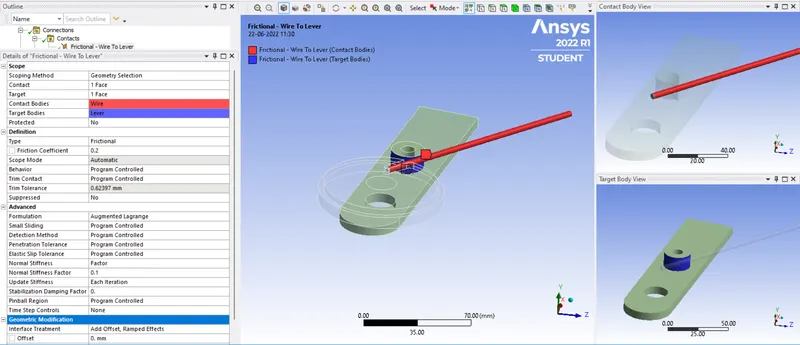
- Now for first connection we keep frictional contact from wire to lever, (right click on connection and select rename based on connection).
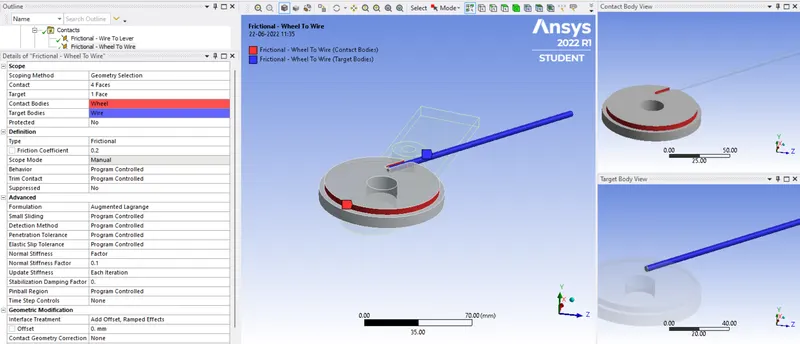
- Now for duplicated contact we have reverse the connections and and select the contact as lever and target as wire.
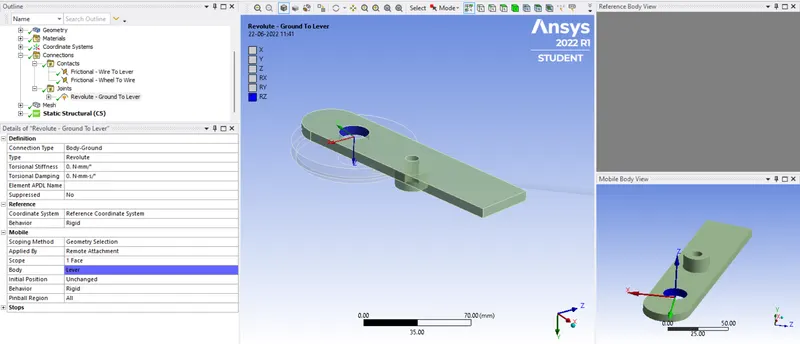
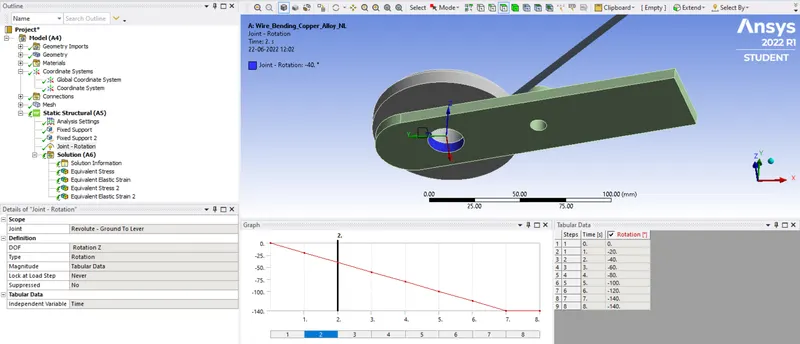
- As our lever is going to rotate to bend the wire we need to define a revolute joint there.
Mesh-
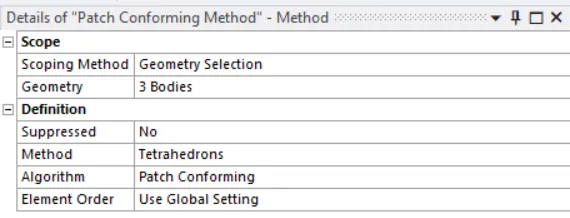
- For meshing first we create the patch method to it, to do so right click on mesh>>insert>>method>>select all components and in type select tetrahedrons.
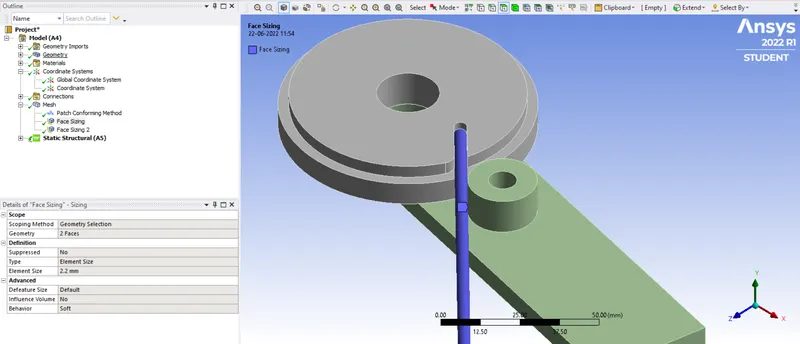
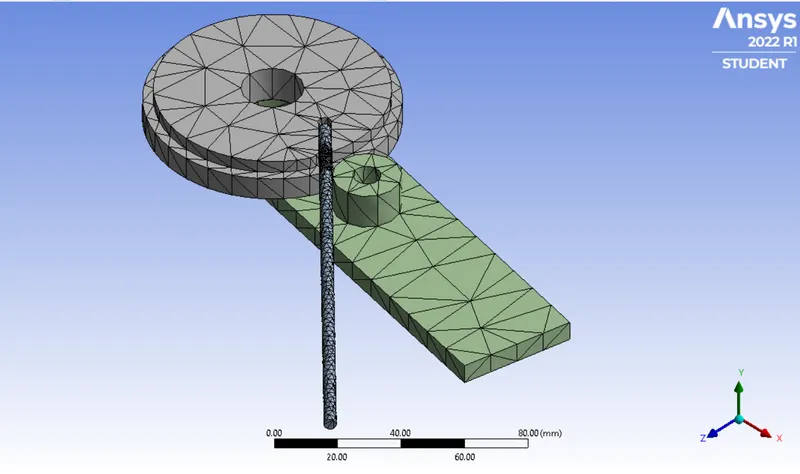
- Now we have to insert sizing for refined mesh to wire (here I have done meshing for copper alloy NL wire only since solution was not convering). To do So right click on mesh>>insert>>sizing.
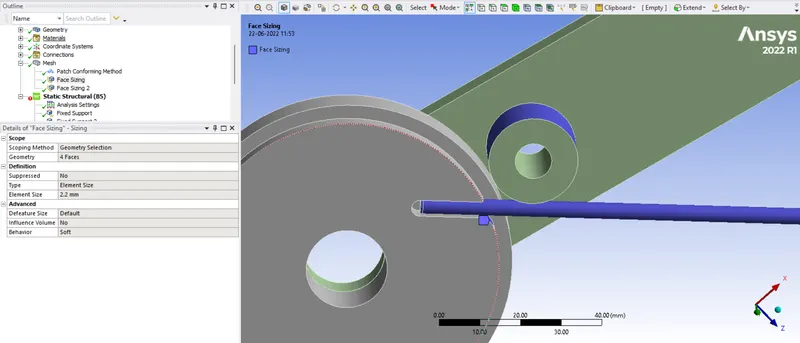
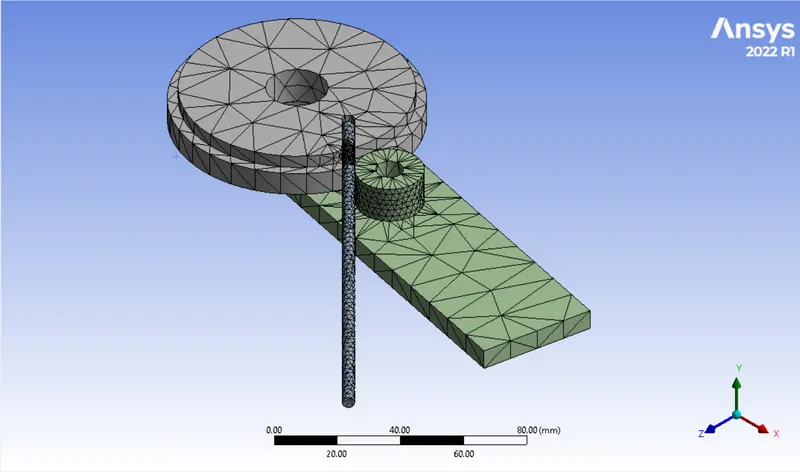
- But for rest two materials I have selected total 4 surface refer below snap.
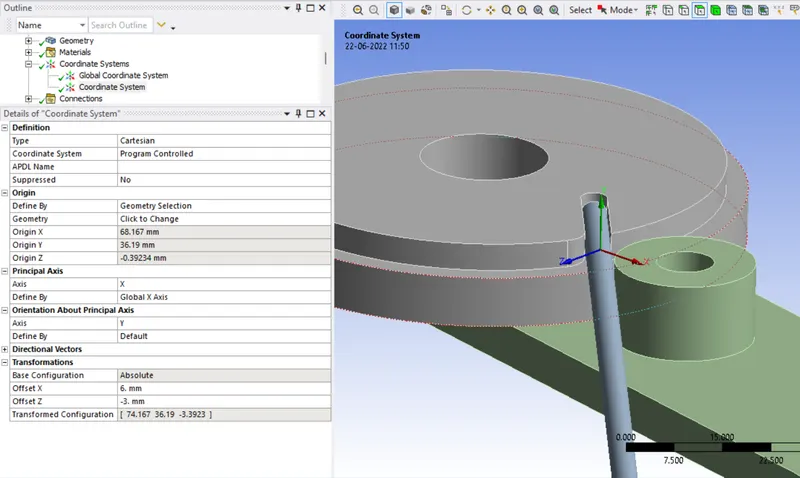
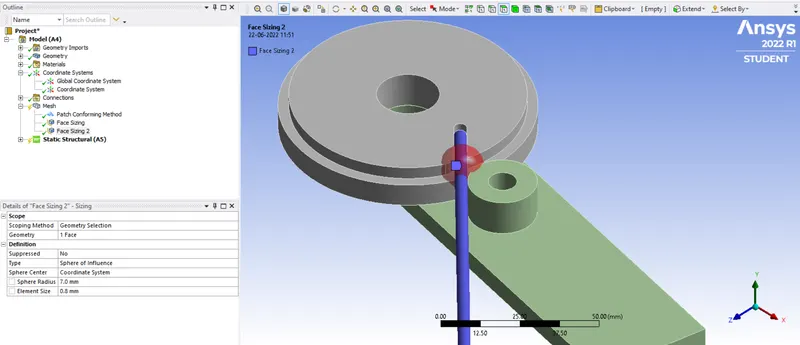
- Now for get proper result for bending we need to refine the mesh in area near wheel cutout, for that we have to create a new co-ordinate, near wheel cutout fillet & also need to do X & Z as 6mm and -3mm respectively, as shown in snap.
- For mesh right click on mesh>>insert>>sizing, refer below snap for reference.
Mesh for copper alloy NL
Mesh for Aluminium alloy NL & Magnesium alloy NL
Analysis setting-
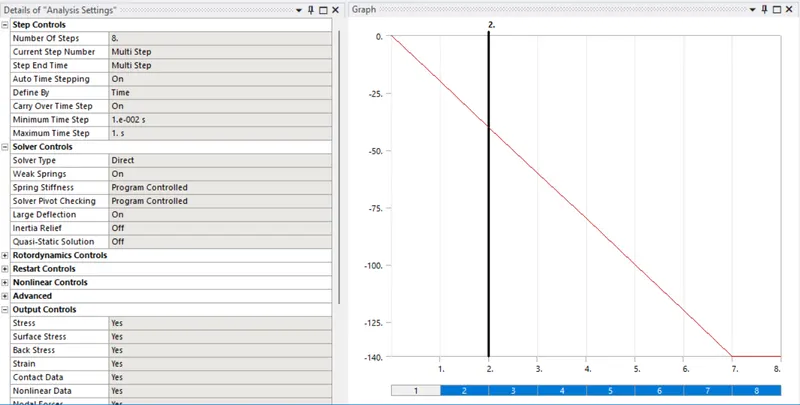
- Go to analysis setting and set number of set as 8 and refer below setting for 1st step, Keep all output parameters ON.
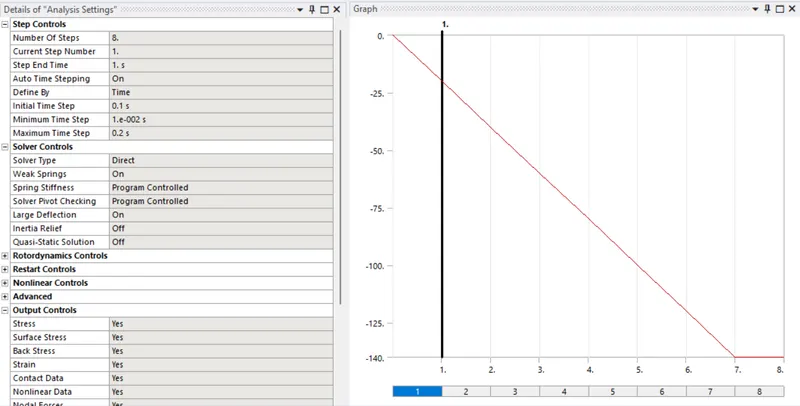
- For 2 to 8 refer below snap
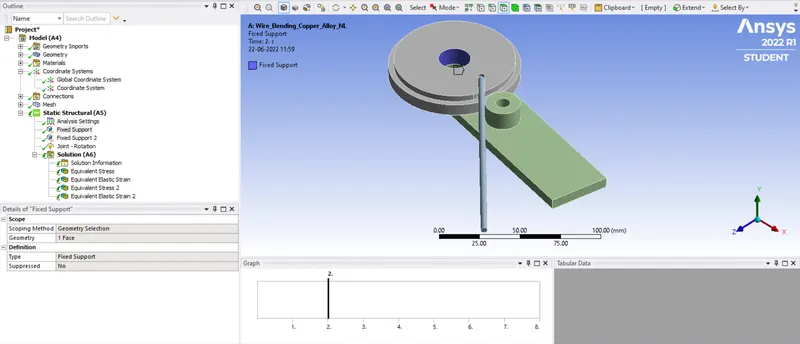
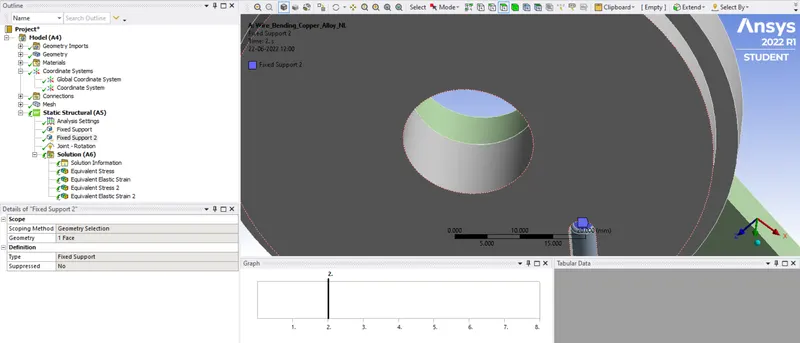
- Now we have to apply fixed support to wheel and wire as shown in snap.
- Now we have to apply joint load to lever bottom refer below snap,
Solution-
- Now for stress right click on the solution>>insert>>stresses>>equivalent (von-Mises).
- Now for strain right click on the solution>>insert>>strins>>equivalent (von-Mises).
Results-
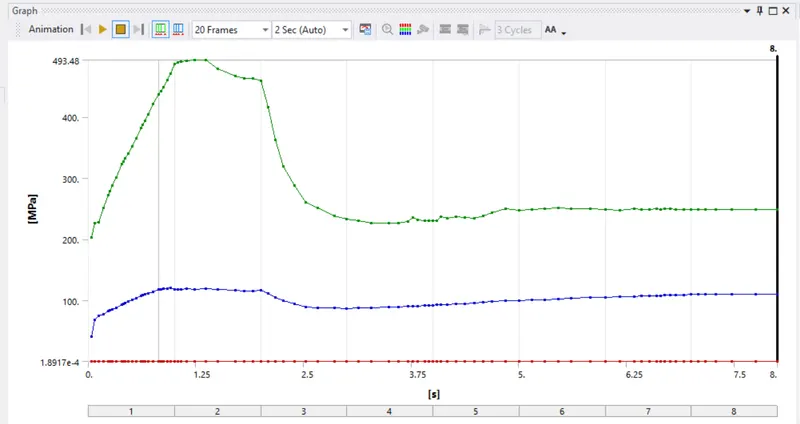
1. Equivalent Stress on Wire-
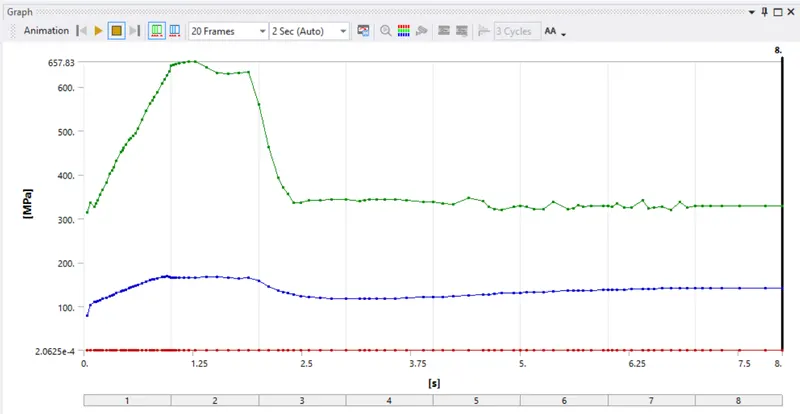
Copper Alloy NL-
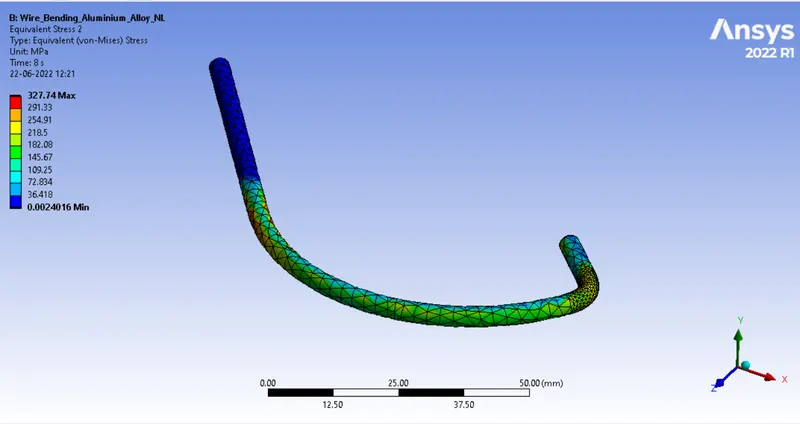
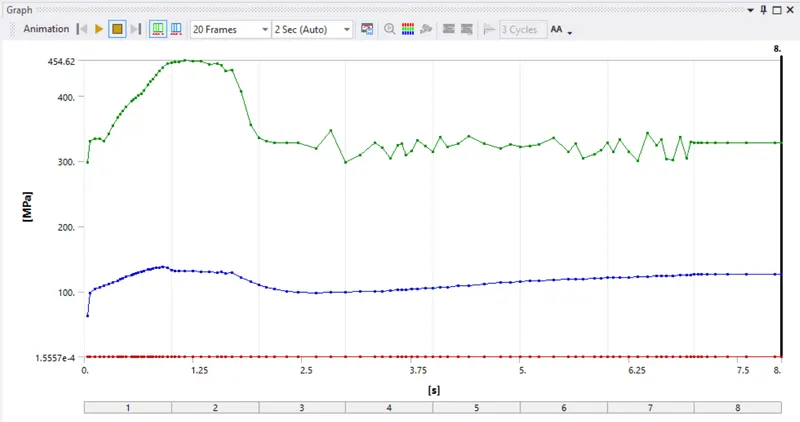
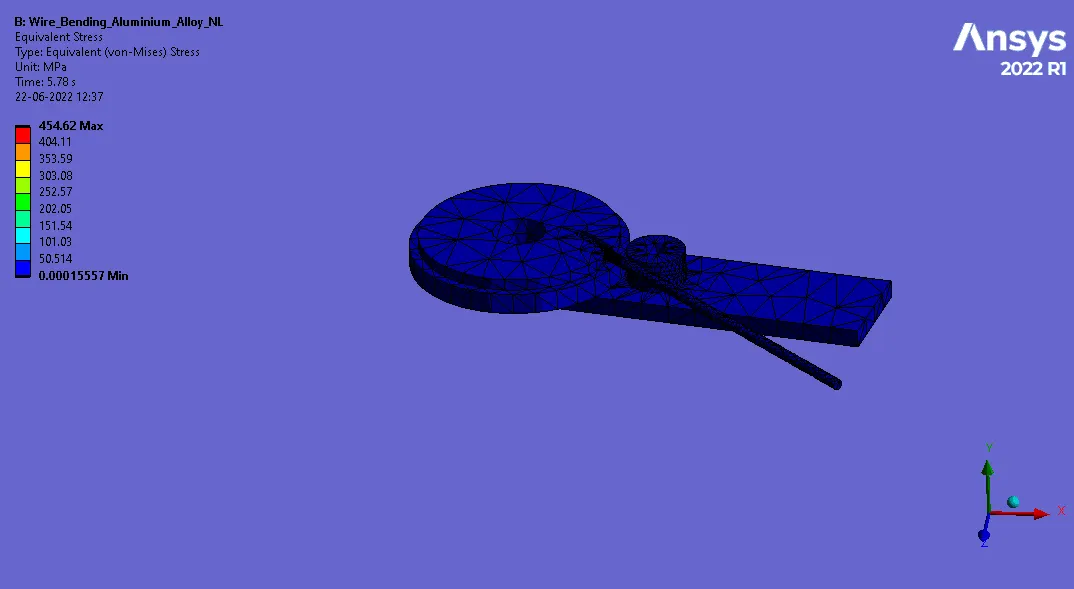
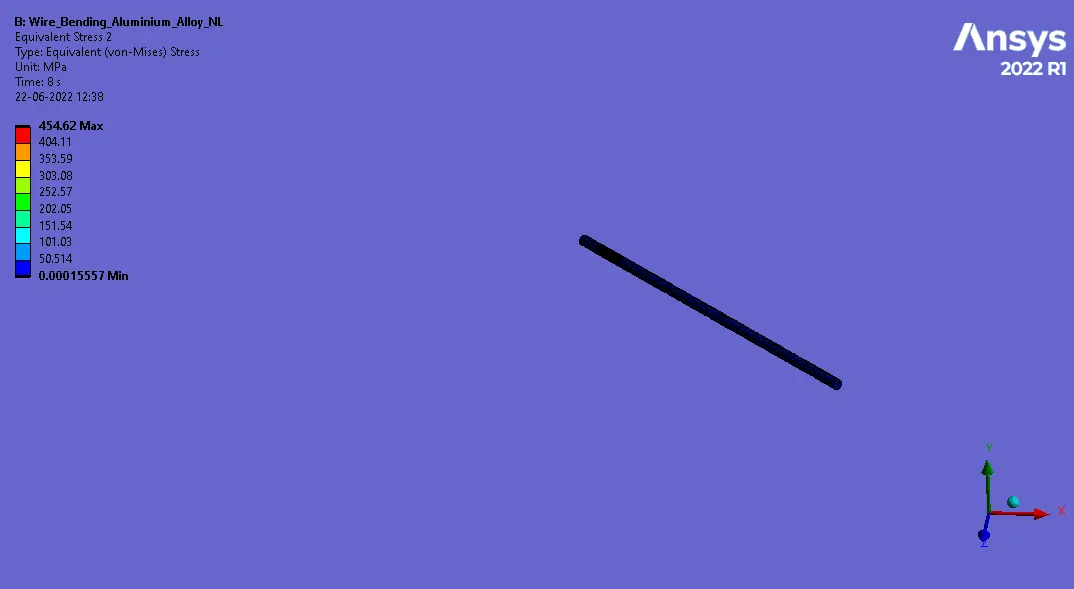
Aluminium Alloy NL-
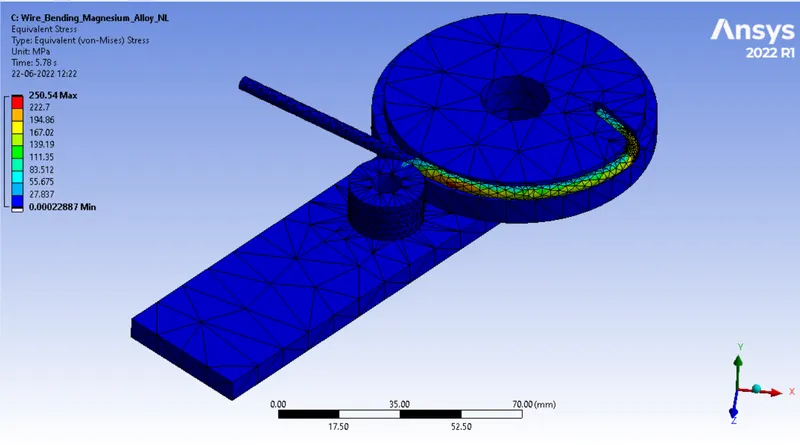
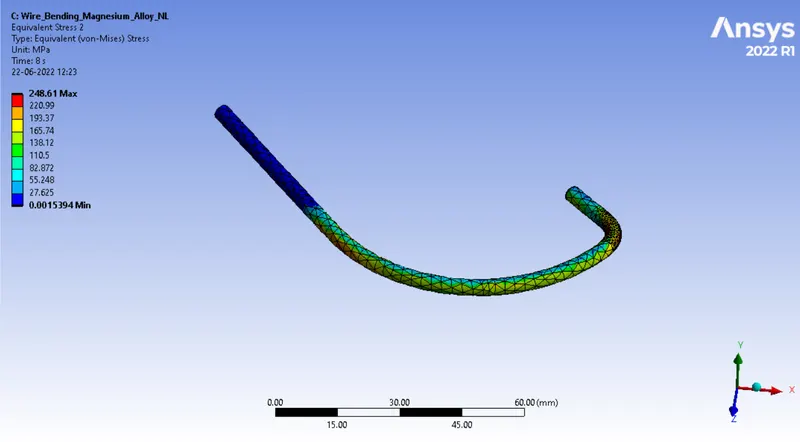
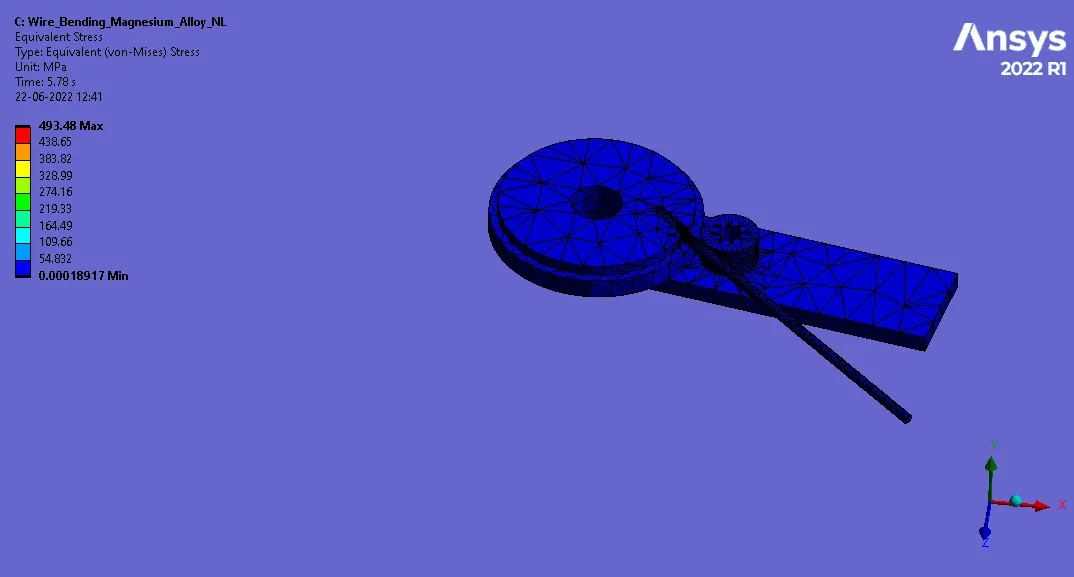
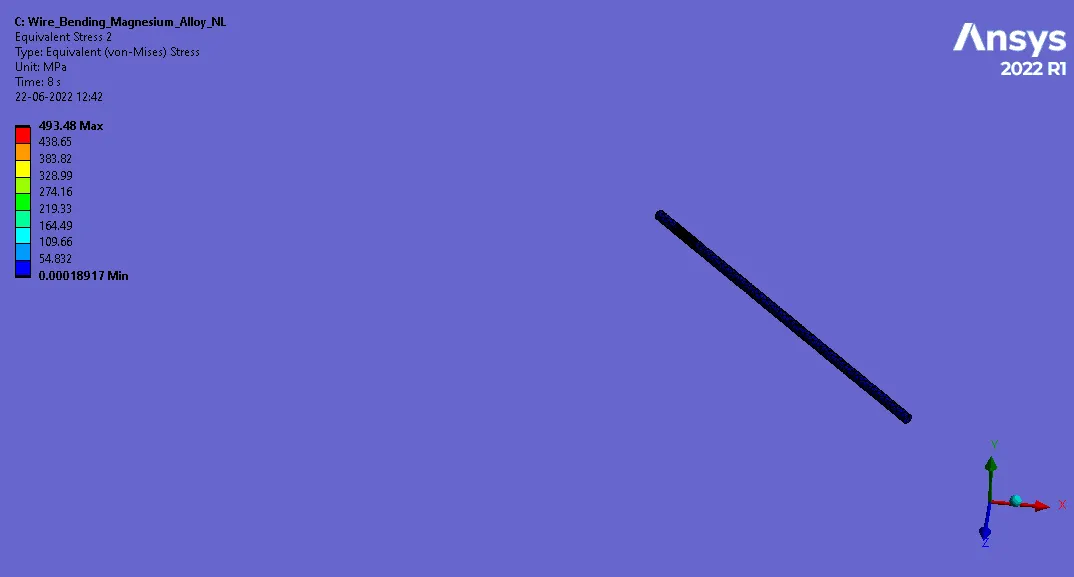
Magnesium Alloy NL-
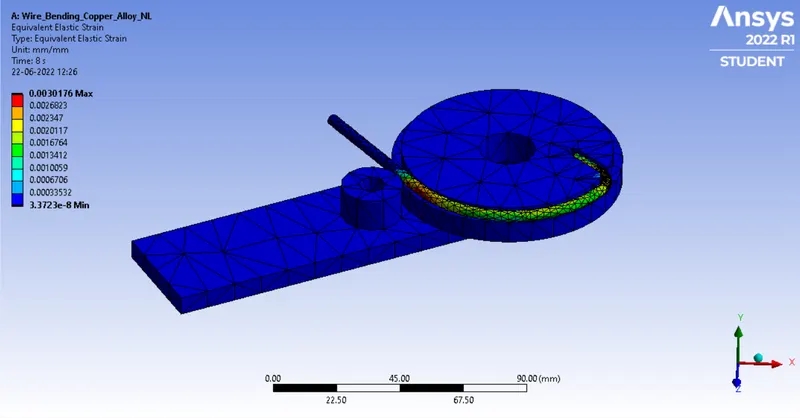
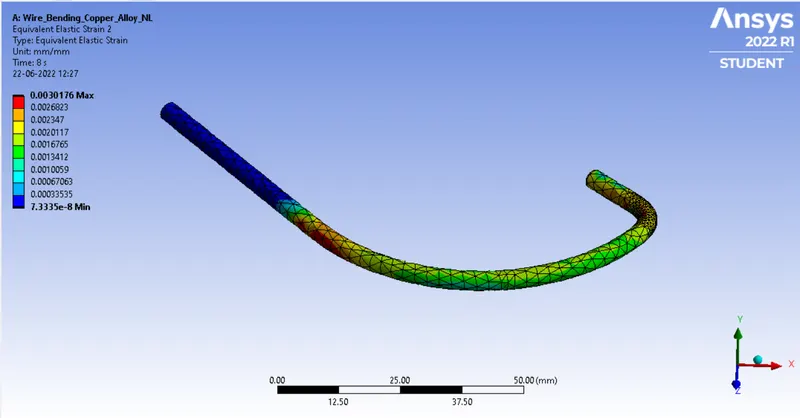
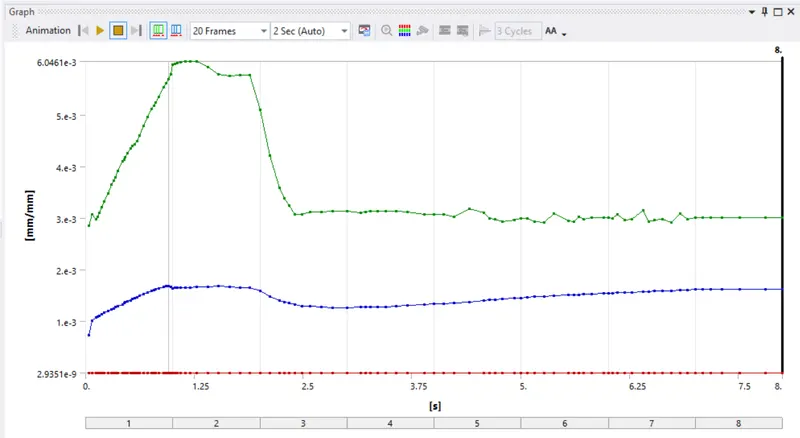
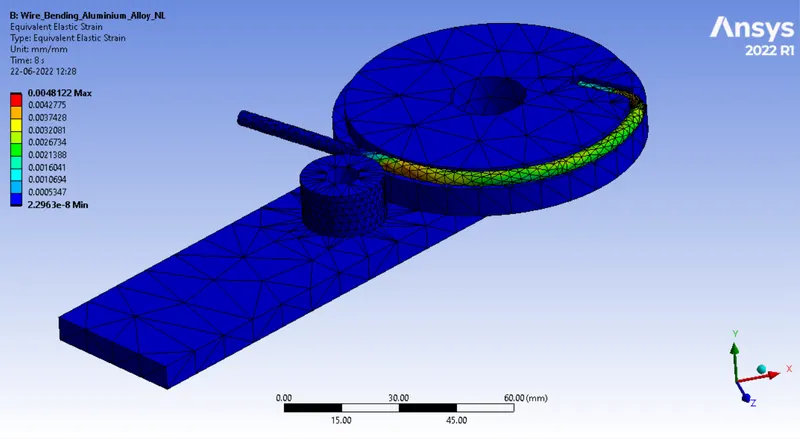
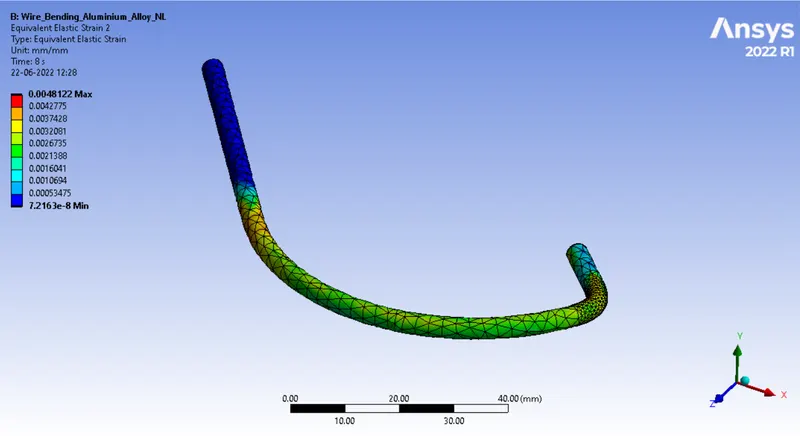
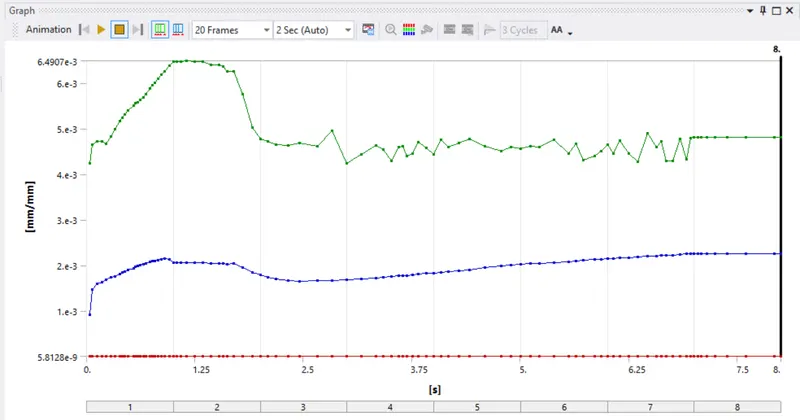
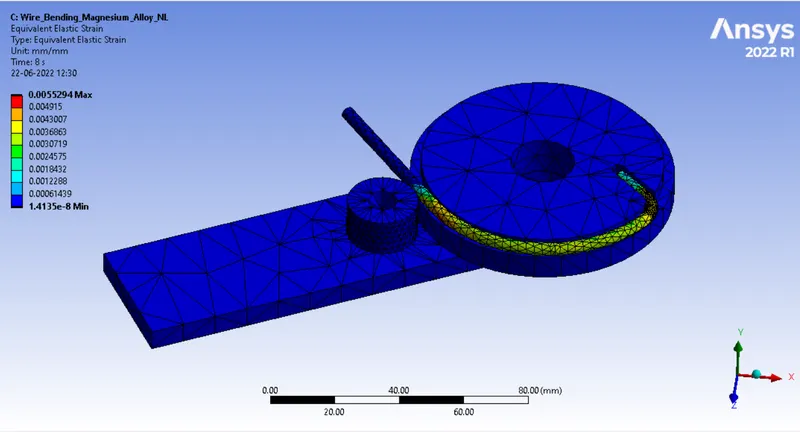
2. Equivalent Elastic Strain-
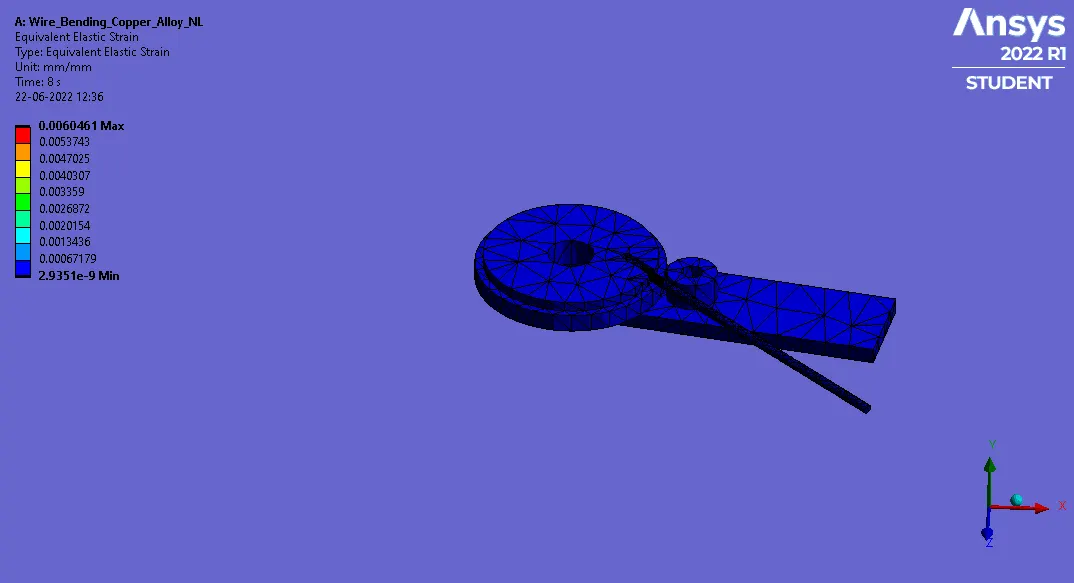
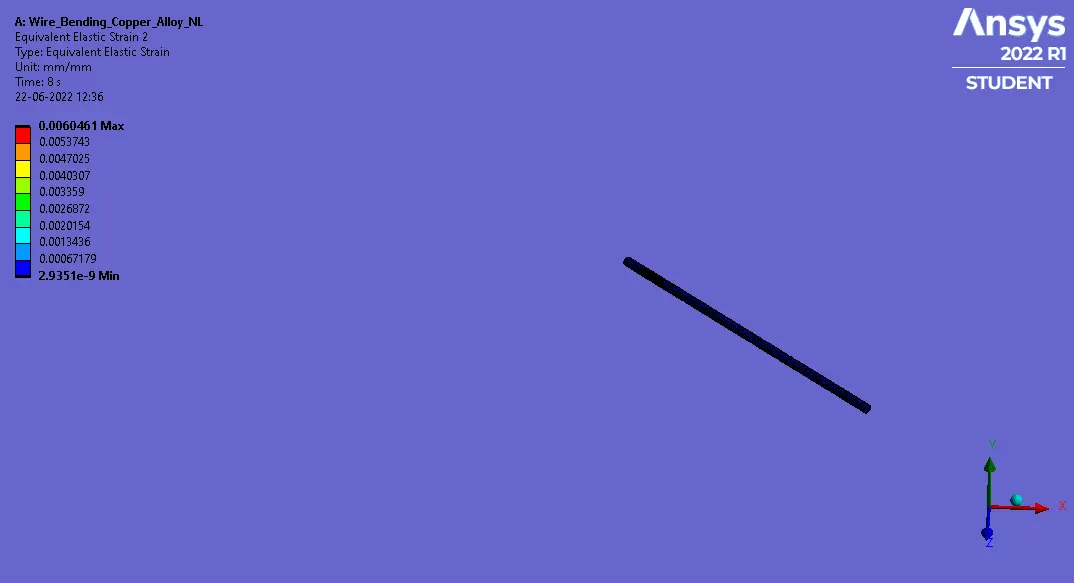
Copper Alloy NL
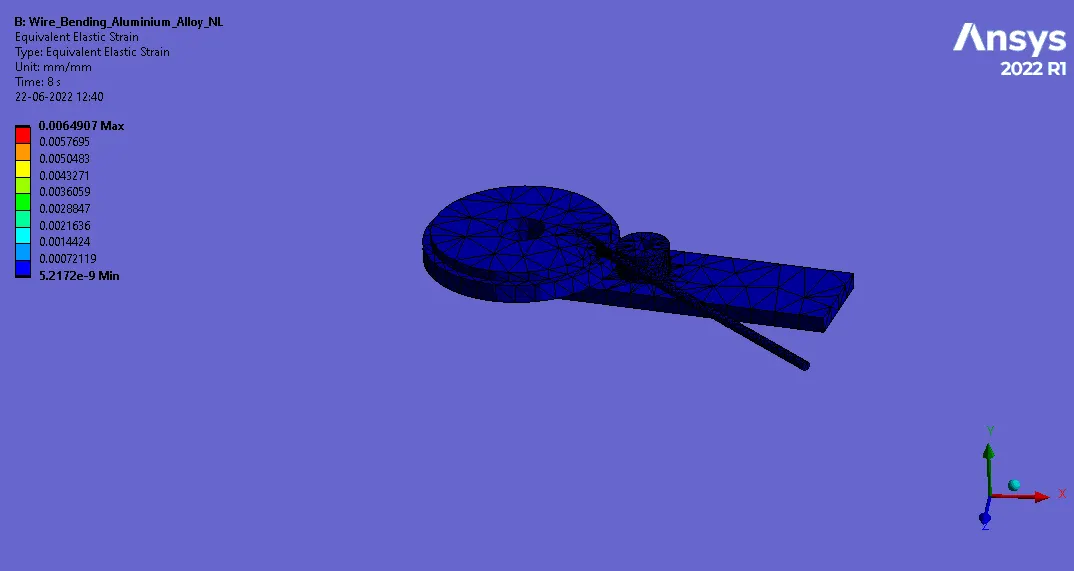
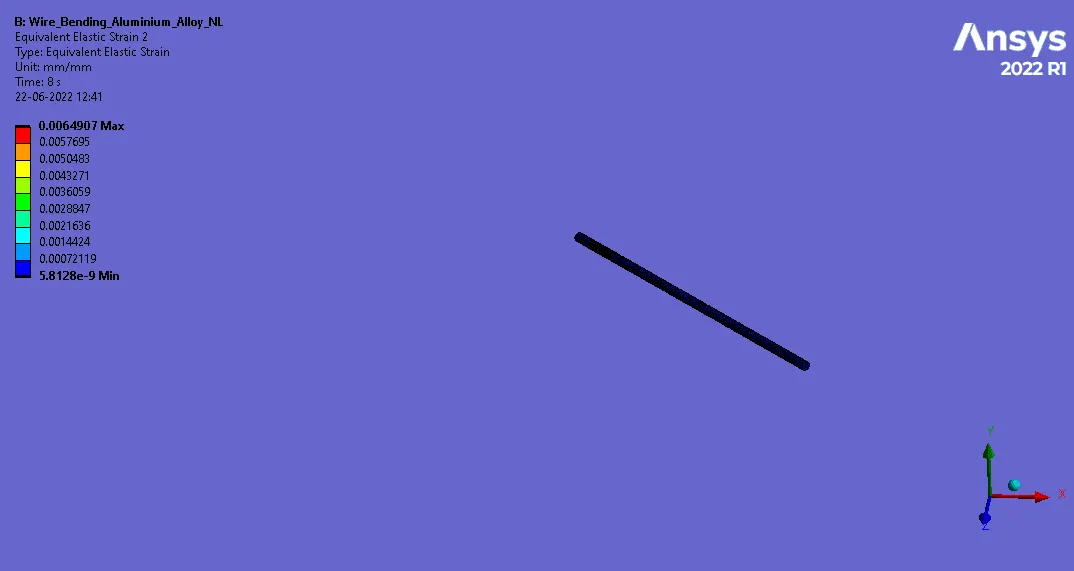
Aluminium Alloy NL-
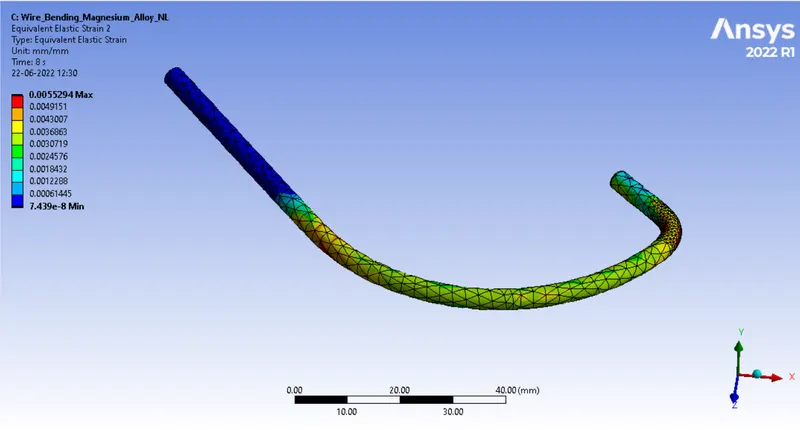
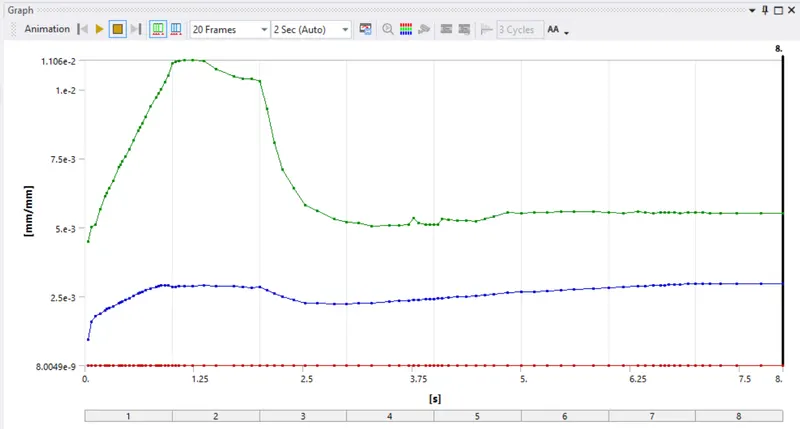
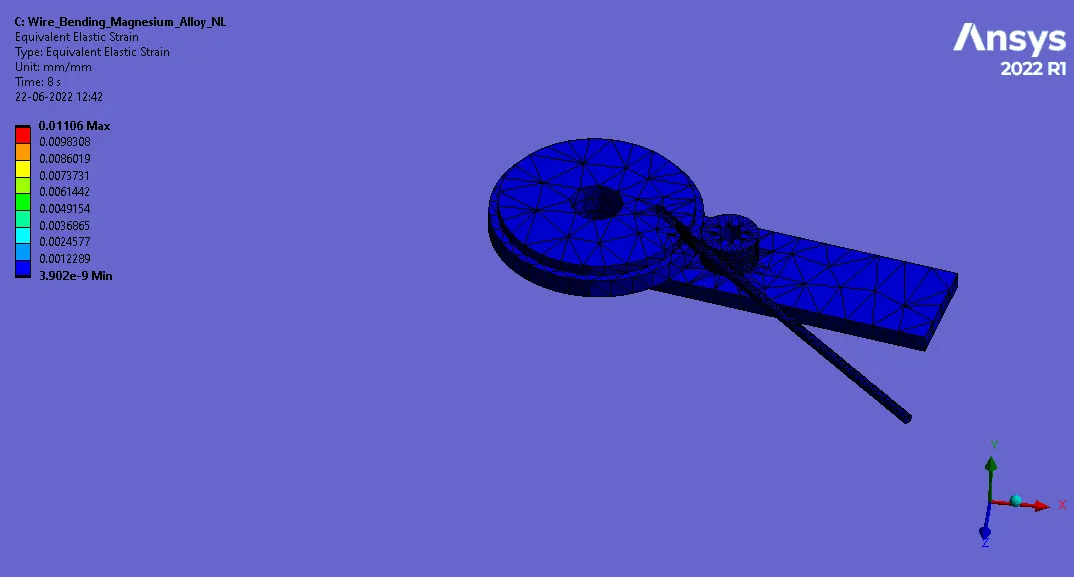
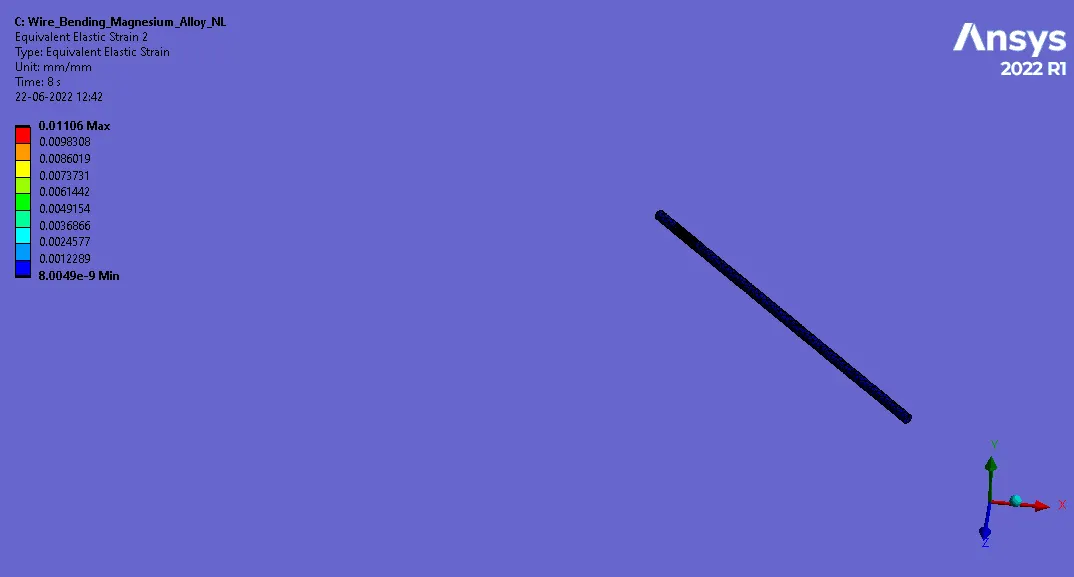
Magnesium Alloy NL-
Result Comparision
|
Material |
Equivalent Stress (MPa) |
Equivalent Strain |
||
|
Min. |
Max. |
Min. |
Max. |
|
|
Copper Alloy NL |
0.003649 |
328.62 |
7.335E-8 |
0.0030176 |
|
Aluminium Alloy NL |
0.0024106 |
327.74 |
7.216E-8 |
0.0048122 |
|
Magnesium Ally NL |
0.001539 |
248.61 |
7.439E-8 |
0.0055294 |
- From above table we can say that the max. stress induced in copper alloy and least is in magnesium alloy.
- Similarly max. strain induced in magnesium alloy and least in copper alloy.
- So we can say that copper alloy will not bend easliy and vice versa magnesium alloy we deform easliy so bending is easy in it.
Animated result-
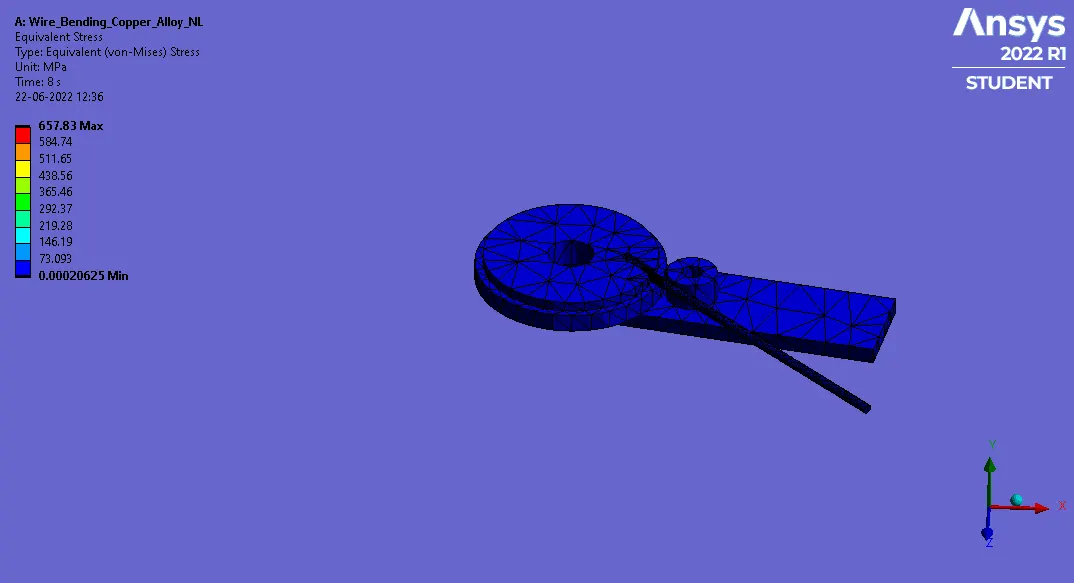
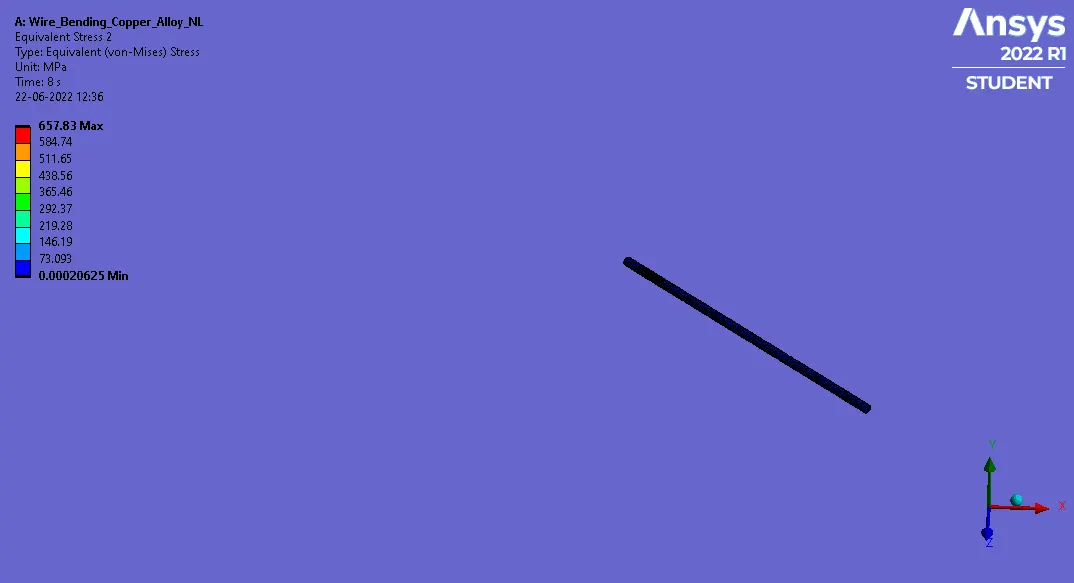
1. Copper Alloy NL-
Equivalent stress-
2. Equivalent Elastic Strain-
Aluminium Alloy NL-
1. Equivalent Stress-
2. Equivalent Elastic Strain-
Magnesium Alloy NL-
1. Equivalent Stress-
2. Equivalent Elastic Stress-
Conclusion-
- A concise finite element model for simple wire strand subjected to pure bending has been established. Precise analytical boundary condition has been developed.
- From results we can conclude that the copper is most elastic material and magnesium is least one.
-
Characteristics we can enhance or decrease include:
- Strength
- Abrasion resistance
- Corrosion resistance
- Crushing resistance
- Fatigue resistance
- Rotation resistance. Flexibility