Week-4 Challenge WOT Condition Part-2
AIM : 1.To explain the difference between mapped and dynamic model of engine, motor and generator and change model type.
2.To calculate miles per gallon and list factors influencing fuel flow.
3.To run the HEV ReferenceApplication with WOT drive cycle and Change the grade and wind velocity in the environment block.
4.To compare HEV and electric power-train model.
SOLUTION :
1.
MAPPED MODEL TYPE : The model uses a set of steady state look up tables to characterize engine performance.
It consists of overall engine characteristics.
DYNAMIC MODEL TYPE :
Model decomposes the engine behaviour into engine characteristics that are separated into lower level ccomponents.
CHANGING THE MODEL TYPE :
By going onto variant manager, the type can be changed. This is shown in the image attached below.
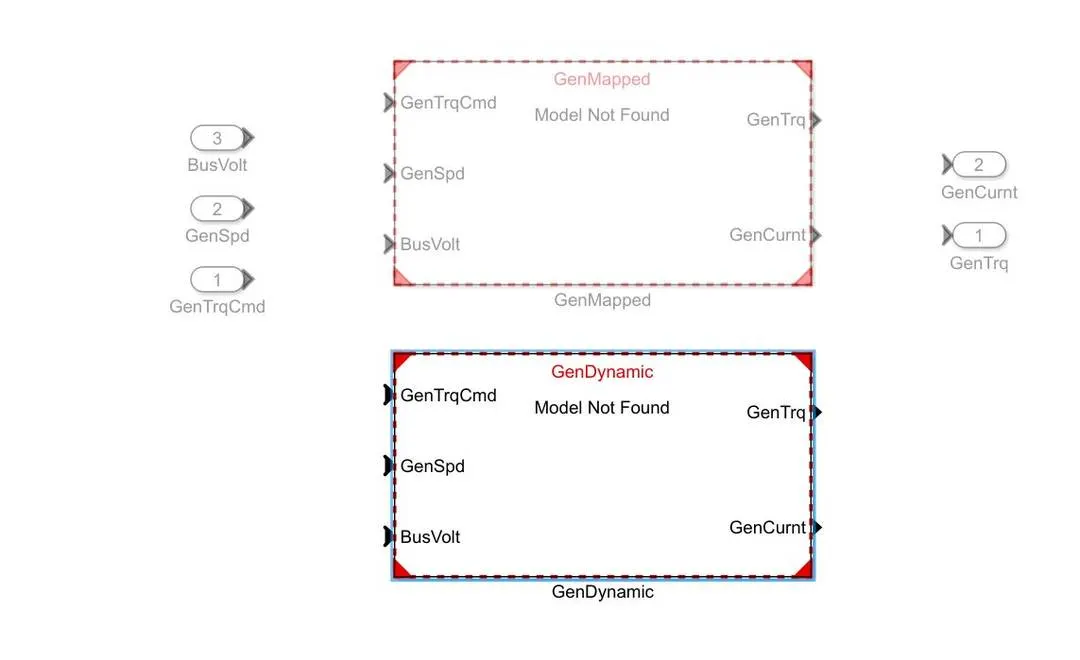
fig1
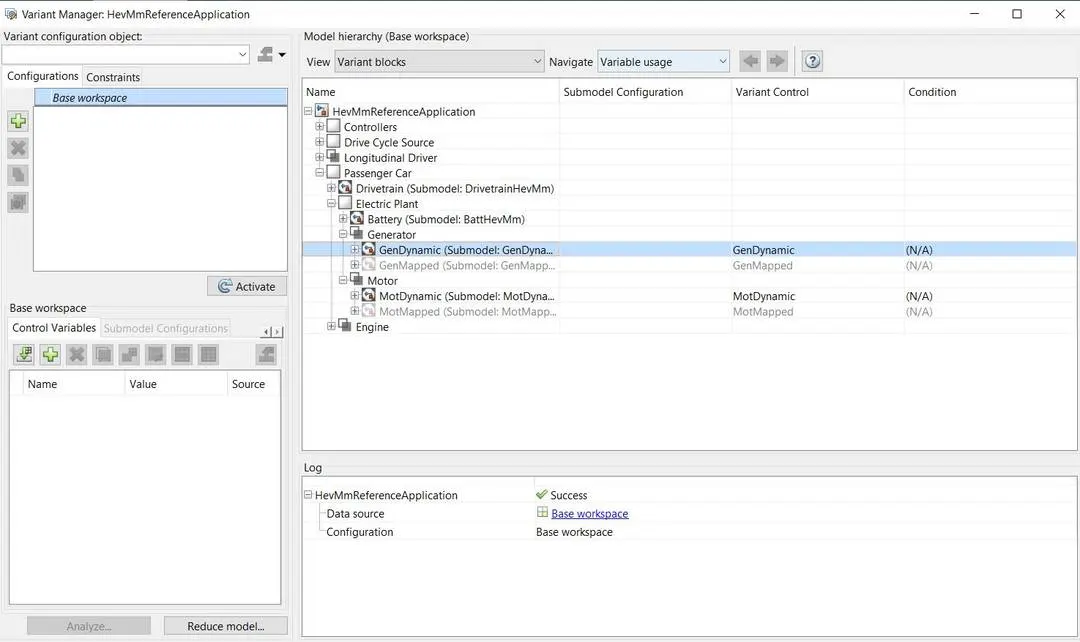
fig2
2.
To calculate mile per gallon, first we need to note down the distance shown in odometer. Fill up the tank with the fuel and note it down.
Now let us consider the vehicle travels to a desired distance. The difference between initial value and final distance is measured and the value is divided by volume of fuel consumed.
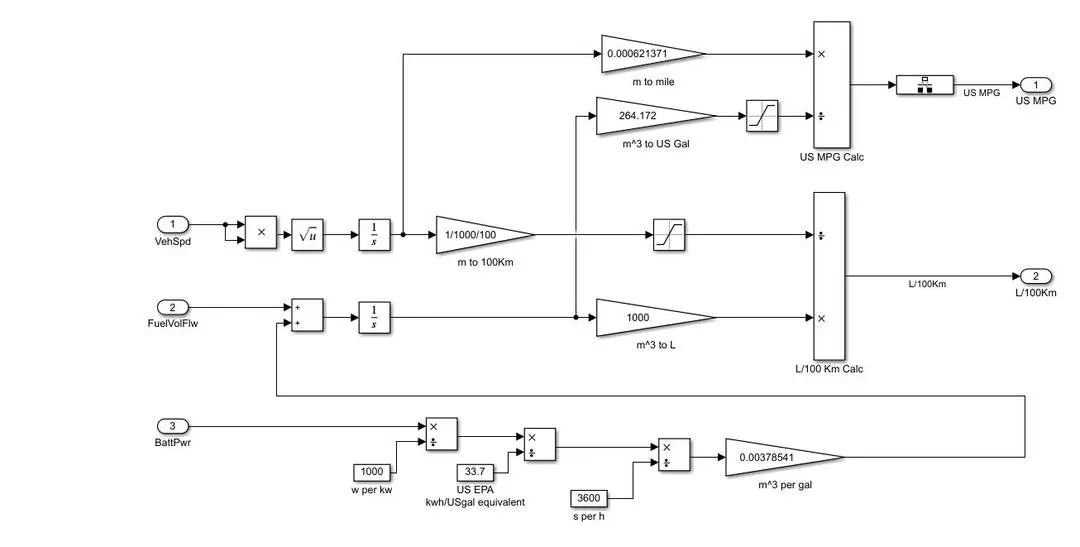
fig3
The factors influencing are battery power, fuel volume,speed of vehicle.
3.
Firstly the HEV model is opened.
WOT condition is set. Wide Open Throttle is associated with IC engine where maximum intake of fuel and air take place when the throttle body is wide open.
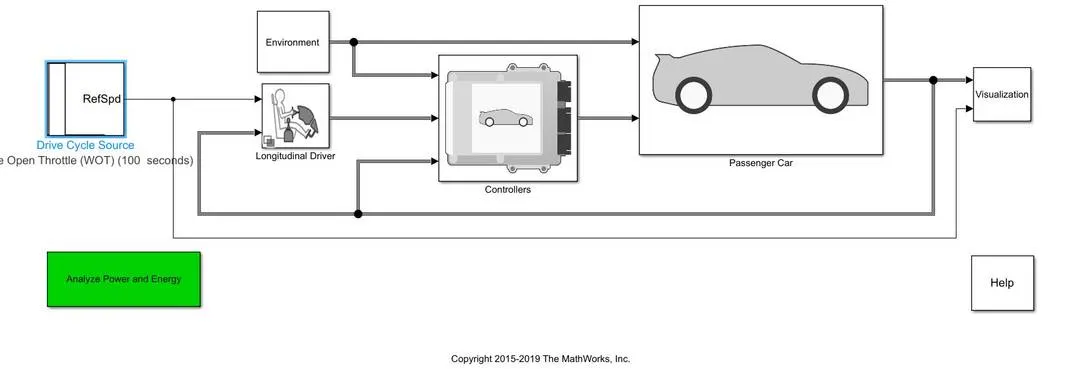
fig4
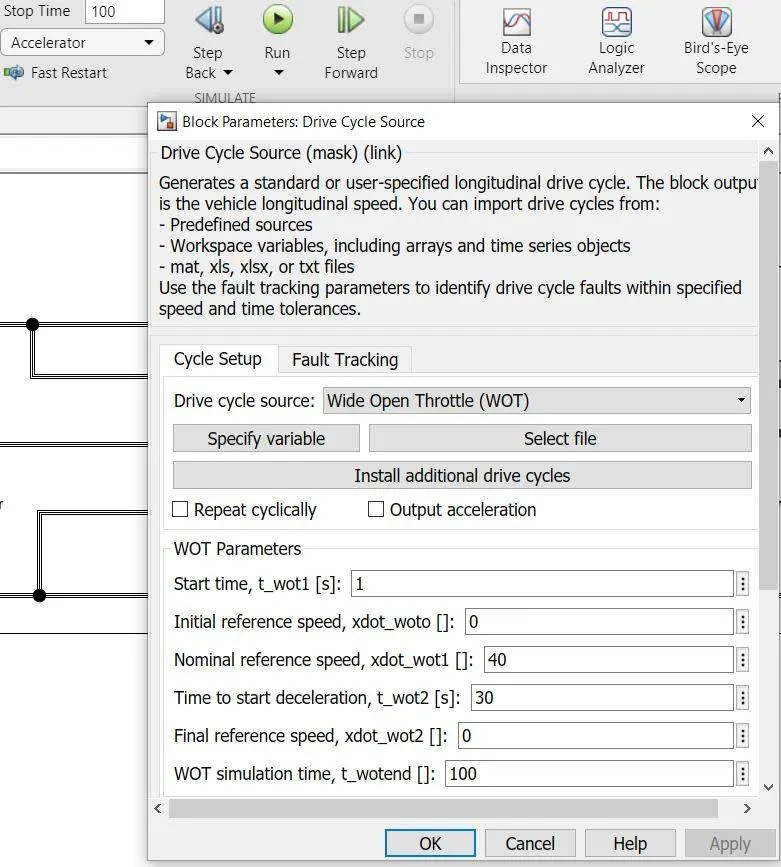
fig5 (wide open throttle condition)
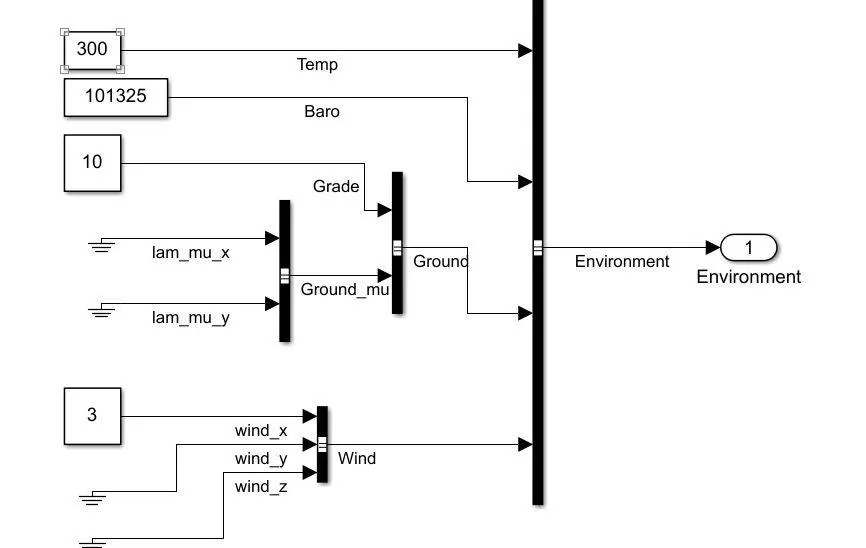
fig6 ( The values of grade and wind velocity are changed)
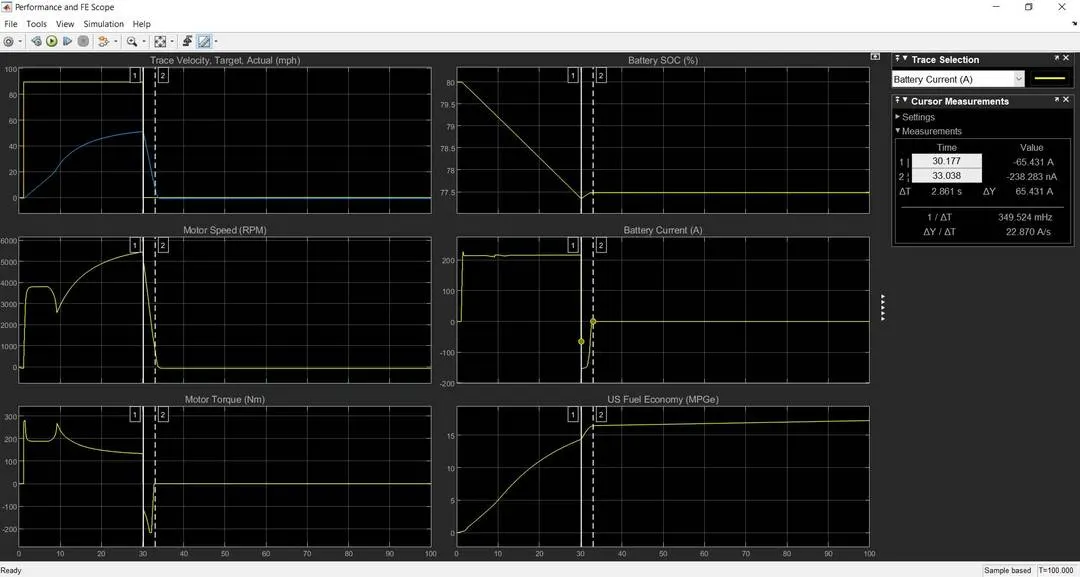
In the image given below , deceleration occurs at 30 sec as we mentioned it in WOT condition. As the vehicle travels , there is an increase in current since we need more power while accelerating. Higher the value of current ,higher will be the rotation of motor shaft which in turn rotates with respect electromagnetic induction.The state of charge depelets when vehicle continues to travel and while decelrating the SOC increases and gets recharged.
The battery starts to charge after 70-65 and IC engine comes into picture. We could see when the system is battery driven the economy is higher and when IC starts to work the economy drops down. Engine torque and speed drop when deceleration.
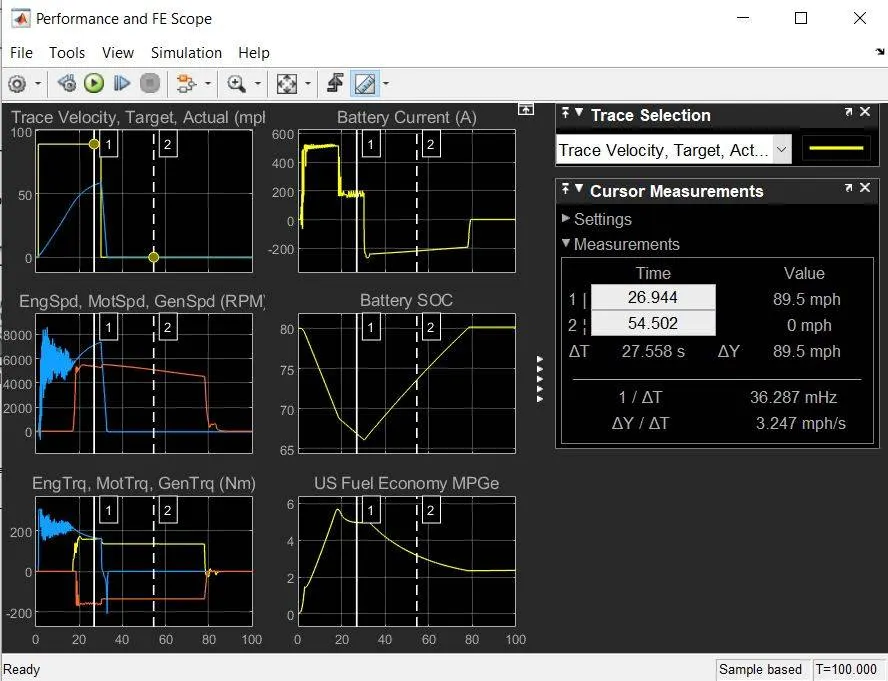
fig7
4. The same changes are carried out in electricvehicle model.
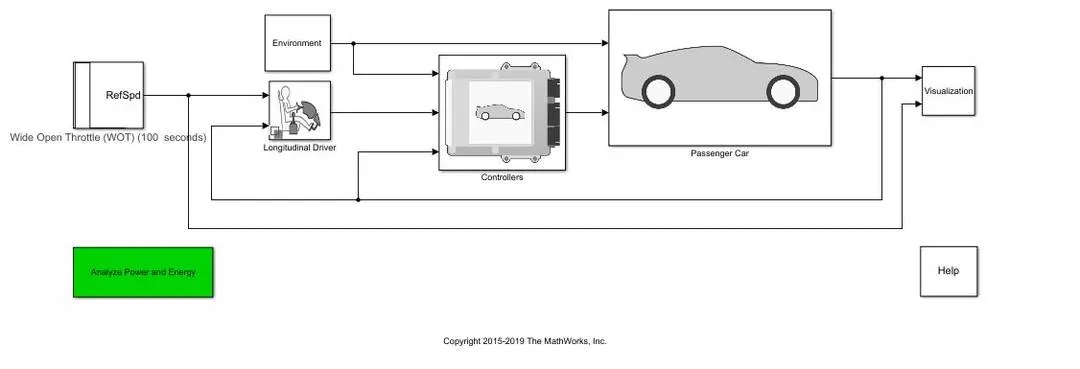
fig8
The HEVs have engine where as electric vehicles dont have engines and generators and it is fully driven by battery and motors.
In the image given below deceleration occurs after 30 seconds and with respect to that the state of charge drops and current required to drive the vehicle forward also drops down. The efficiency of electric vehicle is higher compared to HEV.