Week 9: Project 1 - Surface preparation and Boundary Flagging (PFI)
Aim --> Surface preparation and Boundary Flagging (PFI)
Port Fuel Injection System
A common type of fuel injection system these days is the Multipoint Fuel Injection System that offers a separate injector nozzle for every cylinder. With port fuel injection, fuel is sprayed into the intake manifold, where it mixes with air, and then is sucked down into the cylinders. It’s placed on the outside of each intake port, and this is exactly why it’s also called a port injection system. Having the fuel vapour near the intake port makes sure that it will be completely sucked into the cylinder and enhance combustion. The biggest advantage of the MPFI system is that it regulates fuel in a more efficient way as compared to carburetors or single-point fuel injection. Also, this system mitigates the possibility of fuel condensation in the intake manifold.
Fuel injection
Fuel injection is the introduction of fuel in an internal combustion engine, most commonly automotive engines, by the means of an injector. All diesel engines use fuel injection and many otto engines use fuel injection of one kind or another. Port fuel injectors replaced carburetors in the early 1900s. The primary difference between carburetion and fuel injection is that fuel injection atomizes the fuel through a small nozzle under high pressure, while a carburetor relies on suction created by intake air accelerated through a Venturi tube to draw the fuel into the airstream.
The term "fuel injection" is vague and comprises various distinct systems with fundamentally different functional principles. Typically, the only thing in common all fuel injection systems have is the lack of carburetion. There are two main functional principles of mixture formation systems for internal combustion engines: internal mixture formation, and external mixture formation. A fuel injection system that uses external mixture formation is called a manifold injection system; there exist two types of manifold injection systems: multi-point injection (port injection), and single-point injection (throttle-body injection). Internal mixture formation systems can be separated into direct and indirect injection systems. There exist several different varieties of both direct and indirect injection systems; the most common internal mixture formation fuel injection system is the common-rail injection system, a direct injection system. The term electronic fuel injection refers to any fuel injection system having an engine control unit.
Geometry
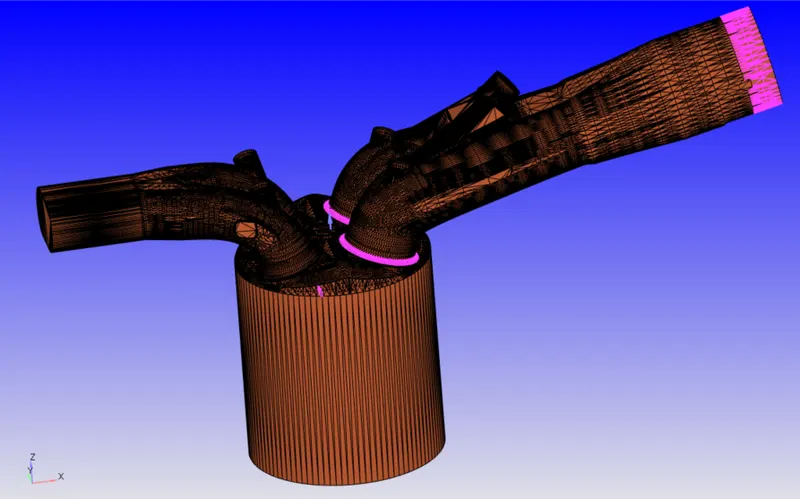
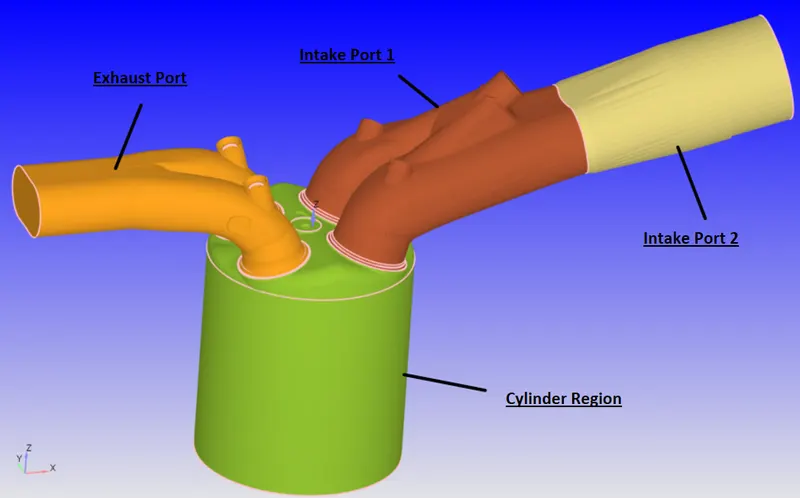
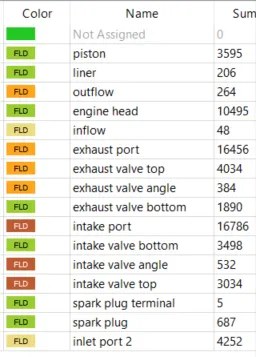
Boundaries
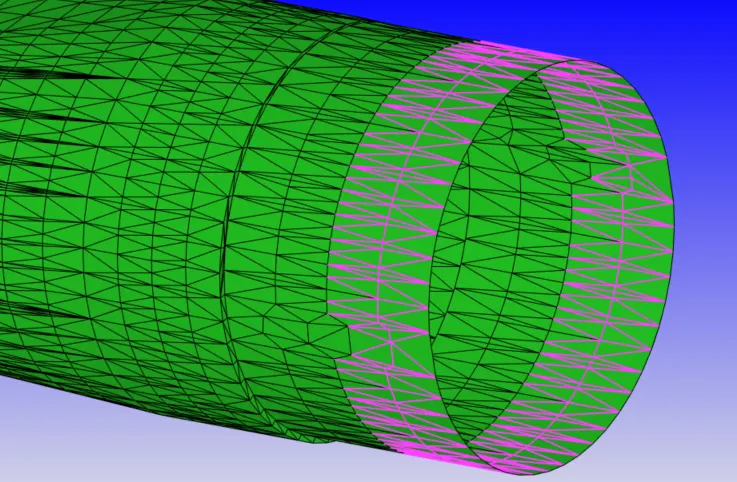
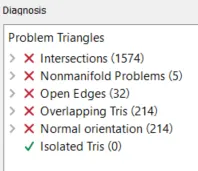
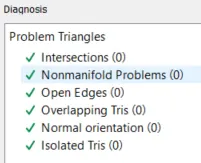
Surface Preparation
1. Intersections
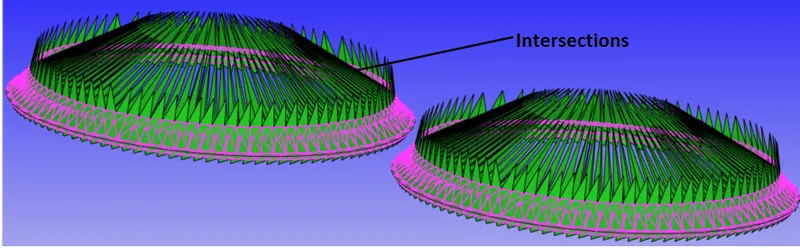
2. Nonmainfold edges
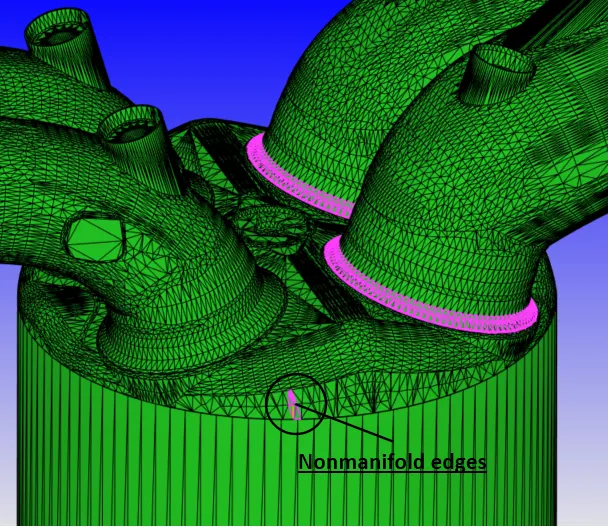
3. Open edges
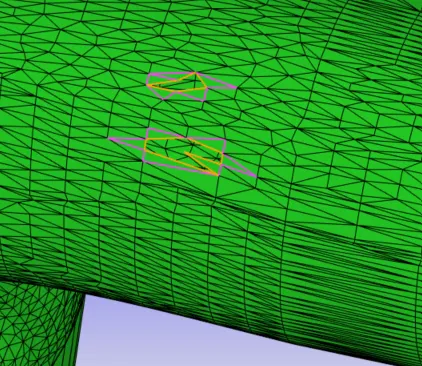
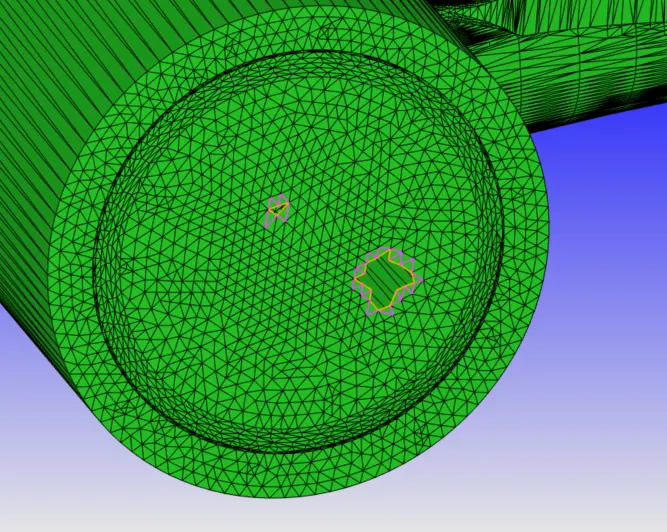
4. Normal orientation
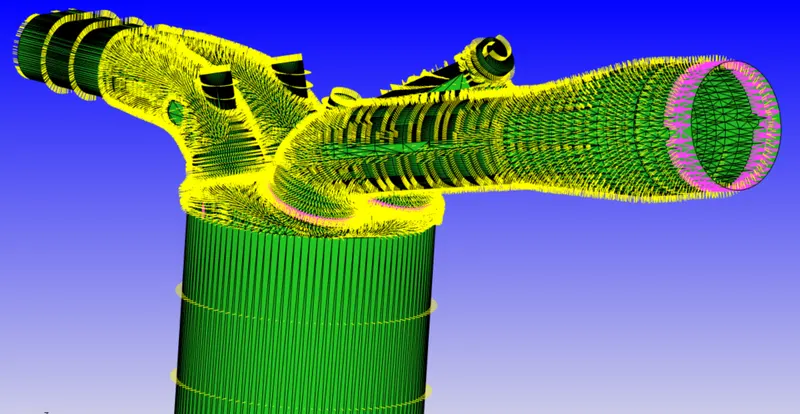
5. Overlapping Triangles
Diagnosis
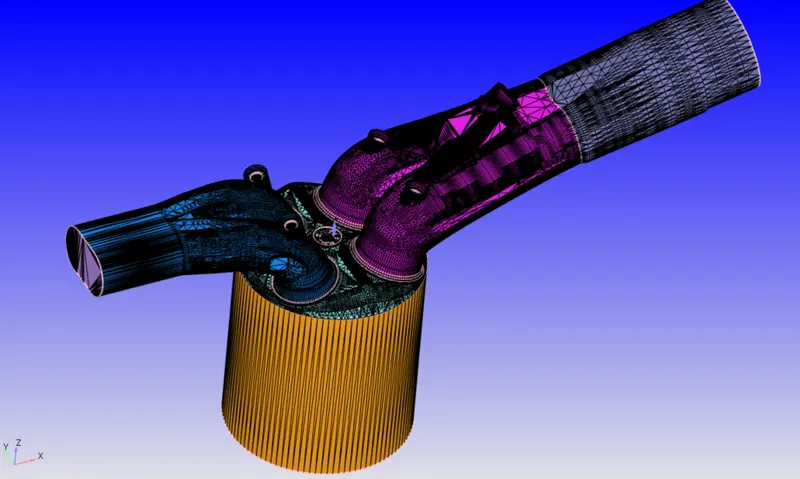
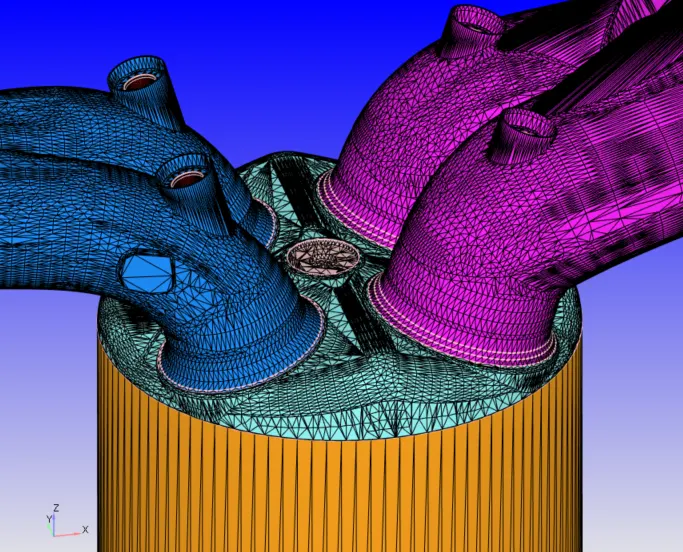
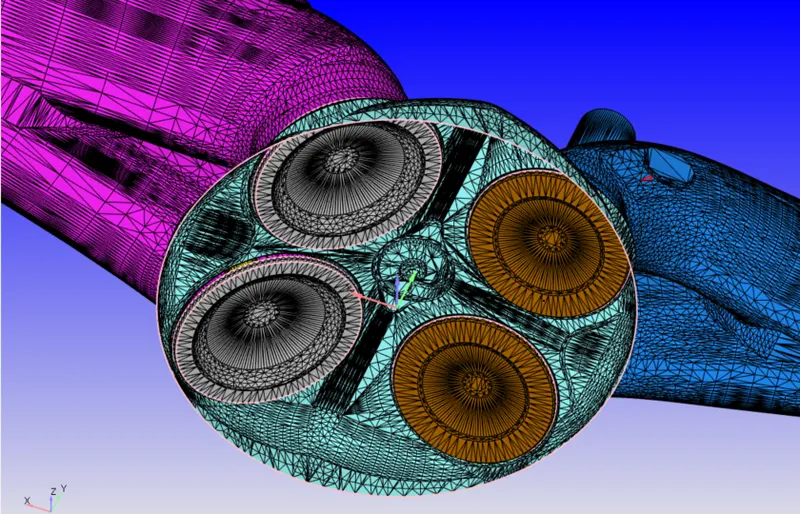
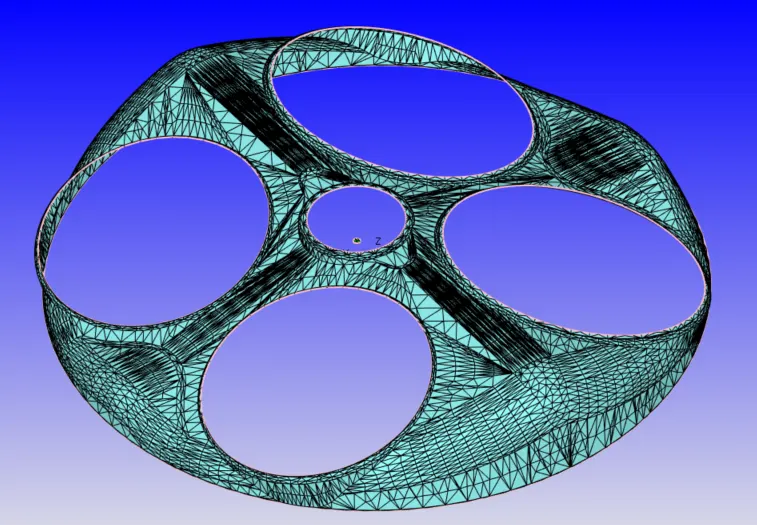
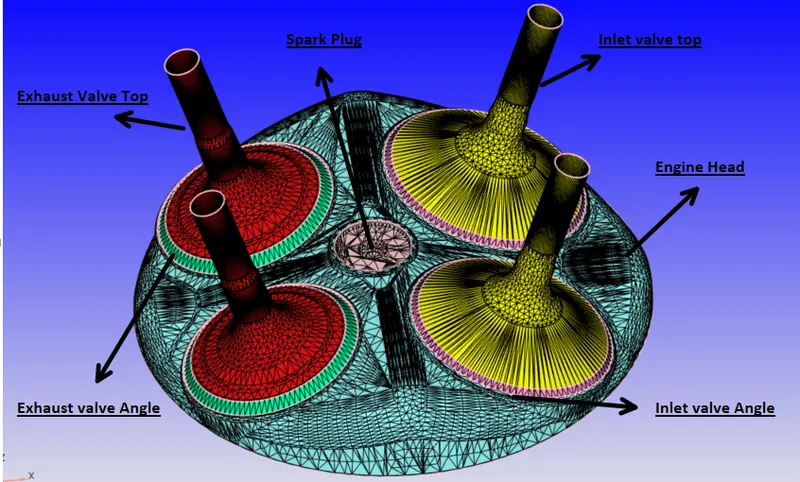
Engine head
Spark plug (spark plug terminal (green))
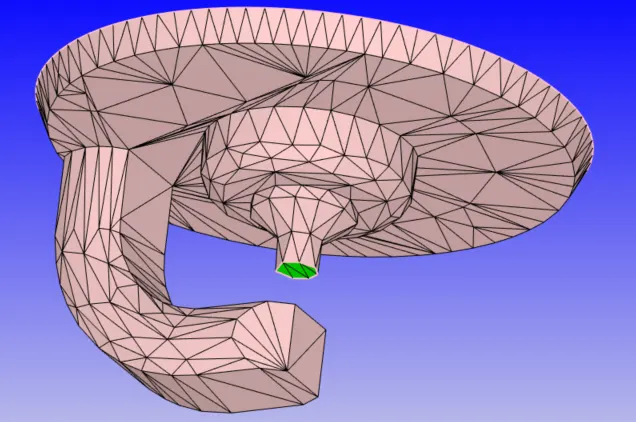
Inlet and exhaust valve
Case setup
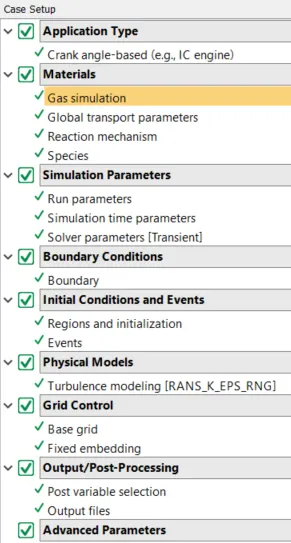
- Application type --> Crank Angle based IC Engine.
- Reaction Mechanism --> We load mech.dat and therm.dat files into the converge CFD

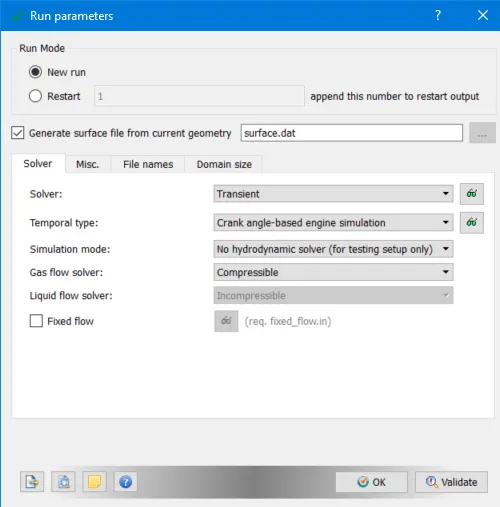
- Run parameters (No Hydro simulation)
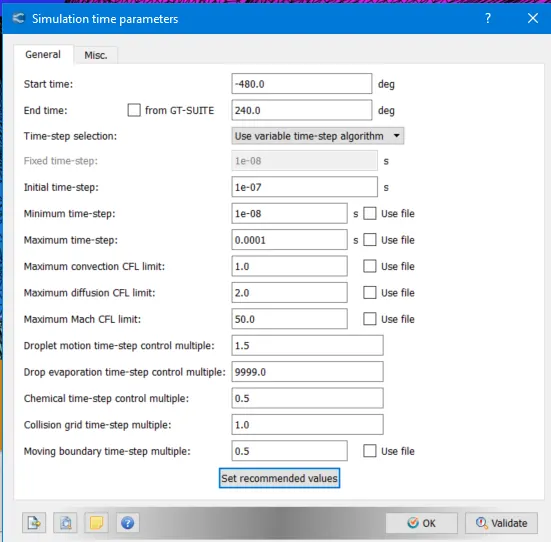
- Simulation time parameters
- Regions and Initializations (Cylinder region, exhaust region, inlet port 1, inlet port 2@)
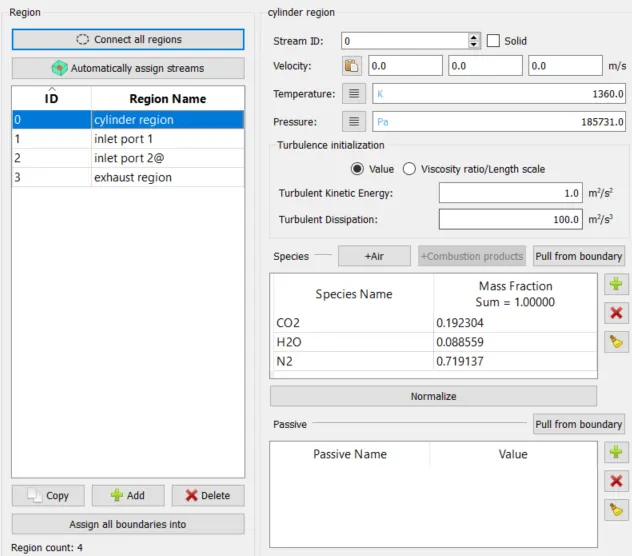
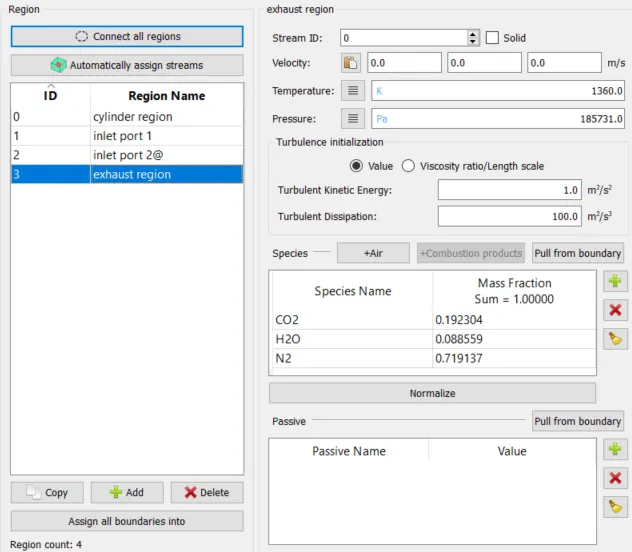
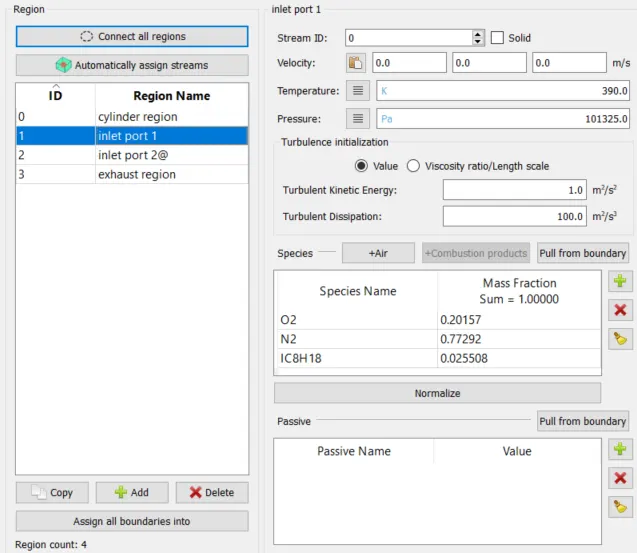
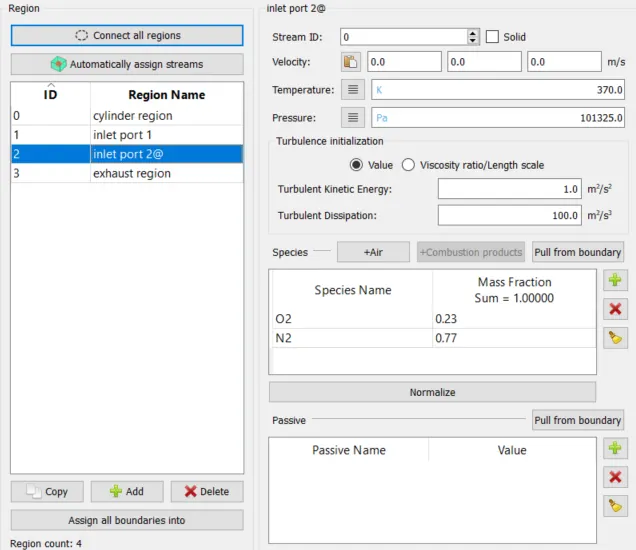
- Valve motion profile
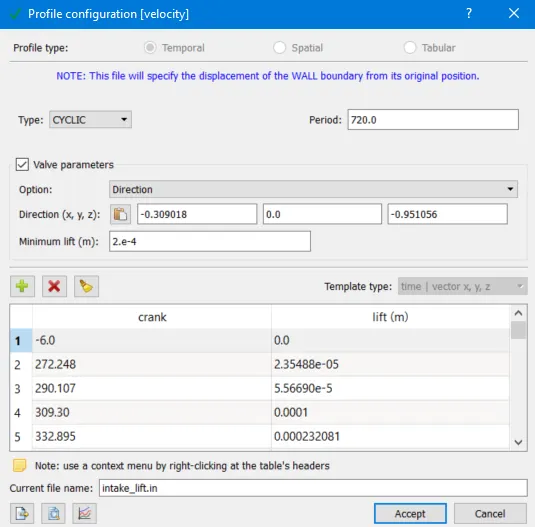
- Boundaries
- Piston
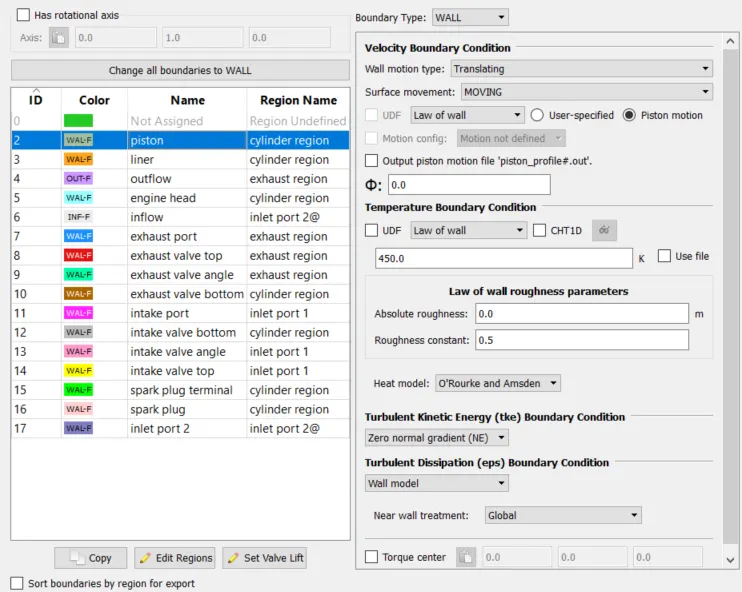
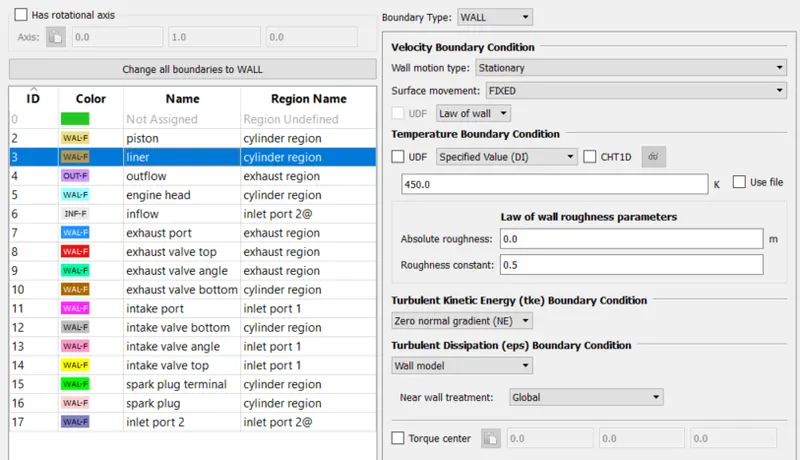
- liner
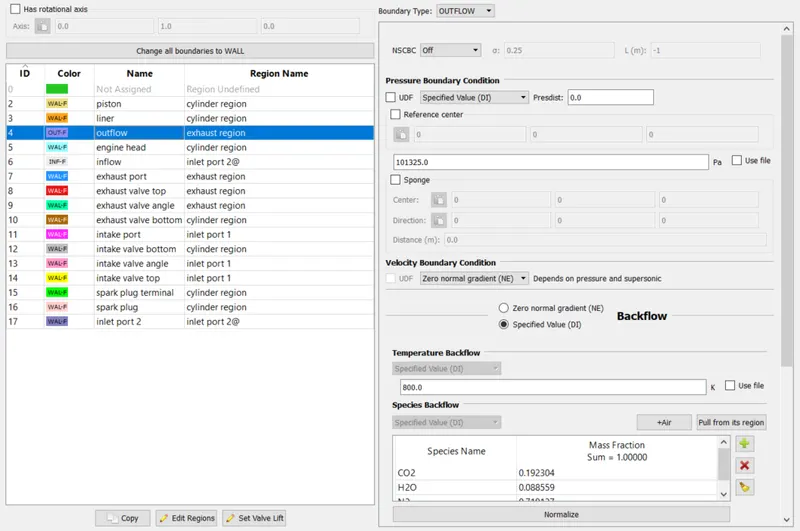
- outflow
- engine head
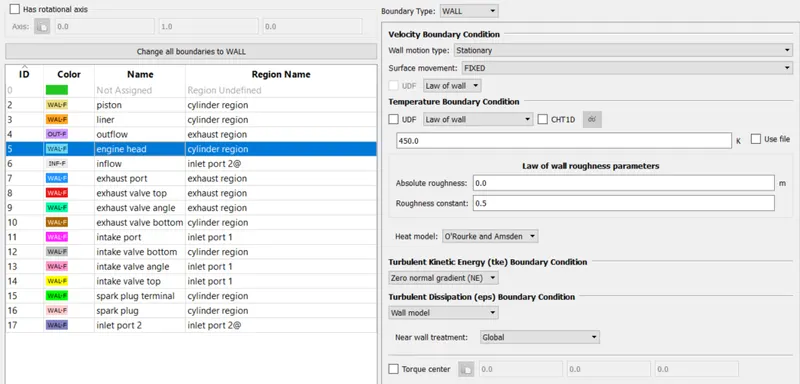
- inflow
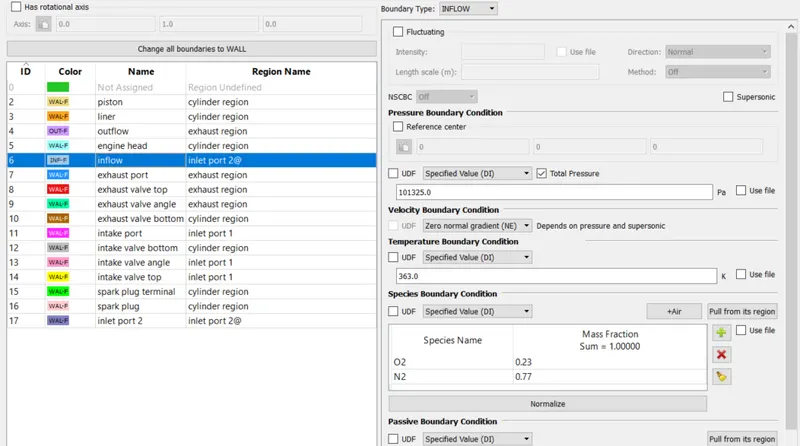
- exhaust port
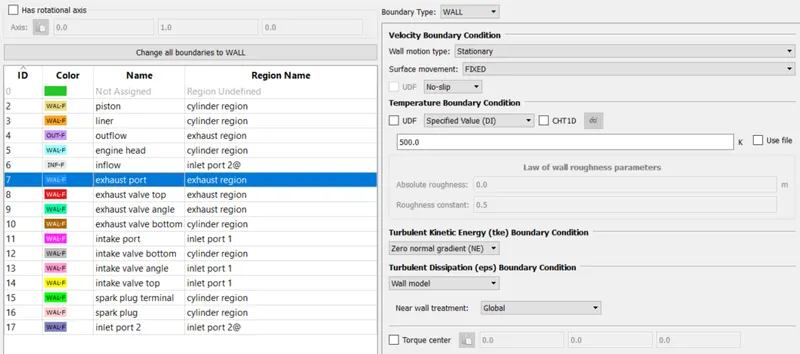
- Intake port
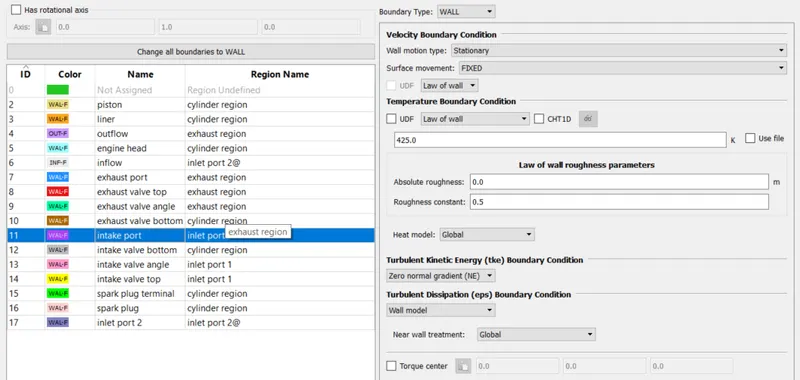
- spark plug terminal
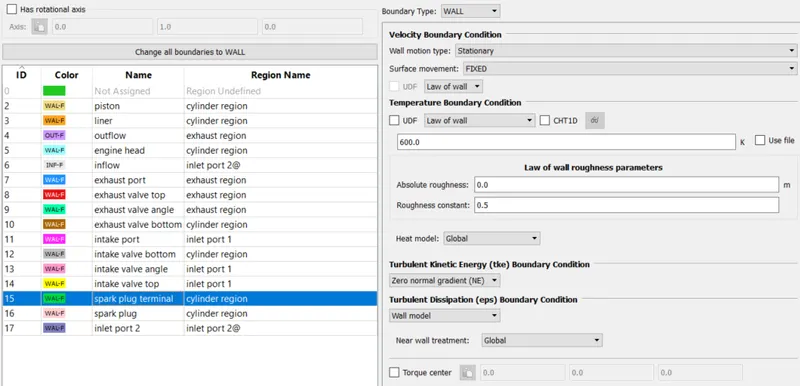
- spark plug
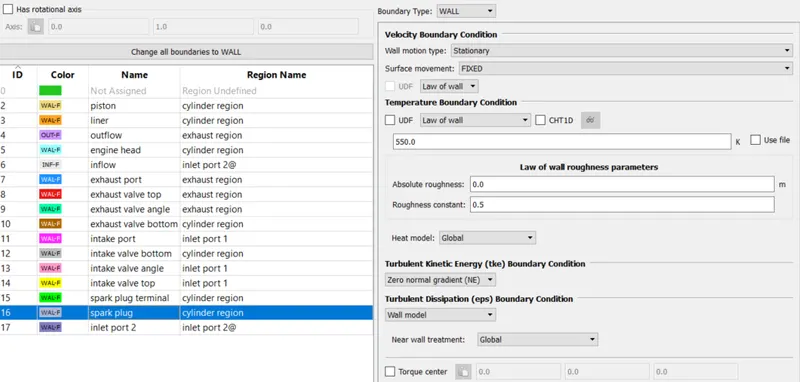
- exhaust valve bottom
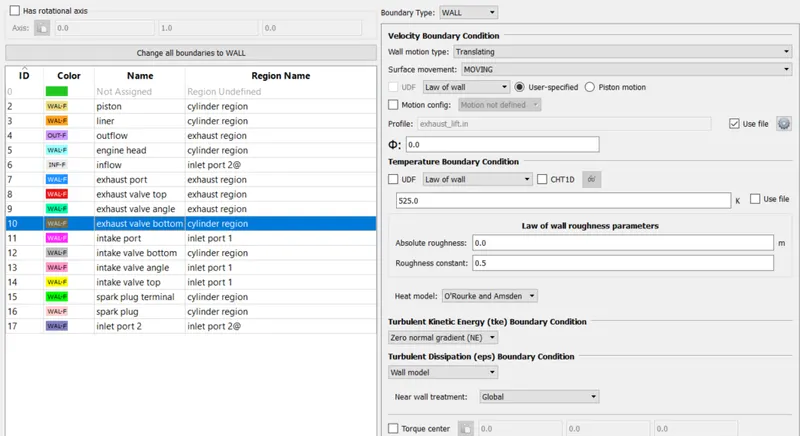
- intake valve bottom
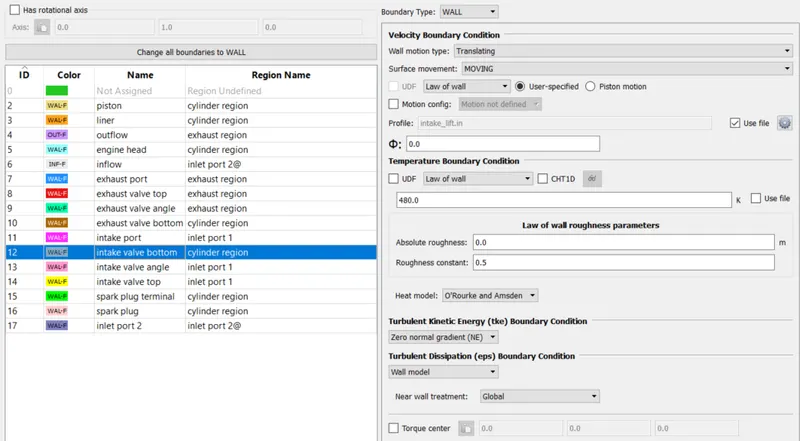
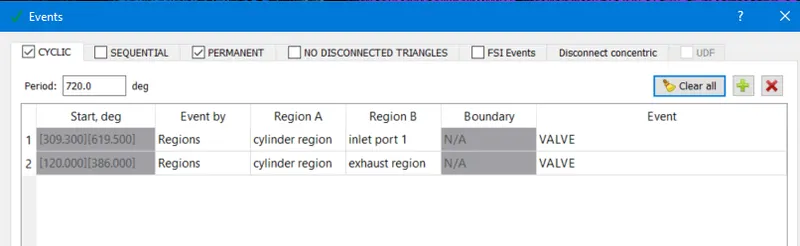
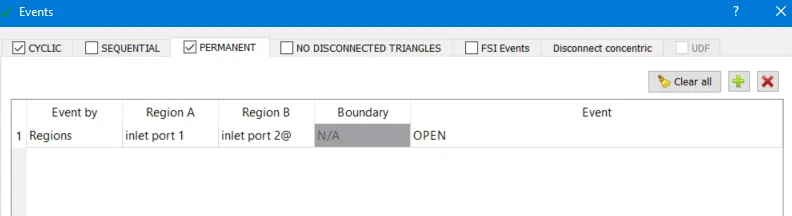
- Events
- cyclic
- permanent
- Grid Control
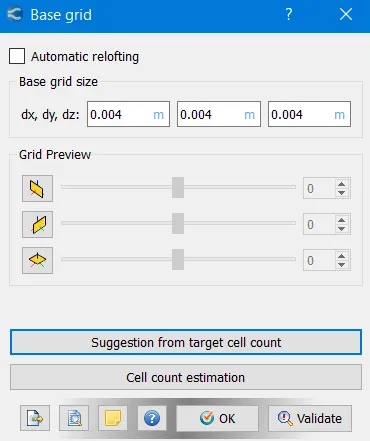
- base grid
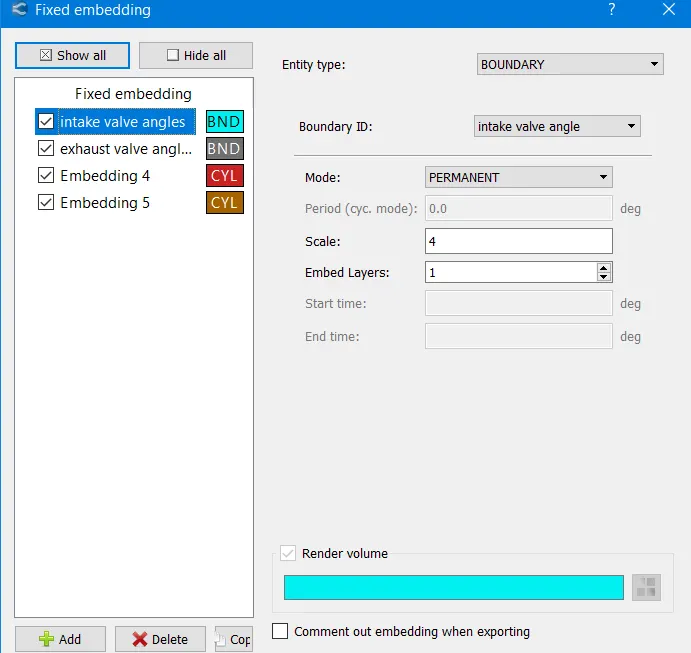
- fixed embedding
Results
- Mesh
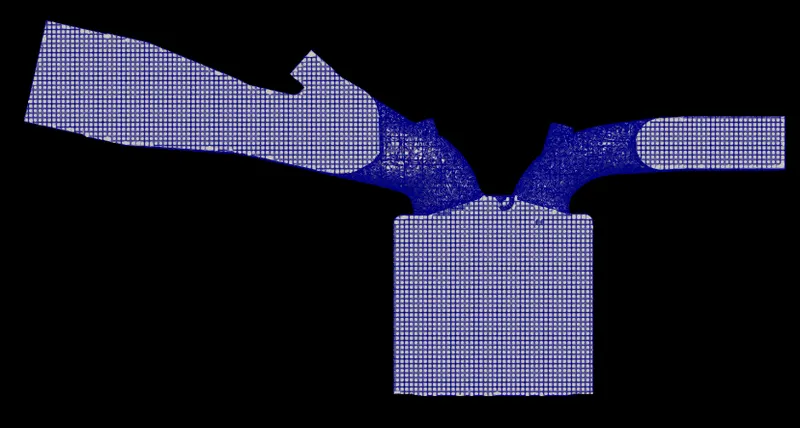
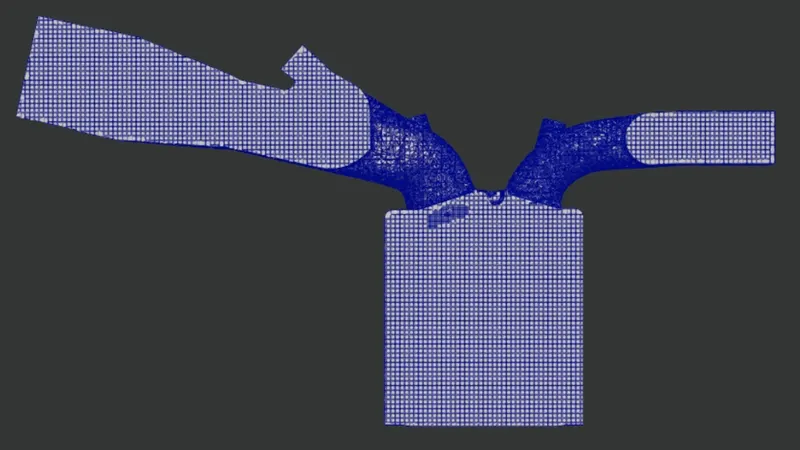
- Engine Animation
Conclusion
--> No-hydro simulation on Port fuel injection system was fully set up in Converge CFD and the results were analysed.