Week 3: Flow over a backward facing step
Aim --> Flow over a backwards-facing step
Introduction -->
The backwards-facing step is a simple geometry used for visualization of recirculation flow, flow separation and validation of turbulence models. These models are widely used in wing aerodynamics, condensors and vehicles etc. The geometry is shown below. We are using Converge software for the simulation of flow over the backwards-facing step.
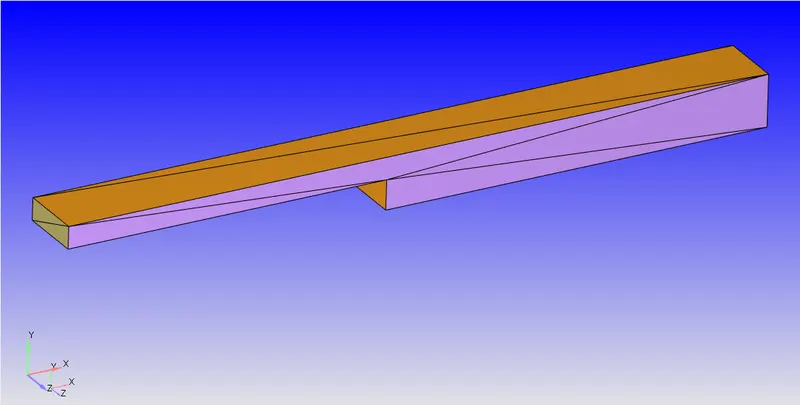
Boundary Flagging
- inlet
- Outlet
- Top and bottom (wall)
- Front 2D
- Back 2D
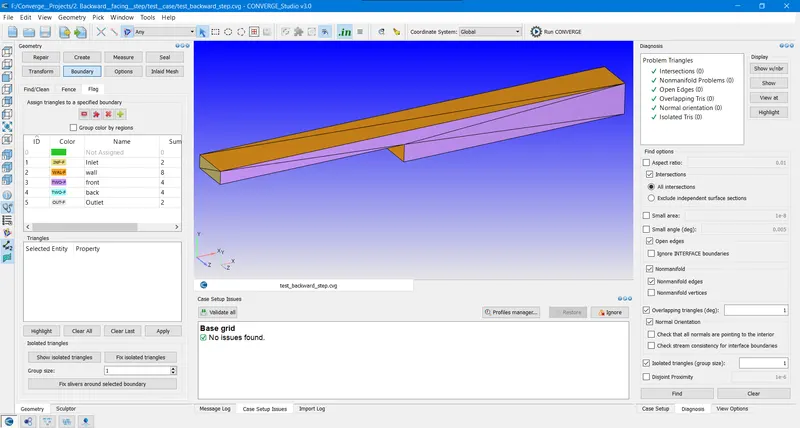
--> The Diagnosis check is run to find intersections, Nonmainifold problems, open Edges, Overlappings, Normal Orientations etc.
CASE SETUP
- Application Type --> Time-based
- material --> Air
- Case setup tree:--
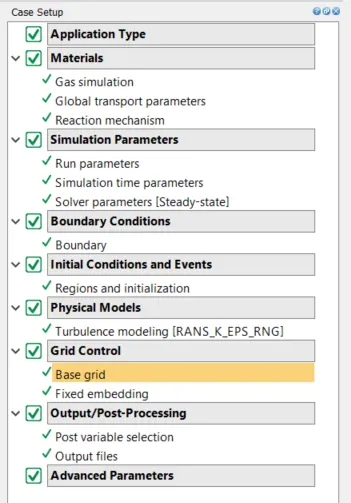
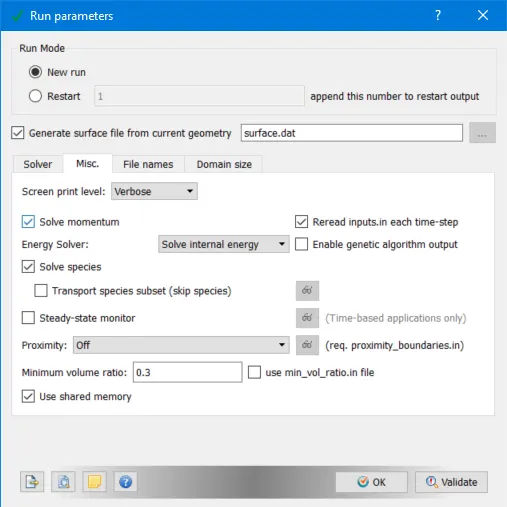
- Solver Run parameters
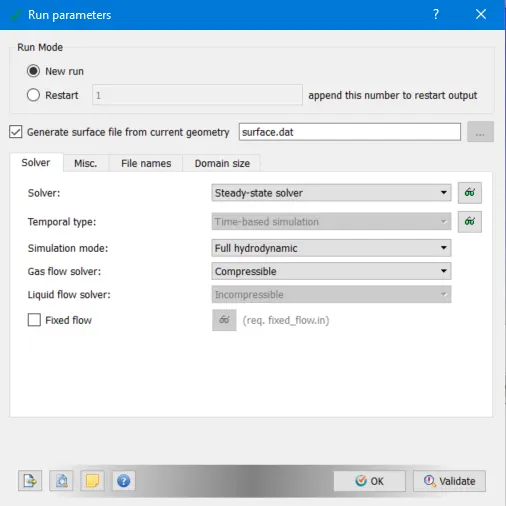
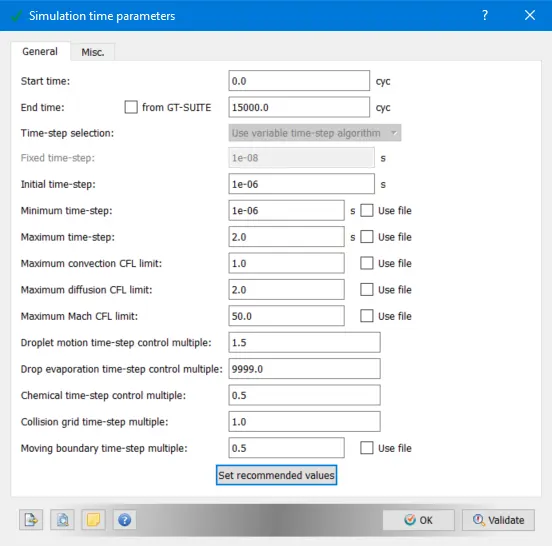
- Simulation time parameters
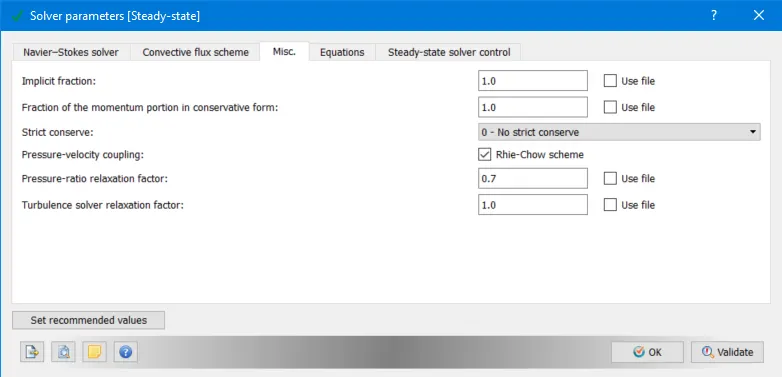
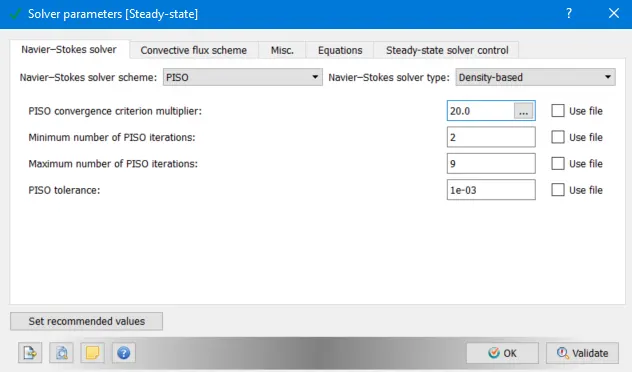
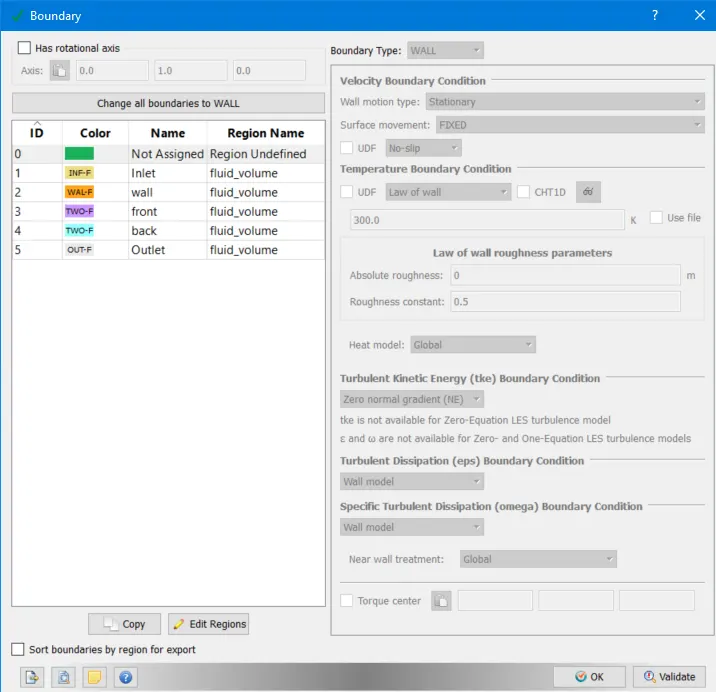
- Boundary condition
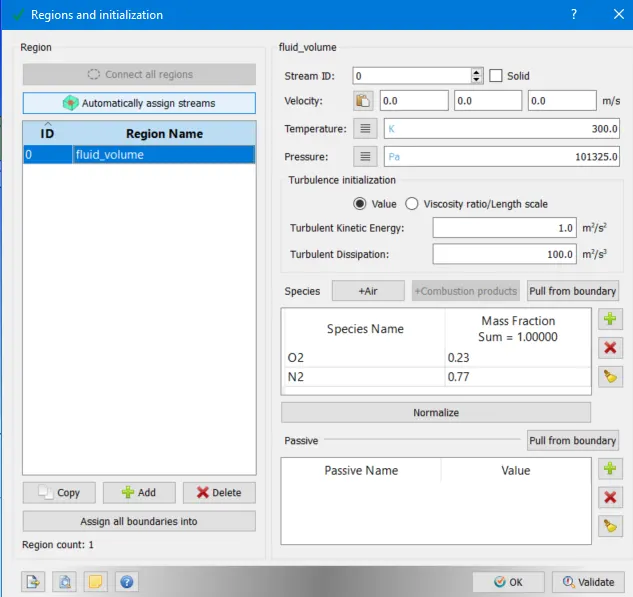
- Regions and Initialization
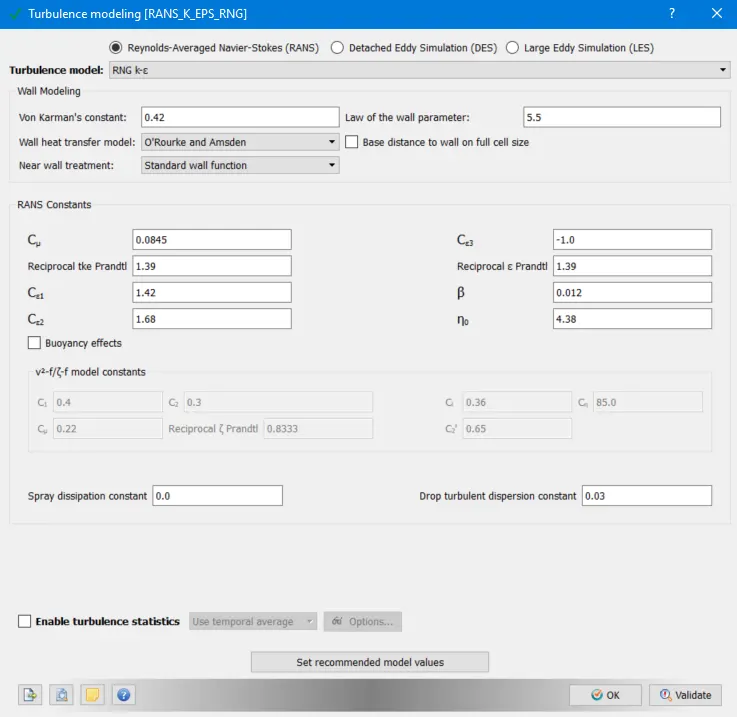
- Turbulence model --> For this case we are using K-e RNG turbulence model.
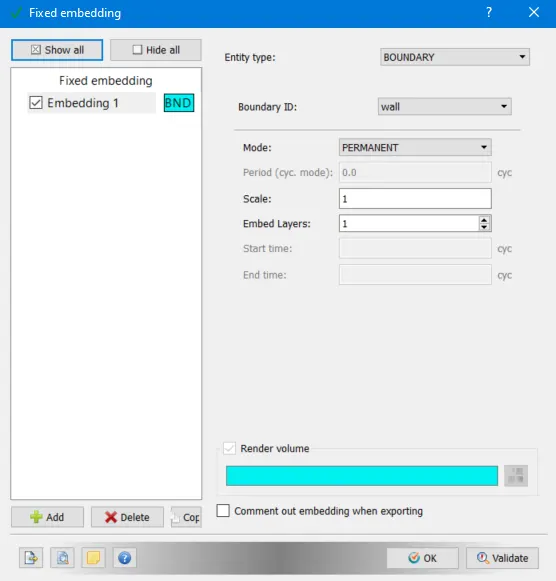
- fixed embedding
RESULTS
- Mesh
Case I [Grid size --> 2e-3]
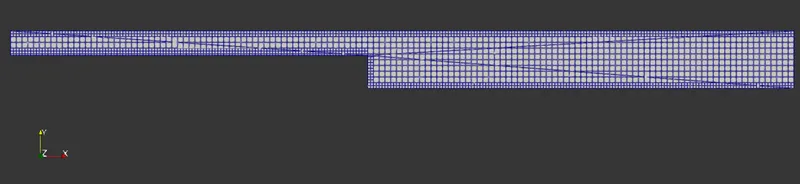
Case II [Grid size --> 1.5e-3]

Case III [Grid size --> 1e-3]

--> We can see the result of using fixed embedding on the wall boundary. As we move from case I to case III, we add refinement to our computational grid.
Case I [Grid size --> 2e-3]
- Mass-flow rate
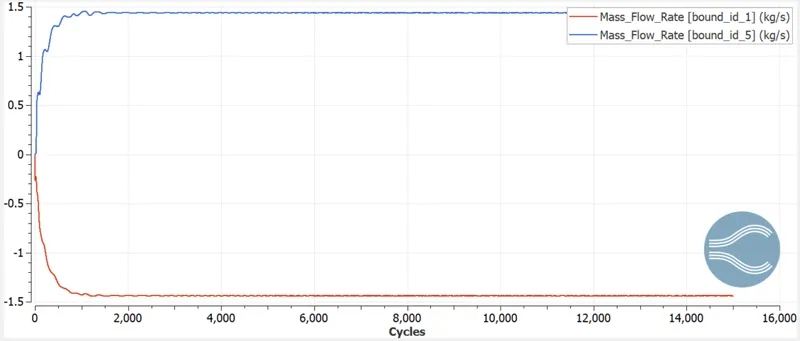
- Velocity Contour/plots
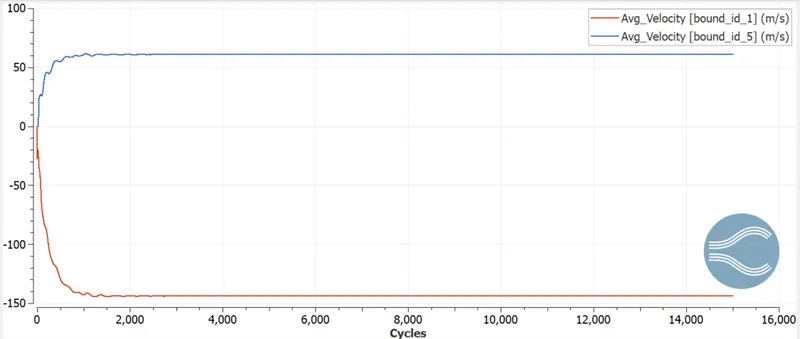
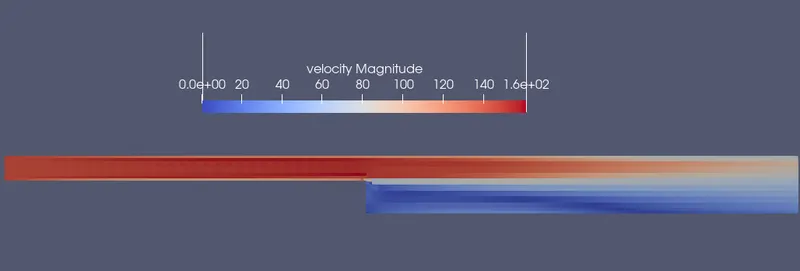
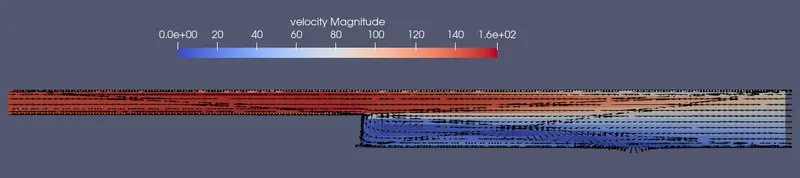
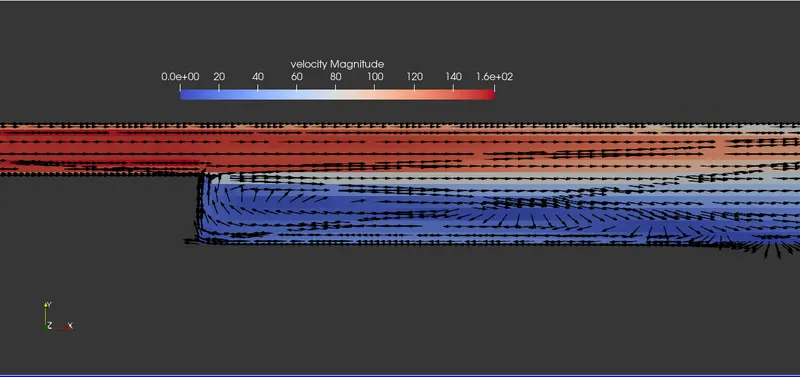
Vector contours (Recirculation zone and flow separation)
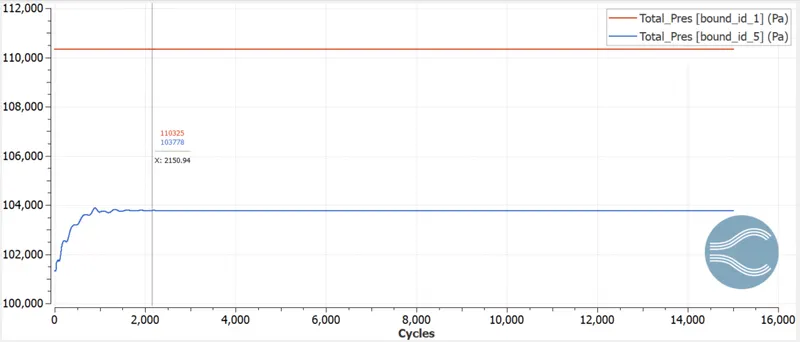
- pressure contour

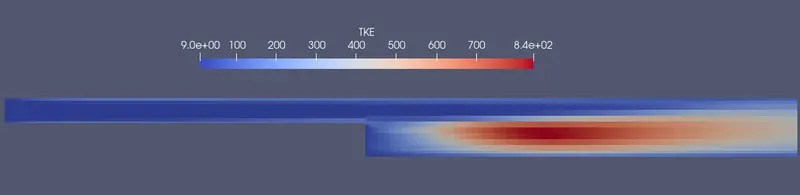
- Turbulent Kinetic Energy
- Epsilon (rate of dissipation of the turbulent kinetic energy (ε))

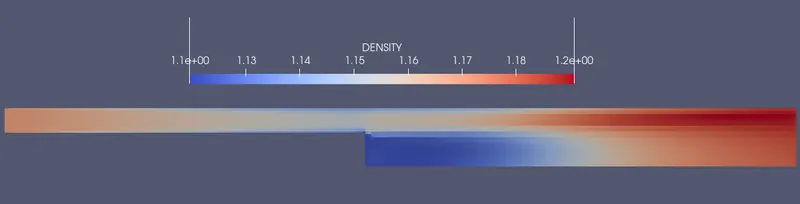
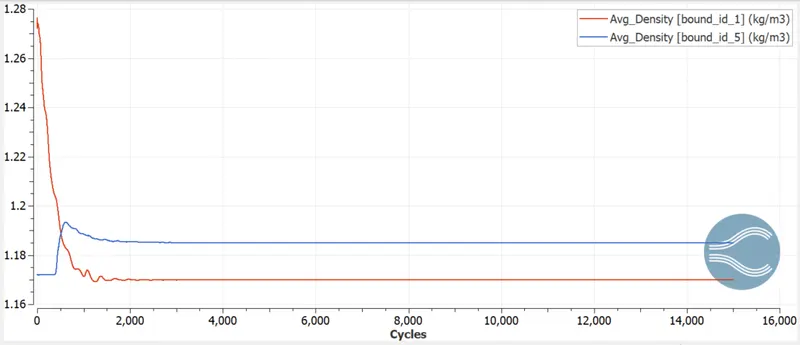
- Density
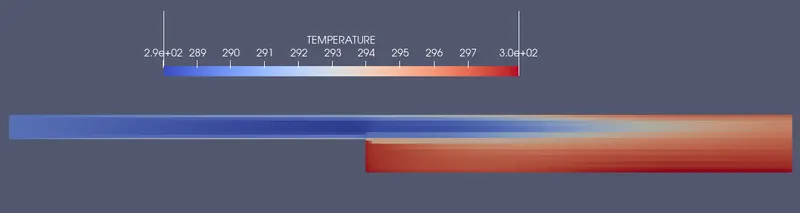
- Temperature
Case II [Grid size --> 1.5e-3]
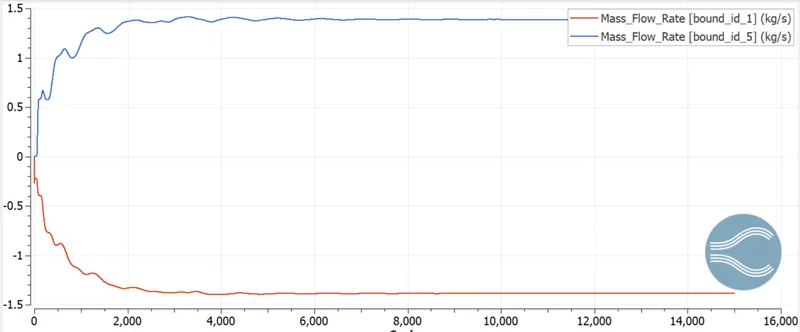
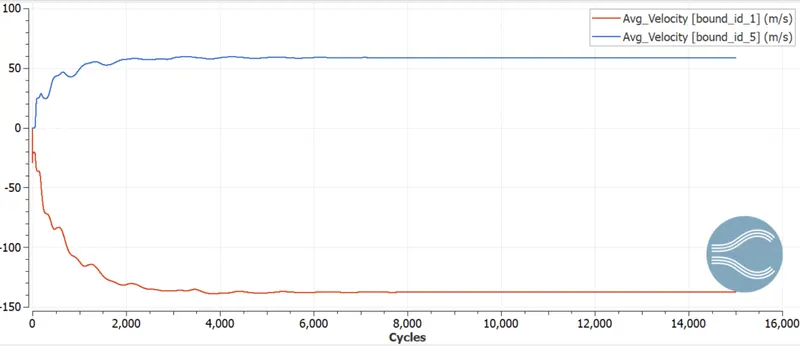
- Mass-flow rate
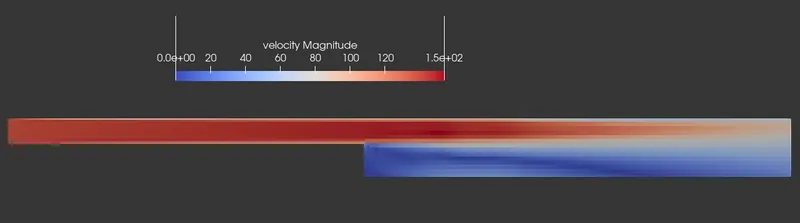
- Velocity Contour/plots
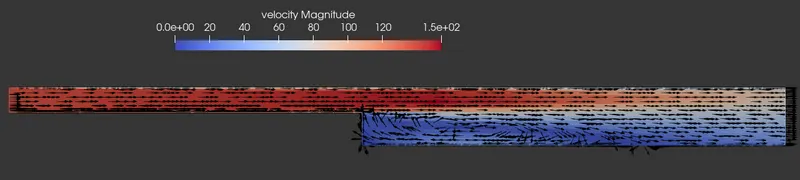
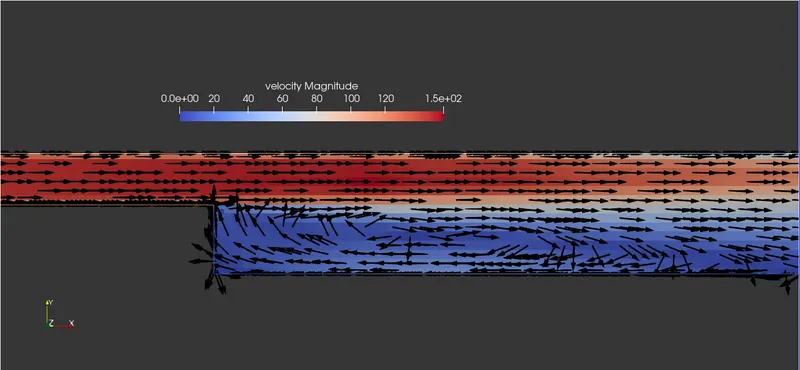
Vector contours (Recirculation zone and flow separation)
- pressure contour
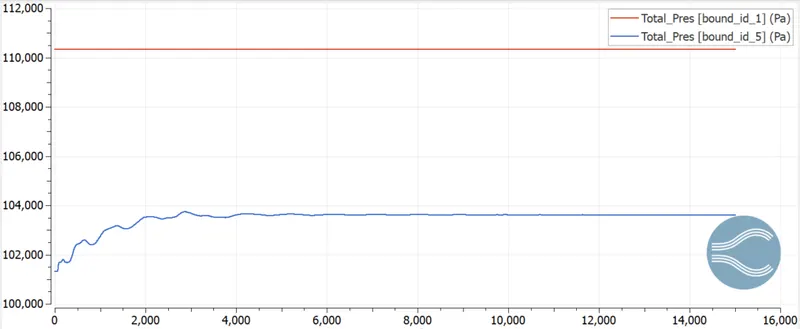
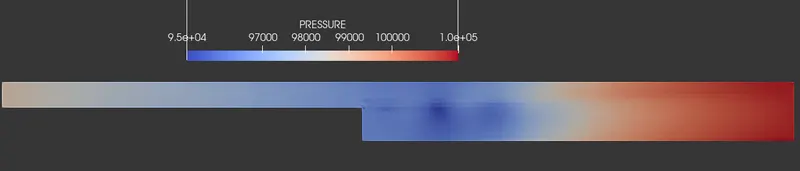
- Turbulent Kinetic Energy
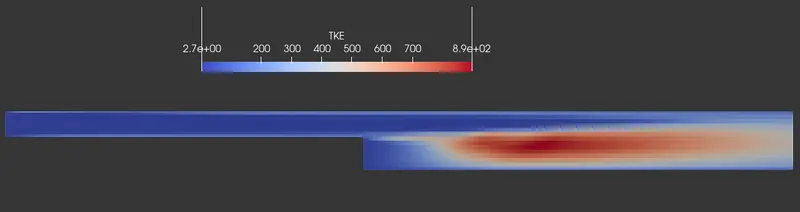
- Epsilon (rate of dissipation of the turbulent kinetic energy (ε))

- Density

- Temperature
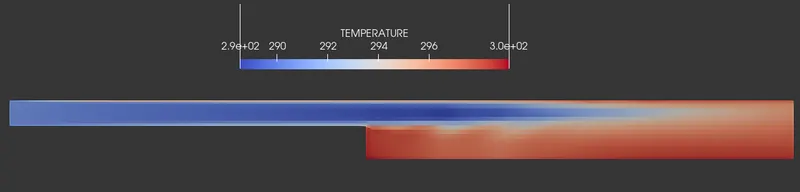
Case III [Grid size --> 1e-3]
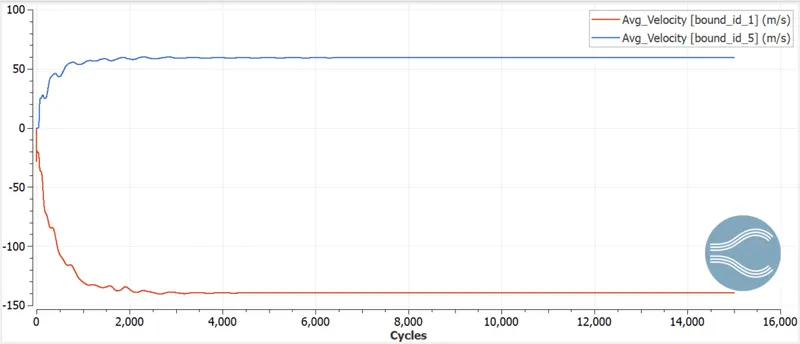
- Mass-flow rate
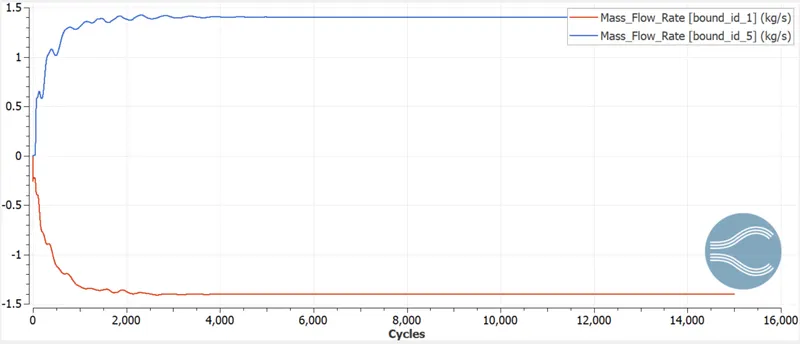
- Velocity Contour/plots
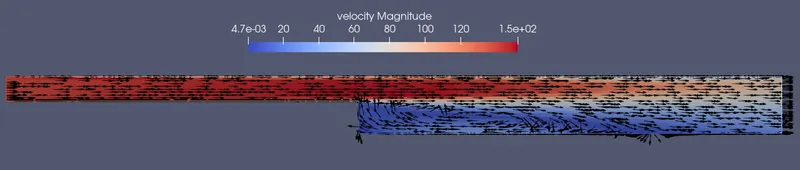
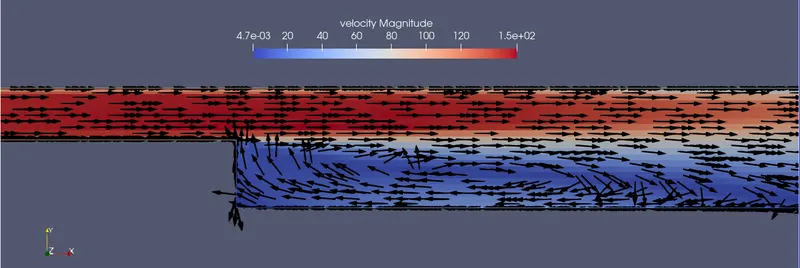
Vector contours (Recirculation zone and flow separation)
- pressure contour
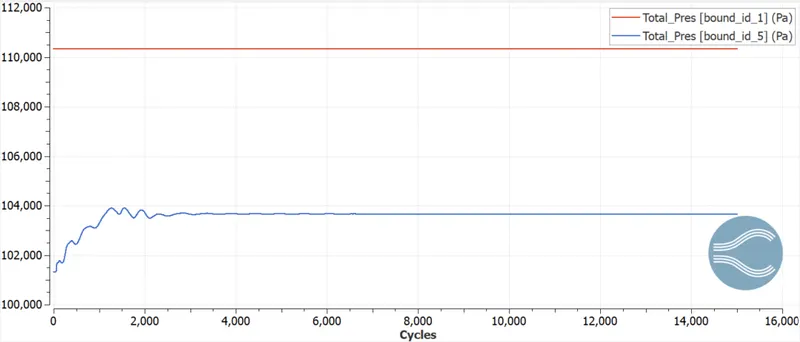

- Turbulent viscosity(Eddy viscosity)
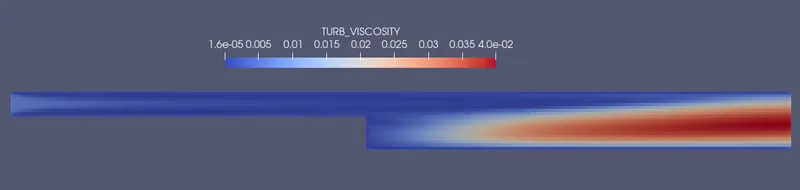
- Turbulent Kinetic Energy (K)

- Epsilon (rate of dissipation of the turbulent kinetic energy (ε))

- Density

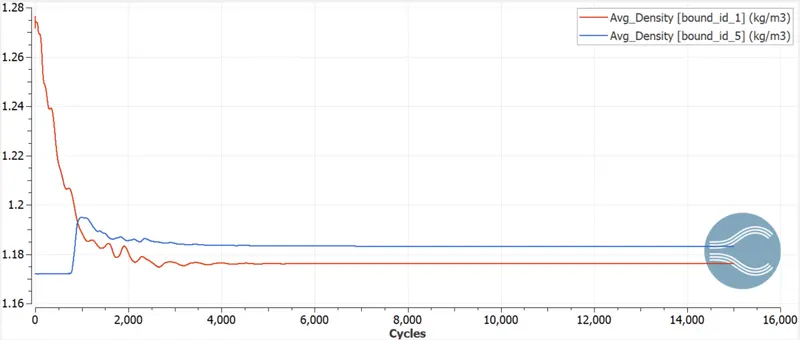
- Temperature
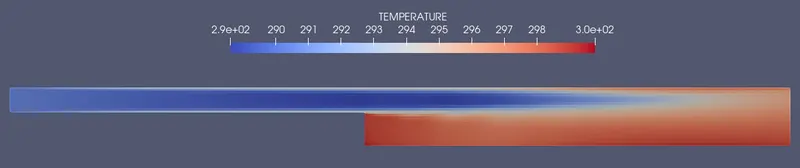
Conclusion:--
- Flow over a backwards-facing step is analysed using a steady-state solver.
- RNG K-e Turbulence model was used and the results are visualized.
- flow separation takes place at the step. A low-pressure recirculation zone is also visualized.
- For the most refined case (Grid size --> 1e-3) we are getting clear contours and refined data.