Week 6: Conjugate Heat Transfer Simulation
Aim --> Conjugate Heat Transfer Simulation.
Conjugate Heat Transfer [CHT] -->
The term CHT (Conjugate heat transfer) is a method used to describe processes involving multiple modes of heat transfer [Conduction, Convection, Radiation etc.] between Solids and Fluids due to thermal interaction. This model describes the heat transfer between a body and a fluid flowing over or inside it as a result of the interaction of two objects. The physical processes and solutions of the governing equations are considered separately for each object in two subdomains. Matching conditions for these solutions at the interface provide the distributions of temperature and heat flux along the body–flow interface, eliminating the need for a heat transfer coefficient.
CHT provides accurate temperature profiles in Industrial applications involving solids and fluids like Heat Exchangers, radiators, gas turbines, combustion chambers, engine cooling, electronic cooling etc. Results from CHT analysis can be used as input to the Structural simulations as thermal loads.
Baseline configuration
- Setup a flow simulation through a pipe
- Inlet Reynolds number should be 7,000.
- Turbulence modelling - K-Epsilon
- Super cycling parameters
Effect of supercycle stage interval
- Set supercycle stage interval to 0.01,0.02 and 0.03
- For these three values, how does the total simulation time compare against the baseline configuration
Additional 3D outputs
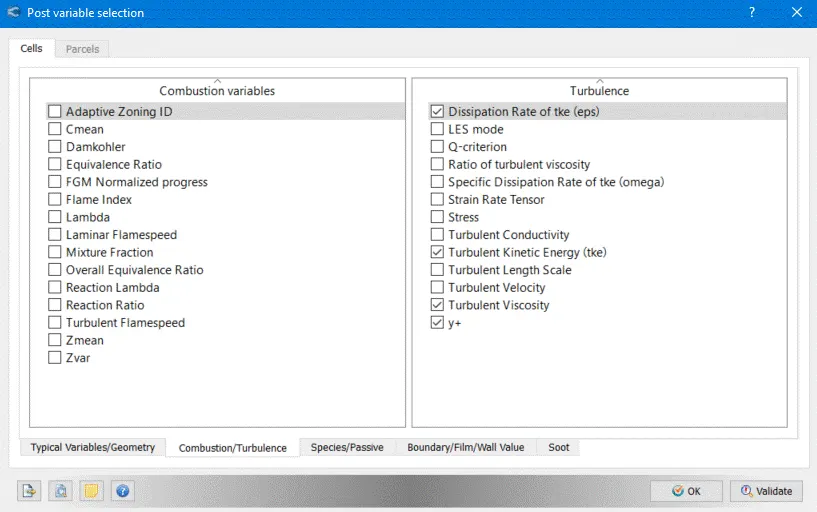
- Add Y+ to your post. in file
Geometry
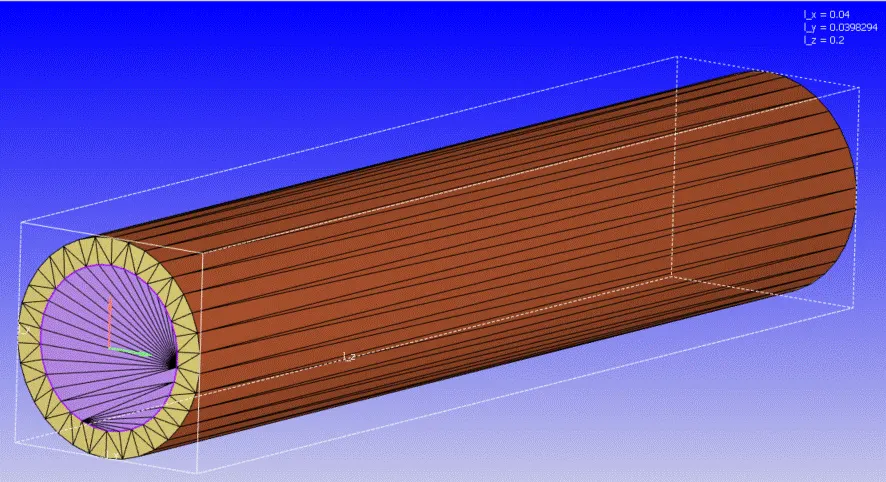
- inner radius = 0.015
- outer radius = 0.02
- length = 0.2
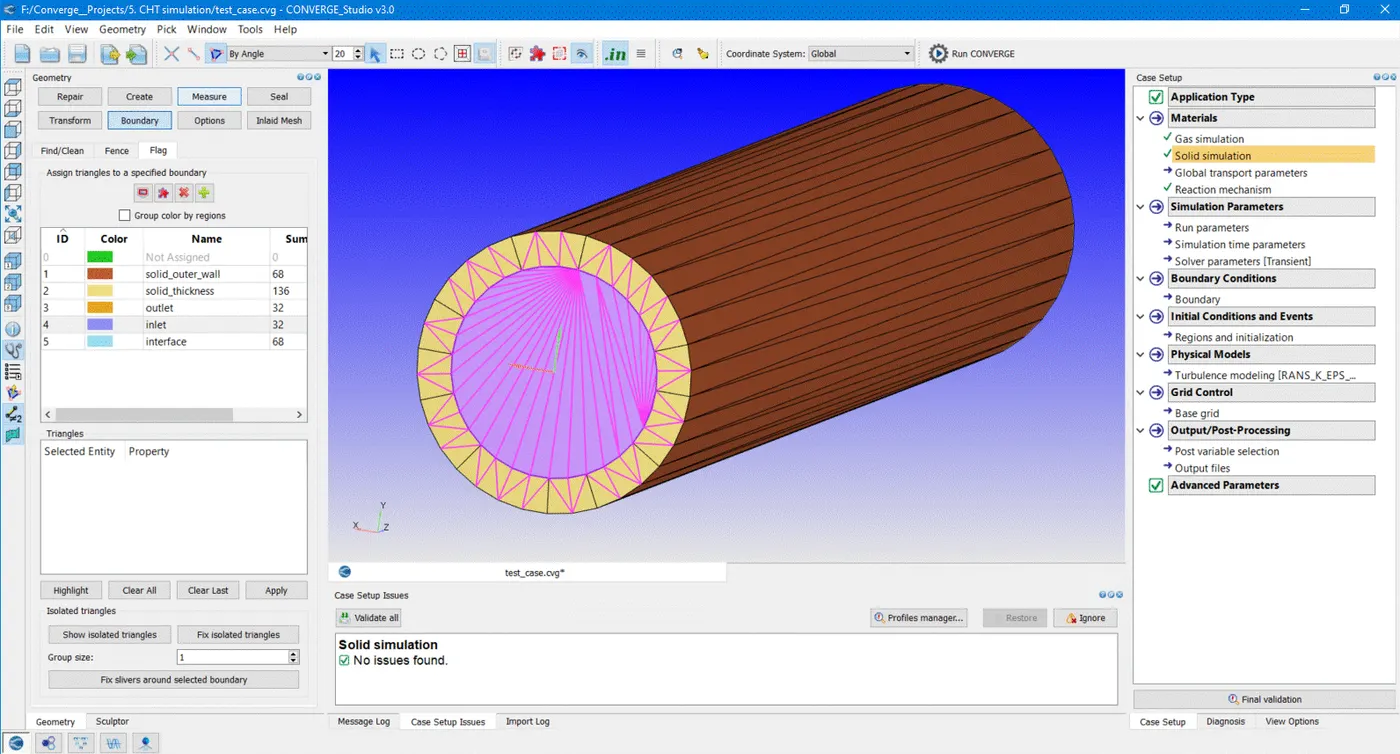
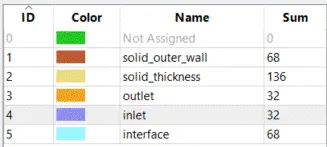
Boundary
Diagnosis
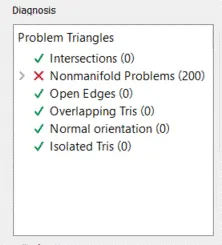
--> non-manifold edges will always be in a CHT problem because there will be an interface where triangles are shared by more than 2 boundaries or regions. However, when we set the CHT case in Converge, it automatically figures it out and the error is resolved.
Case-Setup
- Application type = Time-based
- Material --> Air
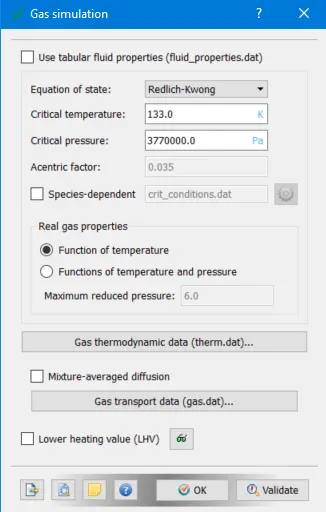
- Gas Simulation
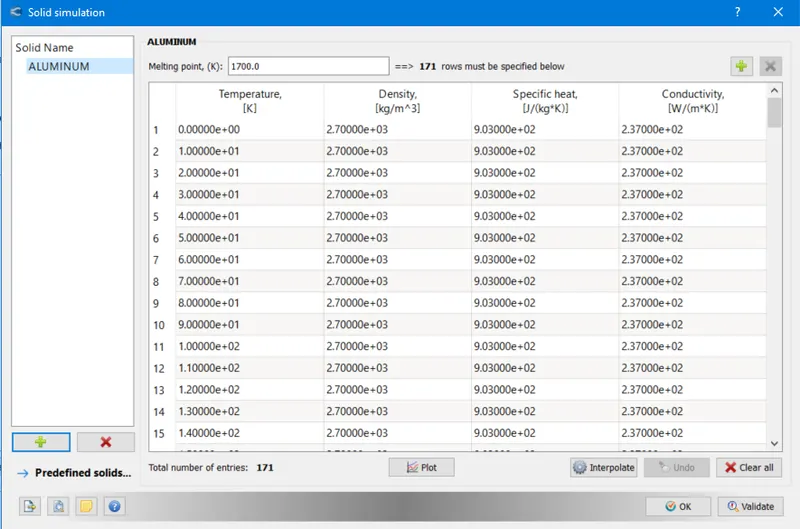
- Solid Simulation
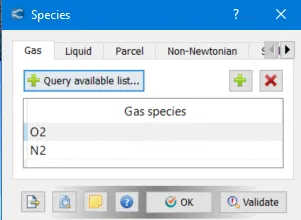
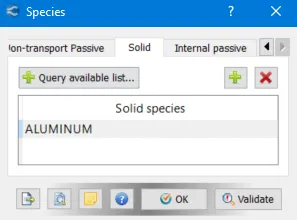
- species
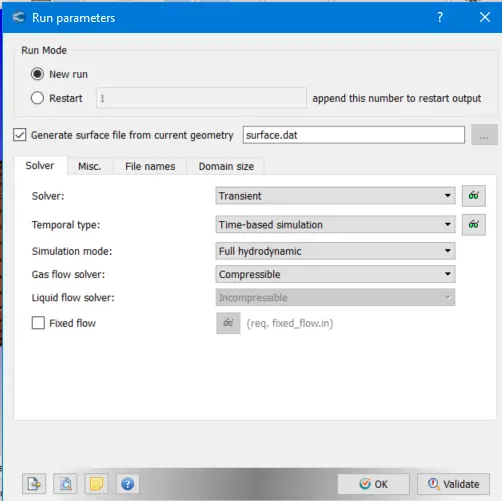
- Run parameters
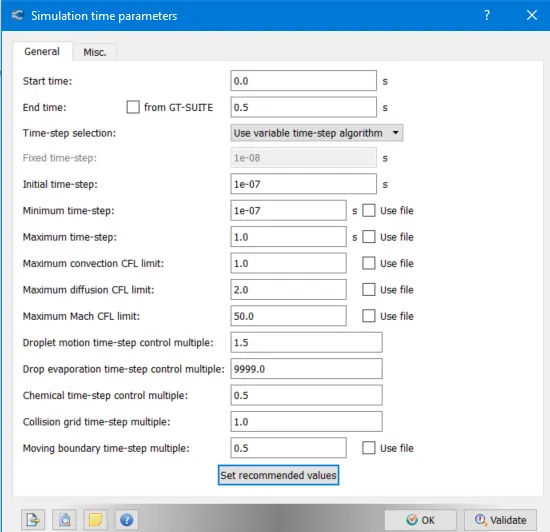
- Simulation time parameters
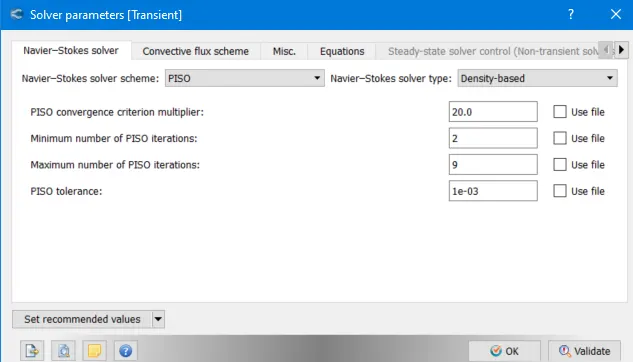
- Solver parameters
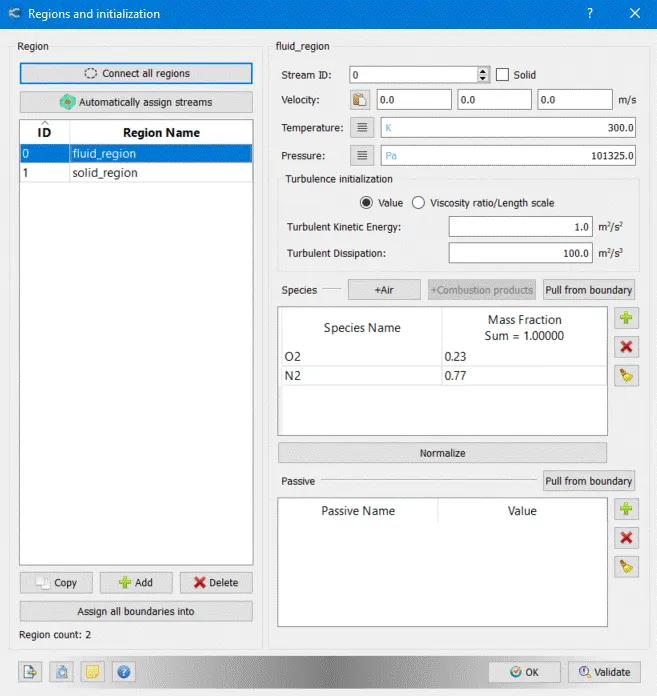
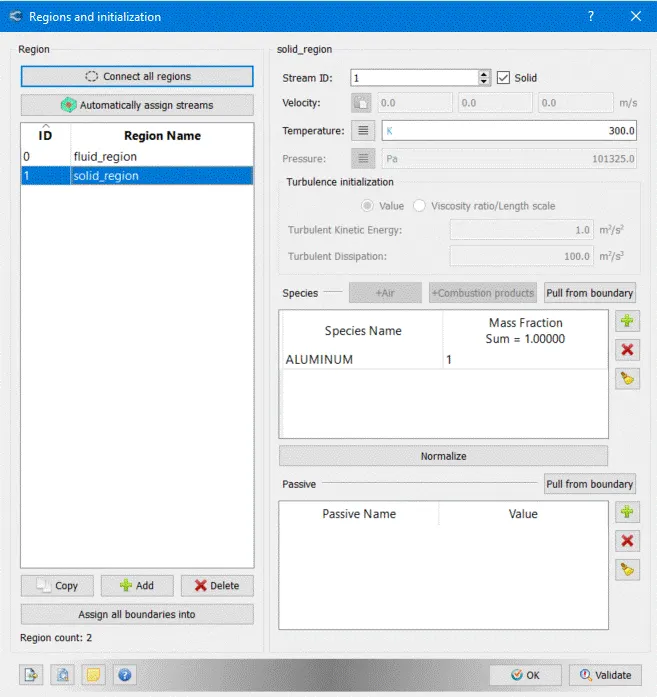
- Regions and Initialization
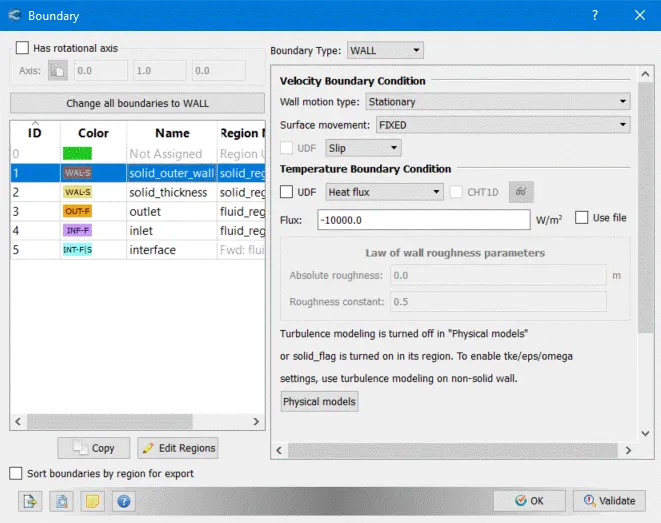
- Boundary --> Solid outer wall
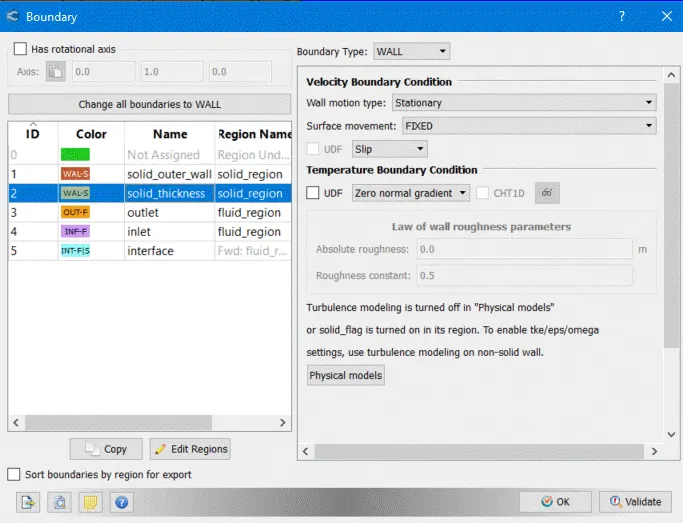
- boundary --> solid thickness
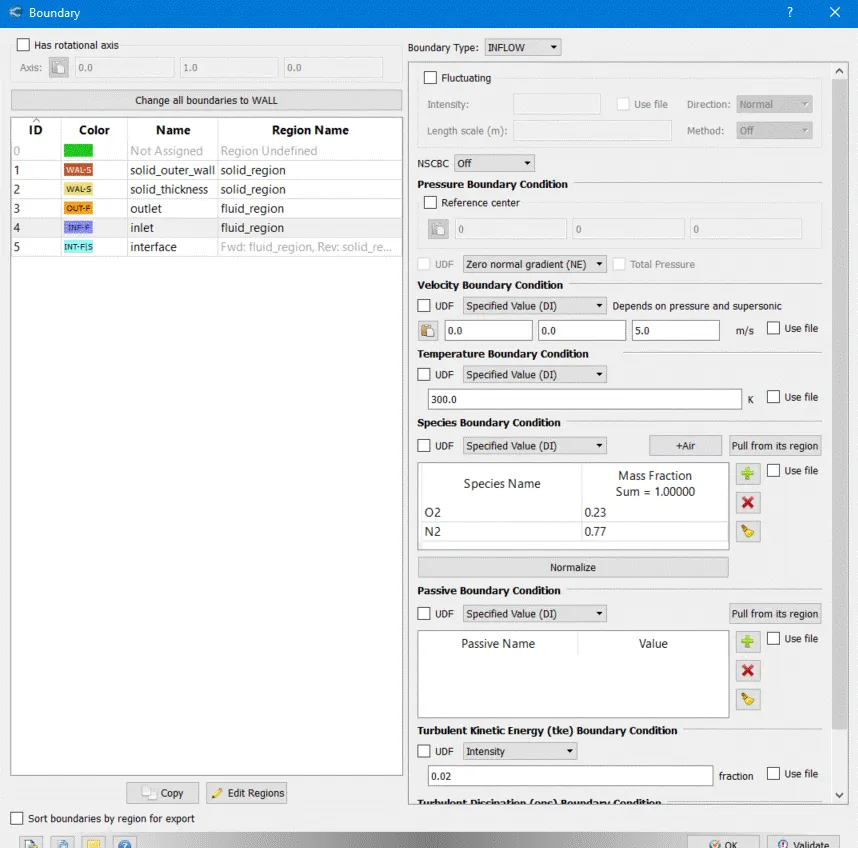
- boundary --> inlet
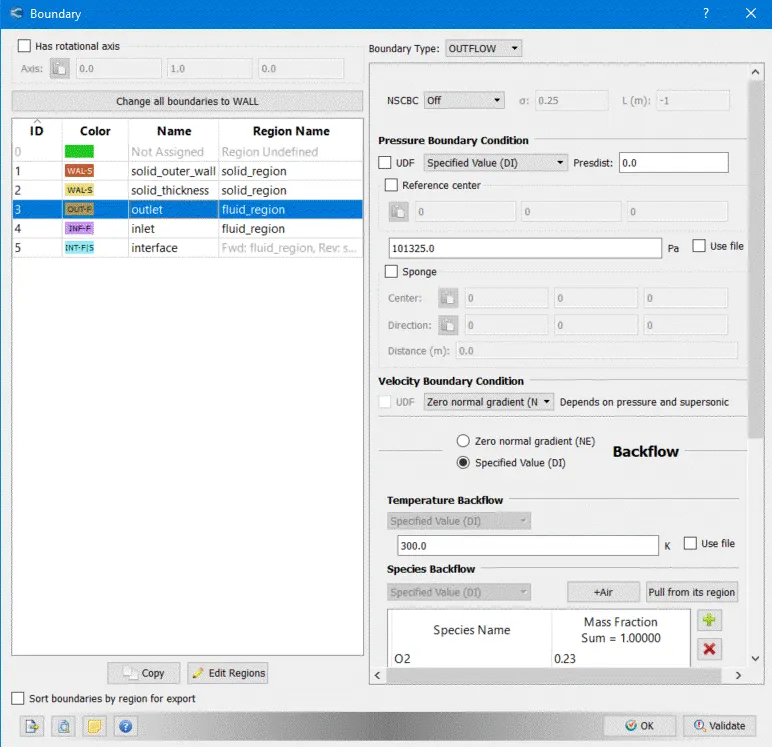
- boundary --> outlet
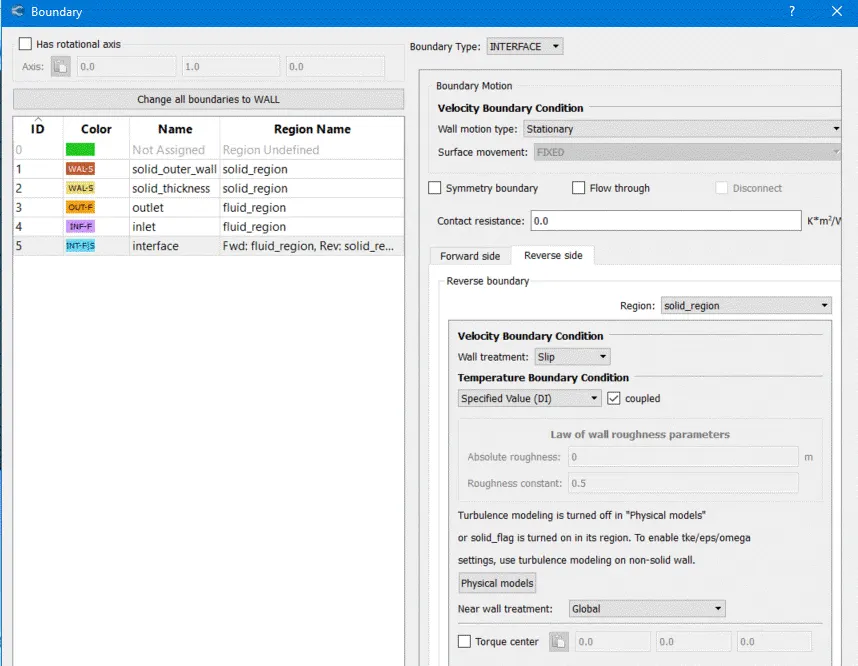
- boundary --> interface (Reverse side solid)
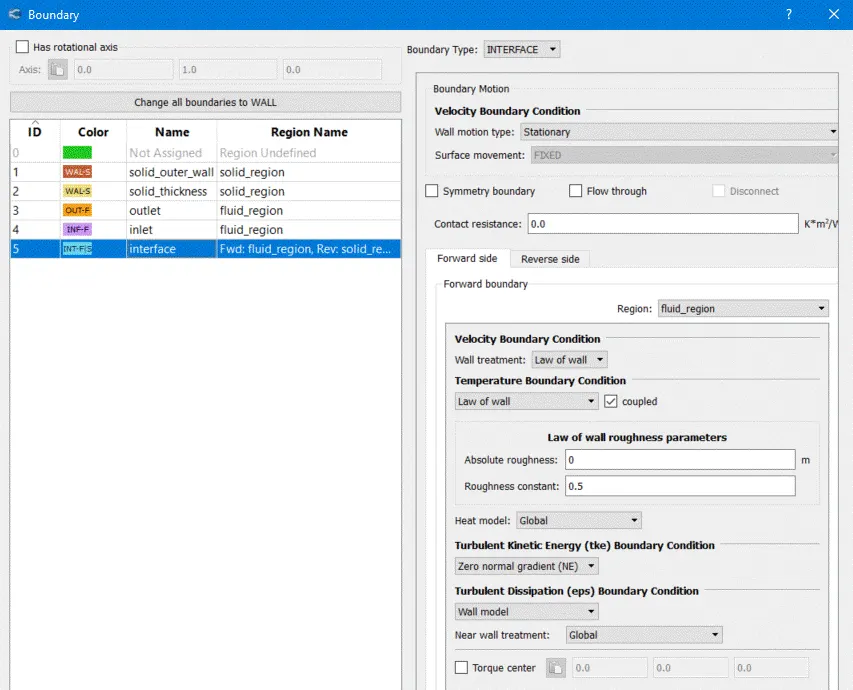
- Boundary --> Interface (Forward side gas)
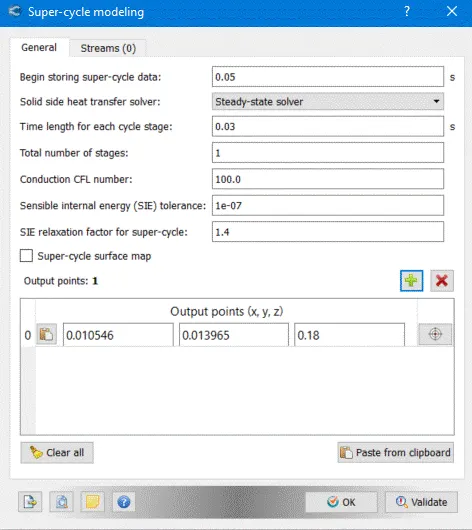
- Super cycling
- Time length for cycle stage = 0.01, 0.02, 0.03
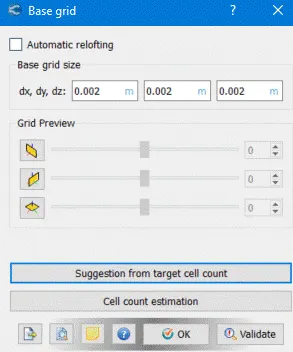
- base grid [0.004, 0.003, 0.002, 0.001]
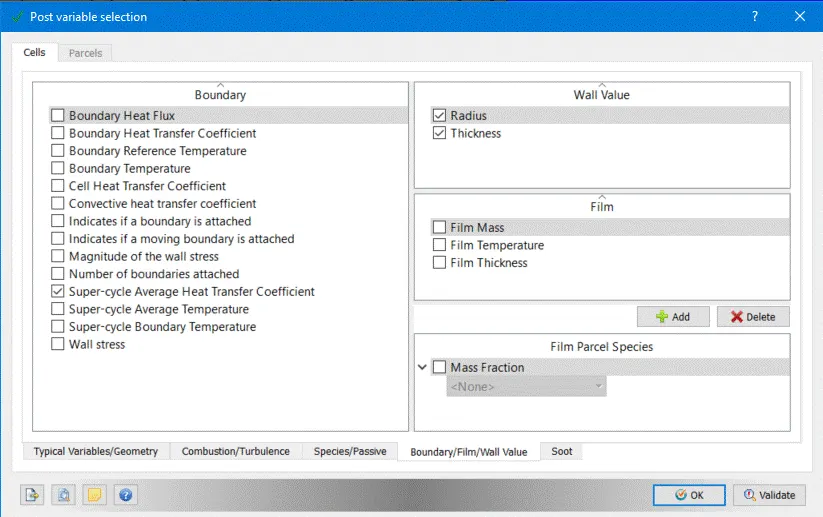
- Post variable selection (add y+ and Super-cycle Average Heat Transfer Coefficient)
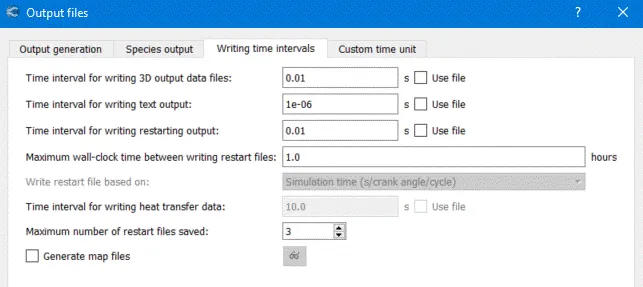
- Output files
Results
- Mesh
1. mesh size 0.004
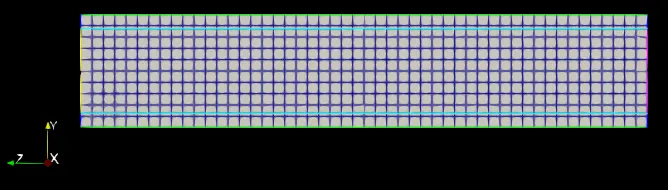
2. mesh size 0.003
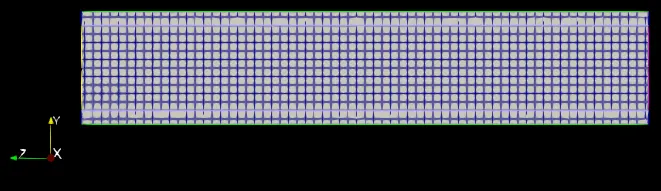
3. mesh size 0.002
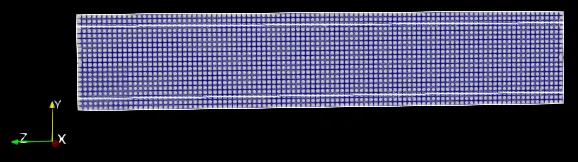
4. mesh size 0.001
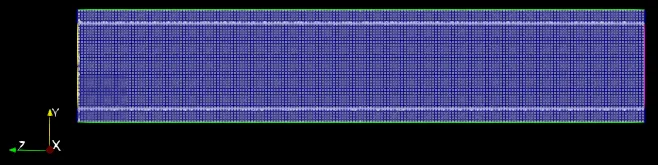
- Velocity Contours
1. mesh size 0.004
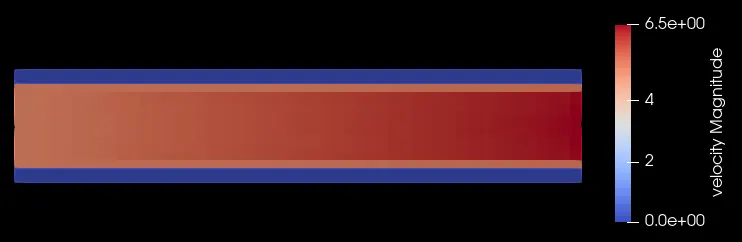
2. mesh size 0.003
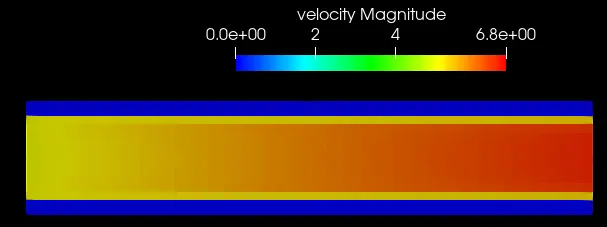
3. mesh size 0.002
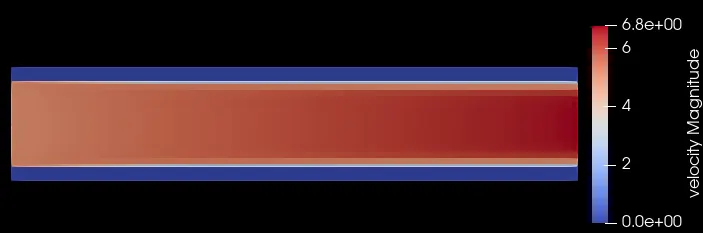
4. mesh size 0.001
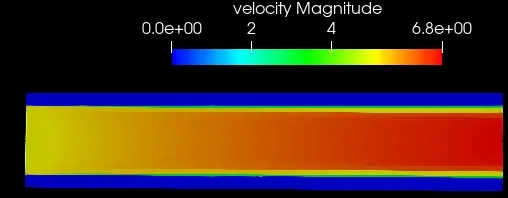
- Temperature
1. mesh size 0.004
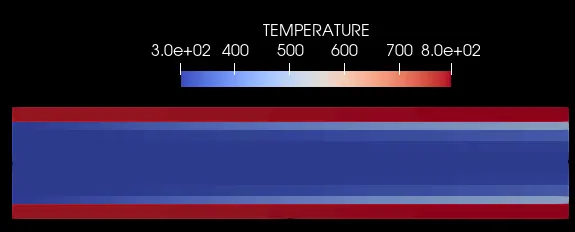
2. mesh size 0.003
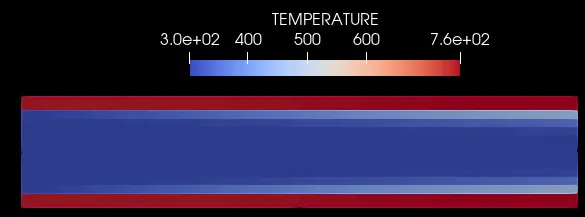
3. mesh size 0.002
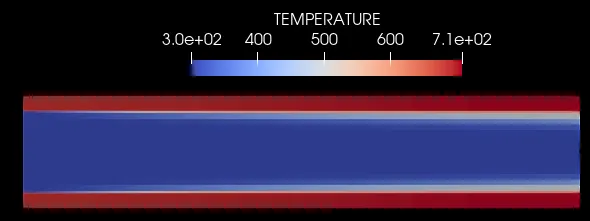
4. mesh size 0.001
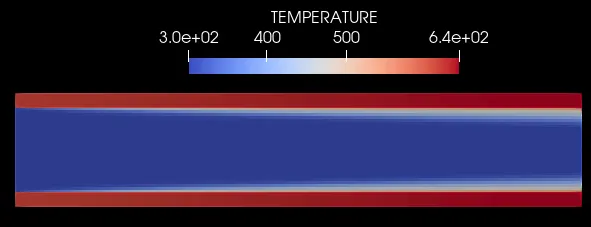
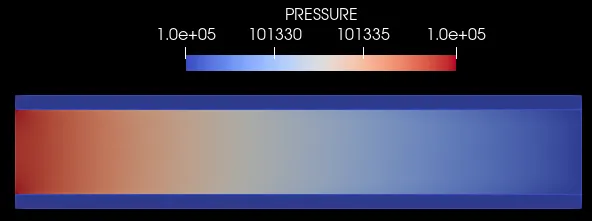
- Pressure
1. mesh size 0.004
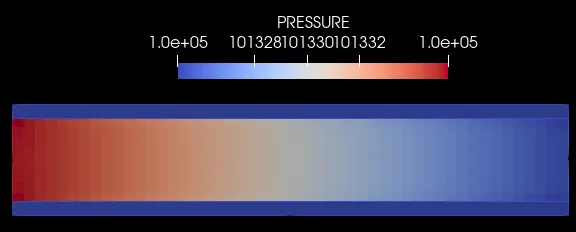
2. mesh size 0.003
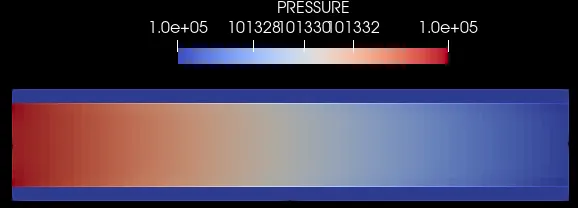
3. mesh size 0.002
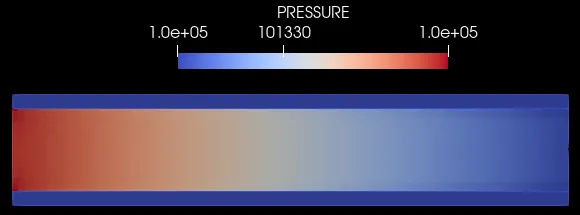
4. mesh size 0.001
- Wall Y+
1. mesh size 0.003
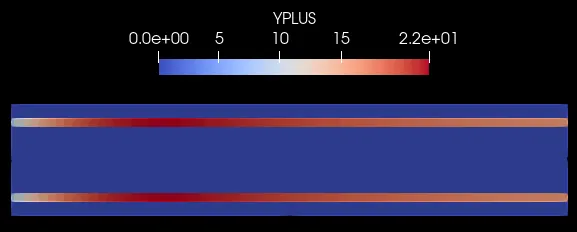
2. mesh size 0.002
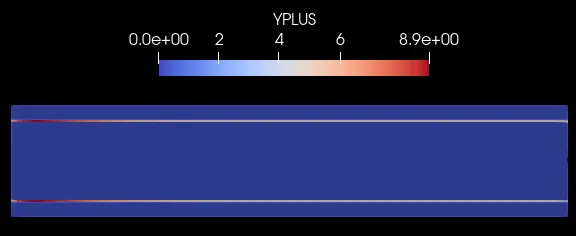
3. mesh size 0.001
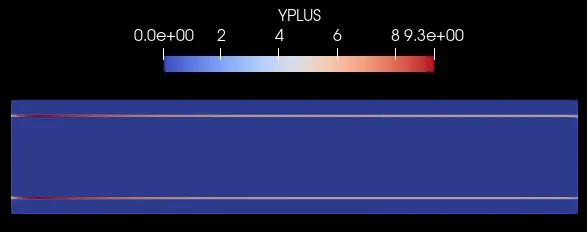
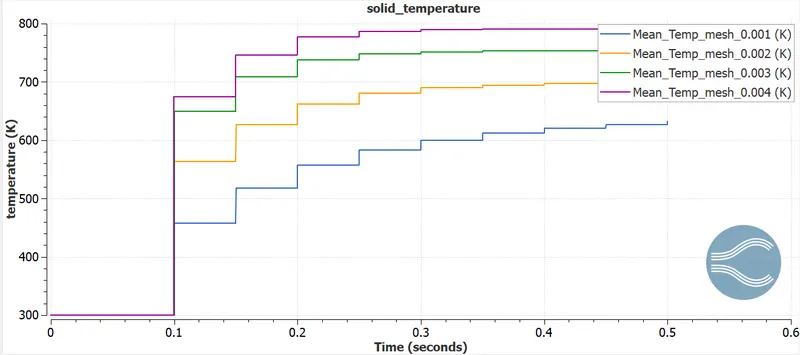
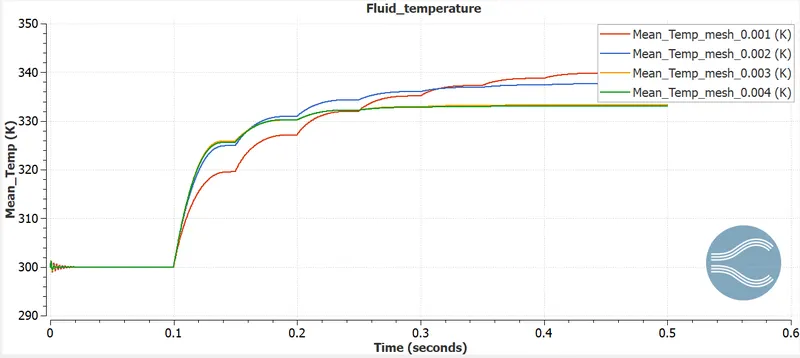
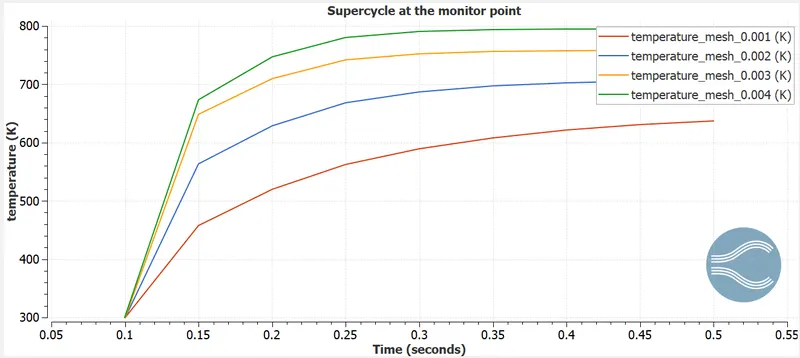
- Temperature Plots with mesh refinement
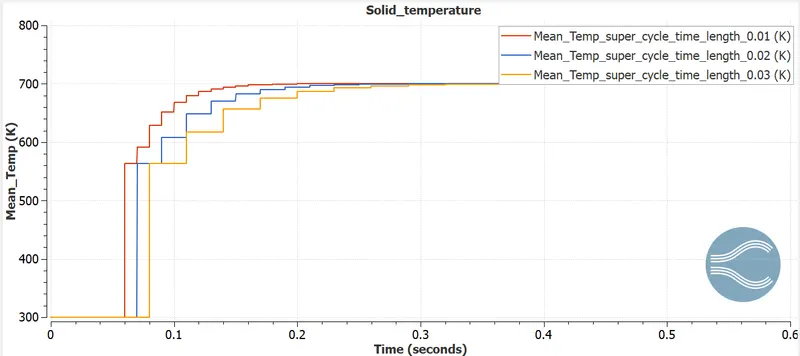
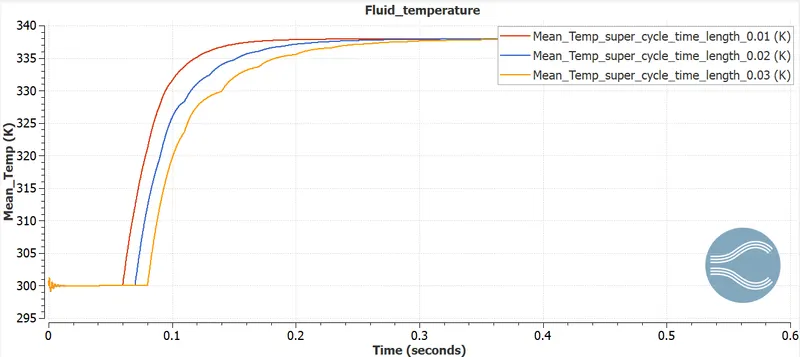
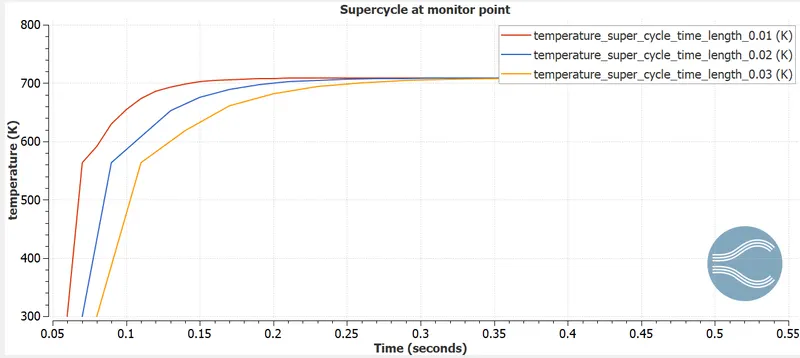
- Temperature plots with super-cycle time length variation (mesh = 0.02)
 .
.
Conclusion
- CHT analysis is done on solid-hollow cylindrical geometry. The case is set up in Converge studio and results are post-processed for visualization.
- Temperature profiles for solid and liquid regions are shown.
- We get more accurate results with mesh refinement.
- The solution converges faster as we reduce the value of the time length of the supercycle stage.