Simulation of Machining with Planer using Ansys-Workbench
AIM: The aim of this simulation is to perform an Explicit dynamic simulation of a Machining with Planar Model.
OBJECTIVE:
To perform the simulation under two case
- The cutting tool will be travelling with a velocity of 20000mm/s
- The cutting tool will be travelling with a velocity of 15000mm/s
PROCEDURE:
We will start by selecting the materials for the Workpiece ie the Plate and the Cutting tool. Cutting tool will be structural steel and the Plate will be Steel 1008 which will be available in the explicit library.
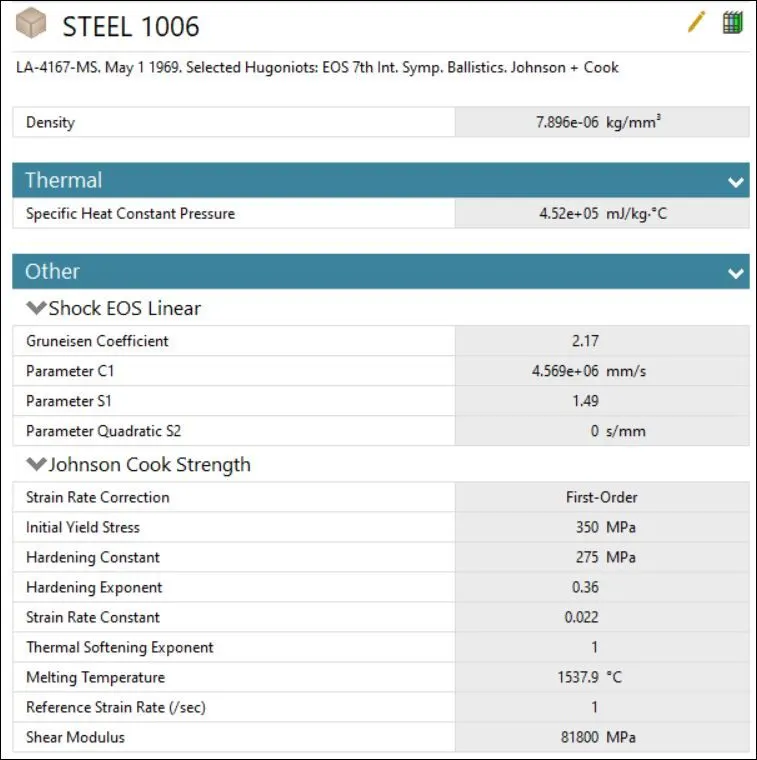
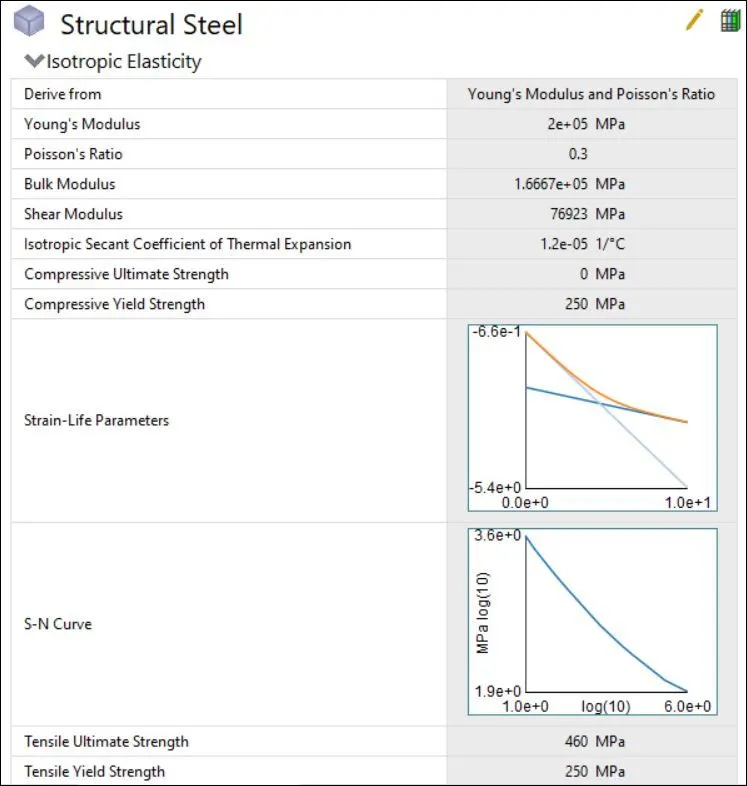
Once the Assembly is Imported into the Explicit Dynamics module we can assign the above materials also we will be assigning the Tool as a Rigid in stiffness behaviour.
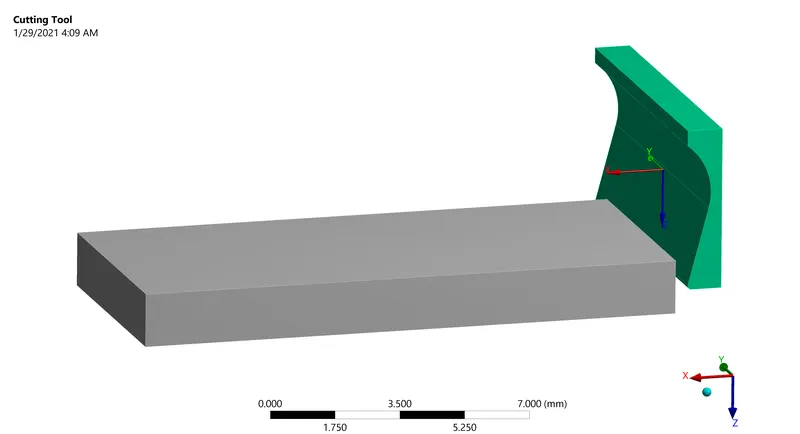
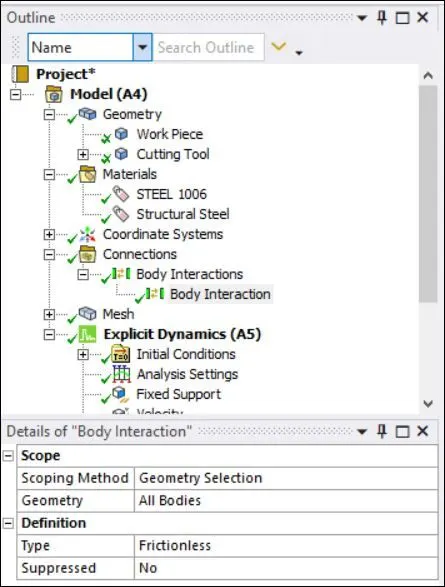
The Body interactions between the two parts will be given as Frictionless. This model won't have any other contact information. Next, we can start with the Mesh.
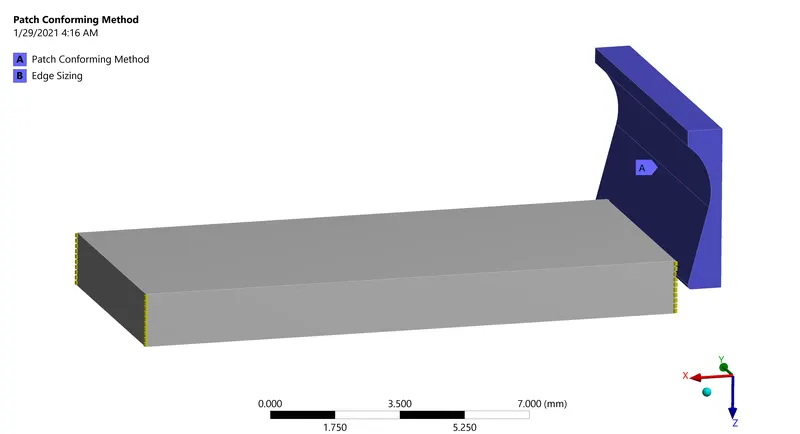
We will be providing a Mesh type of Tetrahedrons for the Tool and an Edge sizing of 10 divisions for all the four marked edges in the plate.
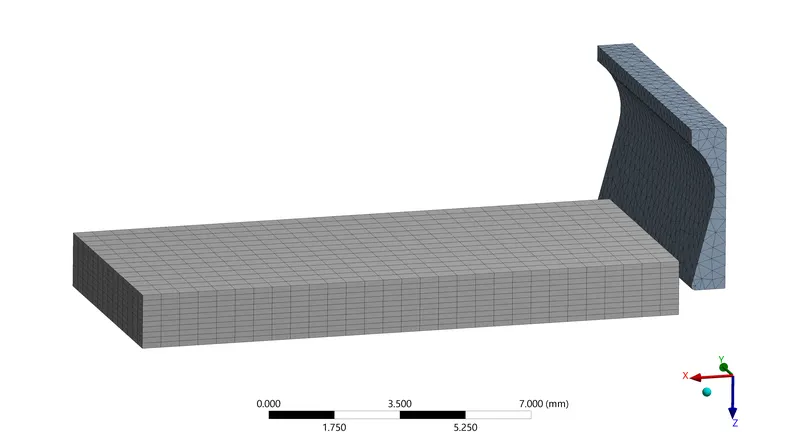
The number of Nodes is 6557 and the number of elements is 10081.
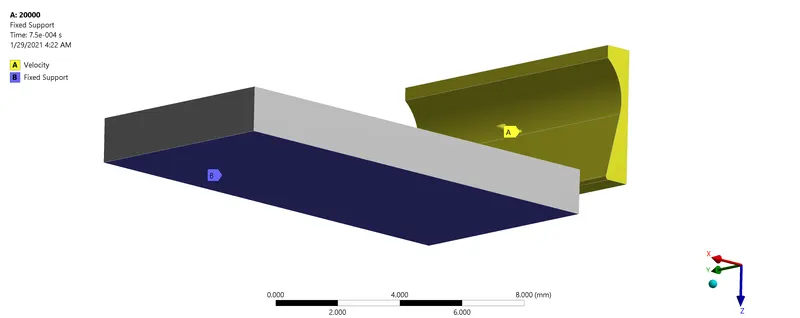
The underside of the plate is given Fixed support and the cutting tool is given an Imposed Velocity of 20000mm/s and 15000m/s. The End-time for this simulation is 0.00075s.
RESULTS:
CASE-1(Velocity of the cutting tool as 20000mm/s)
Equivalent Stress:
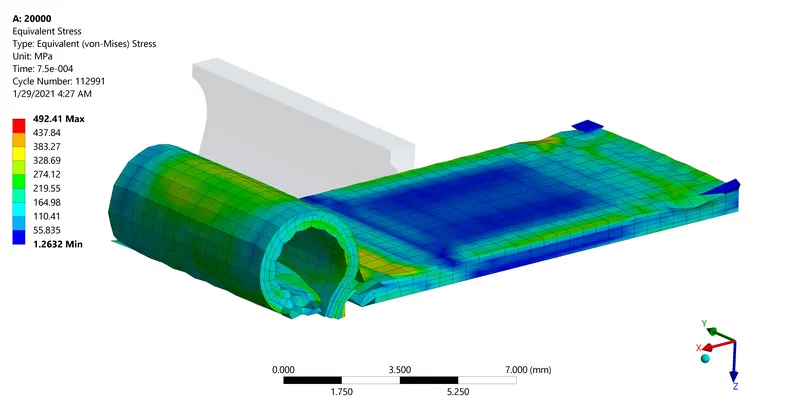
Stress Table and Graph:
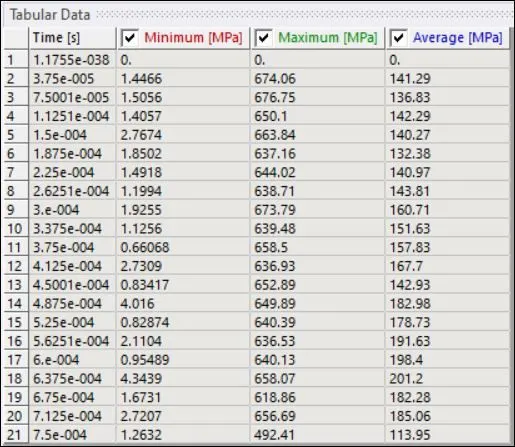
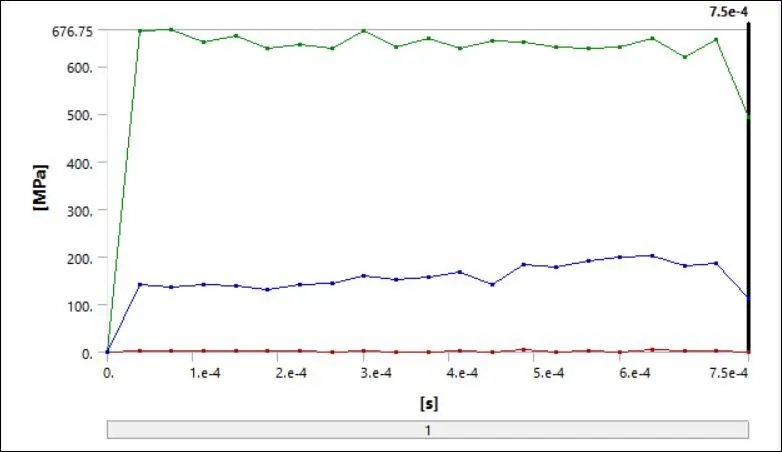
The Maximum Stress formed is 676.75 MPa.
Total Deformation:
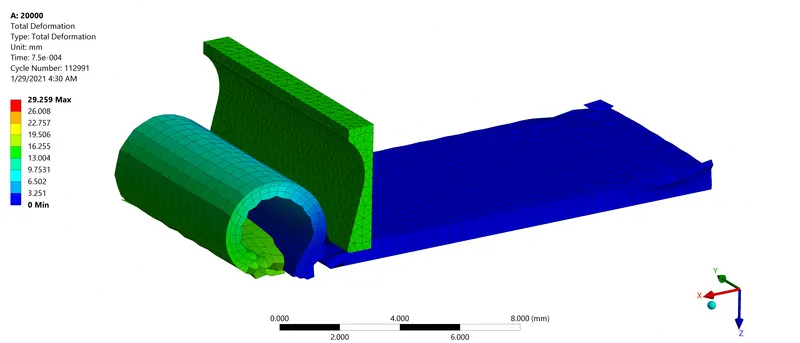
Deformation Table and Graph:
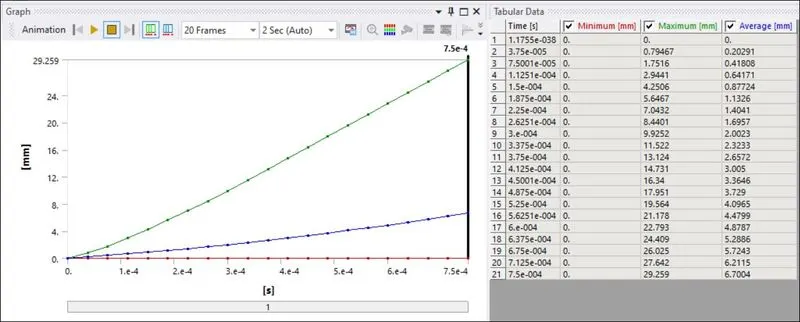
The Maximum deformation is 29.259mm.
The temperature of the Body:
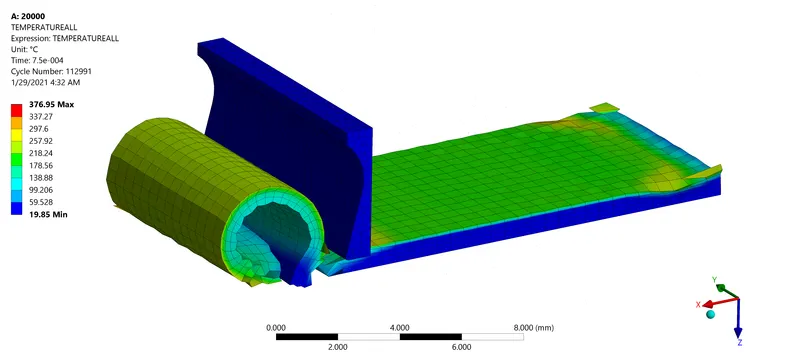
Temperature table and Graph:
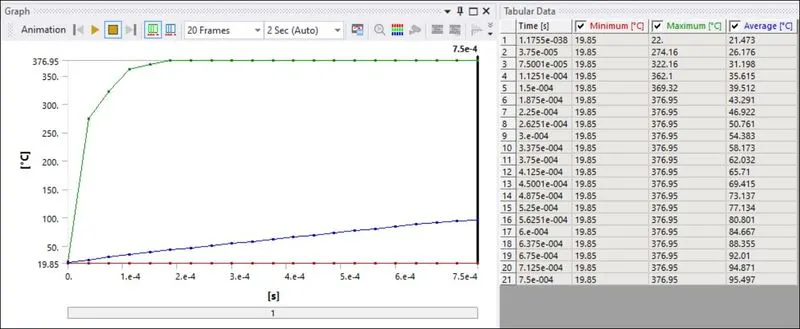
The Maximum Temperature of the body is 376.95'C.
CASE-2(Velocity of the cutting tool as 15000mm/s)
Equivalent Stress:
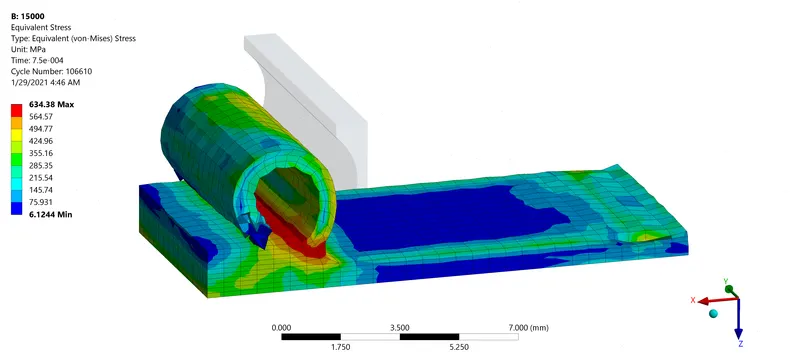
Stress Table and Graph:
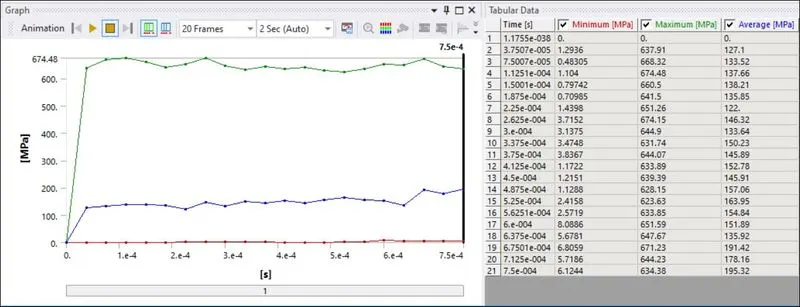
The Maximum Stress formed is 674.48 MPa.
Total Deformation:
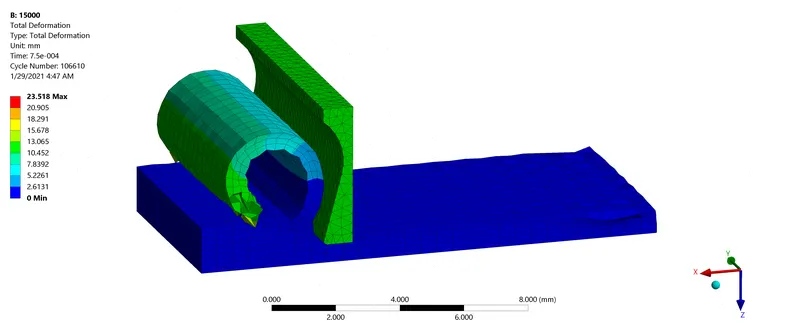
Deformation Table and Graph:
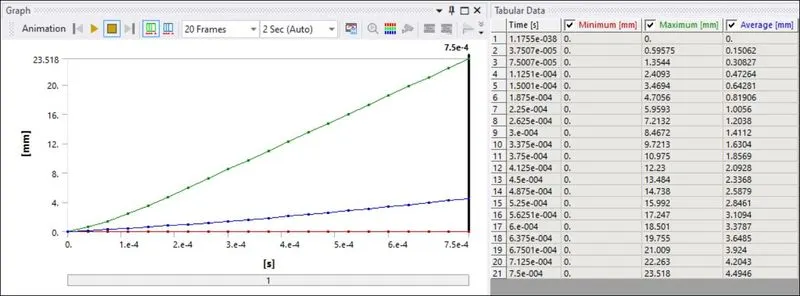
The Maximum deformation is 23.518 mm.
The temperature of the Body:
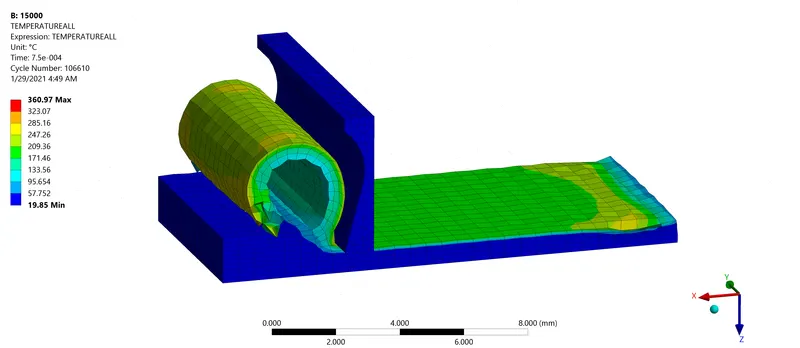
Temperature table and Graph:
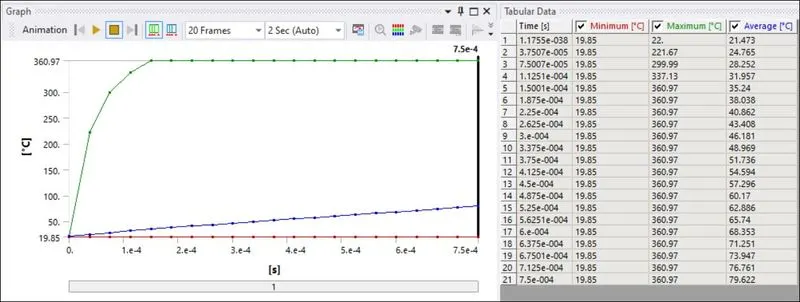
The Maximum Temperature of the body is 360.97'C.
CONCLUSION:
The below table will show the overall results from both the cases

From the above table, we can see that the Stress formation for both the cases is very much similar. The tool has travelled a distance of 29.259mm for the first case and a distance of 23.518mm for the second case as the speed is less for the run time.
When the velocity was 20000mm/s the temperature formed is high compared to the second case.
Google Drive Link:
https://drive.google.com/file/d/1_6AtRbKyrwV3nbqv_Ms2GMXq4gBIqZLQ/view?usp=sharing