Underbody Coating
UNDER BODYCOATING :
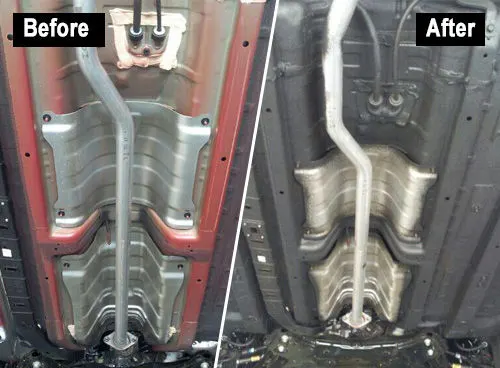
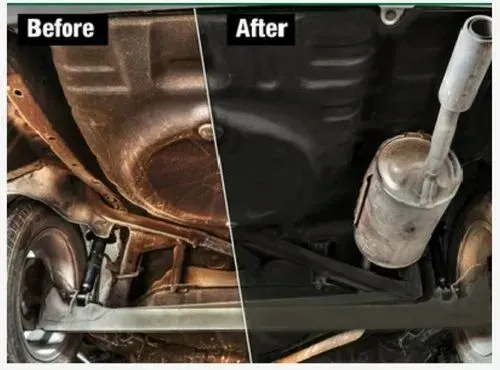
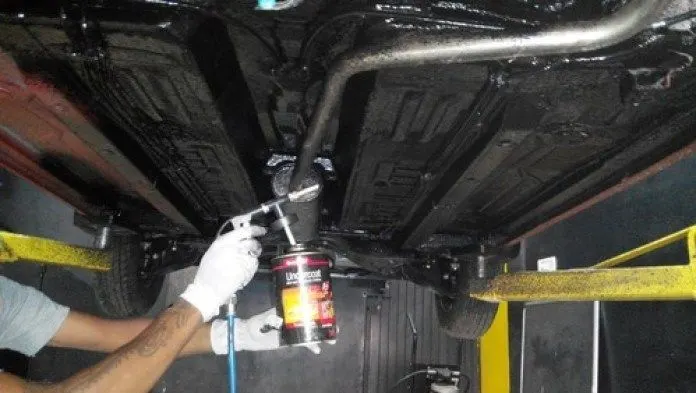
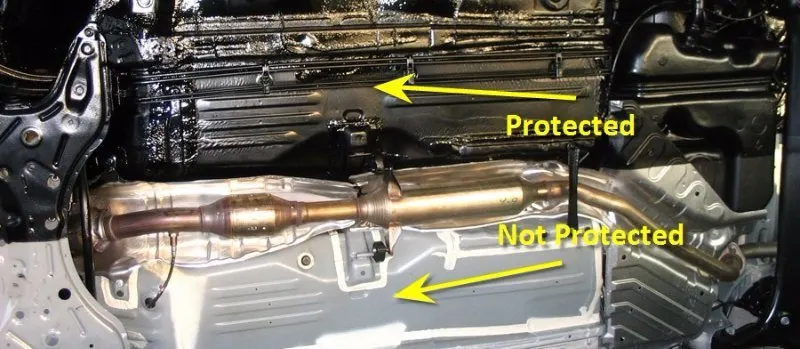
under body coating is a dense cladding which applied uniformly under the carridge of the automobile. it helps to protect the car from long term protection incase of rust . It also protect the parts like internal body panel, frame rails and other inner cavities which can be accessable but can be prone to corrosion.
MODERN AUTOMOTIVE COATING PROCESS :
modern automotive coating process consist of major five steps,
- pretreatment
- electrodeposition
- rust proof material
- primer
- top coating
PRETREATMENT :
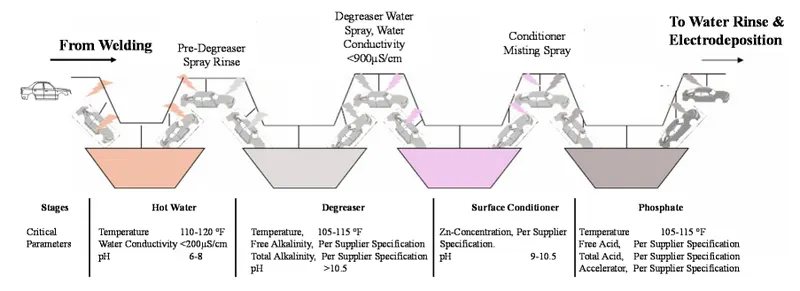
when the automobile components are welded together, that whole welded components are refered to said as BIW (body in white). the first process of subsequent BIW is pretreatment, where it is used to remove the oil , metal burs and welding sluges with the help of four major process. degreasing, conditioning, phosphating and hot water dipping with PH value of 9. this pretrement process helps to bnd the primer in BIW
ELECTRODEPOSTION:
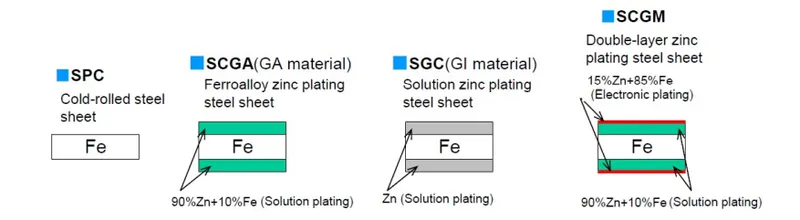
the underbody and frames are coated o prevent the rust proof . they different tyes of sheet metal used in automotive, depends upon the type of material the coating solution also get varies.
E-caoting or electrodeposit coating is the process of dipping an automobile body into a coating solution passing an electric current to it. because of its charged nature, ED penetrates into the place where the charged particle could not reach. the ED paint bonds to pentrated into the BIW and the forms a uniform coating layer.
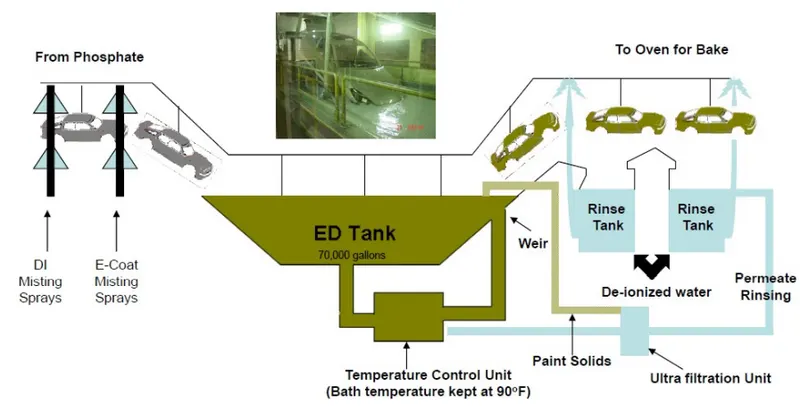
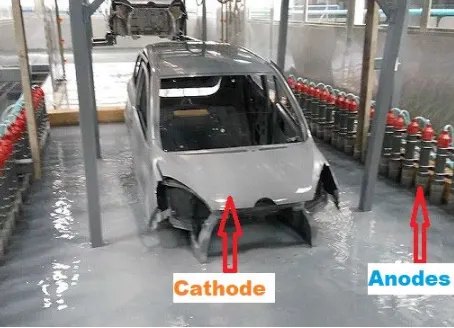
after ED coating , the autombile body enters into the heating chamber. where it is heated for 160c for 10 mins . this is due to the cause for film curing to acheive the better performance.
RUST PROOF MATERIAL:
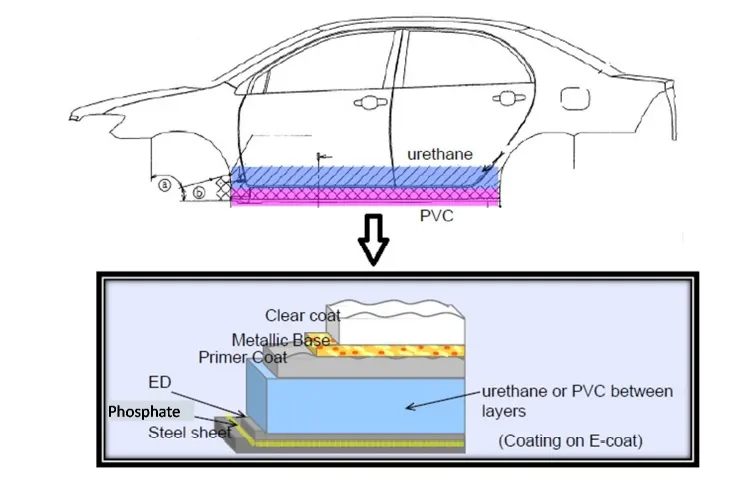
the sealant is applied around inside the door, hood, trunk , front dash , interior and exterior metal joints. this is used to reduce the vibration and arrest the gap , minimize the chipping and elimination of water. PVC and urathene are also used in under body areas where this process is called damping coat used to prevent vibration and noise.
PRIMER :
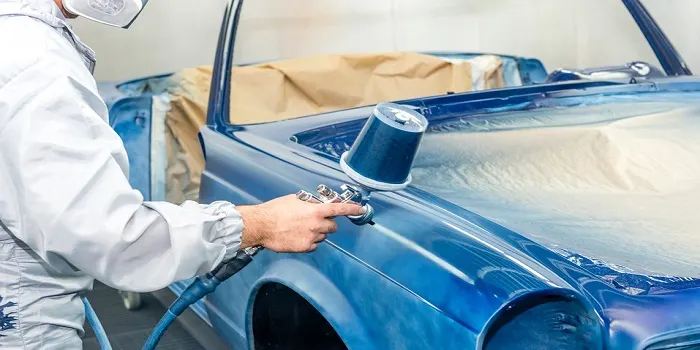
Primers are pigmented coatings that are applied to the BIW surface, prior to the application of undercoats or topcoats. The main function of primers is to achieve adequate adhesion to the substrate and to provide intercoat adhesion for subsequent coats.
TOPCOAT :
this includes the base coat and clear coat are applied . they provide the surface property that sought after the colour, glossy, appearance , smoothness and weather resistance.
PURPOSE OF UNDER BOAY COATING :
- protection against corrosion
- protection of vital car components
- reduces noice vibration harshness (NVH) level
- car body coating prevents paints from chipping
TYPES OF UNDER BODY COATING :
- rubberized under body coating
- wax based under body coating
- asphalt based under body coating
- polyurethane under body coating
1.1 RUBBERIZED UNDER BODY COATING
this is general type and one of the best under body coating for cars, it protect well from scraches and rust protective layer. it is easy to get apply on under carriage areas.
1.2 WAX BASED UNDER BODY COATING
wax based under coating puts a big fight against the rust and the moisture. this is most affordable type of coating. but it will wear away with a few months time.
1.3 ASPHALT BASED UNDER BODY COATING
Best suited for lorries, trucks and large vehicles this provides a greater degree of protection compared to rubber-based coatings. However, asphalt-based coatings contain little amounts of rubber for sound-insulation purposes. The process of applying this coating is a bit time-consuming though.
1.4 POLYURATHANE UNDER BODY COATING
this coating helps to closes up the splits and fracture that occurs on the vehicle. unlike in the case of asphalt coating, we can paint over this type of painting.
PROS OF UNDER BODY COATING :
- extend the life of the vehicle
- forms a protective layer against corrosion
- reduce noise
- can be applied to fracture or damaged areas
- provides wear resistance
CONS OF UNDER BODY COATING :
- adds weight to the vehicle
- less helpful of under body coating if the corrosion is already happened.