Week 14 challenge
Week 14 Challenge: Butterfly Valve Assembly & Applying GD&T
Objective: This project aims to design a 3D model of a butterfly valve and apply GD&T principles across its various components and assembly of the butterfly valve.
Introduction:
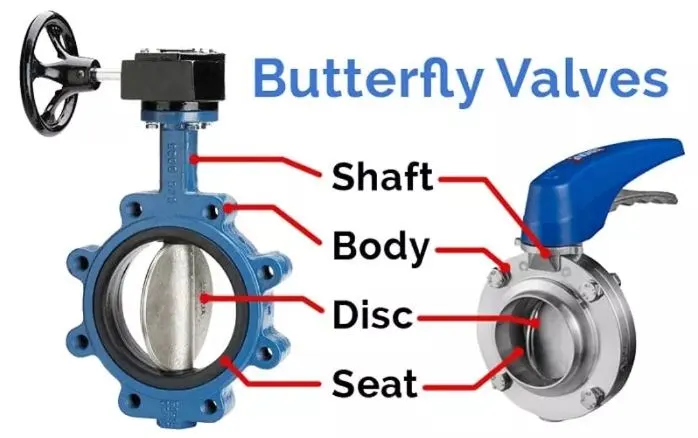
A butterfly valve is a quarter-turn valve that regulates fluid flow by rotating a disc or vane inside a pipe. It offers swift and effortless operation, with a 90° rotation of the handle achieving complete valve closure or opening. This valve is widely used across various industries due to its simplicity, versatility, and efficiency in controlling fluid flow.
The primary purpose of a butterfly valve is to regulate the flow of fluids, typically liquids or gases, within a piping system. By rotating the disc either parallel or perpendicular to the flow direction, the valve can be fully open, fully closed, or adjusted to any desired position. This capability allows for precise control over flow rates, making butterfly valves suitable for a wide range of applications.
Applications:
1. Water Treatment: Butterfly valves are commonly used in water treatment plants to control the flow of water during filtration, purification, and distribution processes.
2. HVAC Systems: In heating, ventilation, and air conditioning (HVAC) systems, butterfly valves regulate the flow of air and water to maintain optimal temperature and air quality.
3. Oil and Gas Industry: Butterfly valves play a crucial role in the oil and gas sector, controlling the flow of crude oil, natural gas, and refined products in pipelines and refineries.
4. Chemical Processing: Chemical plants utilize butterfly valves to regulate the flow of various chemicals and fluids in production processes.
5. Food and Beverage Industry: Butterfly valves are employed in food processing plants to control the flow of liquids and semi-solids during manufacturing and packaging.
Advantages:
1. Compact Design: Butterfly valves have a compact and lightweight design, making them easy to install and integrate into piping systems.
2. Quick Operation: With a quarter-turn operation, butterfly valves can be opened or closed rapidly, allowing for quick response to changing flow conditions.
3. Cost-Effective: The simplicity of butterfly valves results in lower manufacturing costs compared to other types of valves, making them a cost-effective solution for fluid flow control.
4. Low-Pressure Drop: Butterfly valves offer excellent flow characteristics with minimal pressure loss, ensuring efficient fluid handling.
5. Versatility: Butterfly valves can be used in a wide range of applications across various industries, thanks to their versatility and adaptability.
Disadvantages:
1. Limited Shut-Off Ability: Compared to some other valve types, such as gate valves, butterfly valves may have limitations in providing a complete shut-off, which can lead to minor leakage.
2. High Torque Requirement: Large-diameter butterfly valves may require significant torque to operate, especially when dealing with high-pressure or high-velocity fluids.
3. Sensitivity to Cavitation: In certain conditions, such as high flow velocities, butterfly valves can be susceptible to cavitation, which may cause damage to the valve and piping system.
4. Reduced Throttling Capability: While suitable for on/off applications and moderate throttling, butterfly valves may not provide precise control at low flow rates compared to globe valves or control valves.
5. Material Compatibility: The selection of materials for butterfly valves is critical to ensure compatibility with the fluid being handled, as certain chemicals or abrasive substances may cause corrosion or erosion over time.
Butterfly Valve Components:
The butterfly valve comprises several key components, each plays a vital role in its functionality and operation. Understanding these components is essential for comprehending how the valve works and its overall design. Here's an overview of the main components of a typical butterfly valve:
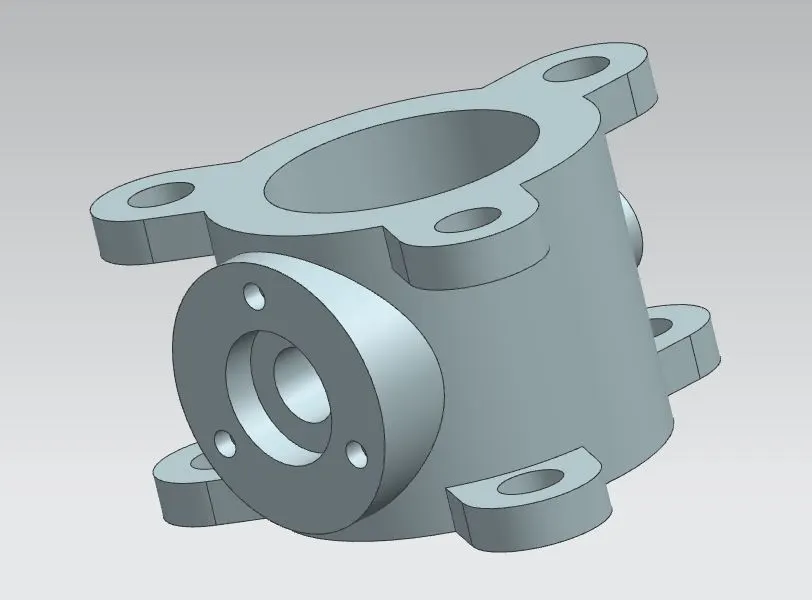
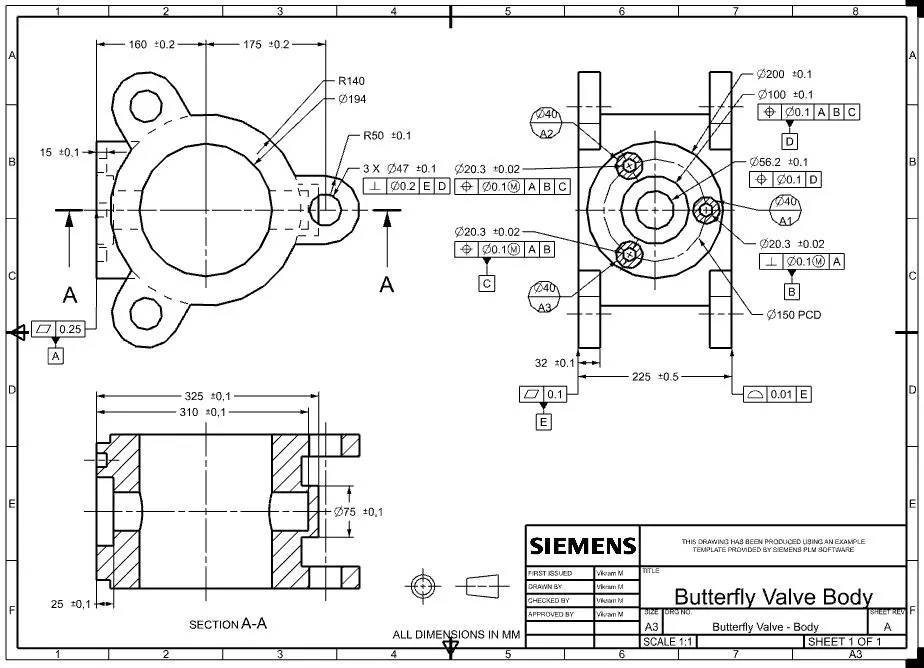
1. Body: The body of the butterfly valve forms the main structure and houses the internal components. It is usually cylindrical or spherical, with flanged ends for connection to piping systems. The body is designed to withstand the pressure and flow of the fluid passing through the valve.
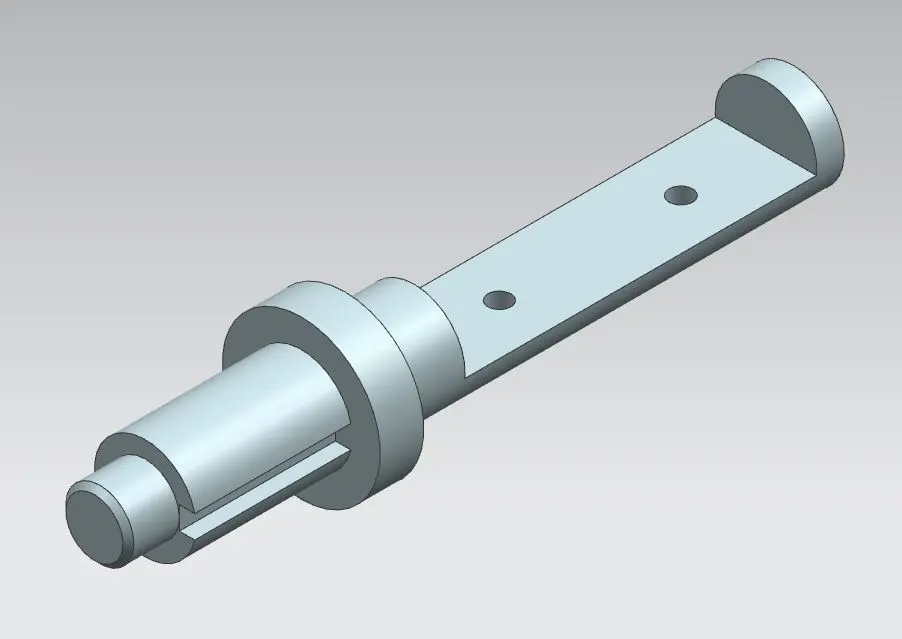
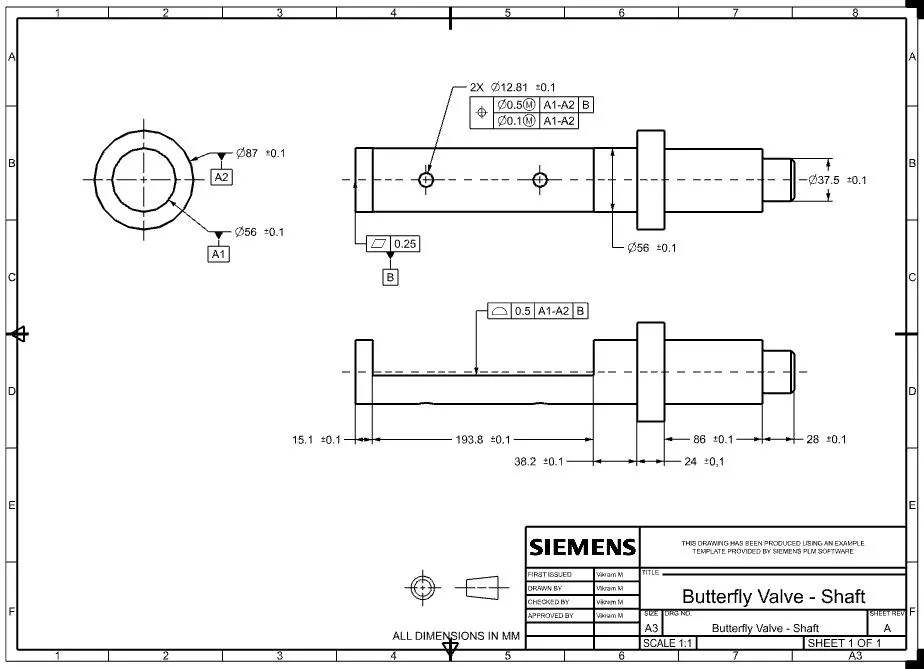
2. Shaft: The stem or shaft is the central component that connects the disc to the actuator or handle located outside the valve body. When the actuator is operated, it transmits motion to the stem, causing the disc to rotate and regulate the flow of fluid. The shaft must be robust and well-designed to withstand the forces exerted during operation.
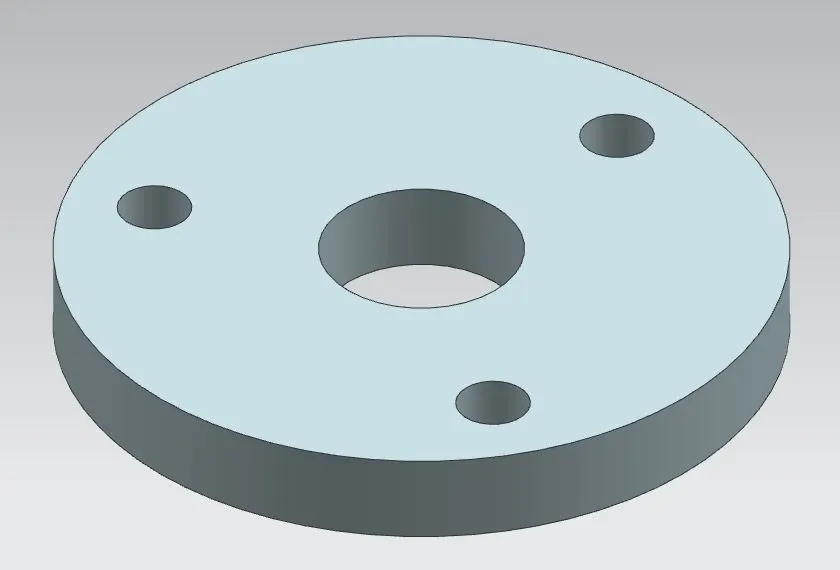
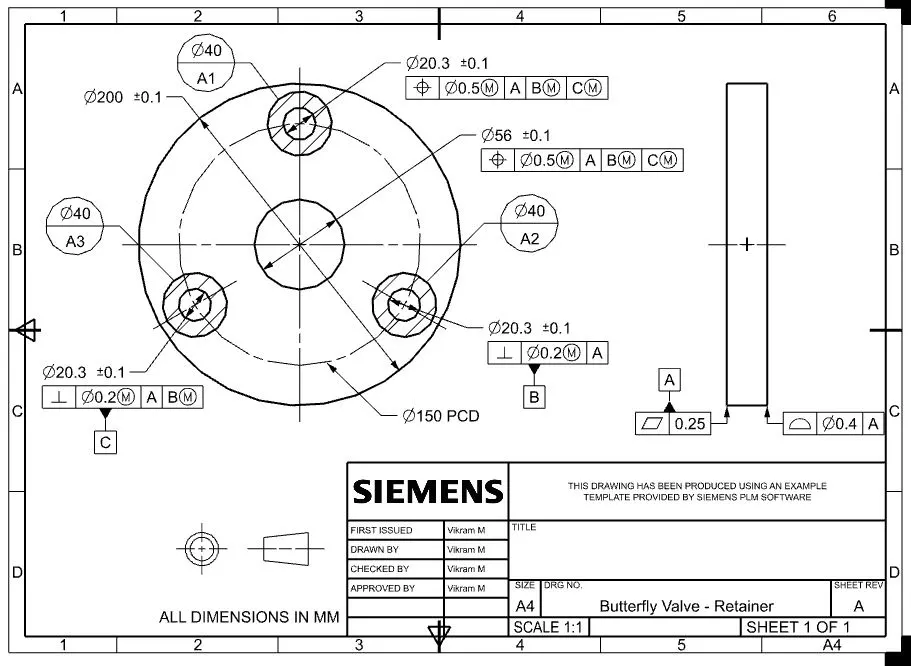
3. Retainer: In some butterfly valve designs, especially those with resilient-seated configurations, a retainer is used to secure the seat and provide additional support to the valve components. This helps maintain the integrity of the sealing system and ensures consistent performance over time.
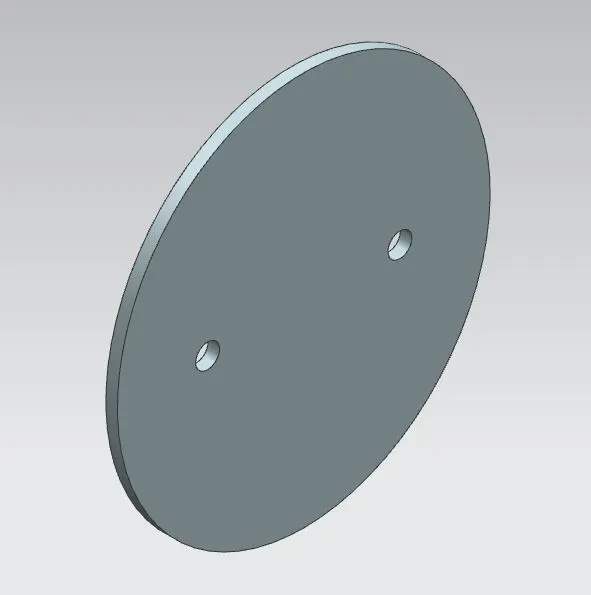
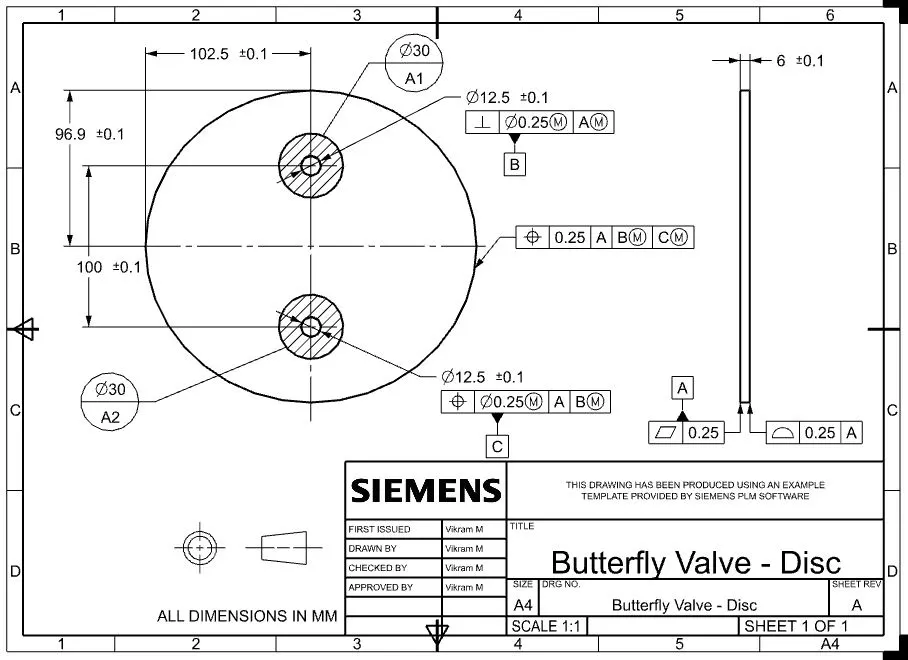
4. Disc: The disc is a crucial component that controls the flow of fluid. It is typically mounted on a shaft at the centre of the valve body. The disc can rotate freely within the body, allowing it to modulate the flow by adjusting its position relative to the pipe's bore.
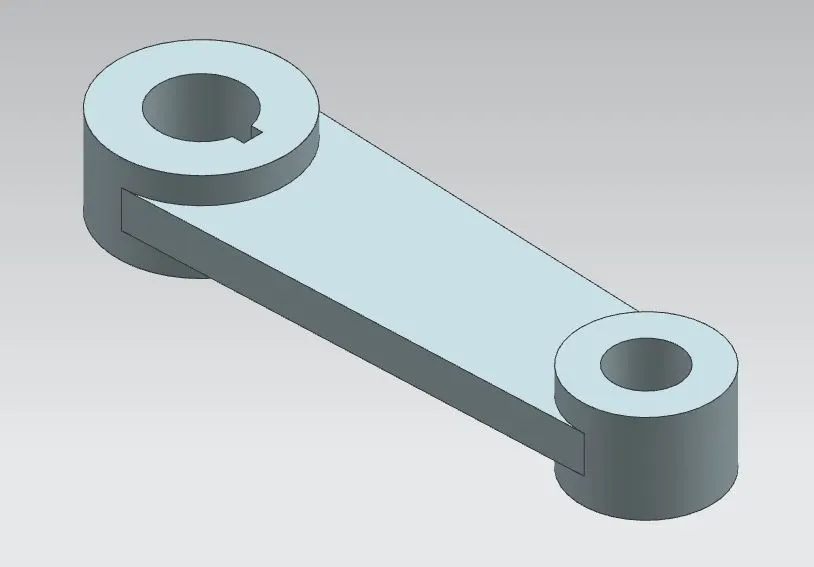
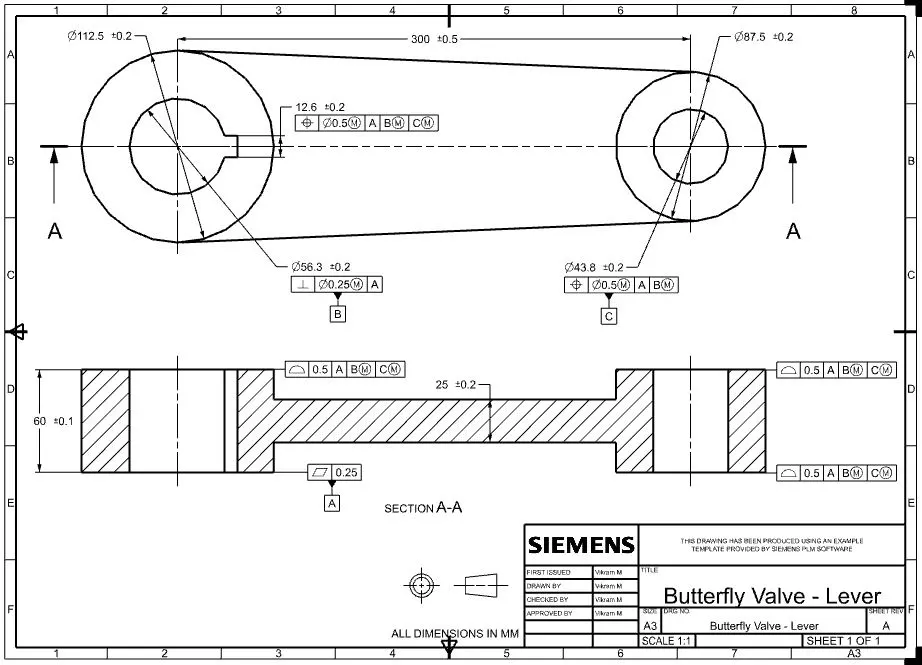
5. Lever: The lever is a rigid handle attached to the valve shaft, positioned outside the valve body. It provides the user with a means to manually actuate the valve by applying mechanical force. When the lever is rotated, it transmits motion to the valve stem, causing the disc inside the valve body to rotate and modulate the flow of fluid.
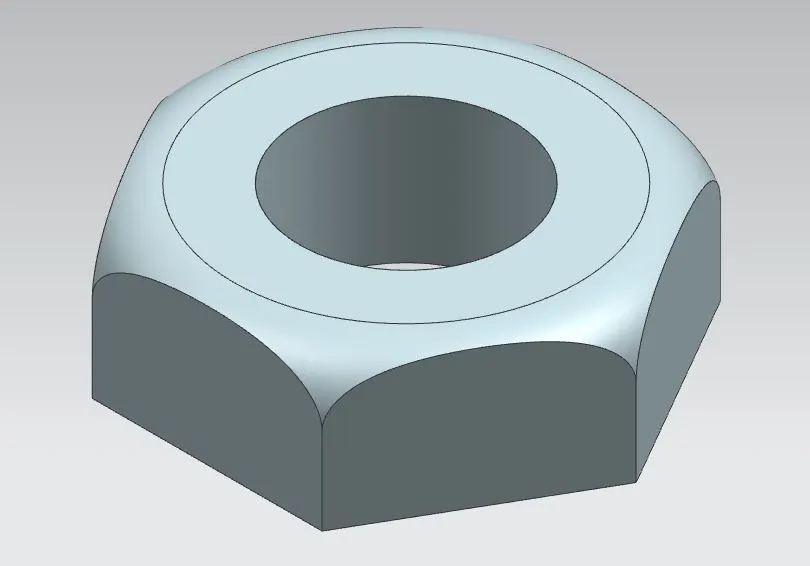
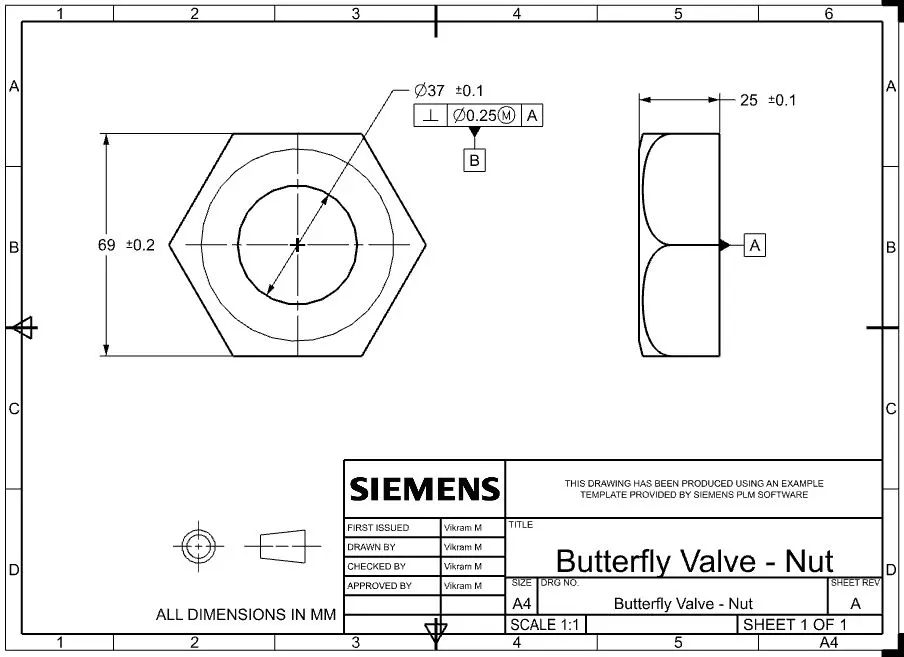
6. Nut: The nut is a threaded component that engages with the valve stem or shaft. It serves as a connection point between the lever and the valve stem, allowing for the transmission of rotational motion from the lever to the stem. The nut is usually positioned at the end of the valve stem and features internal threads that match the external threads of the stem.
Butterfly Valve Assembly:
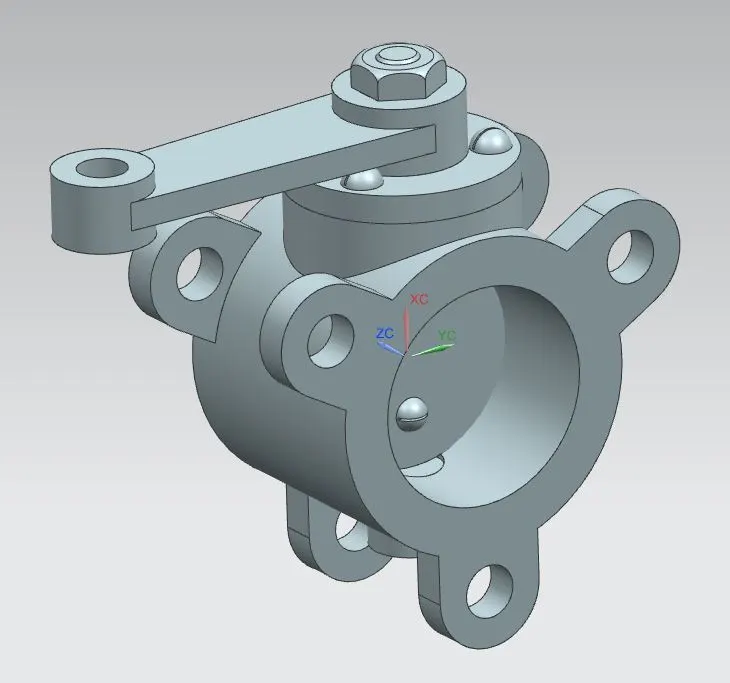
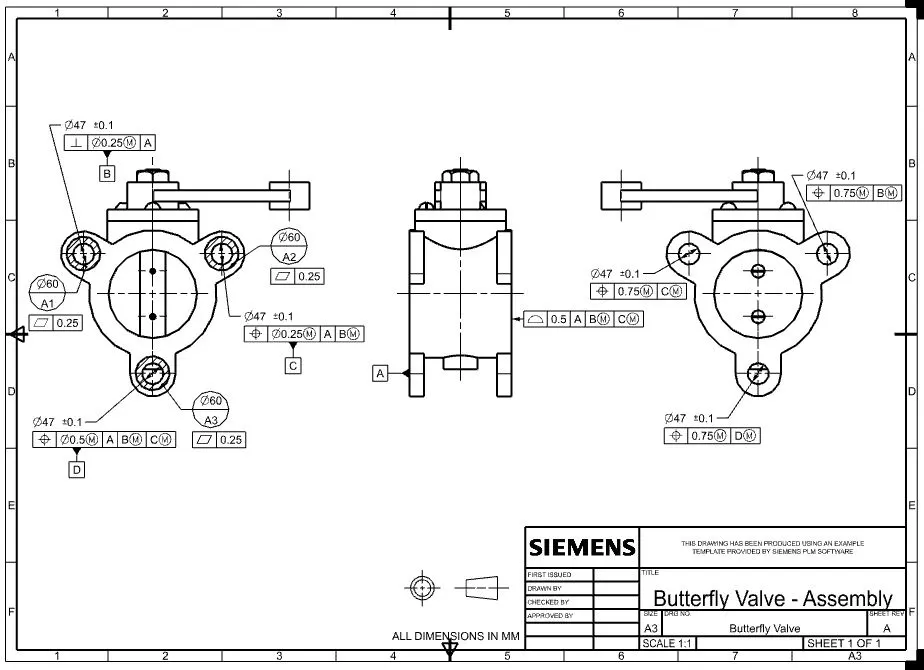
After modelling all the individual parts of the butterfly valve, all the parts were assembled in the Siemens NX Assembly workbench.
Conclusion:
In conclusion, the objective of the project was met by designing a complete 3D model of a butterfly valve and implementing Geometric Dimensioning and Tolerancing (GD&T) principles across its diverse components and assembly. Incorporating GD&T ensures precise alignment, functionality, and reliability of the butterfly valve to excellence in engineering design and manufacturing practices.