Underbody Coating
UNDER BODY COATING
Underbody coating, also known as undercoating or rustproofing, is a protective layer applied to the underside of a vehicle to safeguard it from corrosion, rust, and damage caused by environmental factors such as moisture, road salt, dirt, and gravel. It acts as a barrier between the metal components of the vehicle's undercarriage and the elements.Underbody coatings are typically made of rubberized or petroleum-based substances that adhere to the surface of the vehicle's undercarriage. These coatings are designed to withstand the impact of debris and road contaminants, while also providing a moisture-resistant barrier. By preventing moisture from reaching the metal surfaces, underbody coatings help to inhibit the formation of rust and corrosion.
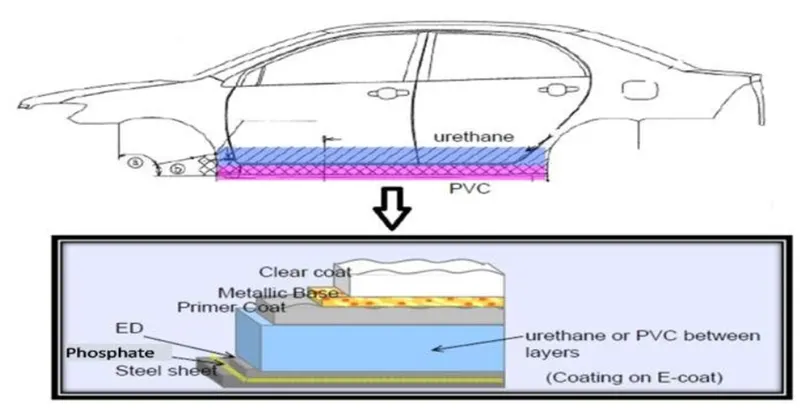
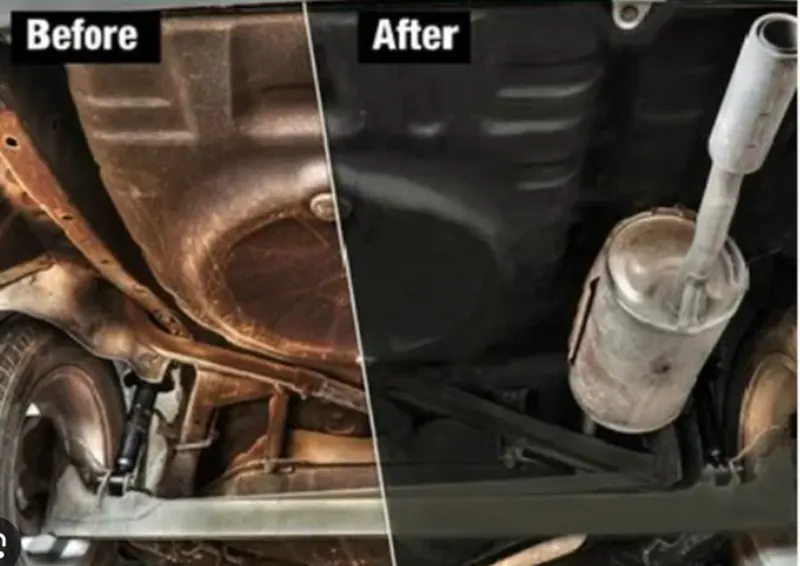
In addition to rust prevention, underbody coatings can provide sound-dampening properties, reducing road noise and vibrations. They can also act as a thermal barrier, helping to insulate the vehicle's interior from excessive heat or cold.Underbody coatings are often applied during the manufacturing process of a vehicle, but they can also be added later as an aftermarket treatment. It is important to note that the effectiveness of underbody coatings can vary depending on the quality of the product used, the application method, and regular maintenance practices. Regular inspection and reapplication, if necessary, are recommended to ensure continued protection.
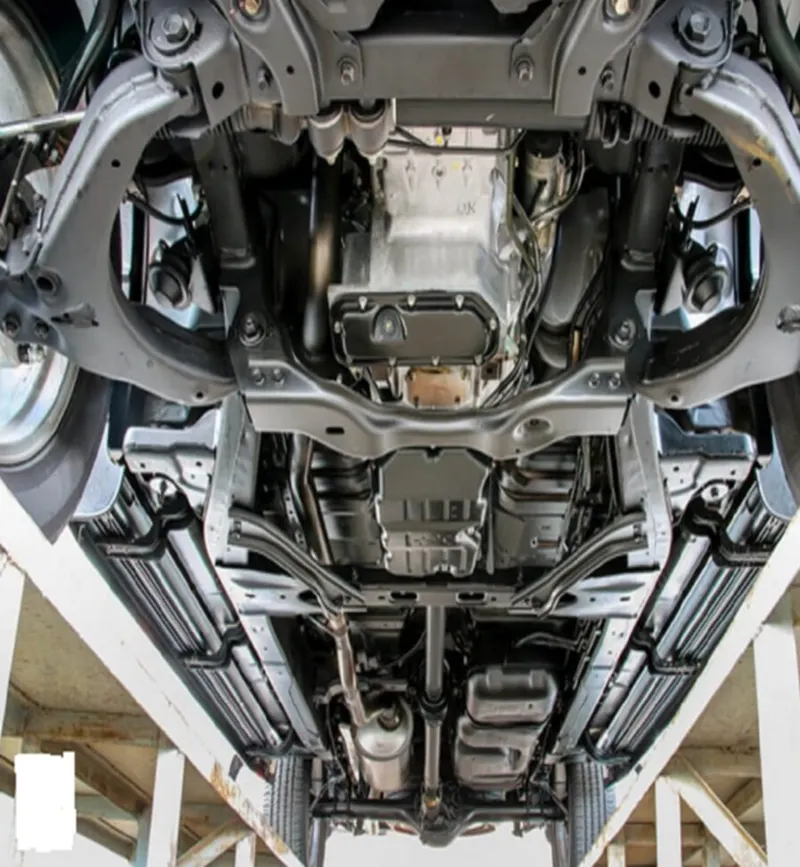
PURPOSE OF UNDER BODY COATING
The purpose of underbody coating is primarily to protect the vehicle's undercarriage from corrosion, rust, and damage caused by environmental factors. Here are the main purposes of underbody coating,
CORROSION PREVENTION: Underbody coatings create a barrier between the metal components of the undercarriage and moisture, road salt, and other corrosive substances. By preventing these elements from reaching the metal surfaces, underbody coatings help inhibit the formation of rust and corrosion.
RUST PROTECTION: Rust is a common issue for vehicles, especially in regions with harsh climates or where road salt is used. Underbody coatings provide a protective layer that acts as a shield against rust formation, extending the lifespan of the vehicle's undercarriage.
DAMAGE PREVENTION: The undercarriage of a vehicle is exposed to various hazards such as road debris, gravel, and chemicals. Underbody coatings help protect against damage caused by these factors, acting as a barrier to minimize impacts and abrasions.
SOUND AND VIBRATION REDUCTION: Some underbody coatings have sound-dampening properties, reducing road noise and vibrations. This can contribute to a quieter and more comfortable driving experience.
THERMAL INSULATION: Underbody coatings can act as a thermal barrier, helping to insulate the vehicle's interior from excessive heat or cold that may penetrate through the undercarriage. This can enhance the overall comfort inside the vehicle.
By providing a protective layer, underbody coatings help maintain the structural integrity of the vehicle, improve its longevity, and reduce the risk of costly repairs due to corrosion or damage. However, it's important to note that the effectiveness of underbody coatings can vary depending on factors such as the quality of the product, application technique, and regular maintenance.
TYPES OF UNDER BODY COATING
There are several types of underbody coatings available, each with its own characteristics and benefits. Here are some common types of underbody coatings:
RUBBERIZED UNDERCOATING
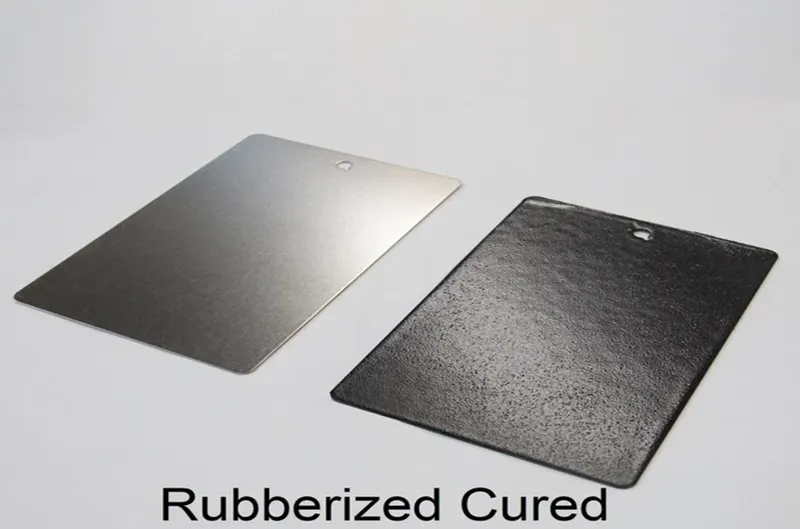
This type of underbody coating is made from rubber or rubberized compounds. It provides a durable and flexible layer that adheres well to the undercarriage. Rubberized coatings offer excellent corrosion resistance, sound dampening properties, and can withstand impacts from road debris. They are often applied in multiple layers to achieve optimal protection.
ADVANTAGES
- Corrosion Resistance
- Sound Dampening
- Impact Resistance
- Easy Application
DISADVANTAGES
- Limited Longevity
- Difficult to Remove
- Potential for Accumulation
- Weight Addition
PETROLEUM-BASED UNDERCOATING
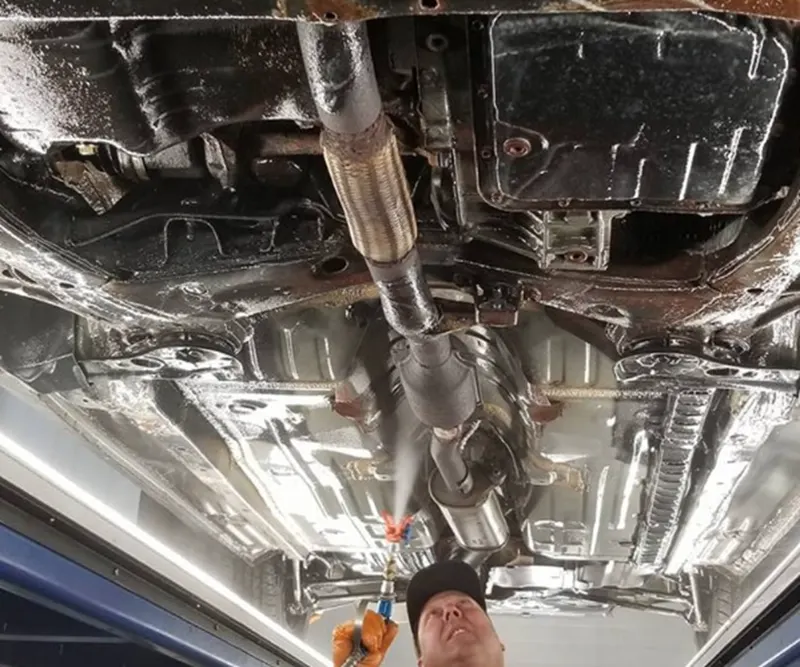
Petroleum-based underbody coatings are typically made from a mix of oils, solvents, and additives. They offer good protection against rust and corrosion, as well as resistance to moisture and chemicals. Petroleum-based coatings can be sprayed or brushed onto the undercarriage, forming a protective film that adheres to the metal surfaces.
ADVANTAGES
- Corrosion Protection
- Moisture Resistance
- Chemical Resistance
- Easy Application
DISADVANTAGES
- Environmental Impact
- Potential for Deterioration
- Difficulty in Removal
- Flammability
WAX-BASED UNDERCOATING
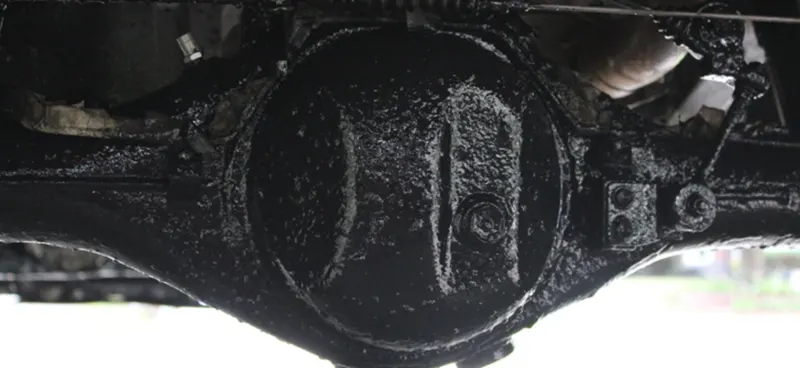
Wax-based underbody coatings are composed of waxes, oils, and other additives. They provide a protective layer that adheres well to the undercarriage and offers resistance to moisture, road salt, and chemicals. Wax coatings are often self-healing, meaning they can fill in small scratches or abrasions over time.
ADVANTAGES
- Corrosion Resistance
- Self-Healing Properties
- Easy Application
- Environmental Friendliness
DISADVANTAGES
- Limited Longevity
- Lower Chemical Resistance
- Maintenance Requirements
- Limited Sound Dampening
POLYURETHANE/POLYMER COATINGS
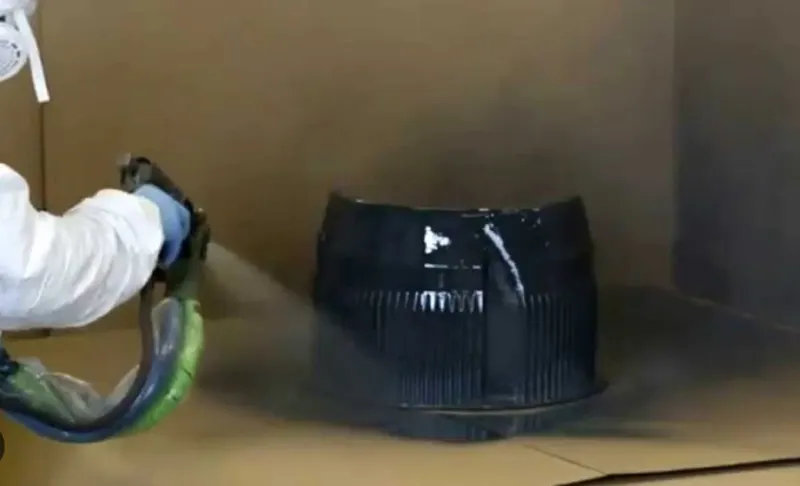
Polyurethane or polymer-based underbody coatings offer excellent durability, abrasion resistance, and corrosion protection. They form a tough and flexible barrier that adheres to the metal surfaces. These coatings are known for their long-lasting performance and resistance to impact and environmental factors.
ADVANTAGES
- Excellent Durability
- Superior Corrosion Resistance
- Chemical Resistance
- Enhanced Sound Dampening
DISADVANTAGES
- Cost
- Difficult Application and Removal
- Weight Addition
- Limited Availability
ASPHALT-BASED UNDERCOATING
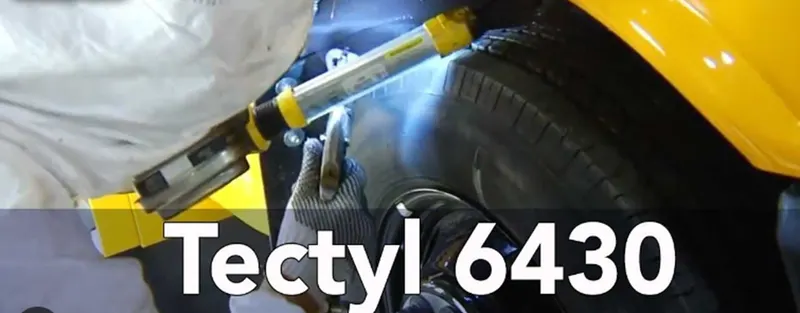
Asphalt-based underbody coatings contain asphalt or bitumen as the primary ingredient. They provide a thick and heavy-duty layer that offers exceptional protection against rust, corrosion, and road debris. Asphalt coatings are highly resistant to abrasion and can endure extreme weather conditions.
ADVANTAGES
- Excellent Corrosion Protection
- High Abrasion Resistance
- Extreme Weather Protection
- Long-Lasting Performance
DISADVANTAGES
- Difficult Application
- Difficult Removal and Cleanup
- Weight Addition
- Limited Availability and Compatibility
ADVANTAGES OF UNDERBODY COATING
CORROSION PROTECTION: One of the primary benefits of underbody coating is its ability to protect the undercarriage from corrosion and rust. The coating creates a barrier that shields the metal surfaces from moisture, road salt, and other corrosive substances, reducing the risk of damage and prolonging the lifespan of the vehicle.
IMPACT RESISTANCE: Underbody coatings provide an additional layer of protection against impacts from road debris, gravel, and other hazards. They help to minimize scratches, dents, and abrasions on the undercarriage, preserving the integrity of the vehicle's structural components.
SOUND DAMPENING: Some underbody coatings, such as rubberized coatings, offer sound-dampening properties. They can help reduce road noise and vibrations, resulting in a quieter and more comfortable driving experience.
THERMAL INSULATION: Underbody coatings can provide thermal insulation, helping to regulate the temperature inside the vehicle. They can reduce heat transfer from the road surface, keeping the interior cooler in hot weather and warmer in cold weather.
MOISTURE RESISTANCE: Underbody coatings create a barrier that repels moisture, preventing it from seeping into the undercarriage. This is particularly beneficial in areas with high humidity or where road salt is used, as it helps prevent the formation of rust and corrosion.
CHEMICAL RESISTANCE: Many underbody coatings have good resistance to chemicals encountered on the road, such as fuels, oils, and solvents. This protects the undercarriage from chemical-induced damage and helps maintain its appearance and functionality.
LONGEVITY: Properly applied and maintained underbody coatings can offer long-lasting protection. They can withstand the rigors of everyday driving, various weather conditions, and exposure to road debris, providing ongoing benefits over an extended period.
DISADVANTAGES OF UNDERBODY COATING
APPLICATION CHALLENGES: Applying underbody coating can be a complex process, especially for certain types of coatings that require specialized equipment or professional expertise. Improper application may result in uneven coverage, which can compromise the effectiveness of the coating.
DIFFICULT REMOVAL: If the underbody coating needs to be removed or replaced, it can be a challenging and time-consuming task. Some coatings adhere strongly to the undercarriage, making it difficult to strip off completely. This can be problematic if access to the undercarriage is needed for repairs or maintenance.
WEIGHT ADDITION: Underbody coatings can add weight to the vehicle, albeit usually a minor amount. While this may not significantly impact most vehicles, it could potentially affect fuel efficiency, handling, and overall performance, particularly in certain applications where weight reduction is a priority.
LIMITED REPAIR ACCESS: Once the underbody coating is applied, it can make it more difficult to access and repair certain components of the undercarriage. The coating may need to be partially removed or worked around, which can increase the complexity and cost of repairs.
MAINTENANCE REQUIREMENTS: Underbody coatings require regular maintenance to ensure their ongoing effectiveness. This may involve inspections, cleaning, and periodic reapplication, depending on the type of coating and the conditions the vehicle is exposed to. Neglecting maintenance can diminish the protective properties of the coating over time.
POTENTIAL ACCUMULATION OF DEBRIS: Underbody coatings, especially those with textured or rough surfaces, can accumulate dirt, mud, and other debris over time. If not cleaned regularly, this accumulation can trap moisture against the metal surfaces and potentially lead to corrosion or damage.
COST: Depending on the type of underbody coating and the application method, the cost of underbody coating can vary. Some coatings and professional application services can be relatively expensive, adding to the overall maintenance and ownership costs of the vehicle.