Design of backdoor
BACK DOOR DESIGN
INTRODUCTION
The automotive back door refers to the rear door or doors of a vehicle. It is the entry point located at the back of the car, allowing passengers to enter and exit the vehicle from that side. In most standard automobiles, there are usually two back doors, one on each side, but some vehicles may have additional doors or configurations.The back doors are typically hinged at the rear and swing outward to open. They are designed to provide easy access to the rear seats or cargo area of the vehicle. The doors may feature handles or electronic mechanisms for opening and closing, along with locks for security.
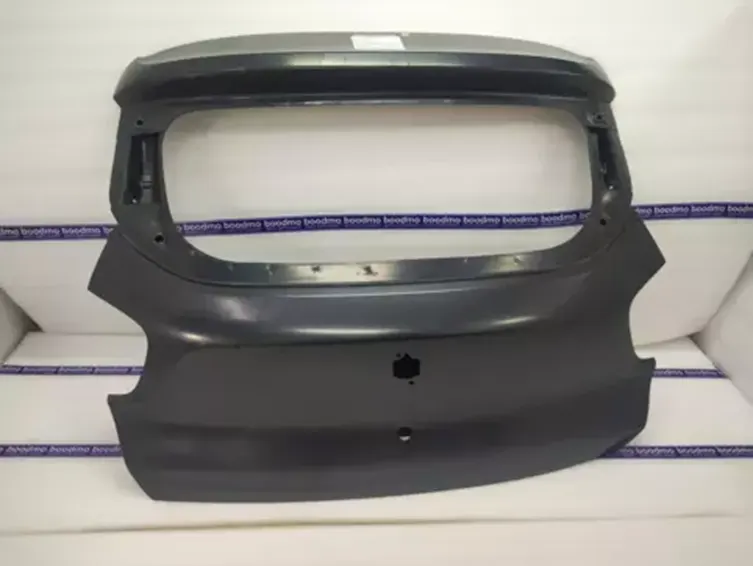
In some vehicles, particularly larger ones like SUVs or vans, the back doors may be larger and more substantial, often known as "barn doors" or "liftgate." These types of doors can be hinged at the sides and open horizontally or vertically, providing a wider opening for loading and unloading cargo or accommodating larger items.Additionally, many modern vehicles come equipped with safety features for the back doors, such as child safety locks and sensors that detect if the doors are properly closed while the vehicle is in motion.
TYPES OF BACK DOOR
1.Top Mounted
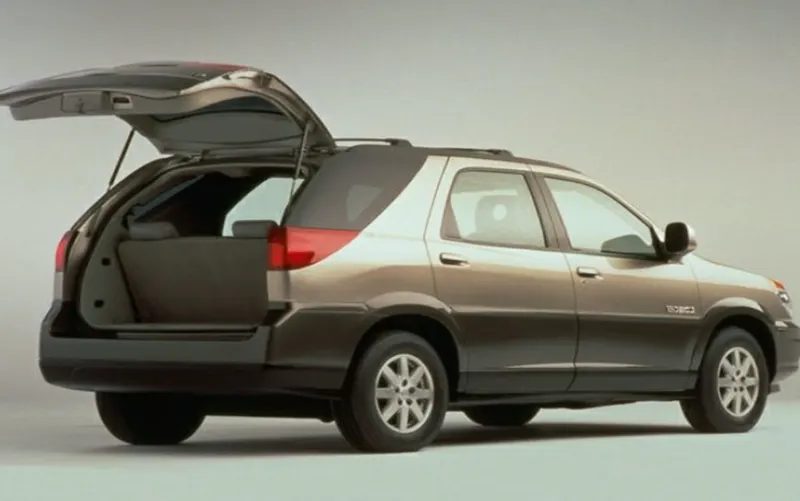
A top-mounted car back door refers to a type of rear door that is hinged at the top and opens upward. This configuration is commonly found in hatchbacks, station wagons, and some SUVs. It is often referred to as a "hatchback door" or "hatch."
The top-mounted back door is typically a single piece that spans the entire width of the rear of the vehicle. It is hinged at the roofline or just above the rear window and opens upward when unlatched. The door can be raised manually or automatically using hydraulic or electronic mechanisms.
This design offers several advantages. First, it provides a large opening, making it easier to load and unload items into the cargo area. It also allows for better access to the rear storage space compared to traditional trunk-style doors. Additionally, the top-mounted back door often incorporates the rear window, which provides increased visibility for the driver.
To secure the back door in the closed position, latch mechanisms are employed to keep it securely shut. These mechanisms may include handles or release buttons located on the exterior and interior of the vehicle.Overall, the top-mounted back door design is popular for its versatility, practicality, and ease of use, especially for vehicles where cargo space is a priority.
2.Side Mounted Door
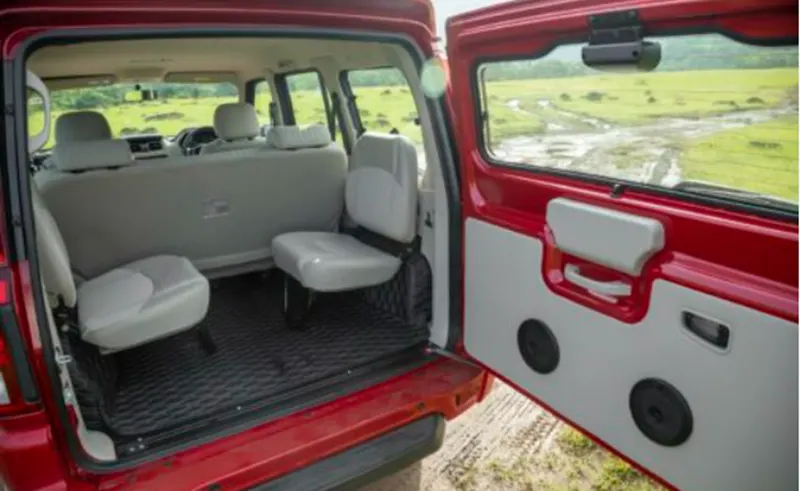
It is generally used in van type MPVs, SUVs, pickup truck vehicles. These side mounted door/barn doors are a lot easier compared to top mounted ones. These doors are generally small in size and can be easily accessed. These doors are more convenient for the goods handlers carrying lengthy objects, long pipes where one door is kept open. It also saves accidental head impacts. It is a lot easier to load /unload things in vehicles having side-mounted doors.
3.Bottom type door
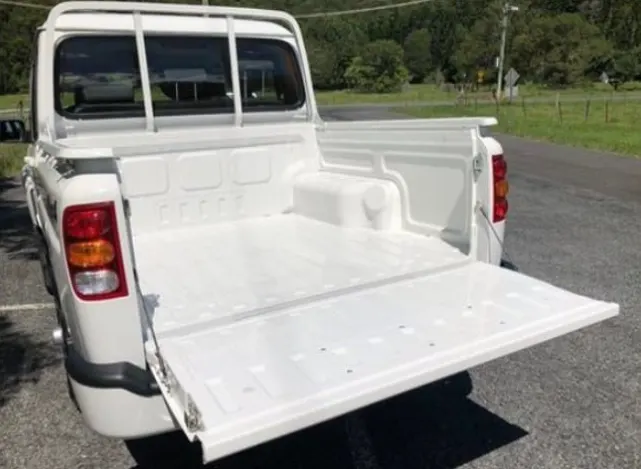
A bottom-hinged car back door, also known as a "drop-down tailgate" or simply a "tailgate," is a type of rear door commonly found in pickup trucks, SUVs, and some larger vehicles. Unlike the conventional hinged doors that swing outward or the vertically lifting liftgates, a bottom-hinged back door opens downward.The bottom-hinged back door is typically a single piece that spans the width of the rear of the vehicle. It is hinged at the bottom, usually located at the lower edge of the cargo area or bumper, and opens by lowering it down. This design allows for easy access to the cargo bed or rear storage area.
The tailgate can serve multiple purposes. It provides a convenient platform for loading and unloading cargo, as well as serving as a seating area when the vehicle is parked. In some cases, the tailgate may have built-in features like cup holders or steps to assist with accessing the cargo bed.To secure the tailgate in the closed position, it usually incorporates latching mechanisms that keep it securely shut. These mechanisms can be released manually or electronically, depending on the vehicle's design.
It's important to note that while the bottom-hinged back door is commonly associated with pickup trucks, it can also be found in certain SUV models, especially those with a rear cargo area or where the back seats can be folded down to extend the storage space.Overall, the bottom-hinged back door provides a practical and versatile solution for accessing the cargo area of a vehicle, particularly in cases where loading and unloading larger or heavier items is common.
THE MAIN PARTS OF THE BACK DOOR:
- Inner Panel&Outer Panel
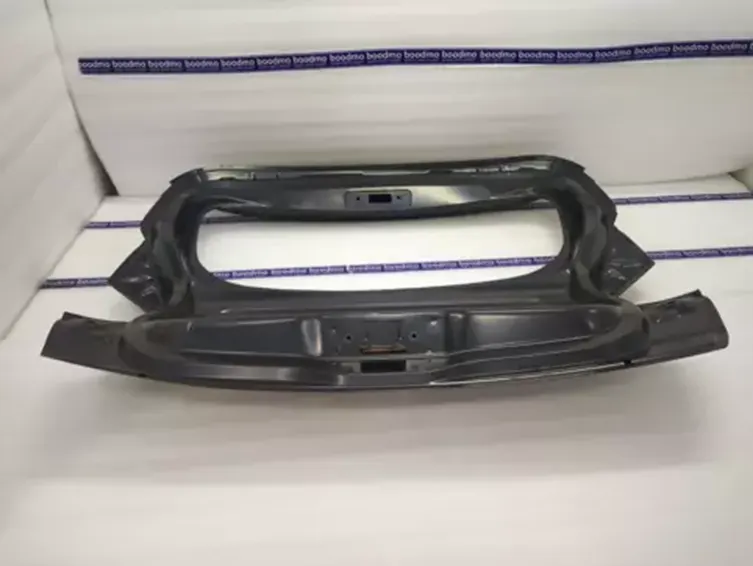
Inner Panel: The inner panel of the tailgate is the interior-facing side, which is not visible when the tailgate is closed. It is usually made of a sturdy material such as steel or aluminum to provide structural support and rigidity to the tailgate assembly. The inner panel may have reinforcement structures, ribs, or flanges to add strength and durability.Additionally, the inner panel often incorporates various components and features. These can include handle mechanisms, latches, hinges, wiring for lights or cameras, and other hardware necessary for the proper functioning of the tailgate. It may also have interior trim or upholstery to enhance the aesthetic appeal and comfort.
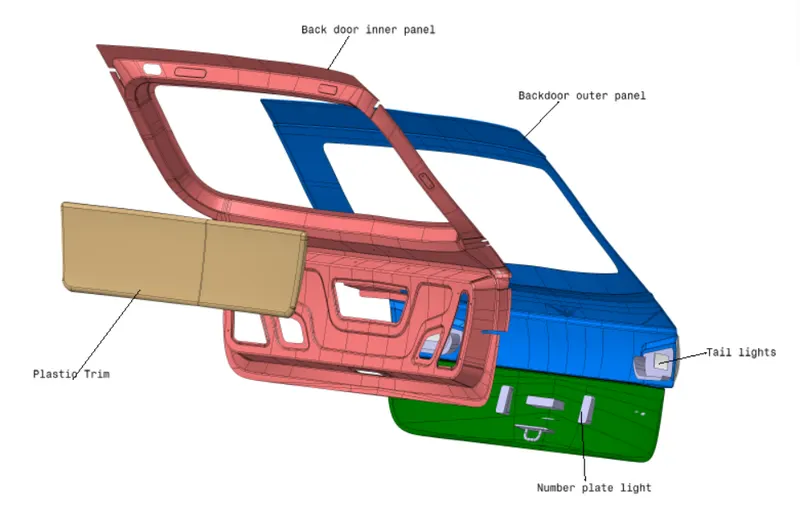
Outer Panel: The outer panel of the tailgate is the visible side that faces the exterior when the tailgate is closed. It is the part that is painted or finished to match the rest of the vehicle's body color and design. The outer panel is typically made of a material such as steel, aluminum, or composite materials to provide strength and resistance to external elements.The outer panel may feature design elements, contours, or embossed branding or logos specific to the vehicle manufacturer. It is often designed to seamlessly integrate with the overall styling of the vehicle, contributing to its aesthetic appeal.
The inner and outer panels of the tailgate are typically joined together through welding, bonding, or fastening methods to create a solid and secure structure. The combination of these panels provides the necessary strength and functionality for opening, closing, and securing the tailgate.
Hinge Reinforcement
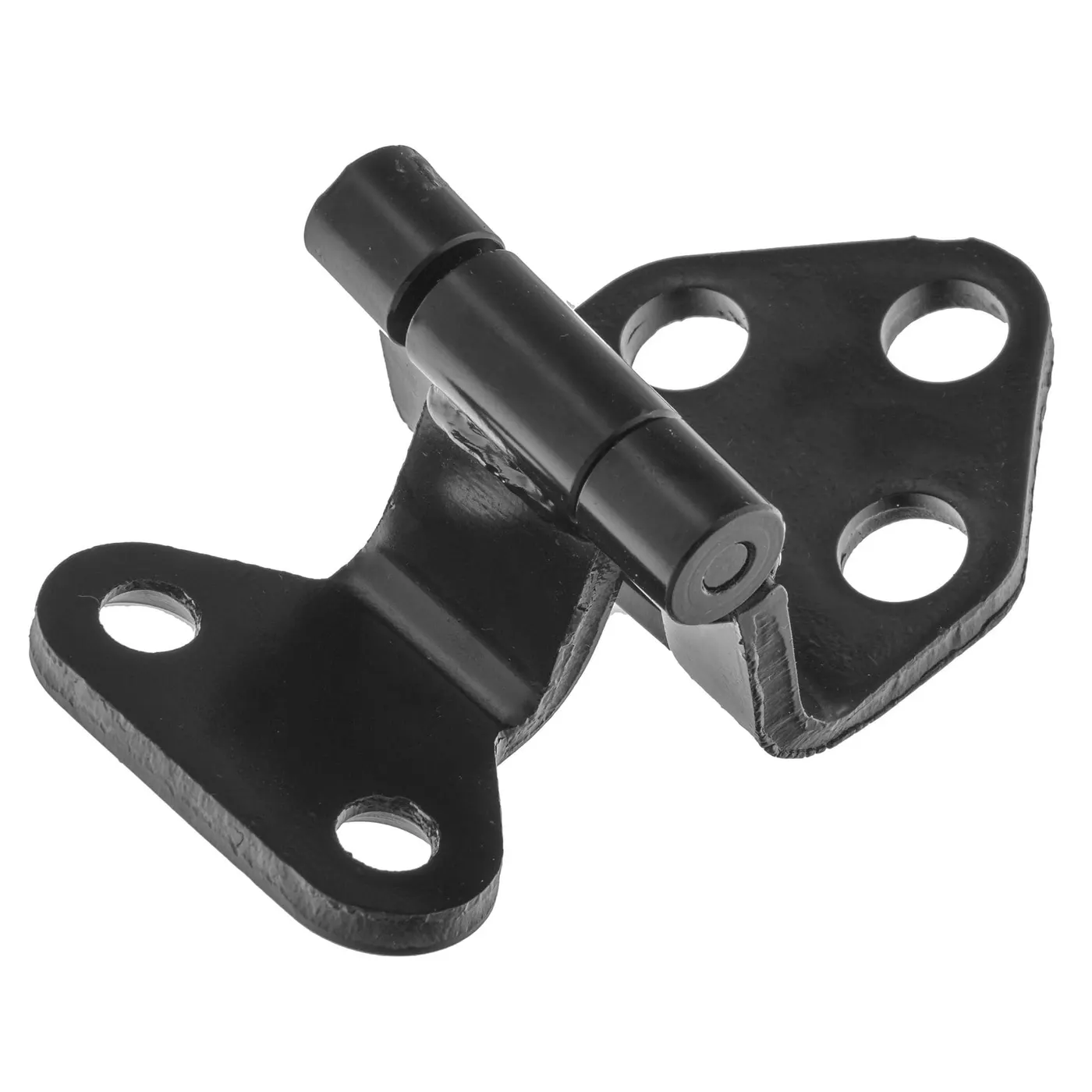
The hinge reinforcement of a tailgate is an important component that provides additional strength and support to the hinge attachment points. The hinges connect the tailgate to the vehicle's body and allow it to pivot open and closed.
Since the tailgate is a moving part that experiences repetitive opening and closing cycles, it is subject to various forces and stresses. The hinge reinforcement helps distribute these forces and prevents the tailgate from sagging, misaligning, or failing over time.The hinge reinforcement is typically a metal bracket or plate that is integrated into the structure of the tailgate. It is strategically positioned near the hinge attachment points, reinforcing the area and providing extra stability.
The design and construction of the hinge reinforcement can vary depending on the specific vehicle and tailgate design. However, the reinforcement is typically made of a strong and durable material, such as steel or aluminum, to withstand the loads and stresses encountered during normal operation.By reinforcing the hinge attachment points, the hinge reinforcement helps ensure proper alignment and smooth operation of the tailgate. It also helps prevent excessive stress on the hinges, reducing the risk of damage or premature wear.
Gas stay reinforcement
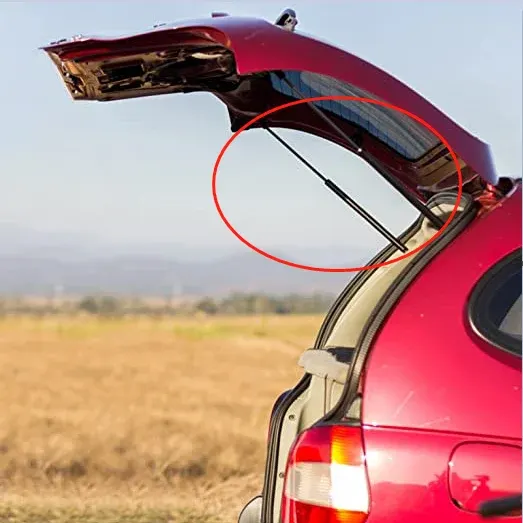
A gas strut, also known as a gas spring or gas stay, is a mechanical device that assists in the opening and closing of the tailgate. It uses compressed gas in a piston-cylinder arrangement to provide controlled force and damping.While a gas strut helps with the smooth operation of the tailgate, there is typically no separate "gas stay reinforcement" specifically associated with it. Instead, the mounting points of the gas strut on the tailgate and the vehicle's body are designed to withstand the forces exerted during tailgate operation.
The tailgate itself may have reinforcement structures or brackets integrated into its construction to ensure proper attachment and support for the gas struts. These reinforcements are typically designed to handle the specific forces and stresses exerted by the gas struts during the opening and closing of the tailgate.The gas struts are usually mounted on the sides of the tailgate and are connected to fixed mounting points on the vehicle's body. They provide the necessary lifting force to assist in raising the tailgate and hold it in an open position when fully extended. When closing the tailgate, the gas struts offer controlled resistance to prevent it from slamming shut.
The design and construction of the gas struts, as well as the mounting points on the tailgate and the vehicle's body, are engineered to ensure proper functionality, durability, and safety of the tailgate system.
Wiper motor reinforcement
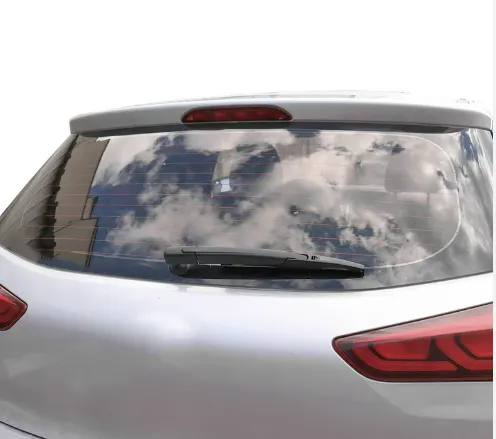
The wiper motor reinforcement of a tailgate refers to the structural support or reinforcement measures taken to ensure that the wiper motor and associated components are securely attached and properly integrated into the tailgate assembly. This reinforcement helps to withstand the forces and vibrations generated by the wiper motor during its operation.
The wiper motor is responsible for driving the wiper arms and blades to clear the rear window of a vehicle. In a tailgate configuration, the wiper motor is typically mounted within the tailgate itself, and the wiper arm extends from there to reach the rear window.
To ensure the wiper motor remains securely attached and effectively transfers the necessary power to the wiper arms, several reinforcement measures are often implemented:
-
Mounting Bracket: A sturdy mounting bracket or frame is typically used to attach the wiper motor to the tailgate. This bracket is designed to provide stability and prevent excessive movement or vibration of the motor during operation.
-
Reinforced Attachment Points: The attachment points of the wiper motor to the tailgate may be reinforced or strengthened to handle the forces generated during the movement of the wiper arms. This can involve using reinforced fasteners, additional welds, or structural reinforcements to ensure a secure connection.
-
Structural Integrity: The overall structural design and construction of the tailgate may include reinforcement elements to support the wiper motor. These reinforcements can be in the form of additional braces, gussets, or reinforcement panels integrated into the tailgate assembly.
The specific design and construction of wiper motor reinforcement can vary depending on the vehicle manufacturer and model. The aim is to provide a robust and reliable mounting system that minimizes vibrations, maintains proper alignment, and ensures smooth operation of the rear wiper system.
Latch/striker reinforcement
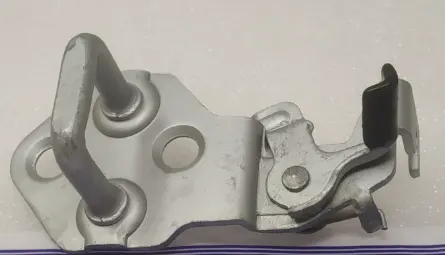
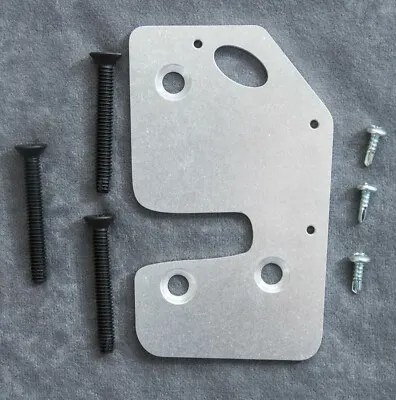
The latch/striker reinforcement of a tailgate refers to the measures taken to strengthen and secure the latch and striker components that hold the tailgate in the closed position. These reinforcements help ensure that the tailgate latches securely, remains aligned, and resists any excessive forces or vibrations.
The latch/striker system typically consists of two main components:
-
Latch: The latch is a mechanism located on the tailgate that engages with the striker to securely hold the tailgate in the closed position. It typically includes a locking mechanism that prevents accidental opening of the tailgate. The latch may be actuated by a handle or release button inside the vehicle's cabin.
-
Striker: The striker is a metal plate or pin located on the vehicle's body, usually on the rear bumper or body frame. It serves as the counterpart to the latch, providing a point of engagement when the tailgate is closed. The latch engages with the striker to hold the tailgate securely in place.
To reinforce the latch/striker system, several measures are commonly taken:
-
Reinforced Materials: The latch and striker components are often made of durable materials, such as steel or hardened alloys, to provide strength and resistance against wear and deformation. This ensures that the latch/striker can handle the repeated forces and maintain proper engagement over time.
-
Reinforced Mounting Points: The mounting points for the latch and striker are reinforced or designed to handle the forces exerted during tailgate operation. This can involve using thicker or reinforced brackets, additional welds, or structural reinforcements to ensure a secure connection between the tailgate and the vehicle's body.
-
Alignment and Adjustability: Proper alignment between the latch and striker is crucial for smooth operation and secure latching. Reinforcement measures may include design considerations that allow for adjustments in the position of the striker or latch to ensure precise alignment and engagement.
By reinforcing the latch/striker system, the tailgate remains securely closed, even when subjected to vibrations, road conditions, or external forces. This enhances the safety, functionality, and overall durability of the tailgate assembly.
Hemming
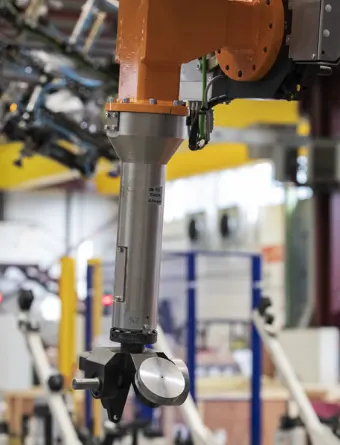
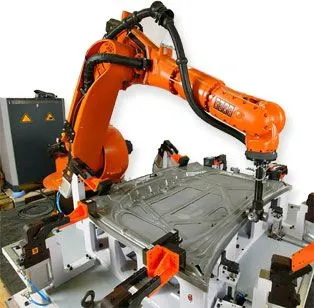
Hemming is a manufacturing process used in the automotive industry and other fields to fold and secure the edge of a sheet metal component. It involves bending the edge of a metal sheet over itself to create a double-layered or folded edge, resulting in a smooth and safe finish.
Hemming serves multiple purposes, including improving the structural integrity, safety, and aesthetics of the sheet metal component. It helps prevent sharp edges or exposed raw edges that could cause injury to individuals handling the component or damage to surrounding parts.
The hemming process typically involves the following steps:
-
Preparing the Sheet Metal: The metal sheet is first cut and formed into the desired shape, leaving one edge open for hemming.
-
Flanging: In this step, a flange or lip is created by bending a portion of the metal sheet perpendicular to the surface. This flange provides the material required for the hemming operation.
-
Hemming: The flanged edge is then folded over onto the adjacent surface, creating a double-layered or folded edge. This folding can be performed using various methods, such as mechanical hemming tools, press brakes, or specialized hemming machines. The folded edge is typically secured by either welding, adhesives, or other fastening techniques.
-
Finishing: After the hemming process, the folded edge is usually smoothed or finished to ensure a consistent and visually appealing appearance. This may involve grinding, polishing, or applying coatings or protective finishes to the hemmed edge.
Hemming is commonly used in automotive applications for various components, including doors, hoods, fenders, trunk lids, and other body panels. It helps improve the overall fit and finish of the vehicle and contributes to its safety and durability.
TYPES OF MATERIALS USED FOR MANUFACTURING TAILGATE
Tailgates for vehicles can be manufactured using various materials, depending on factors such as the vehicle type, desired characteristics, and production requirements. Here are some common materials used for manufacturing tailgates:
-
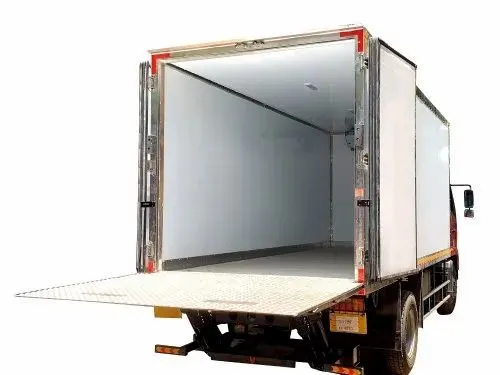
Steel: Steel is a widely used material for tailgates due to its strength, durability, and cost-effectiveness. It offers excellent structural integrity and can withstand heavy loads and impacts. Different grades of steel, such as high-strength or galvanized steel, may be used to enhance strength and corrosion resistance.
-
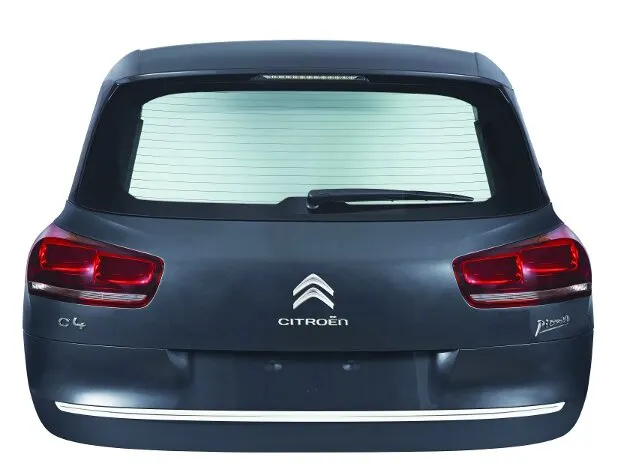
Aluminum: Aluminum is another popular material for tailgates, especially in applications where weight reduction is a priority. Aluminum is lighter than steel, which can contribute to improved fuel efficiency and handling. It also exhibits good resistance to corrosion.
-
Composite Materials: Some tailgates incorporate composite materials, such as fiberglass-reinforced plastic (FRP) or carbon fiber-reinforced polymer (CFRP). These materials are lightweight, strong, and offer design flexibility. Composite tailgates can provide a good balance between weight reduction and structural integrity.
-
Magnesium: In certain cases, tailgates may be manufactured using magnesium alloys. Magnesium is one of the lightest structural materials available, providing weight savings compared to steel or aluminum. However, magnesium tailgates are less common and typically found in high-end or performance vehicles due to cost considerations.
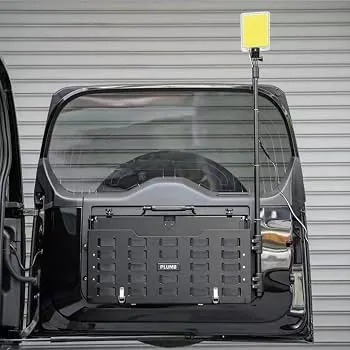
The choice of material for tailgate manufacturing depends on various factors, including vehicle type (e.g., trucks, SUVs, sedans), intended use (e.g., commercial, recreational), desired characteristics (e.g., strength, weight, corrosion resistance), and cost considerations.
It's worth noting that manufacturers may also use a combination of materials, such as using steel for the main structure and aluminum or composites for specific components or panels, to optimize the tailgate's performance and meet specific requirements.
Each material has its advantages and considerations, and the selection depends on a balance between factors like cost, weight reduction, strength, durability, and aesthetic appeal.
MANUFATURING OF BACKDOOR
The manufacturing process for automobile tailgates involves several steps that may vary depending on the specific design, materials, and production methods used by the manufacturer. However, here is a general overview of the typical manufacturing process for automobile tailgates:
-
Design and Engineering: The process begins with the design and engineering of the tailgate. This involves conceptualizing the shape, dimensions, functionality, and styling of the tailgate while considering factors such as aerodynamics, structural integrity, and safety regulations.
-
Material Selection: The appropriate materials for the tailgate are selected based on factors such as strength, weight, cost, and aesthetics. Common materials include steel, aluminum, and composites. The chosen material(s) are then ordered and prepared for the manufacturing process.
-
Sheet Metal Preparation: If the tailgate is made of sheet metal, the metal sheets are typically cut to the required size and shape using cutting processes such as shearing, laser cutting, or waterjet cutting.
-
Forming and Stamping: The sheet metal is shaped and formed using various processes such as stamping, bending, rolling, or hydroforming. These processes shape the metal sheets into the desired contours and dimensions of the tailgate.
-
Joining and Welding: Different components of the tailgate, such as inner and outer panels, reinforcements, and brackets, are joined together through welding, adhesive bonding, or mechanical fastening techniques. Welding is commonly used for attaching structural components and creating strong and secure joints.
-
Surface Treatment: The tailgate may undergo surface treatment processes to enhance its appearance and protection against corrosion. This can include cleaning, grinding, sanding, priming, and painting. Powder coating or other finishing techniques may also be used.
-
Assembly and Integration: Various components and hardware, such as hinges, latches, handles, wiper mechanisms, and electrical connections, are integrated into the tailgate. These components are typically aligned, attached, and tested to ensure proper operation and fit.
-
Quality Control and Testing: Throughout the manufacturing process, quality control measures are implemented to ensure the tailgate meets the required standards and specifications. Testing may include functional tests, dimensional checks, and inspections for visual defects or imperfections.
-
Packaging and Shipping: Once the tailgate passes all quality control checks, it is packaged and prepared for shipping to the assembly line or distribution centers for installation on vehicles.
DESIGN OF BACK DOOR USING NX CAD
Thickness of Different Components :-
(i) Backdoor Outer Panel - Upper : 0.75mm
(ii) Backdoor Outer Panel – Lower : 0.75mm
(iii) Backdoor Inner Panel : 0.75mm
(iv) Reinforcements :
(a) Hinge Reinforcements : 1.5mm .
(b) Gas Stay Reinforcements : 1.5mm .
(c) Latch and Striker Reinforcements : 1.5mm .
(d) Wiper Motor Reinforcements : 1.5mm .
Backdoor Outer Panel - Upper
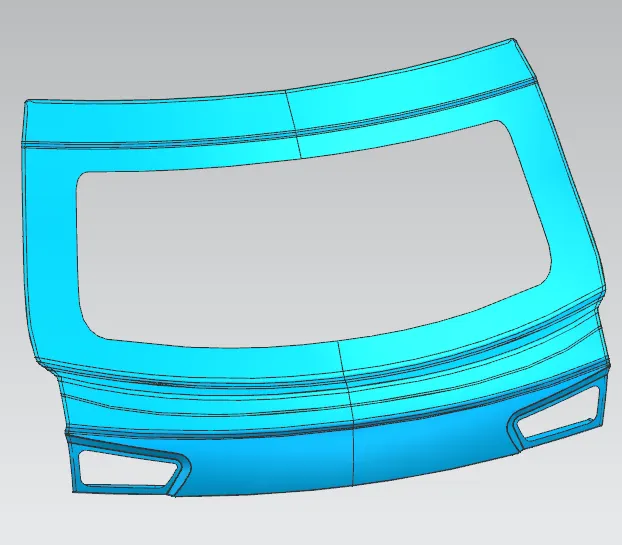
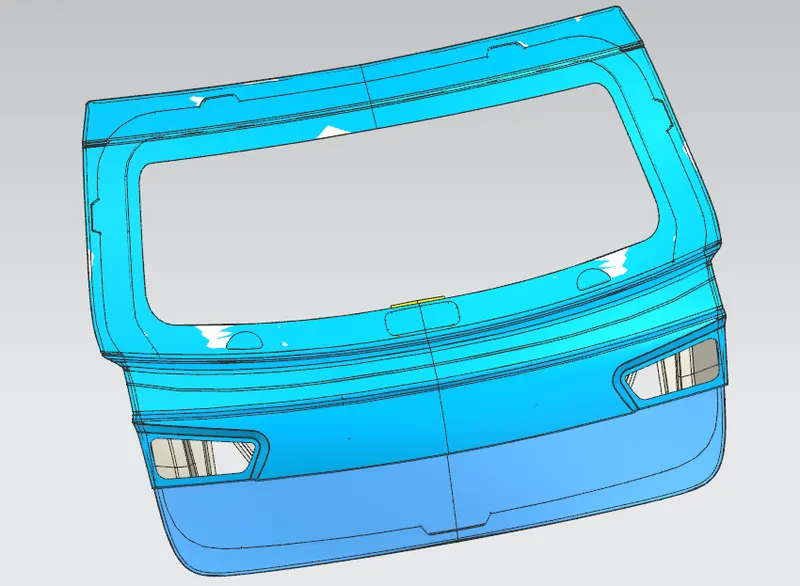
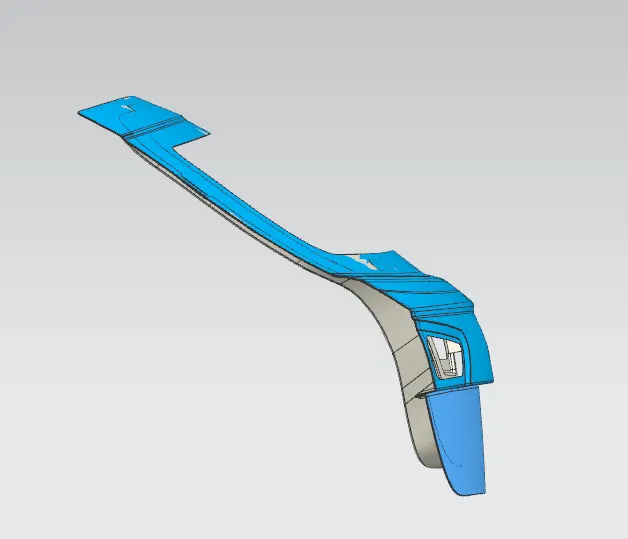
This is the upper covering panel of the Backdoor . This is the part, where the windshield and the tail lamp of the automobile lies .The coating provided is of multi stage which has the property of scratch and crack resistance. It has a smooth and attractive finishes. Its thickness is of 0.75mm. It covers the inner panel of the back door.
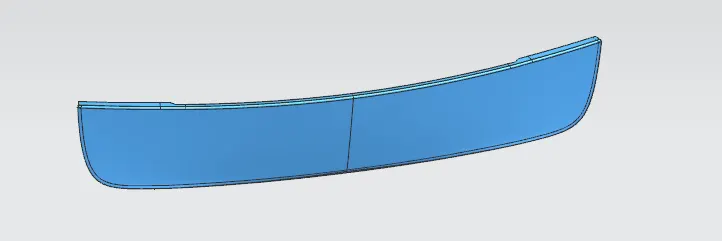
LOWER PANEL
INNER PANEL
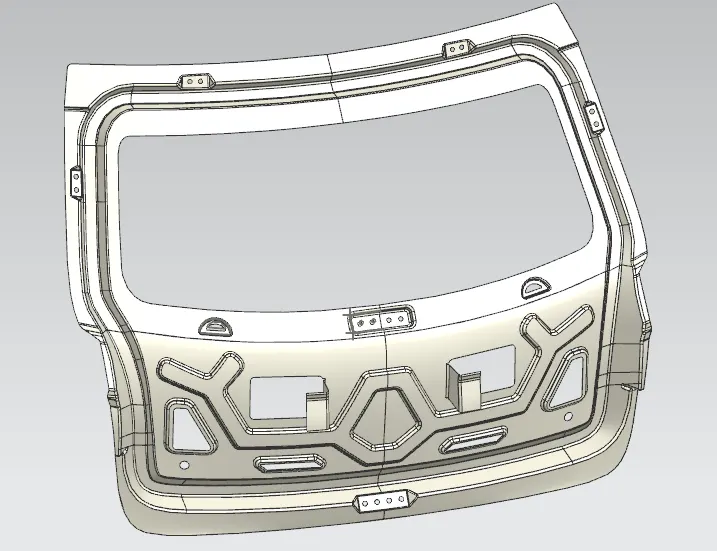
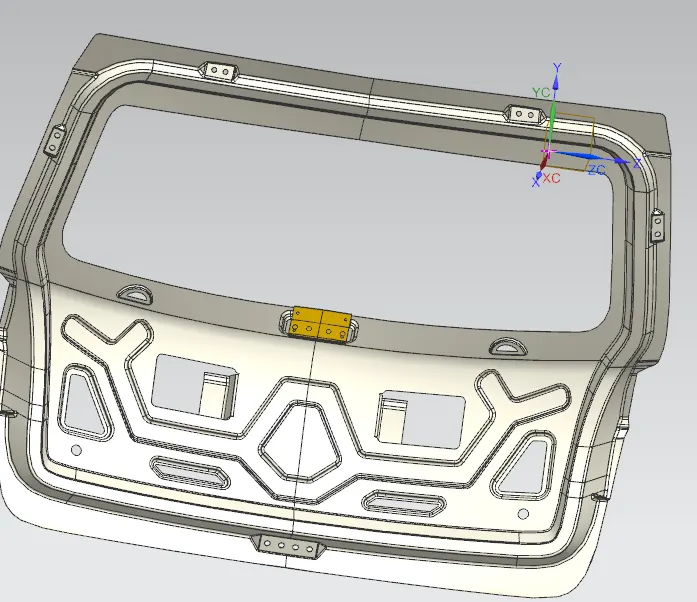
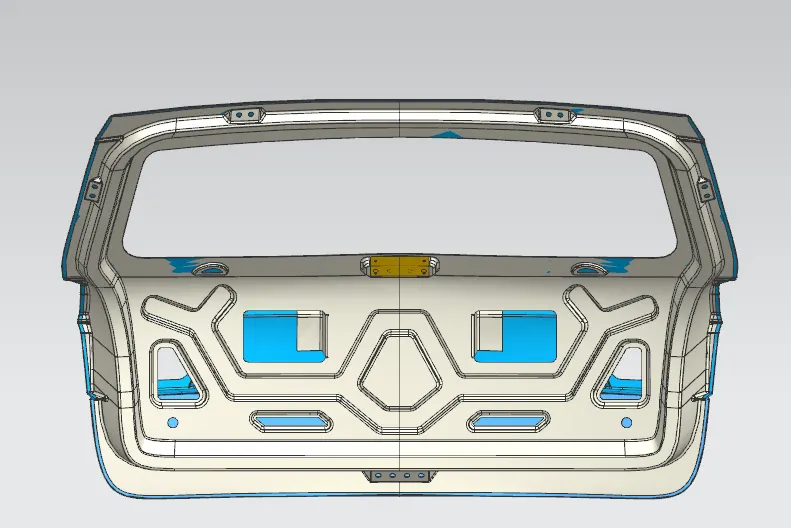
The inner Panel is a component which is used for strengthening the door and it is one of the most important components on which all accessories are mounted like hinges, glass guide channel, mounted trim, latch etc.., The possible method is the integration method. In the integration method, the part is stamped out of a single blank. This reduces the number of tools needed the assembly cost and eliminates any fit ability problem.
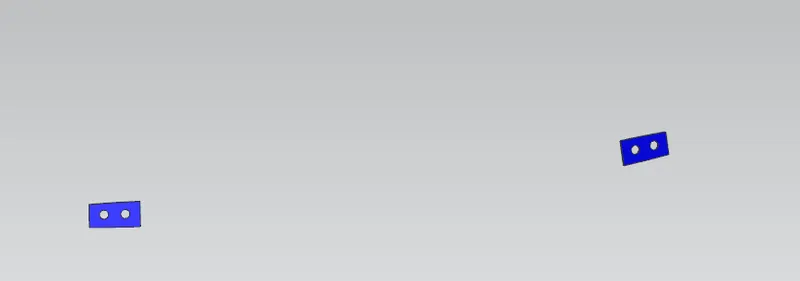
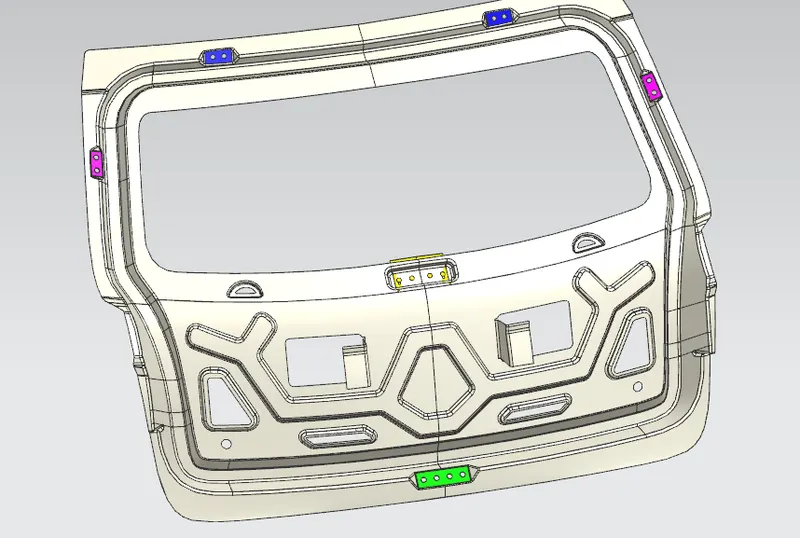
Hinge Reinforcement LH & RH :
Hinges support the weight of the whole backdoor. Hence a reinforcement are provided here too. Emboss is designed such that the hinges should operated freely. The electrical wiring looms are through the holes along the periphery to keep them hidden.
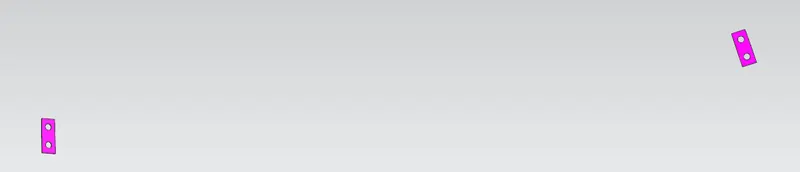
Gas stay Reinforcement LH & RH:
An angled or Diabolic emboss is provided for the gas stay mounts. The angle makes it easy to be machined and stamped. It is reniforcement with a thicker sheet.
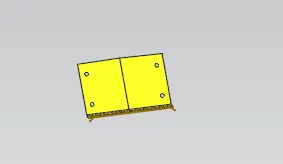
Wiper motor Reinforcement:
A dedicated space near the window is left for wiper motor assembly. A cavity is placed in the middle of the panel for the necessary components in the assembly as well as other accessories.
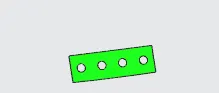
Latch and strikere Reinforcement:
At the bottom of the latch and striker assembly. Generally a key operated or automatic remotely controllable locking mechanism is used to keep the door closed and open.
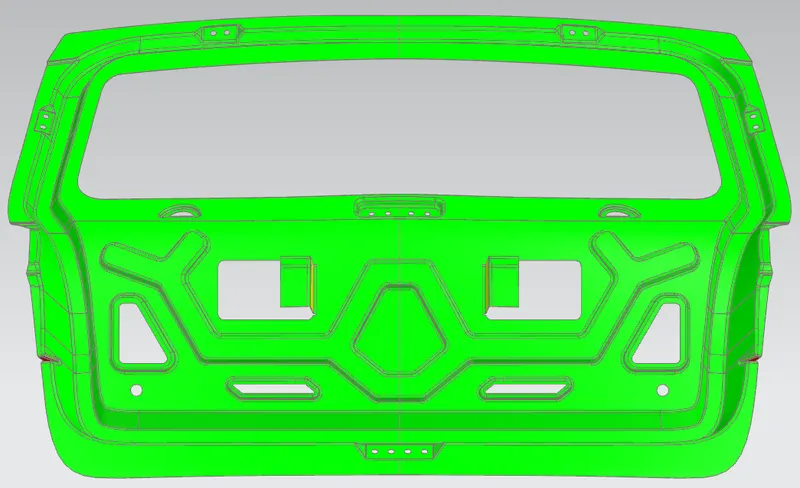
DRAFT ANALYSIS
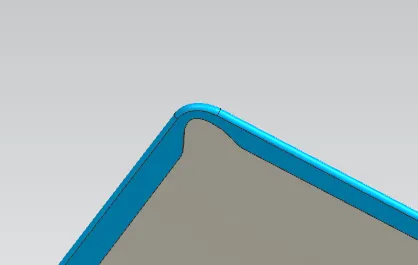
Hemming & corner relief:
Hemming is a forming operation in which the edges of the sheet are folded over another part in order to achieve a tight fit. Usually hemming operations are used to connect parts together, to improve the appearance of a part and to reinforce part edges.
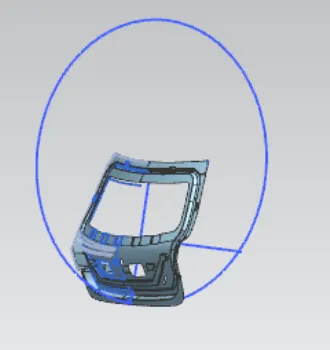
Positioning of Latch & striker/ Latch Trajectory:
Backdoor is the swinging part which rotates about hinge axis. The position and orientation of latch striker is important for proper opening and closing of the backdoor. The positioning is done by sketching a circle with center as the axis of the hinge which passes through the striker at appropriate position with respect to inner panel.
VIEWS
CONCLUSION:
- The back door outer and inner panel were designed with the help of the styling surface along the tooling direction.
- Draft analysis was performed on the inner panel and All the reinforcements were designed and placed at appropriate positions.