Fender Design - Wheel Arch Challenge
WHEEL ARCH CALCULATION
WHEEL ARCH
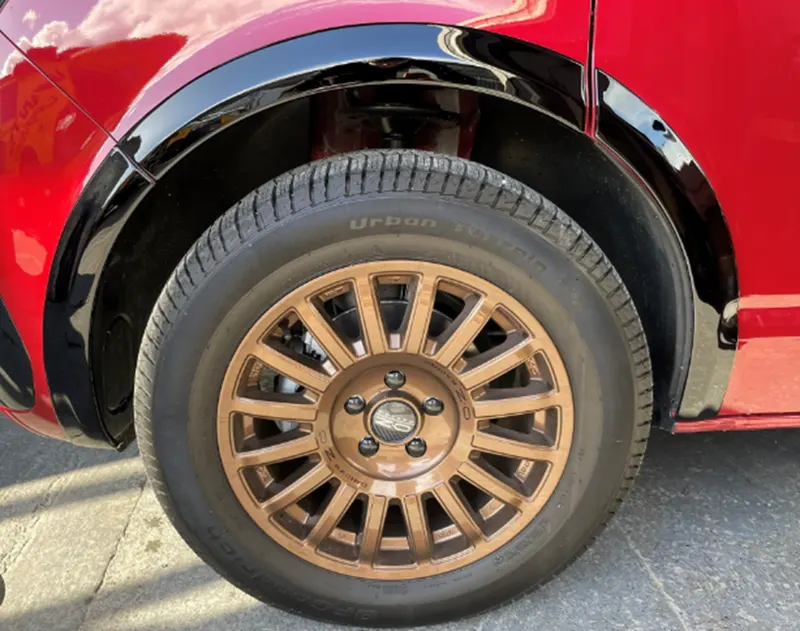
The wheel arch, also known as the wheel well or fender, is the curved or flared area of a vehicle's bodywork that surrounds the wheel and tire. It is an integral part of the vehicle's design and serves several functions:
TIRE CLEARANCE: The wheel arch provides the necessary space for the tire to move up and down as the suspension compresses and extends. It ensures that the tire does not come into contact with the bodywork, preventing damage and allowing for smooth suspension movement.
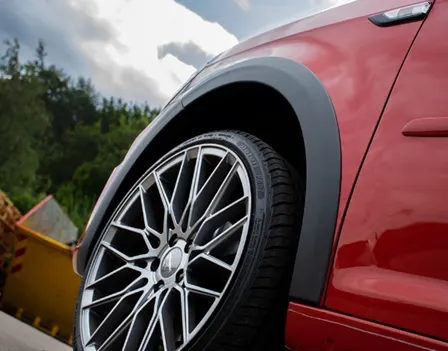

PROTECTION: The wheel arch helps shield the rest of the vehicle's bodywork from debris, water, and other elements thrown up by the rotating tire. It helps prevent damage to the vehicle's paint, underbody, and other components.
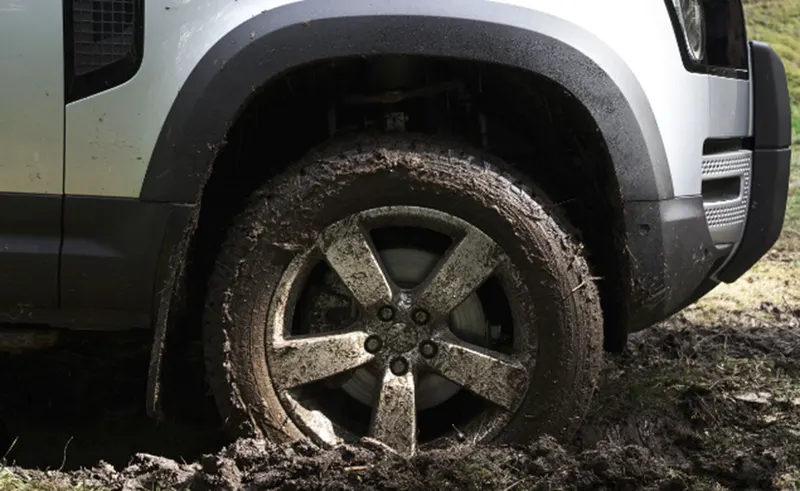
AESTHETIC DESIGN: The shape and style of the wheel arch contribute to the overall appearance of the vehicle. Different vehicle models may have varying wheel arch designs, ranging from subtle curves to more pronounced flares, depending on the vehicle's design language and intended purpose. Wheel arches can add a sporty or rugged look to a vehicle's exterior.
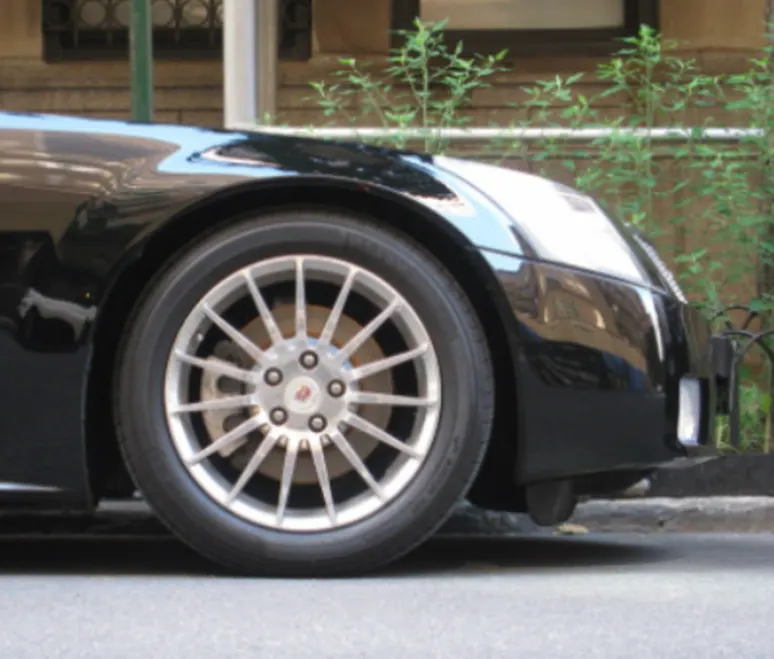
CUSTOMIZATION: Some vehicle owners choose to modify or enhance their wheel arches for aesthetic or functional purposes. This can include adding wider wheel arch extensions, known as fender flares, to accommodate larger tires or achieve a more aggressive stance.
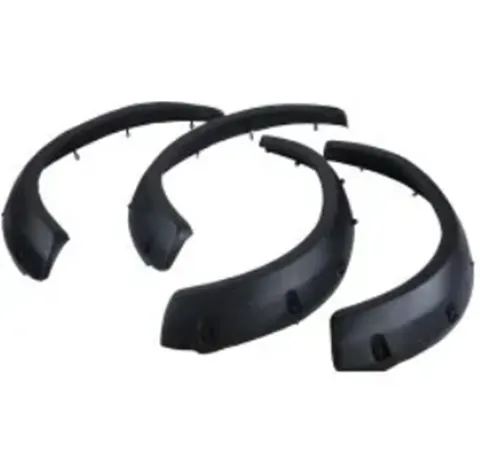
Overall, the wheel arch plays an important role in ensuring proper tire clearance, protecting the vehicle, and contributing to its visual appeal.
WHEEL ARC CALCULATION
To calculate the wheel arc of a vehicle, you need to consider a few factors such as the tire size, suspension travel, and the desired clearance. Here's a step-by-step process to calculate the wheel arc:
DETERMINE THE TIRE SIZE: Identify the tire size of your vehicle. It is usually expressed as a combination of numbers and letters, such as "225/55R17." The first number represents the tire width in millimeters, the second number indicates the aspect ratio (the height of the sidewall as a percentage of the width), and the last number denotes the rim diameter in inches.
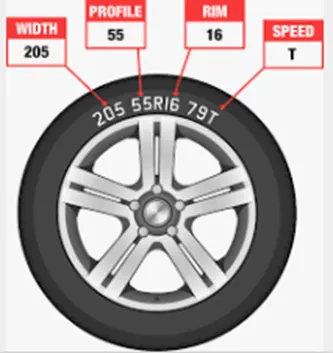
CALCULATE THE TIRE RADIUS: To determine the radius of the tire, convert the rim diameter from inches to millimeters. Multiply the rim diameter by 25.4 to get the rim diameter in millimeters. Then, divide the tire width by 2 and add the product to the product of the aspect ratio and the tire width. Finally, convert the result to millimeters. The formula can be expressed as follows:
Tire Radius = (Rim Diameter * 25.4) + (Tire Width / 2) + (Aspect Ratio * Tire Width)
DETERMINE SUSPENSION TRAVEL: The suspension travel is the distance that the wheel can move up and down. It is typically measured in millimeters or inches. You need to identify the suspension travel value specific to your vehicle. If you are unsure, you can consult your vehicle's specifications or contact the manufacturer.
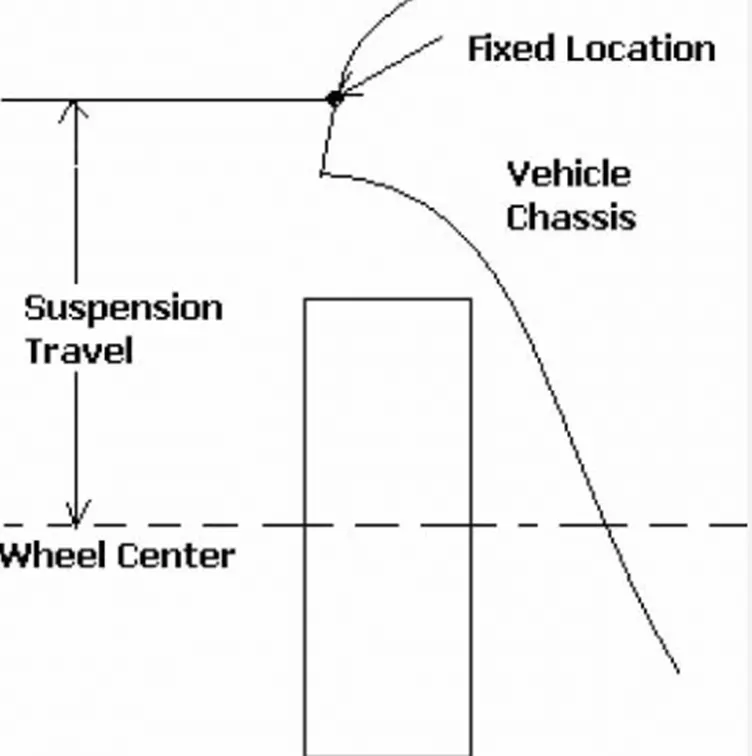
DECIDE ON THE DESIRED CLEARANCE: The desired clearance is the gap between the tire and the wheel arch when the suspension is fully compressed. This clearance depends on various factors such as the intended use of the vehicle, off-road capabilities, and personal preference. Typically, a clearance of 25-50mm (1-2 inches) is considered sufficient for most vehicles.
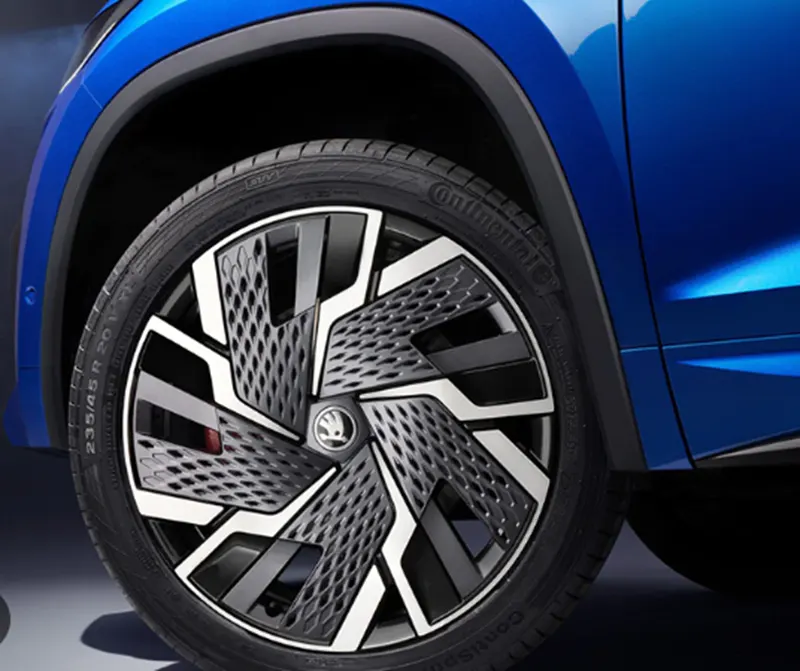
CALCULATE THE WHEEL ARC: Subtract the suspension travel and the desired clearance from the tire radius calculated in step 2. The resulting value represents the wheel arc. It indicates the additional space required within the wheel arch to accommodate the tire when the suspension is fully compressed.
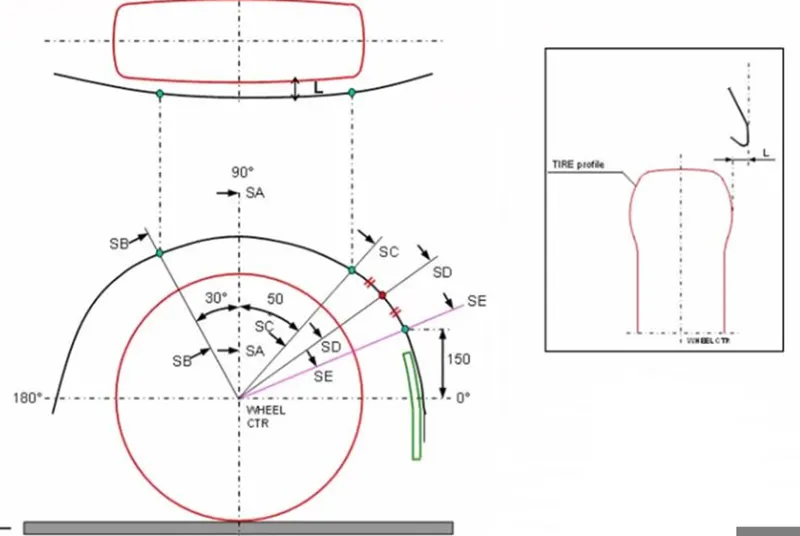
CALCULATIONS OF WHEEL ARCH AREA - EUROPEAN REGULATIONS
Given skin data for wheel arch.
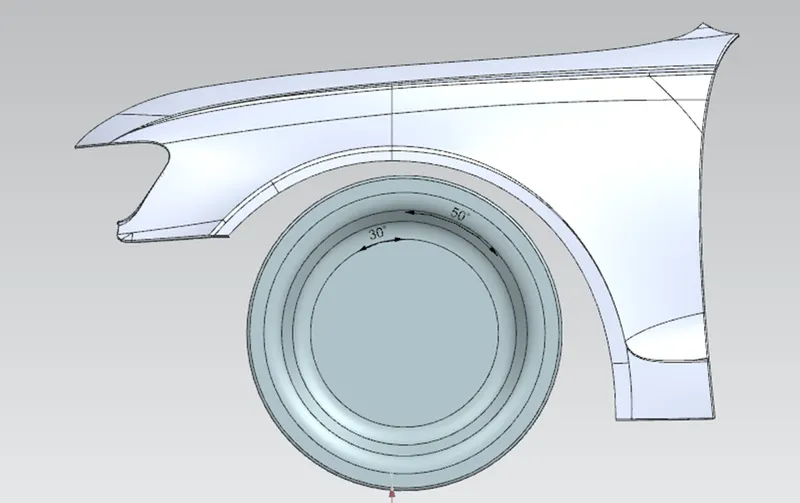
Steps to create a wheel arch calculation for the given data according to the European standards.
First open a NX CAD and create a datum plane on the last surface of the wheel.
Then create a sketch with the reference plane as the datum plane.
Then draw a line of 30 degree with respect to the left of the vertical line and name it as SA and calculate the distance between them.
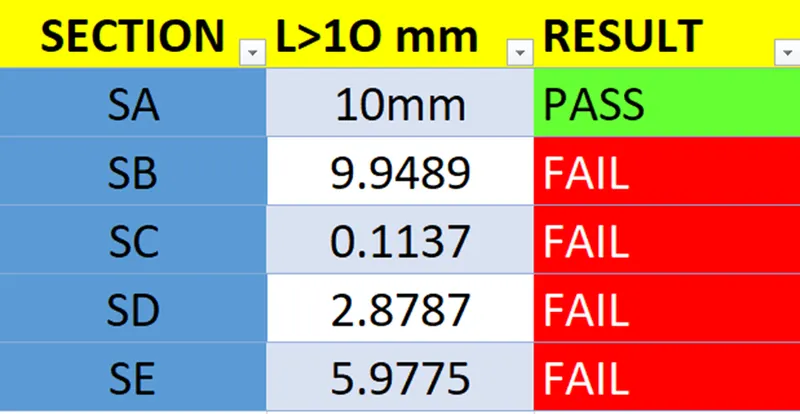
SA=10mm
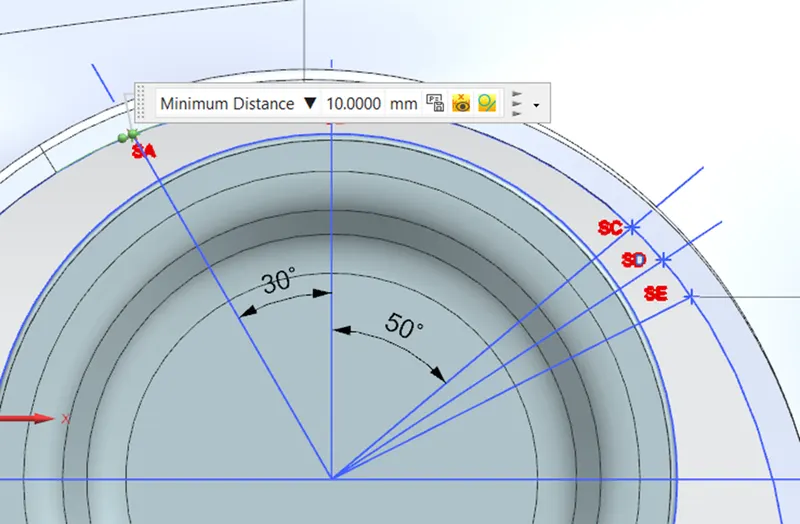
Then draw a line of 50 degree with respect to the left of the vertical line and name it as SB.
SB=9.9489
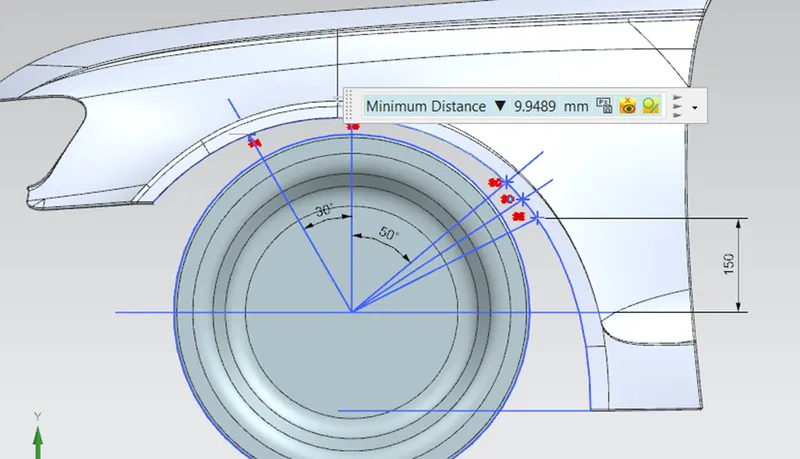
SC=0.1137mm
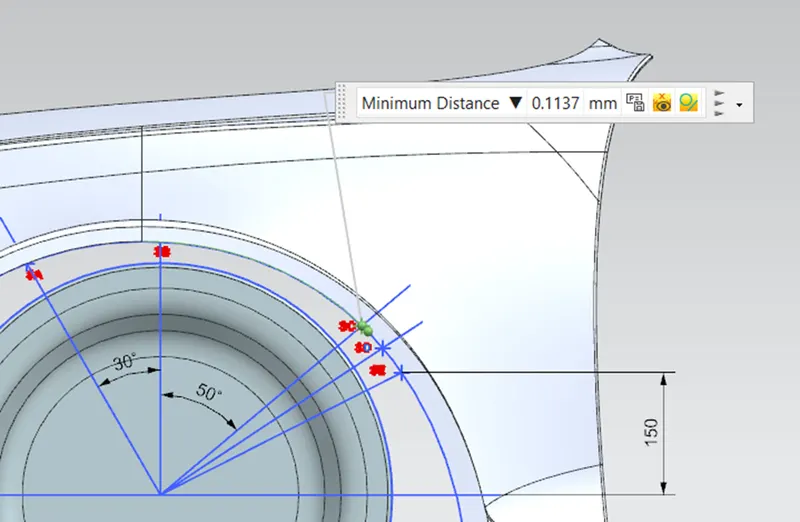
SD=2.8787
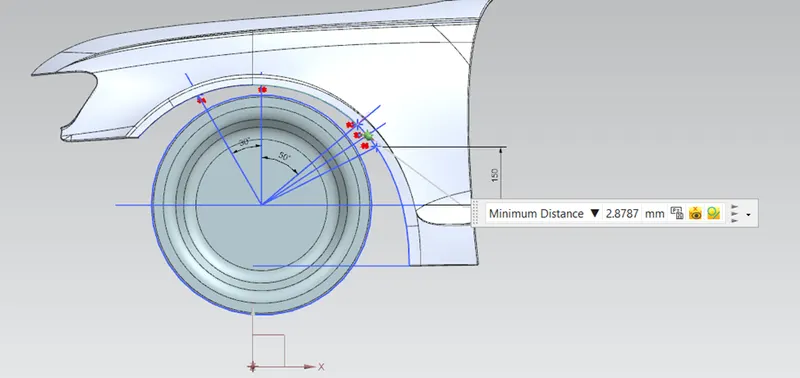
SE=5.9775
For SE line draw a point on the arc above the horizontal line of 150mm.
CONCLUSION
From the above results we can conclude that the Fender does not pass the European Regulations as the minimum clearance between the fender arch wheel to the outer most wheel is 10 mm and this design does not meet the this minimum clearance so this fender design is fail for the European Regulation standard.