Week 1: Channel flow simulation using CONVERGE CFD
Aim:
To run a channel flow stimulation for three different mesh size and interpret the results.
| Mesh cases | dx(m) | dy(m) | dz(m) |
|
case1 |
2e-4 | 2e-4 | 2e-4 |
| case2 | 1.5e-4 | 1.5e-4 | 1.5e-4 |
| case3 | 1e-4 | 1e-4 | 1e-4 |
Preparation:
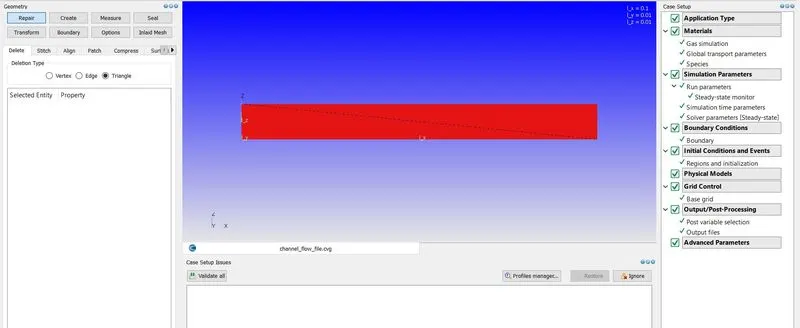
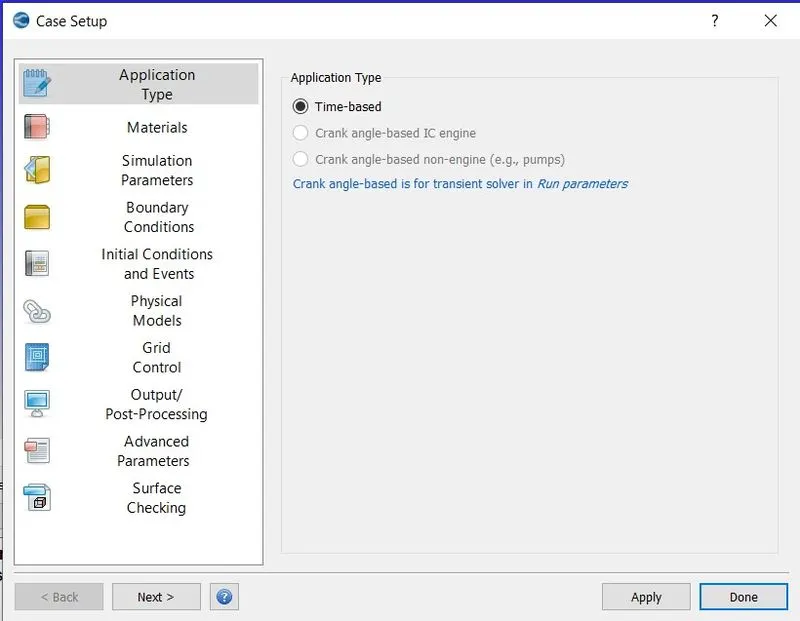
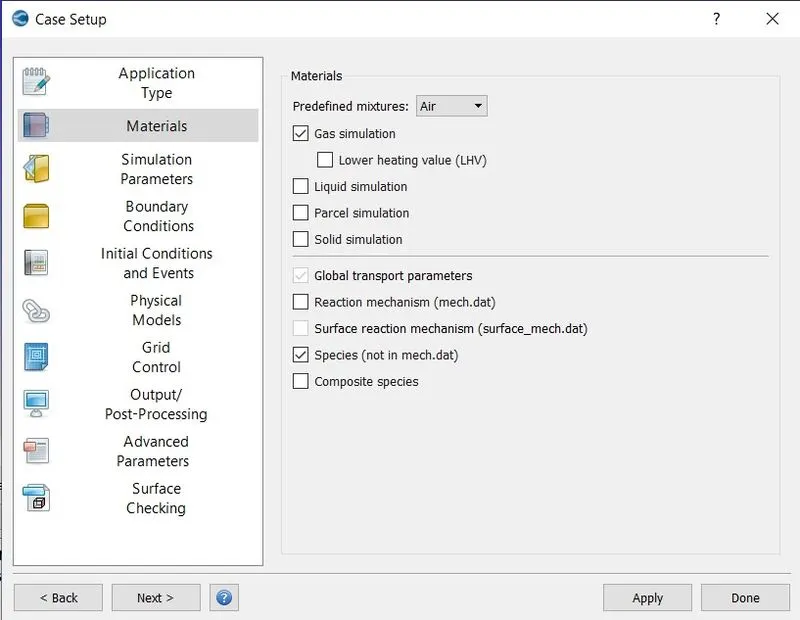
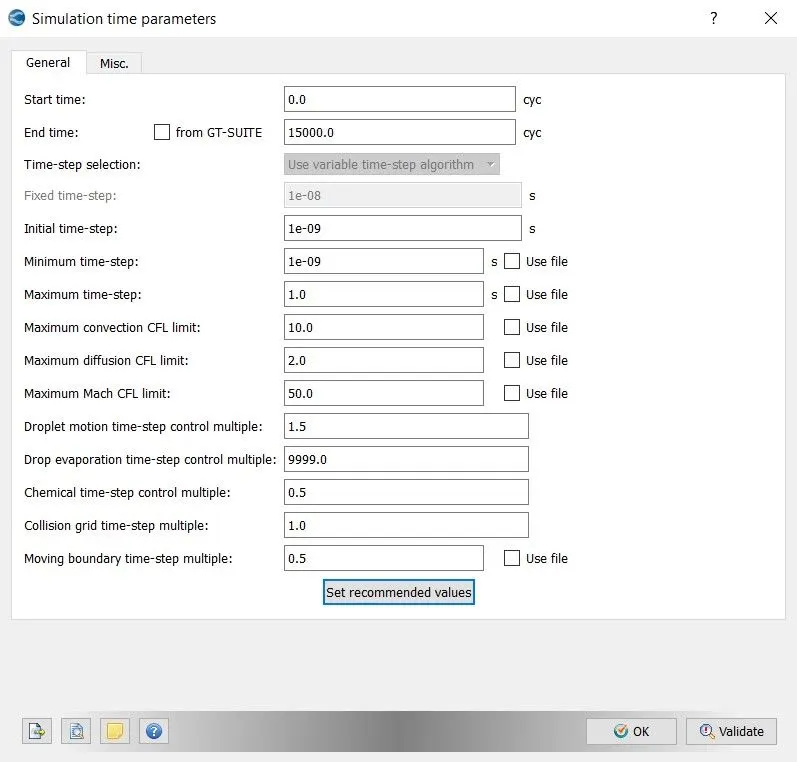
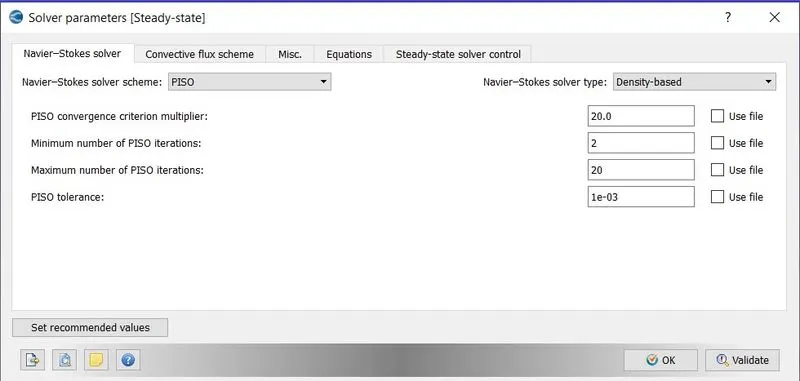
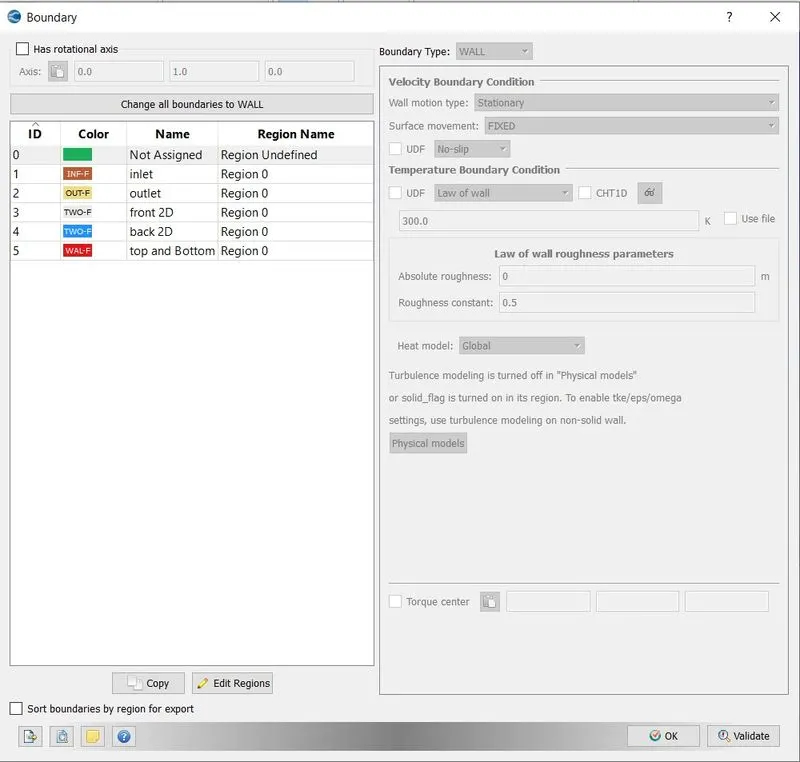
A channel geometry is created and the Case setup is done using the tutorial. A cuboid of dimension 0.1*0.01*0.01 with normal facing inside the cuboid and the boundary condition is set with pressure and temperature. Then move diagnosis of the geometry to check everything is right. Then to the case setup. Run a steady state density based stimulation with no reaction mechanism and make sure its not a turbulent flow setup. Set the boundary condition and region. Next move to Grid control ==> Base grid and set the mesh size and set the needed for post processing. Once the setup is done, export all input files to the new folder.
preparation image:
Case setup:
Material:
Stimulation parameter:
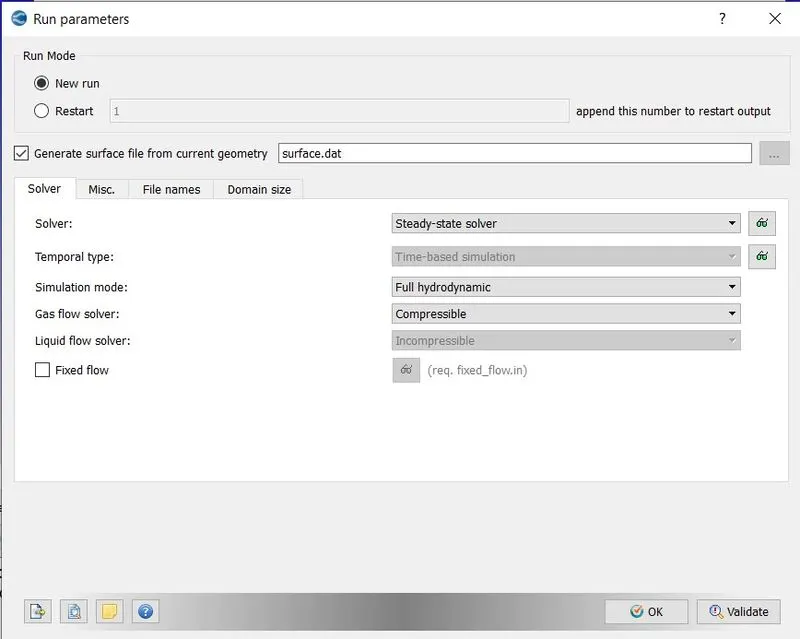
p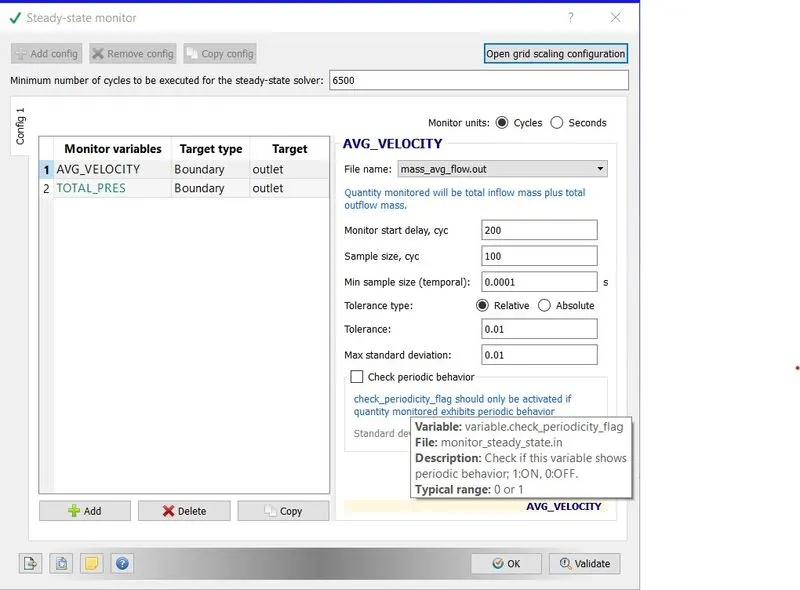
Boundary Condition:
Meshing:
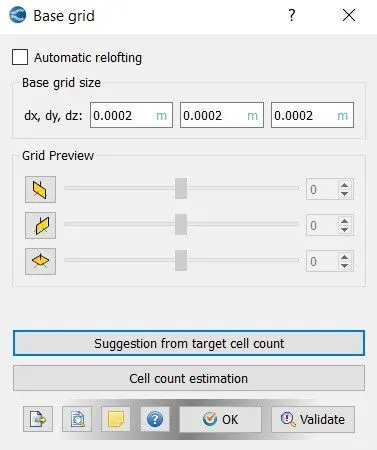
Code:
Open the Command Prompt of CYGWIN, move the folder where all the setup data are imported run this command.
mpiexec.exe -n 2 "C:\Program Files\Convergent_Science\CONVERGE\3.0.16\bin\intelmpi\converge.exe" restricted </dev/null> logfile $After the processing, use converge post-processor to post process the data to binary version which can be read by paraview.
Results:
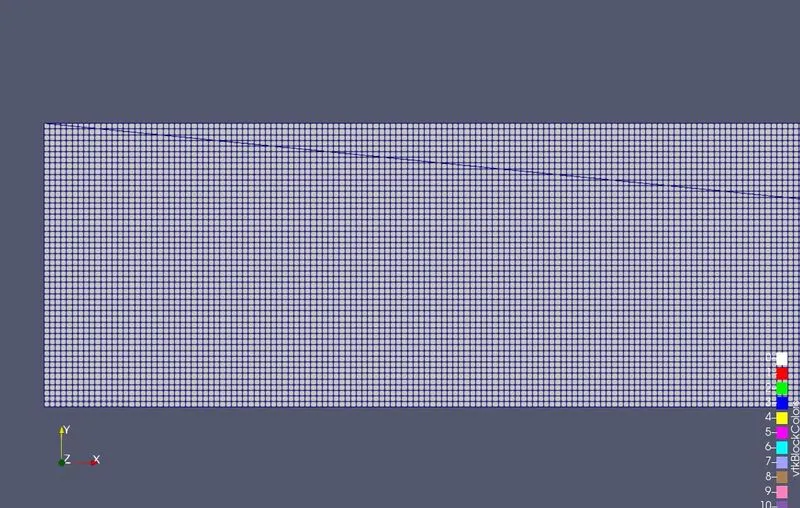
Mesh 0.2mm
Mesh Size:
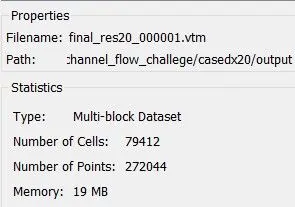
Cell count:
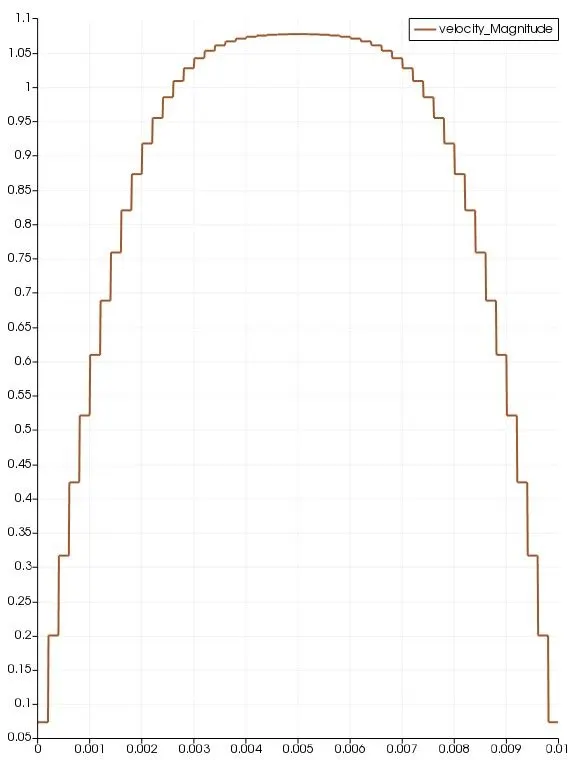
Graph line position:

Velocity graph:
Pressure graph:
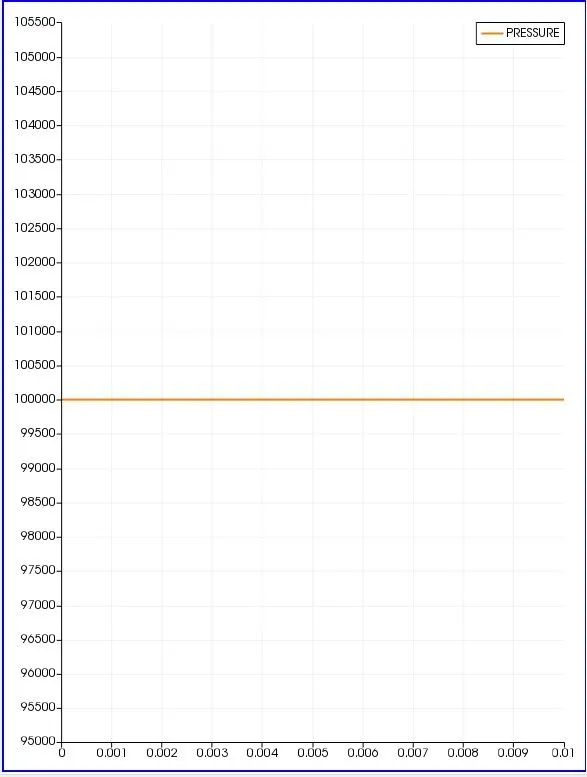
Mass Flow rate Graph:
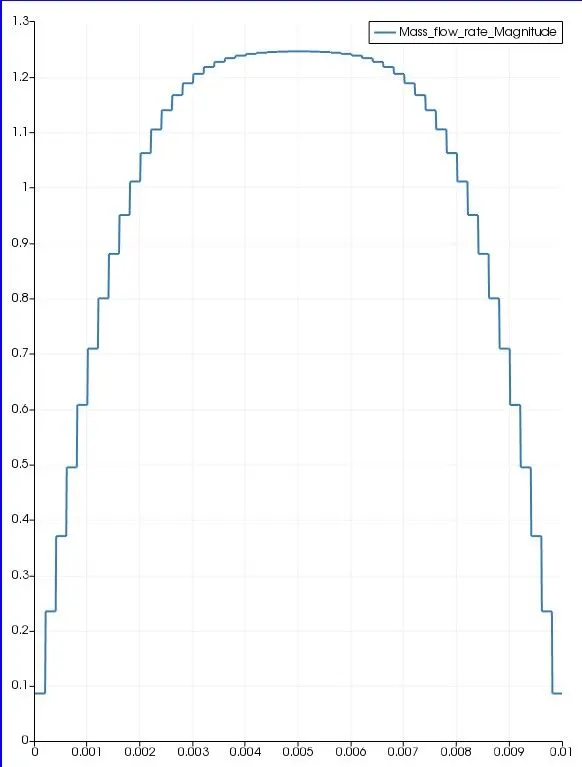
Velocity contours:
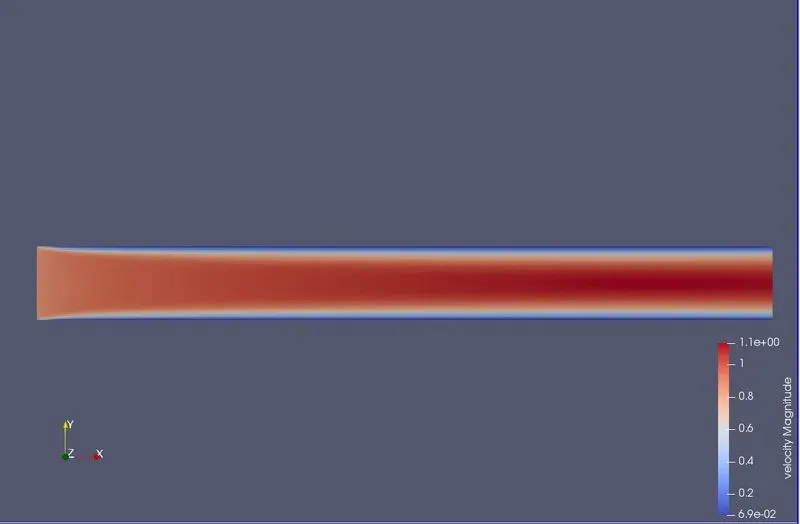
Pressure contours:
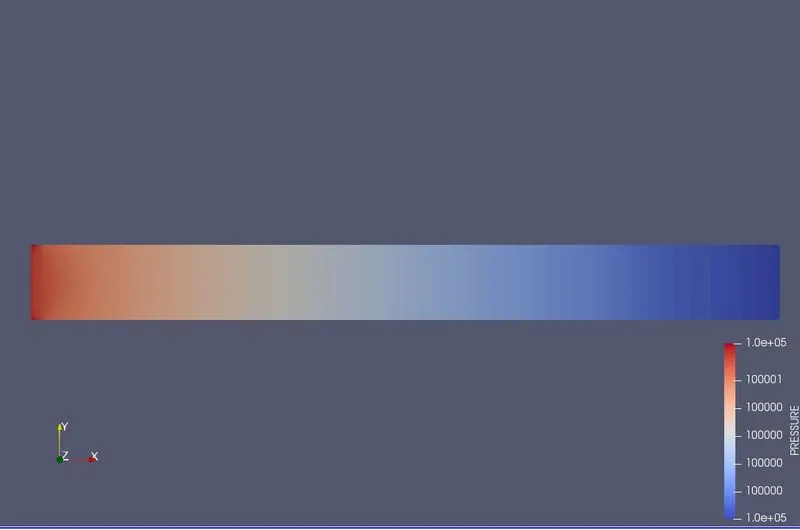
Velocity animation:
Pressure animation:
Mesh 0.15mm
Mesh Size:
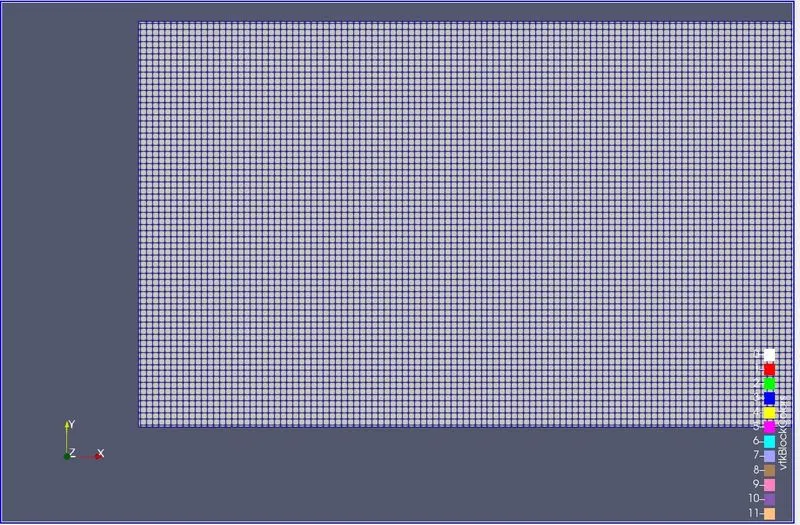
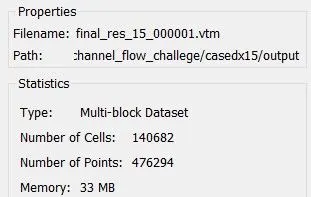
Cell count:
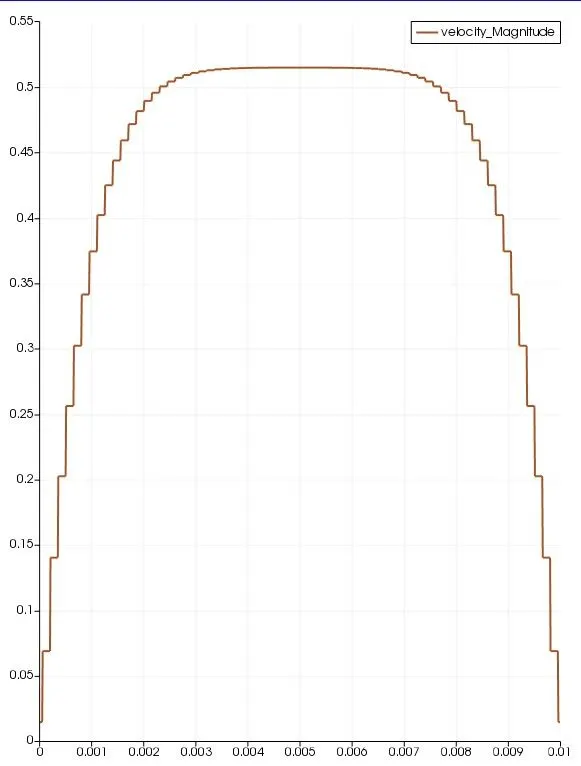
Velocity graph:
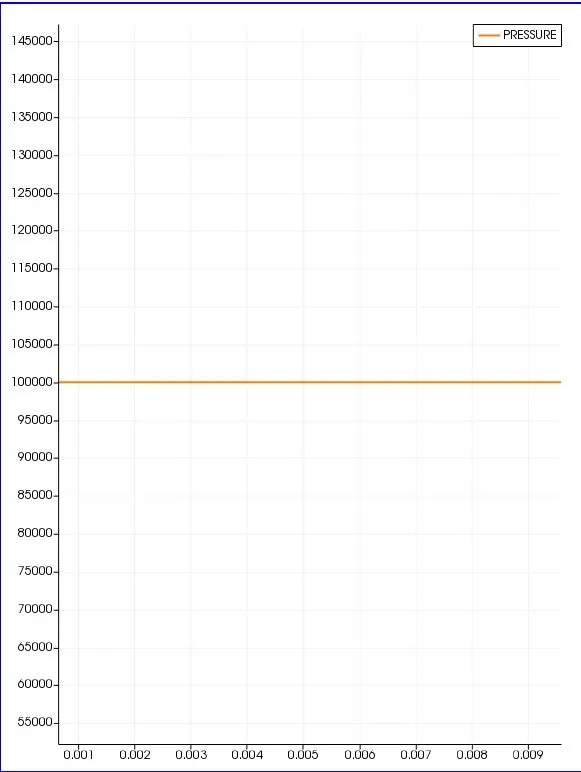
Pressure graph:
Mass Flow rate Graph:
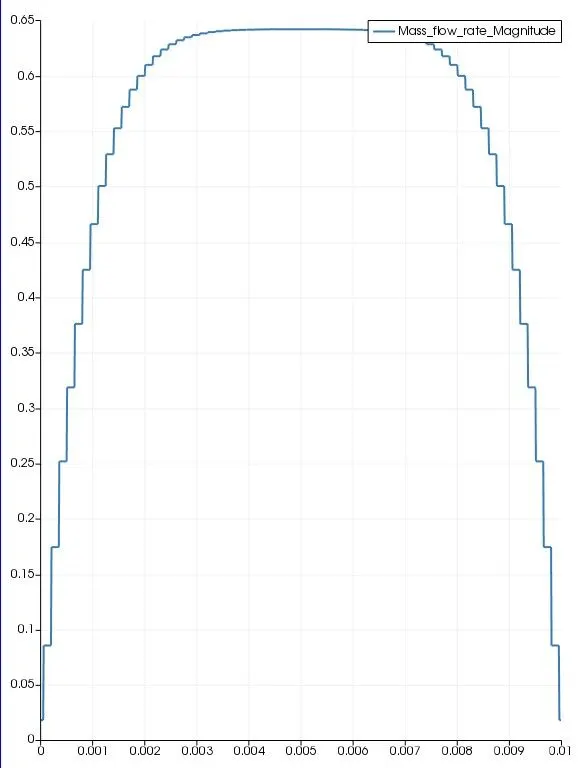
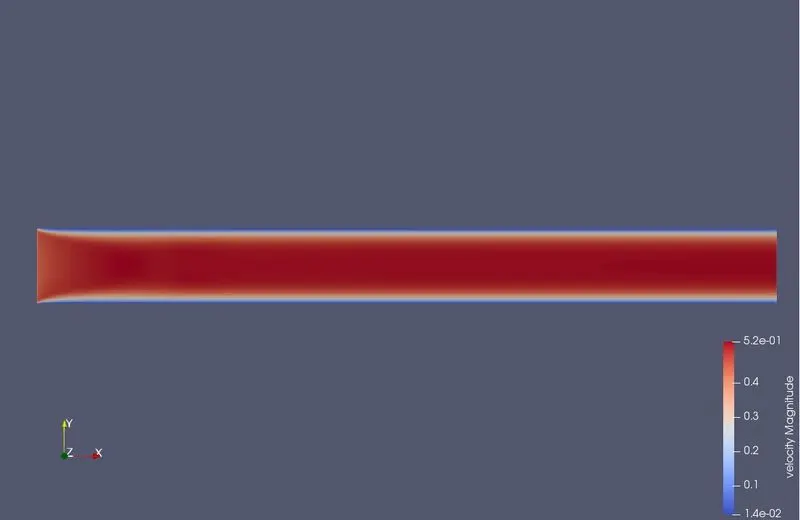
Velocity contours:
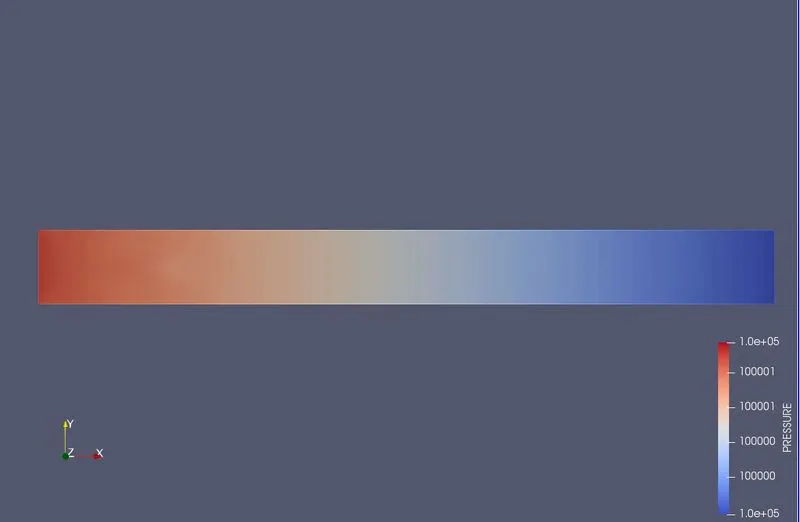
Pressure contours:
Velocity animation:
Pressure animation:
Mesh 0.1mm
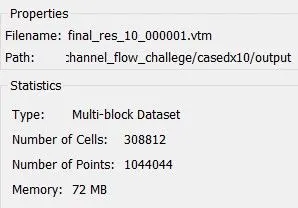
Mesh Size:
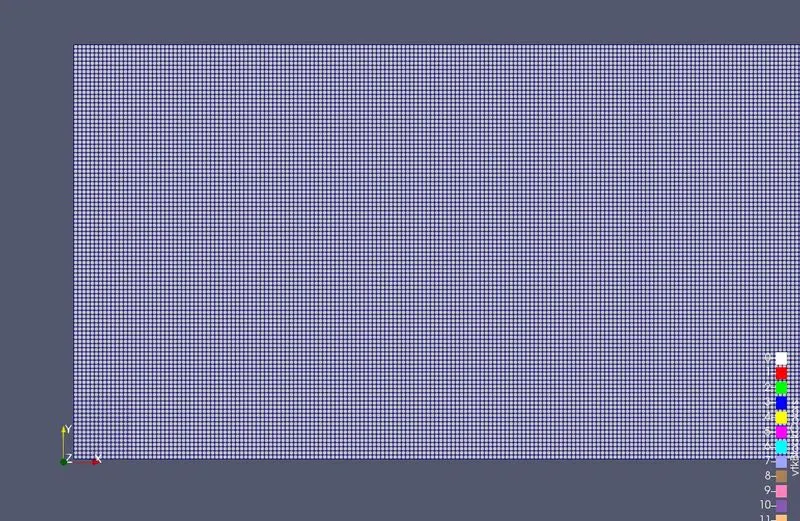
Cell count:
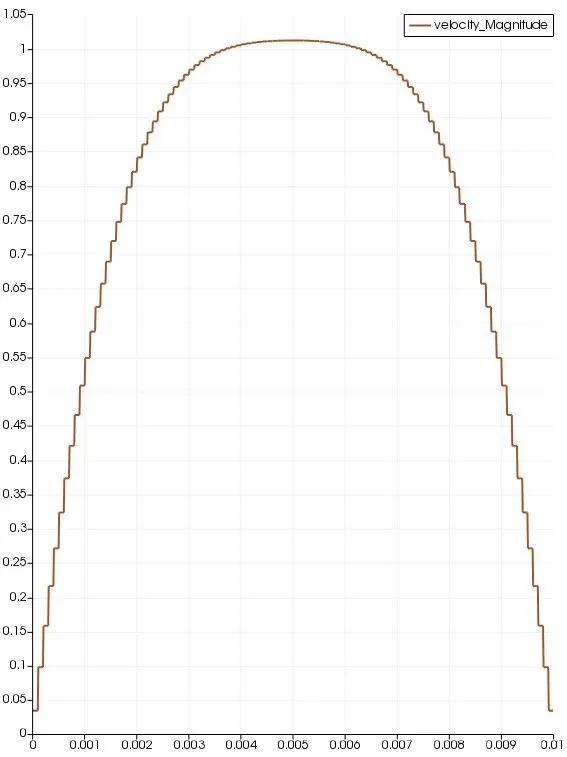
Velocity graph:
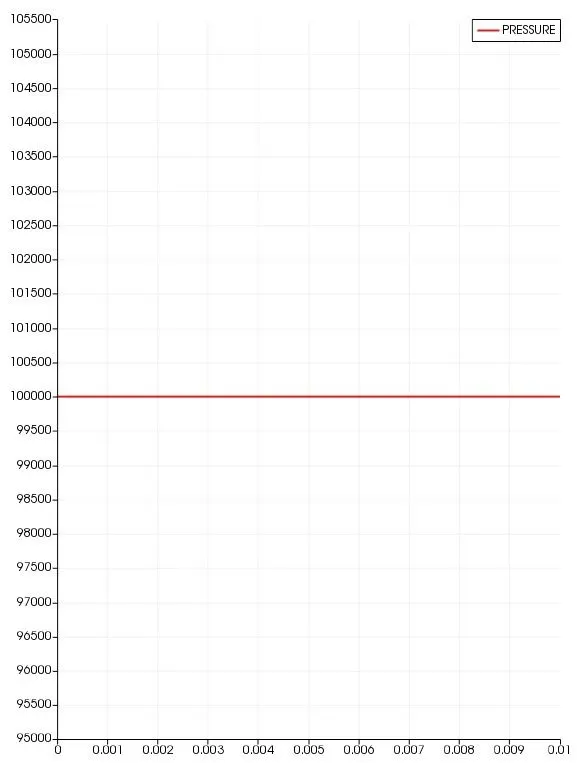
Pressure graph:
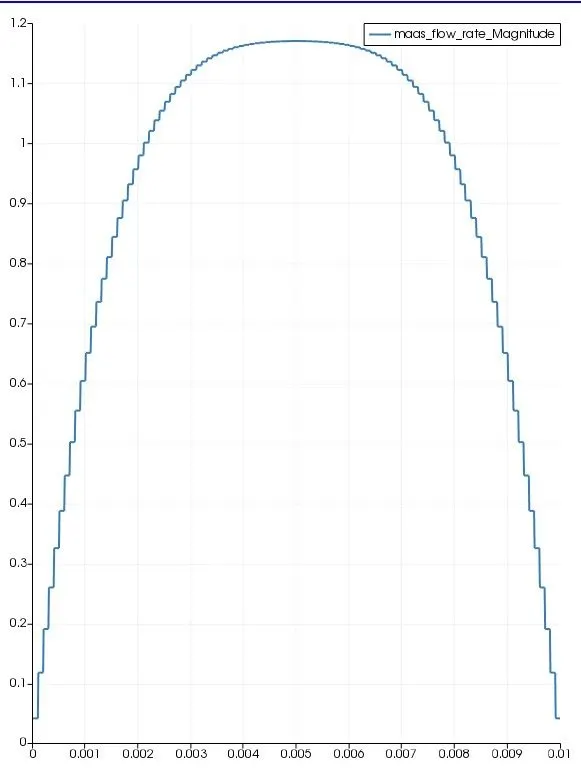
Mass Flow rate Graph:
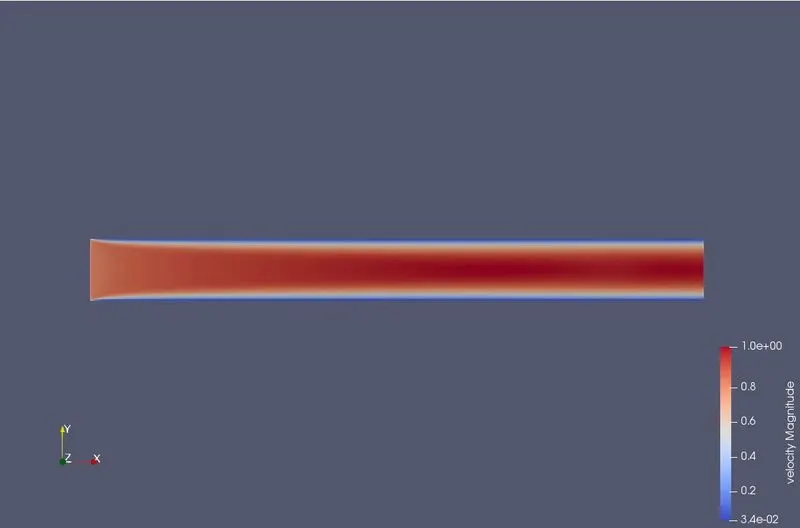
Velocity contours:
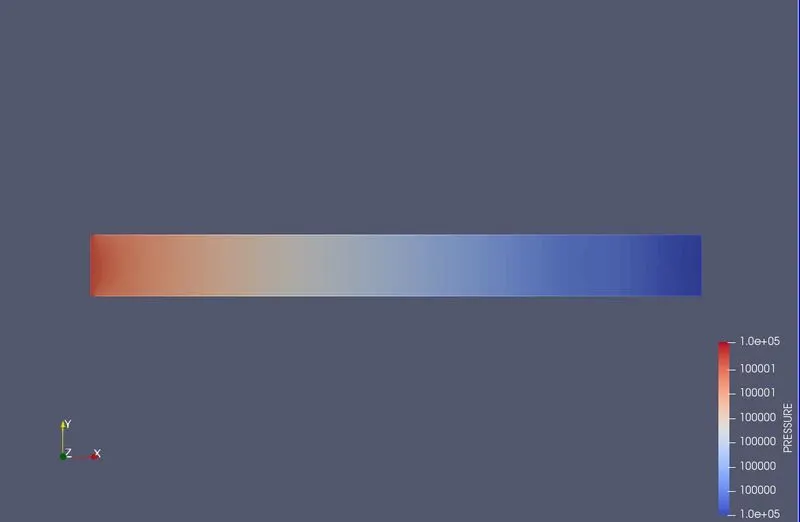
Pressure contours:
Velocity animation:
Pressure animation:
Inference:
From the plot, contour and mesh size of velocity and pressure of various mesh size provide us more information about the stimulation. In the Three different cases all the process are same except the mesh size other than this every value is same. So the results are also same with some tollerance. Eventually there are some difference in acquiring and precepting the results. When the mesh size is large, the results are acquired sooner with some tolerance in accuracy. When the mesh size is small, the results are aquired late with high accuracy. thus the convergance of results take to more time for smaller mesh size compared to larger mesh whereas they have high accuracy compared to large mesh size. Well one has to choose the necessity of results in rage of mesh size with respect to CFD work