Week 10: Project 1 - FULL HYDRO case set up (PFI)
Geometry:
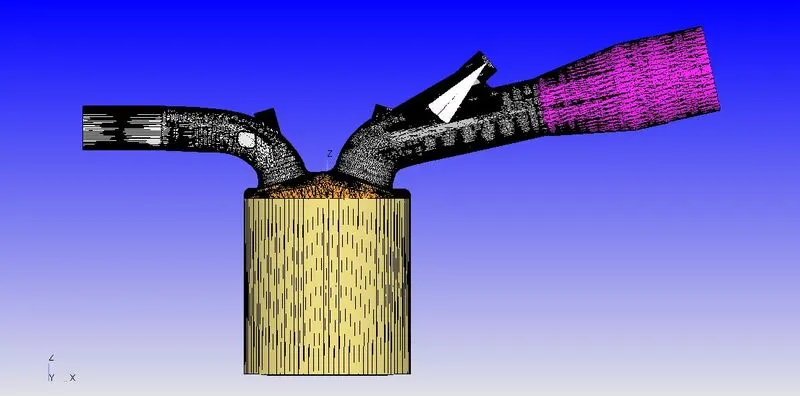
Preparation:
Application type:
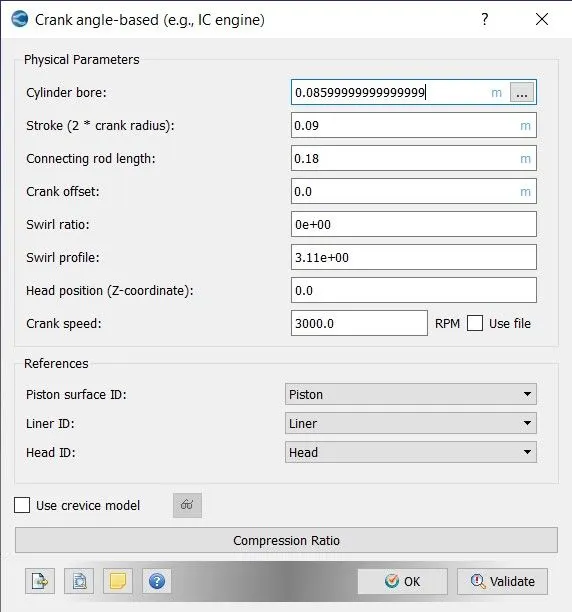
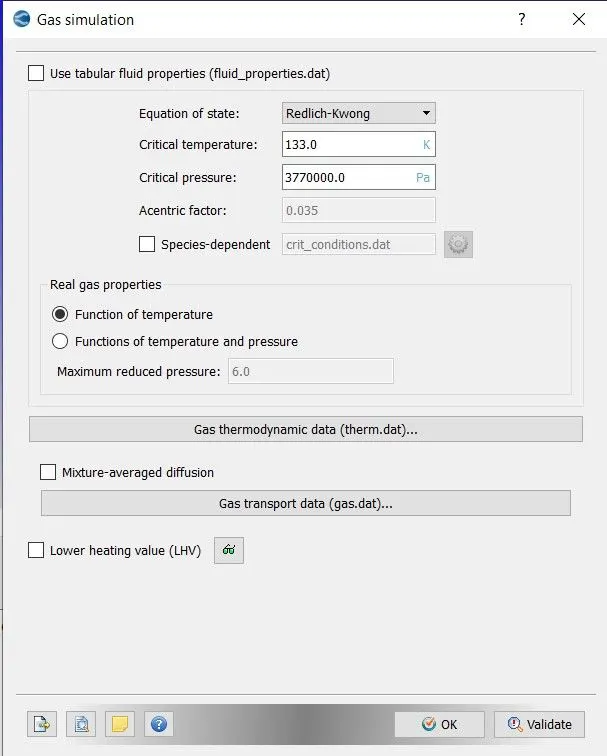
Gas simulation:
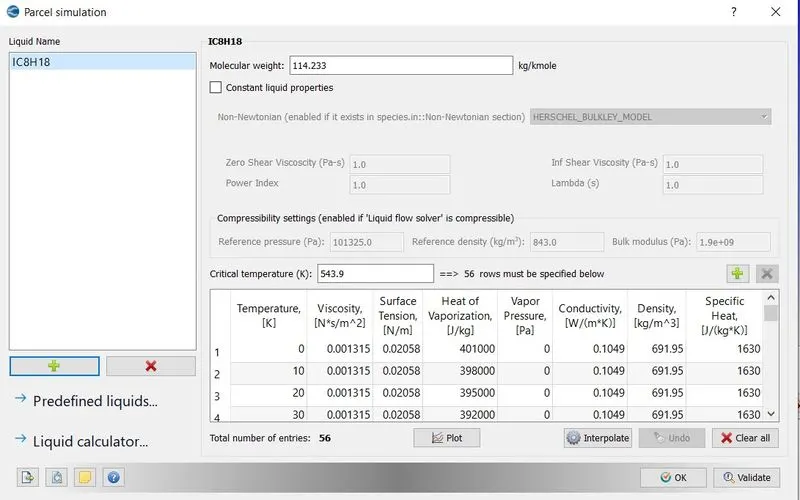
Parcel simulation:
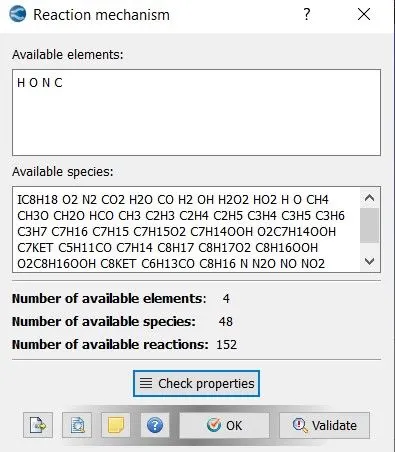
Reaction mechanism:
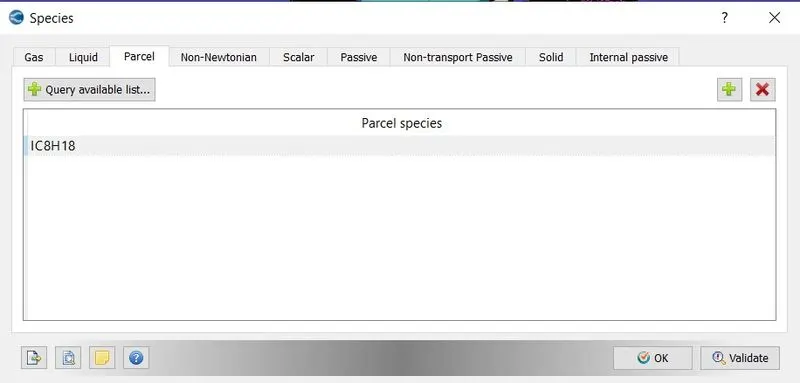
Species:
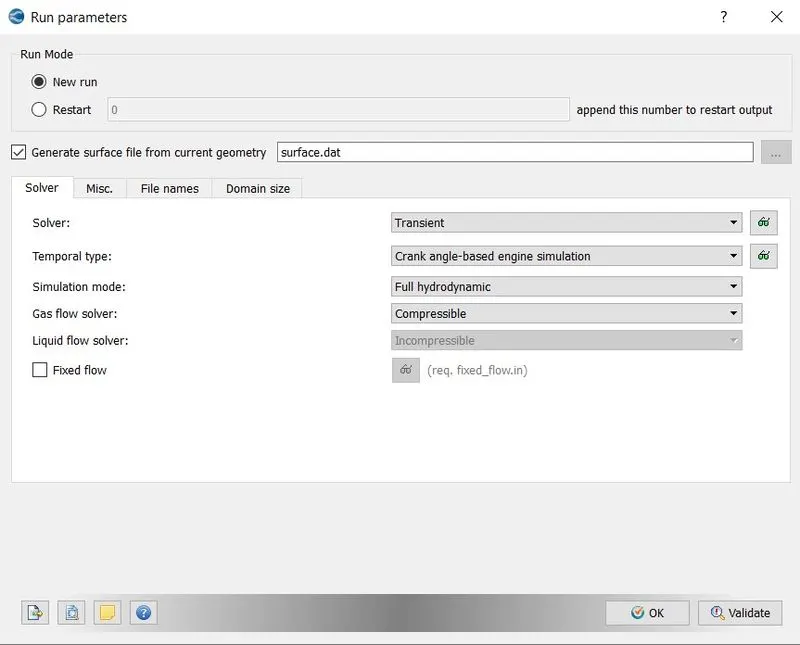
Run Parameter:
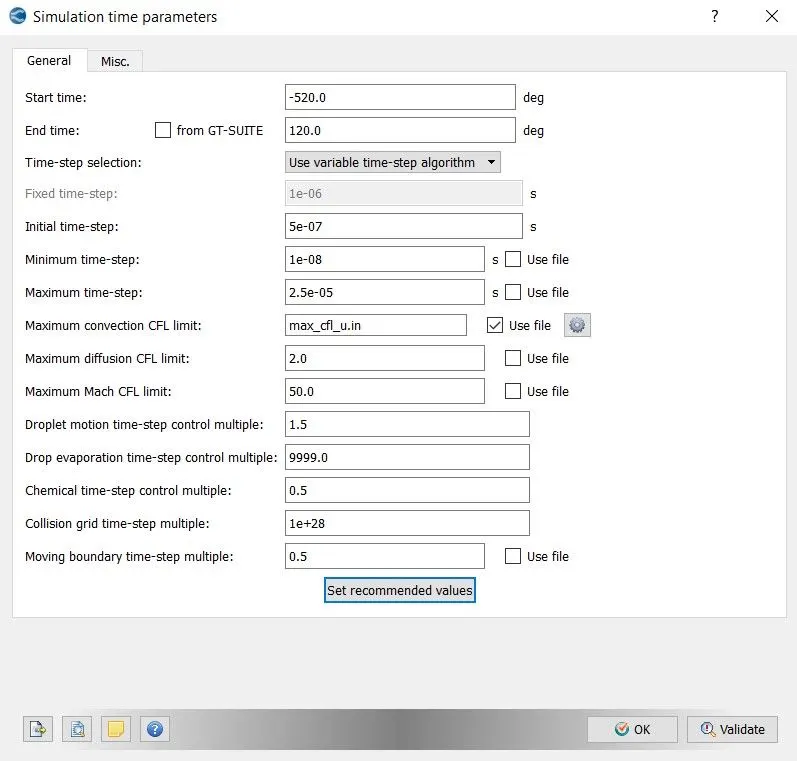
Simulation time parameter:
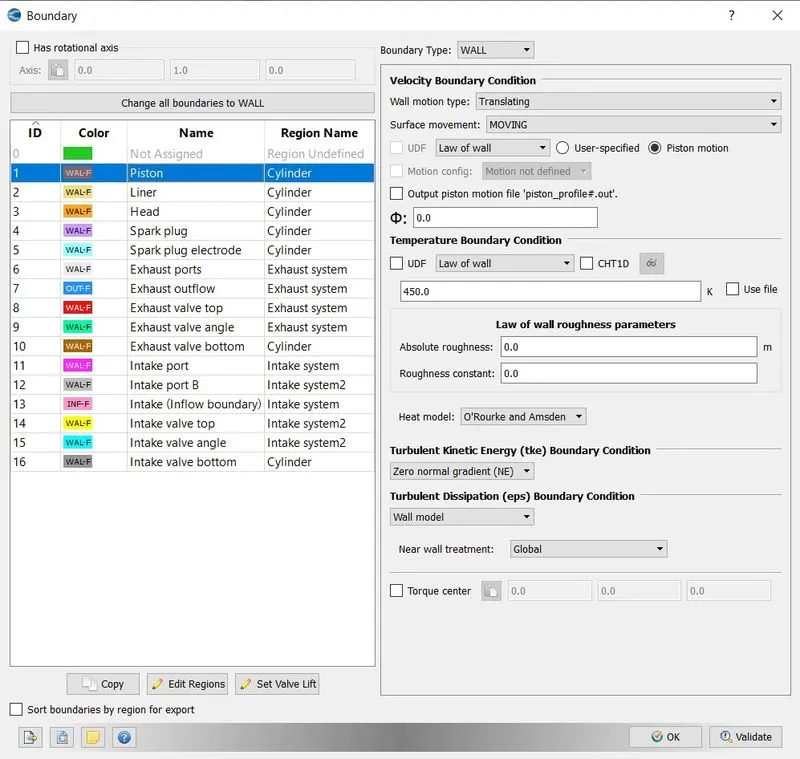
Boundary Conditions:
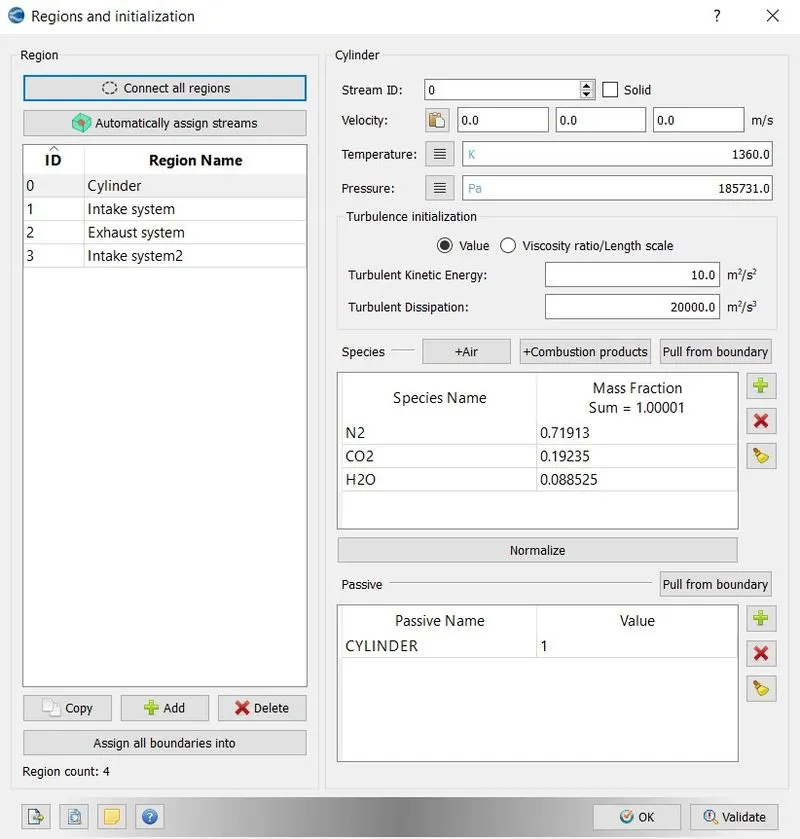
Regions:
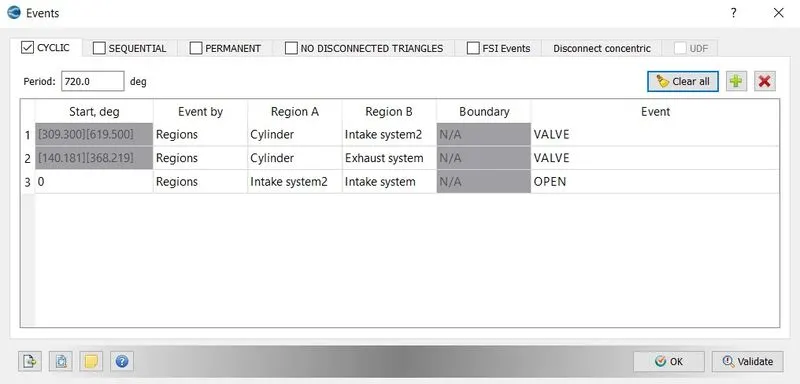
Events:
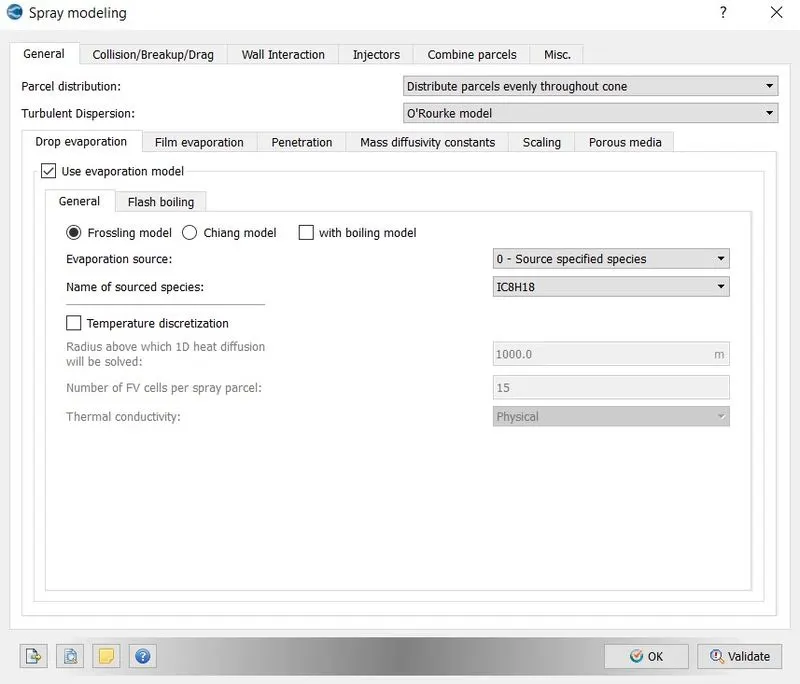
Spray model:
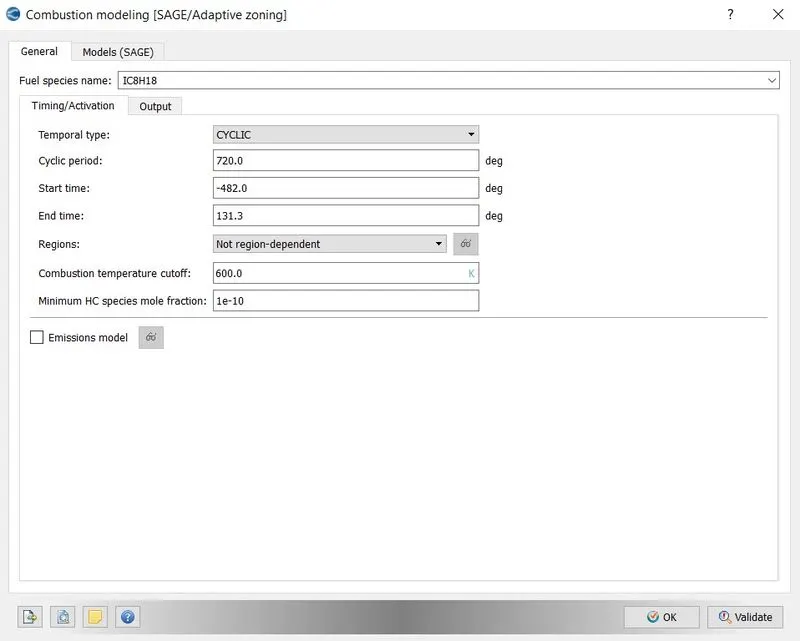
Combustion model(SAGE):
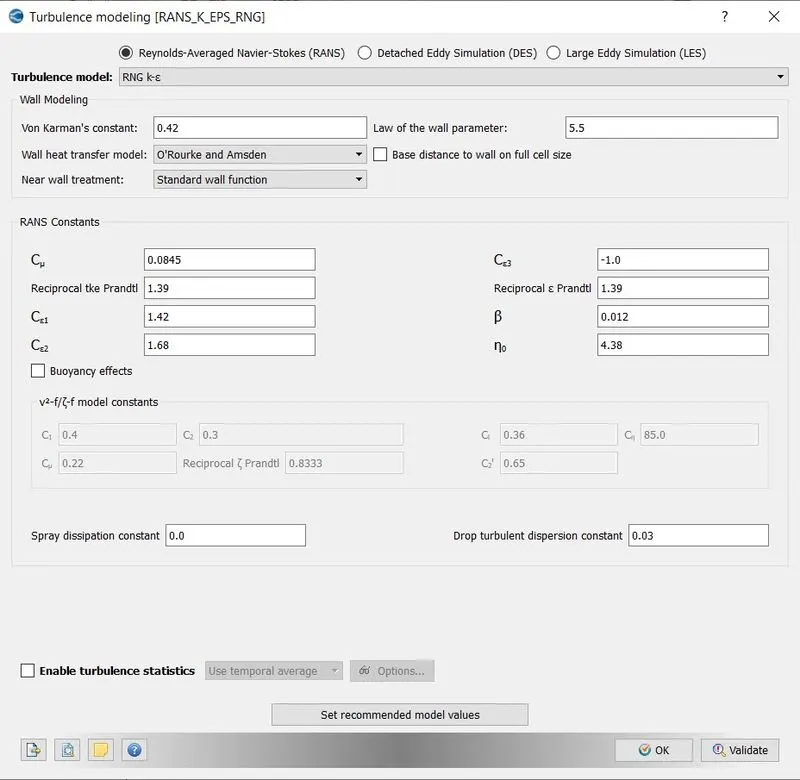
Turbulance model:
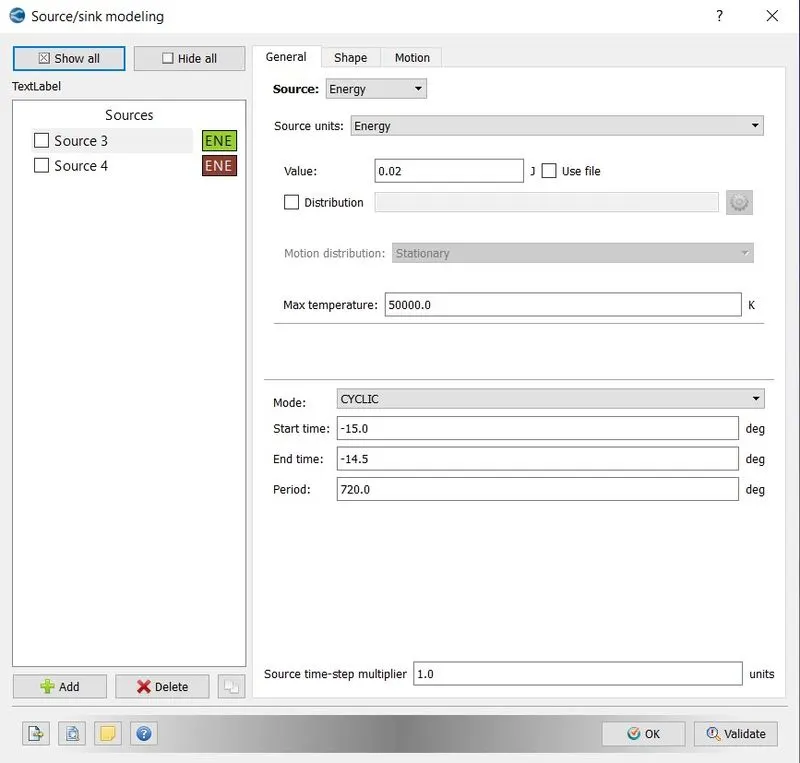
Source/sink model:
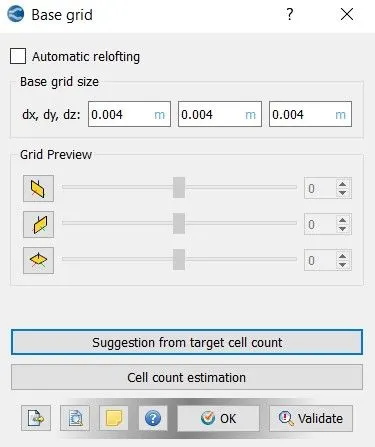
Base grid:
Adaptiv Mesh Refinement:
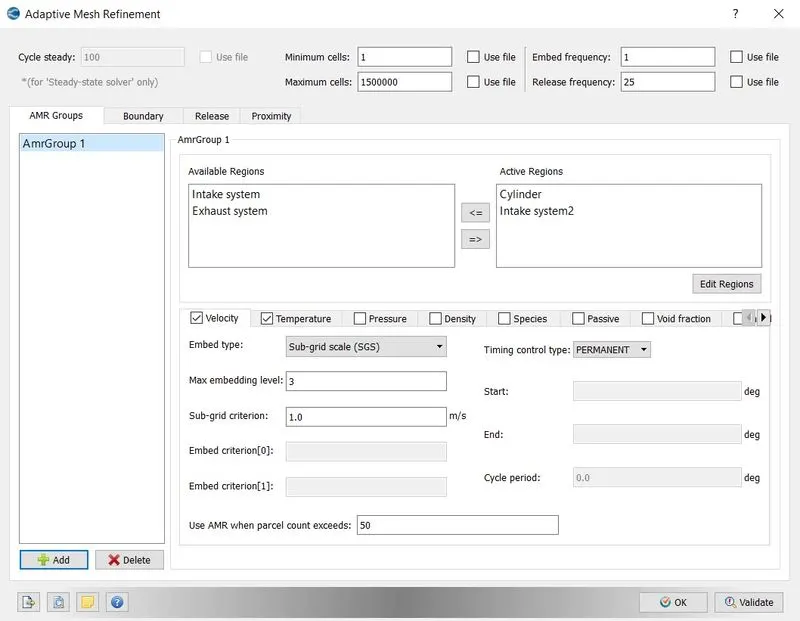
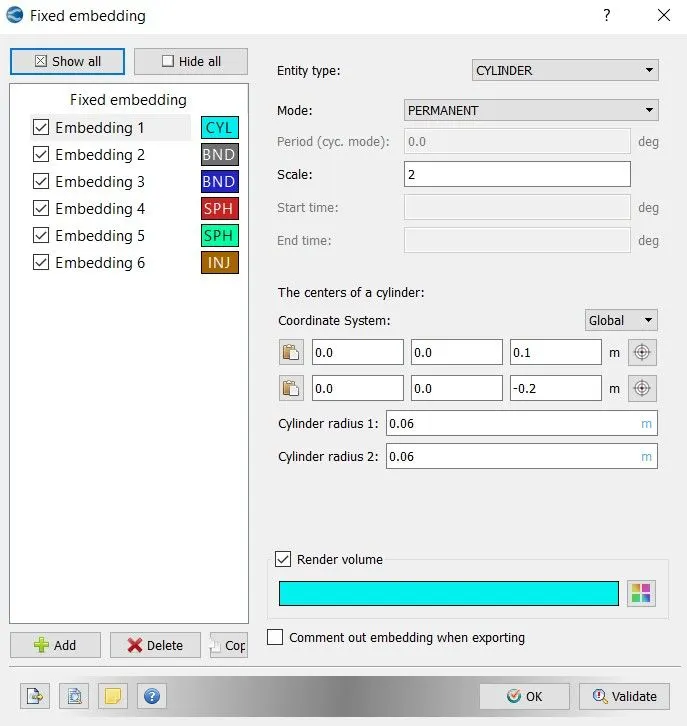
Fixed Embedding:
Results:
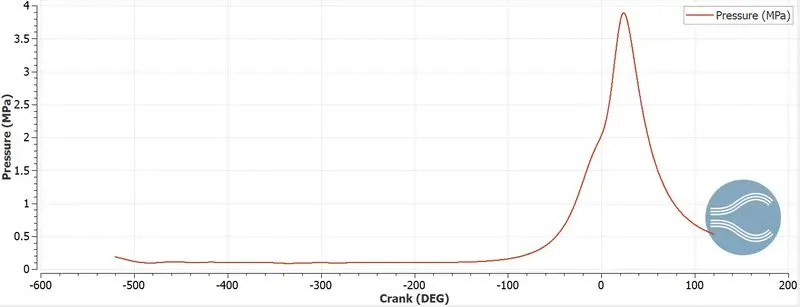
Pressure plot:
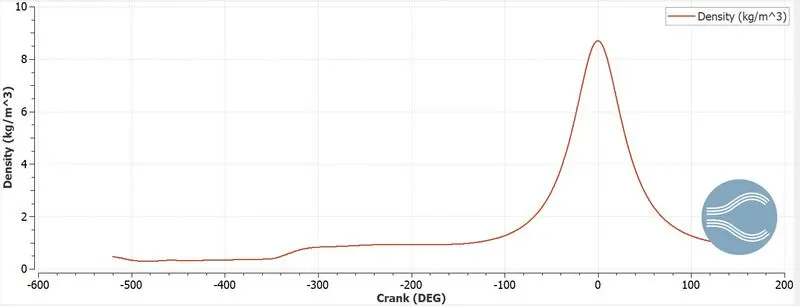
Density plot:
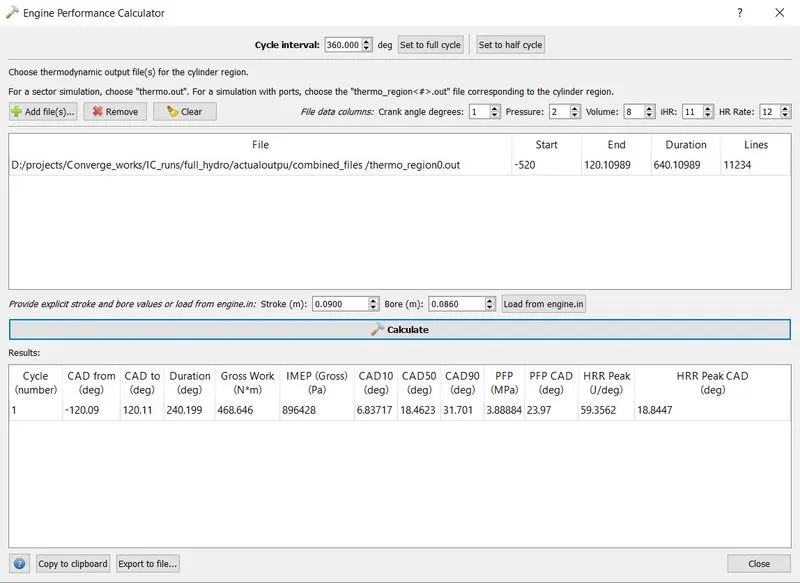
Engine performance Calculator:
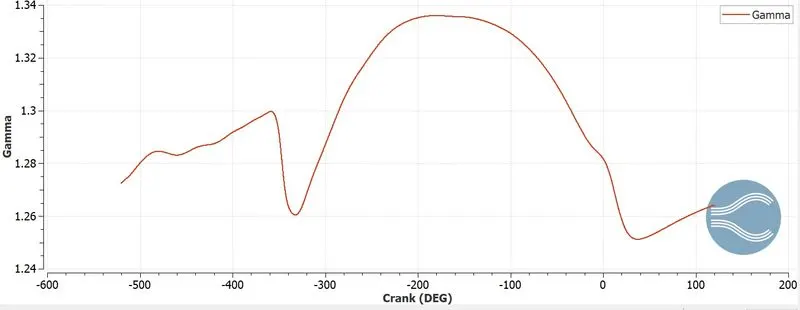
gamma plot:
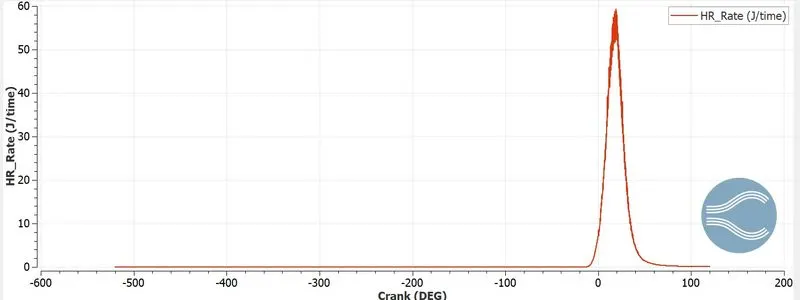
hr rate plot:
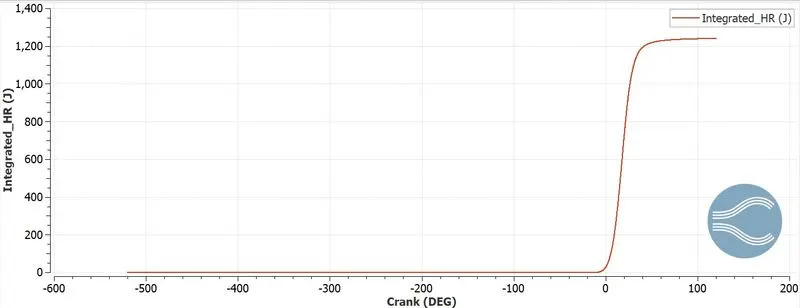
Intergrated hr rate plot:
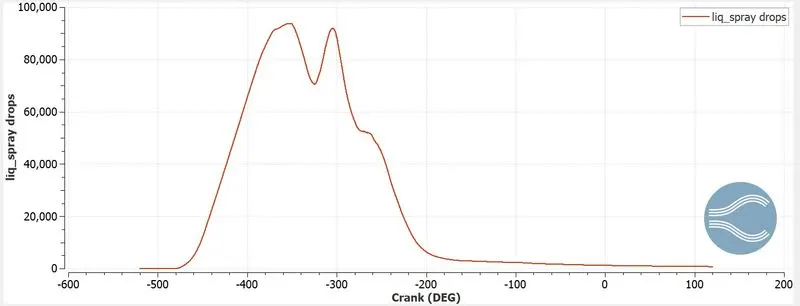
liquid spray drop plot:
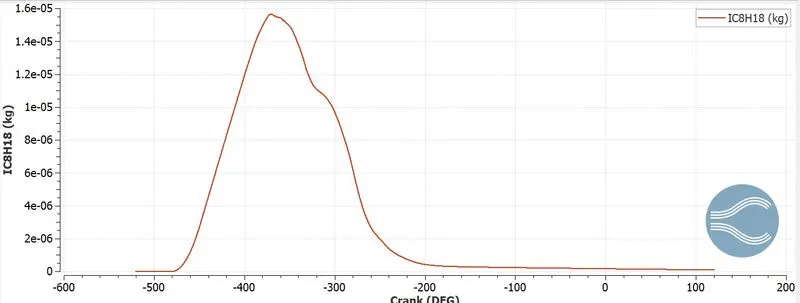
fuel spray plot:
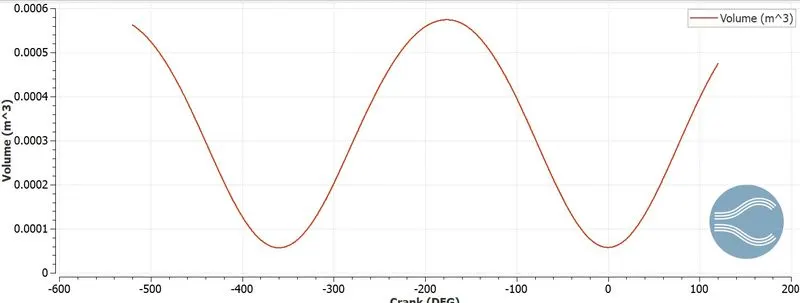
Volume plot:
Emmission plot
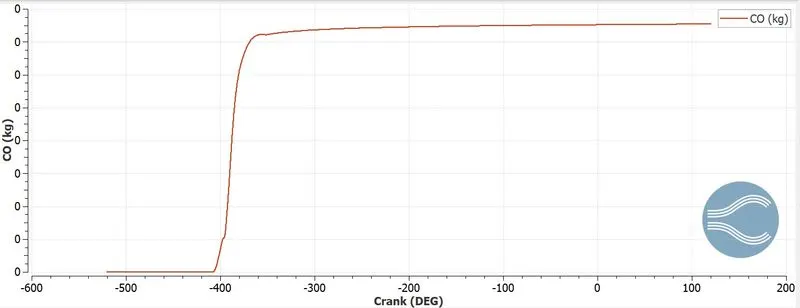
CO plot:
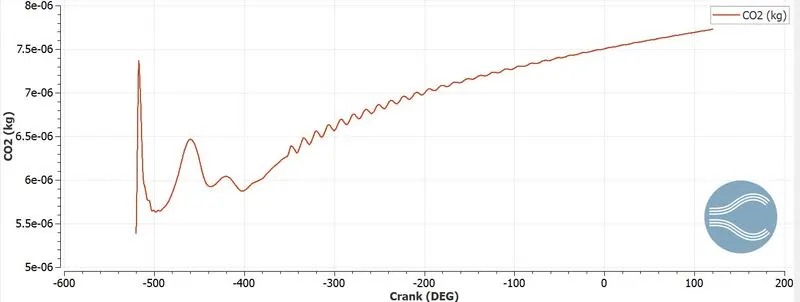
CO2 plot:
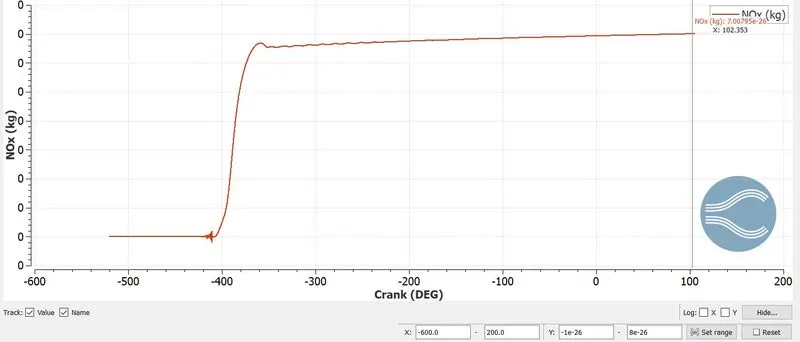
NOx pllot:
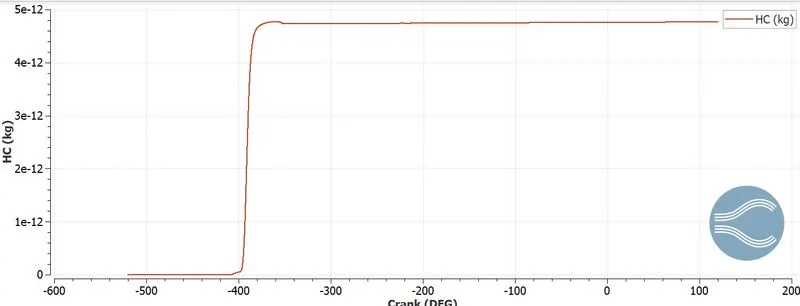
HC plot:
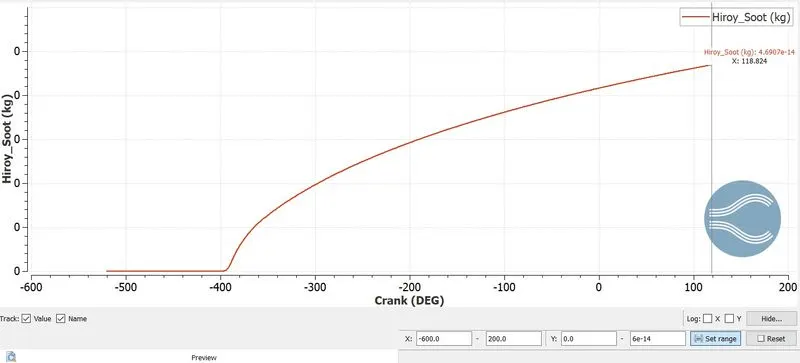
SOOT plot:
Engine animation:
Engine Temperature animation:
1. What is the compression ratio of this engine?
Compression ratio = Max. Volume/ Min. Volume
Compression ratio = 0.000572195/5.7029e-5
Compression ratio = 10.033
2. Why do we need a wall heat transfer model? Why can't we predict the wall temperature from the CFD simulation?
In general IC engine combution is based on chemical reaction. During the combution phase, the fuel-air mixture is ignited byt spark plug. The combution reaction expands with piston movemnent along with the heat transffer between solid and fluid. In the current case of this engine simulation, the computation time would be very large with finer mesh in geometery. Now the CHT analysis over the surface of cylinder consumes way more computational time. So certain physical model is used for the approximation in super cycling process reducing the Computational time.
3. Calculate the combustion efficiency of this engine.
Total energy output through combustion: 1241.1646J
Total energy input = Mass * Calorific Value
Total energy input = 44427000 * 3e-5
Total energy input = 1332.81
Combustion Efficiency = (Energy output/ Energy input)*100
Combustion Efficiency = 93.12%
4. use the engine performance calculator, to determine the power and torque for this engine.
Combustion duration = 240.2 deg
Crank speed(N) = 3000RPM = 50 RPS
No. of degree per second = 18000
Time for 1 deg = 5.55e-5s
Time take for Combustion = 240 deg * 5.55e-5
Time take for Combustion = 0.0133311s
Work done = 468.646 Nm
Power = Work done / Time
Power = 35154.33 Nm/s
Torque = (Power*60)/(2*pi*N)
Torque = 111.899 Nm
5. What is the significance of ca10, ca50 and ca90?
The CA refers to the Crank angle followed by its position in a degree at 10%, 50% and 90%. These angle are captured to store data such as heat release, combustion data. The CA tells about the start of ignition, CA 50 determines the end of premixed combustion and CA 90 tells about the burning of unburnt fule inside combustion. Thus these data are essential to campare the simulation results with the experimental outcomes. These data would affect the efficiency of engine.