Week 4.2: Project - Transient simulation of flow over a throttle body
Geometry:
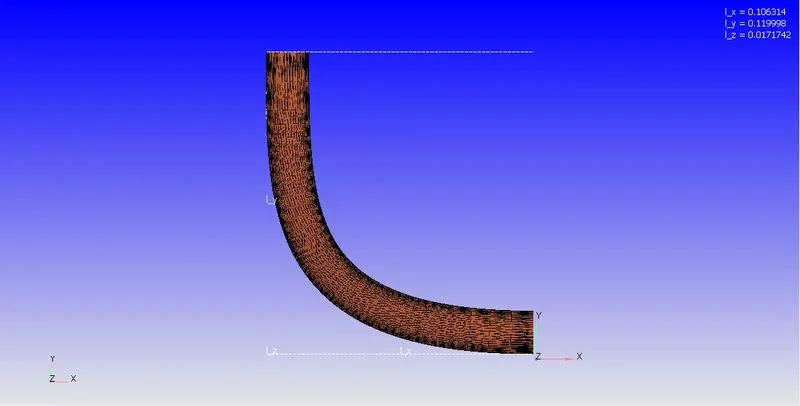
Throttle geometry:
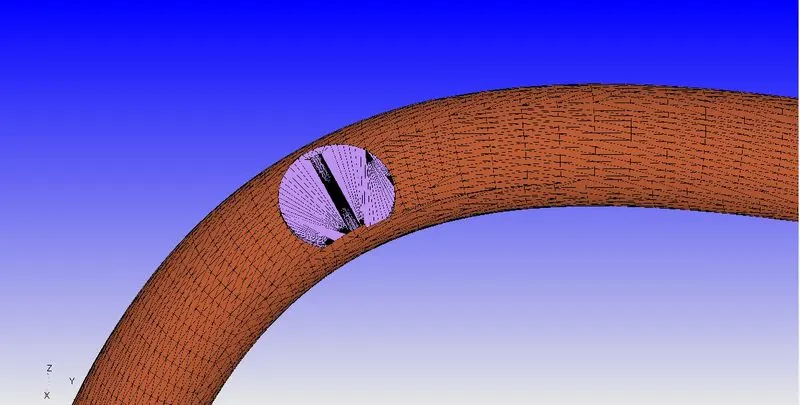
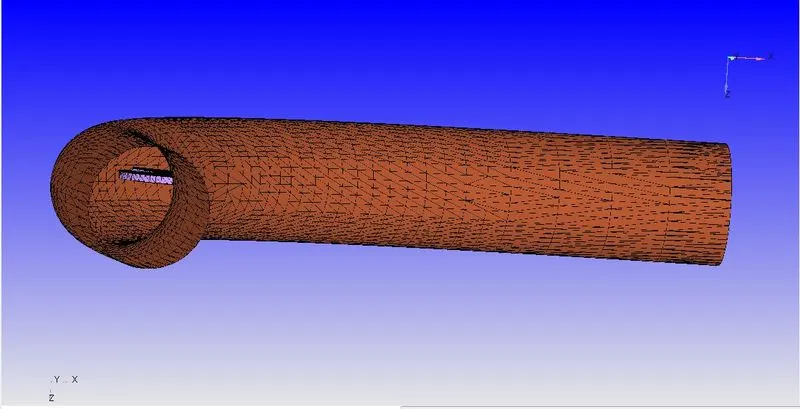
throttle through inlet:
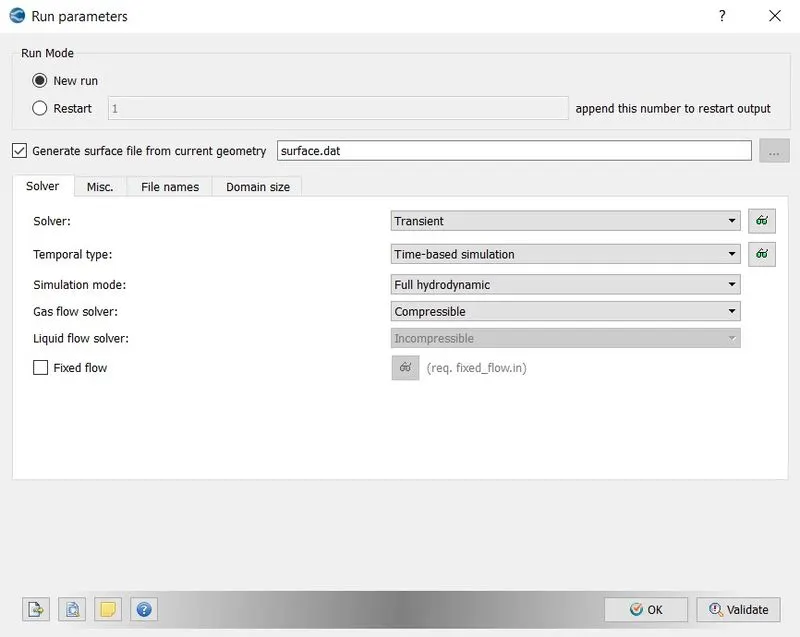
run parameters:
Stimulation time parameters:
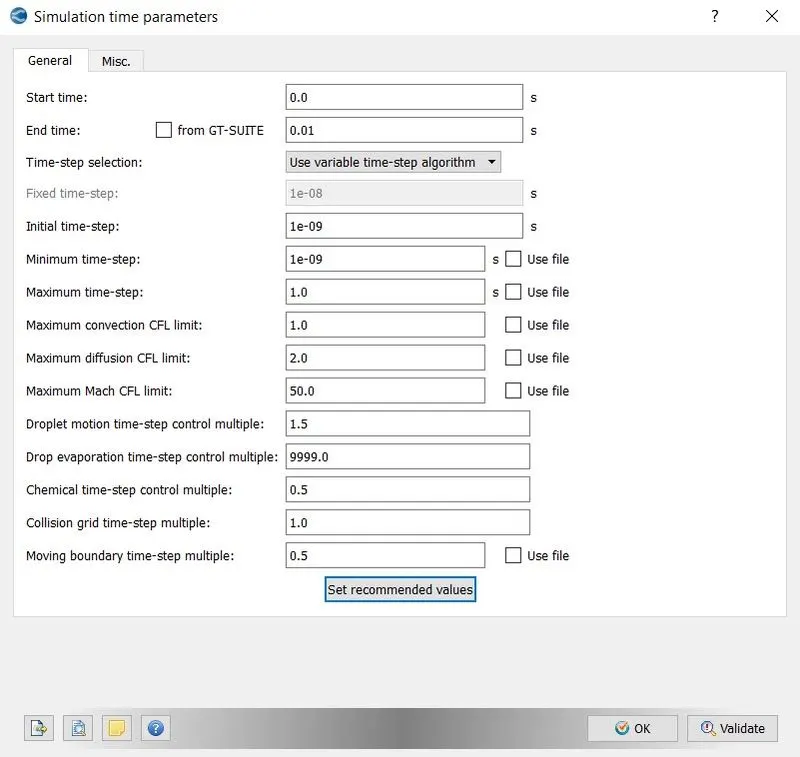
End time calculation:
The characteristics length would be approximately 0.2 m.
The average velocity from steady state calculation is 200ms^-1.
So for a single pass, its takes 0.2/200 = 0.001 seconds.
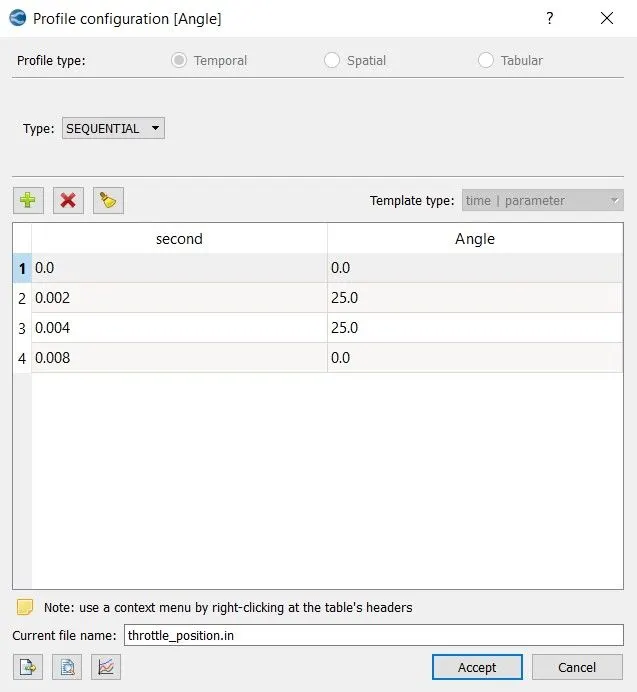
The throttle movement must be
- 0deg at 0 s
- 25deg at 0.002s
- 25 deg at 0.004s
- return to 0 deg at 0.008s
so there must be minimum of 8 passes. So one must plan to flow 10 passes of fluid flow.
Thus 10*0.001s = 0.01s is selected as end time.
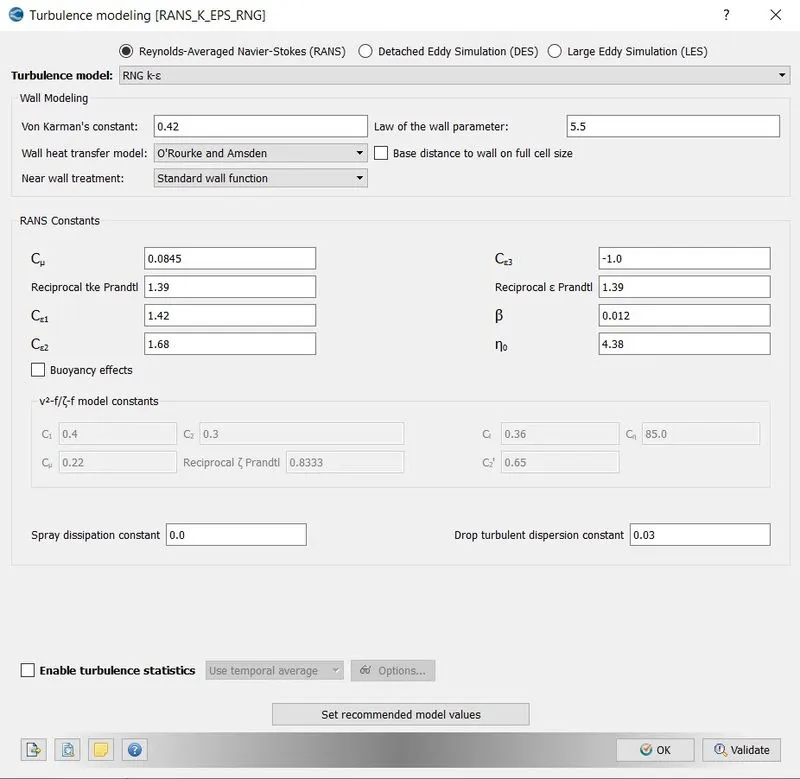
Turbulance model:
Boundary condition:
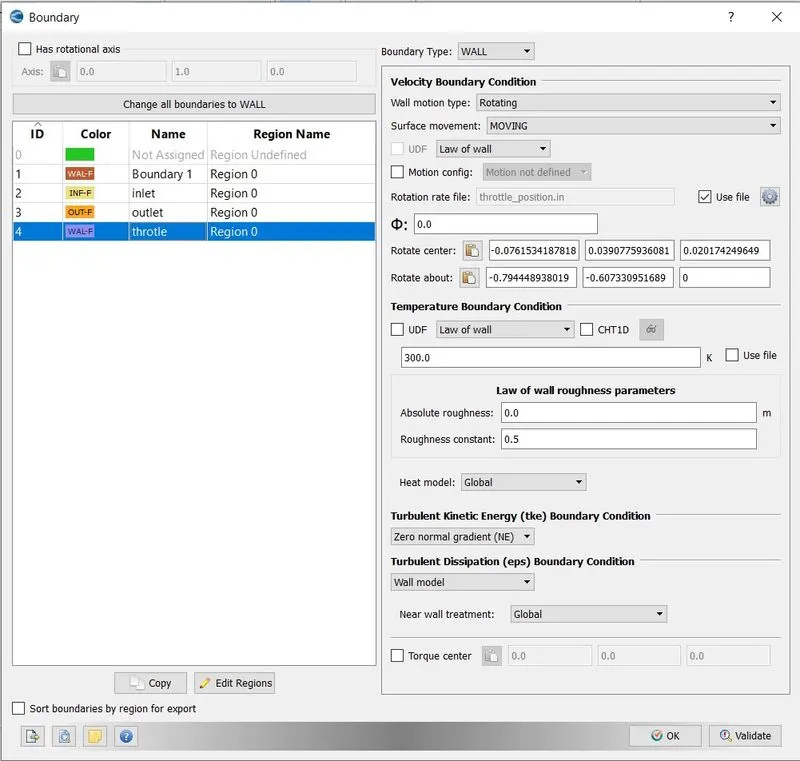
Throttle positioning file:
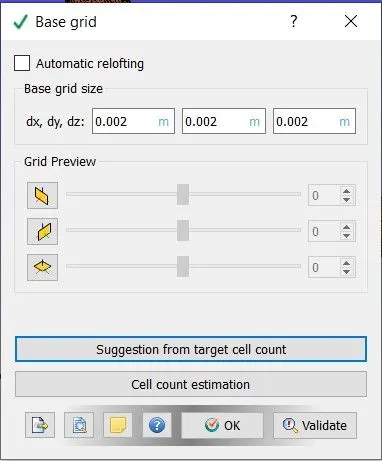
Mesh sizing:
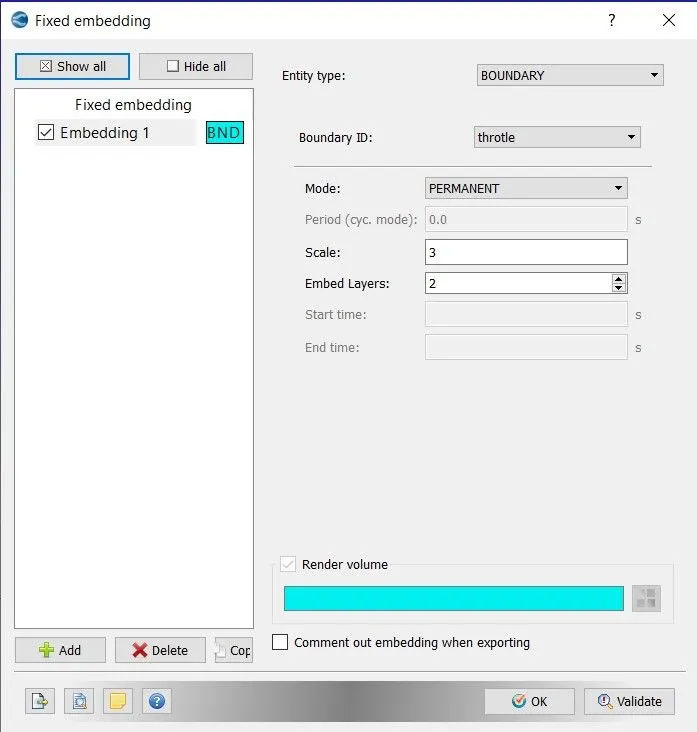
Mesh embedding:
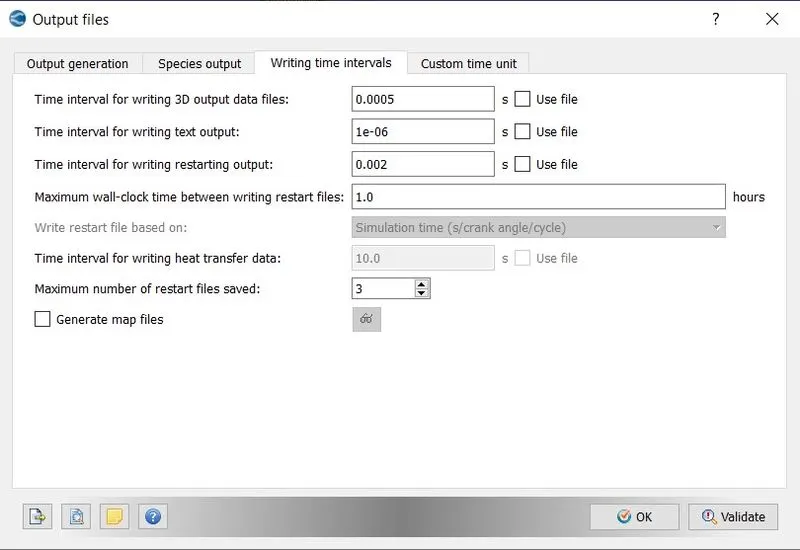
Writing output files:
Results:
Mesh animation:
Velocity contour:
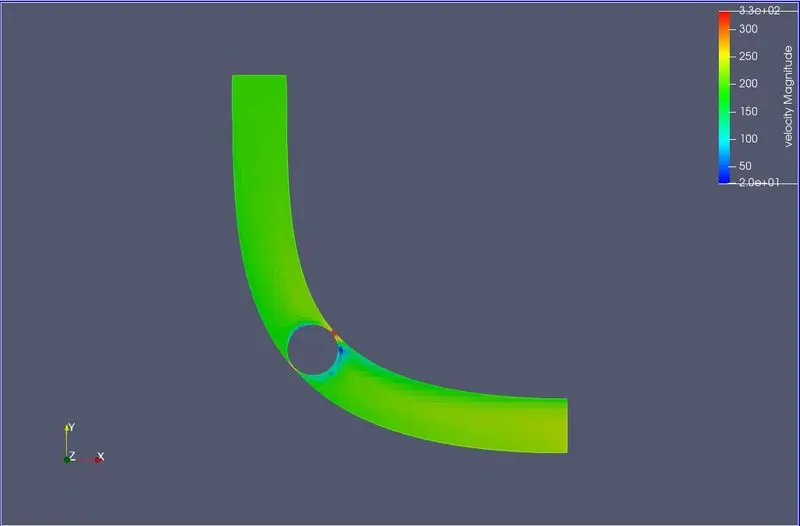
velocity plot:
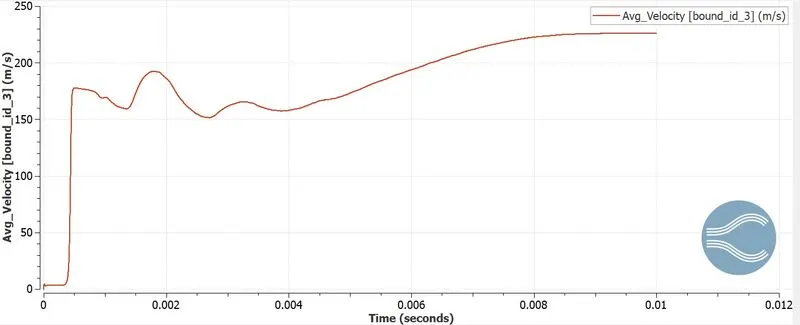
Velocity animation:
Pressure contour:
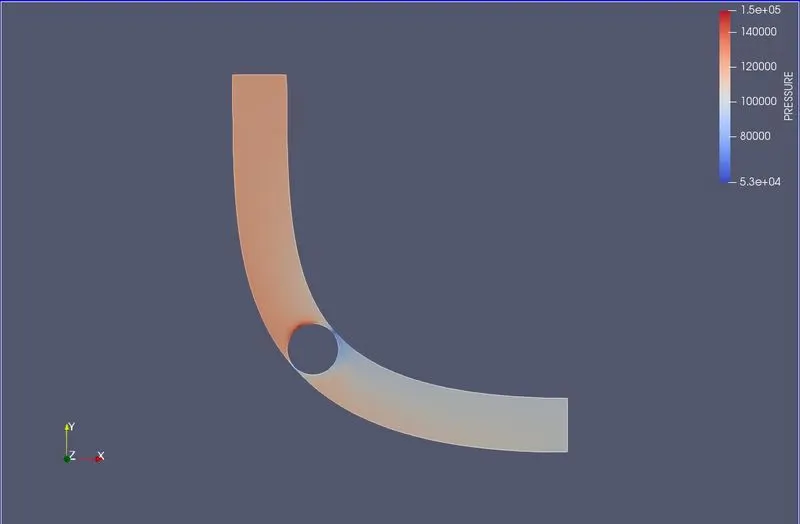
Pressure plot:
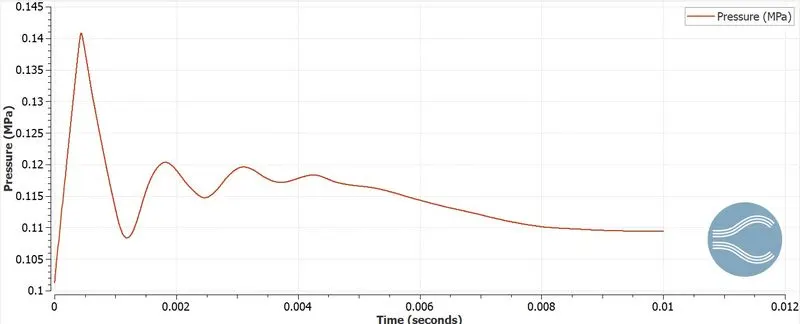
pressure animation:
Mass flow rate plot:
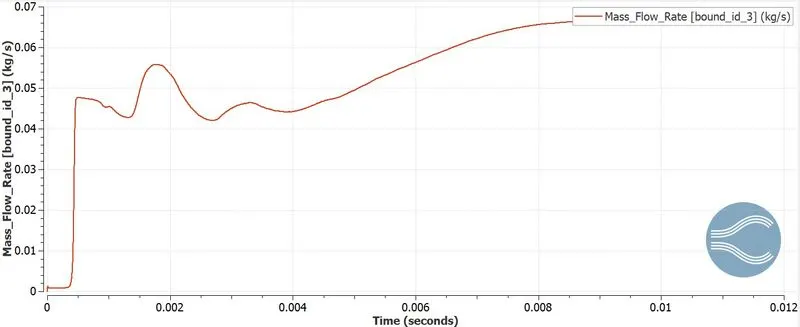
Total cell count plot:
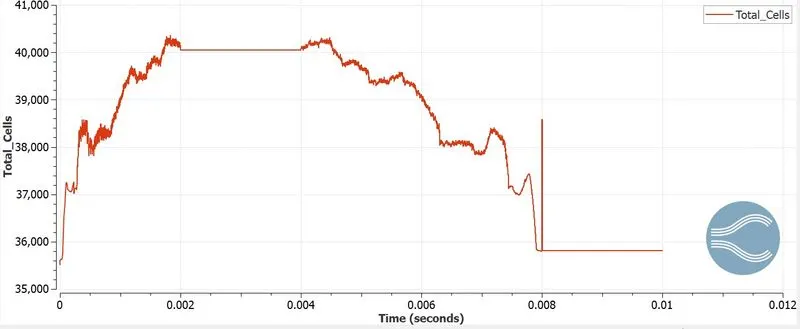
Inference:
From the transient state stimulation, there were lot of informations a comparing it with steady state stimulation. The cell count needed for transient state states with 35500 cell and goes to peak around 42500 cells and comes back to 35500 cells. Thus this shows that there is a big need of cell to stimulate transient state than steady state. The Transient also takes more time to stimulate the provide the results. for steady state it took around 1500 seconds to complete whereas for the transient state it took 23000 seconds appraximately to stimulate the results. Eventhought Transient state take very large time to complete the stimulation, we can check the moving part, the throttle to rotate in the stimulation and study the fluid flow case completely in this type of stimulation.