Week 3: Flow over a backward facing step
Backward facing step:
The backward facing step is an interesting case for studying the performance and solution strategy of a turbulence model. In this case, the flow is subjected to a sudden increase of cross-sectional area, resulting in a separation of flow starting at the point of expansion.
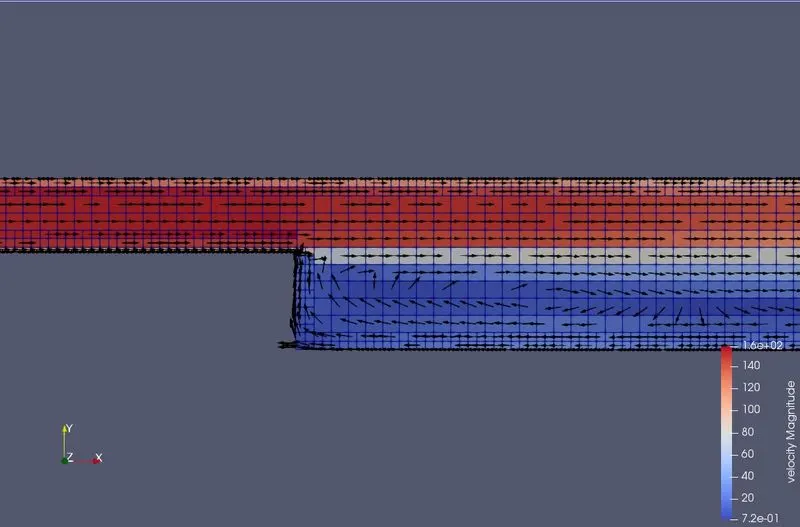
Spatial variations in the velocity field cause production of turbulence outside the wall region and its interaction with the mean flow influences the size of the separation bubble. The size of the bubble, or the re-attachment length, is one of the quantities that must be predicted accurately by a turbulence model.
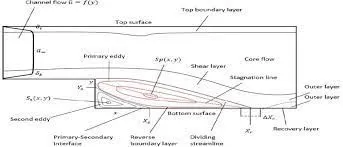
Backward facing step flow stimulation:
The stimulation is done as per the video suggested and geometry provided. Thus the case setup is completely done as the intructions given from the video.
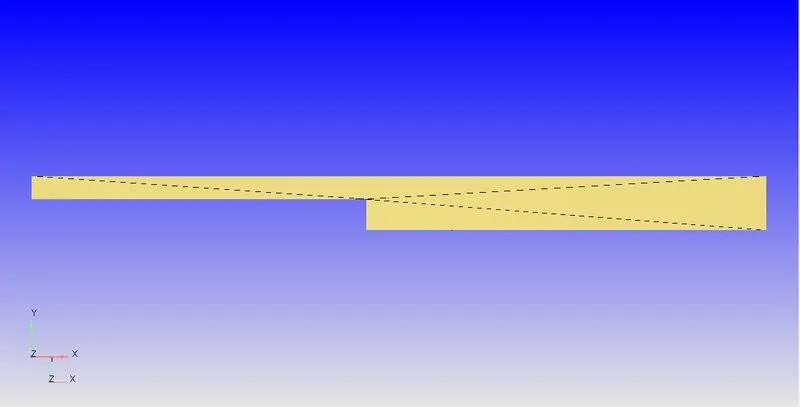
Geometry:
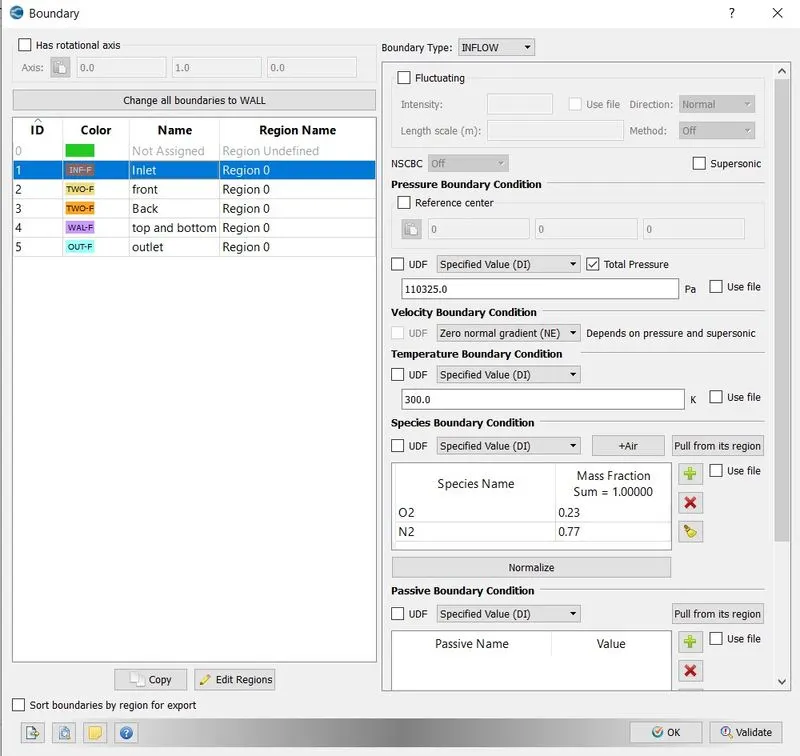
Boundary Condition:
Code:
Moved to folder location using the command prompt where the input files where exported.
mpiexec.exe -n 2 "C:\Program Files\Convergent_Science\CONVERGE\3.0.16\bin\intelmpi\converge.exe" restrictedResults:
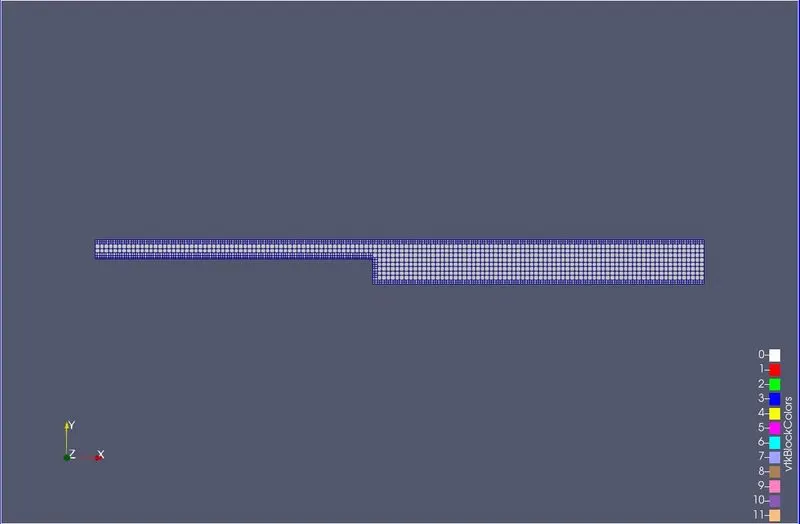
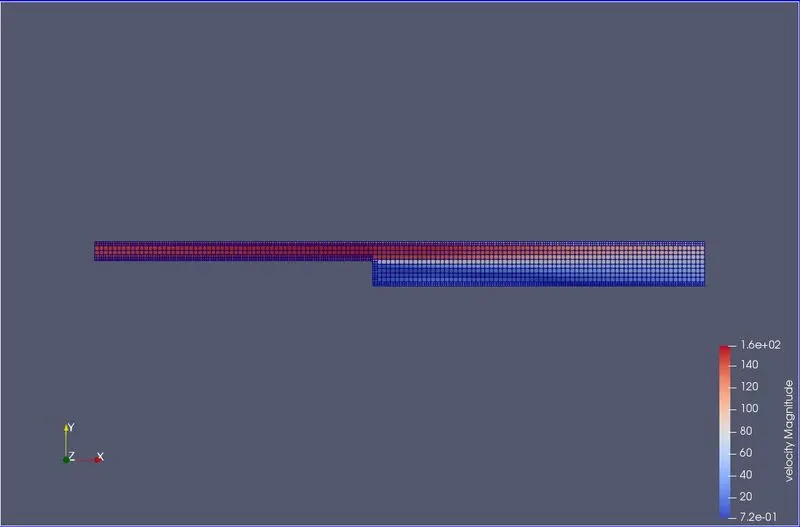
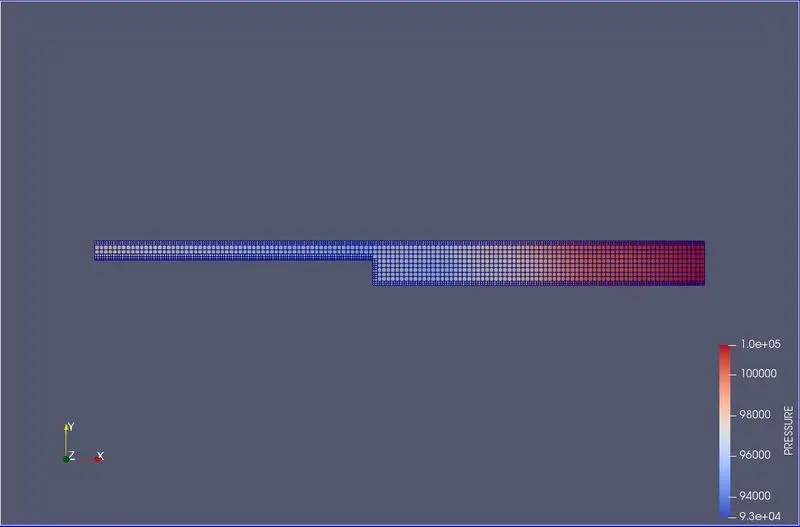
Case 1: mesh size = dx = dy = dz =2e-3m
Cell Count:
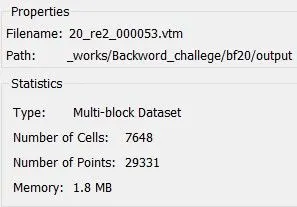
Mesh:
Velocity Contour:
Velocity Vector:
Pressure Contour:
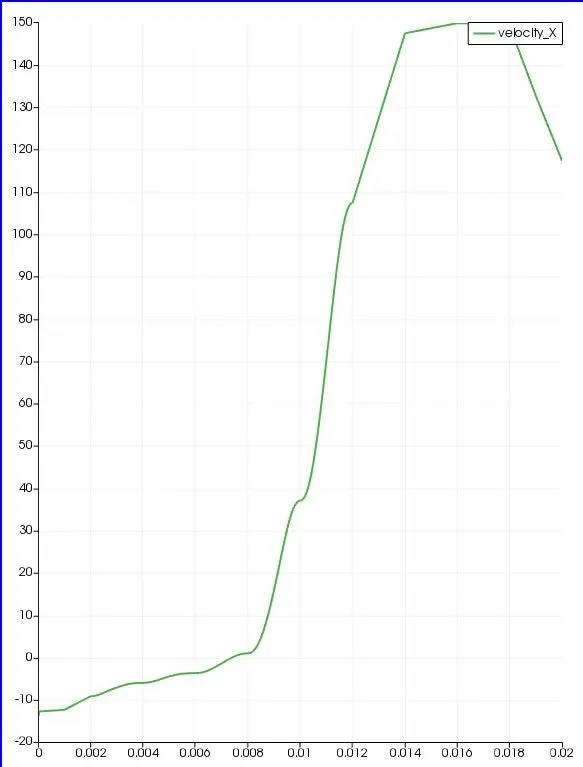
Velocity Plot:
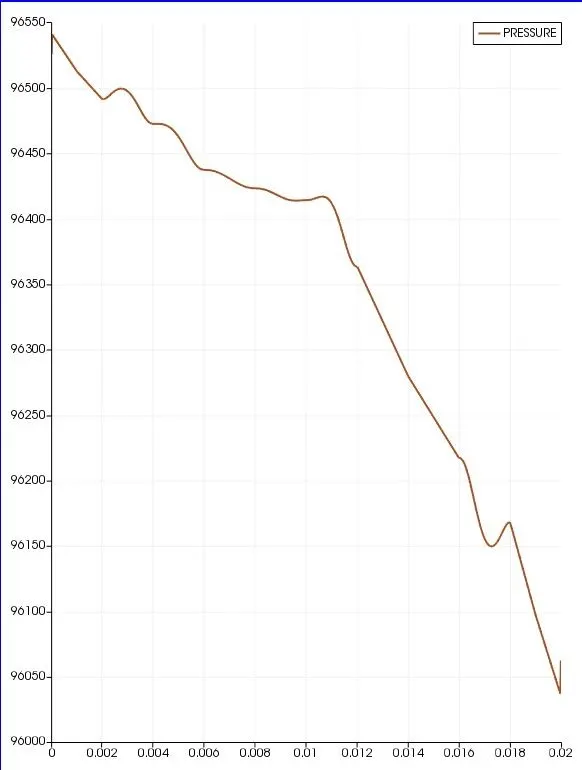
Pressure Plot:
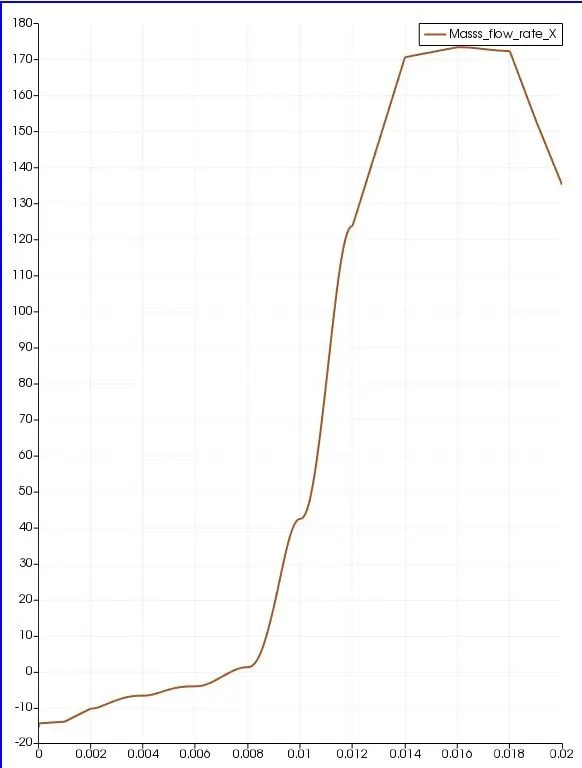
Mass flow rate Plot:
Velocity Animation:
Pressure Animation:
Case 2: mesh size = dx = dy = dz =1.5e-3m
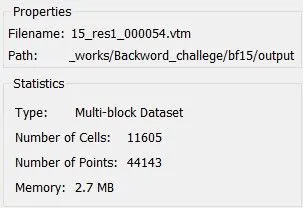
Cell Count:
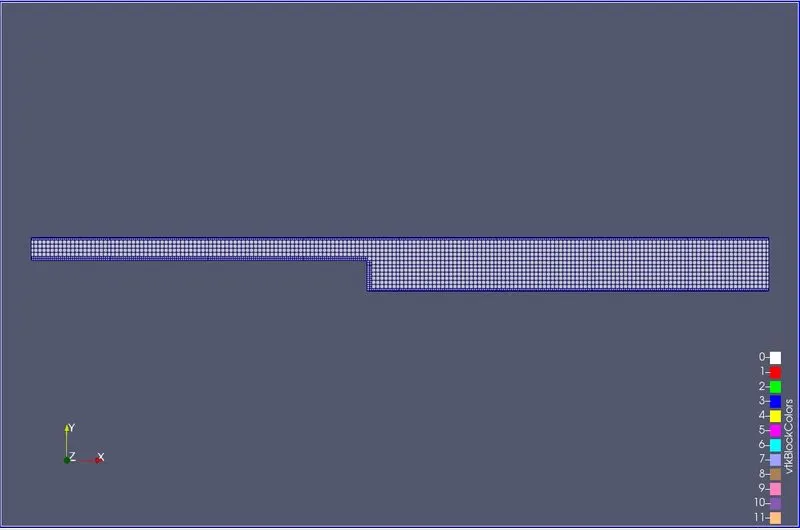
Mesh:
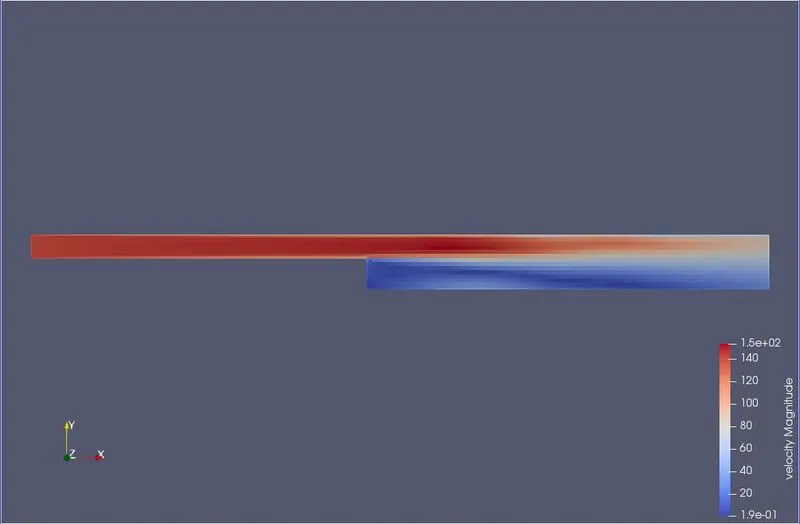
Velocity Contour:
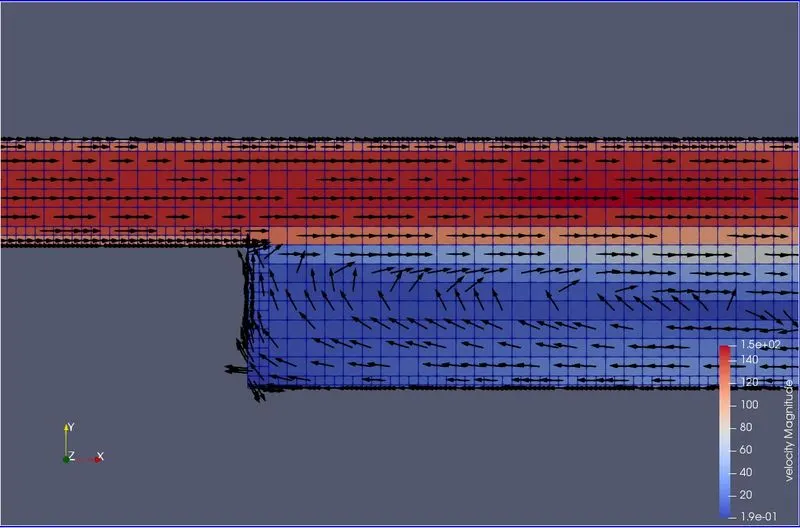
Velocity Vector:
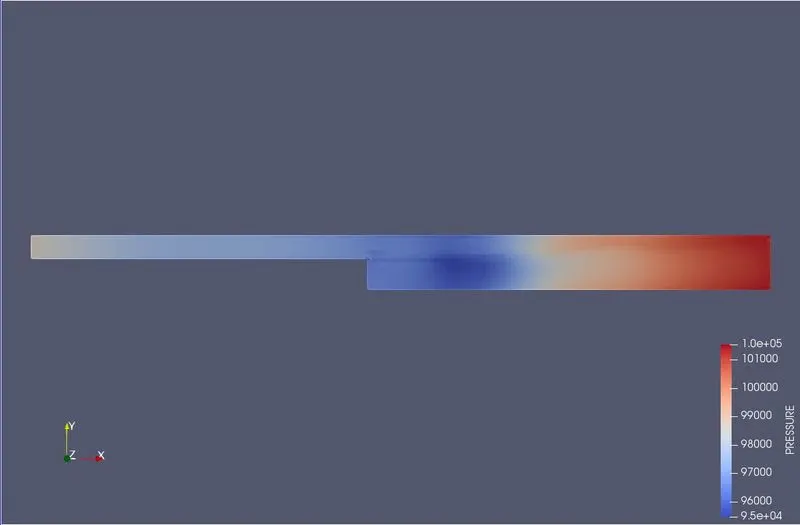
Pressure Contour:
Velocity Plot:
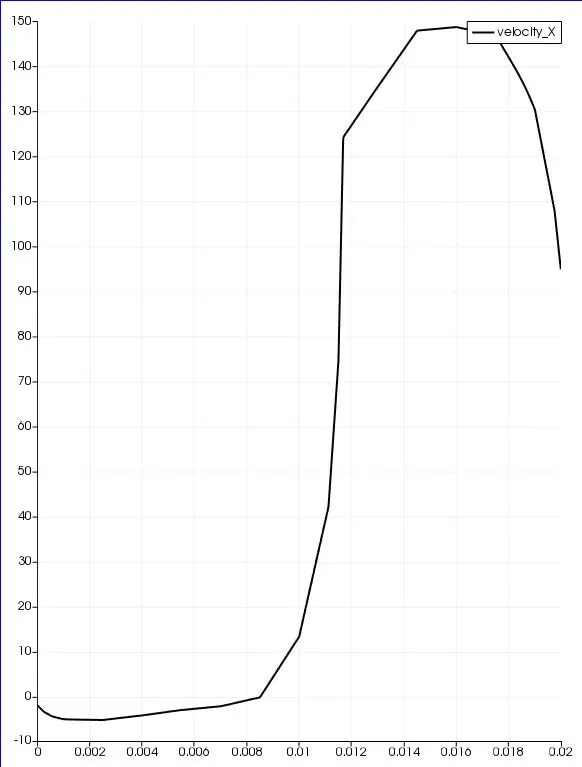
Pressure Plot:
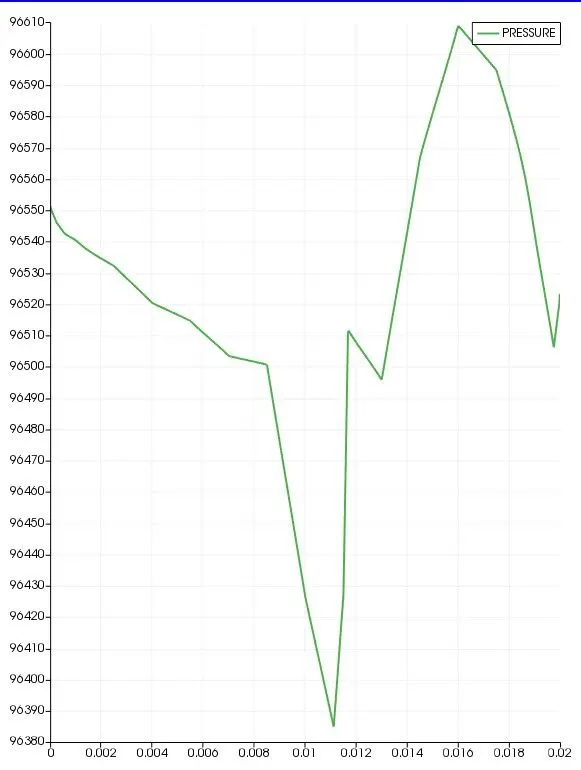
Mass flow rate Plot:
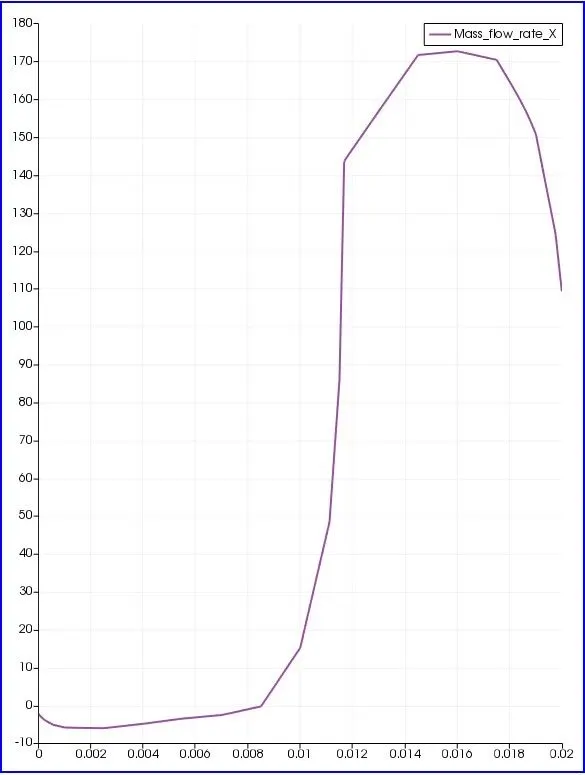
Velocity Animation:
Pressure Animation:
Case 3: mesh size = dx = dy = dz =1.0e-3m
Cell Count:
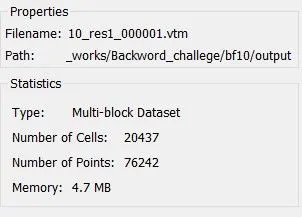
Mesh:
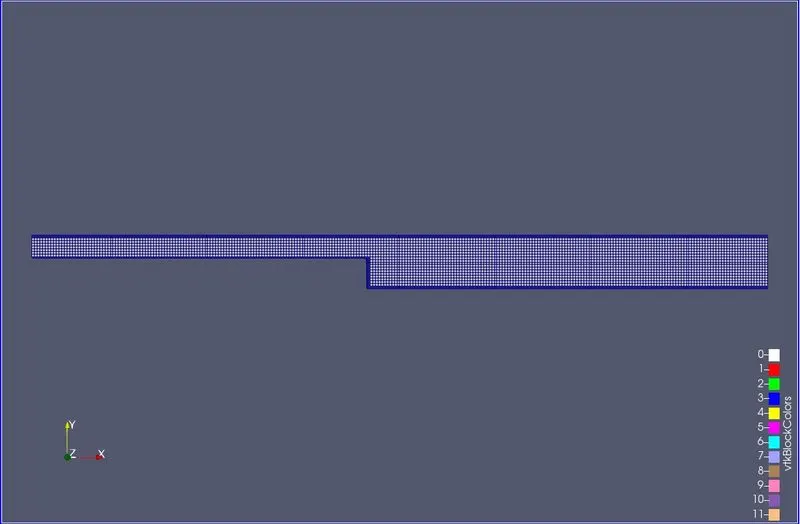
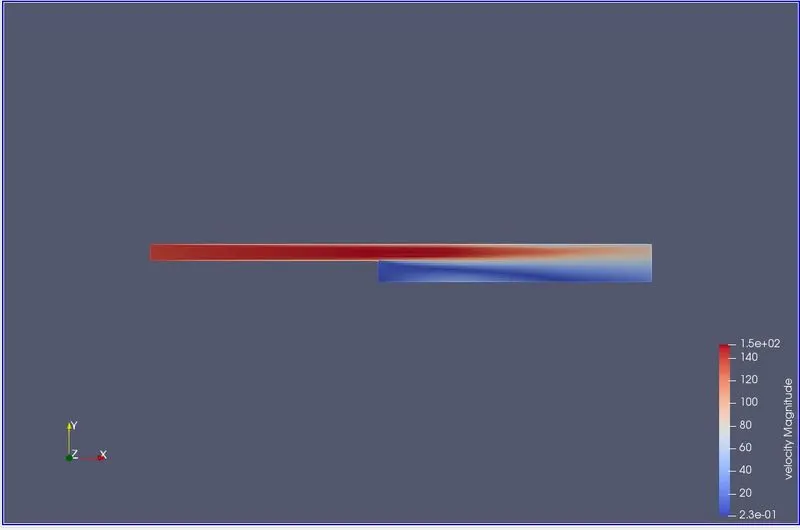
Velocity Contour:
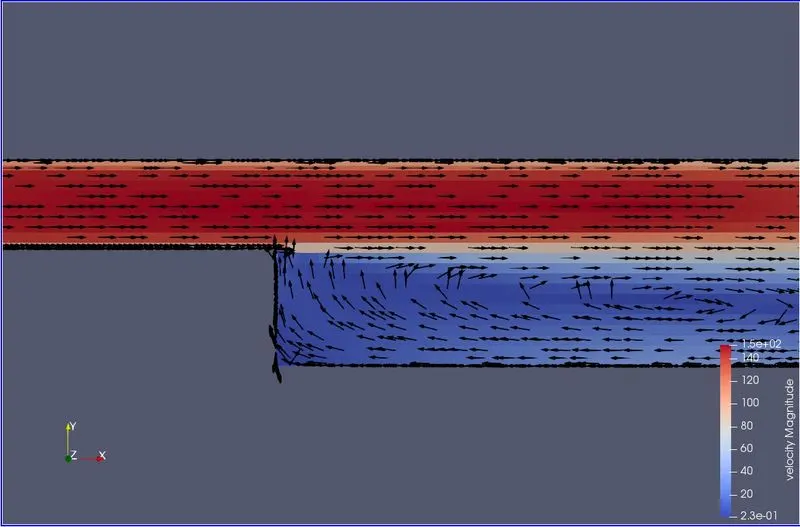
Velocity Vector:
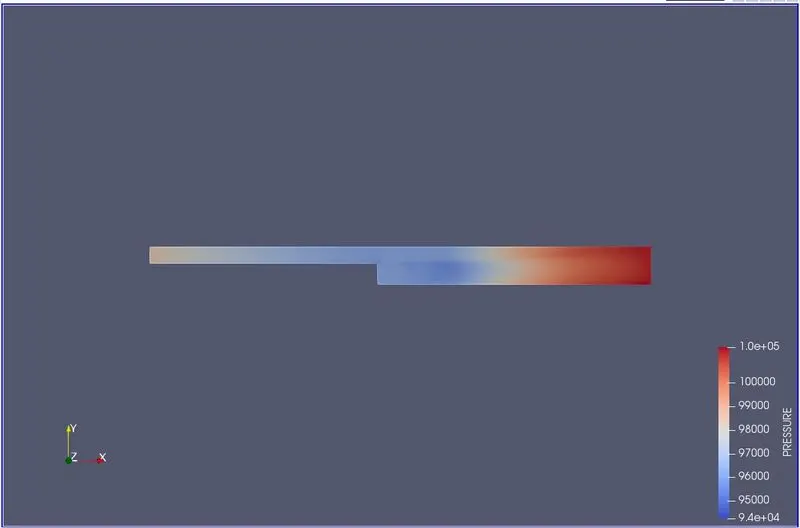
Pressure Contour:
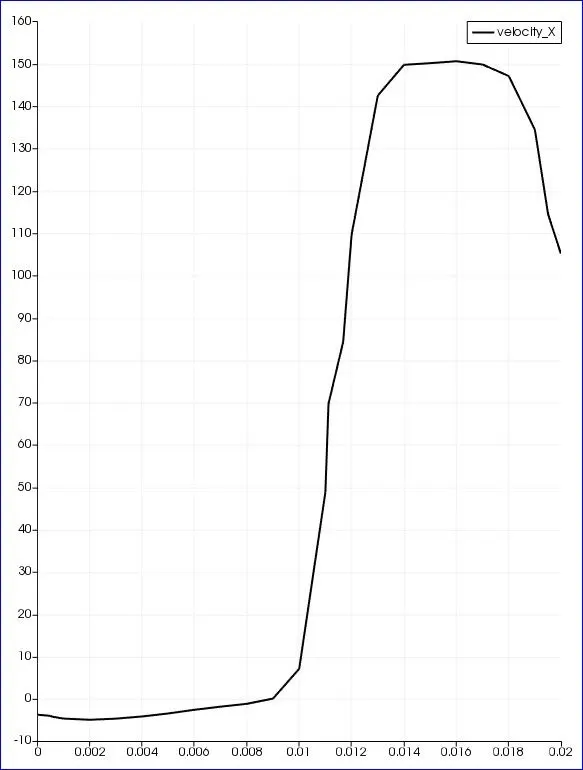
Velocity Plot:
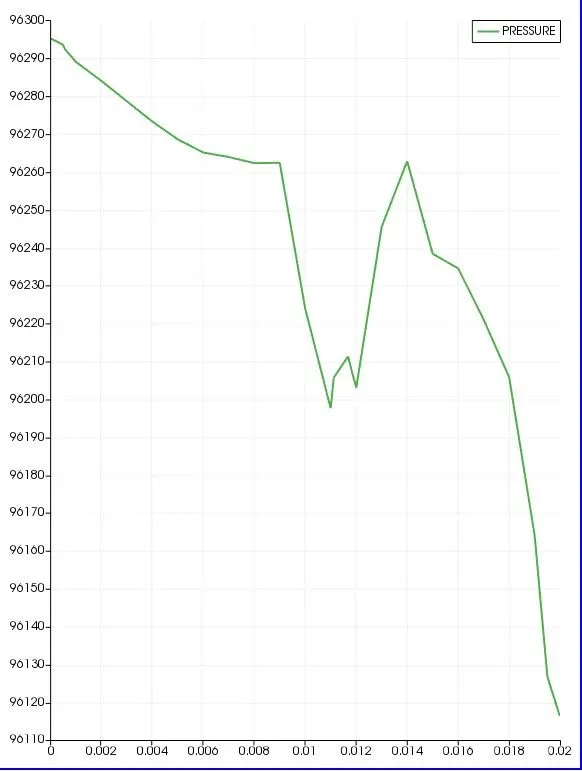
Pressure Plot:
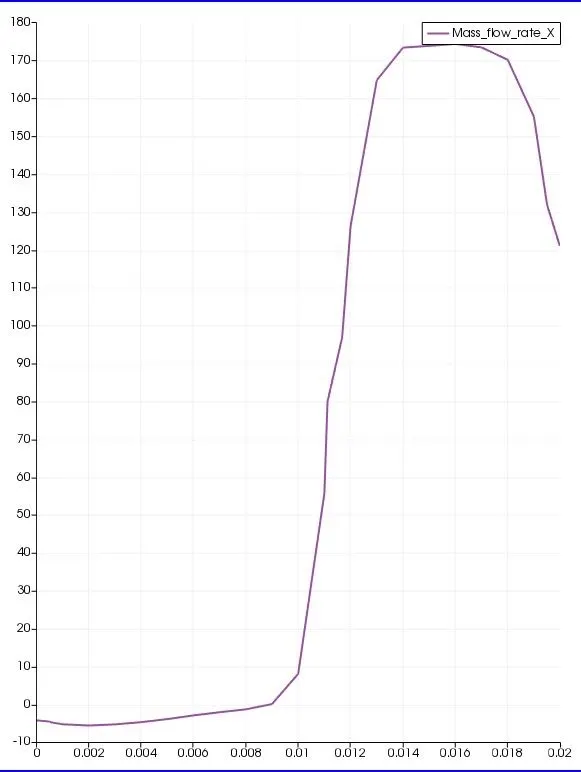
Mass flow rate Plot:
Velocity Animation:
Pressure Animation:
Inference:
Thus from the stimulation of backward step using a variation of mesh size shows us various helpful results to conclude the stimulation. The size of the mesh size increases the accuracy also increase with a toll of increasing computional time. Thus depending on the user need of time and power consumption regarding the accuracy one has chose an appropriated mesh size. Then the seperation taking place in the backward step is seen clearly in the vectors show the turbulance at the seperation point. The velocity vectors from easch mesh show the motion and velocity of fluid at the seperation point of the backward step. Thus the stimulation is concluded with the detailed plot and contours explaining the required.