Fender Design Challenge
Design of Car Fender and Mounting Features are Created as per the Design Rules Considerations.
FENDER:
A fender is the curved portion of the car’s body that sits over and houses the wheels.
What Is The Purpose Of A Fender On A Car?
- The purpose of a fender is pretty simple. Its purpose is to keep mud, rocks, and other road debris from being thrown around by the tires. In other words, the fender is a housing for the wheels that keeps road debris contained. If there was nothing covering the wheels, all kinds of debris would be kicked up by the rotating tires.
- The fender not only protects your car from sustaining damage from road debris but it prevents this debris from being thrown up at other vehicles on the road. This is why vehicles with large, oversized tires are often required by law to install fender flares.
Fender is the American English term for the part of an automobile, motorcycle, or other vehicle body that frames a wheel well (the fender underside). Its primary purpose is to prevent sand, mud, rocks, liquids, and other road spray from being thrown into the air by the rotating tire. Fenders are typically rigid and can be damaged by contact with the road surface.
In British English, the fender is called the wing (this may refer to either the front or rear fenders. However, in modern unibody vehicles, rear fenders may also be called quarter panels.) The equivalent component of a bicycle or motorcycle, or the "cycle wing" style of wing fitted to vintage cars, or overtires on lorries which are not integral with the bodywork, is called a mudguard in Britain, as it guards other road users – and in the case of a bicycle or motorcycle, the rider as well – from mud, and spray, thrown up by the wheels.
The fender's openings for the wheel wells tend to be much larger than the diameter of the tire because they do not move with the tire suspension and consequently must be large enough to allow the full range of tire motion on the suspension without touching the interior of the wheel well
These materials can be ejected from the surface of the tire at high velocity as the tire imparts kinetic energy to the attached objects. For a vehicle moving forward, the top of the tire is rotating upward and forward and can throw objects into the air at other vehicles or pedestrians in front of the vehicle.
How do we replace a fender?
Perhaps you got in a fender-bender that has rendered your car’s fender in need of replacing. The fenders on modern cars have become more integrated with the rest of the body, but don’t worry — they can be replaced just like most other automotive components.
Here we’ll briefly walk you through the process of replacing a fender. Keep in mind that the process might vary slightly from vehicle to vehicle.
- Remove the retainers that attach the fender to the bumper (these might be screws, clips, or something similar).
- Lower the bumper slightly to get it out of the way.
- Remove anything that might be mounted near the fender such as the lights.
- If replacing a front fender, remove the bolts under the hood that hold the fender in place.
- Remove the fender.
- Do the reverse process to install the new fender.
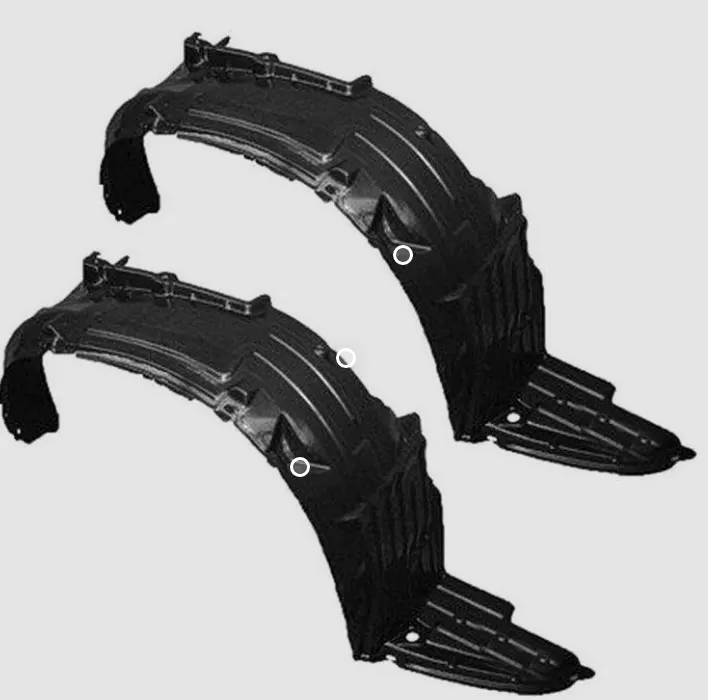
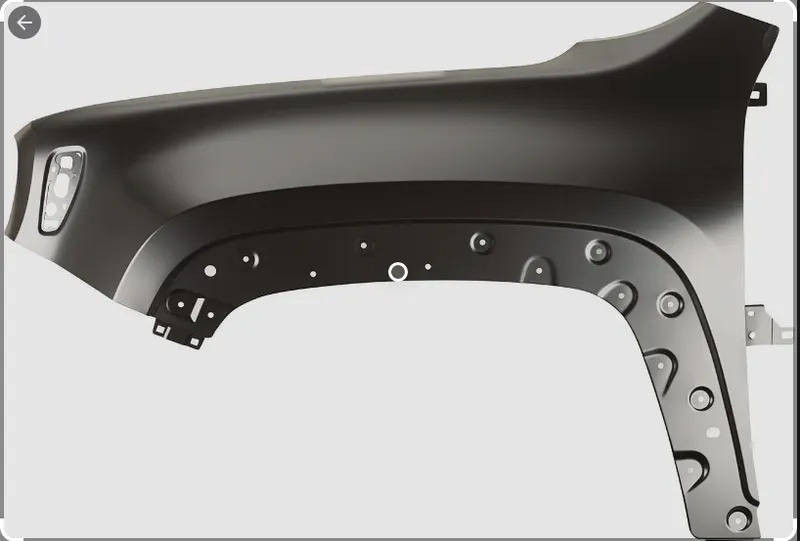

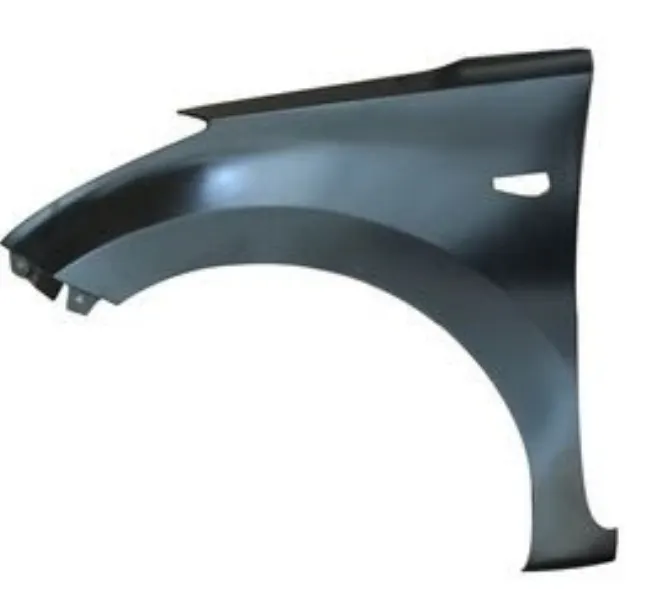
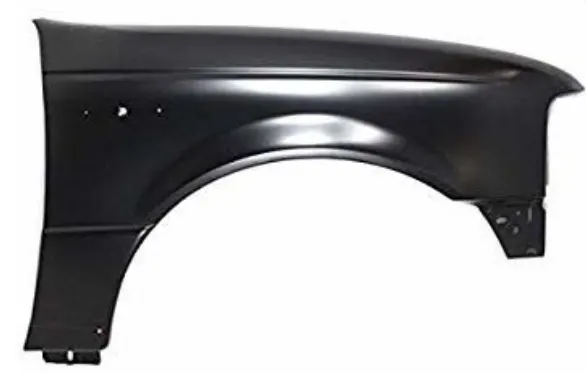
There are two types of fender Bumpers are available in the automotive field.
1) FULL BUMPER FENDER.
2) HALF BUMPER FENDER.
Full bumper type: Half bumper type:
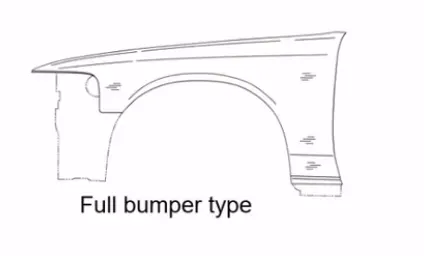
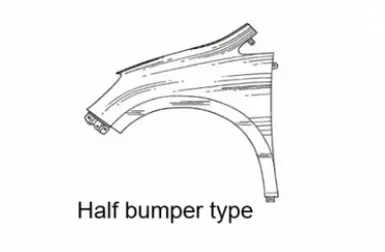
Mountings are made on a fender design are classified as follows:
- Dripping area:
- Bumper area:
- Cowl mounting area:
- Baffle mounting area:
- Sill mounting area:
- A pillar mounting area:
What is a fender Cover?
- A fender cover is a piece of material designed to be draped over a car’s front fender for when you need to do some work under the hood. This cover keeps the fender area from being scratched and scuffed as you lean over the car.
- If you do any work under the hood of your vehicle, a fender cover is a worthwhile investment. Check out this list of great fender covers on the market.
To Design a Fender the given Data can be followed in the automobile industry:
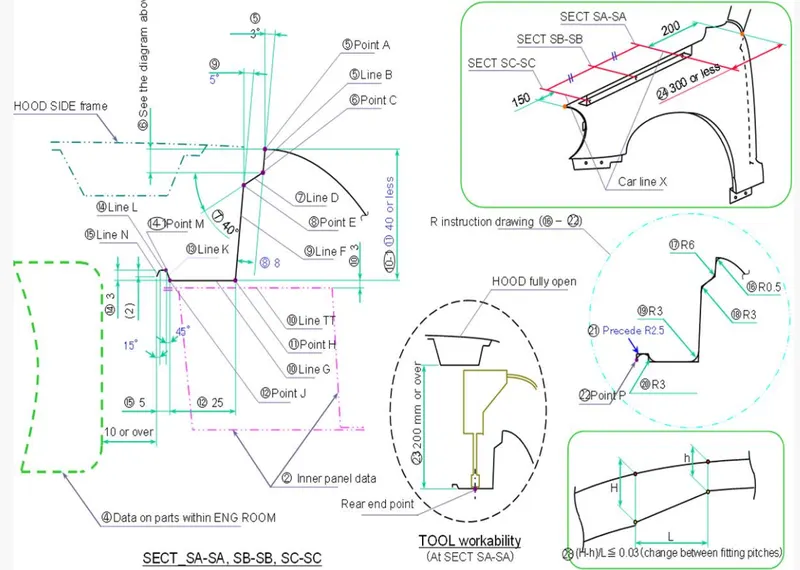
DESIGN CONSIDERATION FOR THE FENDER:
- 150 mm Distance from the front end is kept for the headlamps. sometimes it varies depending upon the car
- 200 mm Distance from the rear end is maintained for wiper assembly. some times it varies depending upon the car
- Engine components should not be visible from the outside. For this purpose initially, 3 degrees of angle and suitable length should be provided.
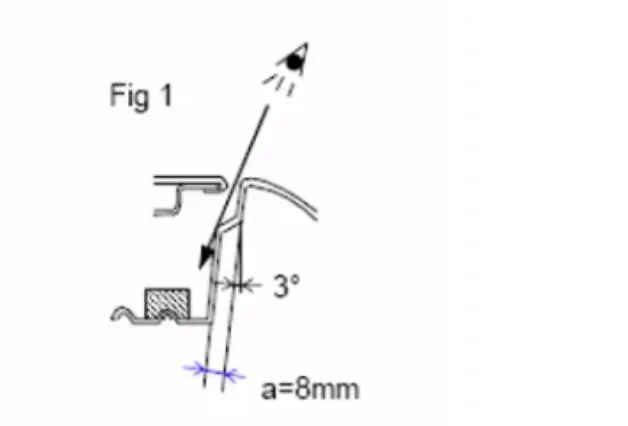
The images of the mounting are mentioned in the below figures:
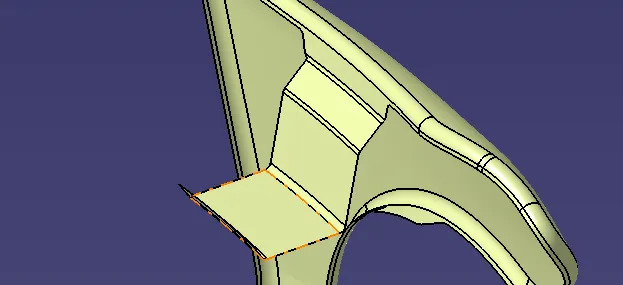
1) Dripping Area;
It is the area through which the fender is attached to engine housing through fasteners. From the backside of the front fender, there will be 200mm clearance for the cowl(wiper motor) mounting area.
2) Bumper mounting Area;
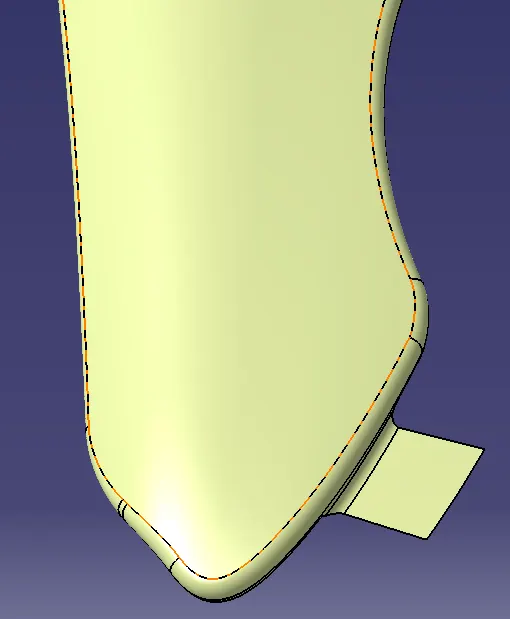
Its job is to block dirt, mud, water, environmental toxins, slush (in snowy areas), and other impurities from seeping into the engine bay and causing severe corrosion and harm. It also helps protect the wiring and other components inside of the wheel well from corrosion.
3) Baffle Mounting Area;
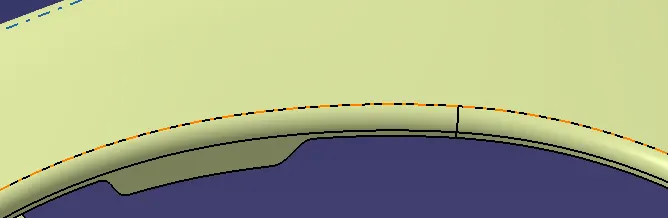
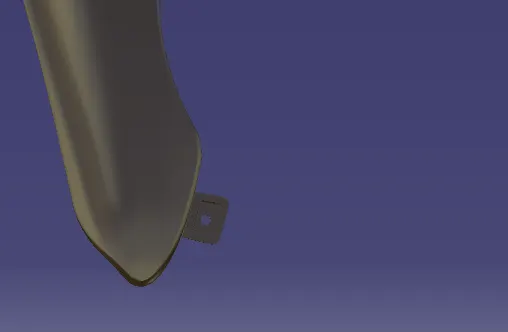
Baffle mounting areas are providing strength to the fender design component which is more rigid and can be made with a plastic component.
The design of the Baffle mounting areas is created in such a way that it should be fixed inside the bumper and can be able to lock the mounting flanges which are connected inside of the bumper.
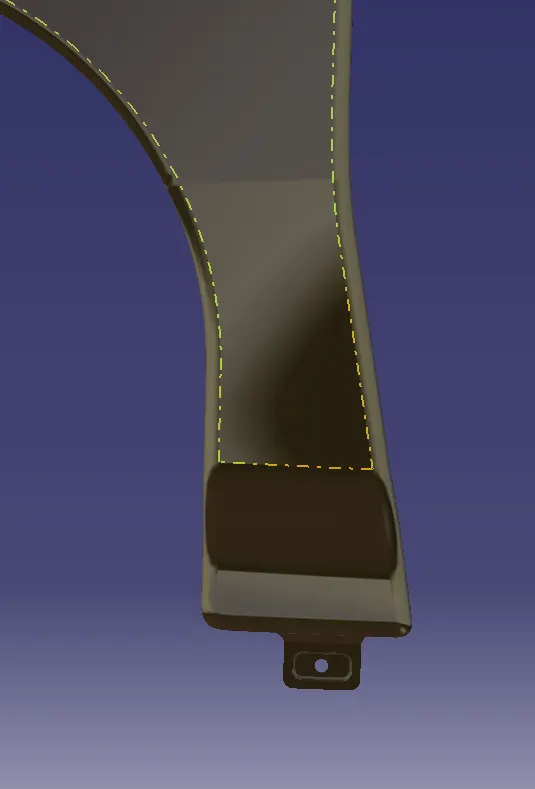
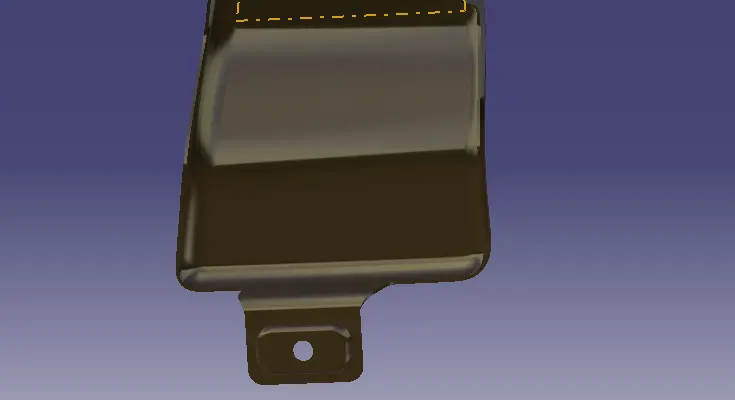
4) Sill Mounting Area;
The design of the sill mounting areas is made in such a way that it should be created at the end of the part which is most important to fix over the clamping areas of the fender design component.

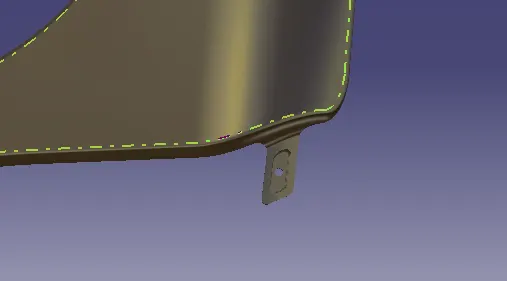
5) A-pillar Mounting Area;
Pillar mounting areas are created on the fender design component so that it should be able to handle the weight loading capacity and withstand the bumper mounting capacity.

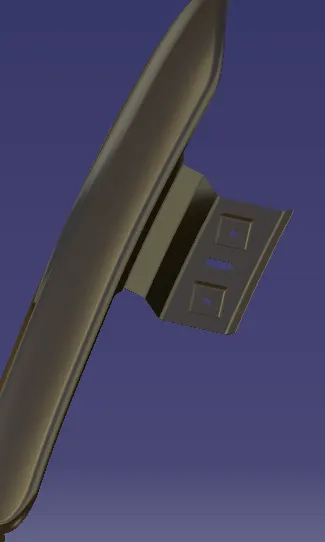
The mounting features of the fender design components are shown in the below figures:
DRIP MOUNTING AREA:

BUMPER MOUNTING AREA:

BAFFLE MOUNTING AREA:


SILL MOUNTING AREA:
A-PILLAR MOUNTING AREA:
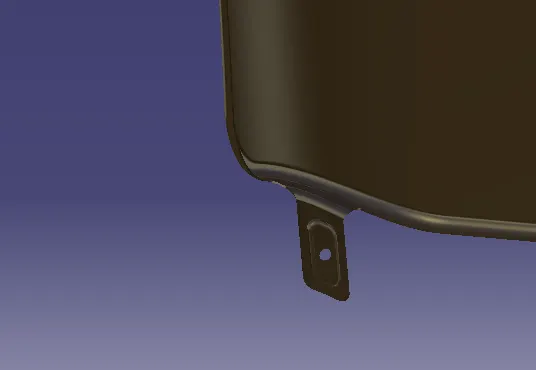
The Final Images of The Fender Design Component are Shown in the Below Figures.
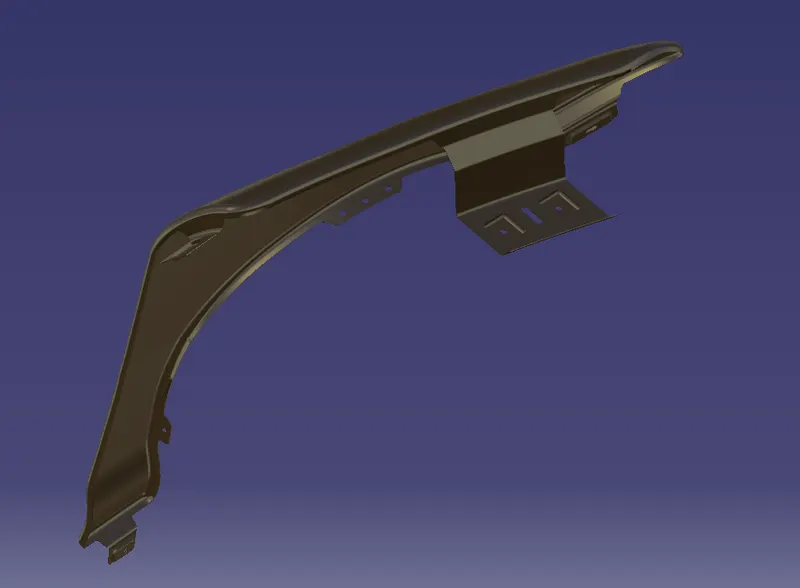
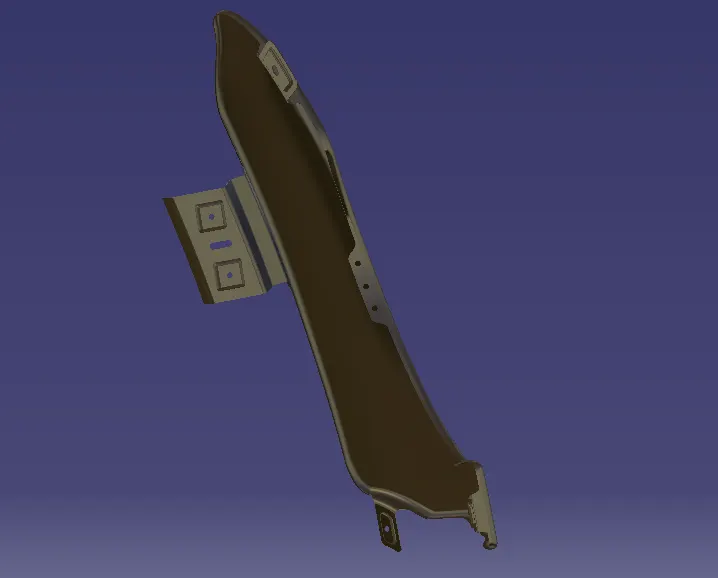
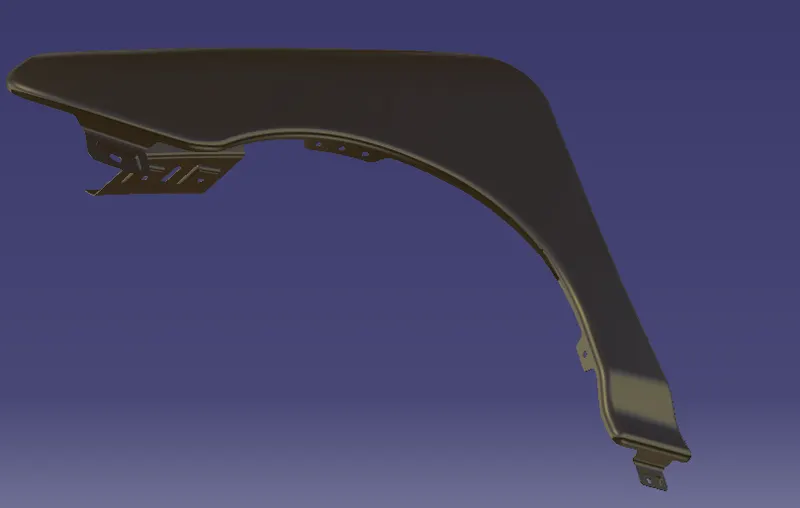
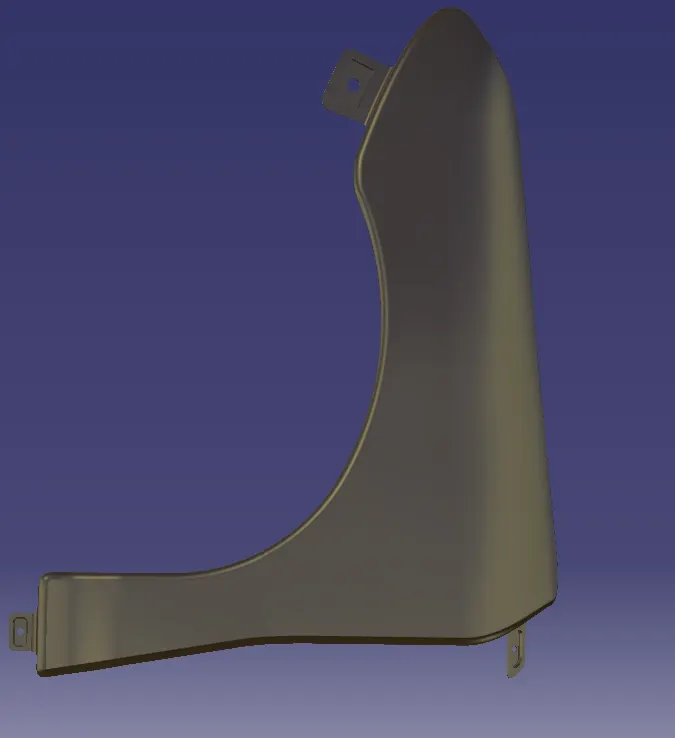
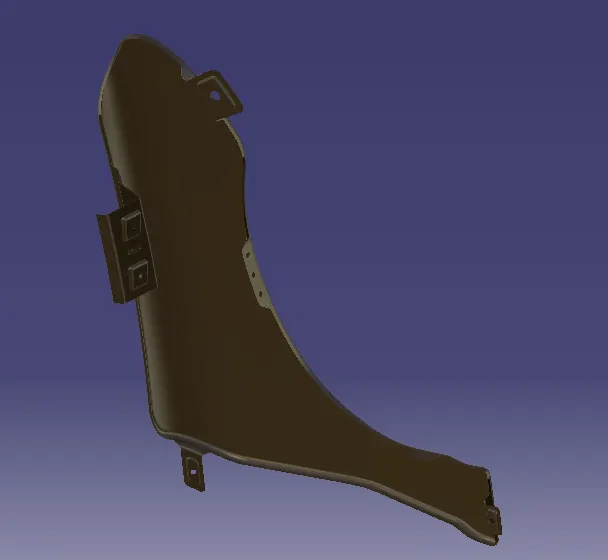
Conclusion:
The Design of Fender is Created according to the Design rule Standards also created The Mounting Features where ever the required dimensions are proportionate.