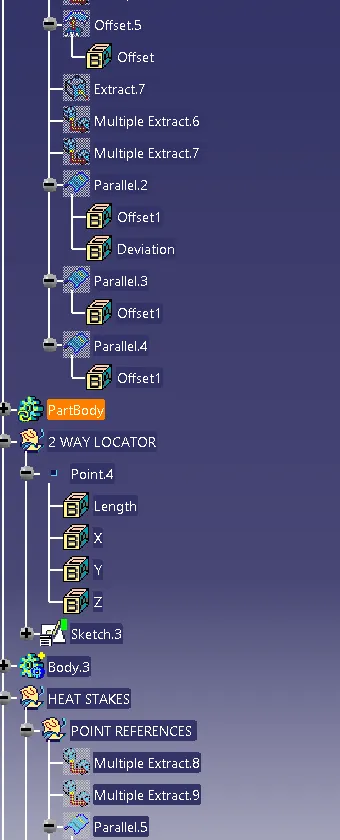
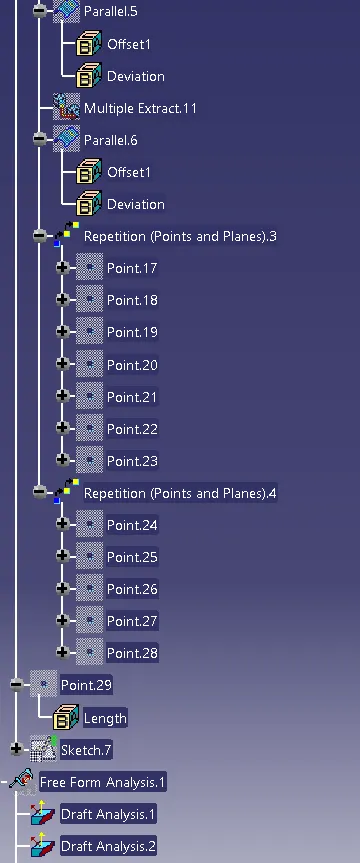
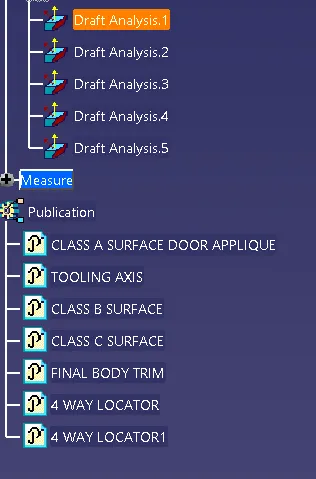
Week 9 - Project 1 - Door Applique Design with Engineering Features
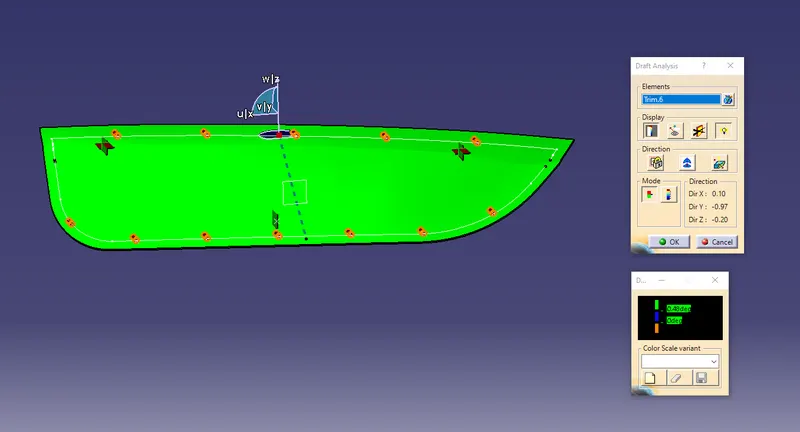
The door applique part can be created by using the draft analysis of the component in which each and every single component can be made with separate design rules.
The steps involved in making the door applique is as follows.
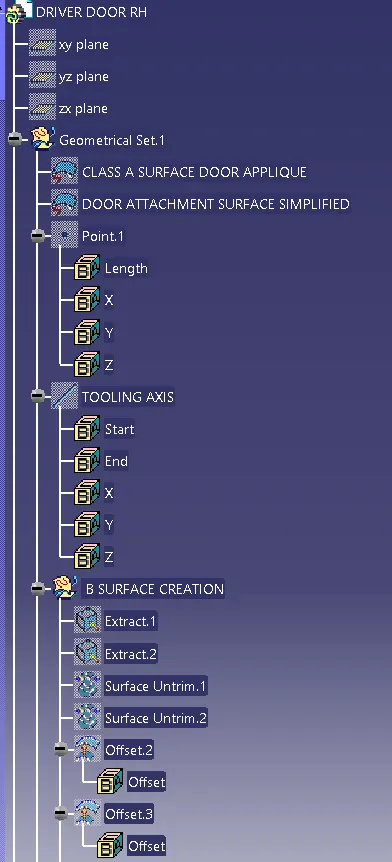
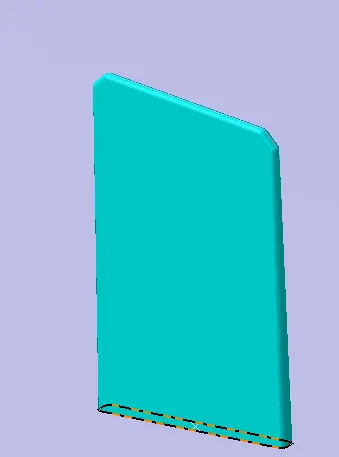
1)First from the class A surface we should create tooling axis of the component on which we can conduct draft analysis for the given class A surface and give an draft angle of 0.49 which obeys draft analysis of the class A surface.
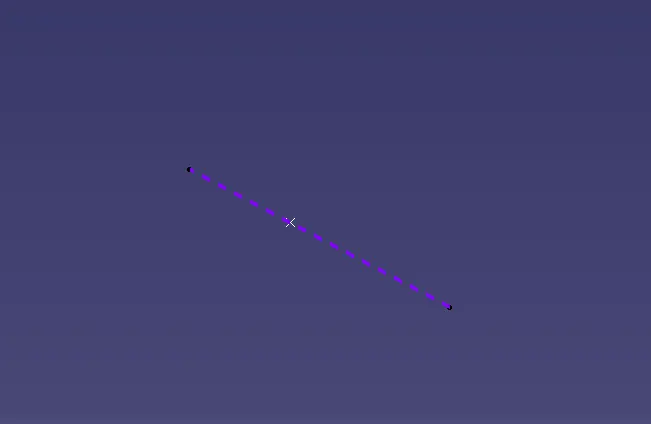
The tooling axis of the component is created as follows.
Consider a point on surface and extends the lines for both the sides and make a line.
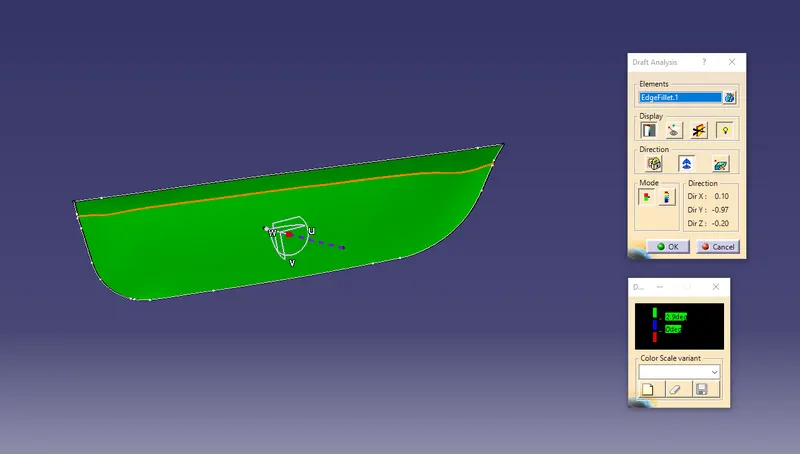
After creation of tooling axis of the component we shall proceed to create a class B surface .
The steps involved in creation of class B surface are as follows.
Initially we took the flat surfaces from the given component and make the shape generative tools for the creation of class B surface.
flat surfaces can be extracted and untrim them and offset to a distance of 2.5mm from the surface and extrapolate ths component and finally make trimming operation for to get a proper shape of the class B surface.
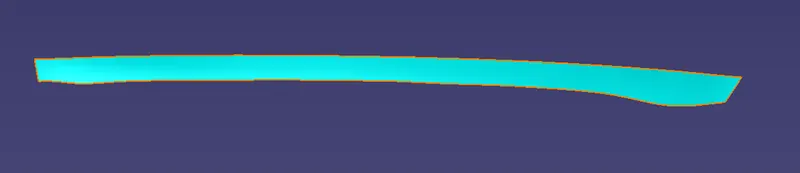
Extract the above surface and make it untrim and offset it to a distance of 2.5mm behind the class B Surface.
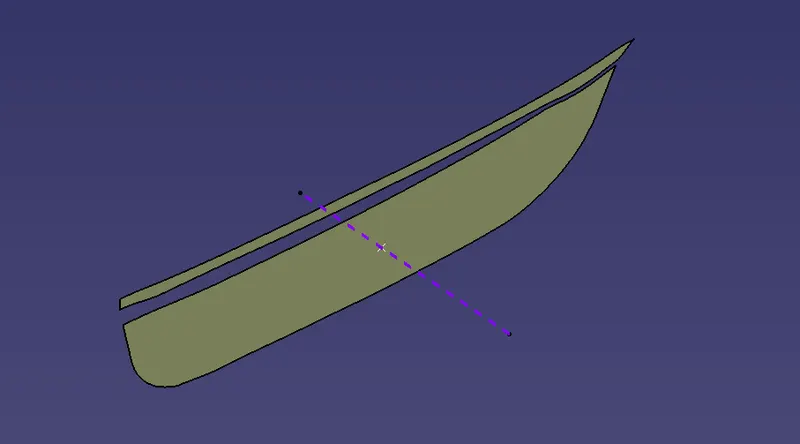
The above two surfaces can be extracted from class A surface and apply the conditions of untrim, extrapolate and offset ana all and make a proper shape of it.
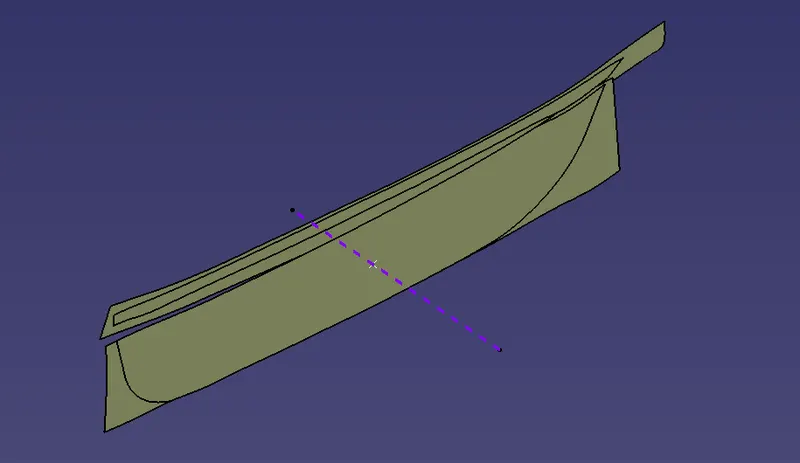
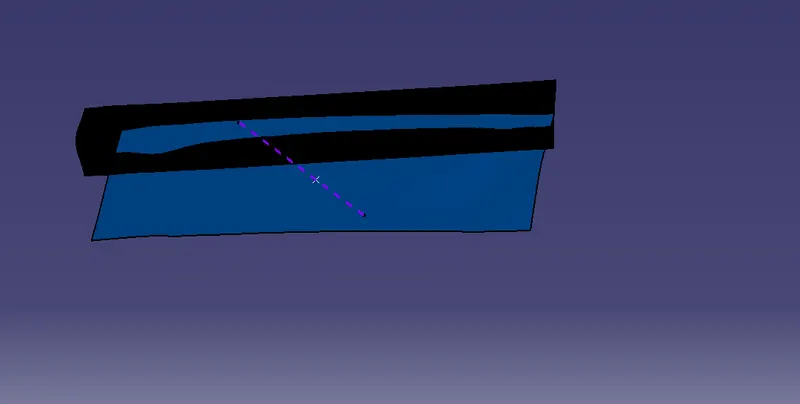
surface untrim can be made on class A surface and after this if small gap is araising these two surfaces apply the extrapolate between these two.
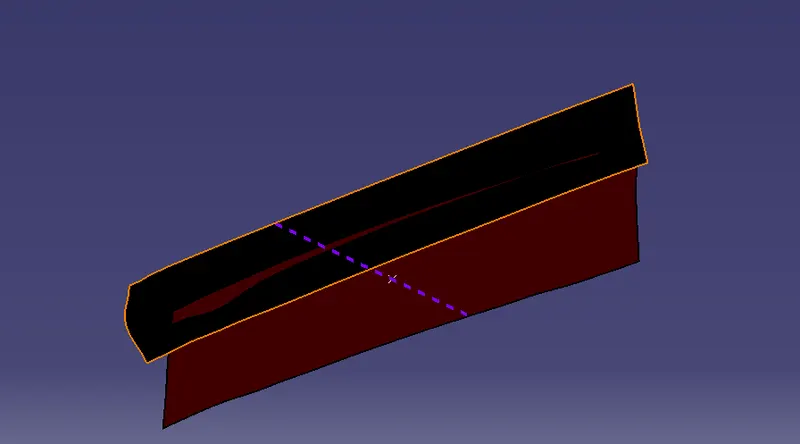
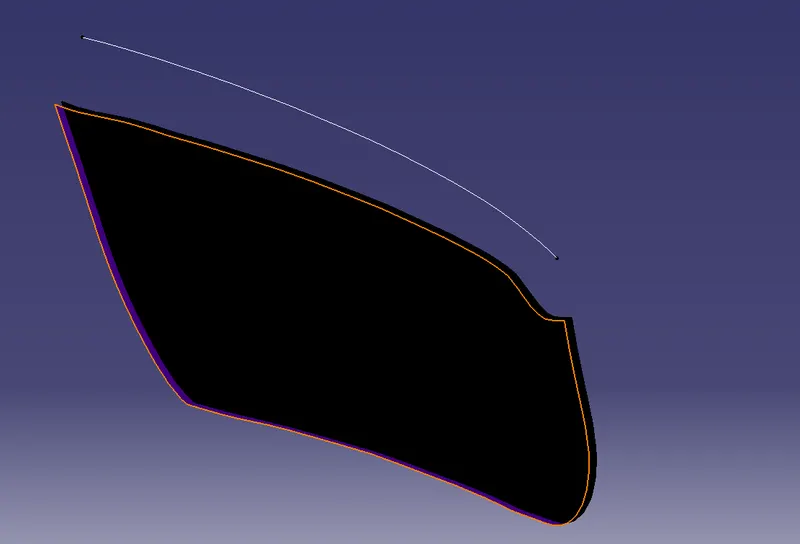
after this trim between these two surfaces to get a shape we needed for the opertions.
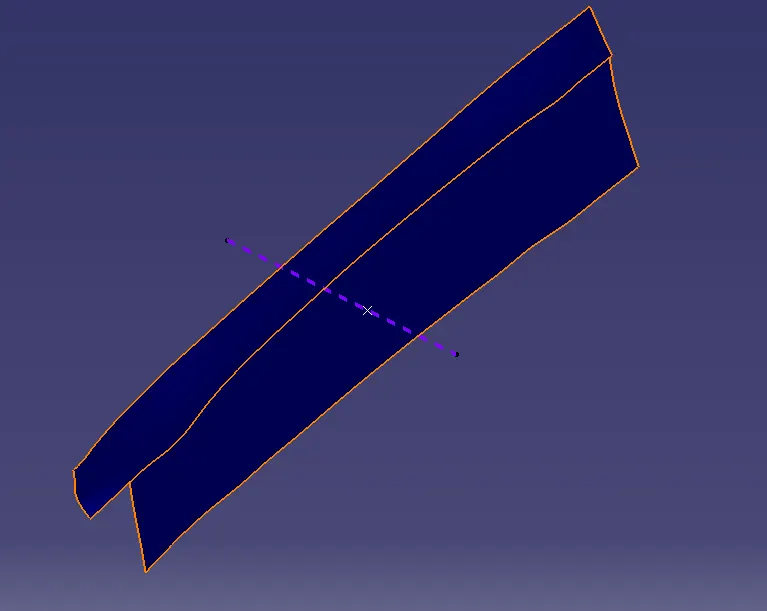
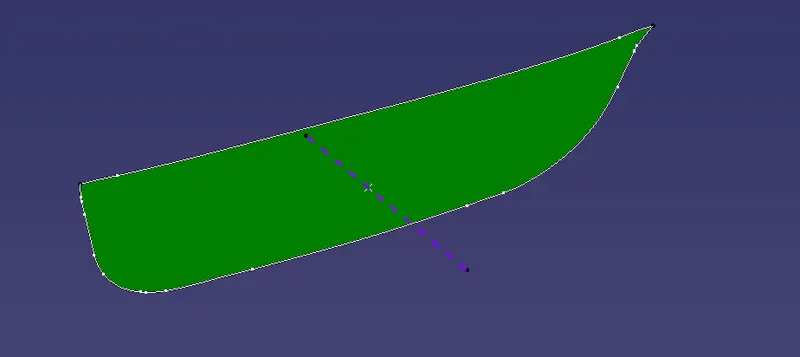
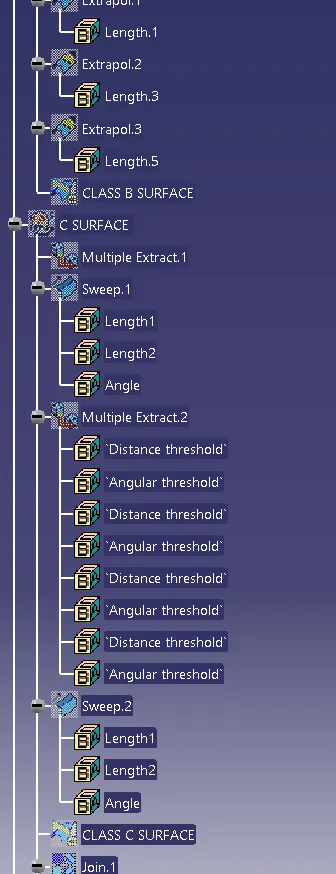
After getting the class B surface trimming join class A Surface and class B surface and check the boundary conditions of for the join. if any gaps are araising extrapolate those surfaces and do the opertaions we needed.
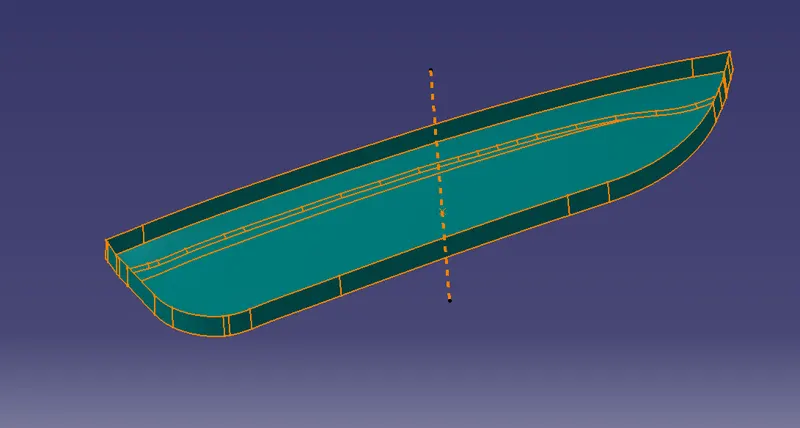
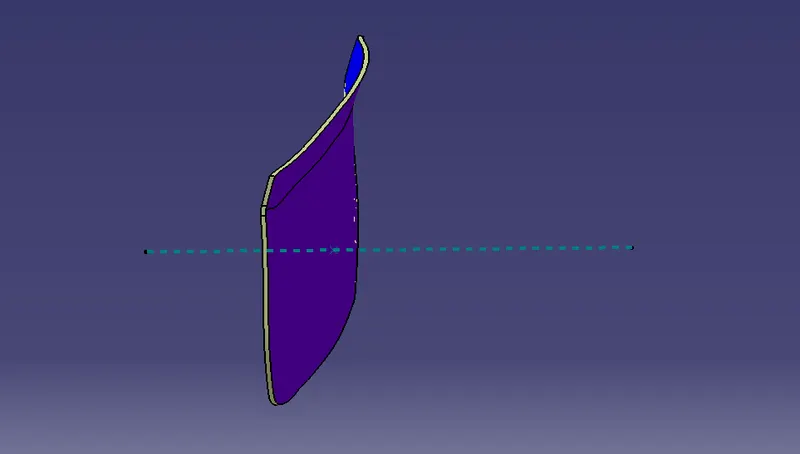
The steps involved in creation of class C surface are as follows.
For to create a class C surface we need to boundareis from the final join which can be done by considering multiextracts of upper and lower part of the final join.
extract the above surface by giving the tangent continuity option from the multiple extract.
The sweep operation can be conducted for the extracted component with guide curve and with a draft direction. we will give a draft angle of 3mm for the standard conditions.
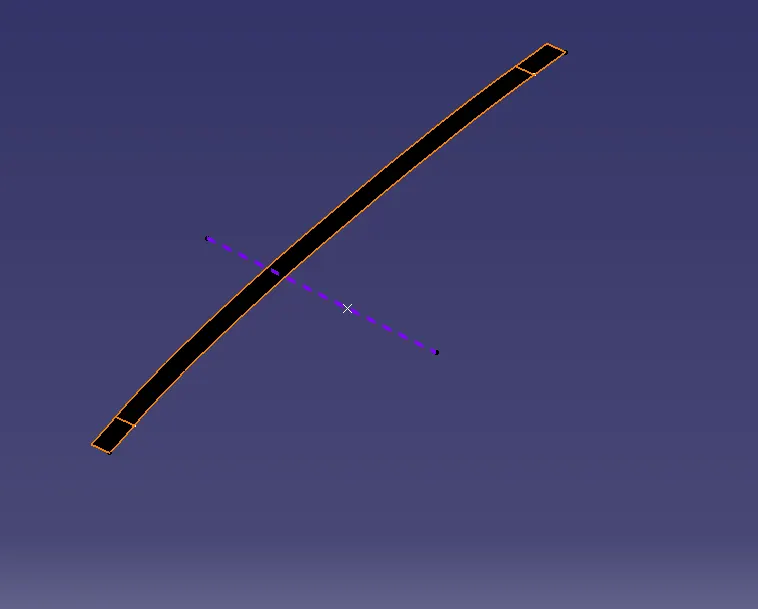
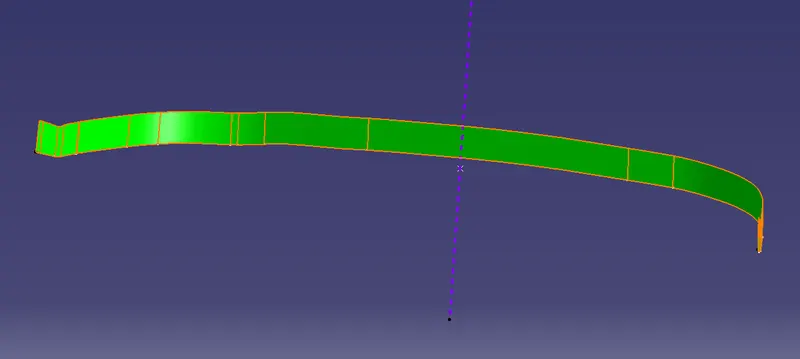
sweep these two and get a single body component with no gap between them and join them and make a solid component from it.
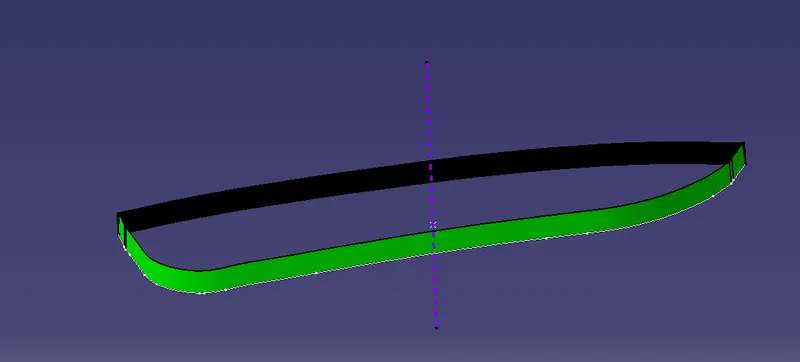
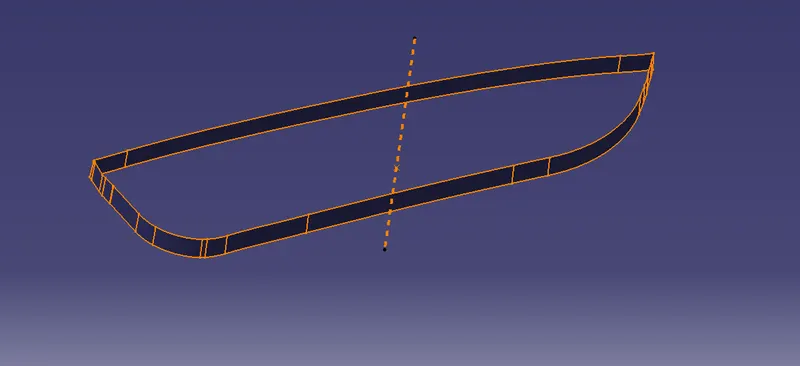
After sweep these two compnents and join with class A Surface and final trim with a class B surface and do close surface the component.
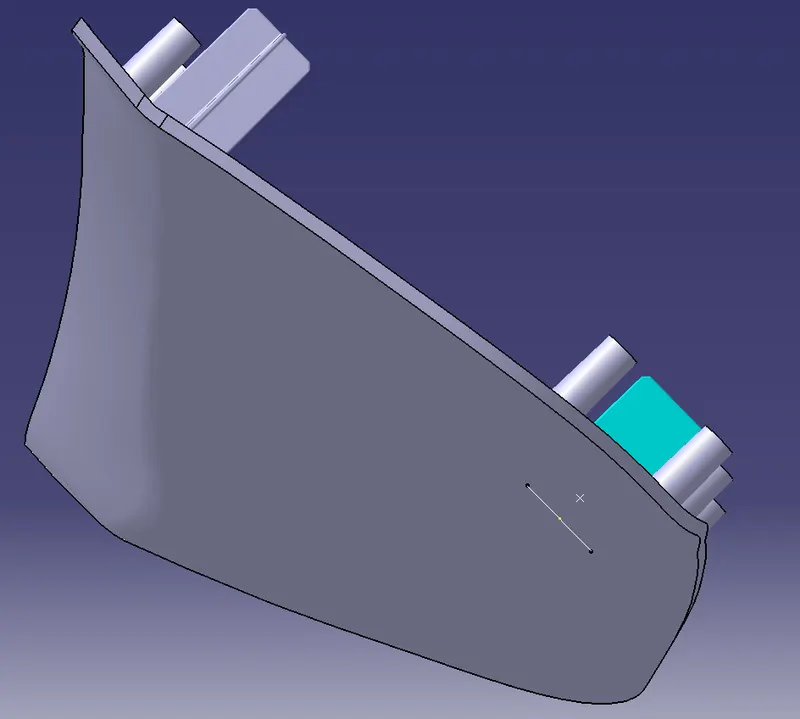
The 4 way and 2 way locators can be made with given guide lines.
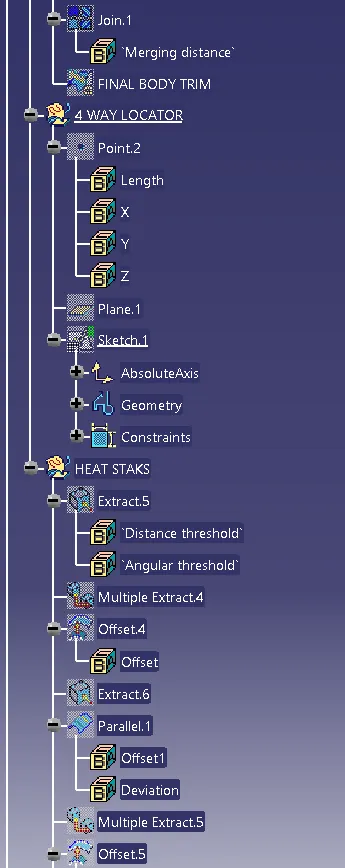
To create a 4 way locator we should consider the sketch on a door applique and by taking two lines on it.
after that pad it to some distance and make a nuetral element for to get a exact at the middle of the component.
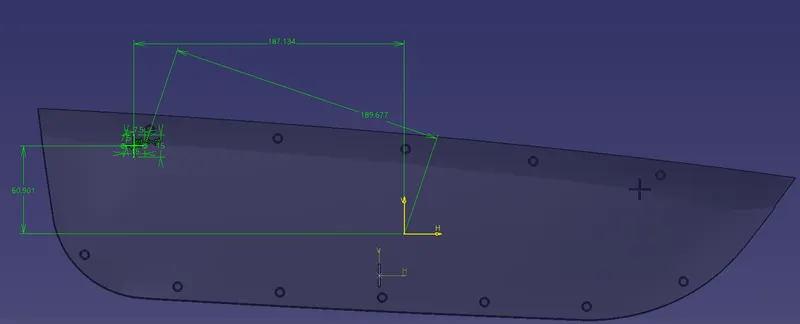
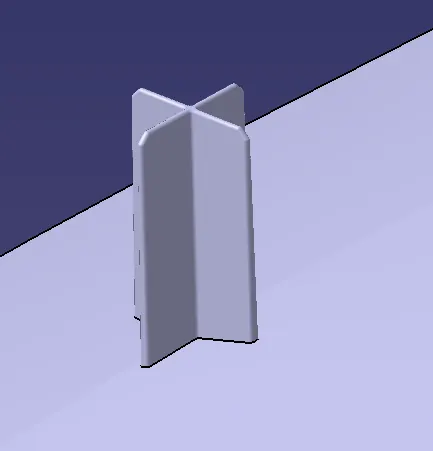
after creation of 4 way locator we shall move it to a distance by copying the same 4 way locator and paste it from main body and paste special it and make as a result and translate it to a distance from the coordinates by changing the direction of coordinates and move across the surfaces.

Like as 4 way loactor construct the 2 way locator in the middle of the component by taking a single line on it and pad it to some distance and make a nuetral element so to get it at exact at middle of the component.
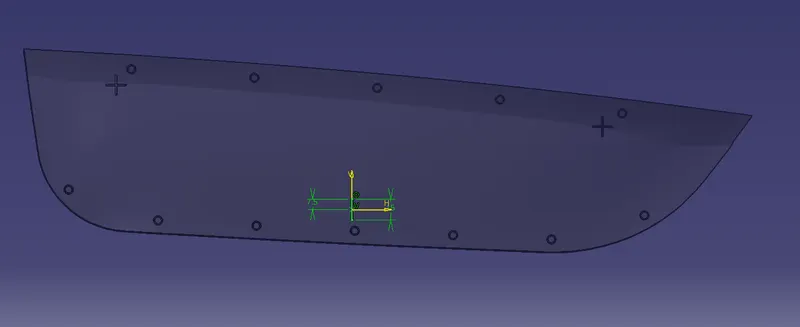
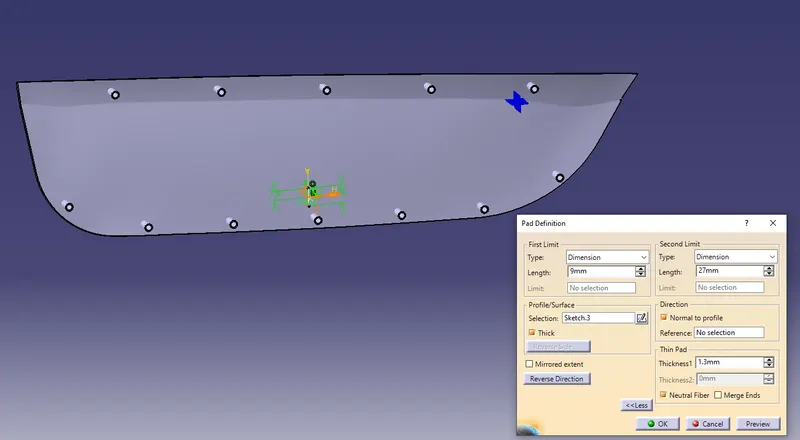
Heat stakes can be made by using the following conditions.
To create a heat stakes take a sketch on door applique surface and make two circles on it by saying outer circle and inner circle with a minimum diameter for both surfaces like 5mm for the inner one and 7mm for the outer circle diameter.
Pad these two circles with a minimum distance and place it on surface and union trim for the pad and make it visible for the component.
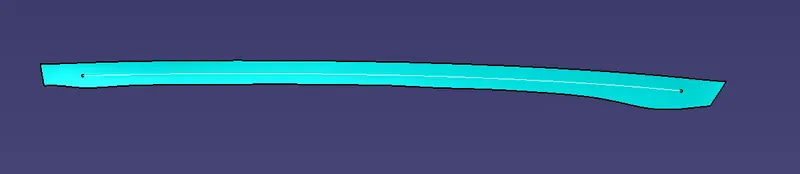
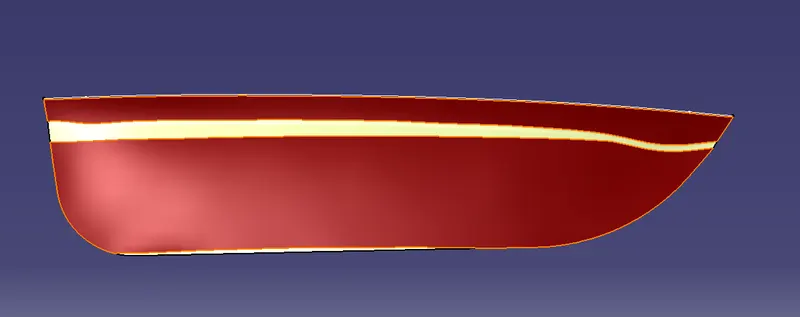
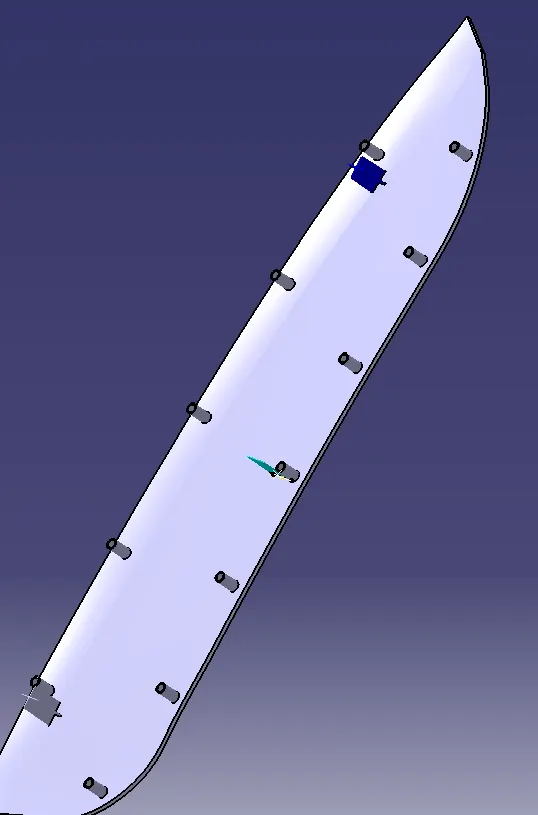
After creation of 4 way locator and 2 way locator and heat stakes we should consider for draft analysis of the component to see it should satify the draft analysis conditions and ready for manufacturing process.