Week 8 - Natural Convection-II
Low voltage control panel
It is a component of an electrical distribution system that divides an electrical power feed into branch circuits while providing a protective fuse or circuit breaker for each circuit in a common enclosure. Low voltage (LV) panels are most common across all the industries and one of the more common special requirement which need to be designed in accordance with safety standards prevailing. An electrical panel is that the combination of protection and switch devices assembled in one or a lot of adjacent compartments.
Components of Low voltage panel.
Enclosures: An electrical enclosure is a cabinet for electronic or electricalequipment. To mount switches, knobs and displays and also to prevent electrical shock to equipment users. To safeguard the contents from the environment.
Bus bars: In electric power distribution, a bus bar could be a metallic bar or a strip (copper, or aluminum) that conducts electricity within an electrical equipment for relatively short distances. Bus bars are used to carry substantial electrical currents. When compared to the wires of the same size it helps to reduces losses.
Circuit breaker: An electrical fuse is control designed. To protect a circuit from damage caused by overcurrent or overload or tangency. Its basic operate is to interrupt current flow after protecting relays detect a fault.
AIM
The objective of the project is to design a low voltage control panel as per given specifications and setup the physics & solve the thermal model.
TASK
- The Control panel to be create for the incoming current of 1214A.
- Circuit breaker losses are given as per the following table. The current distribution and bus bar dimensions / Cable dimensions and lengths are given as per the following table
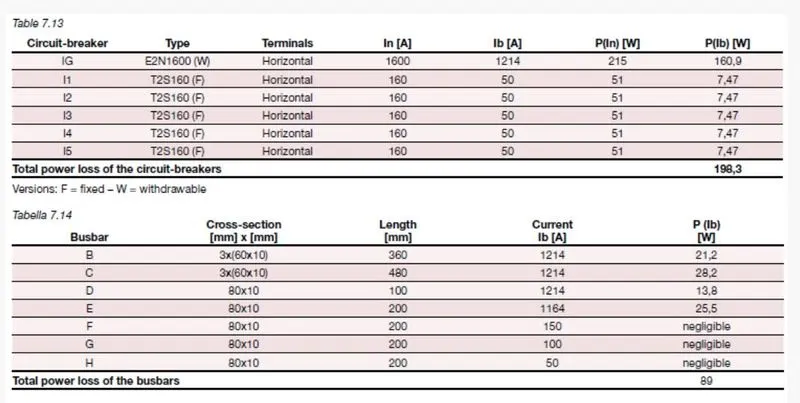
- Assume the circuit breaker dimensions, panel inside dimensions and also assume the placements of the circuit breakers.
- The ambient temperature is 25 C.
- The Non conformal mesh in computational domain & joule heating for the current carrying bus bar & cables.
- Post process the results using the Plane cut, Vector plot, Temperature contour and object face.
Model
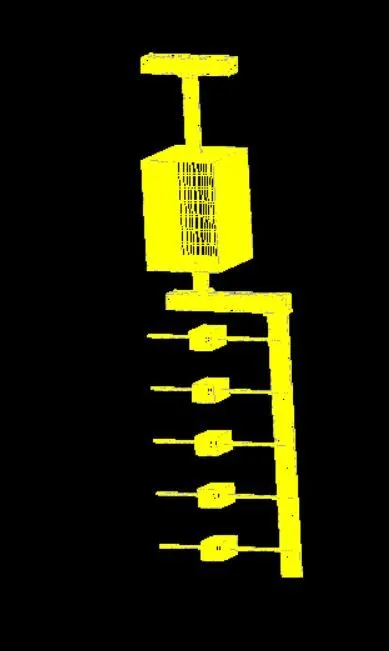
The following objects are created in Icepak using the design specification.
Cabinet : It creates a fluid region around the model for which the governing equations are solved.
i) Geometry
Shape - Prism.
Specified By - Start/end.
Start Xs - 0 mm.
Start Ys - 200 mm.
Start Zs - -0 mm.
End Xe - 1000 mm.
End Ye - 4200 mm.
End Ze - 2000 mm.
ii) Properties - The wall type for the cabinet is defined.
Min X - Wall.
Max X - Wall.
Min Y - Wall.
Max Y - Wall.
Min Z - Wall.
Max Z - Wall.
The dimension for the circuit breaker is obtained ABB website from the type provided.
IG block
i) Geometry
Shape - Prism.
Specified By - Start/length.
Start Xs - 350 mm.
Start Ys - 1500 mm.
Start Zs - 852 mm.
Length Xl - 302 mm.
Length Yl - 418 mm.
Length Zl - 296 mm.
ii) Properties
Block type - Solid.
Surface Material - Paint non metallic.
Solid Material - Fe-pure.
Total power - 160.9 W.
I1 block
i) Geometry
Shape - Prism.
Specified By - Start/length.
Start Xs - 436 mm.
Start Ys - 1185 mm.
Start Zs - 970 mm.
Length Xl - 130 mm.
Length Yl - 70 mm.
Length Zl - 90 mm.
ii) Properties
Block type - Solid.
Surface Material - Paint non metallic.
Solid Material - Fe-pure.
Total power - 7.47 W.
The material for all the circuit breaker are same & the power for the component are provided.
Bus bar B1
i) Geometry
Shape - Prism.
Specified By - Start/length.
Start Xs - 461 mm.
Start Ys - 2268 mm.
Start Zs - 820 mm.
Length Xl - 10 mm.
Length Yl - 60 mm.
Length Zl - 360 mm.
ii) Properties
Block type - Solid.
Surface Material - Cu polished surface.
Solid Material - Cu-pure.
Total power - Joule heating.
iii) Joule heating power
Type - Constant.
Current - 404.67 A.
L - Z length.
Resistivity - 1.72e-8 ohm.
C - 0.0039.
Tref - 25 degC.
Low temperature - 25 degC.
High Temperature - 200 degC.
Bus bar B2
i) Geometry
Shape - Prism.
Specified By - Start/length.
Start Xs - 496 mm.
Start Ys - 2268 mm.
Start Zs - 820 mm.
Length Xl - 10 mm.
Length Yl - 60 mm.
Length Zl - 360 mm.
ii) Properties
Block type - Solid.
Surface Material - Cu polished surface.
Solid Material - Cu-pure.
Total power - Joule heating.
iii) Joule heating power
Type - Constant.
Current - 404.67 A.
L - Z length.
Resistivity - 1.72e-8 ohm.
C - 0.0039.
Tref - 25 degC.
Low temperature - 25 degC.
High Temperature - 200 degC.
Bus bar B3
i) Geometry
Shape - Prism.
Specified By - Start/length.
Start Xs - 531 mm.
Start Ys - 2268 mm.
Start Zs - 820 mm.
Length Xl - 10 mm.
Length Yl - 60 mm.
Length Zl - 360 mm.
ii) Properties
Block type - Solid.
Surface Material - Cu polished surface.
Solid Material - Cu-pure.
Total power - Joule heating.
iii) Joule heating power
Type - Constant.
Current - 404.67 A.
L - Z length.
Resistivity - 1.72e-8 ohm.
C - 0.0039.
Tref - 25 degC.
Low temperature - 25 degC.
High Temperature - 200 degC.
Similarly for the busbar C,D,E,F,G & H are created.
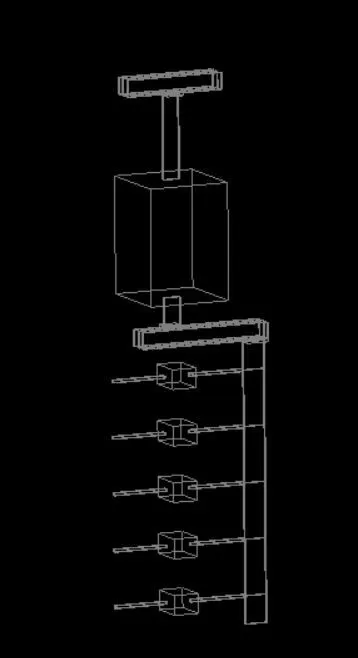
Enclosure
i) Geometry
Shape - Prism.
Specified By - Start/length.
Start Xs - 100 mm.
Start Ys - 200 mm.
Start Zs - 610 mm.
Length Xl - 800 mm.
Length Yl - 2400 mm.
Length Zl - 900 mm.
ii) Properties
Block type - Solid.
Surface Material - Paint white acrylic.
Solid Material - Steel carbon 1020.
Thermal Specification - Thin is set at all the boundary type & the thickness is 3 mm. The radiation at all the boundary walls are activated.
Grille 1
i) Geometry
Shape - Rectangular.
Plane - X-Y.
Specified By - Start/length.
Start Xs - 100 mm.
Start Ys - 320 mm.
Start Zs - 610 mm.
Length Xl - 800 mm.
Length Yl - 200 mm.
Grille 2
i) Geometry
Shape - Rectangular.
Plane - X-Y.
Specified By - Start/length.
Start Xs - 100 mm.
Start Ys - 2090 mm.
Start Zs - 1510 mm.
Length Xl - 800 mm.
Length Yl - 200 mm.
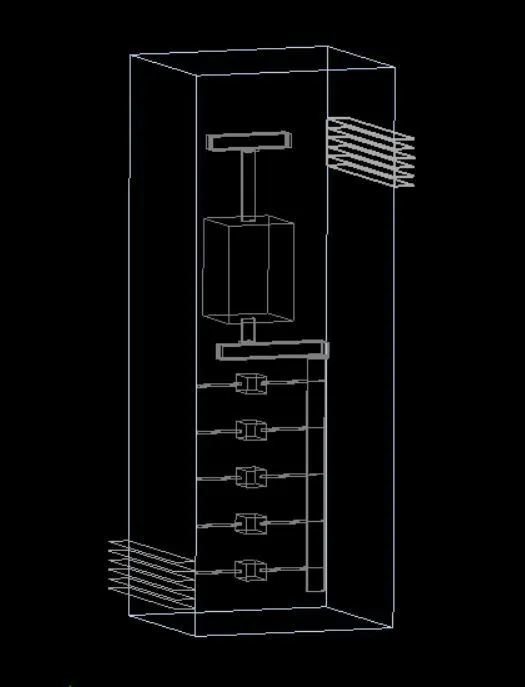
Assemble - 1
Select all the blocks and click on create --> assembly.
Under the meshing tab choose Mesh separately,
i) Slack setting
Min X - 5 mm.
Max X - 5 mm.
Min Y - 5 mm.
Max Y - 5 mm.
Min Z - 5 mm.
Max Z - 5 mm.
ii) Mesh type
Max element size X - 6 mm.
Max element size Y - 50 mm.
Max element size Z - 20 mm.
Min Gap X - 0.5 mm.
Min Gap Y - 0.5 mm.
Min Gap Z - 0.5 mm.
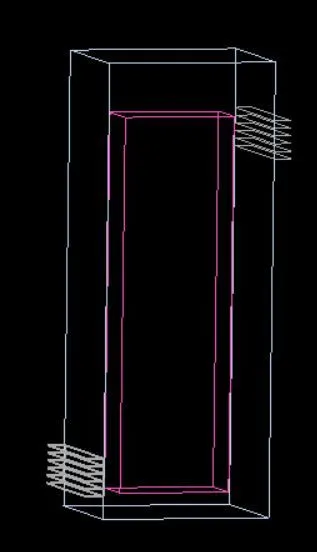
Assemble - 2
Select all the blocks and click on create --> assembly.
Under the meshing tab choose Mesh separately,
i) Slack setting
Min X - 5 mm.
Max X - 5 mm.
Min Y - 0 mm.
Max Y - 5 mm.
Min Z - 5 mm.
Max Z - 5 mm.
ii) Mesh type
Max element size X - 40 mm.
Max element size Y - 100 mm.
Max element size Z - 45 mm.
Min Gap X - 1 mm.
Min Gap Y - 1 mm.
Min Gap Z - 1 mm.
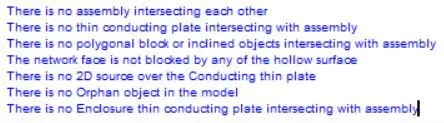
- Macros --> Productivity --> Validation --> Automatic case check tool - It checks the assembly interface between the varies objects and assembly.
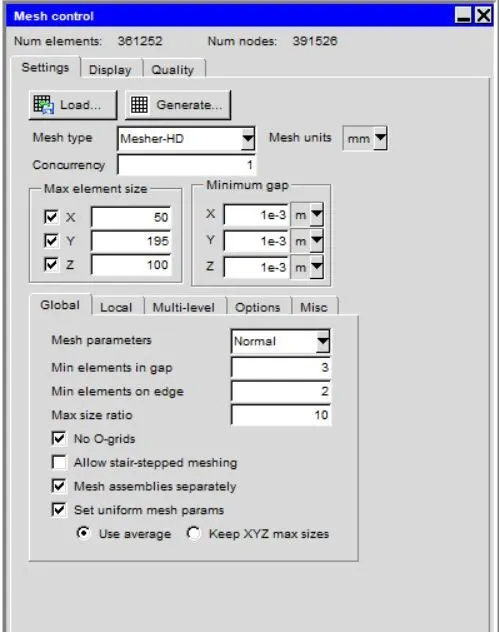
Mesh Control
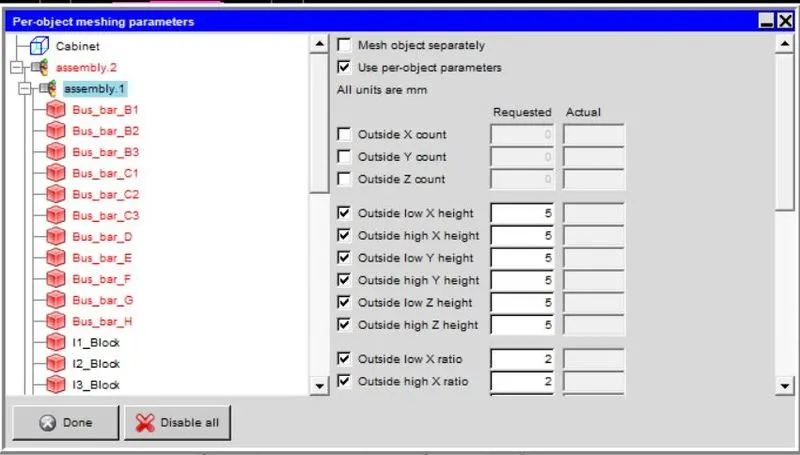
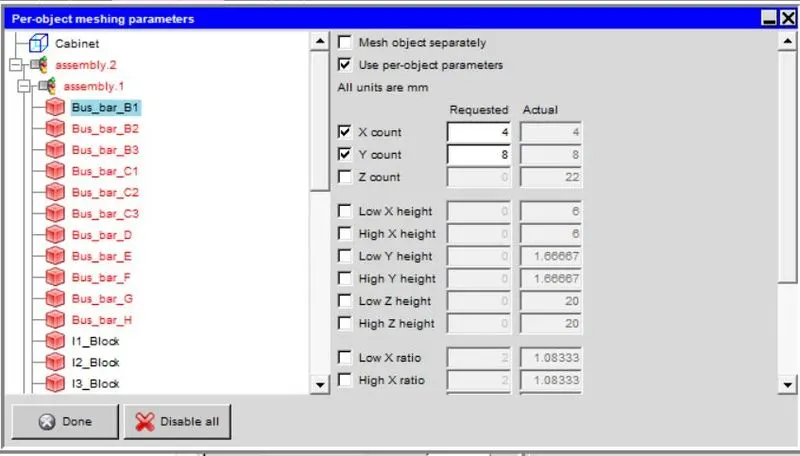
The mesh refinement of the bus bar are done by increasing the element count along the cross section. Select bus bar --> Set --> object mesh parameter & increase the count value.
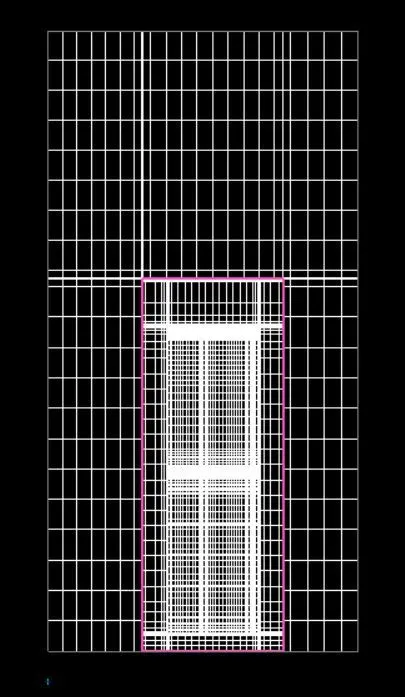
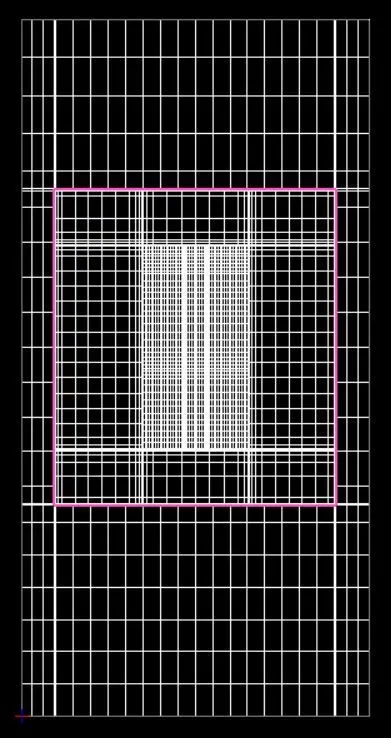
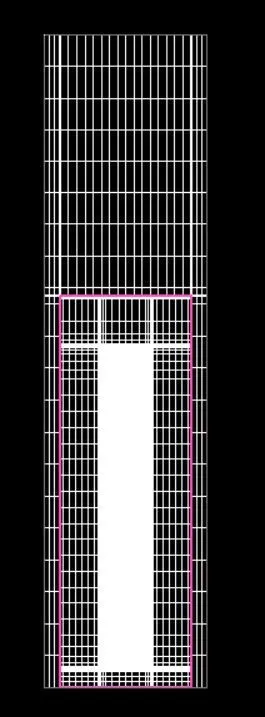
The Mesh for the three plane passing along the center of the control panel.
X Plane
Y Plane
Z Plane
Surface mesh
Mesh Verification
Face alignment
- It is the measure of mesh quality defined by face alignment index = C0C1.f
- C0 & C1 are the centroids of two adjacent elements are normal vector to the face between the two elements.
- Range of face alignment 0 (bad) to 1 (good) & value greater than 0.1 (preferred) & value greater than 0.15 provide better results.
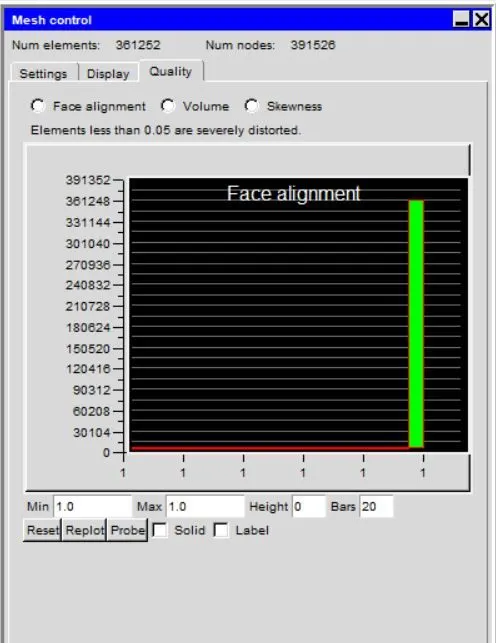
The min value of the model is 1 which is ideal for the results.
Volume
- Preferable volume of mesh to be greater than 1e-13 for single precision solver & greater than 1e-15 for double precision.
- Max / Min cell volume should be less than 10^7 for single precision & must be less than 10^12 for double precicion since very small volume create divergence of the solution.
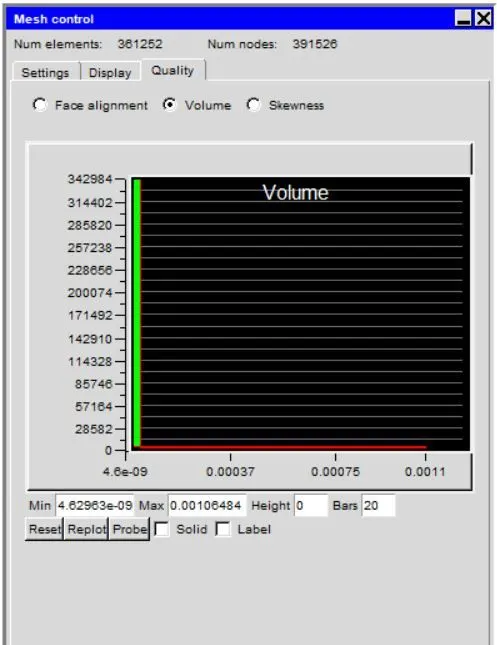
The volume of the mesh greater than 10^-13 & Max / Min cell ratio is around 2e5 which is in required range & the single precision can be used for this model.
Skewness
It determines how close to the ideal & based on the equilateral volume. The value greater than 0.5 provide good cell quality.
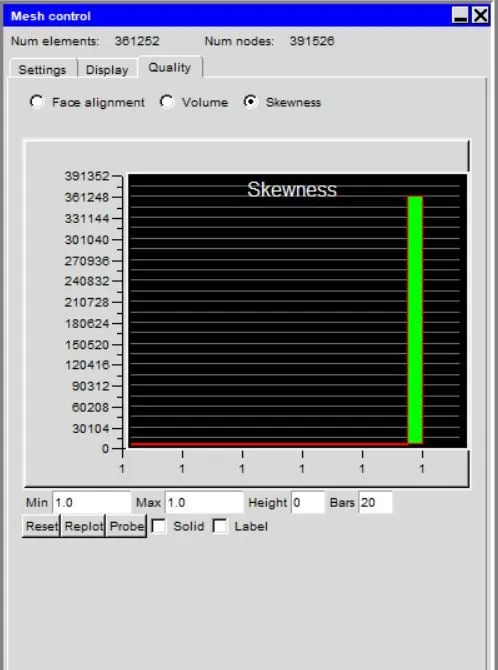
The min value of the skewness is 1 so only ideal element are formed.
Solver
The three dimensional steady state Navier stokes equations for the model are solved within the computational domain.
General Setup
- Variables solved - flow and temperature.
- Radiation - On.
- Flow regime - Turbulent - The zero equation are solved for the turbulent model.
Natural convection are consider for this model.
Gravity vector for the y axis is set to -9.81 m/s2.
The defaults value of the parameters are set to default.
Transient Setup
- Time variation - Steady
Solution Initialization
X velocity - 0.
Y velocity - 0.005 m/s.
Z velocity -0.
Temperature - ambient.
Basic settings
No of iterations - 500.
Convergence criteria
Flow - 0.001.
Energy - 1e-7.
Joule heating - 1e-7.
Parallel Settings
Configuration - parallel.
Parallel options - 4 processors.
Advance Solver Setup
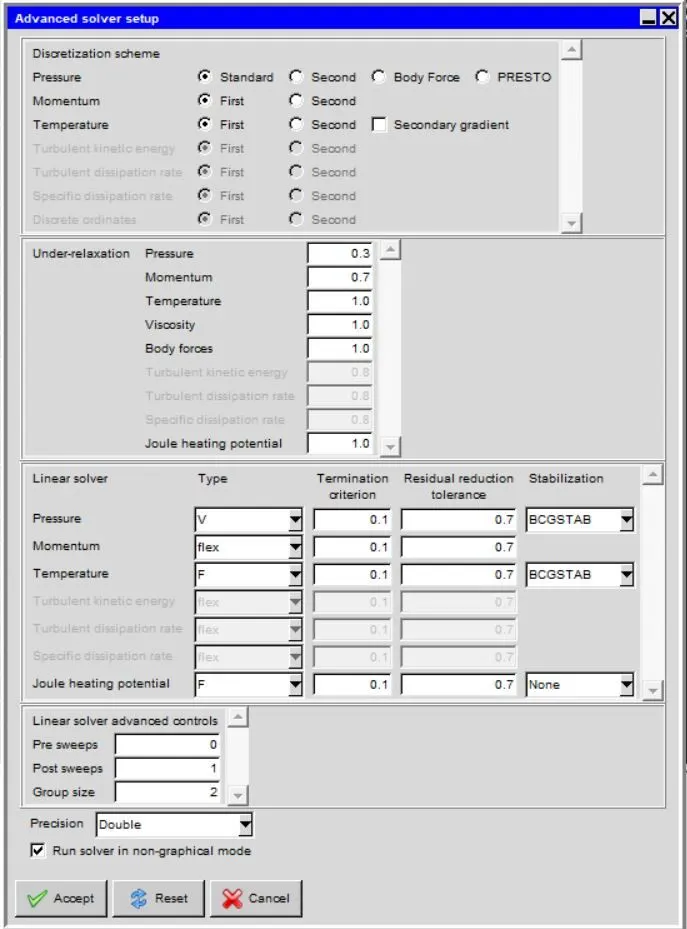
Results
The residuals for the following equations are plotted against the number of iterations:
- Continuity equation.
- X-momentum equation.
- Y-momentum equation.
- Z-momentum equation.
- Energy equation.
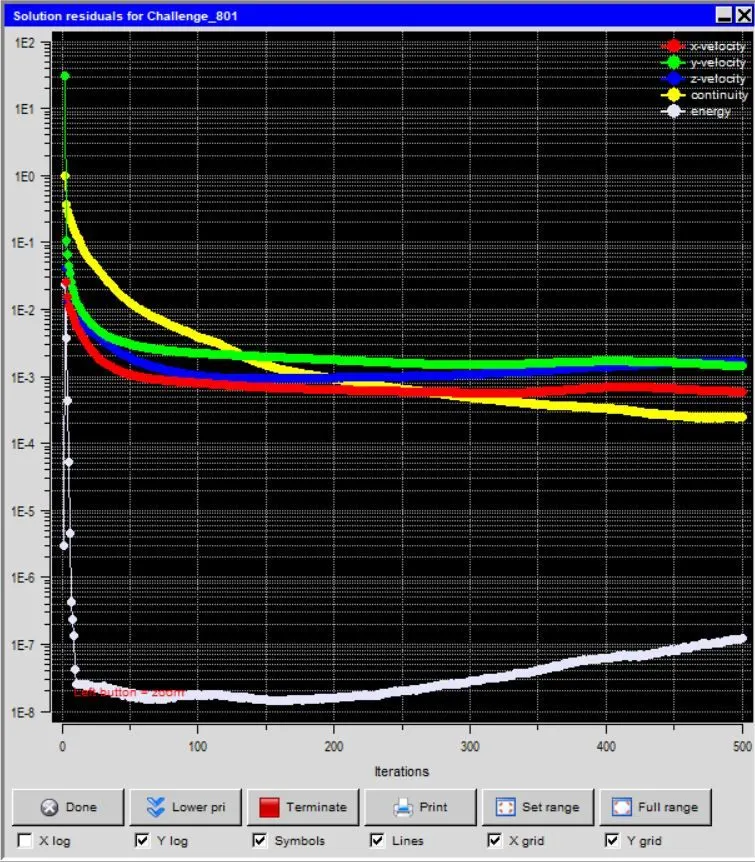
The solution hasn't converged for 500 iterations and since the variation of the residuals is less, the solution is not run for the further iterations.
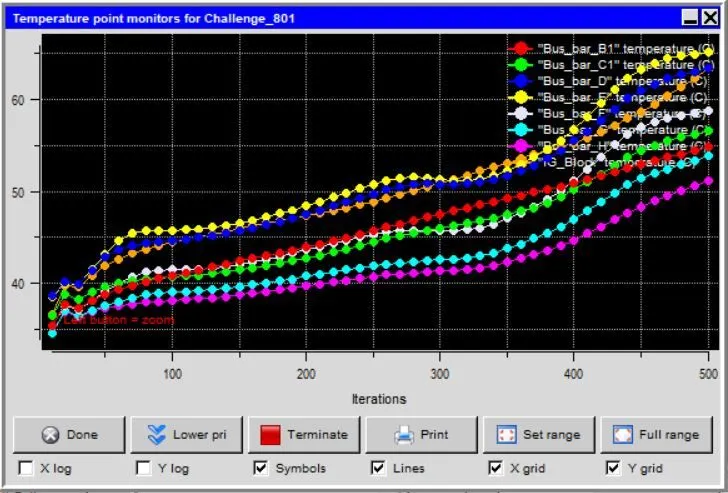
Monitor points
These are probes set at the various location in the computational domain to determine the temperature variable. Temperature for the each circuit breaker are created.
Temperature contour
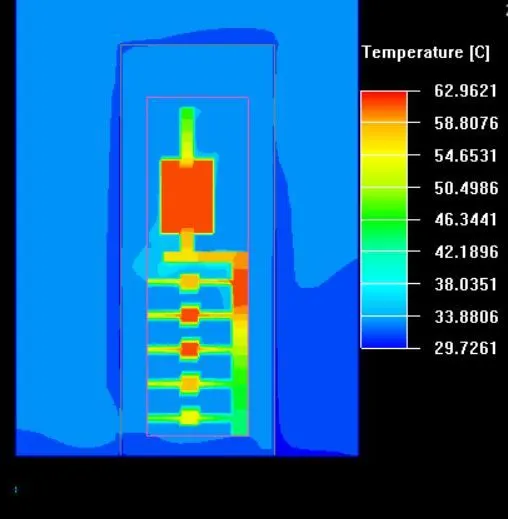
The maximum temp is 62.96 degC for the IG circuit breaker where the total power generated is highest and lowest temp is 29.73 degC.
Temperature Object face contour
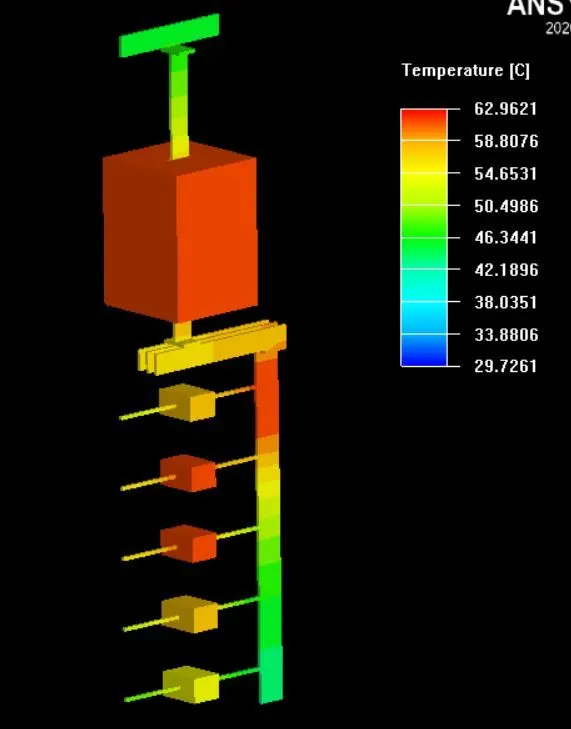
The object face contour provides clarity in the temp distribution of the components in computational domain.
Velocity vector
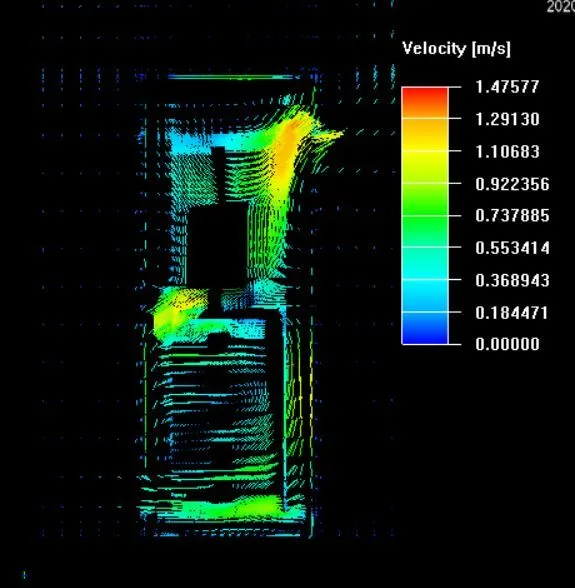
The max velocity is 1.4757 m/s and is at the exit of top grille. The air flow around the control panel components.
Velocity particle tracer
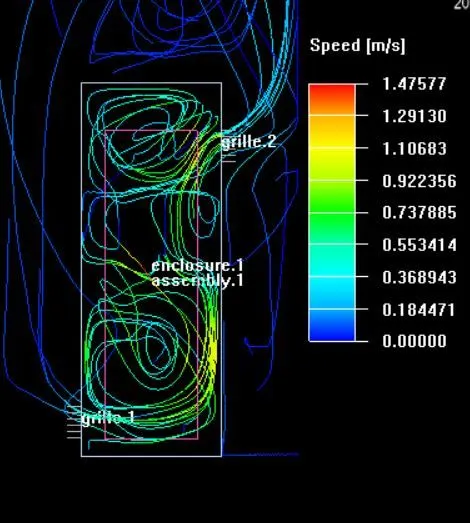
The 100 particles tracer originate from the lower grille and exit at the top grille in the computational domain.
Conclusion
In this project the given model of the Low voltage control panel was designed using the Ansys Icepak as per the given specifications and meshed using the non-conformal, per object meshing techniques. The three dimensional steady-state governing equations for the model were solved for flow and temperature within the computational domain in the Icepak.
- The maximum temperature within the computational domain is 62.962 deg.C.
- The maximum air velocity within the computational domain is 1.47577 m/s.
The steady state temperature of circuit breaker are:
IG Block - 62.962 degC.
I1 Block - 56.87 degC.
I2 Block - 61.96 degC.
I3 Block - 58.26 degC.
I4 Block - 53.18 degC.
I5 Block - 52.05 degC.