Assignment 5
Objective
The aim of the project is to create a 2D mesh for the bumper assembly and run the analysis of a crash tube by varying the kinematics conditions & create the notches in the model & compare the results.
Task
- Create a 2D mesh for the bumper assembly of mesh size 6mm.
- Run the crash tube model as it is.
- Change the Inacti=6 and run.
- Create the type 11 contact and run.
- Remove both notches and remove boundary conditions on a rigid body node then run.
- Create a new notch in the middle, select the whole section and run.
- Create a new notch with nodes only from opposing 2 faces and run.
Case Setup
1. Create a 2D mesh for the bumper assembly of mesh size 6mm.
- Import the bumper assembly model by clicking on file --> open --> model.
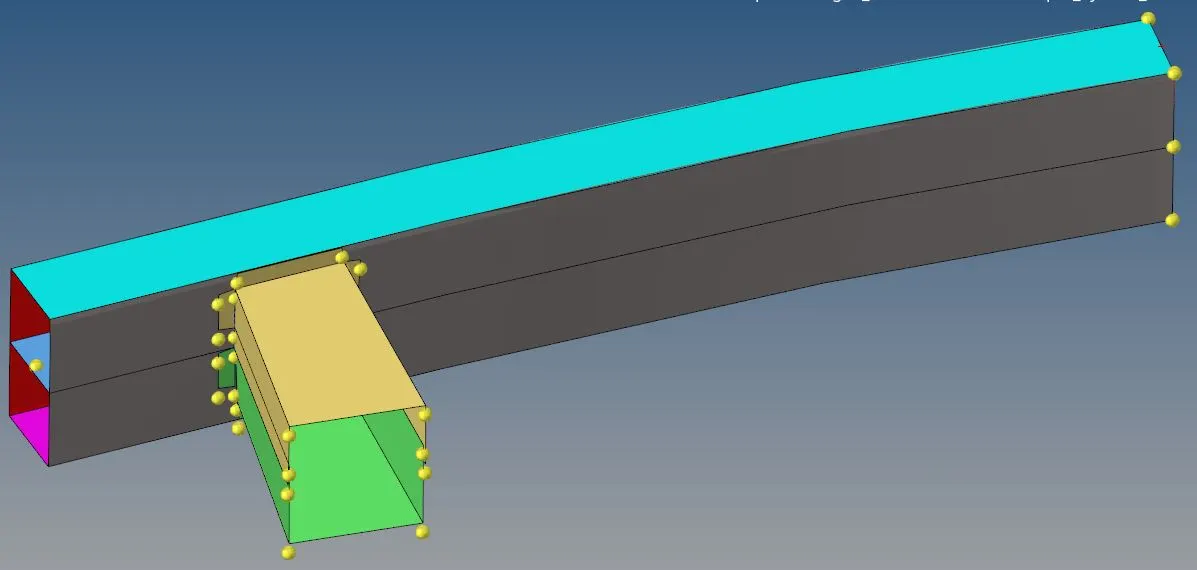
Bumper crash model
- Perform meshing of the model with an element size of 6mm.

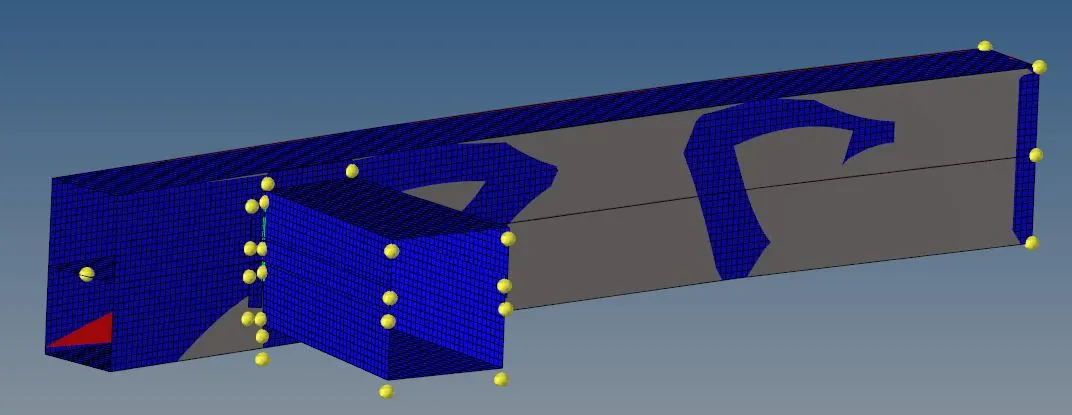
Bumper Assembly mesh
Crash Impact Application
Type 7 - A general-purpose interface & can simulate all types of impact between a set of nodes and a master node.
Type 11 - Simulation of impact between edge to edge contact application.
Type 24 - Simulation of impact between the surface to surface contact application.
Import Interface parameters
Igap - Determines how the size of the gap is calculated.
Gapmin - Minimum gap for the activation of the interface.
Inacti - Check for the penetration of the elements.
Istf - Affects how the stiffness of the interface is calculated.
Iform - Friction formulation.
Stmin - Minimum stiffness to use for the interface.
Idel - It element deletion if it fails.
2. Run the crash tube model as it is
- Import the crash_tube_0000.rad file using file --> import --> solver deck.
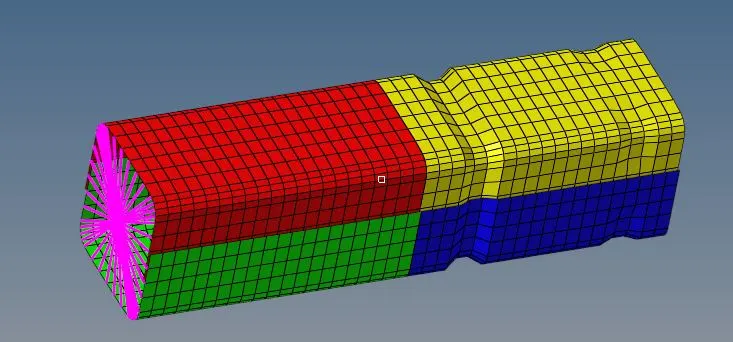
- Create TH part by clicking on output block --> create, choose components & select all the components & name it has TH part.
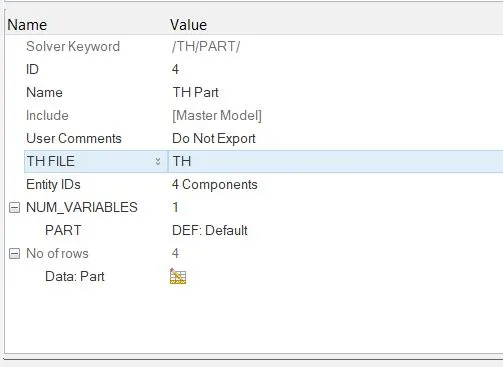
- Export the radioss model as crash tube baseline & import into the model into the hyper crash & check for the errors.
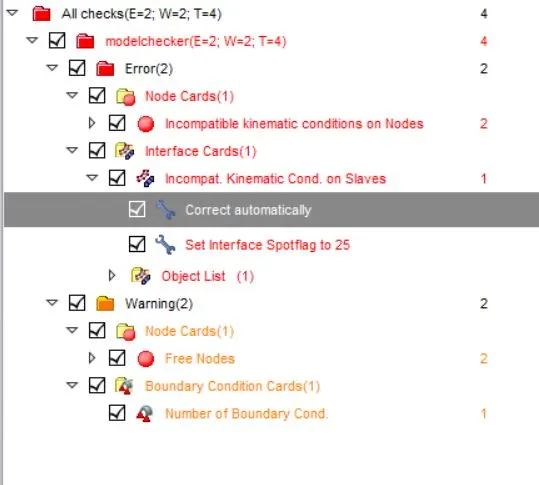
- Click on Radioss --> analysis & provide a path for the file to be saved.

3. Change the Inacti=6 and run.
- Import the crash_tube_0000.rad file using file --> import --> solver deck.
- Create TH part by clicking on output block --> create, choose components & select all the components & name it has TH part.
- Export the radioss model as crash tube baseline & import into the model into the hyper crash & check for the errors. The Inacti value is set to 6 this is used to reduced & scaled the gap. The file is exported & saved as Crash_tube_0001.rad.
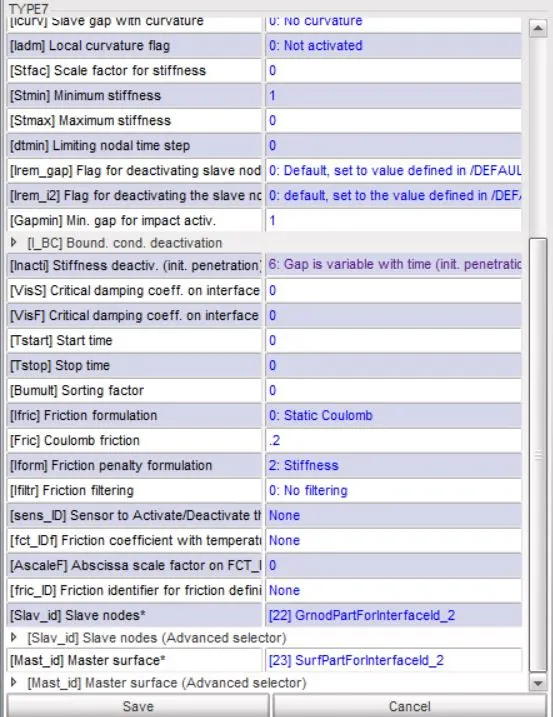
- Click on Radioss --> analysis & provide a path for the file to be saved.
4. Create the type 11 contact and run.
- Import the crash_tube_0000.rad file using file --> import --> solver deck.
- Create TH part by clicking on output block --> create, choose components & select all the components & name it has TH part.
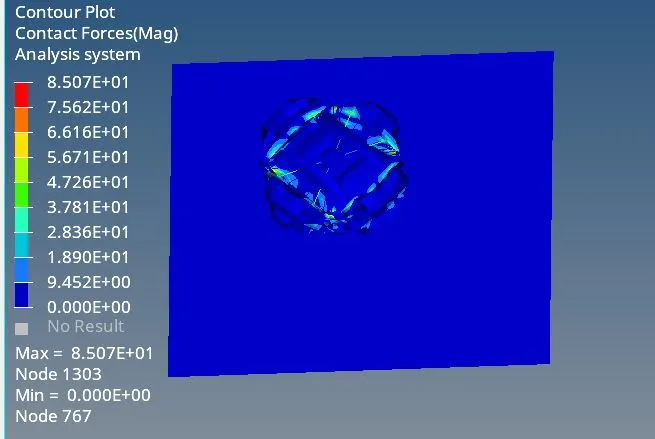
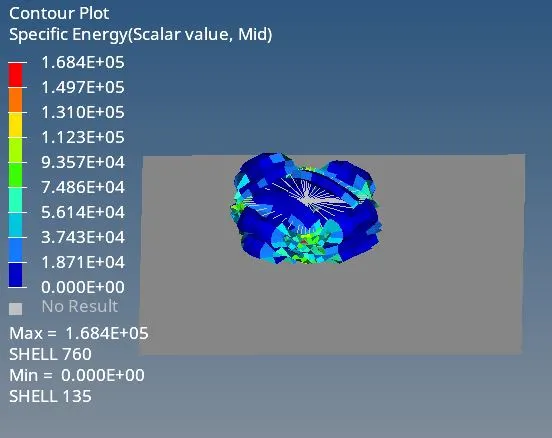
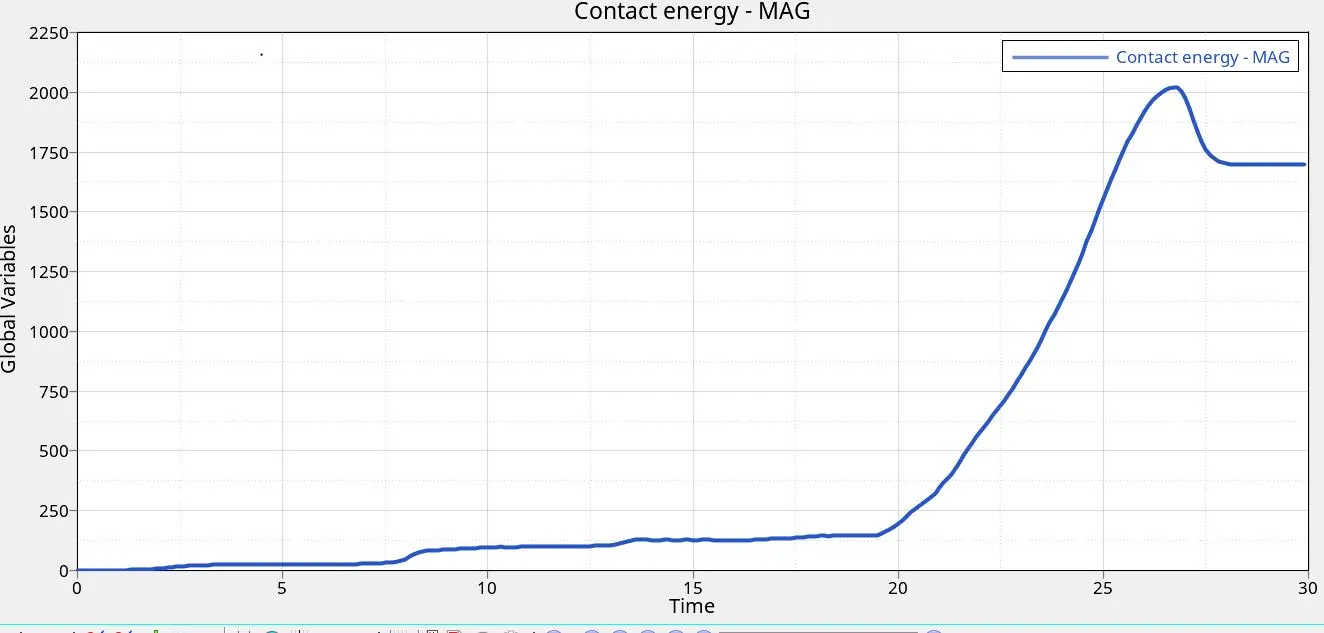
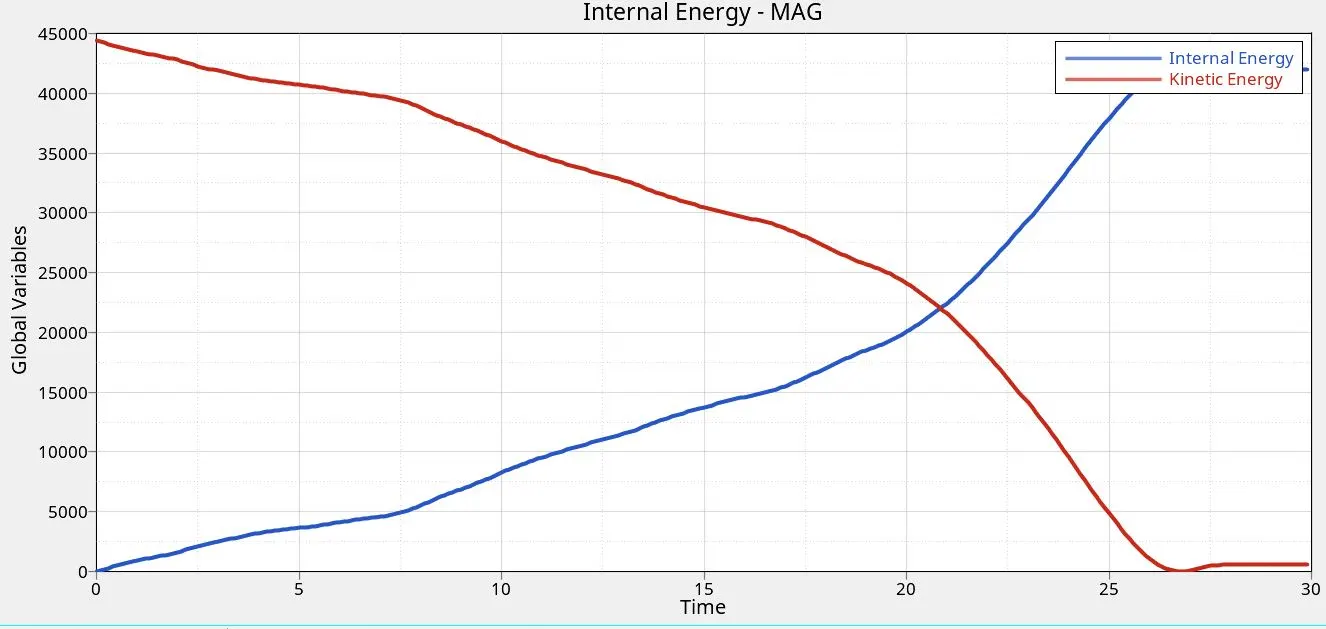
- Export the radioss model as crash tube baseline & import into the model into the hyper crash & check for the errors. The interface type of 11 is set & parameters of type 11 are set. The file is exported & saved as Crash_tube_0002.rad.
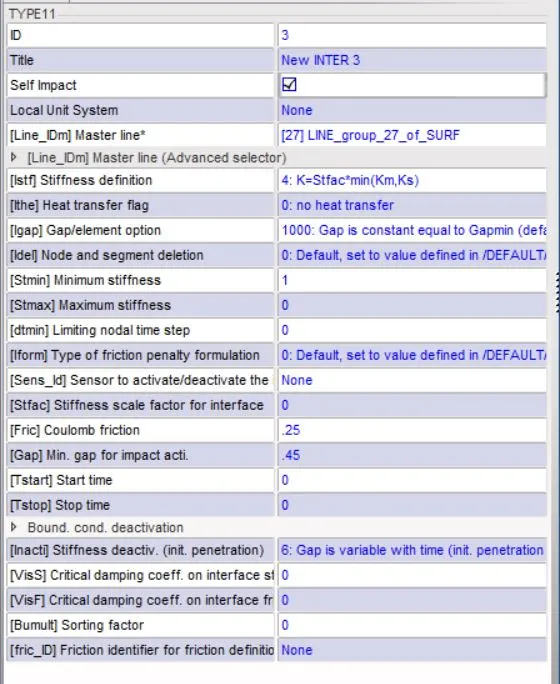
- Click on Radioss --> analysis & provide a path for the file to be saved.
5. Remove both notches and remove boundary conditions on a rigid body node then run.
- Import the crash_tube_0000.rad file using file --> import --> solver deck.
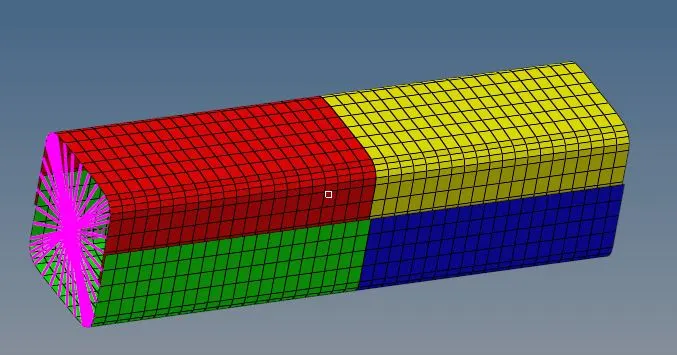
- Create TH part by clicking on output block --> create, choose components & select all the components & name it has TH part.
- Export the radioss model as crash tube baseline & import into the model into the hyper crash & check for the errors. The file is exported & saved as Crash_tube_0003.rad.
- Click on Radioss --> analysis & provide a path for the file to be saved.
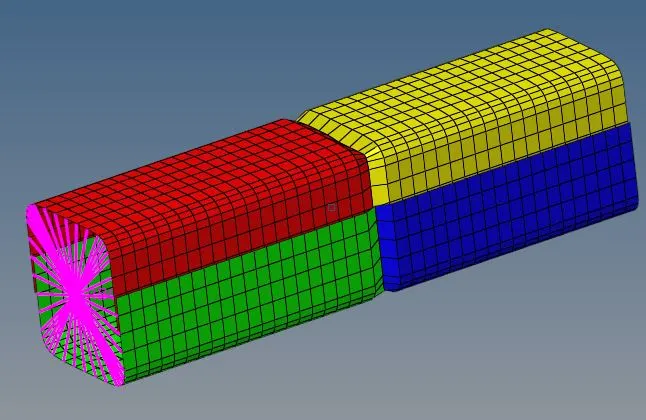
6. Create a new notch in the middle, select the whole section, and run.
- Import the crash_tube_0000.rad file using file --> import --> solver deck.
- Create TH part by clicking on output block --> create, choose components & select all the components & name it has TH part.
- Export the radioss model as crash tube baseline & import into the model into the hyper crash & check for the errors. The file is exported & saved as Crash_tube_0004.rad.
- Click on Radioss --> analysis & provide a path for the file to be saved.
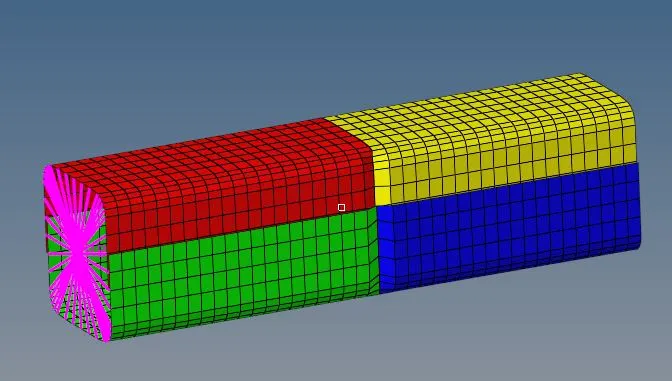
7. Create a new notch with nodes only from opposing 2 faces and run.
- Import the crash_tube_0000.rad file using file --> import --> solver deck.
- Create TH part by clicking on output block --> create, choose components & select all the components & name it has TH part.
- Export the radioss model as crash tube baseline & import into the model into the hyper crash & check for the errors. The file is exported & saved as Crash_tube_0005.rad.
- Click on Radioss --> analysis & provide a path for the file to be saved.
Results
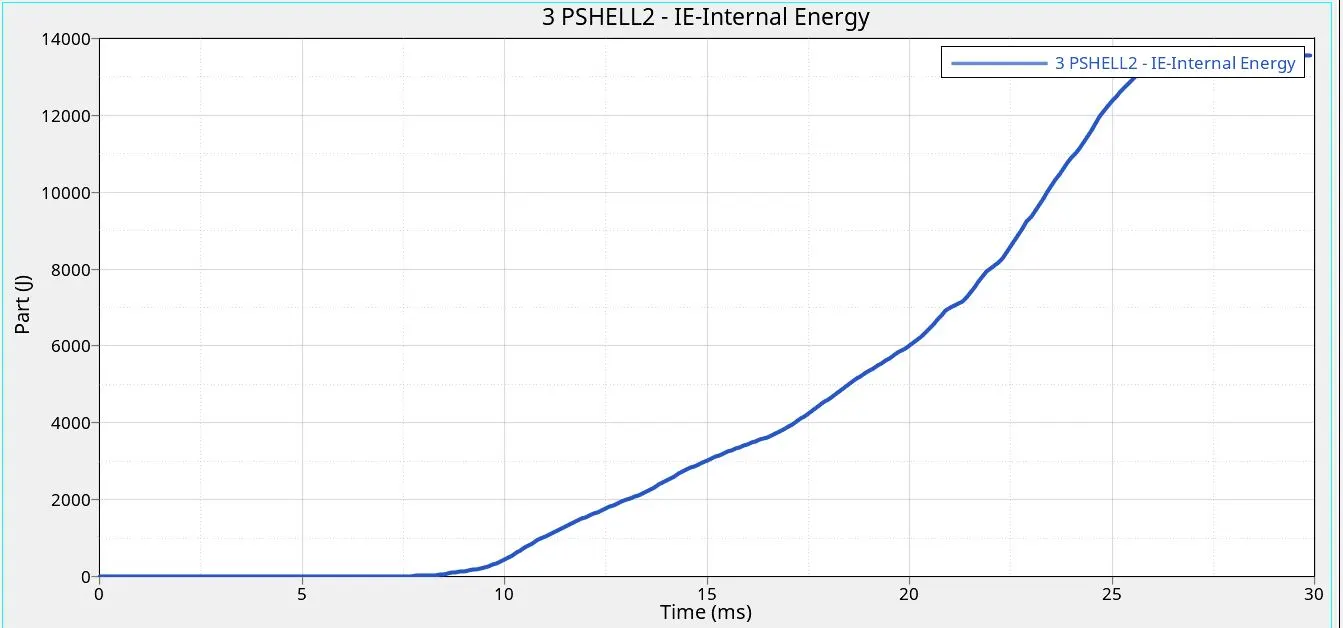
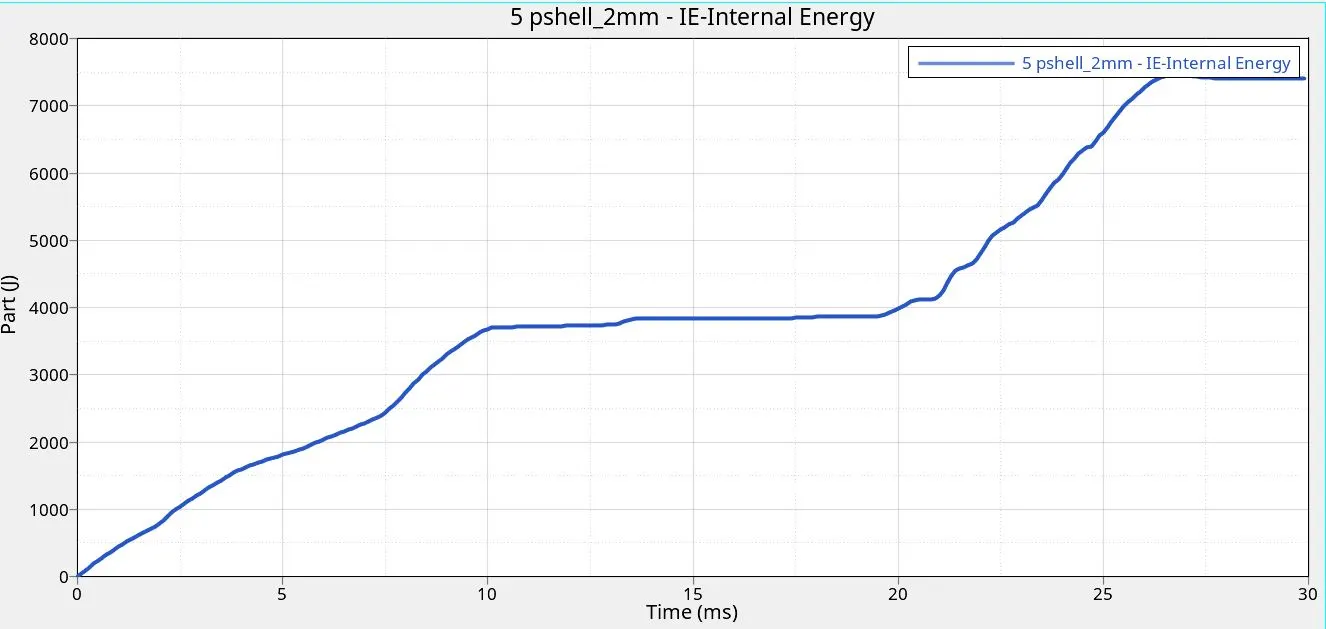
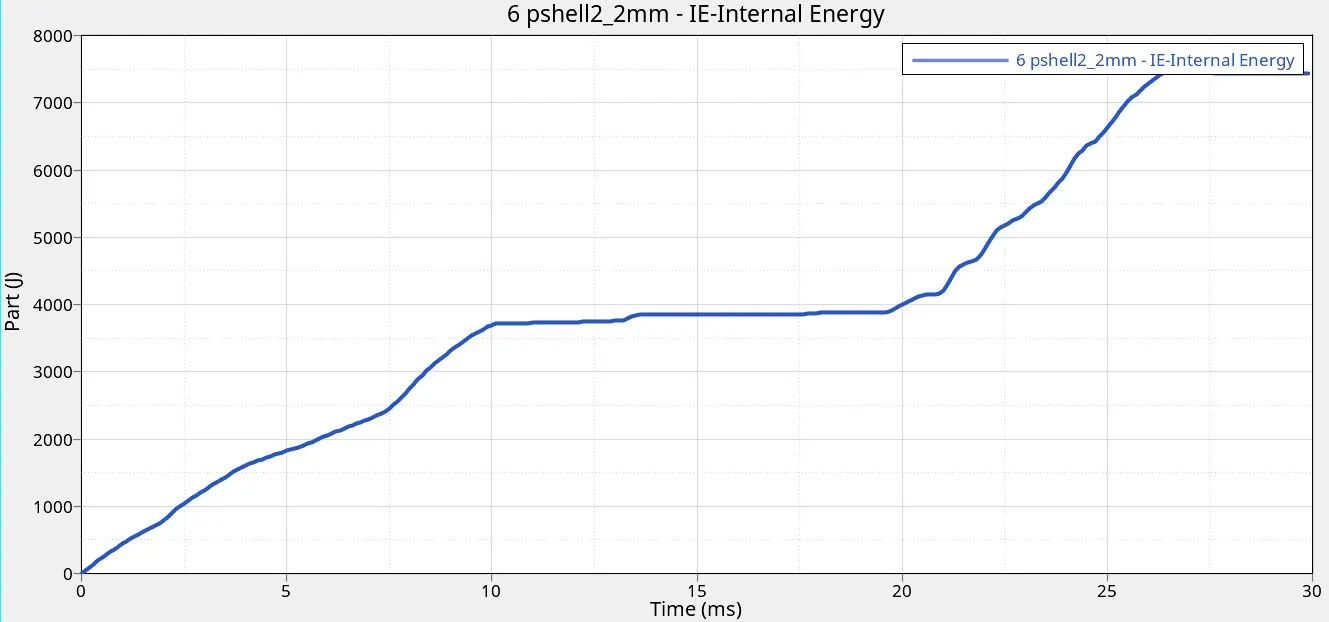
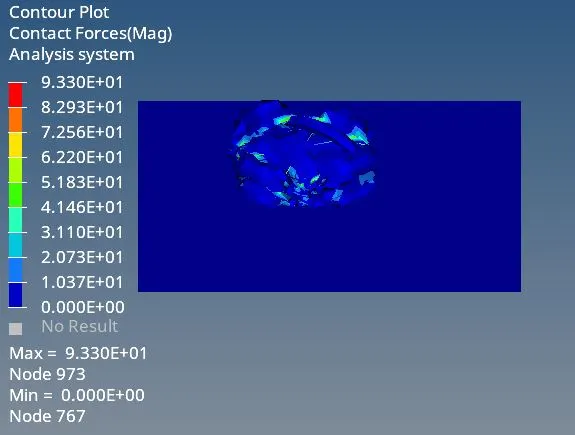
Case 2:
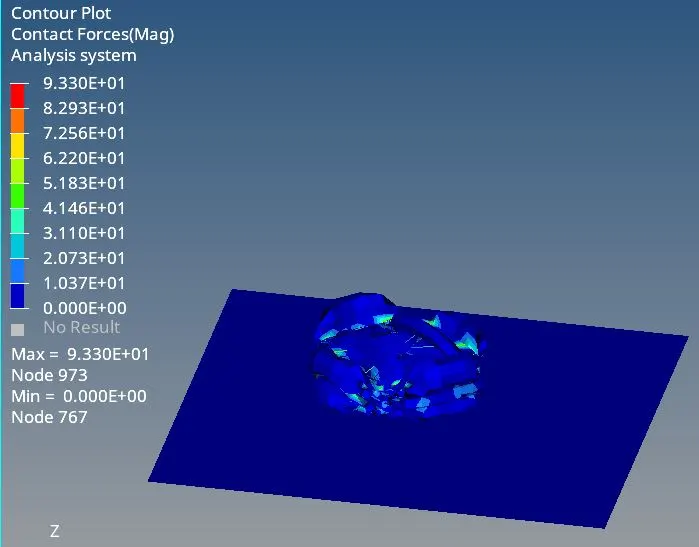
Contact forces contour
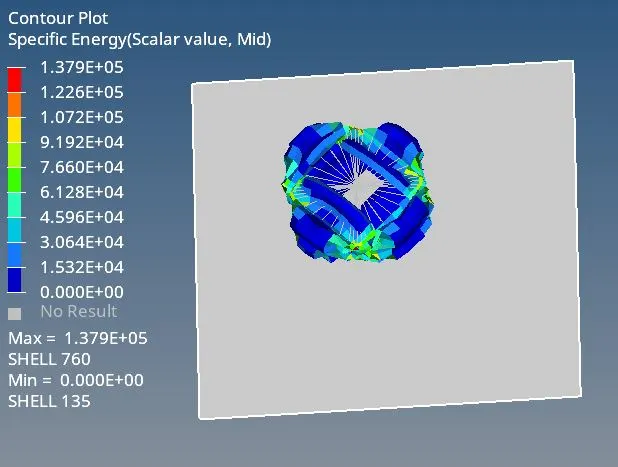
Specific energy contour
Contact energy plot
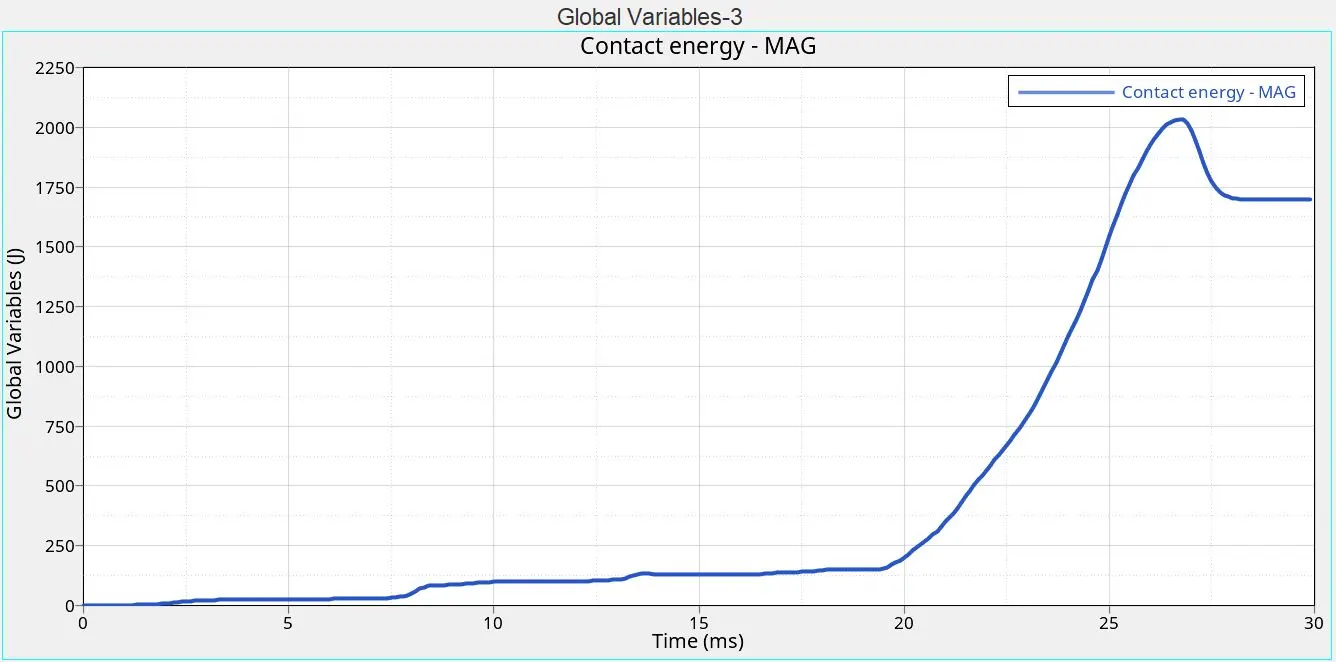
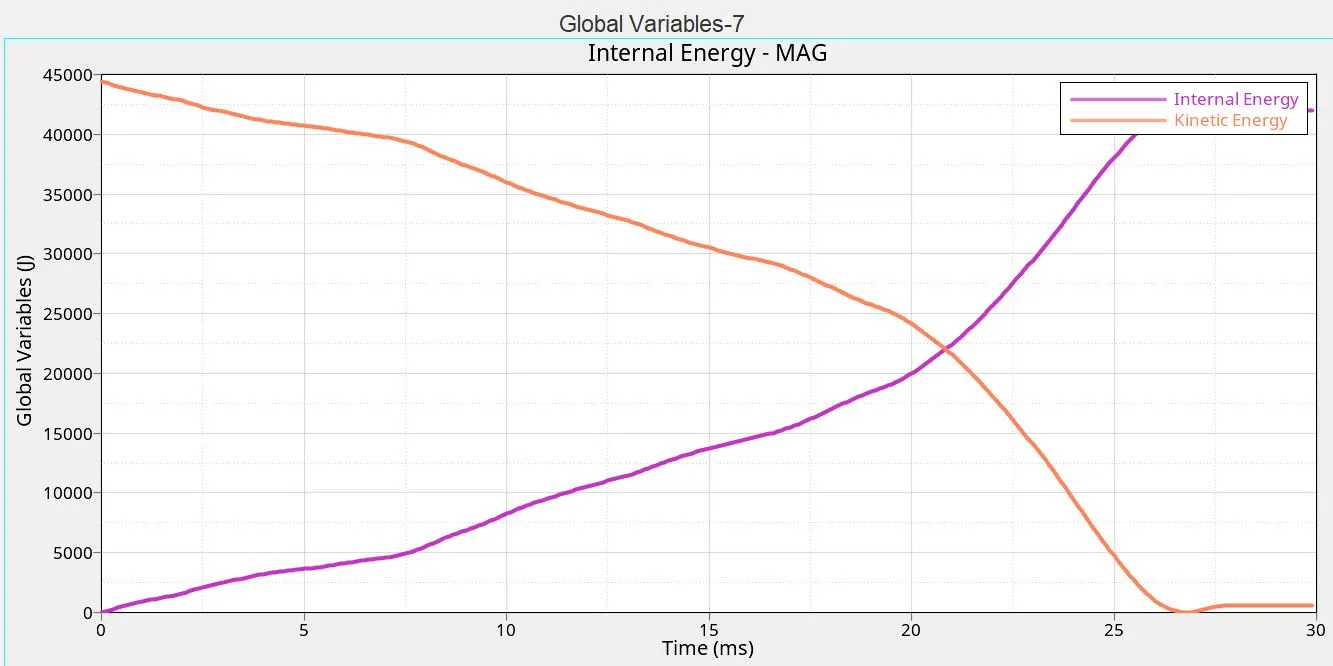
Energy plot
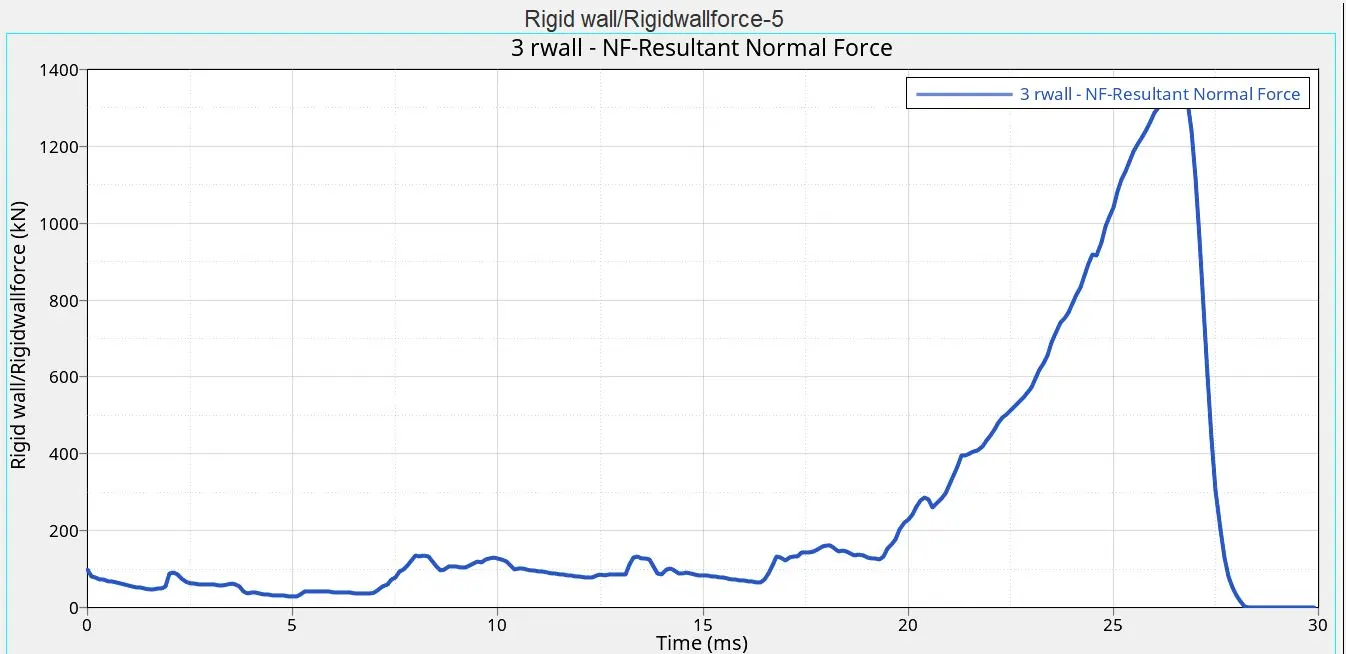
Normal force plot
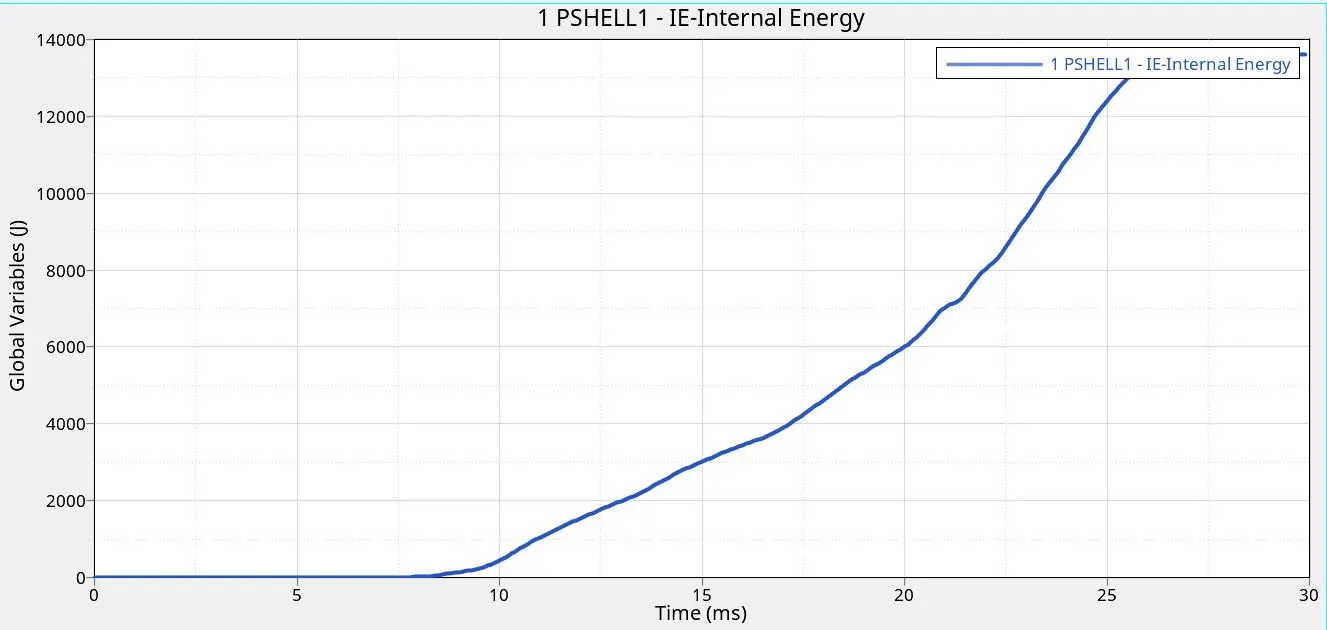
Pshell_1
Pshell_2
Pshell_2mm
Pshell2_2mm
Case 3:
Contact forces contour
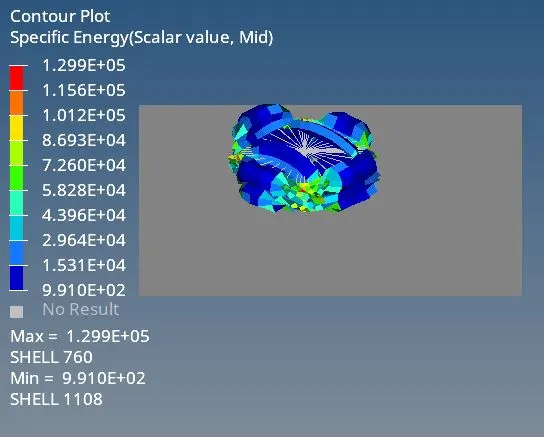
Specific energy contour
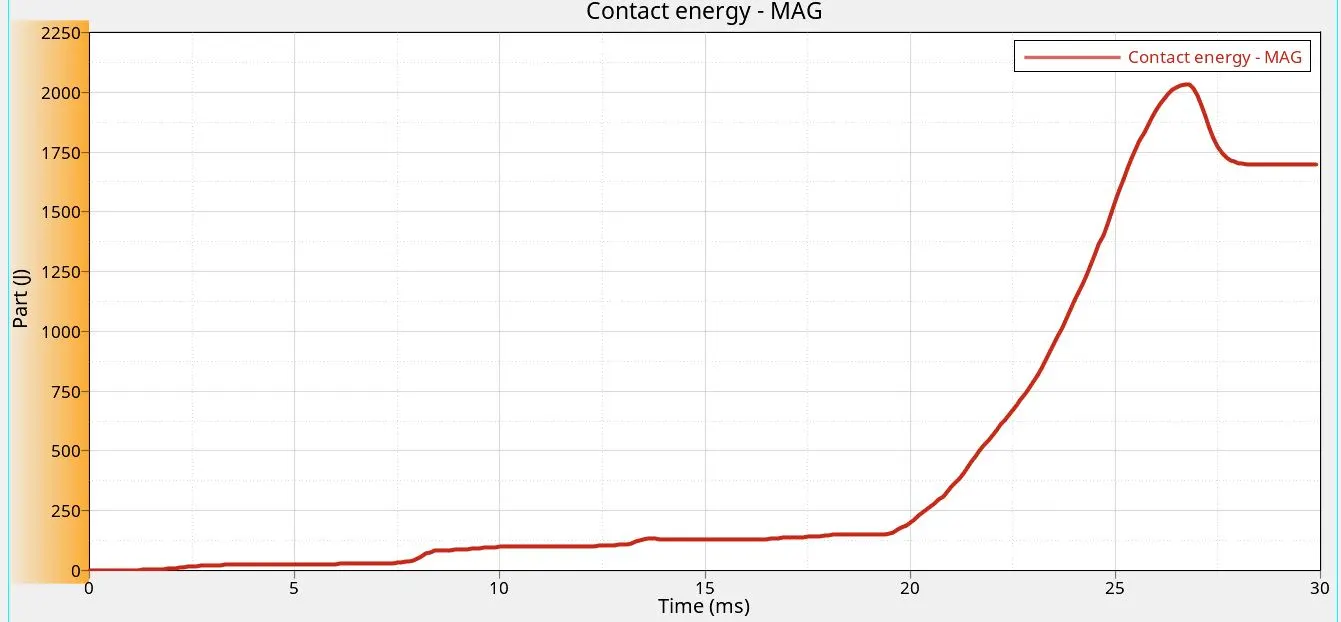
Contact energy plot
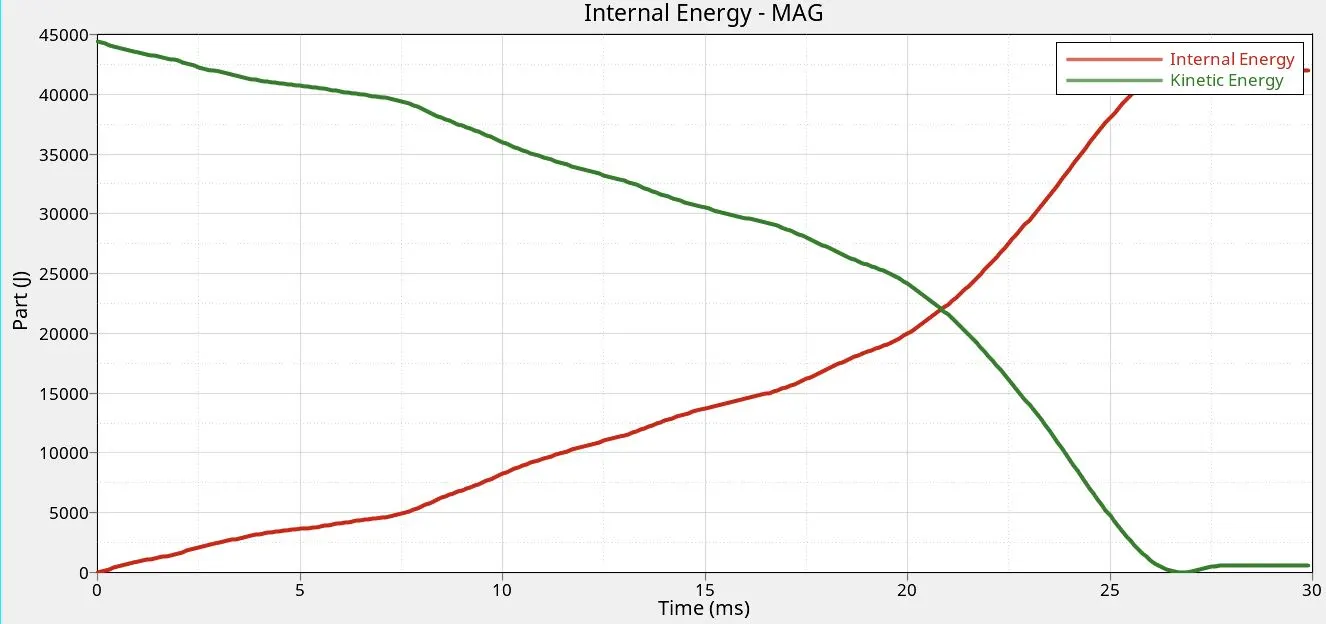
Energy plot
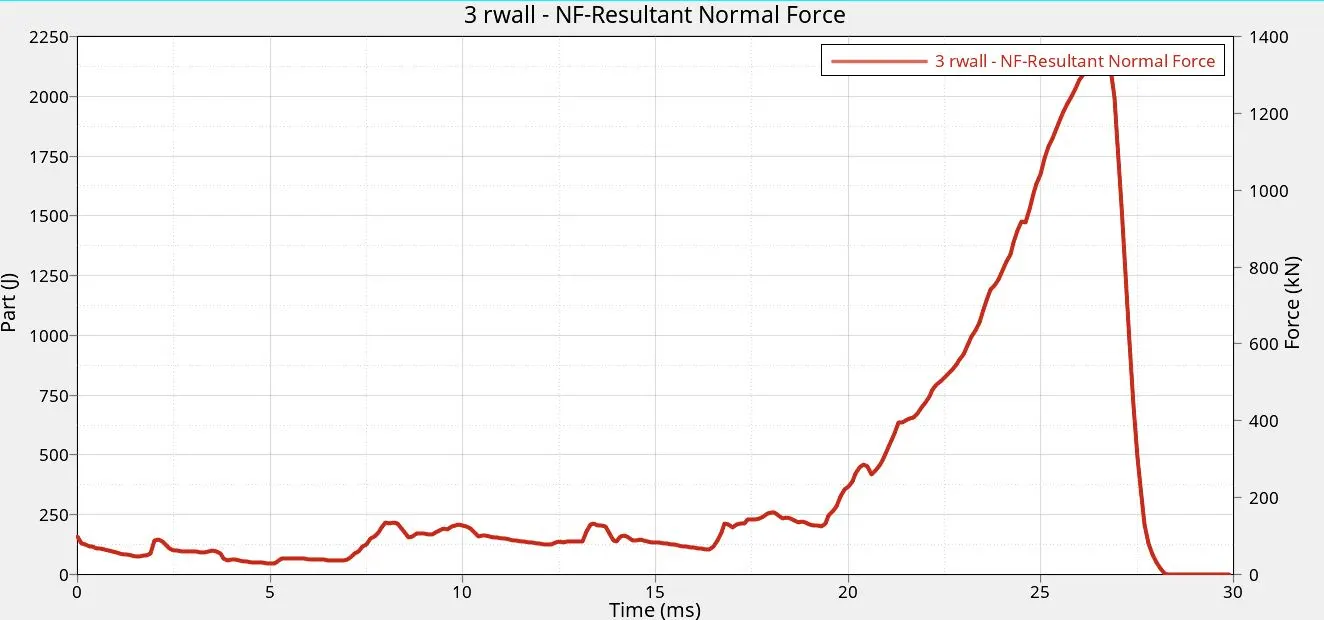
Normal force plot
Pshell_1
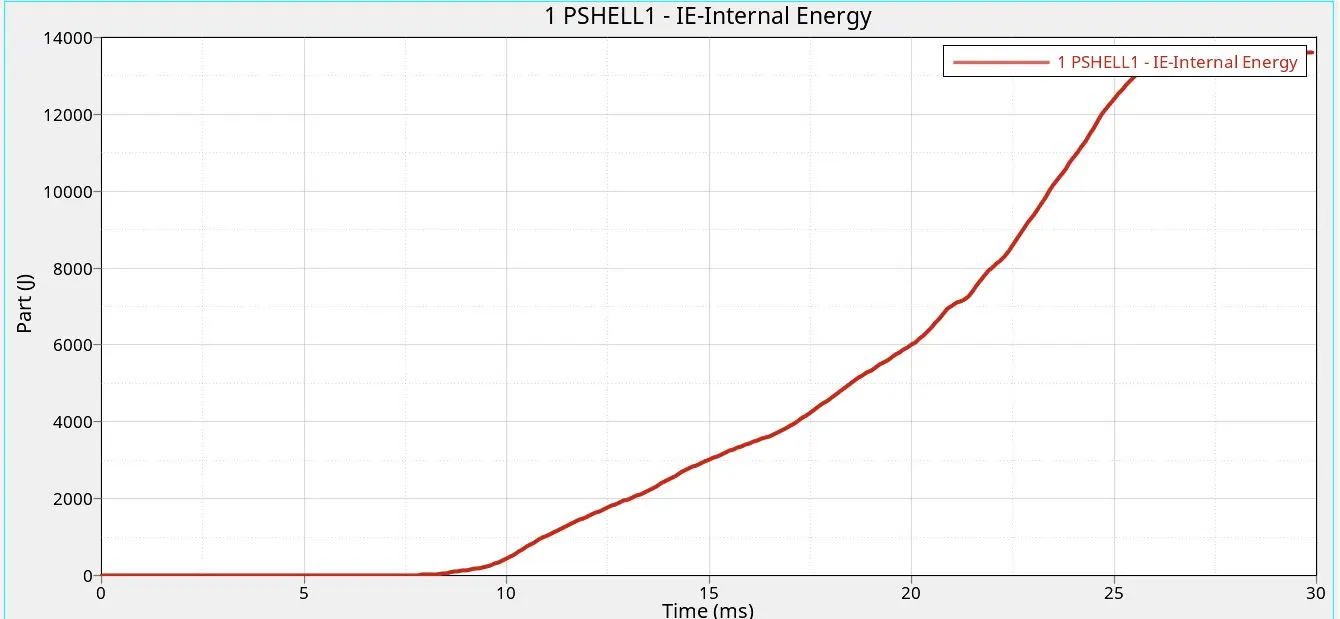
Pshell_2
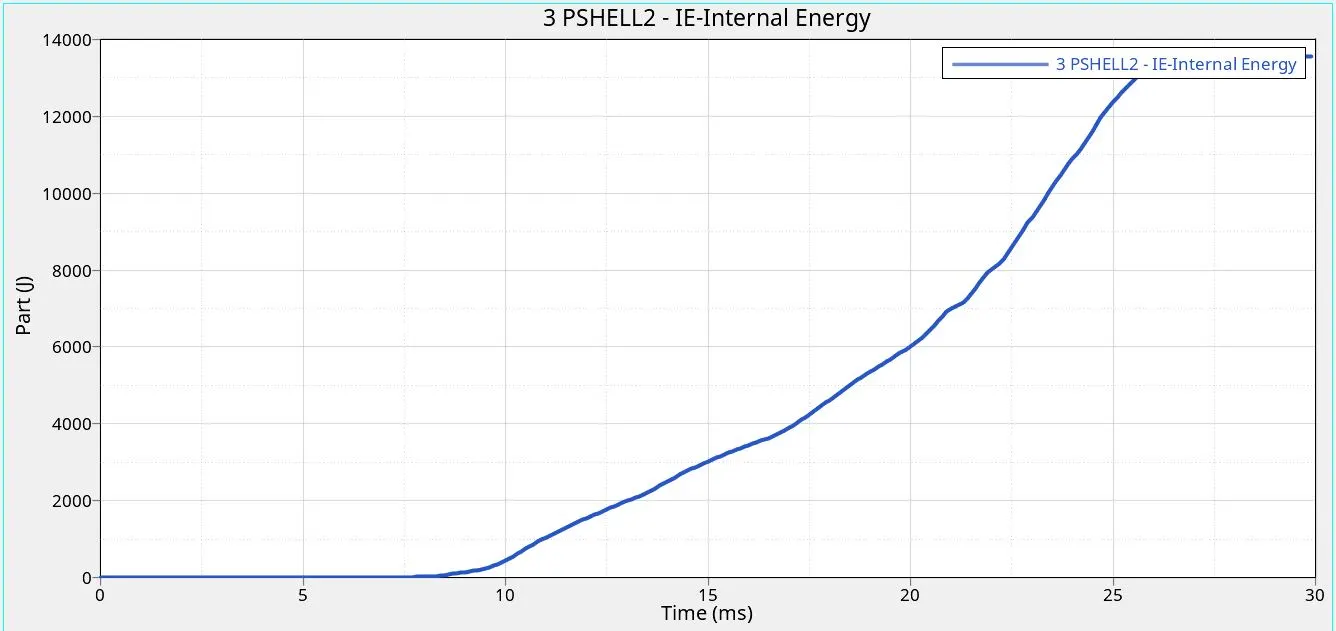
Pshell_2mm
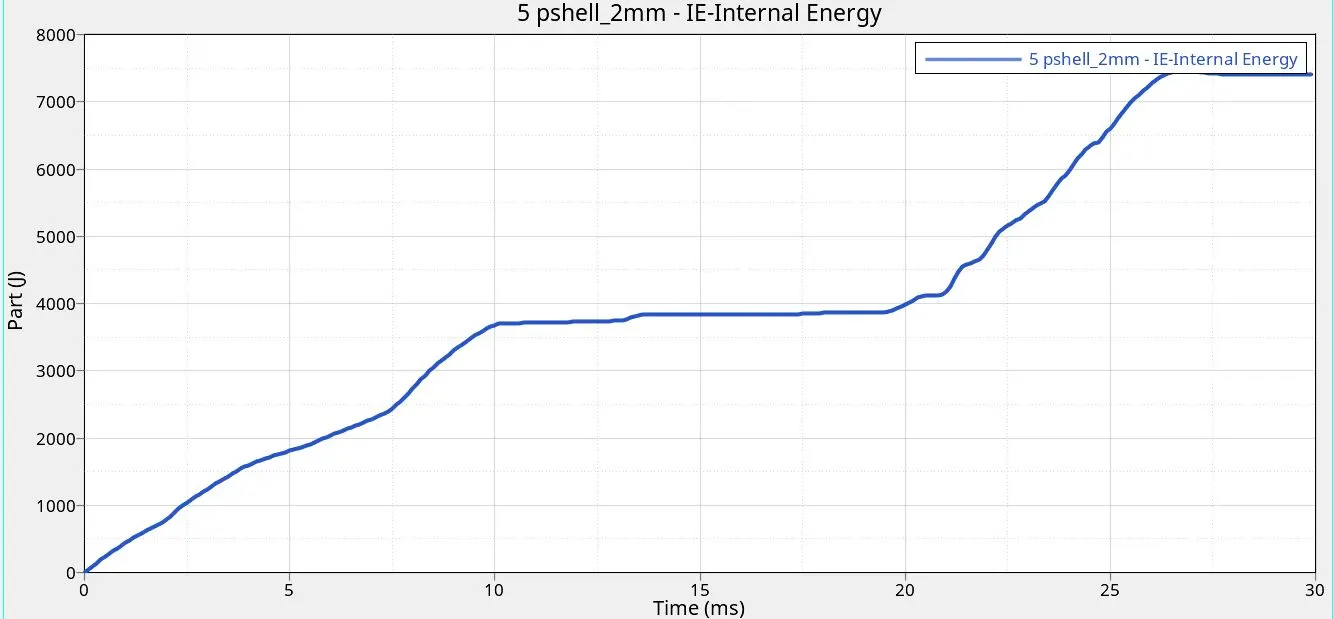
Pshell2_2mm
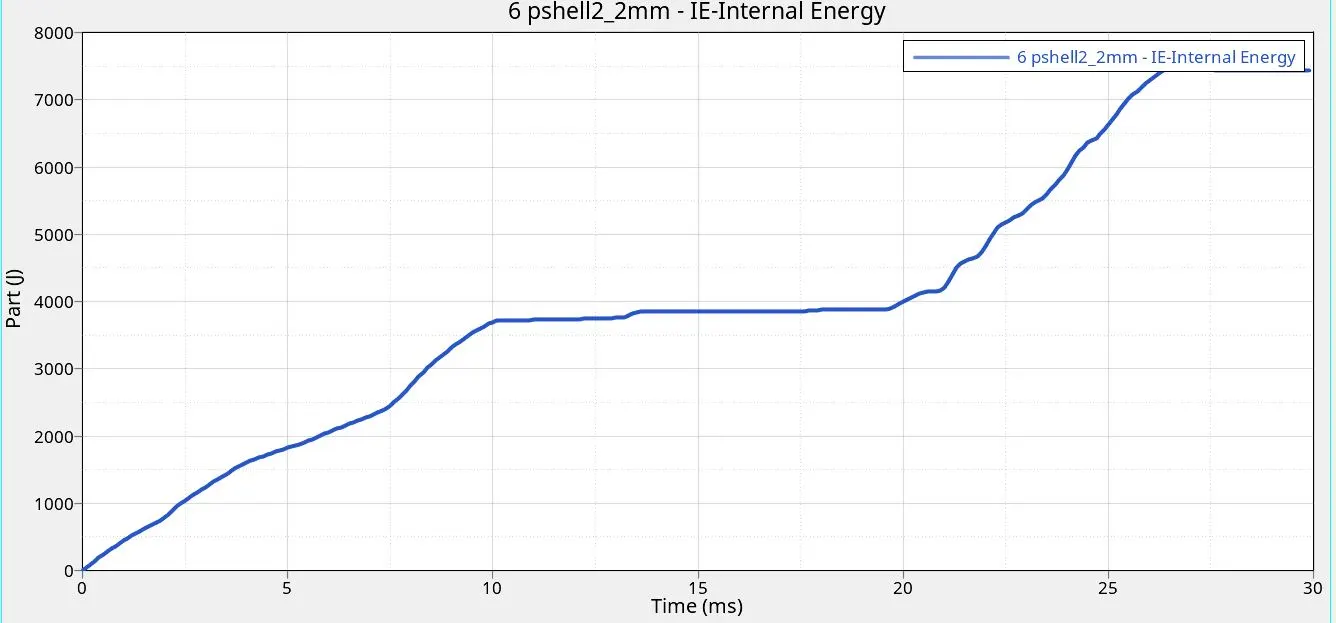
Case 4:
Contact forces contour
Specific energy contour
Contact energy plot
Energy plot
Normal force plot
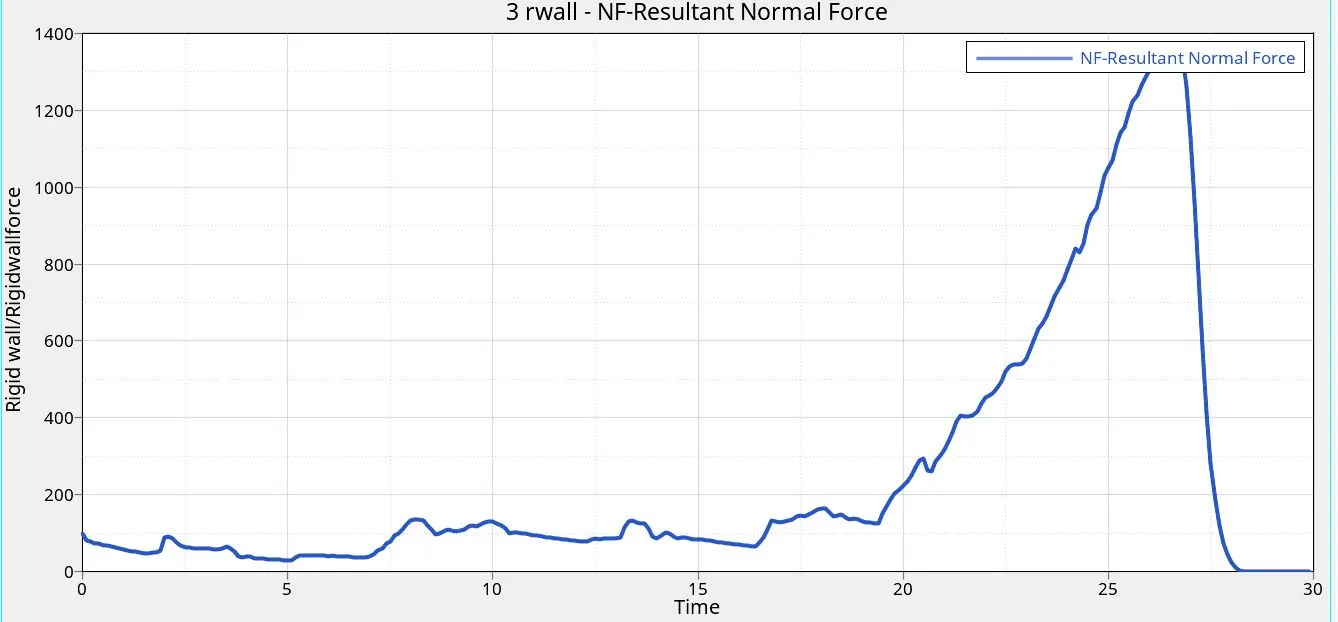
Pshell_1
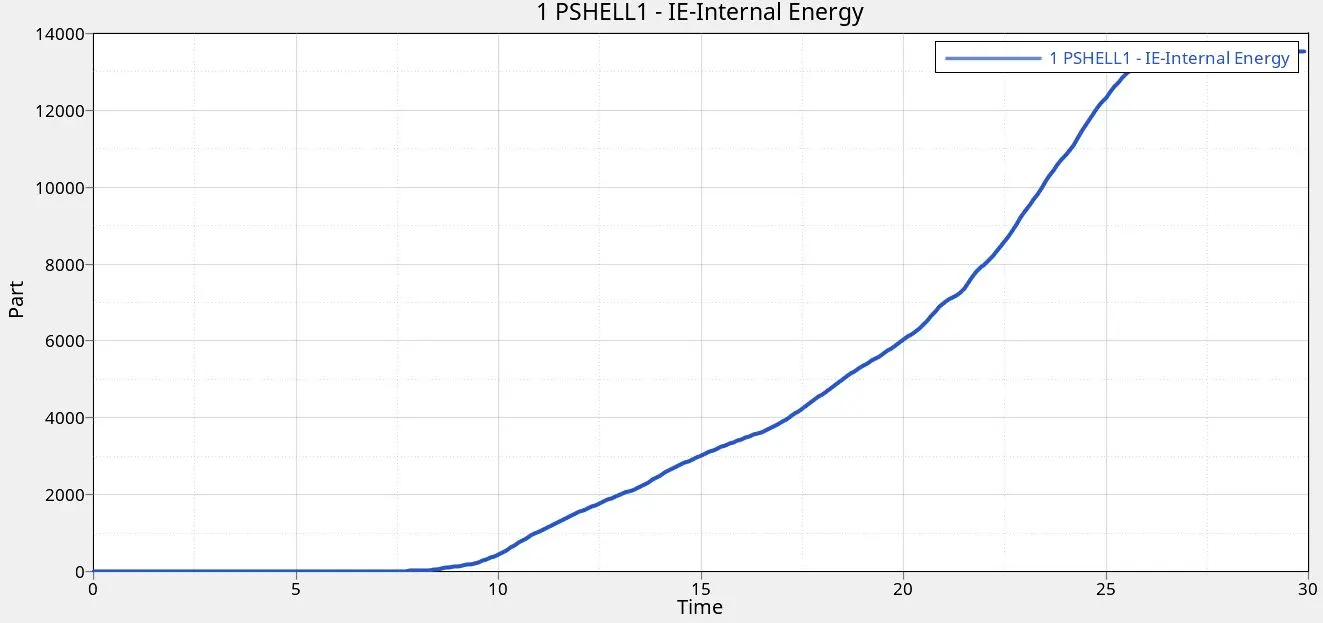
Pshell_2
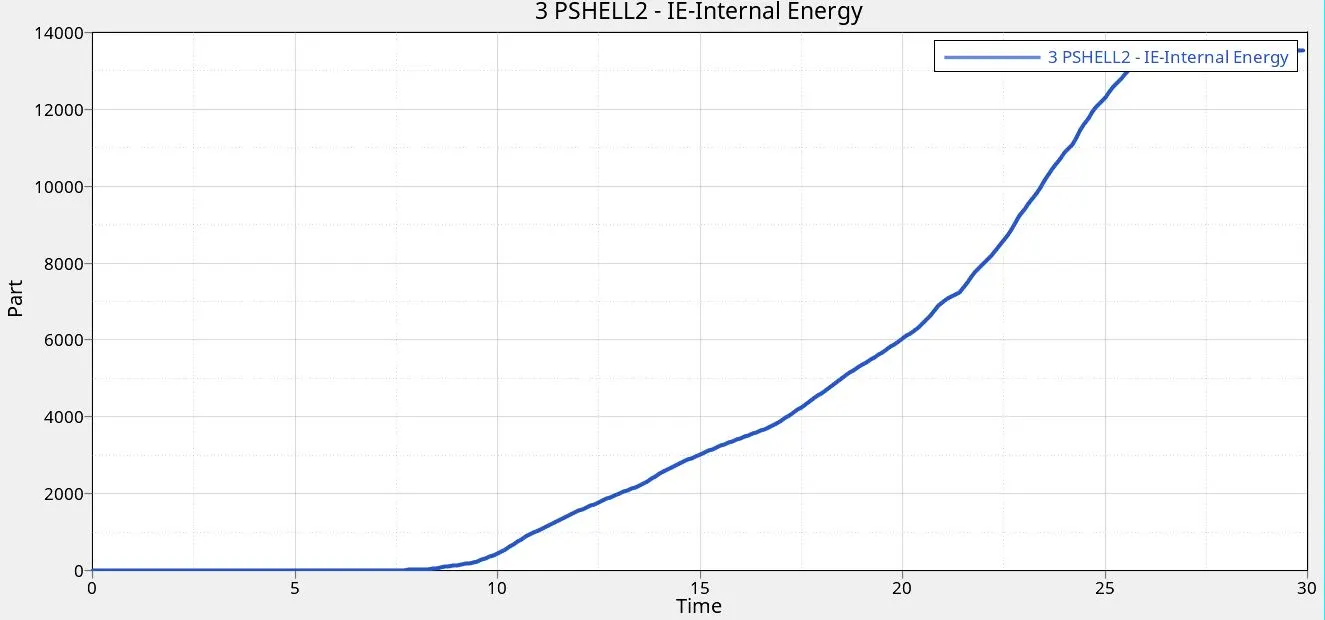
Pshell_2mm
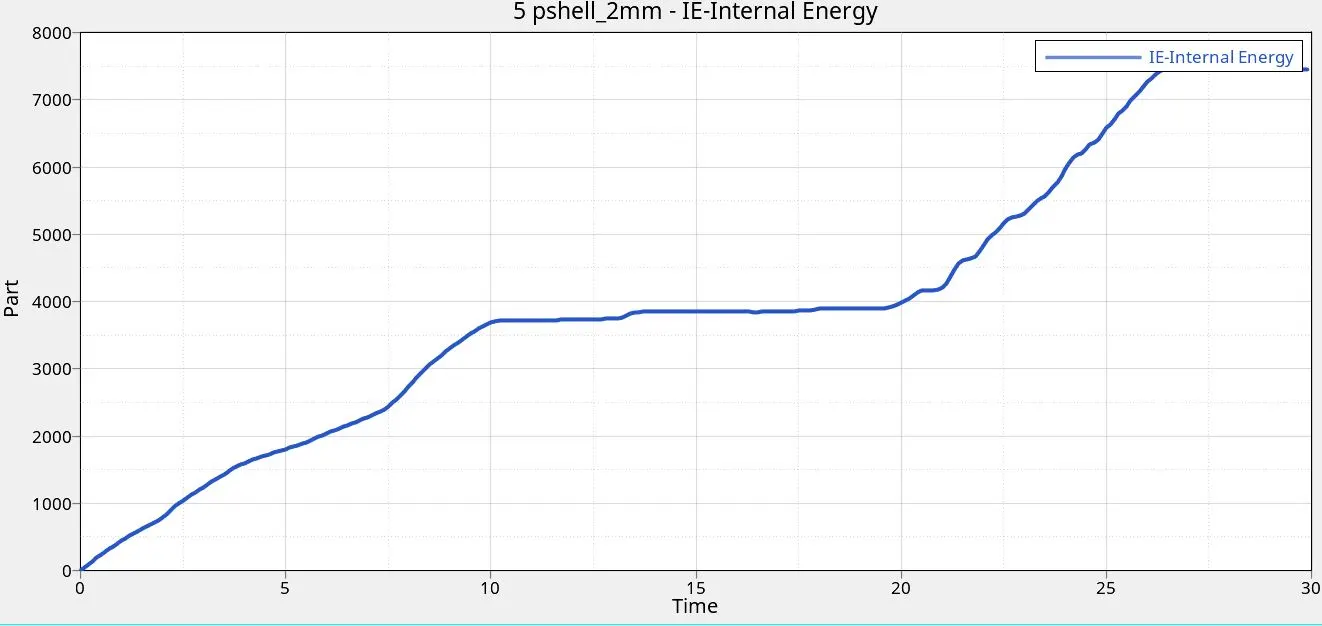
Pshell2_2mm
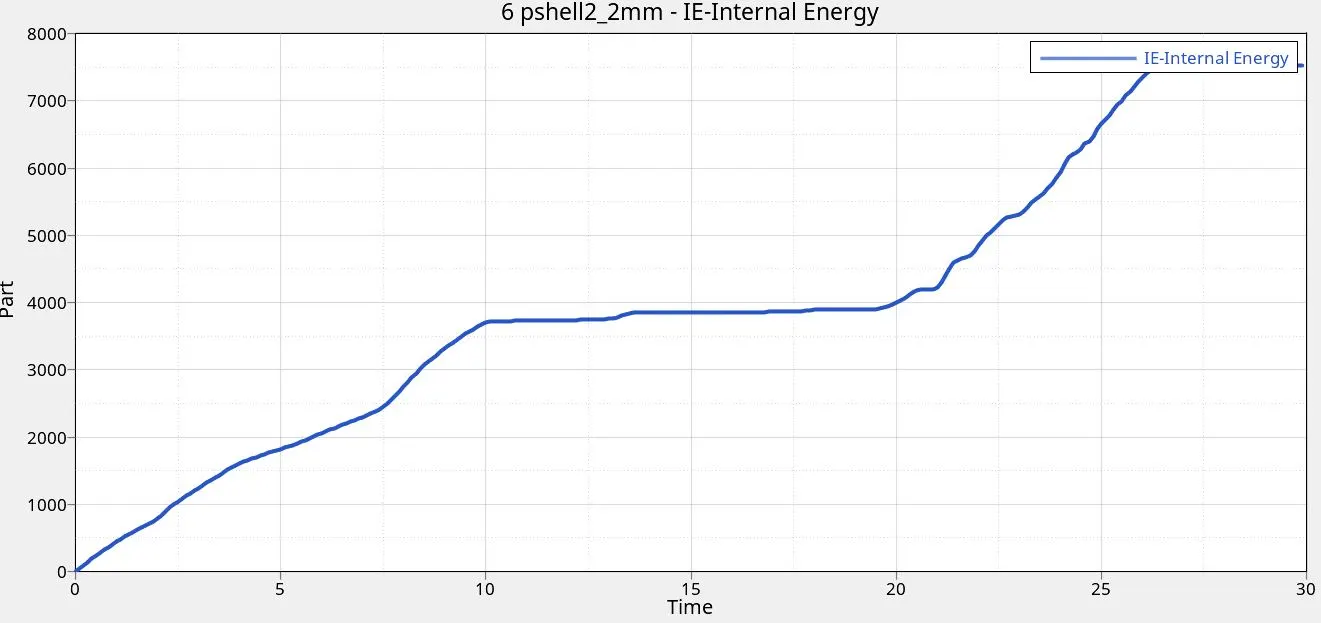
Case 5:
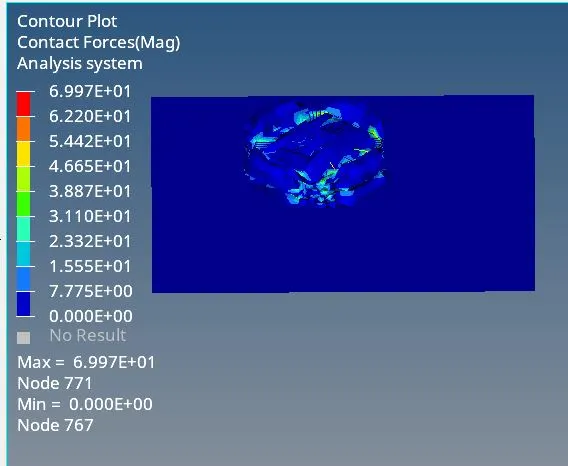
Contact forces contour
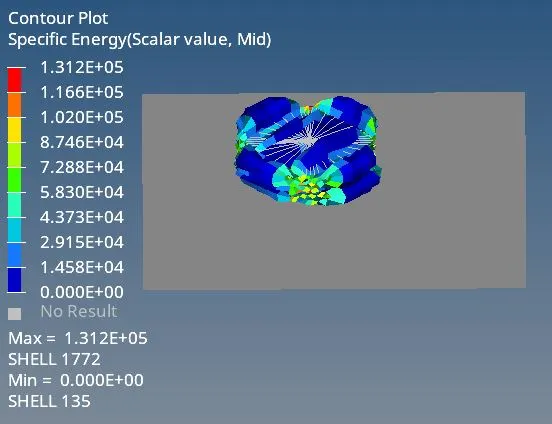
Specific energy contour
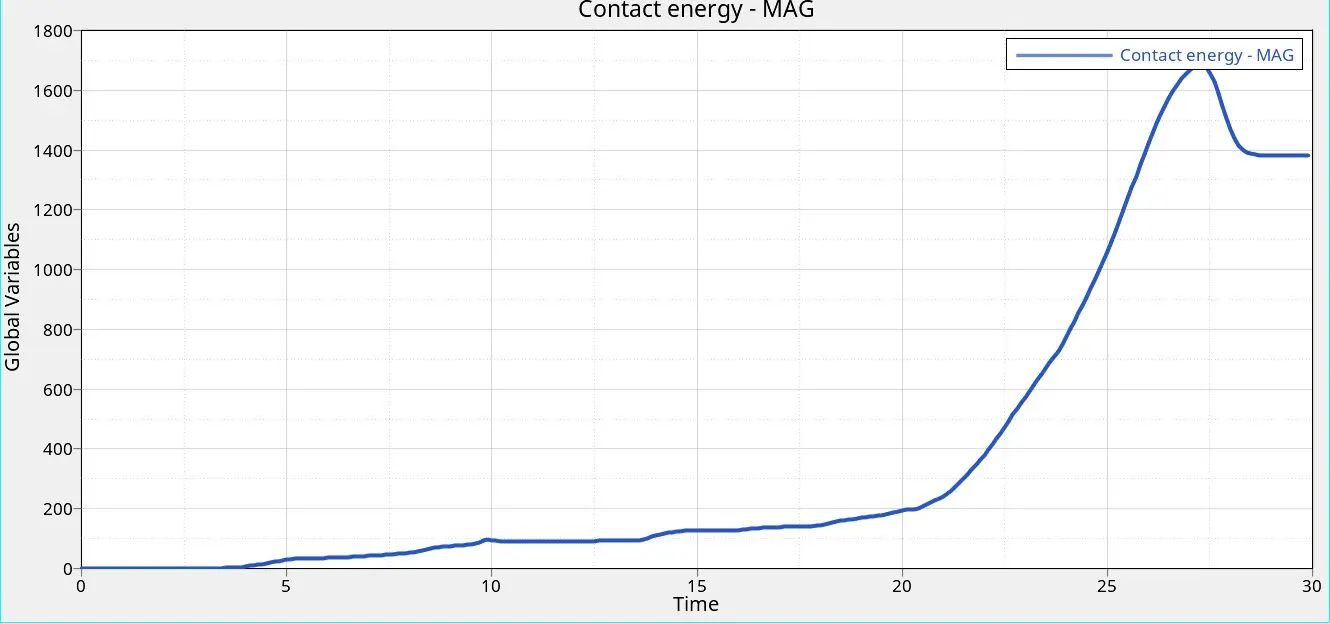
Contact energy plot
Energy plot
Normal force plot
Pshell_1
Pshell_2
Pshell_2mm
Pshell2_2mm
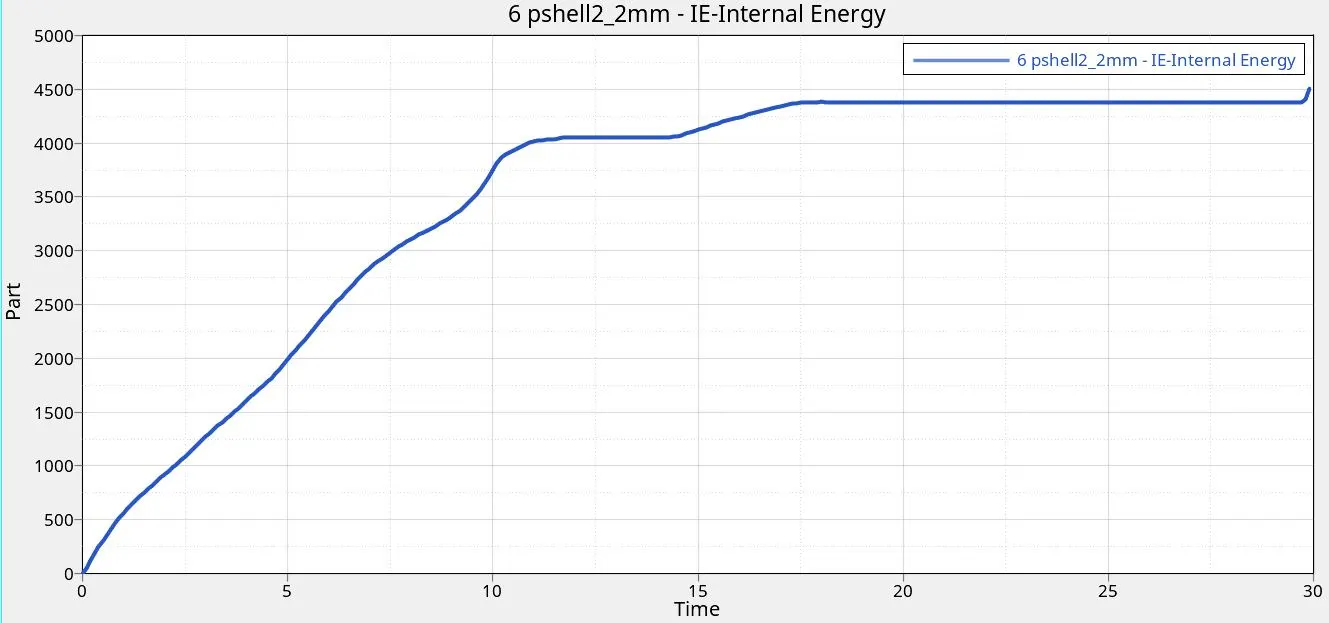
Case 6:
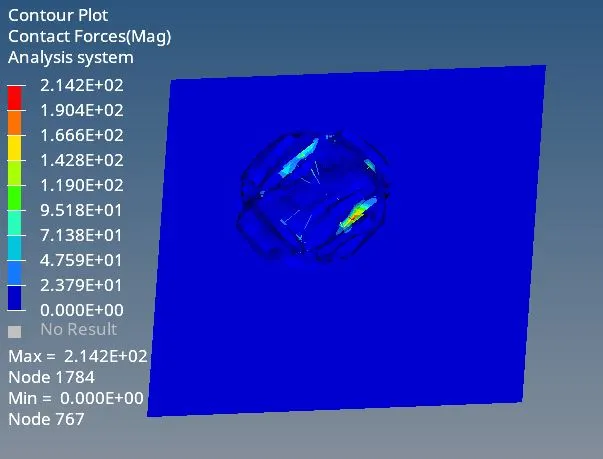
Contact forces contour
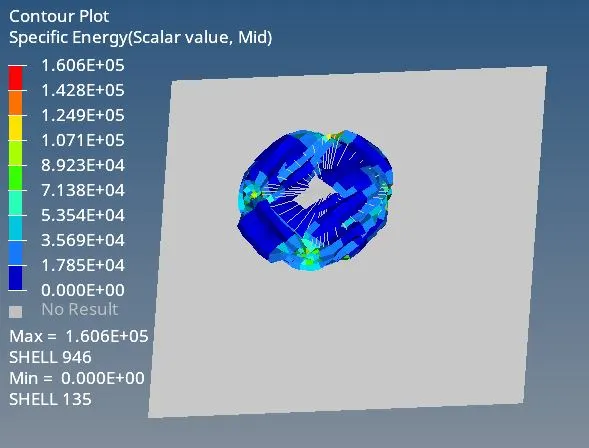
Specific energy contour
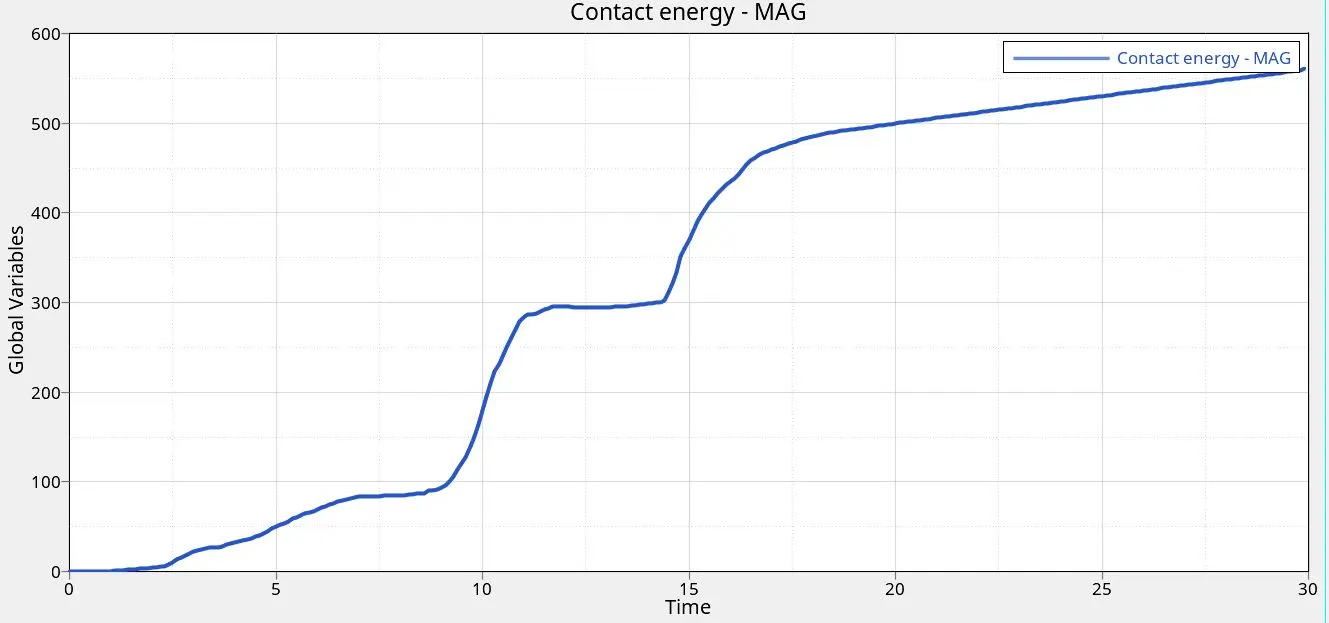
Contact energy plot
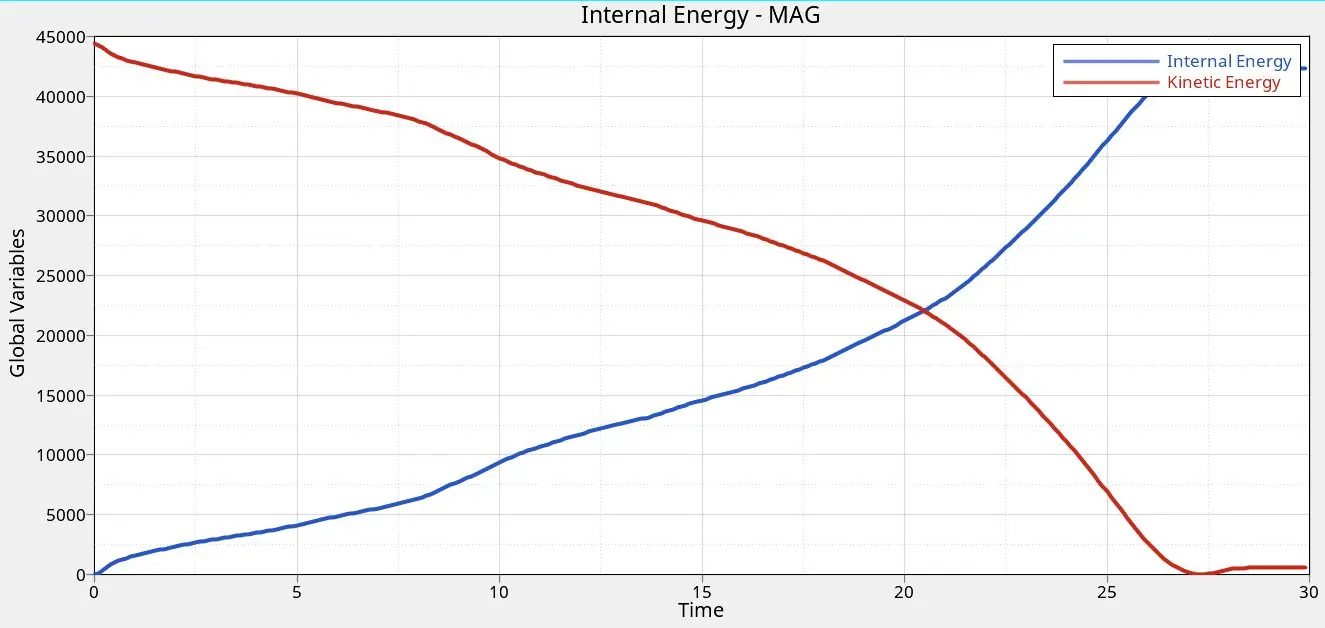
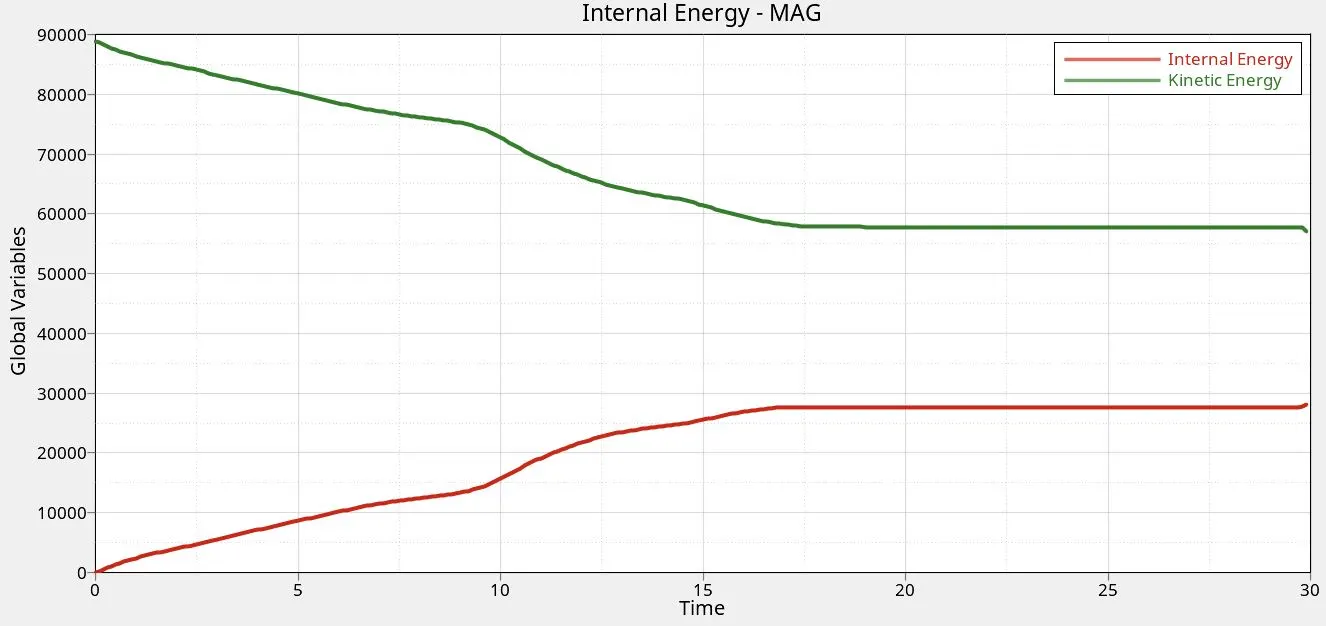
Energy plot
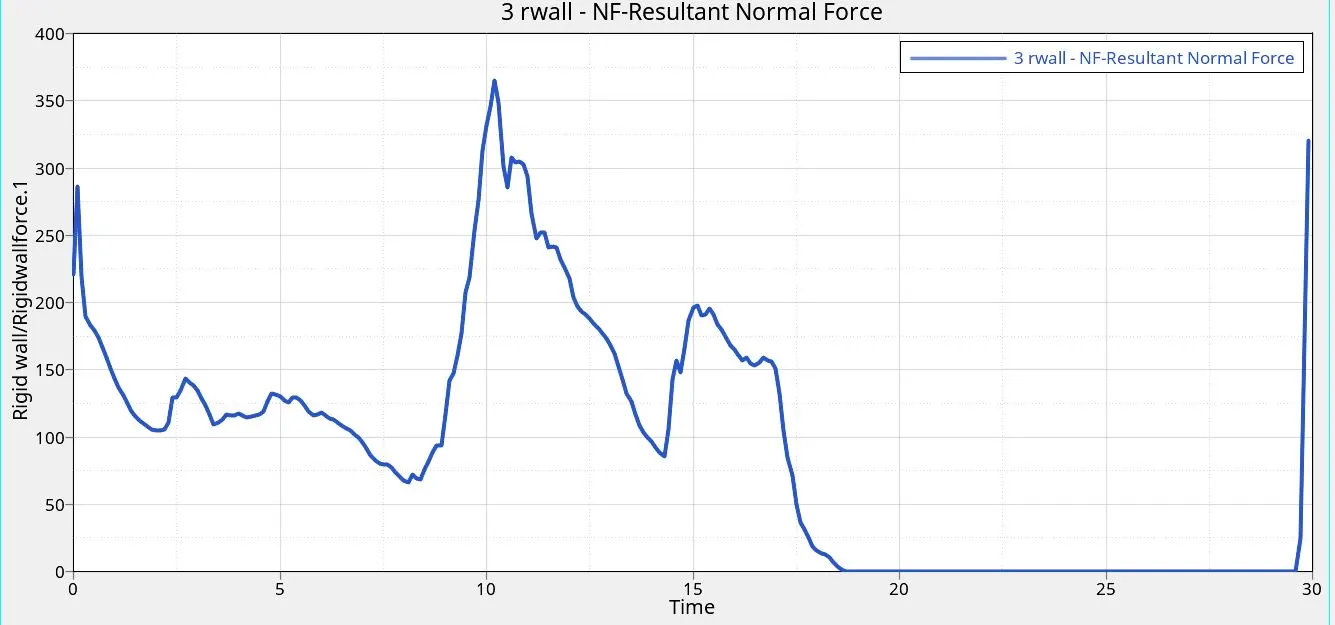
Normal force plot
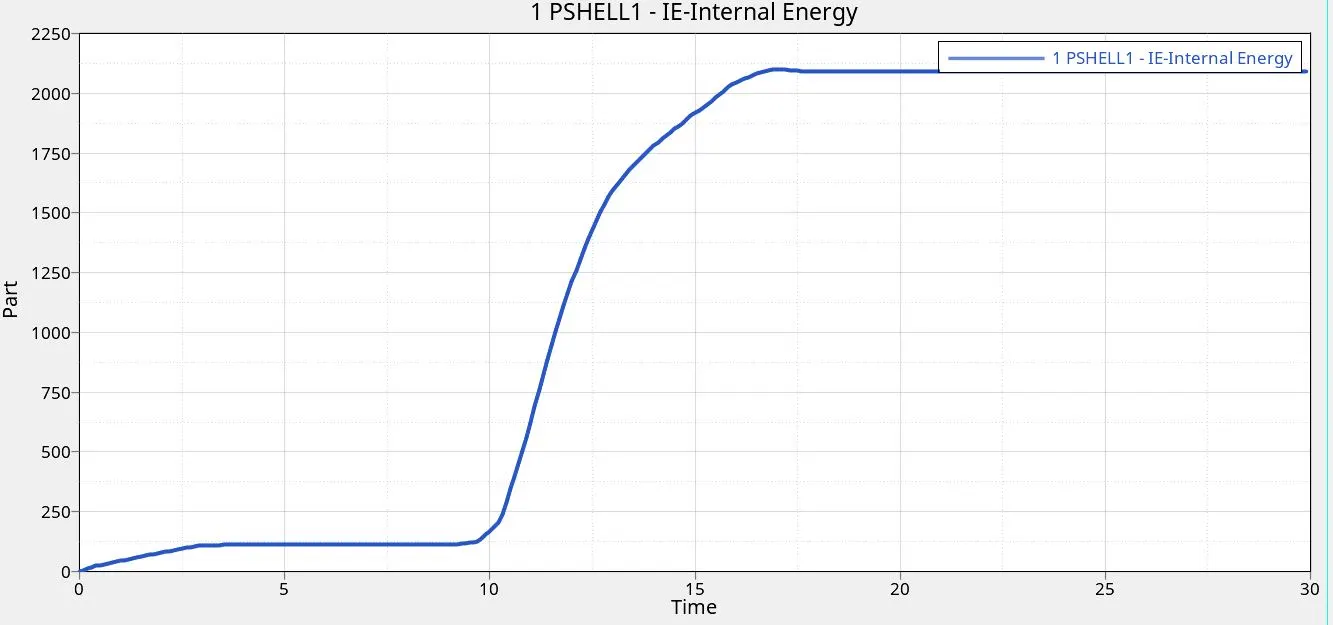
Pshell_1
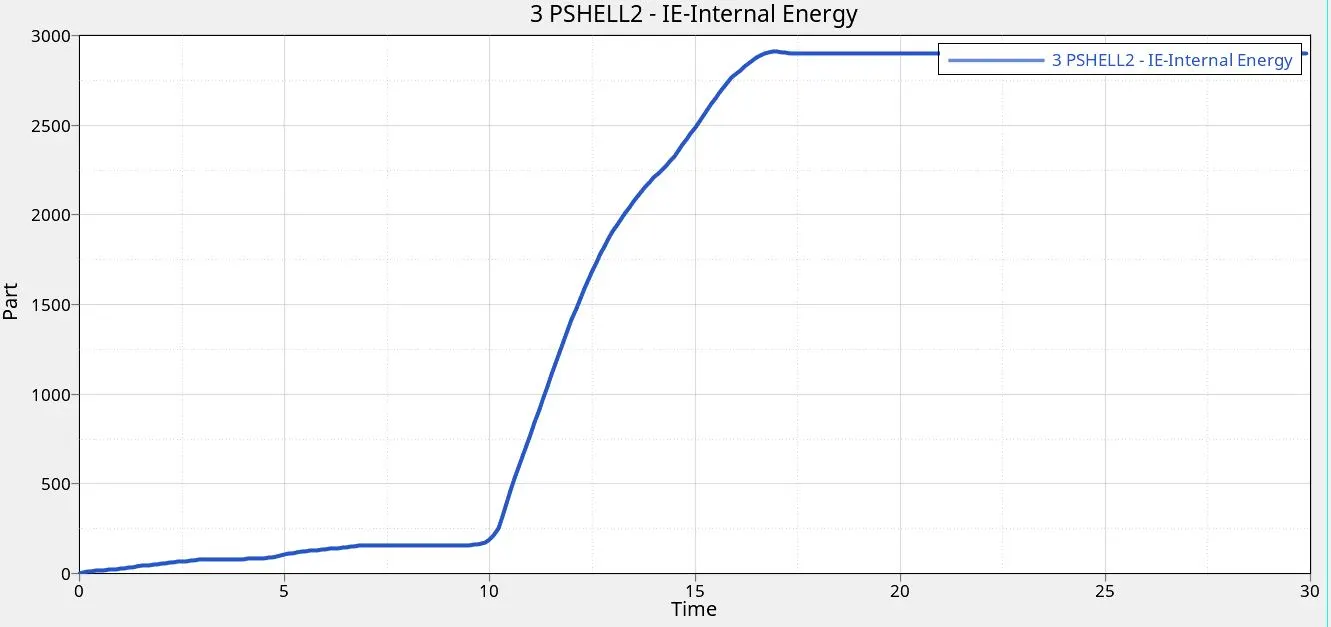
Pshell_2
Pshell_2mm
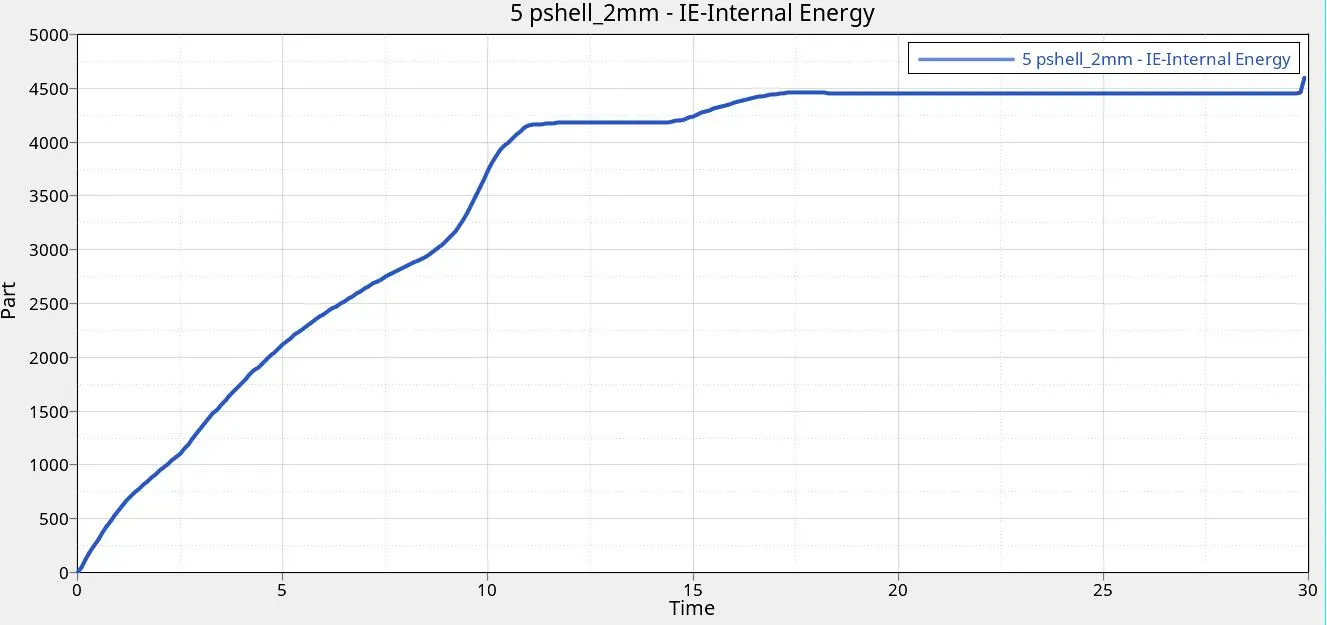
Pshell2_2mm
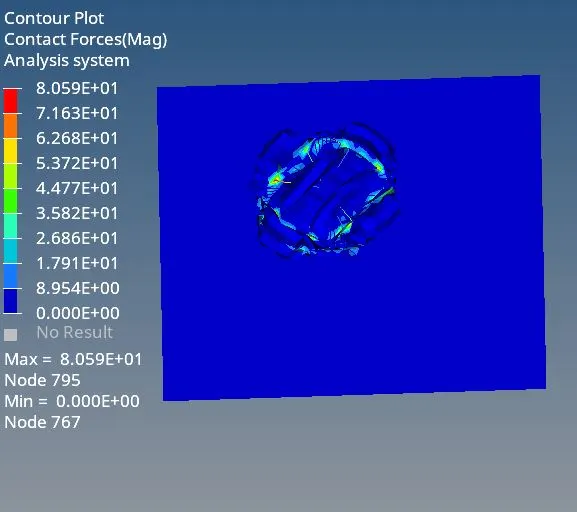
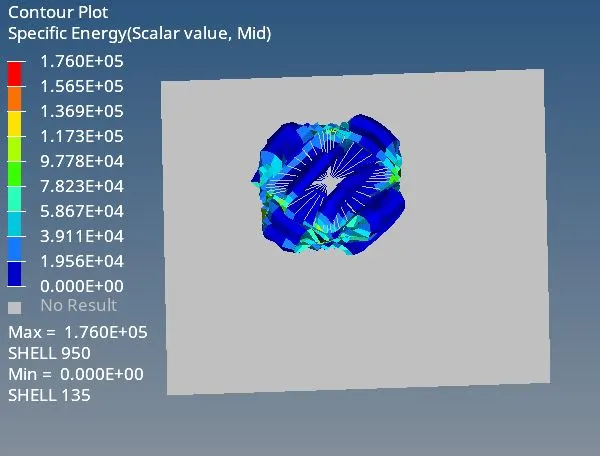
Case 7:
Contact forces contour
Specific energy contour
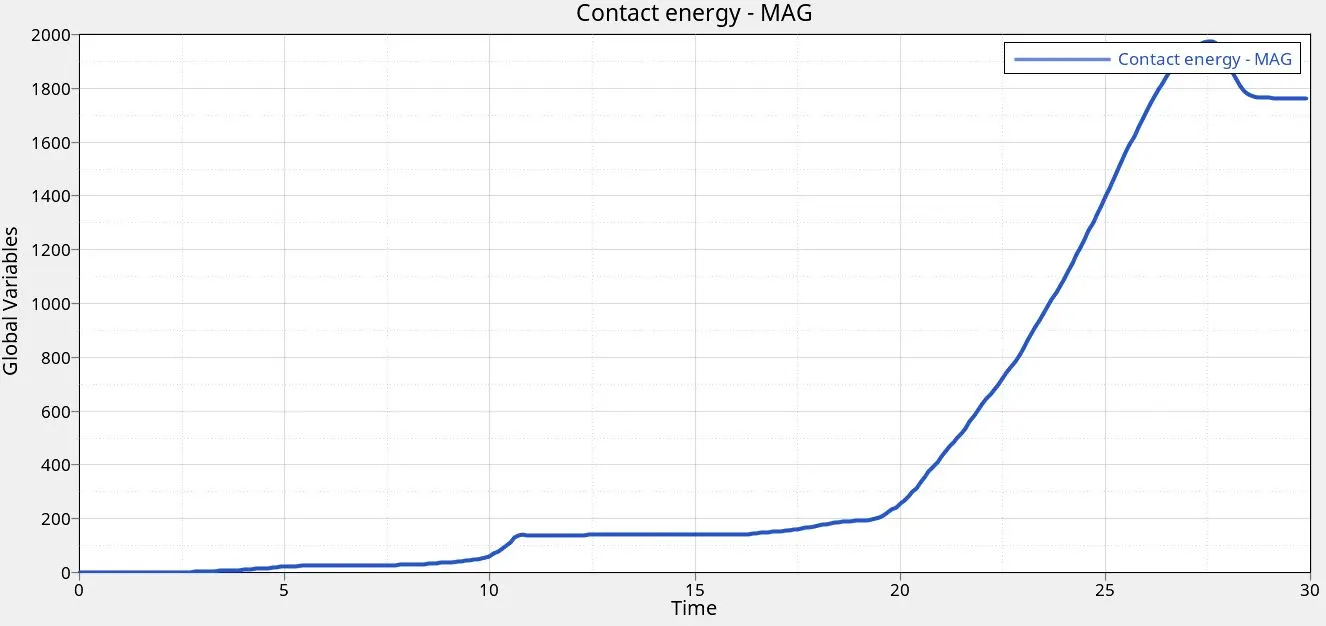
Contact energy plot
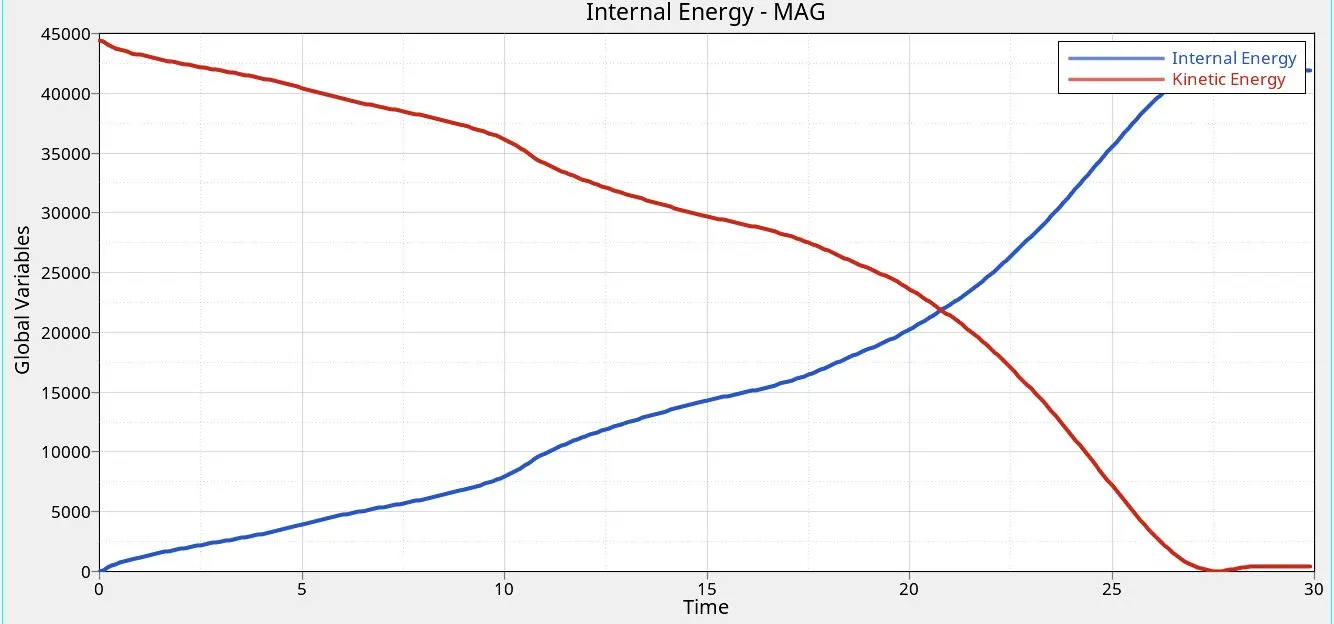
Energy plot
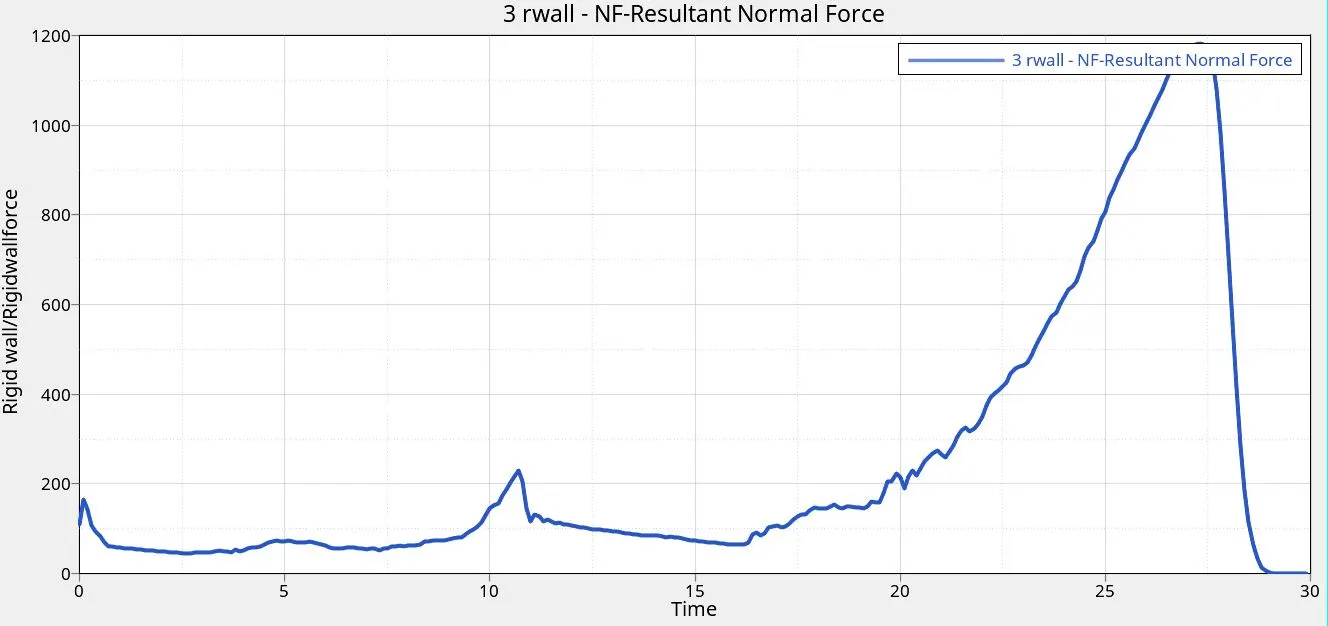
Normal force plot
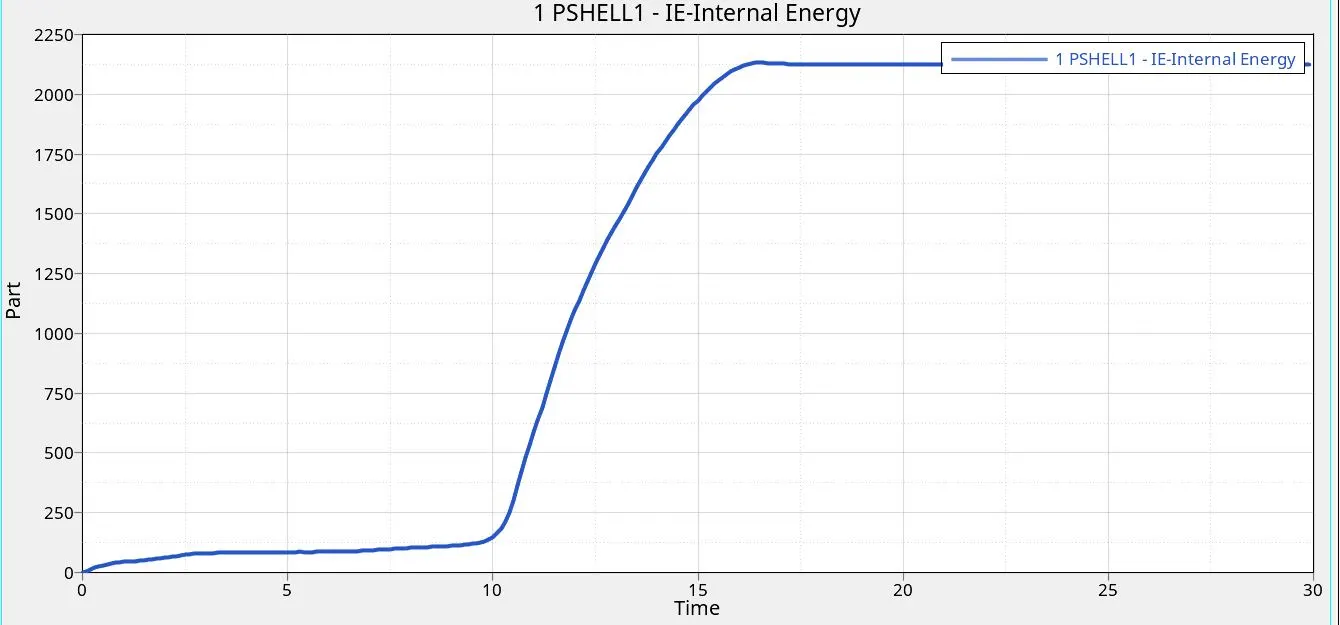
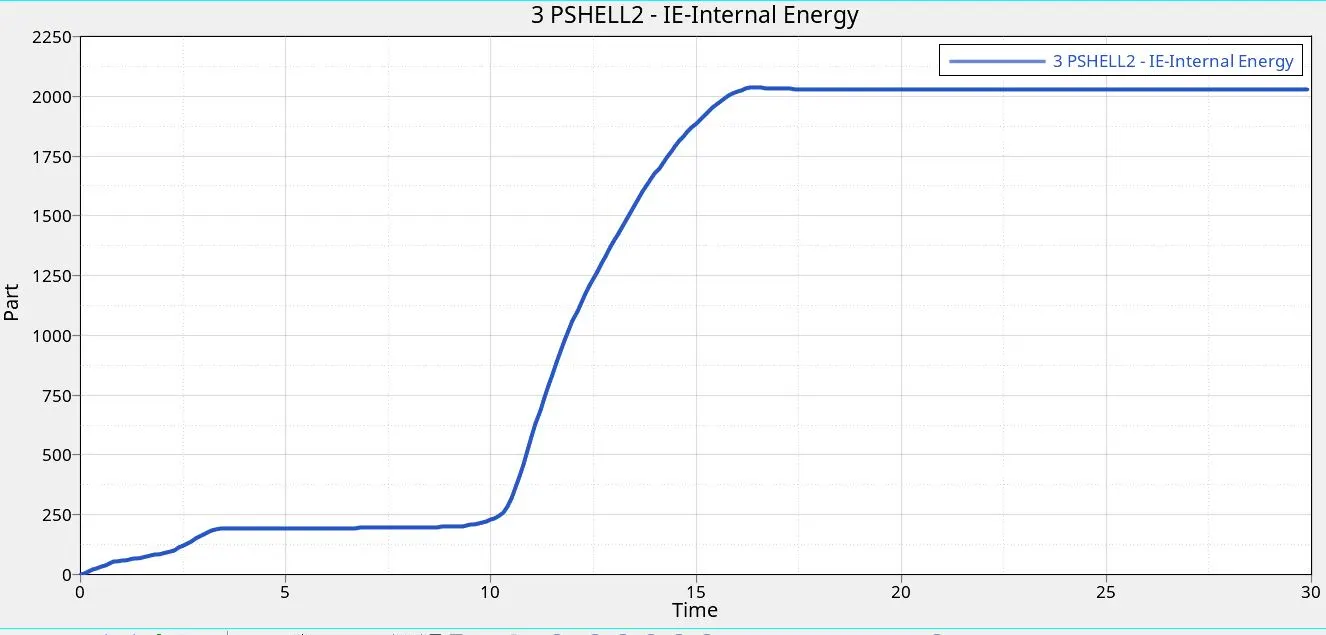
Pshell_1
Pshell_2
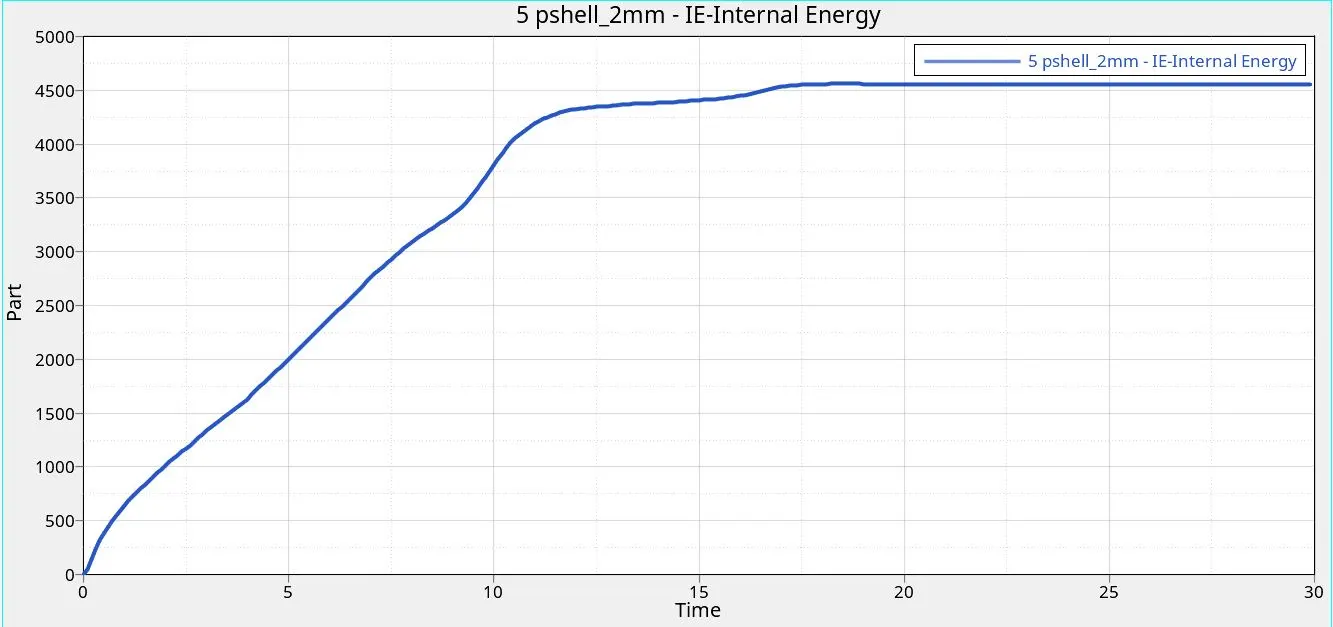
Pshell_2mm
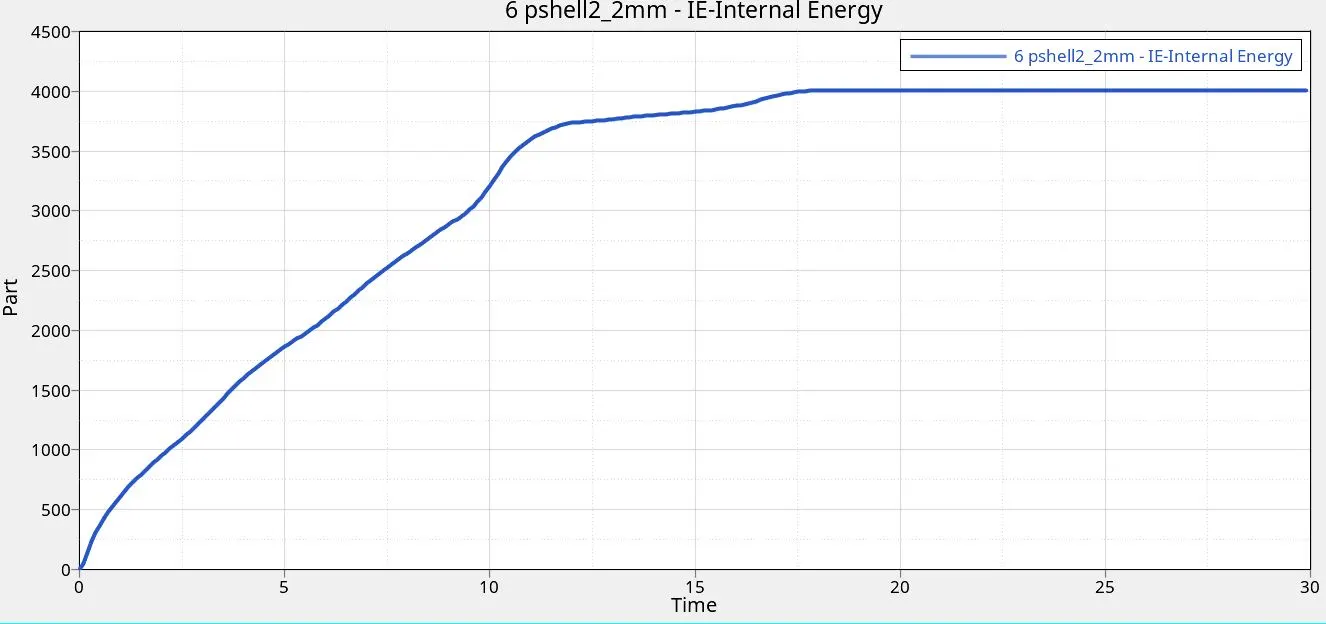
Pshell2_2mm
Interference
| Case | Energy error (%) | Mass error (%) | Rigid Wall Forces | Specific Energy | Contact Forces | Plastic Strain |
| Model as it is | -0.1 to -4.3 | 0 | 1.28E+03 | 1.38E+05 | 93.3 | 1.395 |
| Changing inacti = 6 | -0.1 to -4.6 | 0 | 1.28E+03 | 1.39E+05 | 93.3 | 1.395 |
| Create type 11 | -0.1 to -4.6 | 0 | 1.30E+03 | 1.30E+05 | 85.07 | 1.609 |
| Remove notches & B.C | -0.1 to -3.8 | 0 | 1.28E+03 | 1.31E+05 | 69.97 | 1.588 |
| Notch at middle | -0.1 to -5.1 | 0 | 5.12E+03 | 1.61E+05 | 89.25 | 1.564 |
| Notch at opposite faces | -0.1 to -0.6 | 0 | 1.36E+03 | 1.76E+05 | 87.25 | 1.203 |
The Notches help in increasing the energy of the model & also the contact forces of the model when both boundary condition & notches have been removed is the least.