Design of backdoor
Design of backdoor
Backdoor/Trunk:
A Door is a hinged part which is used for entry and exit of the vehicles. Backdoor are one of the type of door of the vehicle which are located next to the passanger seat which provides access to the luggage compartment. In the most of the cars, these back door are operated with the help of gas stay which in turn reduces the effort required to lift the door. Some luxuary cars have powerd backdoor which in turn is driven by an electric motor. This kind of system is also called a powered trunk lid system hatchback or station wagons are sold as 3 doors or 5 doors models. In this case, the rear hatch is classified as door this is because it enters the passenger compartment. The naming is mainly used in Europe countries. In case of safety, the backdoor designed should meet the safety requirement of the rear collision.
Types of Backdoor based on working positions:
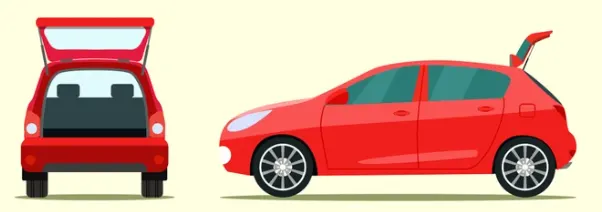
The door or opening of a cargo area may be hinged at the top, side & bottom. If the door hinged in the bottom it is called as a tailgate.
- Top mounted.
- Side mounted.
- Bottom type
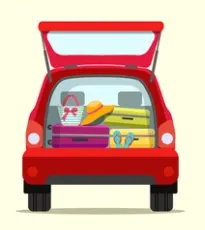
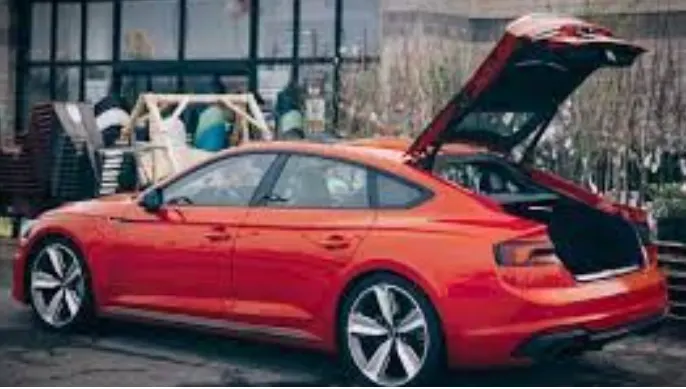
Top Mounted
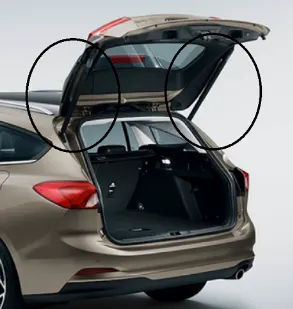
Pick up trucks, station wagon and sports utility vehicles use this type of back door. These are both gas stay supported and motor powered. Advantage of this type of back door is it provides greater rear visibility compared to others.
Side mounted
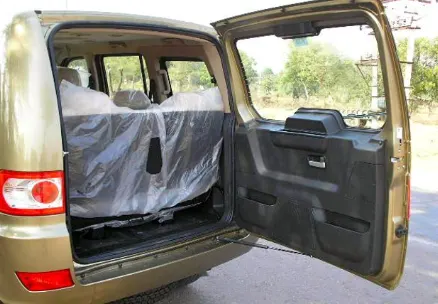
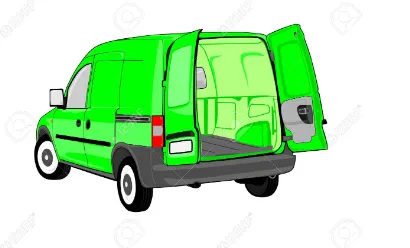
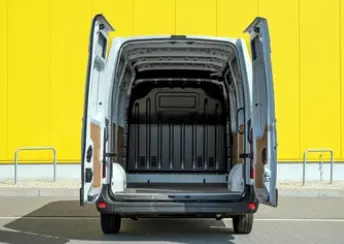
Side mounted doors are mounted on the side of the car. Vans, SUVs, MPVs, Trucks use this type of back door. Accidental head impacts can be avoided with this type. It is easier to load and unload items using this door.
Single Side mounted
Double Side mounted
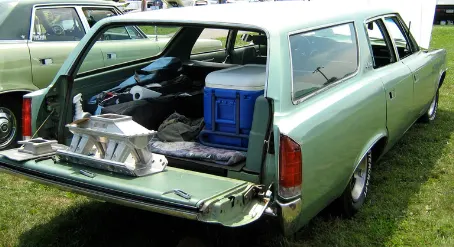
Bottom Mounted
Bottom mount doors are used in estate type cars, pickup trucks and some luxury SUVs. This is the most comfortable type of back door, it can be also used as supporting table or holding long items.
Based on Working mechanism
- Gas stay type
- Powered lift type
Gas stay type
Gas stay type is the most common type used in cars for operating the back door.
Powered lift type
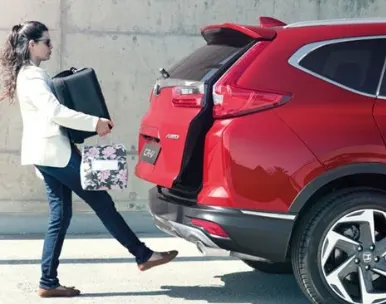
Powered lift type is also known as electric motor actuated type. It is mostly used in luxury cars. As it is the sophisticated type of operating the back door. A switch is pressed to open or close the door. This consists of power latch, anti pinch switch, PTF assembly.

Different Sheetmetal processes used for manufacturing the Back Door
Deep Drawing:
The metal deep drawing process is an effective method of manufacturing of cups, cans and other similar deep drawing products. The deep drawings having two main categories.
- First- stage drawing: The blank shape of metal is placed on the die and contact with the punch. When the metal specimen is flat piece of sheet metal used in forming and finish the product. Initially the punch moves in downward direction. The outer rim of blank is subjected to pure radial drawing (drawing toward in vertical axes) between die and blank metal. The metal become a bend and sliding over die and also stretched between die and punch. The metal in vicinity of punch head and contact with it bend and slide over radii and stretch over punch head.
- Redrawing: The components drawn from first stage again it is redrawn convert into more depth to form a cup shape in the die and punch. The second stage of drawing is called as redrawing.
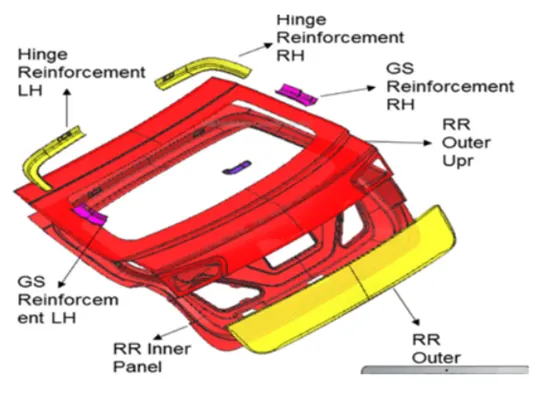
Main Parts of the Back Door:
- Inner panel-Outer panel
- Hinge reinforcement LH & RH
- Gas stay reinforcement LH & RH
- Wiper motor reinforcement
- Latch/striker reinforcement-Hemming
Design Consideration:
- Rear visibilities for safety and functionality
- Support structures like hinges and Gas stay/ Power lifter
- Rear crash regulations
- Boot space
- Mounts for wiper motor and lights
- Strength criteria
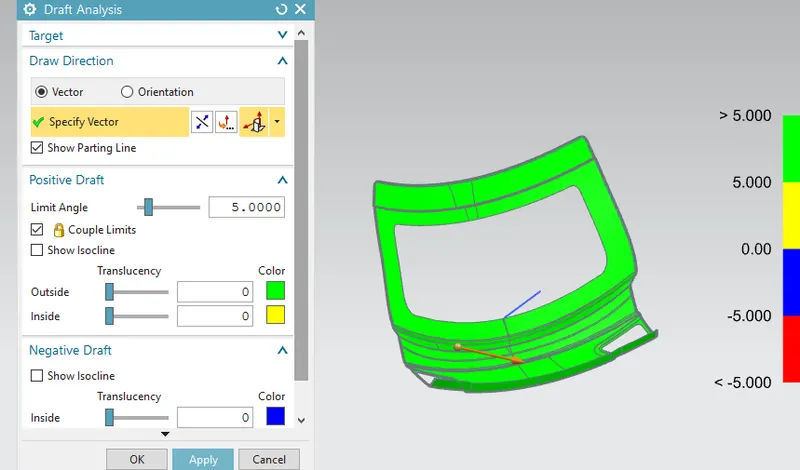
- Draft analysis
- Outer Panel - 0.75 mm
- Inner Panel - 0.75 mm
- Reinforcements - 1.5 mm
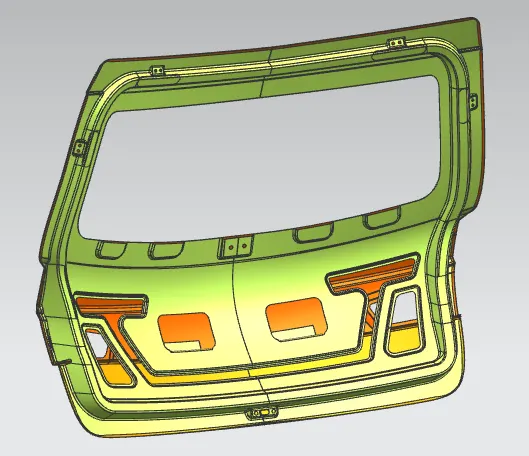
- Inner Panel.
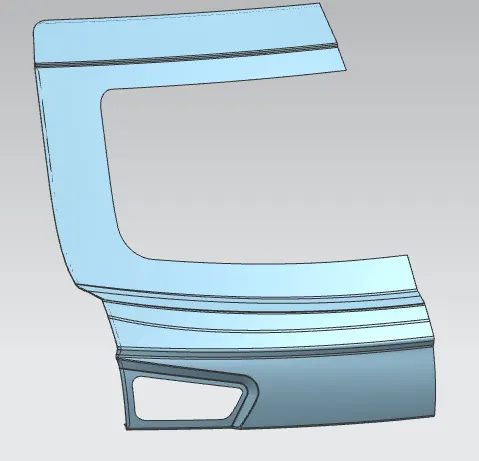
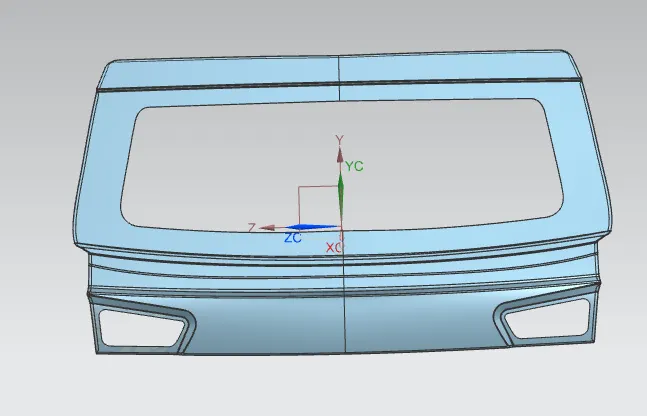
- Outer Upper Panel.
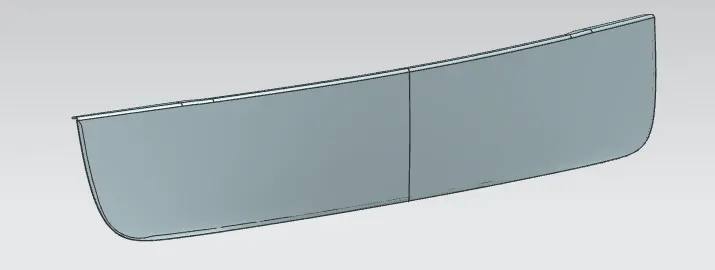
- Outer Lower Panel.
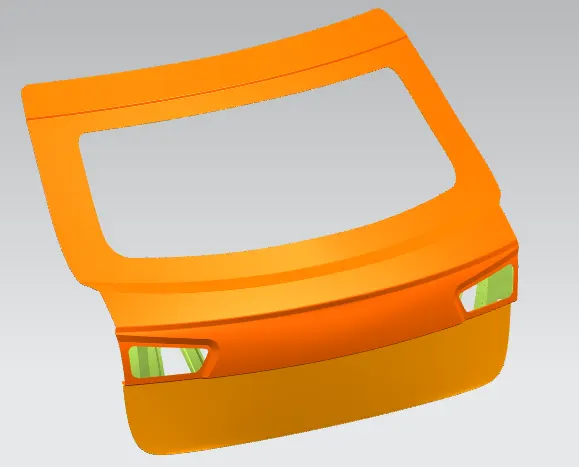
Given Class A Surface
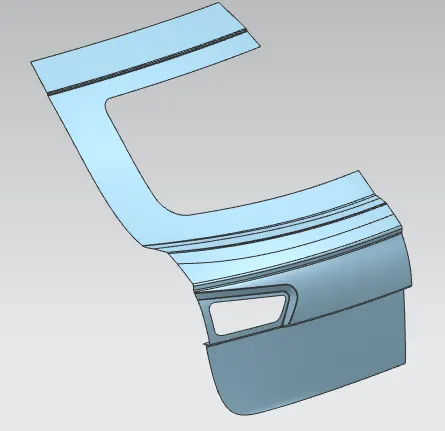
Outer Upper Panel
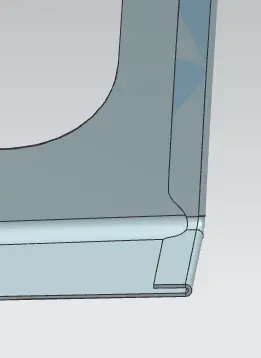
Hemming:
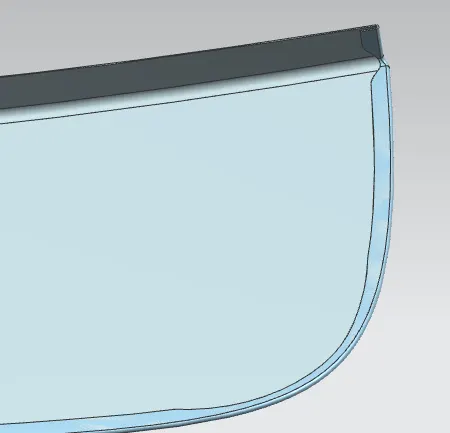
Hemming is a forming operation in which the edges of the sheet are folded or folded over another part in order to achieve a tight fit. Normally hemming operations are used to connect parts together, to improve the appearance of a part and to reinforce part edges.
In car part production, hemming is used in assembly as a secondary operation after deep drawing, trimming and flanging operations to join two sheet metal parts (outer and inner) together. Typical parts for this type of assembly are hoods, doors, trunk lids and fenders.
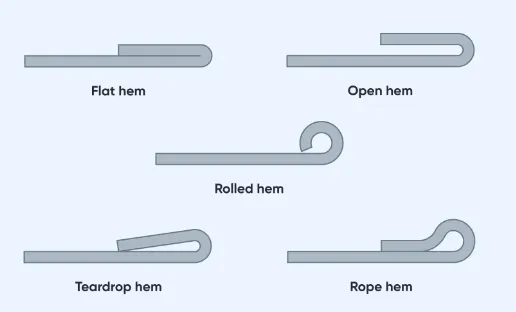
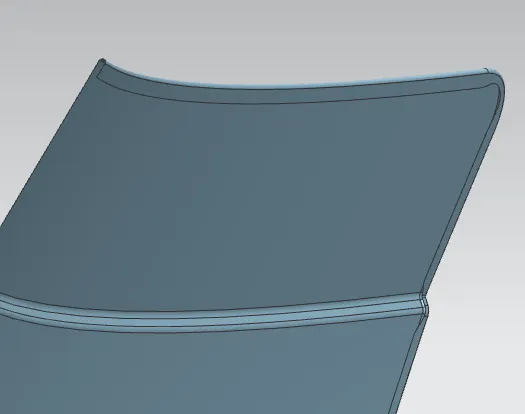
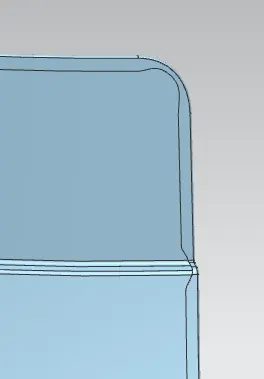
Corner Relief:
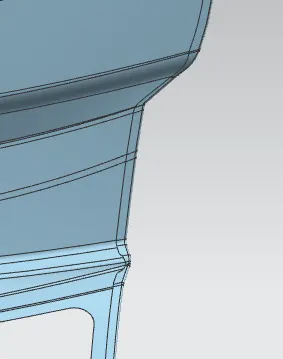
Relief helps to control sheet metal material behavior and to prevent unwanted deformation during unbend operations. So here i gave two cornor relief for Back door.
Outer Upper Panel
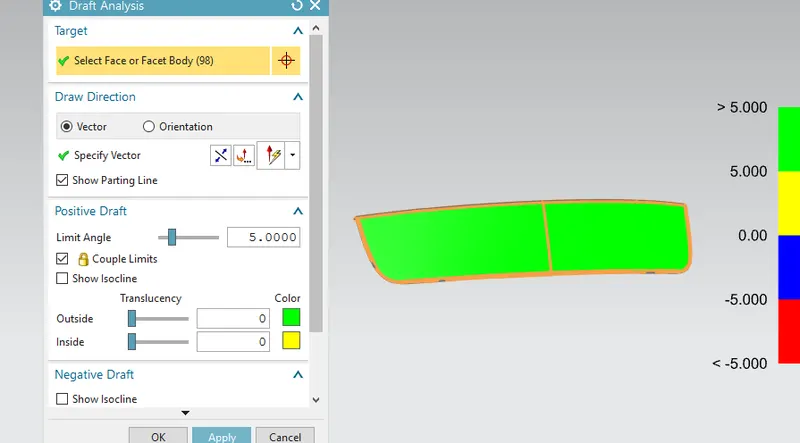
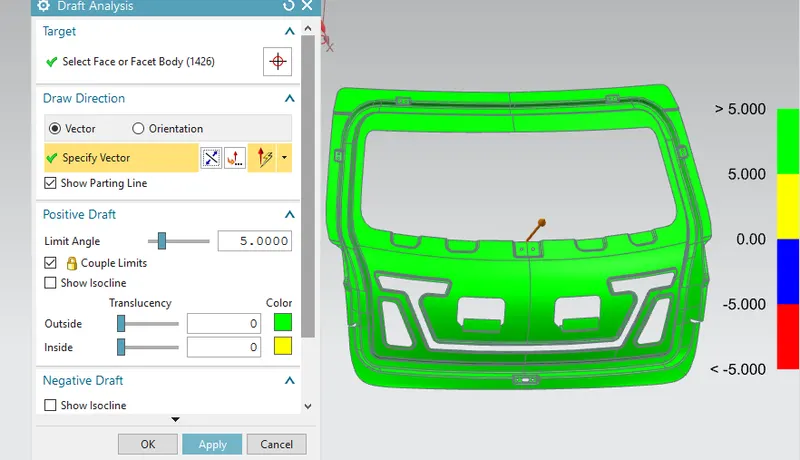
Draft Analysis
Outer Lower Panel
Draft Analysis
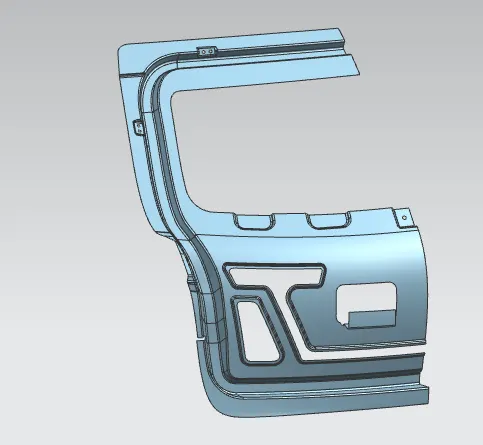
Inner Panel
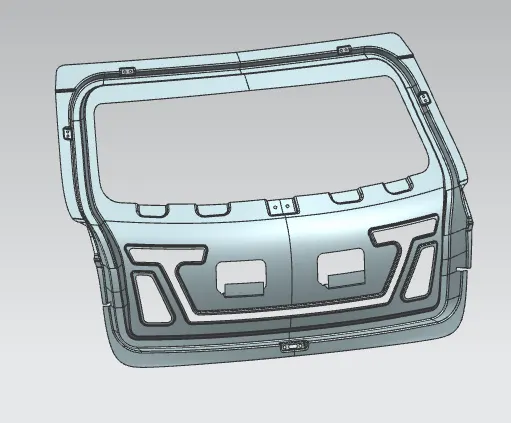
Embosses
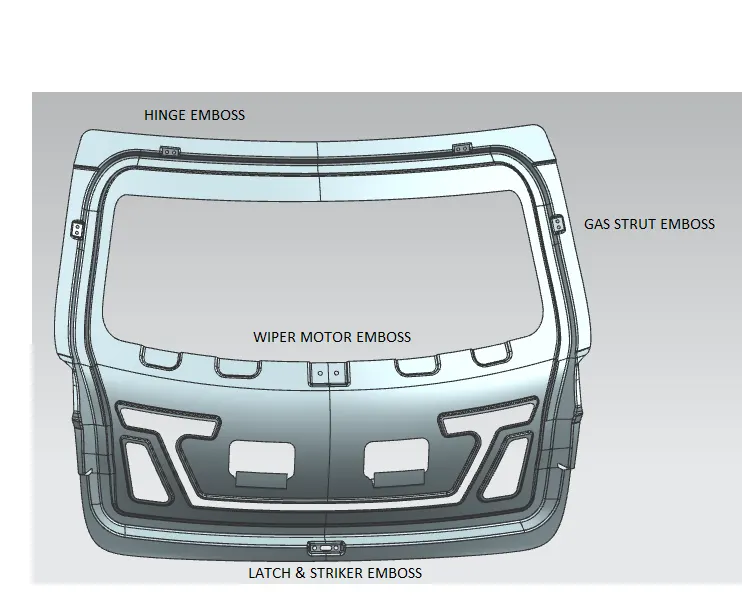
The implemet of embosses are very important on the inner hood since it plays a important role in saving human life during a crash from the back. The embosses are designed in Y & V direction so that during the crash the forces disspiates outwards as shown in Fig.1.6. This will reduce the impact on the passengers in the back.
Striker Positioning
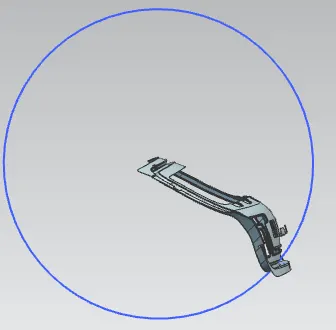
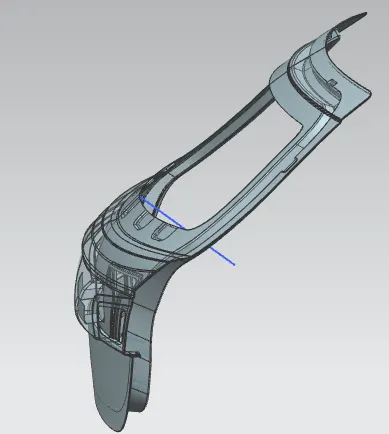
Draft Analysis
Hinge Reinforcement :
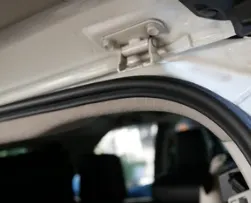
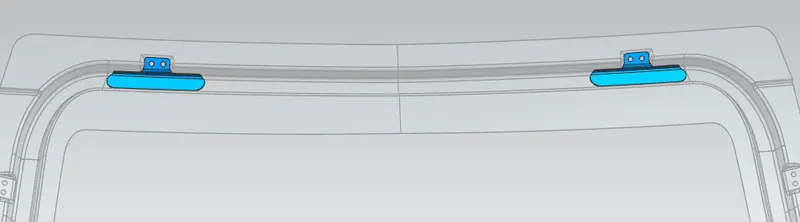
Hinges support the weight of the whole backdoor. Hence a reinforcement are provided here too. Emboss is designed such that the hinges should operated freely. The electrical wiring looms are through the holes along the periphery to keep them hidden.
Gas Stay Reinforcement:
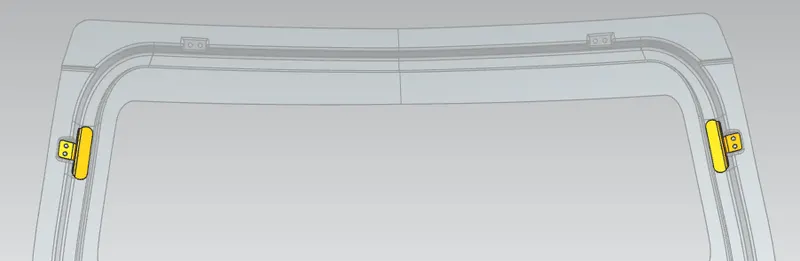
Gas Stay is a device used for supporting the back door in its open position. Gas stay requires no manpower and is engaged into support position automatically as the back door opens. One end of the Gas Stay is fixed on the backdoor and the other end on the Body Side or on the Back door stationary area.
Embossing is provided at the Gas Stay mounting area to compensate for weakness and improve strength.
Wiper motor Reniforcement:
A dedicated space near the window is left for wiper motor assembly. A cavity is placed in the middle of the panel for the necessary components in the assembly as well as other accessories.
Latch and Striker Reinforcement:
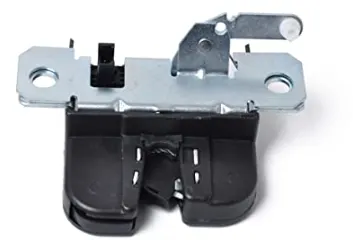
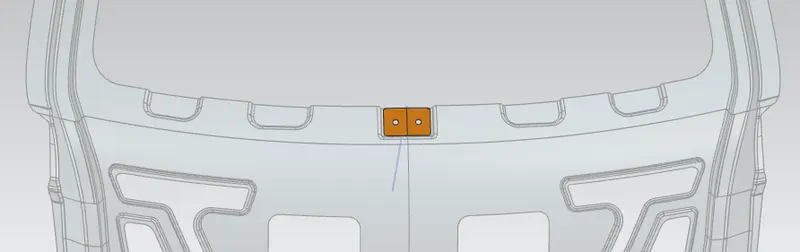
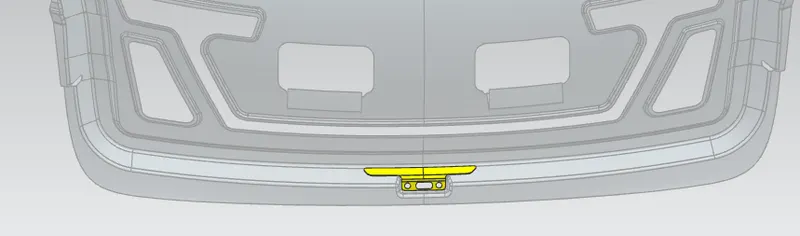
The Latch & Striker forms the locking mechanism of the backdoor with the car. Due to regular opening, closing, and over slamming of the backdoor, there is stress developed in the Latch and Striker area. To compensate for the same, reinforcements are added in this area
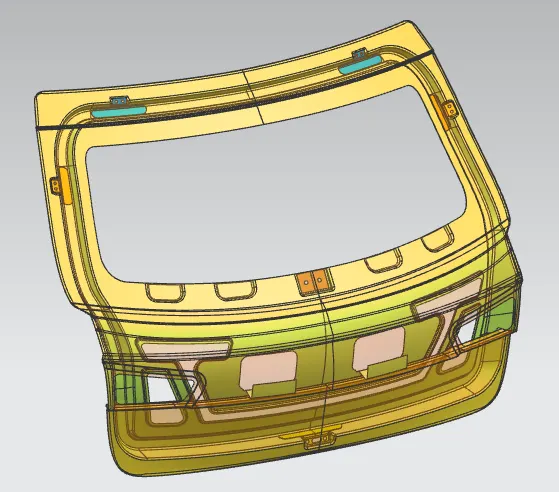
Final Assembly