Week 9 - Project 1 - Door Trim Lower with Engineering Features
Door Trim Lower with Engineering Features
CLASS A SURFACE
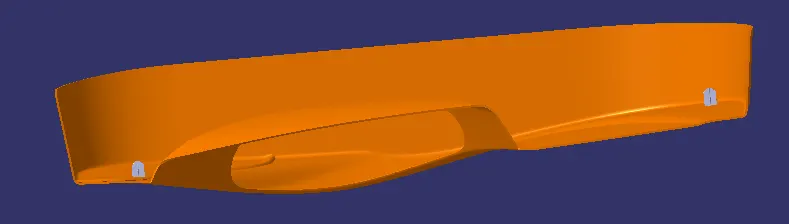
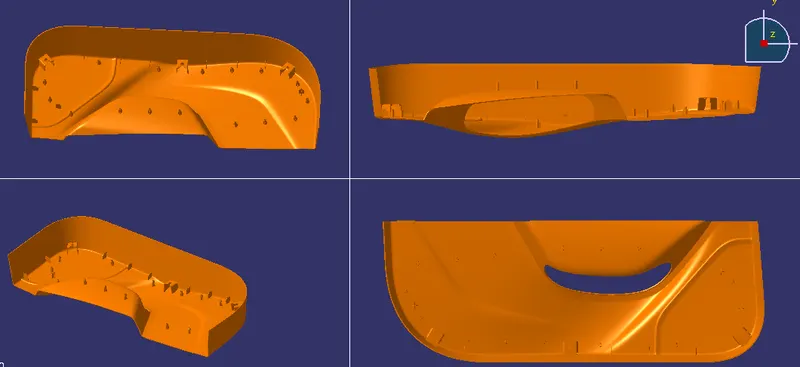
We Know that The Class A surface. It is the styling process brought in to digital life. According to the given task we have to thickneed Class A Surface before that we need observe the Class A Surface carefully as shown in figure below.
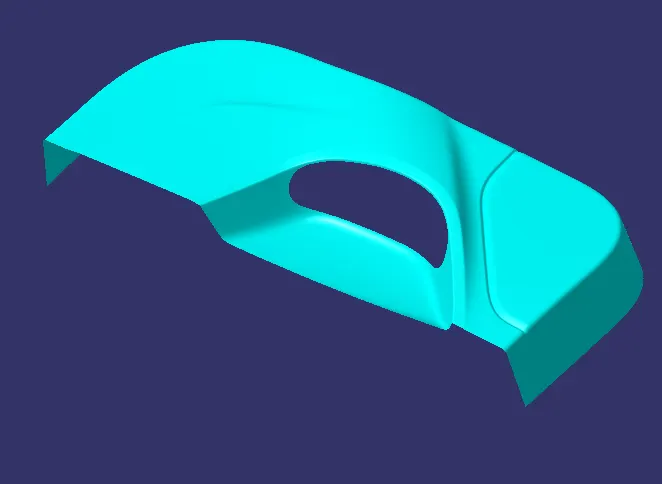
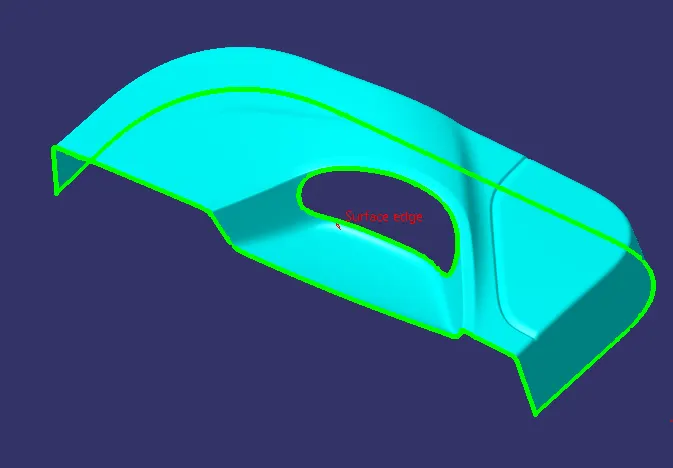
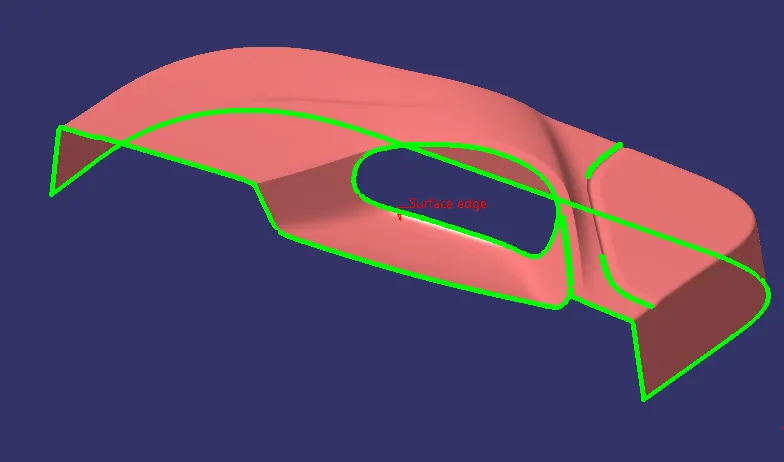
Check the boundaries of the given Class A Surface
TOOLING AXIS FOR GIVEN CLASS A SURFACE
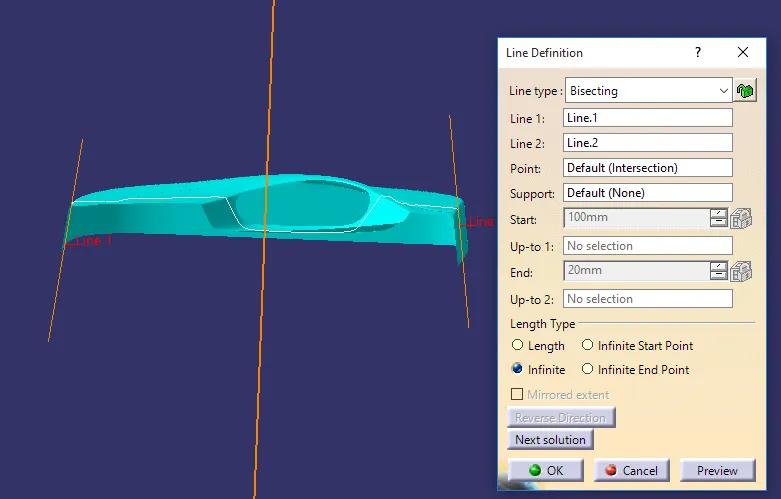
For the given class A surface Y direction is consider as the tooling direction.Then create tooling direction clearing X and Y direction.finally bisecting this two lines to get the main tooling axis.
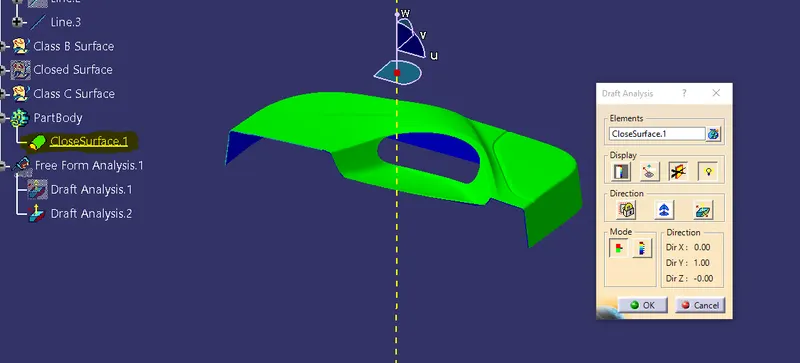
DRAFT ANALYSIS OF CLASS A SURFACE
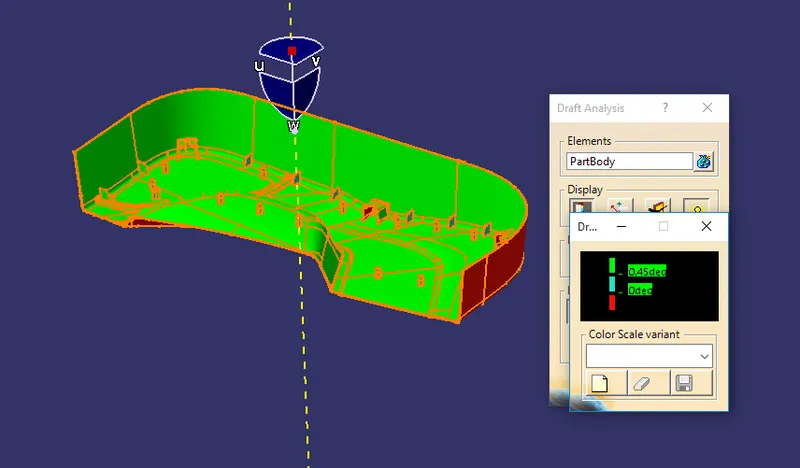
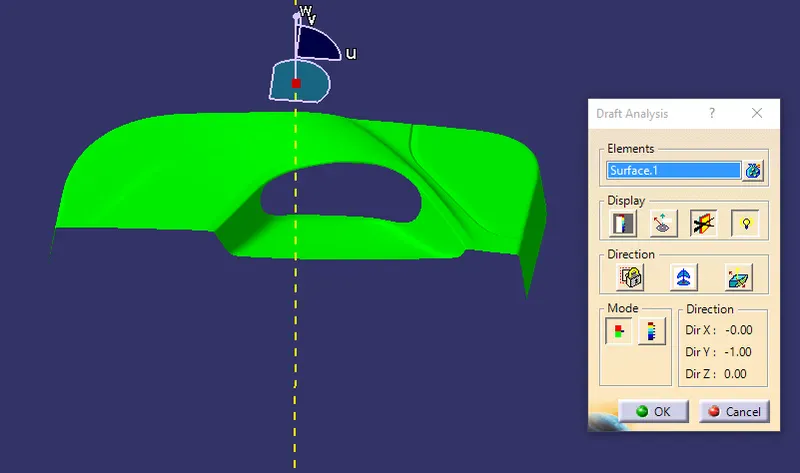
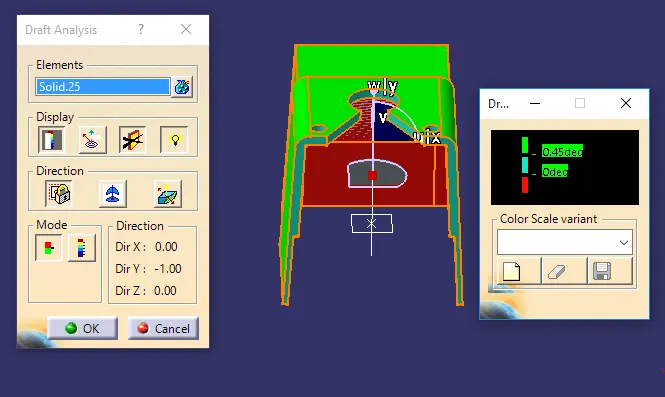
Check the draft analysis of the given class A surface along the tooling direction to ensure the part has minimum draft angle (3 degree) in all faces .The class A surface clearing the draft .
CLASS B SURFACE
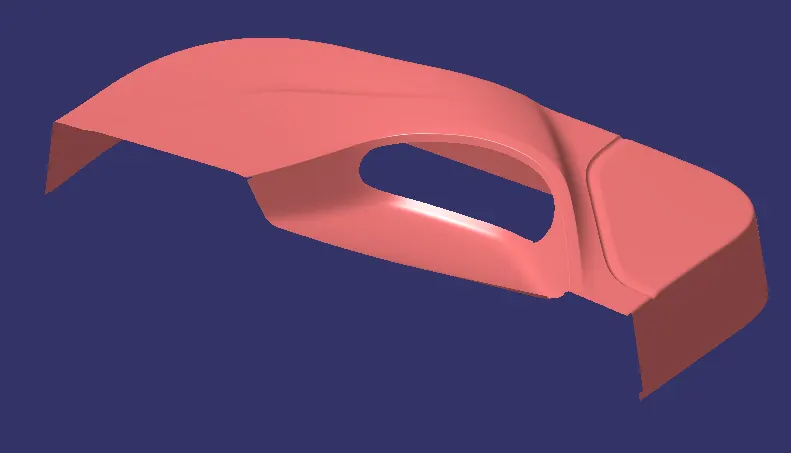
Class B surface created from the class A surface. Offset class A surface in required thickness.Extract,extrapolate, trim operations used to create the class B surface.
CLASS C SURFACE
Class C surface connecting the class A and B surfaces.Create the boundary of class A surface and using the swept with reference surface to generate the class C surface.
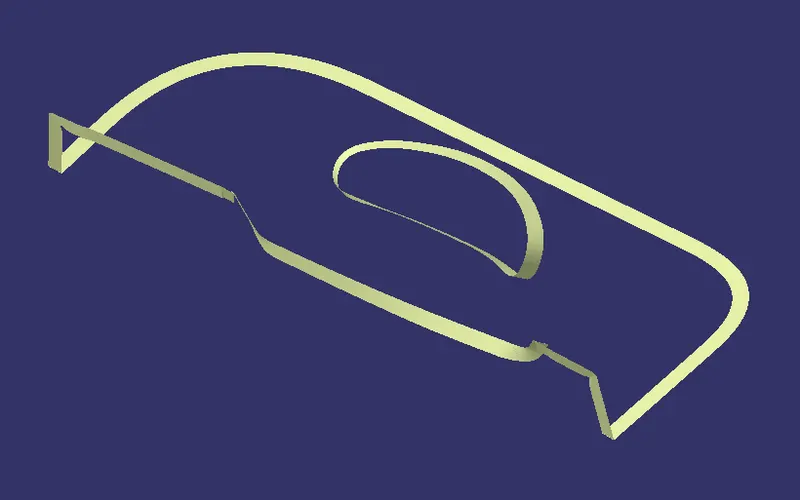
- Then join the class A surface with class C surface
- Finally trim with class B to get the closed surface of door lower trim.
Closed surface
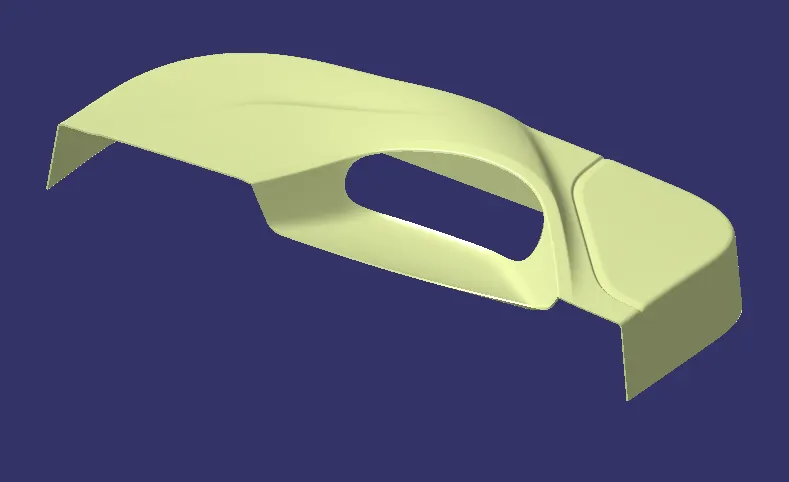
Solid Body
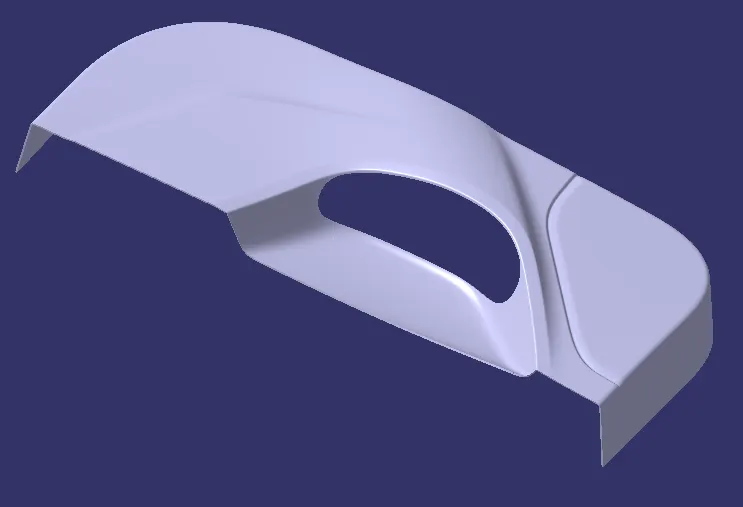
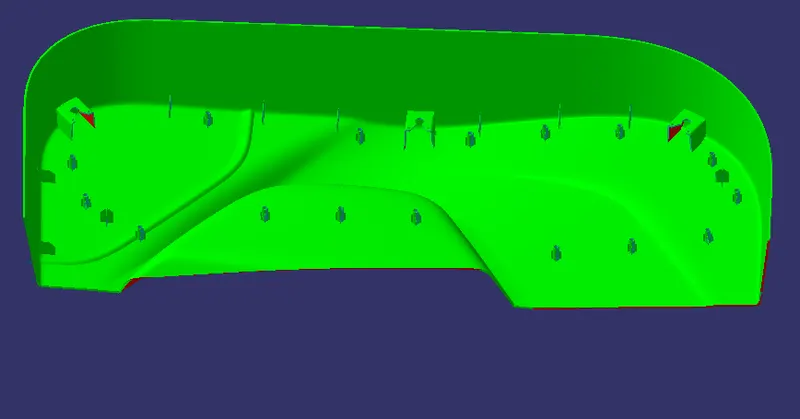
Draft Analysis on solid body
B SIDE ENGINEERING FEATURES
1) Locators creation
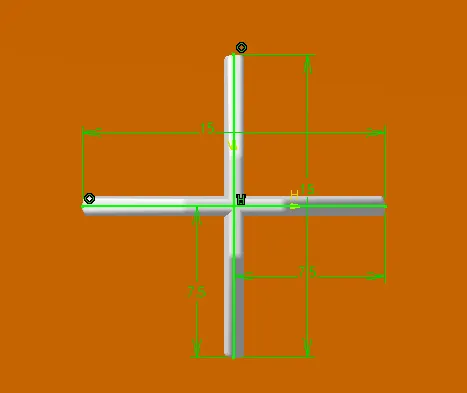
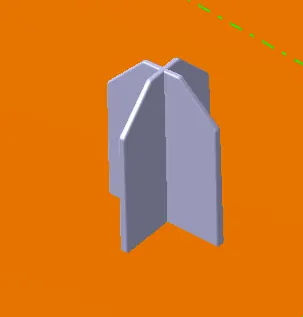
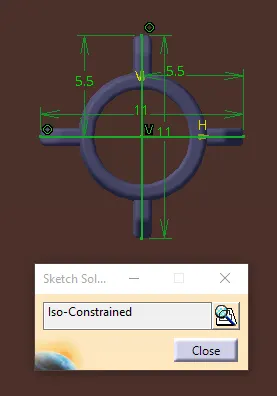
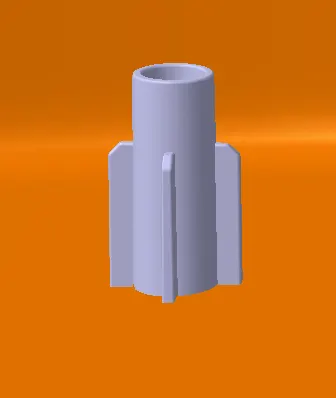
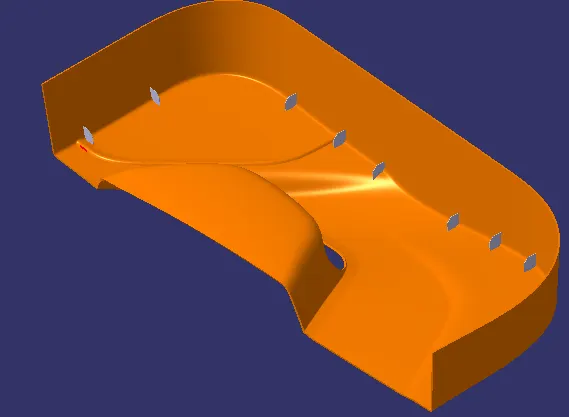
Locators are used when assembling sub parts and are very useful engineering feature for easy way of locating the position of the parts to be assembled
I have created two 4-way locators and one 2-way locator for the given door trim design.
Design procedure
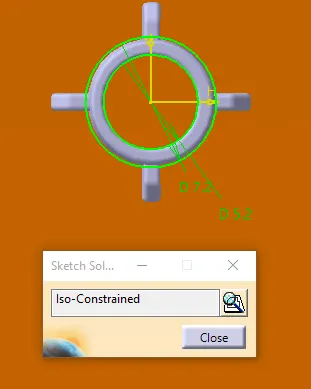
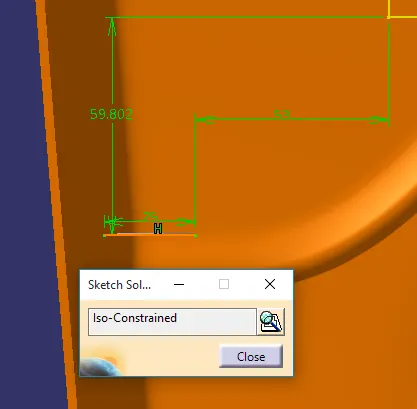
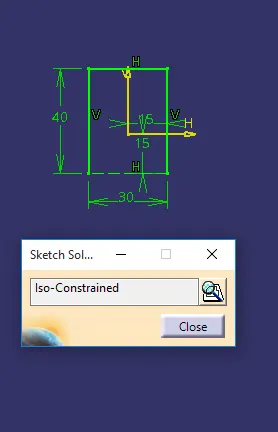
- Create positioned sketch and make required iso-constrained sketch.
2) Heat stakes creation
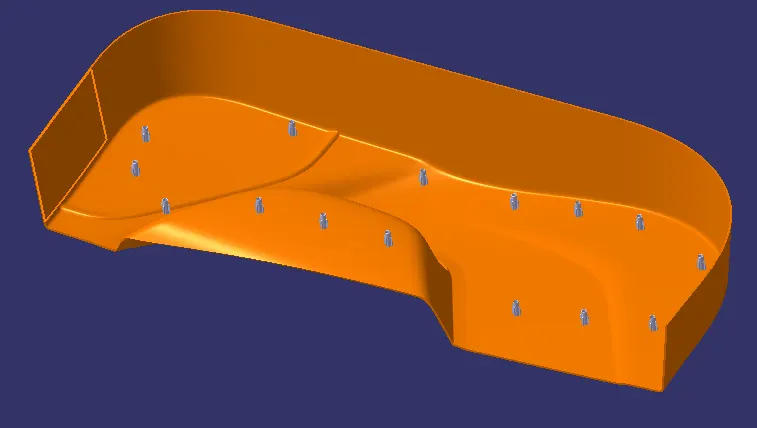
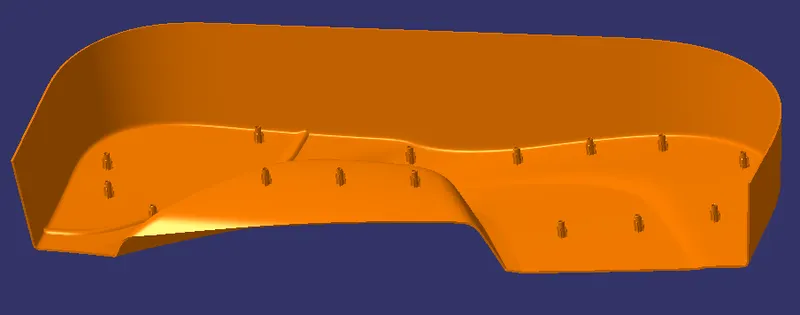
Heat staking also known as thermoplastic staking is the process of joining two dissimilar materials together. In heat staking we use local heating and cooling to raise the temperature of plastic components and allow plastic reforming to be carried out. This reforming can be used in a wide variety of applications. Heat staking method is commonly used in OEM to assemble door trims, instrument panels etc
Heat stake Design procedure
- Pad it with reference to the tooling axis.
- Heat stake height should be lesser than the height of locators provided.
- Thickness should be 40% of the component main thickness to avoid sink marks on the A surface.
Ribs
Dog House
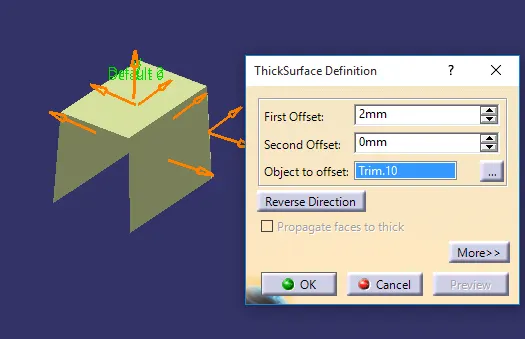
Draft Analysis on Dog House
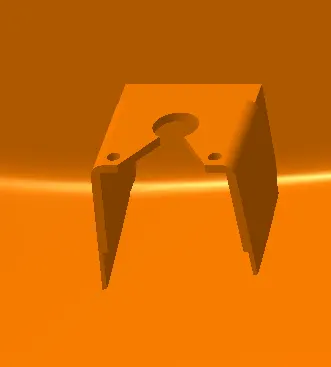
Use translation and rotational option to move the parts.
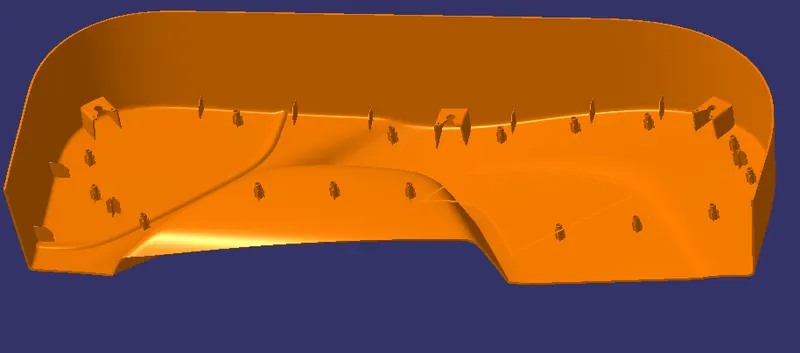
Draft Analysis on B side Features