Week 14 challenge
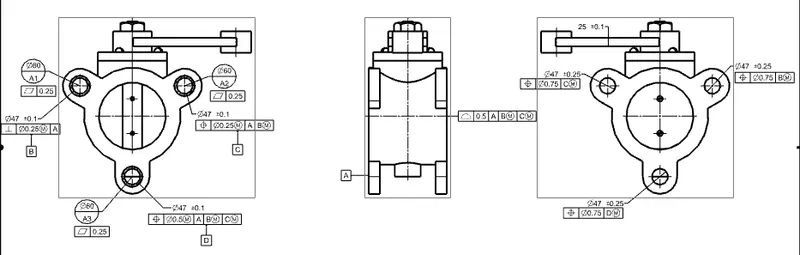
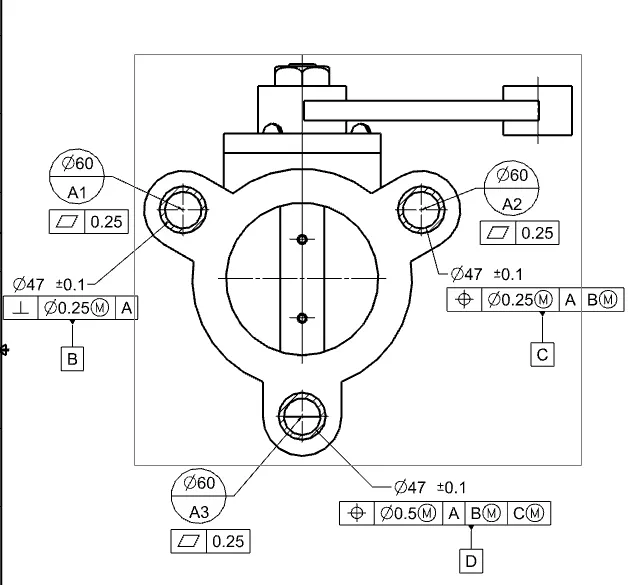
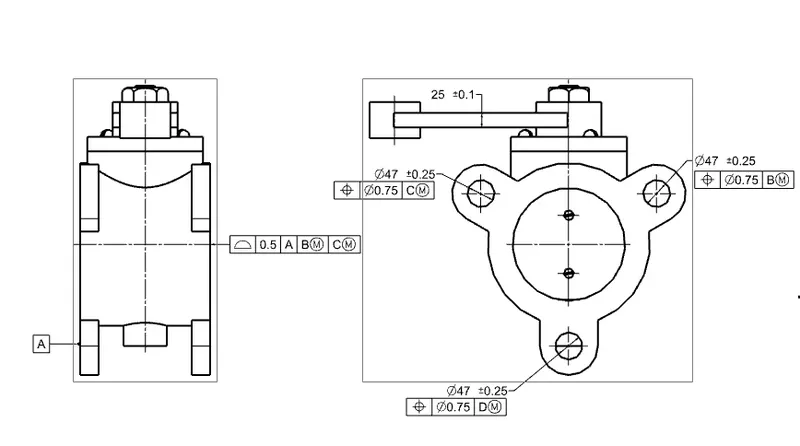
Assemble and apply GD&T to the butterfly valve assembly drawing
Butterfly valve
A Butterfly valve is a quarter-turn rotational motion valve, that is used to stop, regulate, and start flow.Butterfly valves are easy and fast to open. A 90° rotation of the handle provides a complete closure or opening of the valve. Large Butterfly valves are usually equipped with a so-called gearbox, where the handwheel by gears is connected to the stem. This simplifies the operation of the valve, but at the expense of speed.
Parts of Butterfly Valves:-
1] Main Body of Butterfly Valve
2] Shaft
3] Retainer
4] Disc Plate
5] Nut
6] Screw
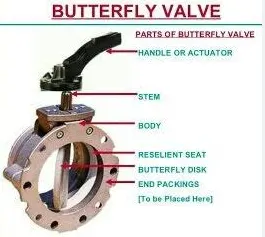
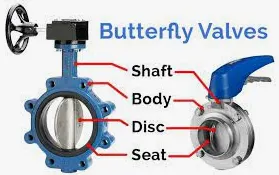
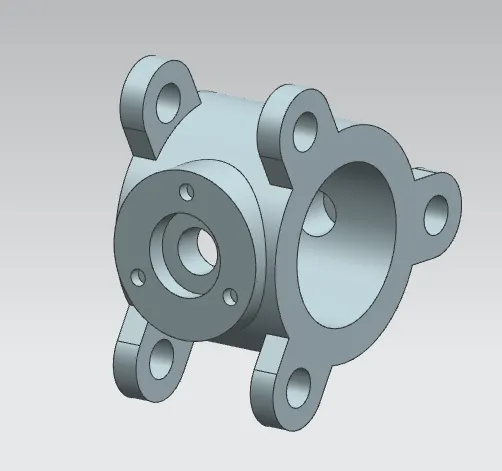
1. Body
One of the major component in butterfly valve it is the base of all components located in the butterfly valve.
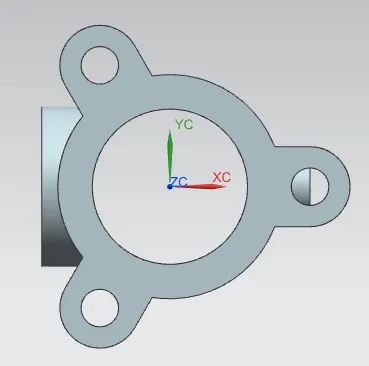
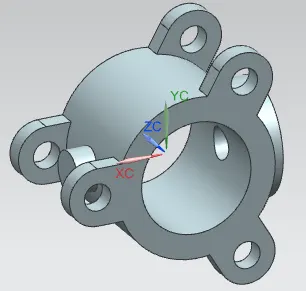
2. Shaft
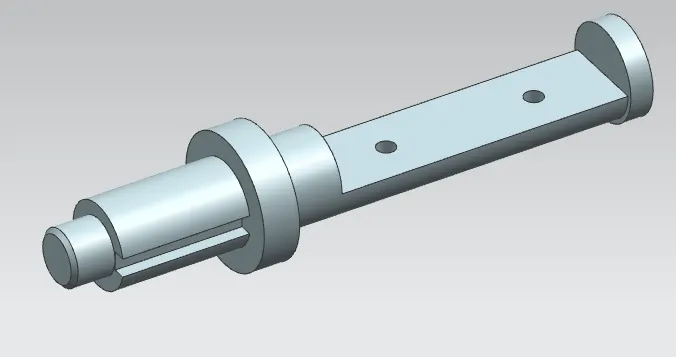
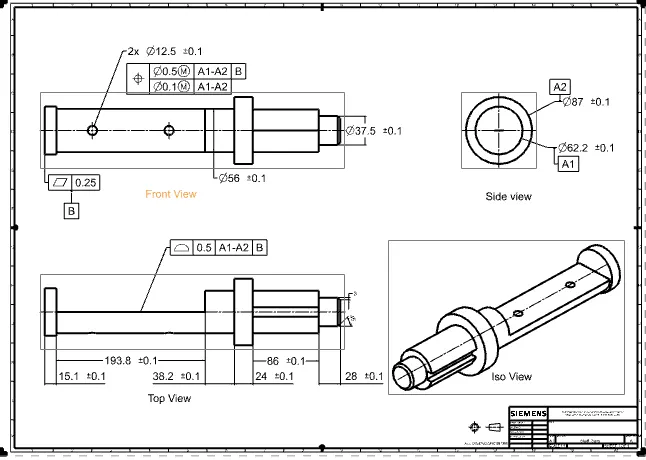
In order for the disk to be held in the proper position, the stem must extend beyond the bottom of the disk and fit into a bushing in the bottom of the valve body.The disc plate and lever are assembled to this shaft.
3. Retainer
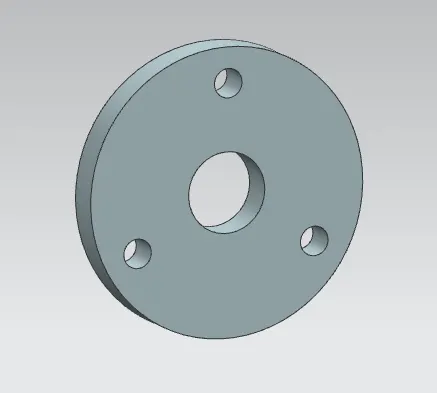
Retainer is a kind of washer fixed on the body of butterfly valve. Butterfly valves comprise a valve seat comprising a generally S-shaped cross-section and a valve seat retainer configured with appropriately shaped cooperating surfaces.
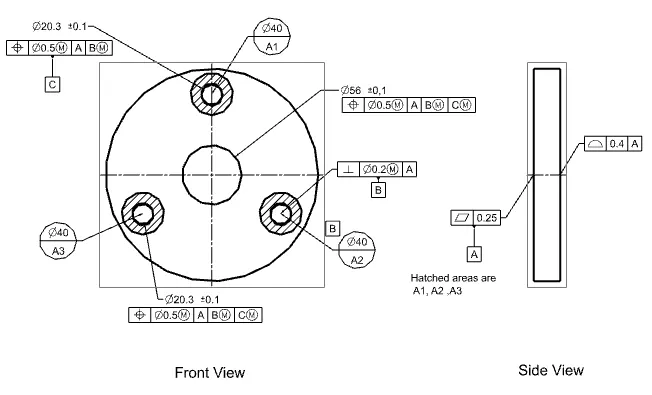
4. Disc Plate
When valve is fully opened or closed the disc is rotated a quarter turn.Disc is mounted on shaft. When the valve is closed, the disc is turned so that it completely blocks off the passageway.When the valve is fully open, the disc is rotated a quarter turn so that it allows an almost unrestricted passage of the fluid.
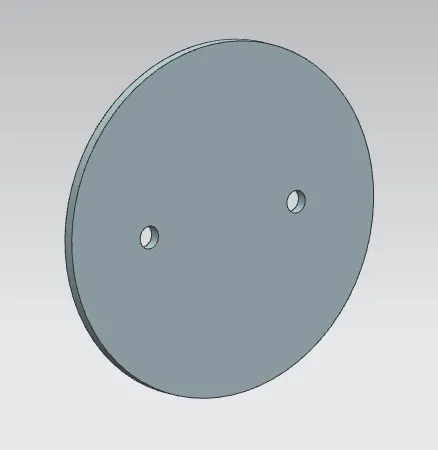
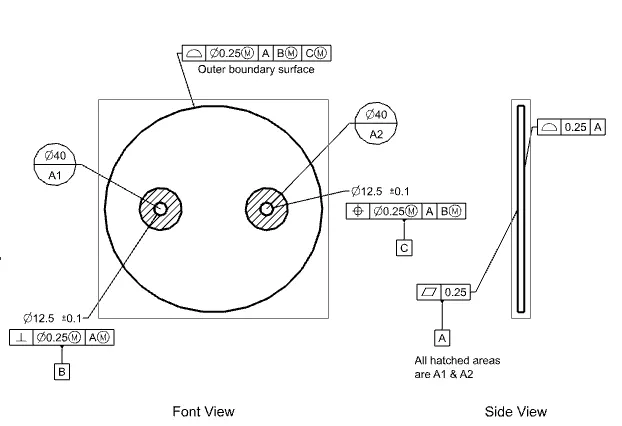
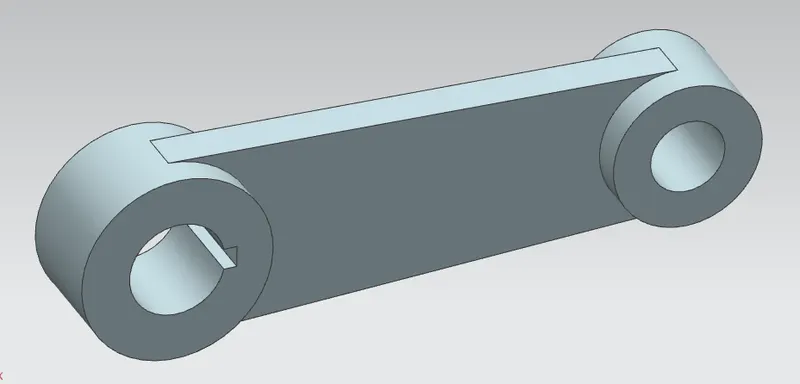
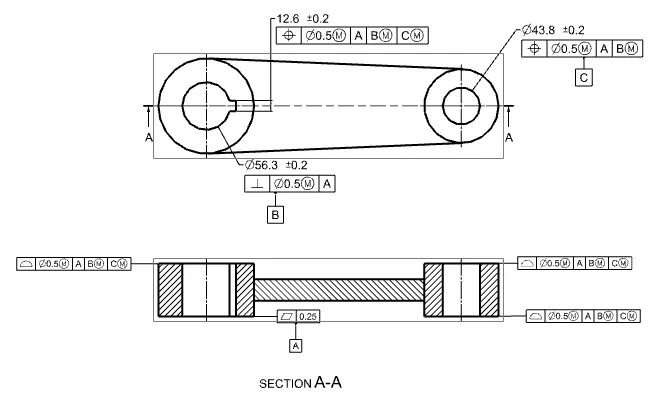
5. Lever
Lever is mounted at an end of shaft outside the body. Hand lever is usually used in small sized Butterfly valves.Basically lever handle is used to open and close the Butterfly Valve. It provides ease of operation at the expense of speed. It can be adjusted to various positon with the help of the gearbox.
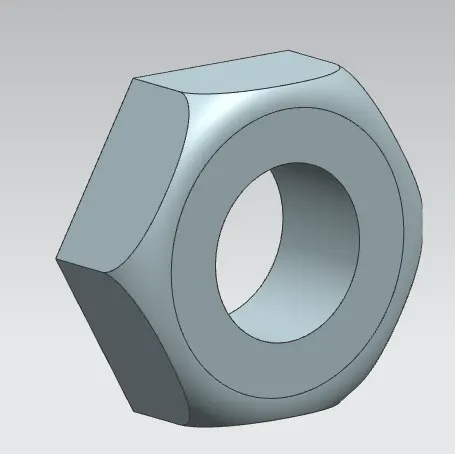
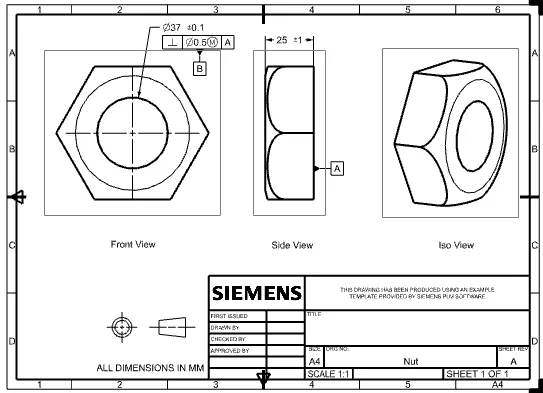
6. Nut
Final Assembly
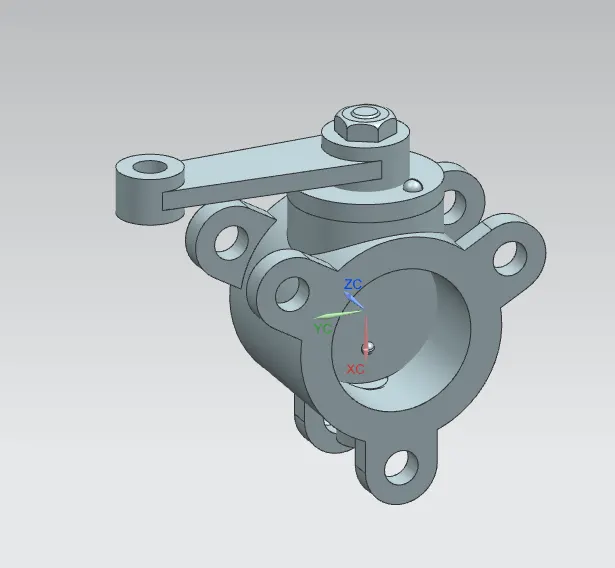
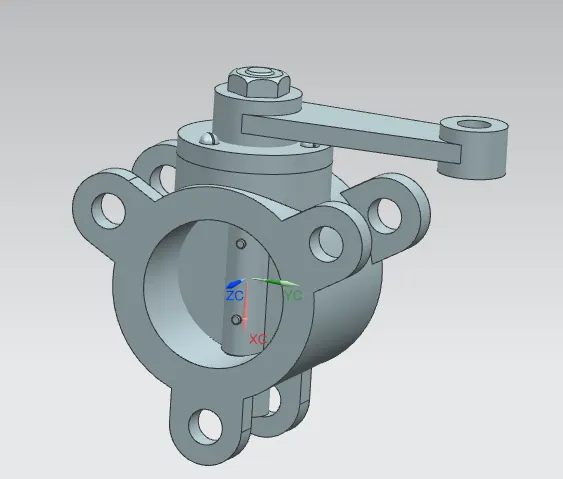
Apply GD&T in the final assembly
- Easy and quick opening and closing.
- Simple structure, small size, and lightweight.
- It can transmit mud, and has the least amount of liquid accumulated at the outlet of the pipeline.
- Under low pressure, good sealing can be achieved.
- Good regulating performance.
- Not designed for dry material mixtures. The butterfly valve is not optimally designed to handle blended dry materials.
- Disc impedes material flow stream.
- Inability to control the flow.
- Issues with contamination.
Applications of Butterfly Valve
The main applications of these types of valves are in the pharmaceutical, chemical and food industry or in the water flow control in dams and hydroelectric power plants. In the latter two applications, butterfly valves are either used with a control function or a protection function.