Week 2 - Flow over a Cylinder.
Date: 23-03-2021
Challenge2: Flow over a Cylinder
Aim: -
Our main aim to do simulation of flow over a cylinder with different Reynolds numbers and know the von-Karman-vertex street pattern and Strouhal number and validation of drag coefficient with analytical results.
Introduction: -
Here we start with flow over a cylinder simulation. Our main aim to get von Karman vertex street pattern, which is happened after the convergence of governing equations. Because of unsteady flow and pressure variations I will happen. This shedding pattern is repeating so, we end up with one non dimensional number called Strouhal number. So here computing Strouhal number and validation of drag coefficient is our main focus from outputs.
Pre-processing: -
- Firstly, we created our domain with body which is showed below
Diameter =2m
Velocity for part1 = 1 m/sec
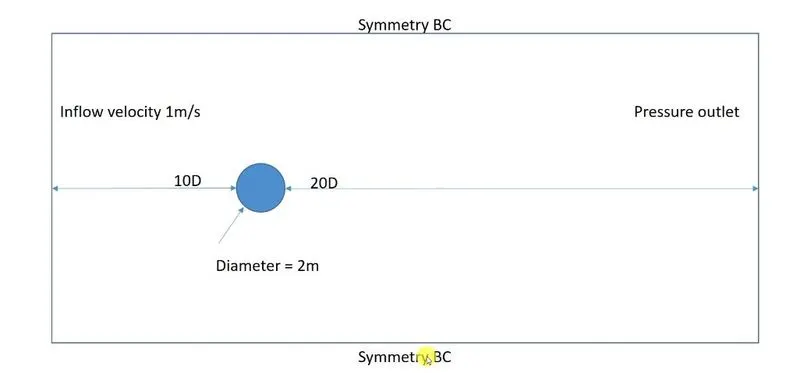
- Then we assign the boundary conditions and for cylinder we gave wall boundary condition which is no slip condition.
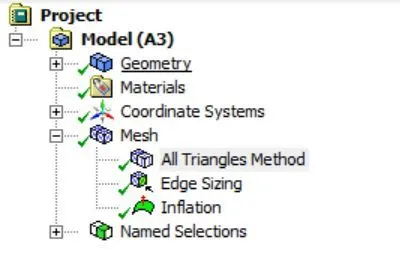
- Then we create mathematical model means mesh in workbench.
- Here we use triangle dominate method and for best capturing the body I use sizing option and inflation layers.
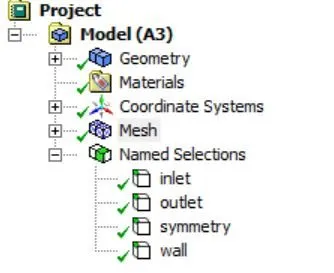
- Despite body convergence, we can’t be able to see the vertex street pattern so to overcome this situation we can in crease the mesh size or we can run the simulation some more iterations.
Solving: -
- Here we are majorly focus on laminar flows, so our viscous model is laminar.
- Particularly for first part we are using both steady state and unsteady state at Reynolds number 100 we are knowing the difference.
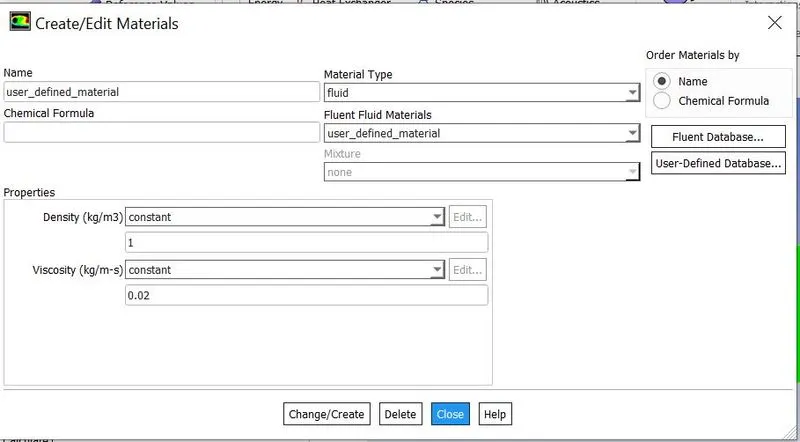
- Here we create the new material so that we can change the Reynolds number by varying the dynamic viscosity and velocity.
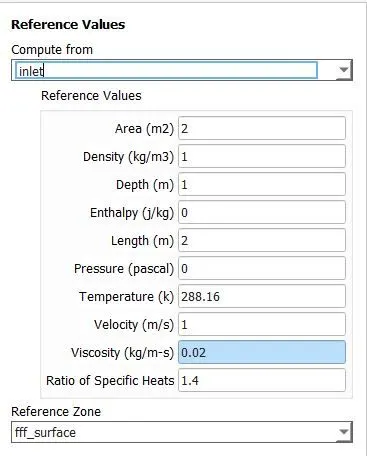
- Here we mentioned reference area and reference length as I mentioned below.
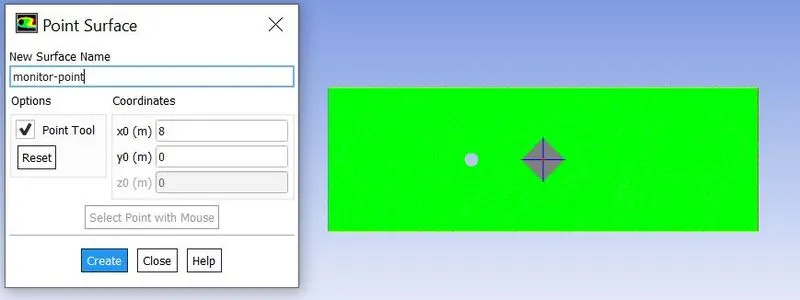
- Here we create the monitor point so that we can know whether vertex shedding happening or not by vertex average of velocity magnitude.
- Before we start the simulation, we create velocity contour and animation of velocity contours.
Postprocessing: -
- So finally, we can observe vertex shedding in velocity animation and repeated pattern is there in vertex average velocity magnitude.
- From CFD post processing we can extract velocity couture.
Strouhal number:-
- The Strouhal number is a dimensionless number describing oscillating flow mechanisms.
St = fL/U
Where
f – frequency of vertex shedding
L- characteristic length
U- flow velocity
Results:-
Part1:-
Steady state analysis:- Re = 100 and velocity =1m/sec and user defined material has beem used here
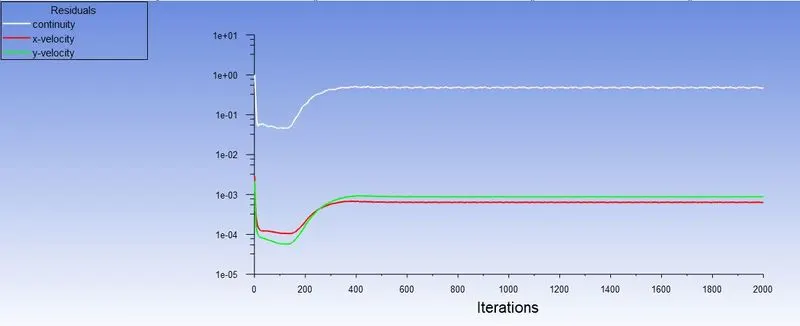
Converged residuals
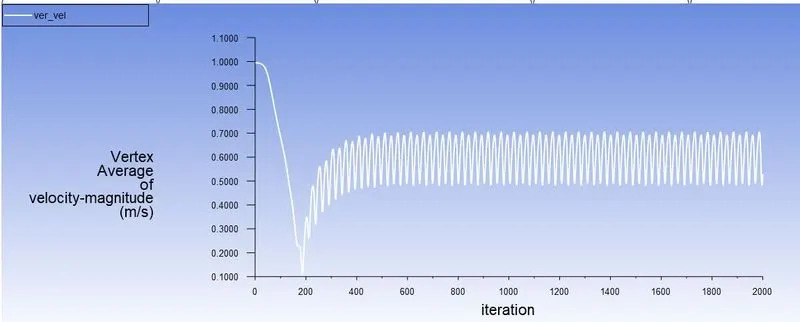
Fluctuating vertex averaging sign of vertex shedding
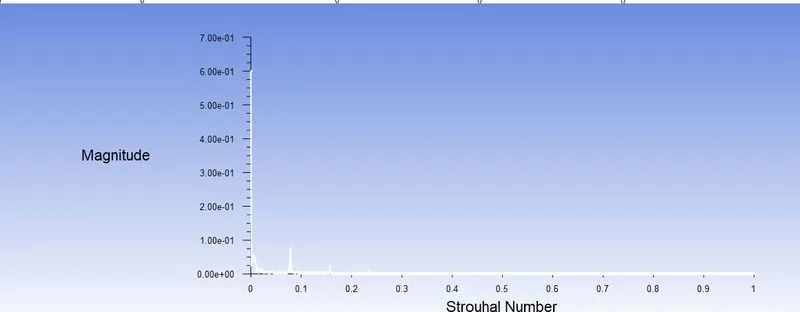
Strouhal Number
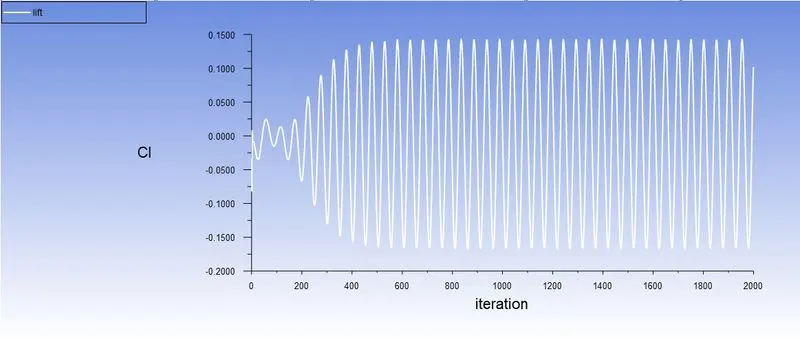
Lift coefficient
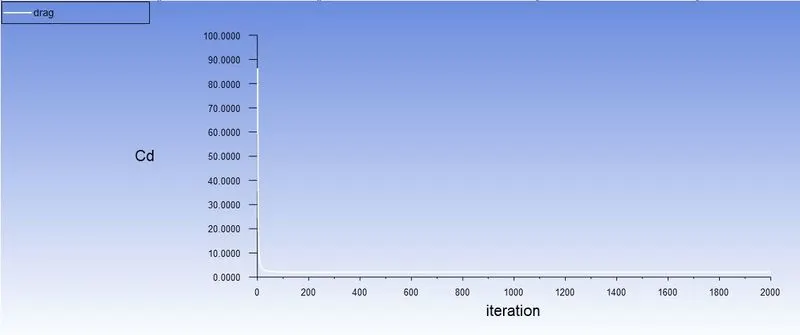
Drag coefficient
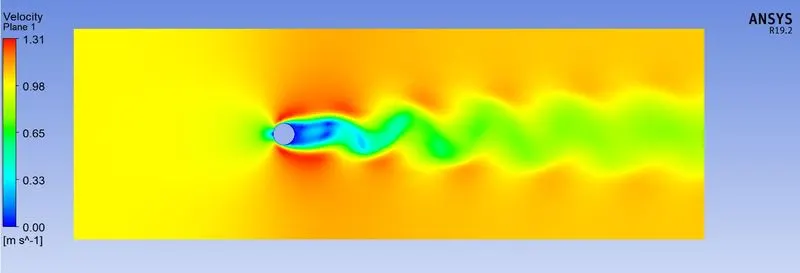
Velocity contour
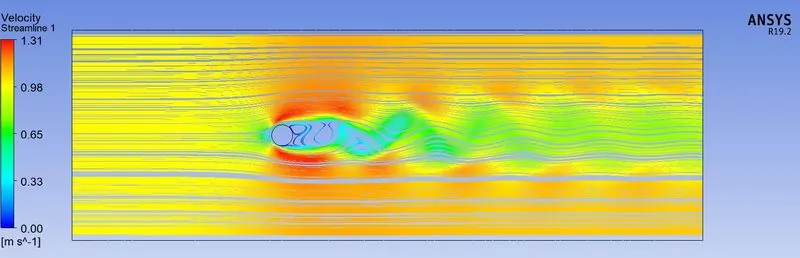
Velocity contour streamline view
Unsteady-state analysis: -
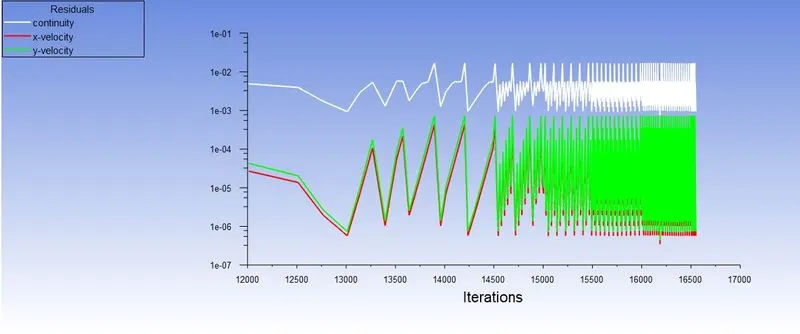
Converged residuals
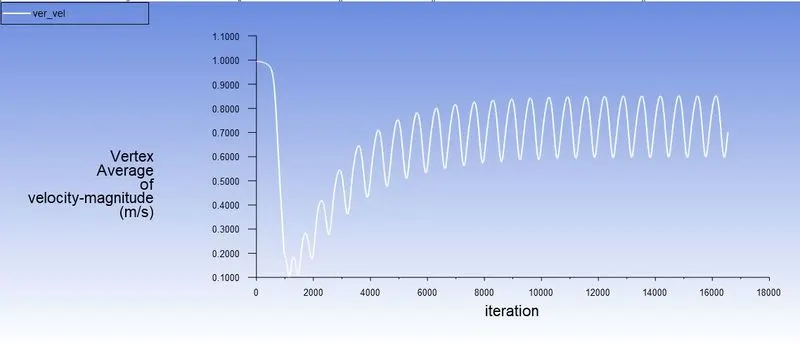
Fluctuating vertex averaging sign of vertex shedding
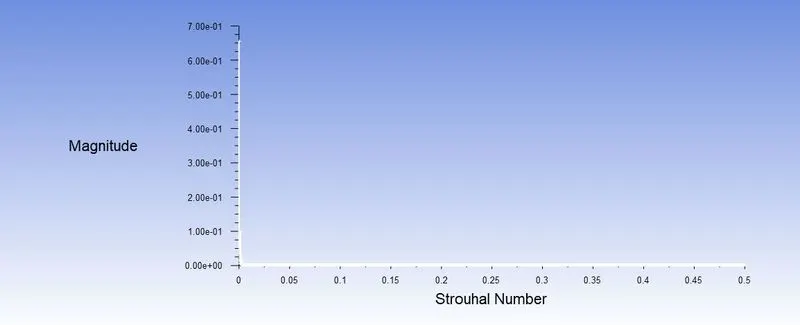
Strouhal Number
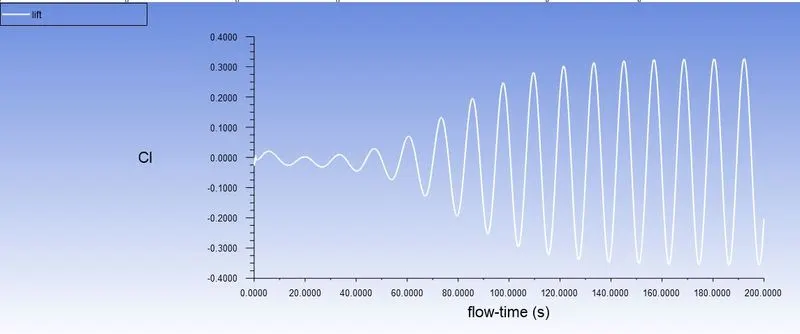
Lift coefficient
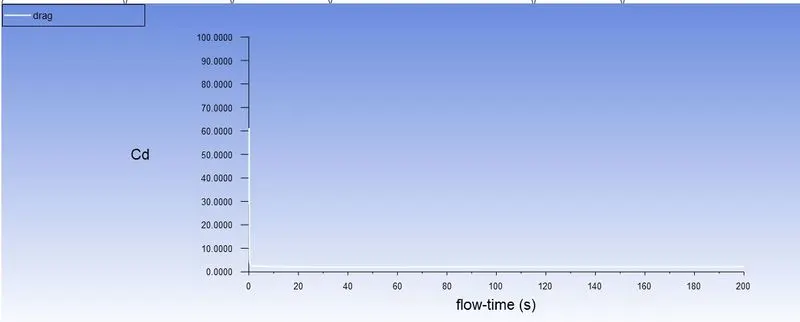
Drag coefficient
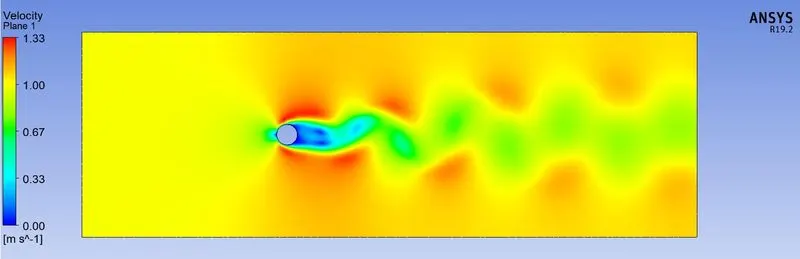
Velocity contour
Part2:-
Re=10
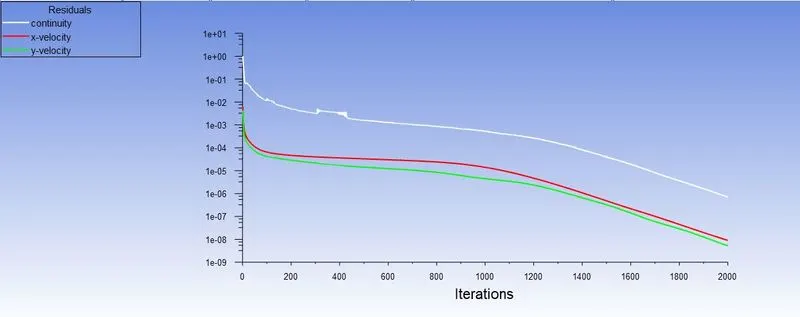
Converged residuals
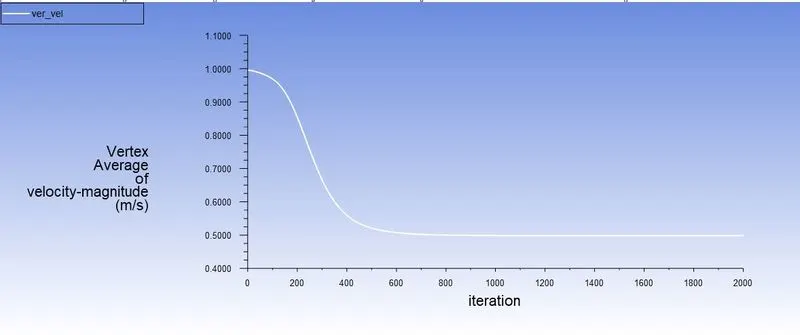
Fluctuating vertex averaging sign of vertex shedding
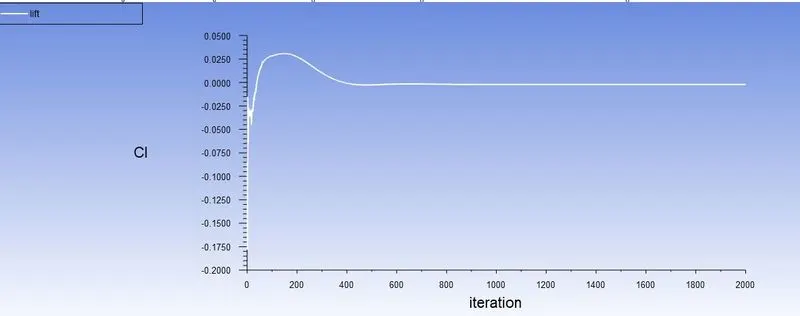
Lift coefficient
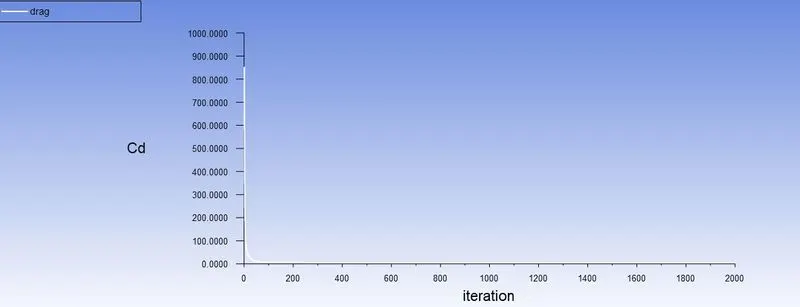
Drag coefficient
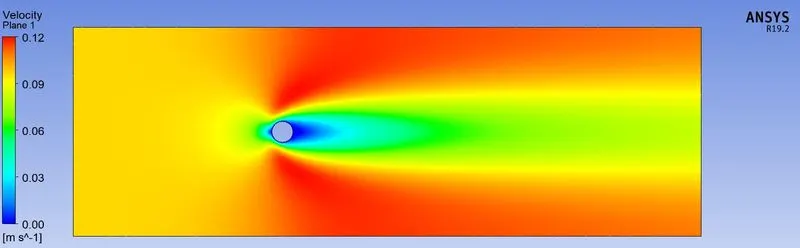
Velocity contour
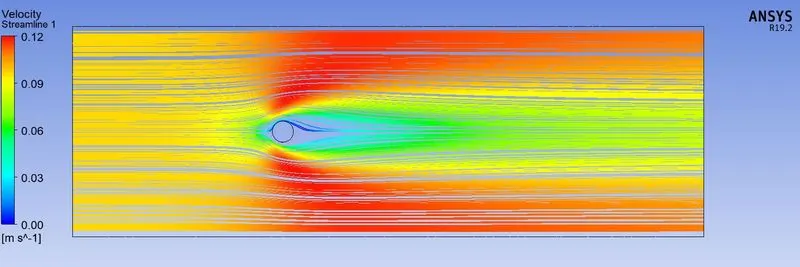
Velocity contour streamline view
Re=100
Converged residuals
Fluctuating vertex averaging sign of vertex shedding
Strouhal Number
Lift coefficient
Drag coefficient
Velocity contour
Velocity contour streamline view
Re=1000
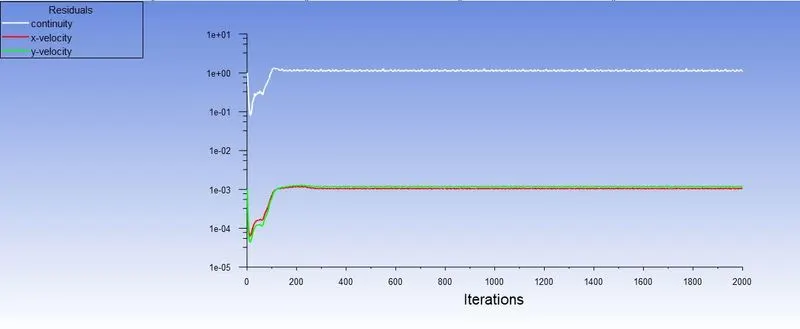
Converged residuals
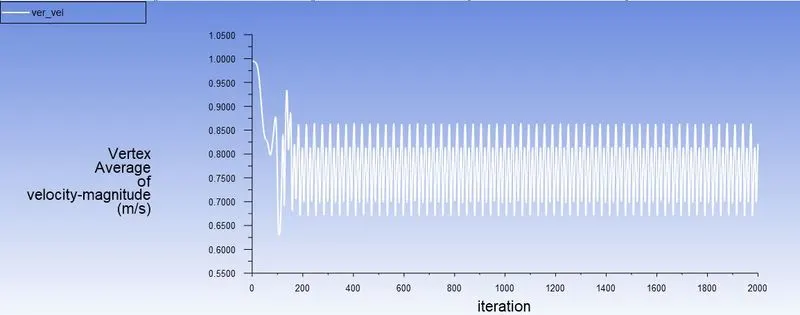
Fluctuating vertex averaging sign of vertex shedding
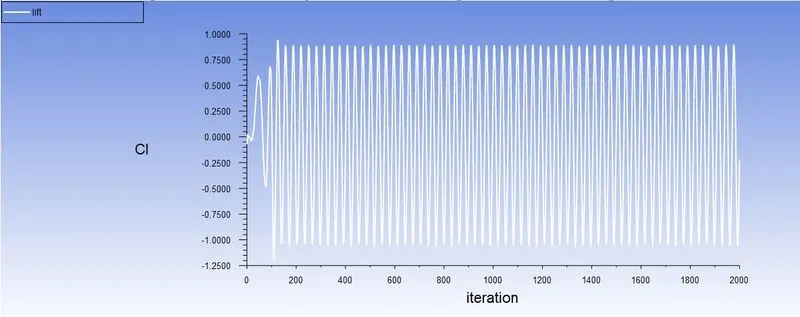
Lift coefficient
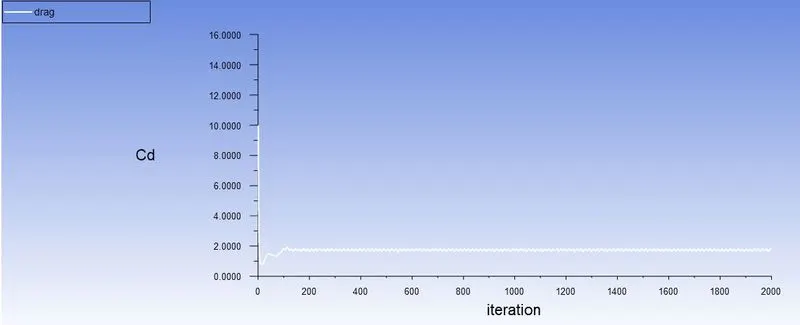
Drag coefficient
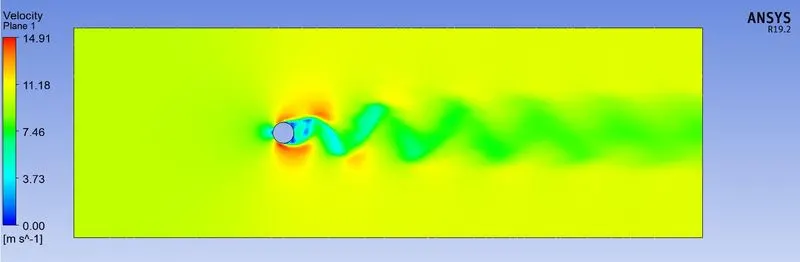
Velocity contour
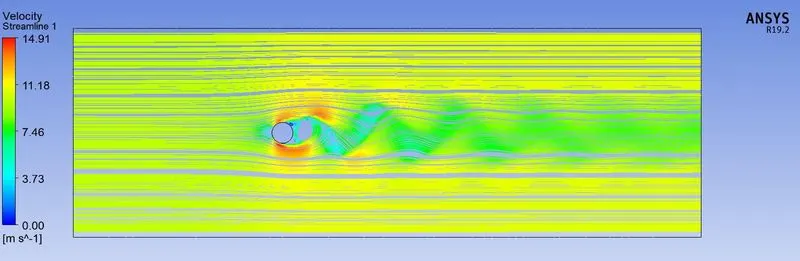
Velocity contour streamline view
Re=10000
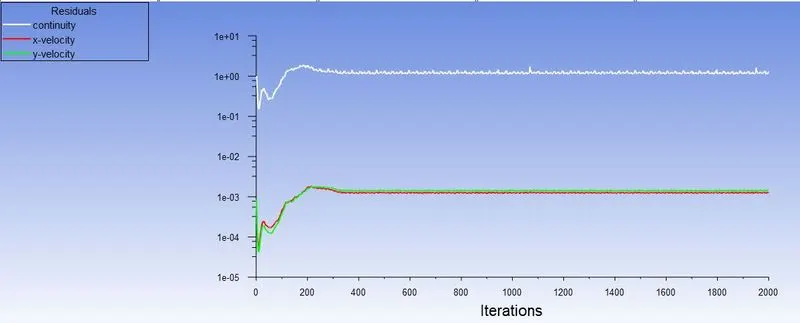
Converged residuals
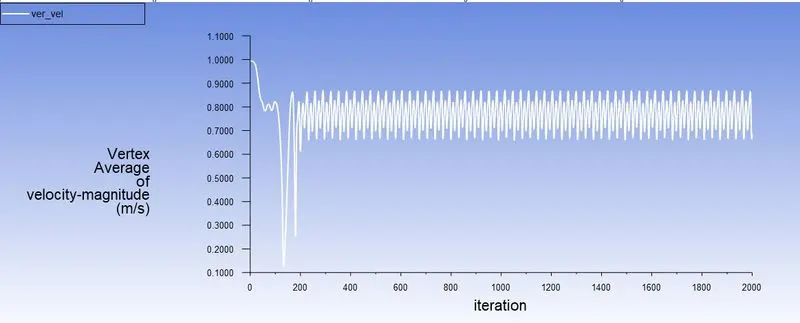
Fluctuating vertex averaging sign of vertex shedding
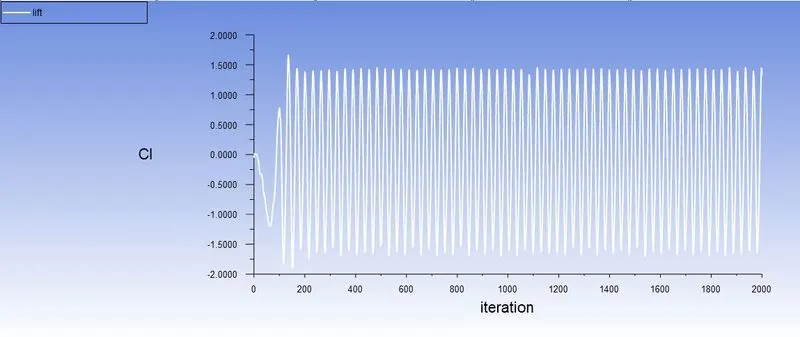
Lift coefficient
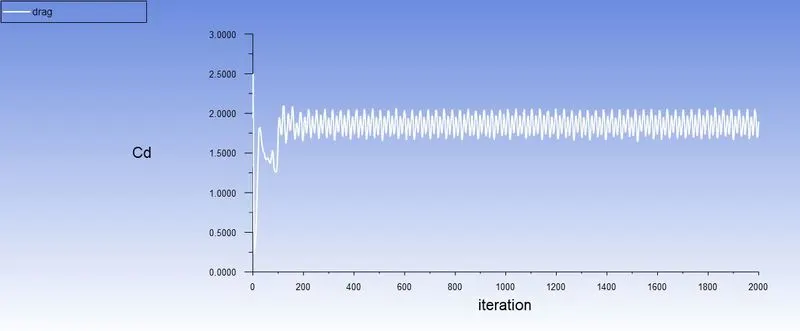
Drag coefficient
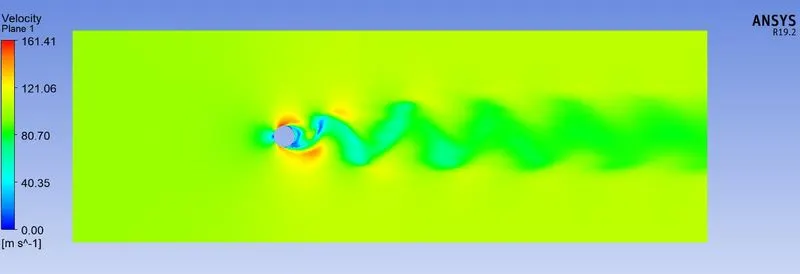
Velocity contour
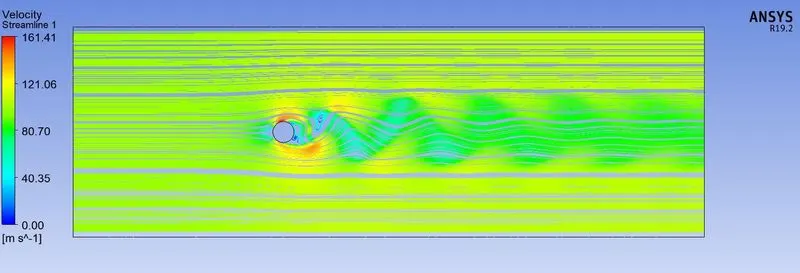
Velocity contour streamline view
Re=100000
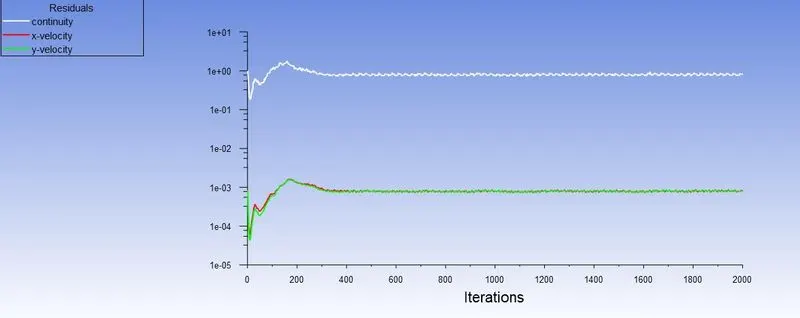
Converged residuals
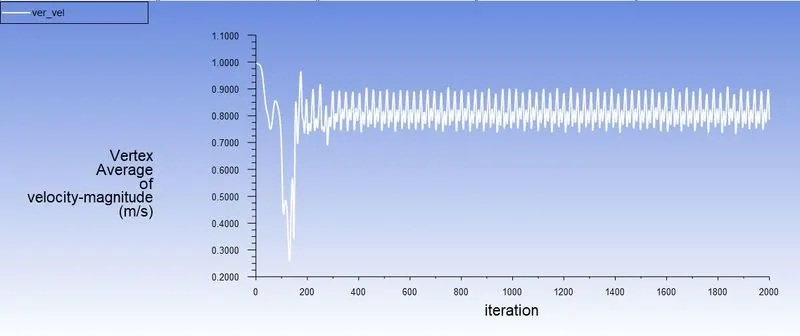
Fluctuating vertex averaging sign of vertex shedding
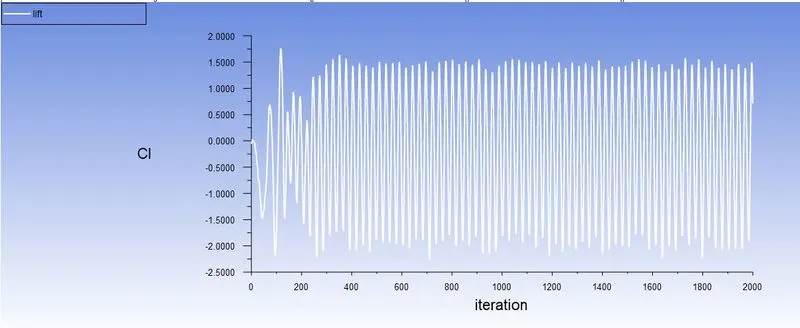
Lift coefficient
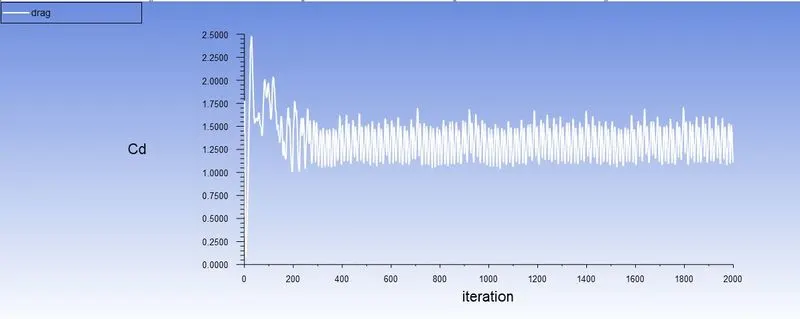
Drag coefficient
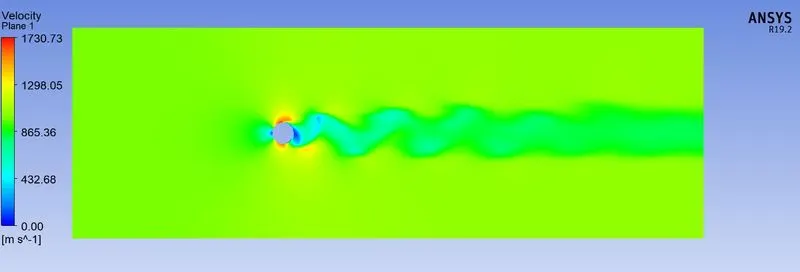
Velocity contour
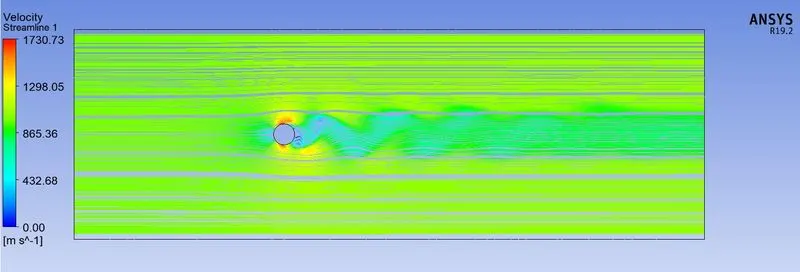
Velocity contour streamline view
Validation of drag coefficient and Strouhal number:-
- For Reynolds number 100 we have Cd and st analytical values are 1.3353 and 0.1569.
- So, from simulation we got Cd as 1.2958 which is 4% variation with analytical value.
- From lift coefficient graph for Re 100 we can find st number as follows
f = number of cycles /time
- In unsteady state simulations Cl and Cd coefficients calculated with respect to time so from this simulation we can write that
f = 4/(200-150)
f=0.08
St = fL/V =0.08*2/1= 0.16
- For first part I used Re =100 and for 2nd part I have changed Reynolds number to 10,100,1000,10000,10000 by changing velocity 0.1, 1,10,100,1000 at constant density and diameter.
Conclusion:-
In order to prevent the unwanted vibration of cylindrical bodies, a longitudinal fin can be fitted on the downstream side which provided it is longer than the diameter of the cylinder will prevent eddied.
Link for all animations:- https://www.linkedin.com/posts/sydavali-shaik-407bb87a_strouhalnumber-userdefinedmaterial-velocity-activity-6779659492582932481-huRD