To Analysis and Design of Steel Structures using TSD
To Analysis and Design of Steel Structures using TSD
AIM: To Summarize the study for the bending moment, shear force and deflection diagrams for the elements of the model and Based on the analysis to design the members and to outline the thought process in selecting the member sizes along with the foundation design.
INTRODUCTION:
The following analysis types can be run in Tekla Structural Designer:
1st order linear
- 1st order linear static analysis is suitable for structures where secondary effects are negligible. Any nonlinear springs or nonlinear elements present are constrained to act linearly.
- Load cases and Combinations to be considered in the analysis can be pre-selected.
1st order non-linear
- This is a nonlinear analysis with loading applied in a single step.
- It is suitable for structures where secondary effects are negligible and nonlinear springs/elements are present.
- Load cases and Combinations to be considered in the analysis can be pre-selected.
1st order modal
- This is an unstressed modal analysis which can be used to determine the structure's natural frequencies.
- The structure is assumed to be in an unstressed state and nonlinear elements are constrained to act linearly.
2nd order linear
- This is a 2-stage P-Delta analysis which is suitable for structures where secondary effects are of comparable magnitude to primary effects. Any nonlinear springs or nonlinear elements present are constrained to act linearly.
2nd order non-linear
- This is a nonlinear analysis with loading applied in a single step.
- It is suitable for structures where secondary effects are of comparable magnitude to primary effects and nonlinear springs/elements are present.
- Load cases and Combinations to be considered in the analysis can be pre-selected.
2nd order buckling
- This is a linear buckling analysis which can be used to determine a structure's susceptibility to buckling.
- The stressed state of the structure is determined from linear analysis; therefore nonlinear elements are constrained to act linearly.
- Load cases and Combinations to be considered in the analysis can be pre-selected.
We will be performing 1st order linear Analysis for most of the cases.
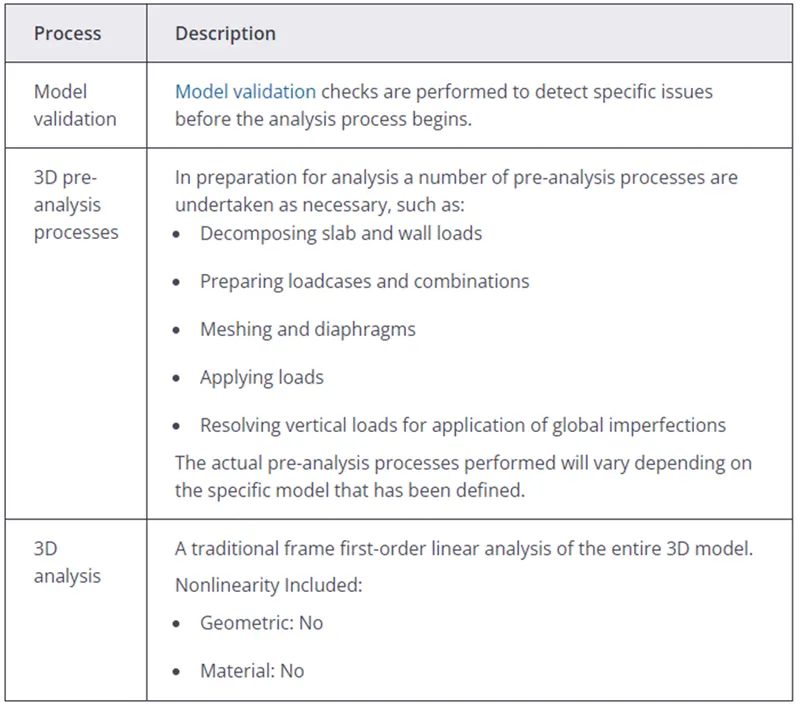
The processes performed when this analysis type is run can be summarized as follows:
PART I
PROCEDURE
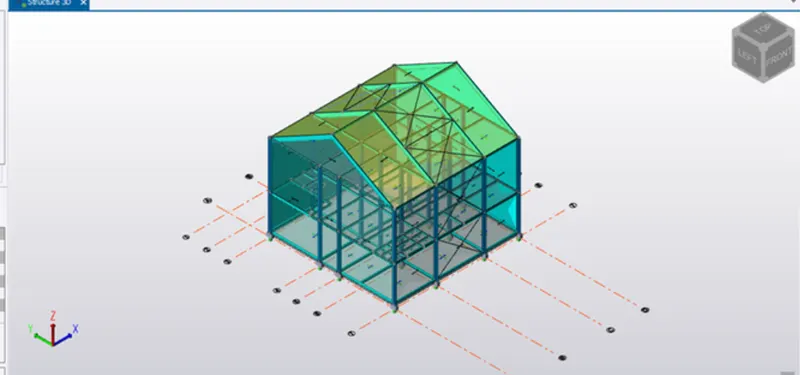
Initially open the model.
Few checks have to be performed before doing an analysis, for that go Analyze tab and select the settings option and then check the values under the modification factors.
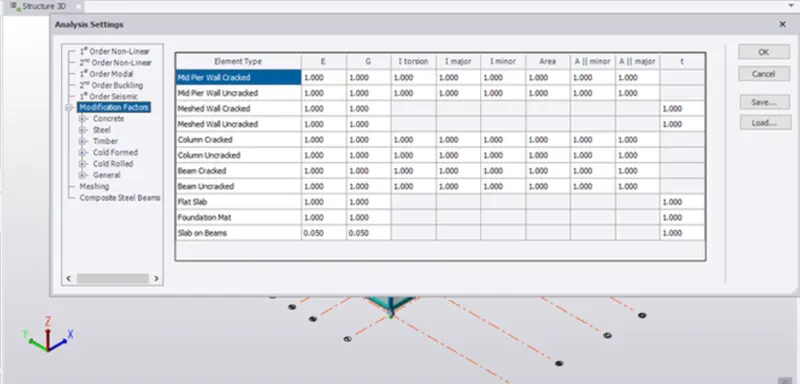
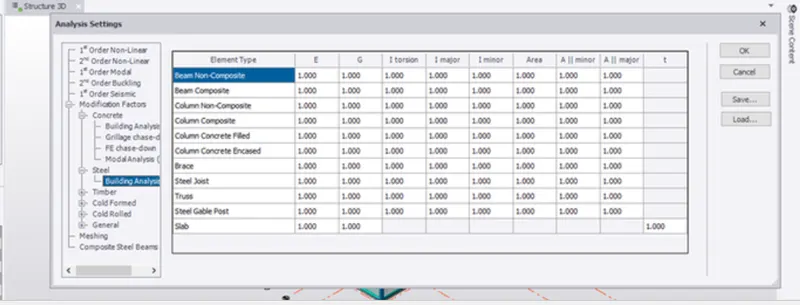
The Modification factor values of all components was checked and ensured that the value is 1.
In the Analyze tab click on 1st order Linear to perform the analysis. After that click on result view at the bottom corner.
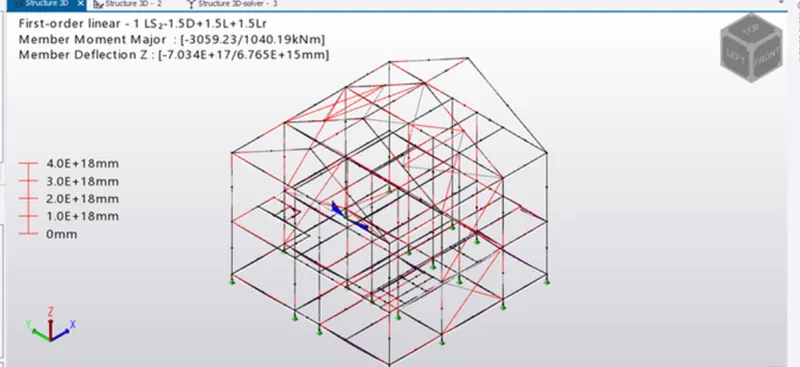
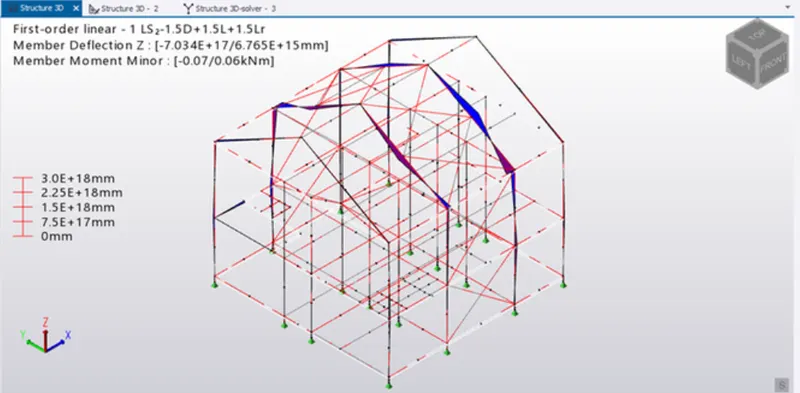
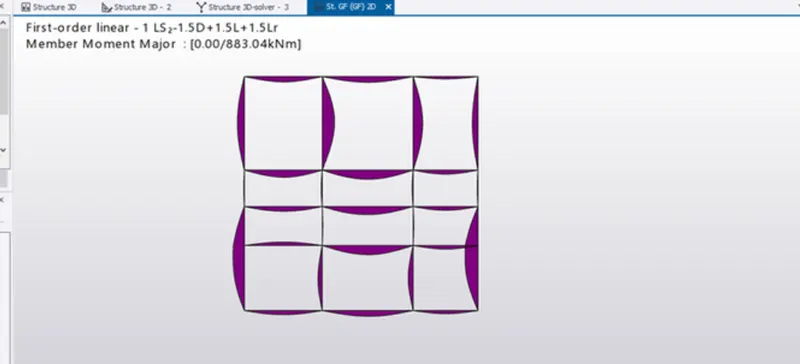
In result view we can clearly see the bending moment of each member. Also, we can see major and minor bending moment under every load combination.
Bending Moment:
Moment Major
Moment Minor:
Bending moment in ground floor:
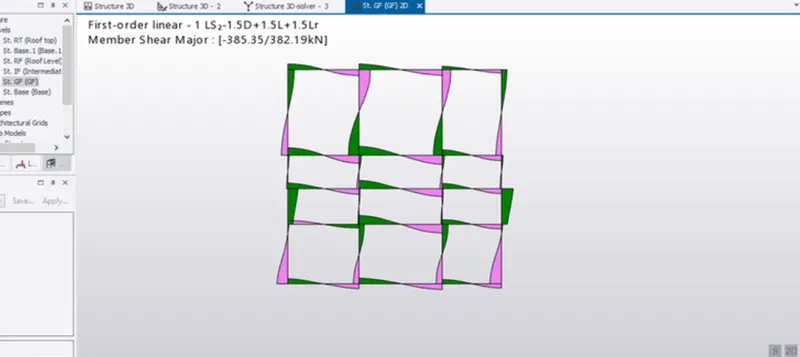
Shear force diagrams:
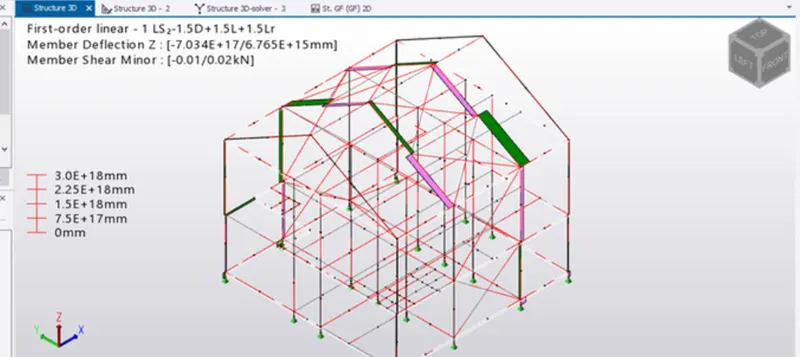
Deflection Diagram:
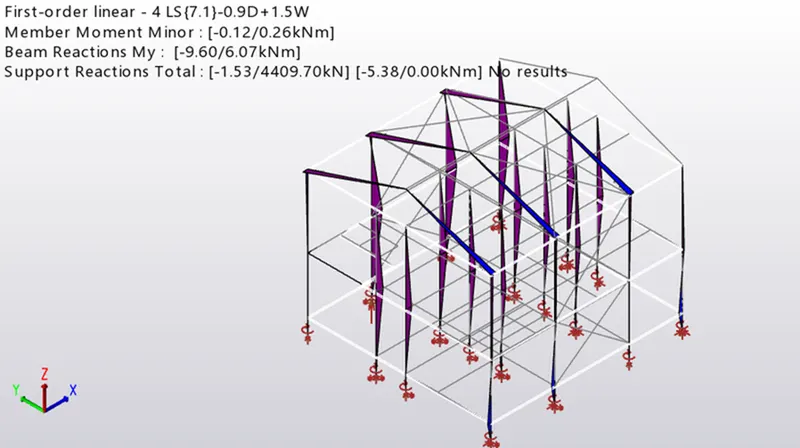
Result:
The Bending moment, Shear force and Deflection diagram was studied for the given model.
PART II
Procedure:
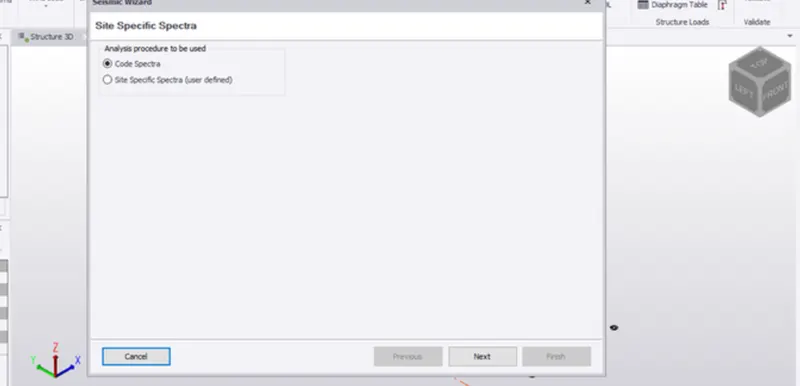
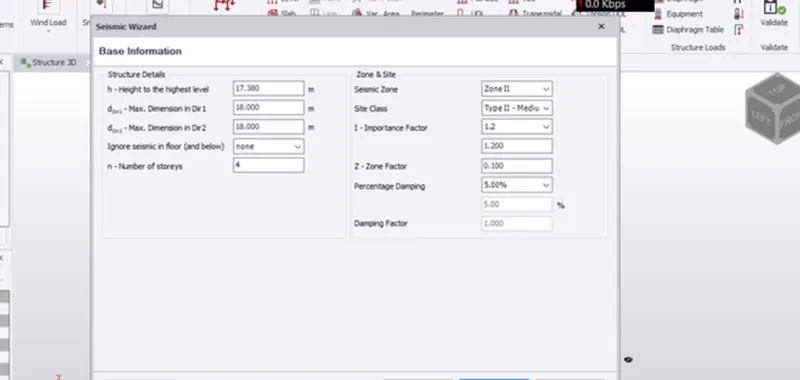
Click on the Load tab followed by seismic load and then select seismic wizard and step by step images of selected options are given next.
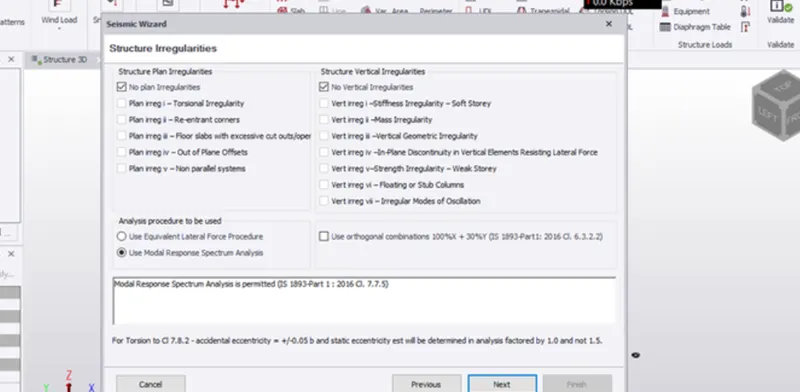
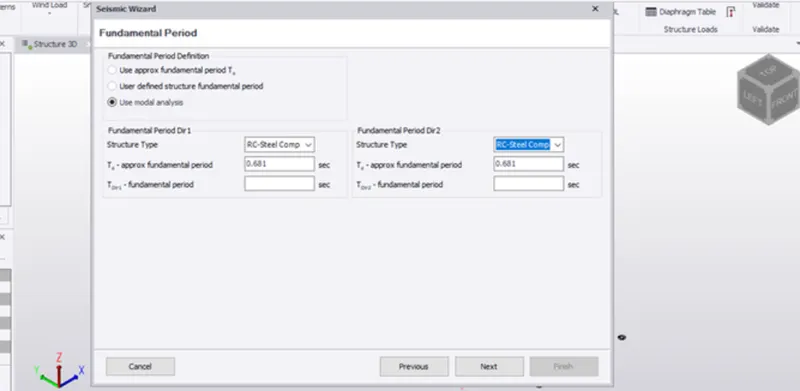
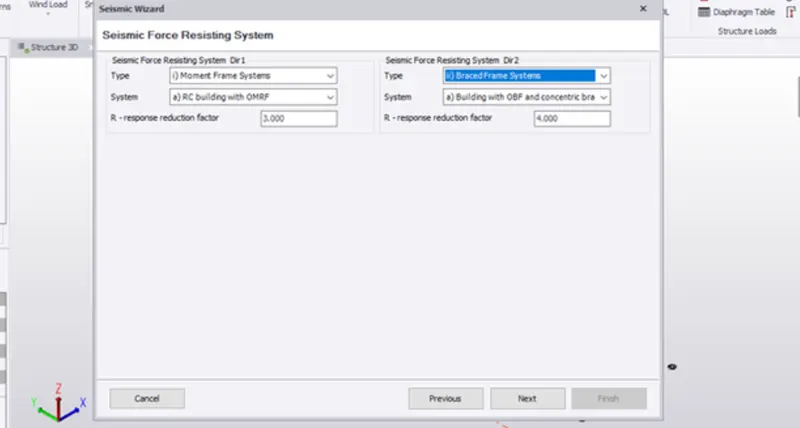
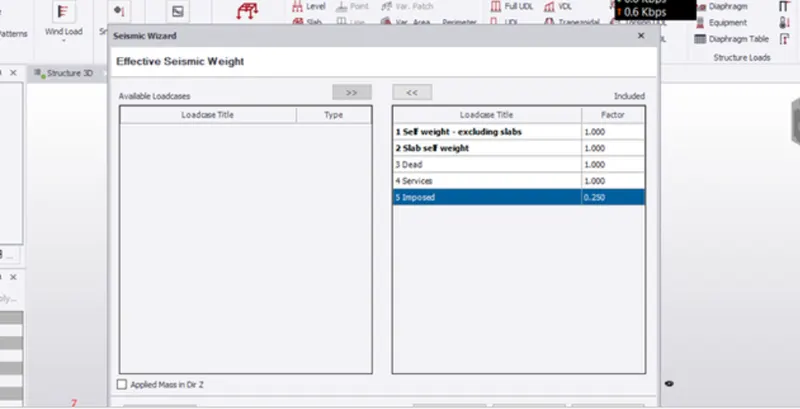
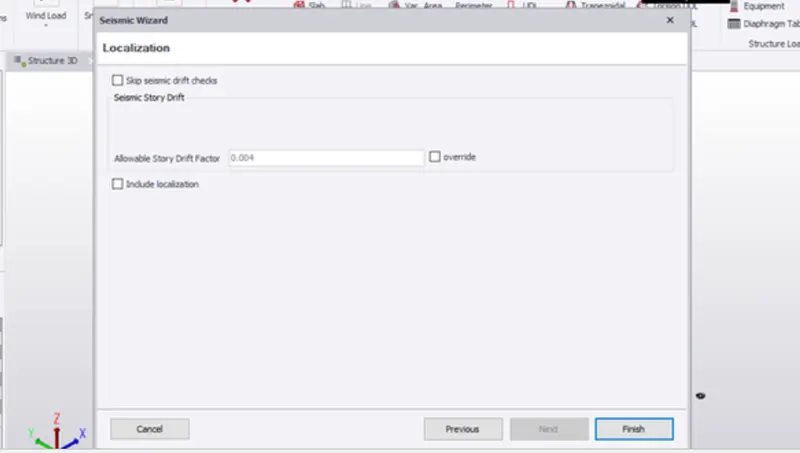
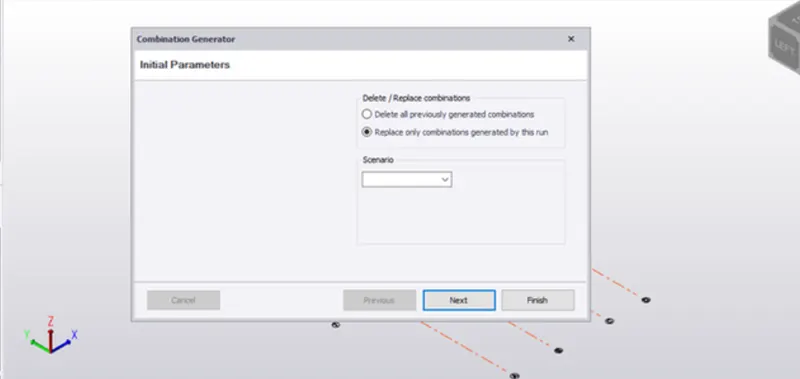
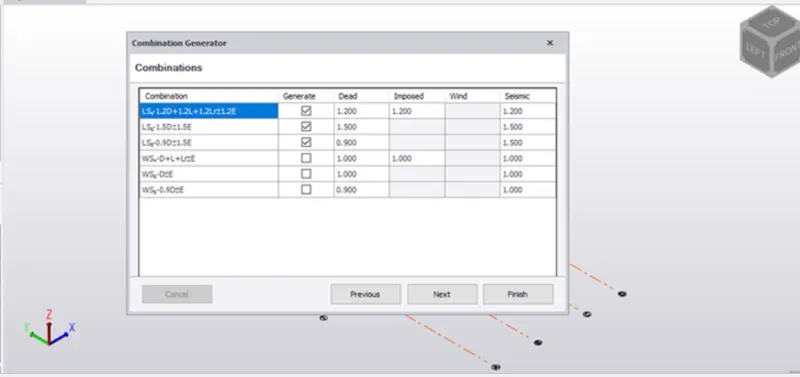
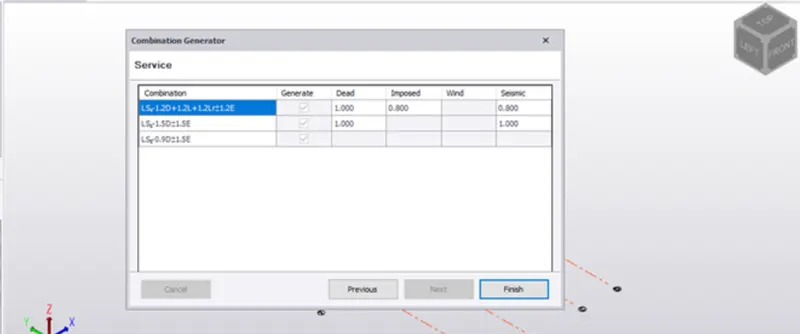
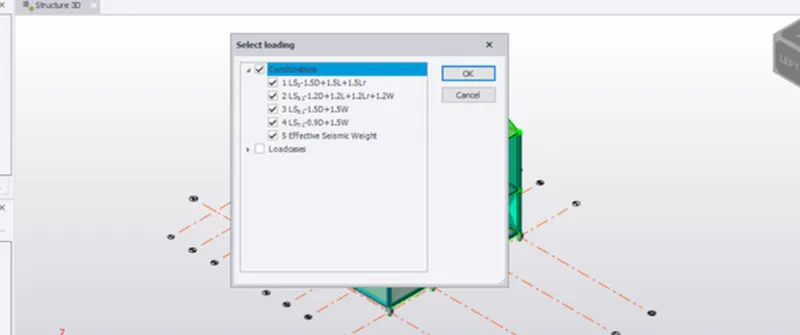
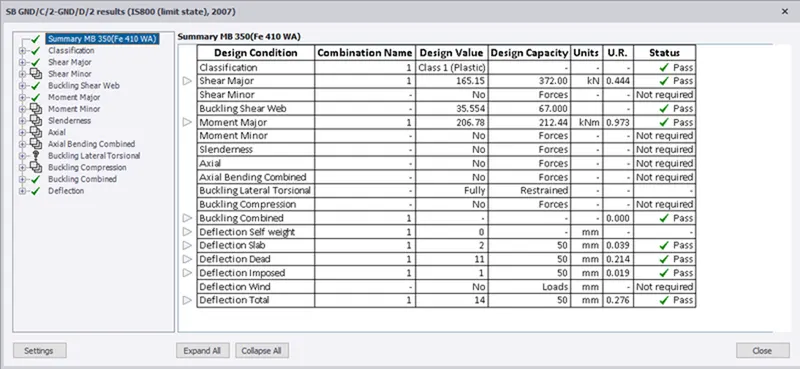
- The analysis was performed as in part I. After the analysis select individual frames then select a beam and right click and select check selection/member. If it pass all criteria then its okey, if not change the member.
Beam member:
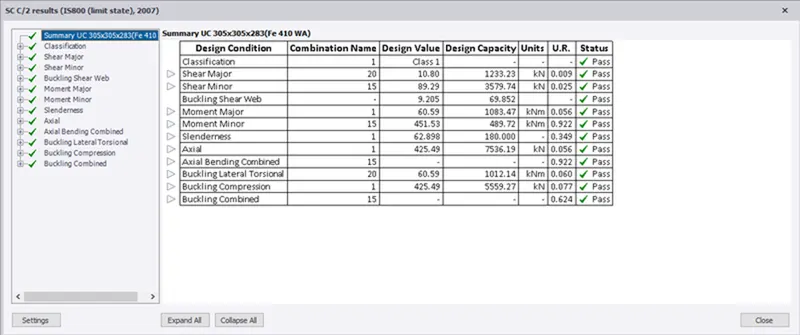
Column member:
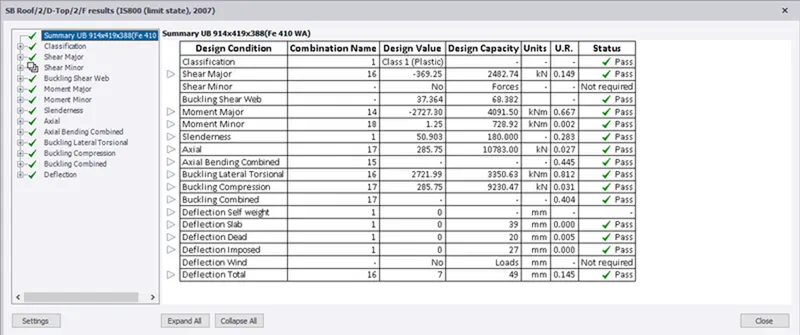
Rafter Member:
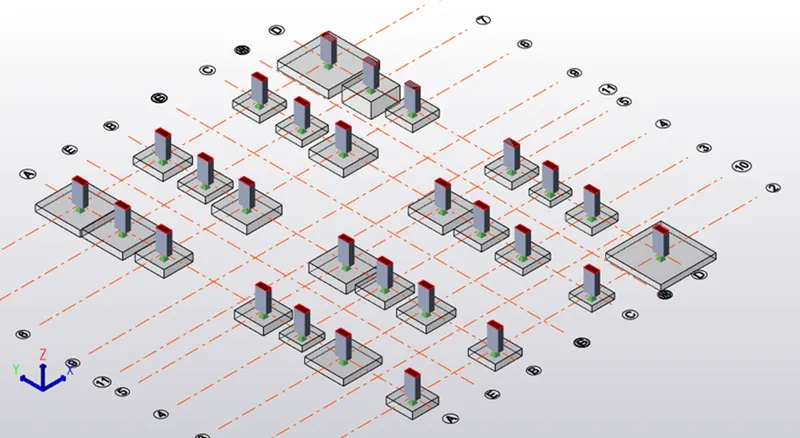
Foundation Modelling:
- Click on foundation tab followed by padded foundation and then select pad base foundation.
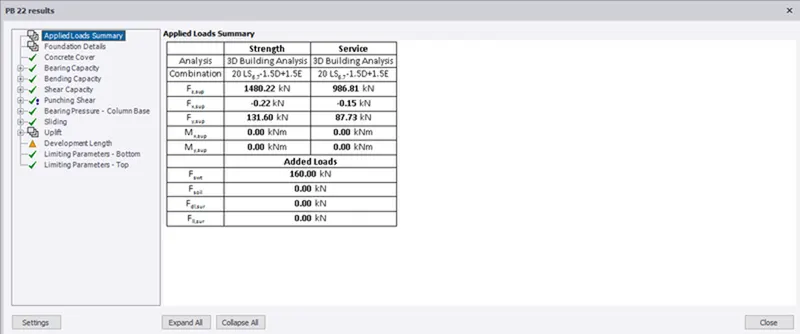
- The foundation was then designed. Similarly as done in beam and Column, footing criteria was also checked here
RESULTS:
- Foundation was remodeled.
- Based on Analysis members was checked and changed to satisfy the conditions.