Hood design-Week 2
CAR HOOD DESIGN
INTRODUCTION:
Bonnet is main component of car the front portion. The Hood or the bonnet of a car cansidered as the frontal BIW enclosure component. Bonnets are designed to reduse air resistance as the air flows around the car. The shape of the bonnet is made aerodynamic in order to minimize the air effect. Bonnet is generally used to access the parts easily such as radiator, engine and many other parts. In automotive world the weight optimization plays an important role.
The bumper and hood design of the vehicle front end to reduce the injuries to the pedestrians in the event of a pedestrian vehicle collision.
PARTS OF AN HOOD:
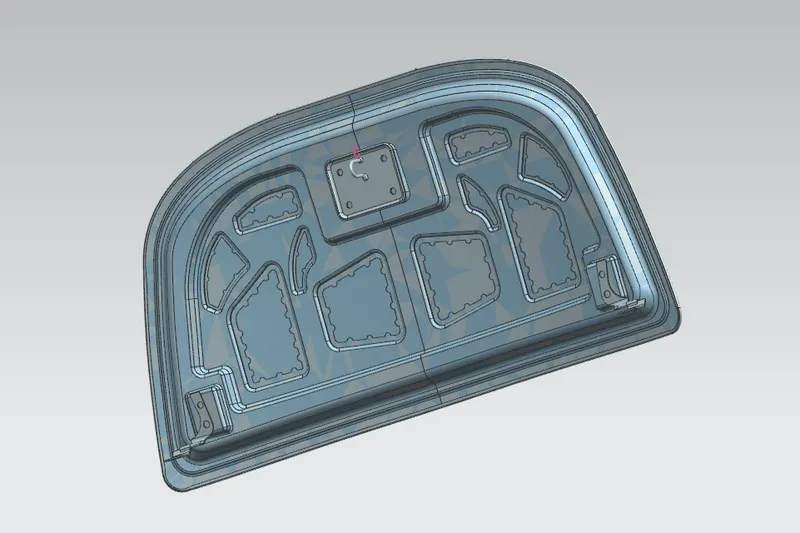
Basically the hood has the inner panel, outer panel and reinforcement and emboss.
Latch and striker mechanism is used to open and close the hood whenever is needed.
And the hood has two kind of supports, there are
- Gas stay
- support rod
1. Gas stay:
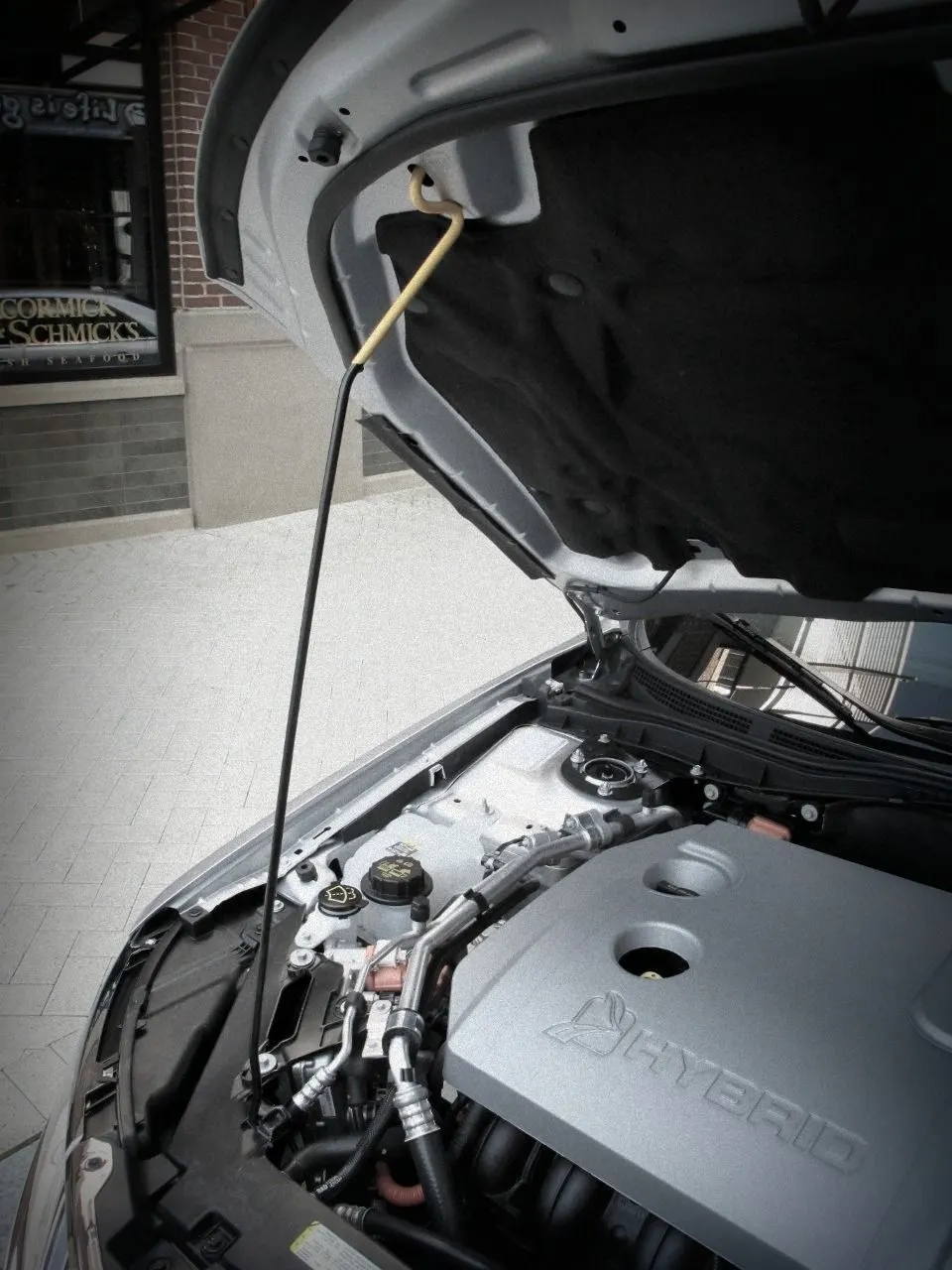
The gas stay is also called the spring stay. It is designed to be used on upward lifting doors, onces you have opened the door slightly the spring will push the door to the fully open position. This is mostly used for where the car bonnet weight is heavy. The Gas stay as shown in picture.
2. Support rod:
The support rod is widly used in many car, because this is very easy and cheap. In this type we have to lift the hood by udsing ourself and place the Support rod in the space provided either in the hood or engine component.
Then we are discuse about the hood parts.
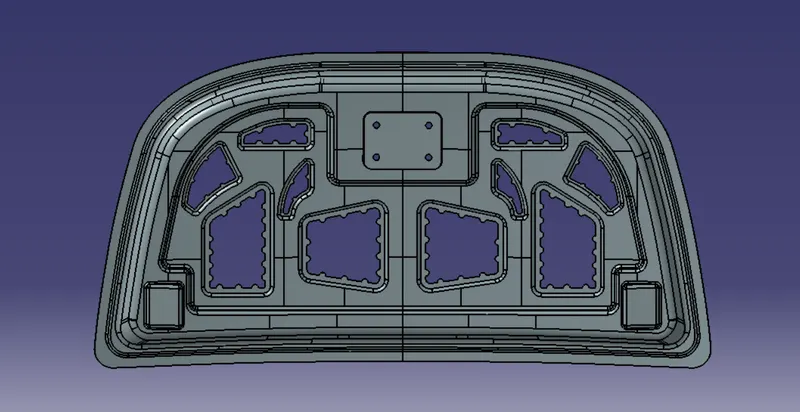
1. Inner panel:
Inner panel support the outer panel. It consists of different embosses and hole at different places. The Embosses provide stiffness as well as dissipate energy towards the hinges. It's allways consider of 0.75mm thickness.
2.Outer panel:
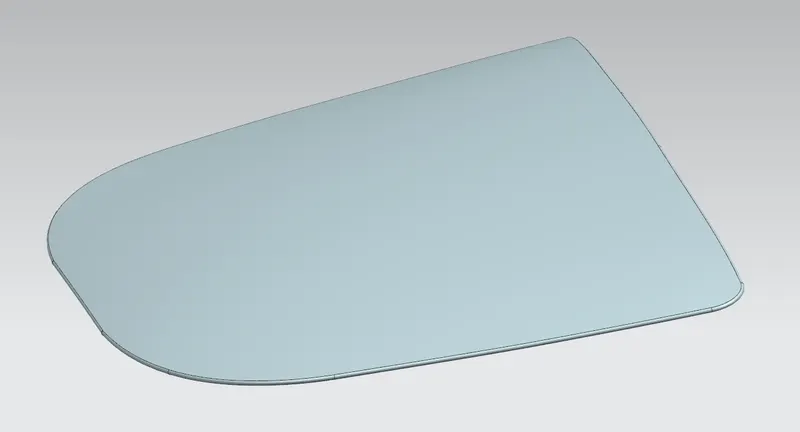
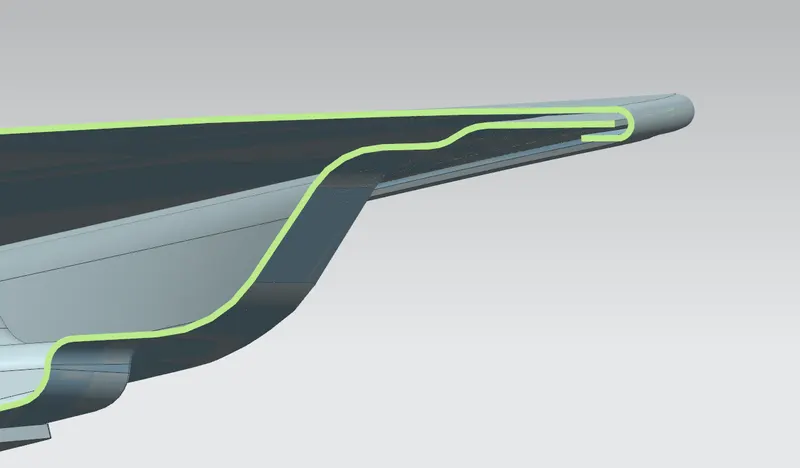
Outer panel is nothing but a outer skin of inner panel. Otherwise called as a cover of inner panel. It is the part, which gives luxurious look to the hood or bonnet. Outer pannel and inner pannel cannot join by any welding process like spot welding or rivet, which spoil the outer look of a car. So have to considered the Hemming process to join the inner and outer panel without any case of damege.
Emboss:
The Emboss has to be provide strength the component. The component will be strengthened based on the master as per the picture of quastion summery. When a force impacts the hood from the front, it travels in an upward direction. The component is designed to divert the force away from the pedestrian into the hinges.
To provide strength to the inner pannel and to distribute the force produced during the impact with pedestrian or other objects to ensure the saftey of the passengers.
Mastic sealant:
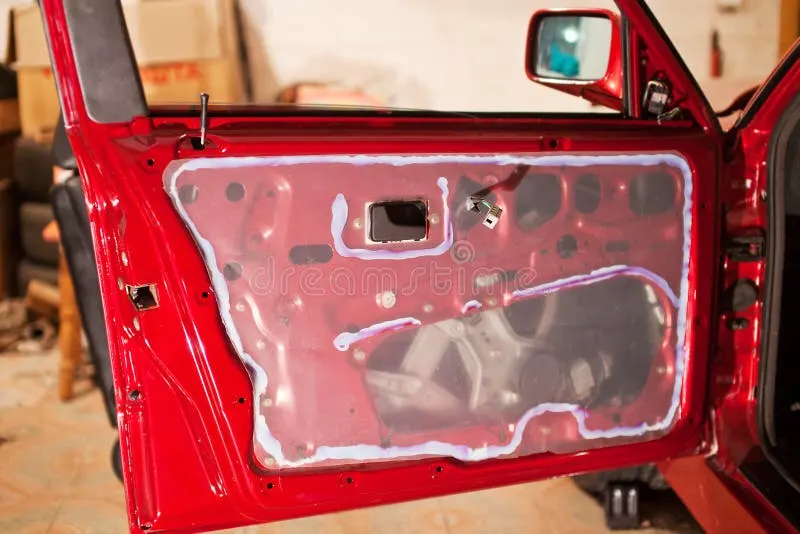
The Mastic sealant or the mastic point is an elastic component that be behaves like a rubber. The mastic sealant are definded on the inner panel where the hood can easily deform.
They help the hood outer panel to come back to its original shape after it gets deformed. The mastic has an influence area of 80mm.
Manufecturing process:
Hemming:
Hemming is the process of joining the inner and outer panel togather. The hemming process roles and wraps the hood outer panel around the inner panel and holds it tightly togather.
Deep Drawing:
Deep drawing is a sheet metal forming process in which a sheet metal plank is radially drawn in to a forming die by the mechanical action of a punch.
Assemply view:
Conclusion:
All the parts of the hood are designed based on the required condtions & given values and assembled togather to complete the hood design.