Design of backdoor
Aim: To design Back Door from the given styling surface.
Description:
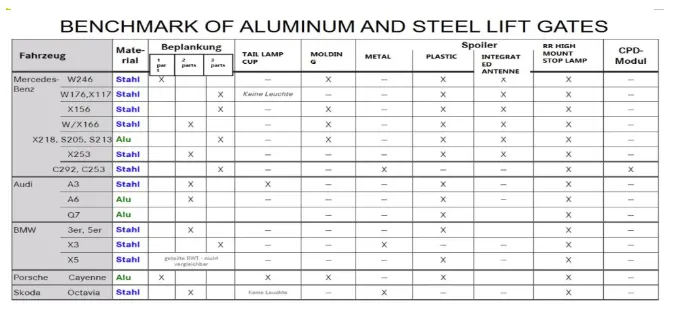
- The back door of the car is also known as Tailgate. This is a critical part of back impacts in an accident, which should ensure that crash wouldn’t injure the passengers. The back door consists of one inner panel and two outer panels. Most of the time the back doors are made from steel or aluminum based on the budget of the car for the material selected. In the case of aluminum, the strength of the back door would be stronger therefore reinforcement is not required indeed which will reduce the overall weight of the part. But aluminum is a bit more expensive than steel.
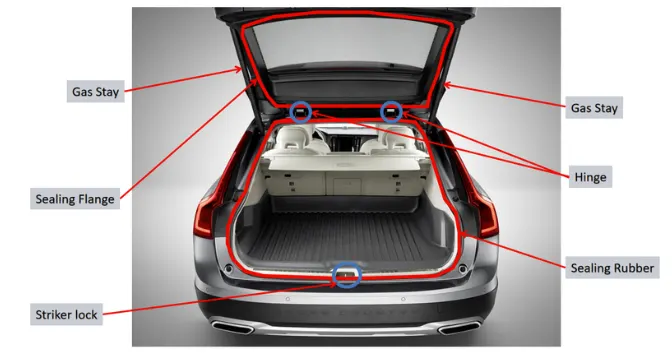
- Car's back door is made of aluminum and steel
-
Aluminum:
- Parts are cast
- Reinforcements can be neglected
- Local thickness can be varied
- Lighter in weight and a smaller number of components
Steel:
- Parts are stamped
- Reinforcements are necessary
- Has only a uniform thickness
- Heavier in weight and more components
- Aluminum is costlier and lighter in weight and the aluminum parts are cast and can have a draft of 3 degrees for casting
- Where steel is deep drawn and heavy in weight and cheap at cost steel should have 7 degrees draft as it is deep drawn
- Premium cars use aluminum and entry-level cars use steel.
Parts of the back door assembly:
- Outer Panel Upper
- Outer Panel Inner
- Inner Panel
- Hinge reinforcement
- Gas stay reinforcement
Design Methodology:
- In the case of the back door the impact is perpendicular to the surface of the door so we have to consider the improvement of strength in that direction.
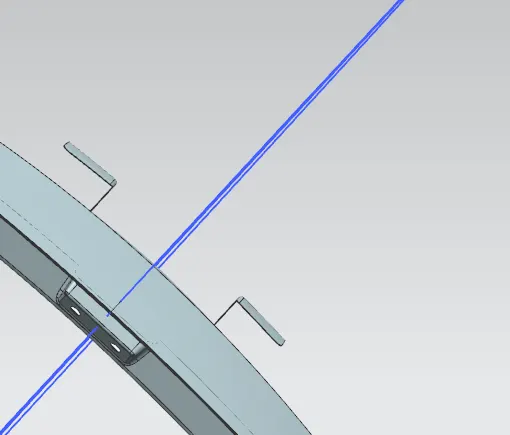
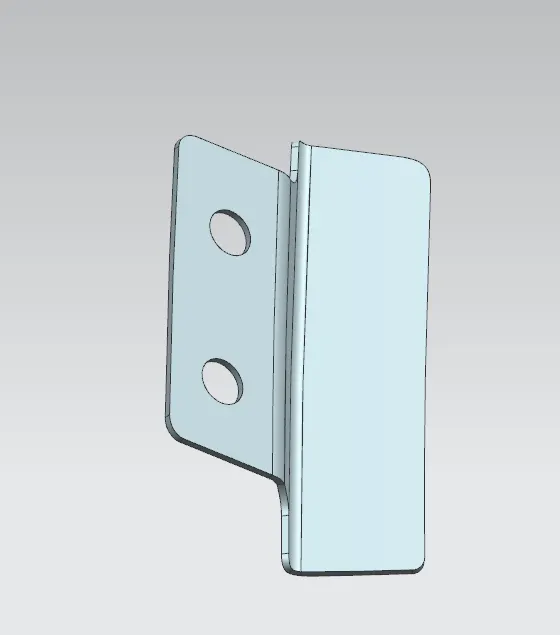
- The door is prepared in two parts the inner panel and the outer panel and both the panels should be hemmed mastic sealed at the projected part from the inner panel this projected part improves the strength of the door panel for the impact as we discussed earlier.
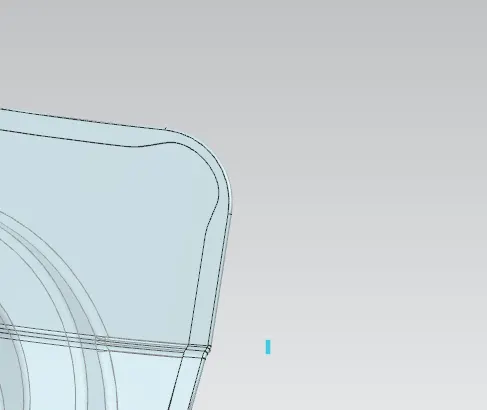
- The below image shows the projected part for the mastic seal which is manufactured by cutting and bending
- Reinforcements are provided over the hinge area to improve the strength of the back door to handle the weight.
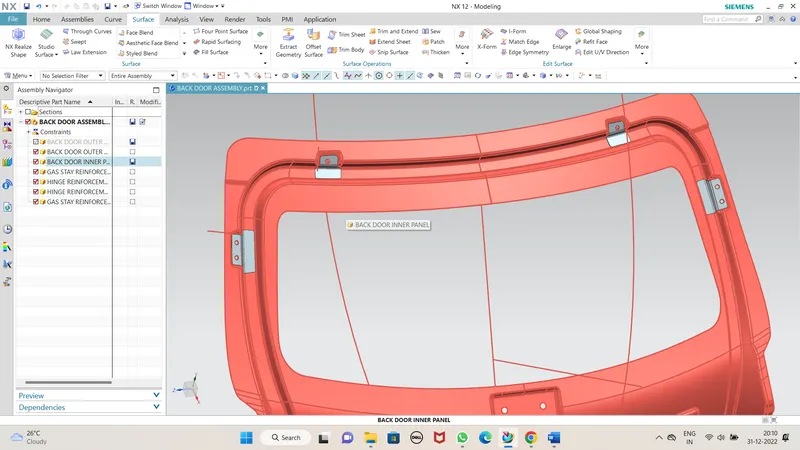
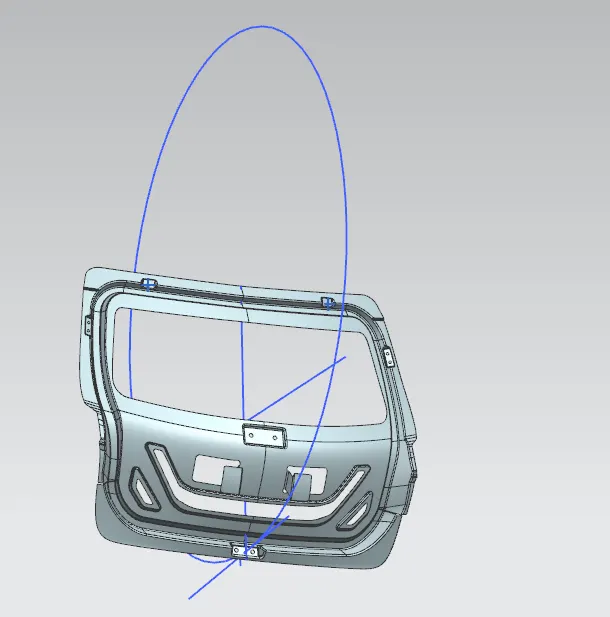
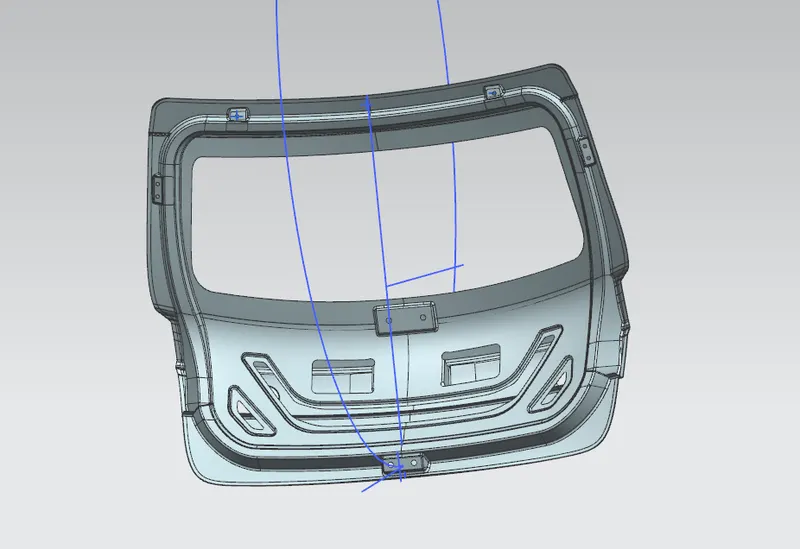
- For placing the striker of the back door we have to make a sketch of know as a trajectory for the back door. For that, we have to draw a line from the center point of the holes in the hing and create a line based on the hole and draw a circle by making the center point of the hole as the origin point and make sure that lies in the region of the door as shown below
Design of back door using UGNX:
Door inner panel:
- Inner panel of the car door will act as the housing for the mounting like the wiper motor, and striker and embossed for the hinge and gas stay reinforcement the inner panel also strengthens the entire back door.
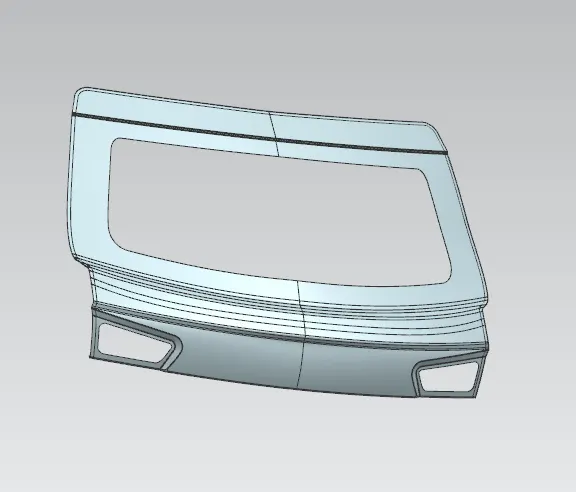
- Door outer panel upper:
- The door outer panel acts as the aesthetic surface of the car,.
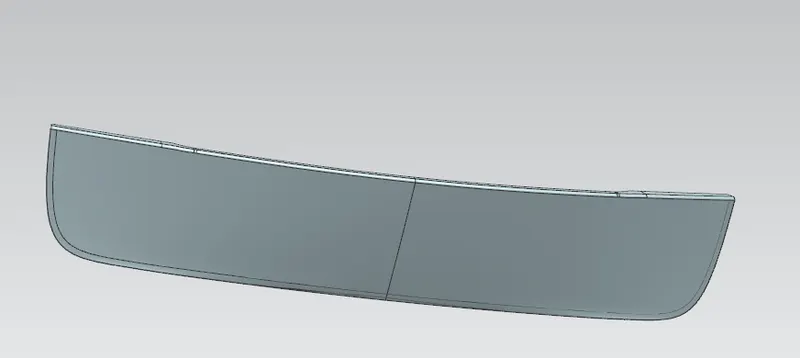
- Door outer panel lower:
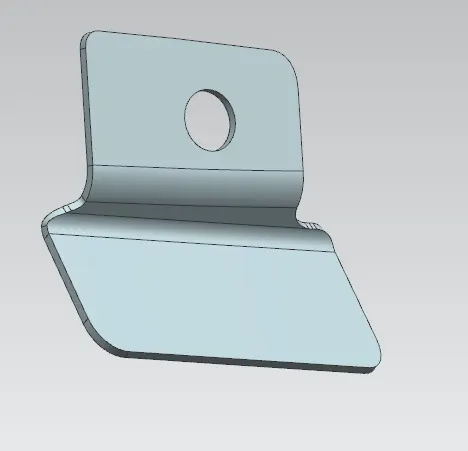
- Door hinge reinforcement:
- Gas Stay reinforcement:
- Final Assembly:
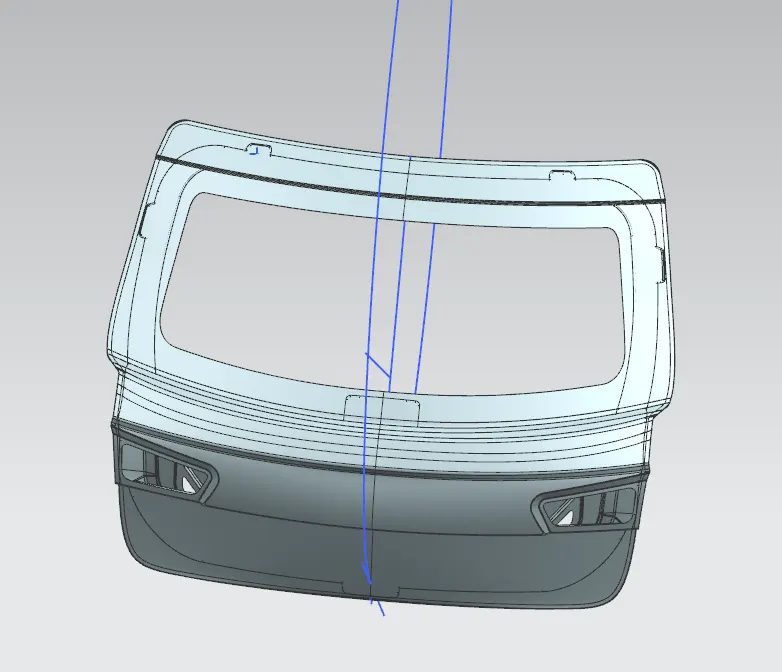
- Hemming region in cross-section view:
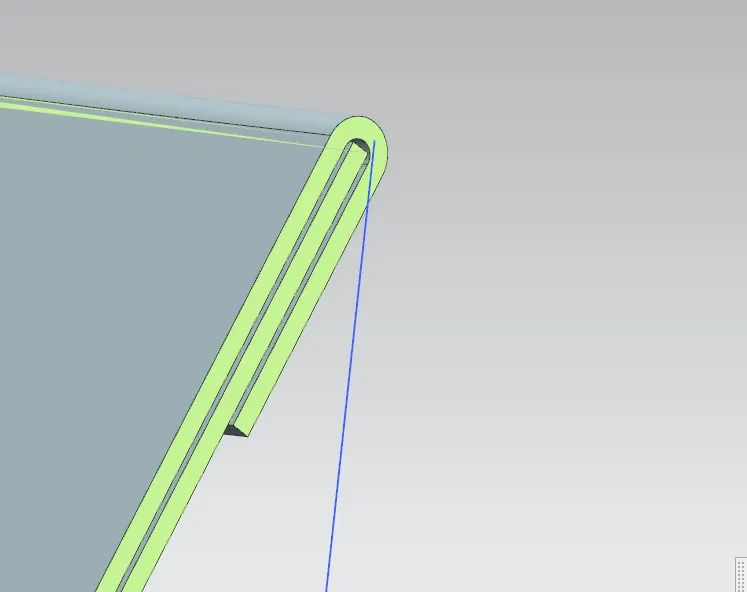
- Hemming relief:
Draft Analysis:
- As we know the draft analysis is performed to make sure about the manufacturability of the part as the inner panel and the outer is going to deep drawn.
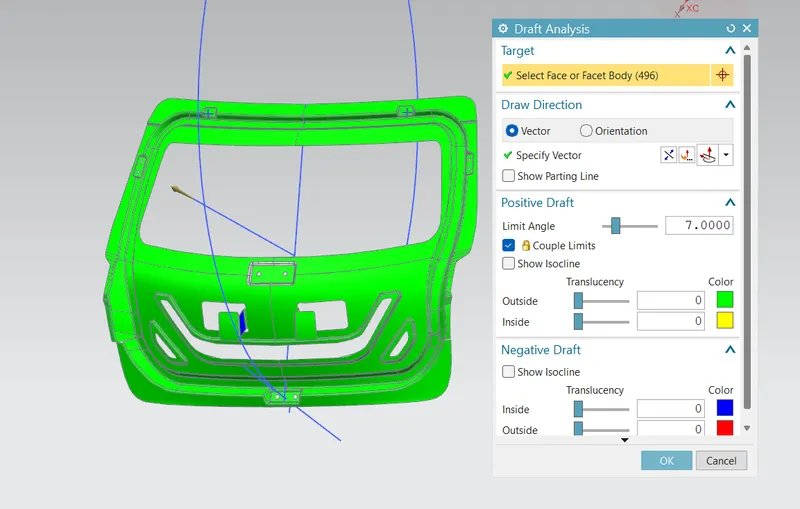
- There is a region that is blue and here no need to consider that region as a drawing region as it is gonna made by some cutting and bending operation.
Manufacturing Process for the Back Door Assembly:
- The hinge reinforcement, gas stay reinforcement, outer panel, inner panel upper, and inner panel lower will be deep drawn.
- The inner panel upper and inner panel lower are spot welded.
- Inner panel upper and inner panel lower are hemmed with the outer panel.
- In the inner panel upper there is a projected surface towards the outer panel and that surface will be joined using mastic sealant because the spot weld will spoil the aesthetic surface of the outer panel
Drawing Operation:
- The deep drawing process is a forming process that occurs under a combination of tensile and compressive conditions. A flat sheet metal blank is formed into a hollow body open on one side or a hollow body is formed into a hollow body with a smaller cross-section.
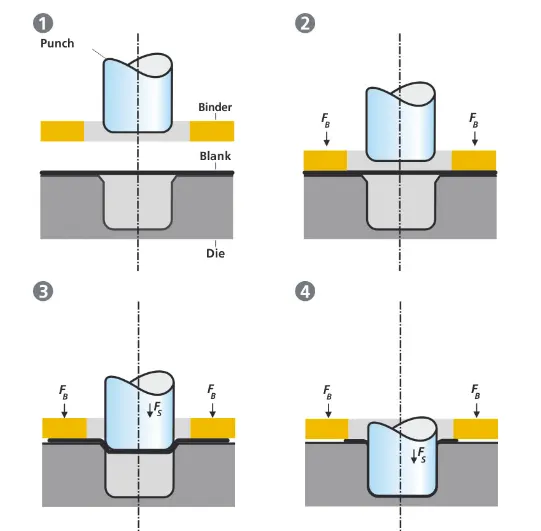
- The figure illustrates the deep drawing process. The rigid tools consist of a punch, die, and binder. In deep drawing, the plate holder closes after the metal sheet blank has been inserted.
- Next, the sheet is clamped between the die and the binder. This process slows down the flow of the sheet while it is being drawn and thereby prevents wrinkles from forming under the binder. The punch stretches the sheet over the die radius and forms it in the die. The amount of punch force necessary for forming is thereby continually increased up to the lower dead center of the punch.
- Whereas in pure deep drawing there is no reduction of sheet metal thickness, forming is achieved in stretch forming purely as a result of a decrease in sheet metal thickness. Stretch forming is extensively used for the forming of only slightly curved parts with low depth of draw (e.g. roofs, doors).
- When drawing complex car body parts in practice, there is usually a combination of stretch and deep drawing involved. It is necessary that the sheet metal is stretched as well as possible without reaching the material’s limits (e.g. splits, wrinkles).
- There are approximately 300 to 400 sheet metal parts that fit together to form the body of a car. In order to manufacture high-quality sheet metal parts optimally for their particular use, specialized software simulates the complete deep drawing process.
Spot welding:
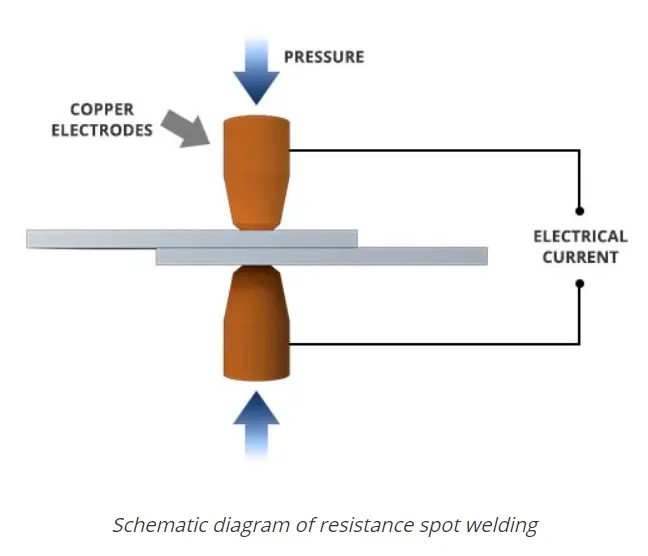
- Spot welding (also known as resistance spot welding) is a resistance welding process. This welding process is used primarily for welding two or more metal sheets together by applying pressure and heat from an electric current to the weld area.
- It works by contacting copper alloy electrodes to the sheet surfaces, whereby pressure and electric current are applied and heat is generated by the passage of current through resistive materials such as low-carbon steels.
Mastic Sealant:
- Mastic is preferred in place of spot weld only when the surface is an aesthetic surface.
-
Mastic is a form of sealant or adhesive used to fill the joints or as a bond for different materials and gaps. It is an elastic and flexible material used to create a durable bond between two different surfaces or to protect a particular surface.
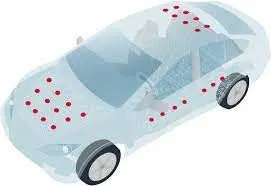
- Cyanoacrylates are used extensively in the automotive industry, in large part because of their bond strength. They can also withstand extreme conditions, facilitating use in temperatures ranging from -40° to 250° F. Cyanoacrylates may be used in other cases where other glues or fasteners are not an option, as well.
- Application of adhesives and sealants enables automakers to simplify their assembly processes. Parts that are bonded together don't need holes to be drilled or punched, and assemblers don't need to measure torque or double-check fastening operations.
Hemming:
- Hemming is a forming operation in which the edges of the sheet are folded or folded over another part in order to achieve a tight fit. Normally hemming operations are used to connect parts together, improve the appearance of a part, and reinforce part edges.
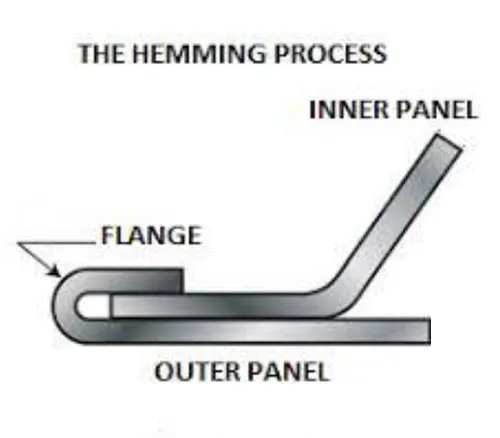
- The accuracy of the hemming operation is very important since it affects the appearance of the surface and surface quality. Material deformations, which occur during the hemming process, can lead to dimensional variations and other defects in parts. Typical hemming defects are splits or wrinkles in the flange, material overlaps in the corner areas to avoid the overlap relief provided for the hemming at the corners.
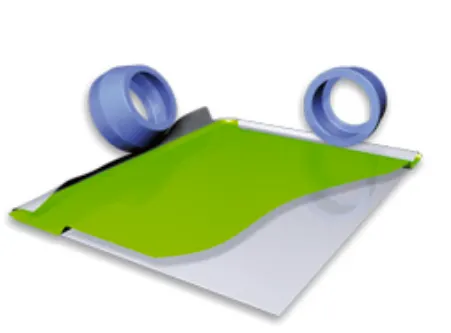
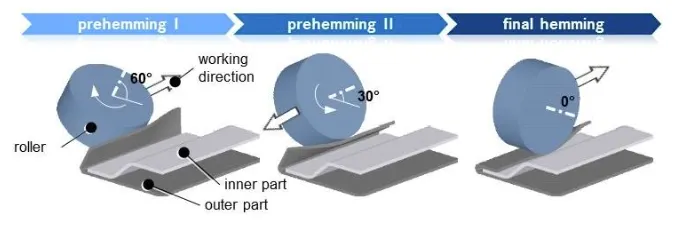
- Rolling hemming is done for the Hood's outer panel edges towards the inner panel so as to achieve the joining.
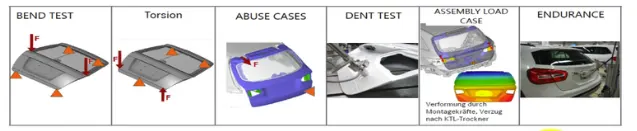
Load cases-General analysis:
- Bend test: All four corners of the back door are clamped and the load is applied over the door
- Torsion test: The hinge corners and the striker emboss are clamped and load is applied at the ends in the opposite direction
- Abuse test case leaving the door in an open case
- Dent test
- Assembly load
- Endurance test open and close of door repeated times and check the workability
Conclusion:
- Designing of the Back door is done successfully as per the given styling surface and performed the draft analysis.