Project - 2 - Meshing on the suspension Assembly
MESHING ON THE REAR WHEEL SUSPENSION ASSEMBLY USING ANSA
INTRODUCTION
A vehicle's wheels are connected to it by a suspension system made up of tyres, tyre air, springs, shock absorbers, and connections that permit relative motion between the two. Road holding/handling and ride quality, which are at variance with one another, must be supported by suspension systems. The proper compromise must be found while tuning suspensions. Because all of the ground or road forces operating on the vehicle pass through the contact patches of the tyres, it is crucial for the suspension to maintain the road wheel in touch with the road surface as much as possible. The suspension guards against wear and damage to both the vehicle and any cargo or luggage. A car's front and rear suspensions may have different designs.
Any vehicle with four wheels and all-wheel drive (4WD/AWD) needs suspension for the front and rear wheels, however, two-wheel-drive cars may have a totally different setup. The rear suspension on front-wheel drive vehicles is often unrestricted, and a variety of beam axles and independent suspensions are employed. Rear suspension for vehicles with rear-wheel drive faces numerous limitations, making it challenging to design a superior but more expensive independent suspension system. For the front and rear wheels, four-wheel drive suspensions frequently resemble one another.
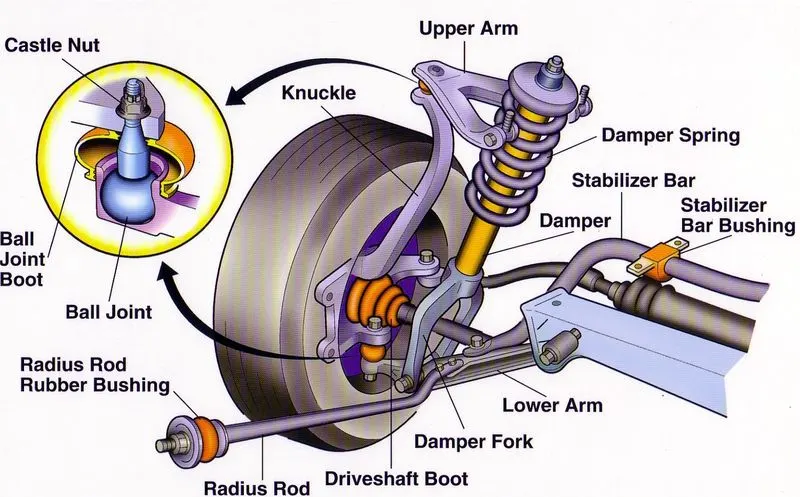
Figure 1 Diagram of typical parts found in the suspension assembly of the car
The Components of the Suspension System are as follows:
- Knuckle or Upright: This is used to connect the wheels to the suspension system. It is mounted on the wheel’s hub. The suspension system is connected together with the linkages provided. The knuckle is having a caster angle and a kingpin on the front wheels which helps in the steering of the vehicle in the left or right direction.
- Linkages: Linkages are like frames of a suspension system. All the parts of the suspension system are connected together with the help of linkages. These linkages have universal joints on both ends which help in the smooth connection between different components.
Generally, there are 3 types of linkages present in the suspension system which are as follows:
- Wishbones or A-arm
- Solid axle or live axle
- Multiple links
- Wheels/Tyres: Wheel or tyres are those components of the suspension system which come in contact with the actual irregularities of the road. Wheels are the main components of automobiles as well because they are eventually responsible for the motion of automobiles.
- Dampers/Shock Absorbers: Dampers are used to absorb the vibration and dissipate it in form of heat energy. In damping, action energy is converted from one form or the other.
In Modern cars mostly following two types of hydraulic dampers are used:
- Telescopic dampers
- Rocking lever dampers.
- Springs: Springs act as reservoirs of energy. Springs store the energy when impact force acts when the vehicle passes over irregularities in the road. It compresses the spring. This energy is released when spring expands subsequently and with the help of dampers, thus the energy is converted into heat and the shocks and bounce are absorbed.
The major types of springs that are used are:
- Leaf springs or laminated springs
- Coil springs
- Torsion bars
- Struts: Strut is basically the combination of spring and damper which is having two ends that will be attached to the frame and the wheel. Spring is used to store kinetic energy into potential energy and the damper dissipates the kinetic energy into heat energy. Both these components work together to form a strut assembly.
- Anti-Sway Bars: These are also known as anti-roll bars. Anti-sway bars play a key role in passenger comfort and vehicle stability to improve performance.
- Ball Joints: Ball joints are the critical components of the suspension system. It helps to connect different parts and linkages and allows them to move relative to other linkages.
- Spindle: A spindle enables one to drive forward, and backward, turn in both directions, and brake. The basic function of a spindle is to allow an axle to rotate.
Types of Suspension System
- Dependent Suspension System:
As the name suggests in dependent suspension system both the wheels on the same axle are dependent on each other. In dependent suspension system, there is a solid or live axle it allows both left and right wheels to connect together as a team. If one side of the automobile bends in one direction then other side will also bend in the same direction. This is called dependency. Dependent rear suspension types:
- Solid Axle Leaf Spring Dependent Suspension System
- Solid Axle Coil Spring Dependent Suspension System
- Independent Suspension System:
As the name suggests, in independent rear suspension each wheel on the axle is independently moved vertically up and down under the action of suspension. Many vehicles use independent rear suspension (IRS). IRS has almost the same advantages as the independent front suspension but the most important advantage of IRS is that it reduces the unsprung weight of the vehicle. On other hand, it has a high initial cost and high maintenance cost and the components wear out easily. Independent suspension is mainly of three major types as follows:
- Double wishbone suspension system
- Single wishbone, i.e. Mac Pherson strut assembly.
- Air Suspension System:
In the air suspension system air spring is used instead of a mechanical spring. Air spring has a higher load-carrying capacity than mechanical spring. Air spring also has the advantage of variable spring rate by adjusting air pressure which is not possible in the case of mechanical spring. In the air spring, two ends are provided. One is mounted on the frame and the other is on the swing arm. Three connection lines (pressure line, return line, and control line) are also provided for the operation and control.
- Hydro Elastic Suspension System:
In this type of suspension system, there is an integrated fluid-filled displacer that connects the front and rear wheels on either side of the vehicle. The continuous pitching motion of the vehicle provides an uncomfortable ride so the main idea behind this type of suspension is to increase the vehicle’s resistance toward pitching. In hydroelastic suspension, a rubber displacer unit is installed between the frame and the suspension linkage. A pipe is used to connect the rubber displacer units on both the front and the rear end. There are two separate pipes on either side of the vehicle and an anti-freeze liquid is used to pressurize this system.
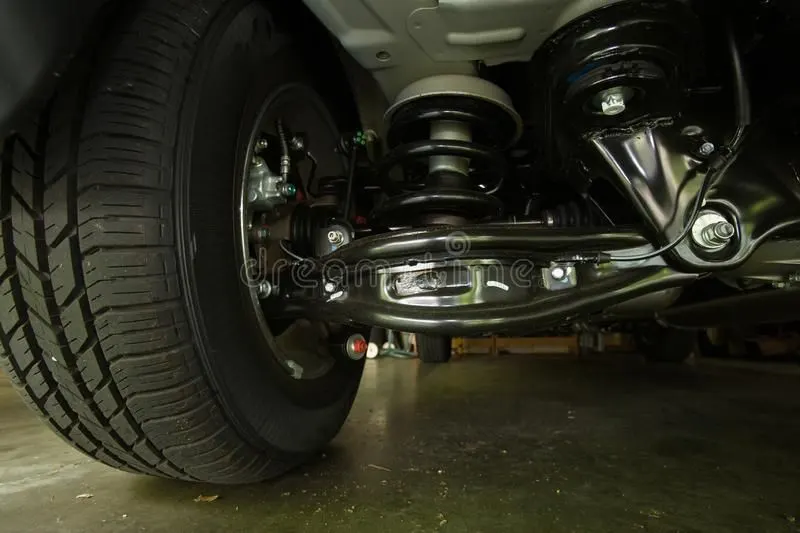
Figure 2 The real picture of the rear suspension assembly of the car
AIM
For the given assembly, check for the geometrical errors and mesh with the given element Quality criteria. After meshing the component the thickness has to be assigned for mid surfaces. Use tetra elements to model non-uniform thickness components. Also, use appropriate connections to connect the component (Use PBAR elements to model the suspension spring). At last, perform the Symmetry command to reflect the half-finished model to the other side.
Write a detailed report on your meshing process and also mention which method you used to extract the mid-surface along with the reason.
Common Note:
- Use Volume mesh for Tyre and Rim with the below Quality criteria. (Use Tria Element)
- Use mid surface only when the thickness is uniform and less than 5 mm. (Use Mixed elements)
Quality Criteria for Surface Meshing of Tyre and Rim (Element type: Tria) :
|
S.No |
Quality Criteria |
Value |
|
1 |
Target/Average length |
6.5 |
|
2 |
Minimum Length |
5 |
|
3 |
Maximum Length |
10 |
|
4 |
Skewness |
45 |
Quality criteria for Surface Meshing of Non-Uniform thickness components other than Tyre and Rim (Element type: Tria) :
|
S.No |
Quality Criteria |
Value |
|
1 |
Target/Average length |
4 |
|
2 |
Minimum Length |
2 |
|
3 |
Maximum Length |
6 |
|
4 |
Skewness |
45 |
Quality Criteria for Volume meshing of all Non-Uniform thickness components (Element type: Tetra Elements):
|
S.No |
Quality Criteria |
Value |
|
1 |
Tet-collapse |
0.2 |
Quality criteria for Mid surfacing of Uniform thickness part which has a thickness less than 5 mm (Element type: Mixed elements) :
|
S.No |
Quality Criteria |
Value |
|
1 |
Target/Average length |
4 |
|
2 |
Minimum Length |
2 |
|
3 |
Maximum Length |
6 |
|
4 |
Aspect |
3 |
|
5 |
Warpage |
15 |
|
6 |
Skewness |
45 |
|
7 |
Jacobian |
0.7 |
|
8 |
Minimum Quad Angle |
45 |
|
9 |
Maximum Quad Angle |
135 |
|
10 |
Minimum Tria Angle |
30 |
|
11 |
Maximum Tria Angle |
120 |
PROCEDURE
The assignment is classified sequentially into a number of phases or stages which are mentioned as follows:
- The geometry that we import into ANSA is divided into three parts viz. A suspension assembly, Tyre or wheel and rim. So we advance with a geometrical clean-up of the whole geometry and came up with a small set of errors. We fixed them manually and automatically with various topo deck tools in ANSA.
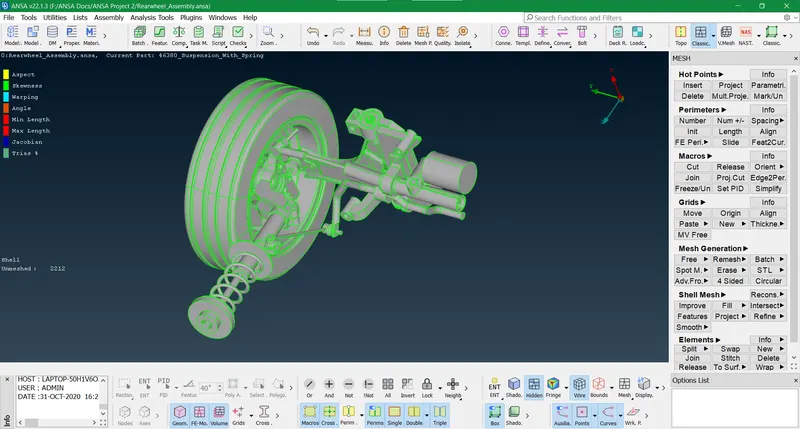
Figure 3 The original CAD geometry imported in ANSA
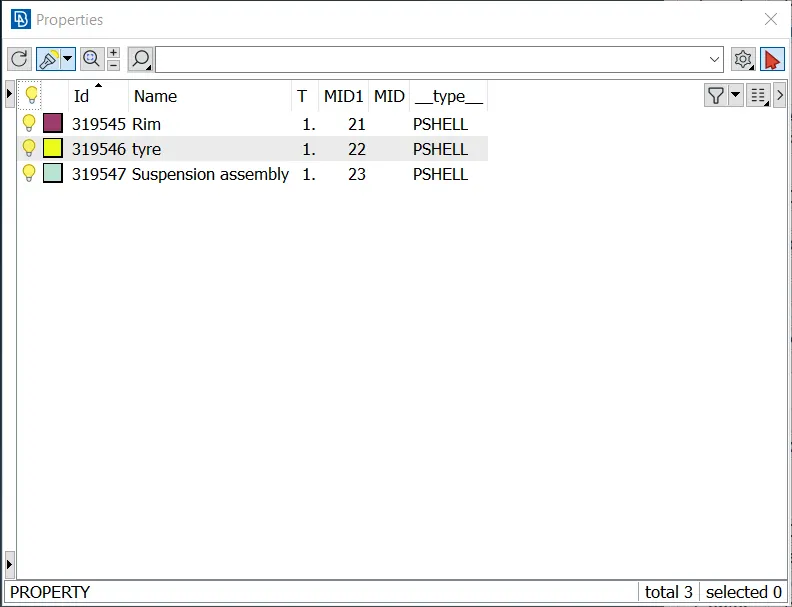
Figure 4 Geometry distributed in 3 PIDs for easy access
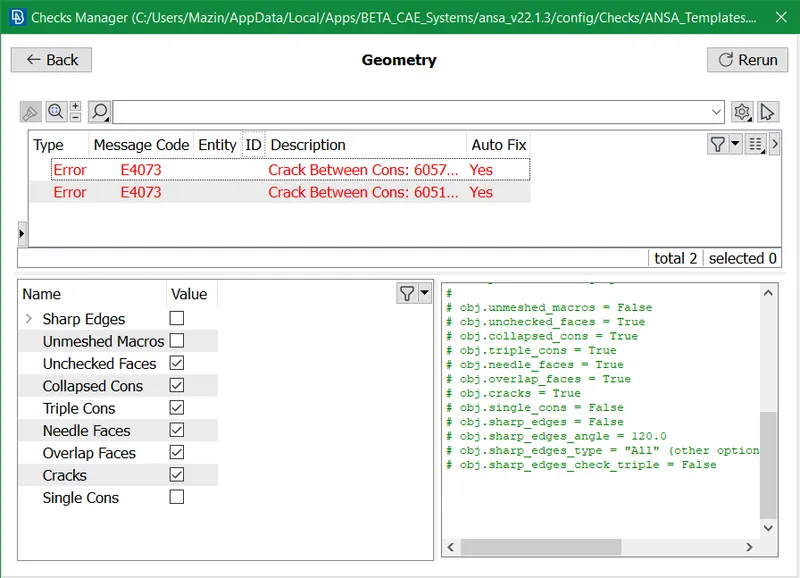
Figure 5 Few geometrical errors were observed in this geometry
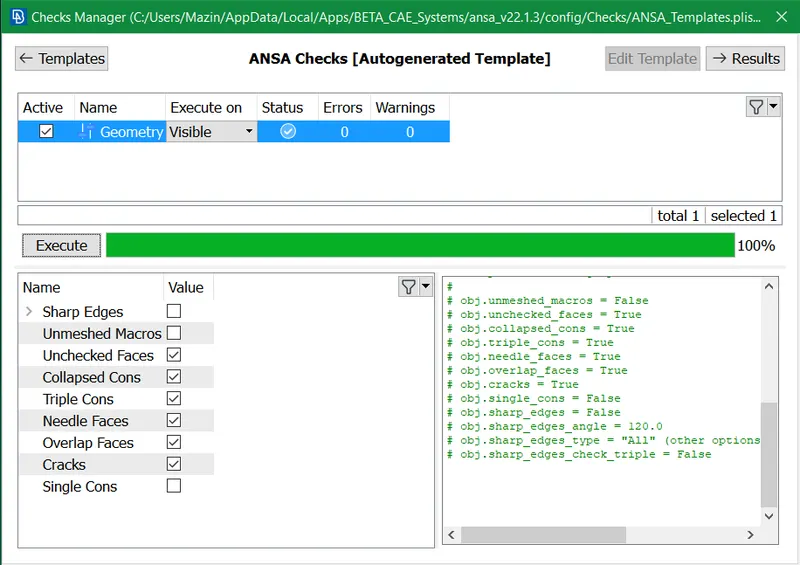
Figure 6 All geometrical errors are cleared by manual and auto means
- In the next step, we begin with the surface meshing of tyre, rim and non-uniform parts of the suspension assembly above 5mm thickness. The solid meshing is done for components having thicknesses above 5-6mm and it has usually non-uniform thickness throughout. So before meshing we defeatured the tyre rim and non-uniform components of the suspension assembly to avoid minimum and maximum length quality failures. It is not mandatory in the case of solid meshing because eventually, we have to convert or define surface-meshed shells into volume-meshed solids. Tet collapse is the only quality parameter to be eliminated completely in case of solid meshing. Henceforth after using various auto tools like feature manager and Faces, Curves menu tools from Topo Deck we defeature the above-mentioned components completely. Without further ado, we adjust the cons resolution of each PID w.r.t the provided target length and initiate the surface meshing. The combo of tria and ortho tria is used in surface meshing depending on flat or inclined faces.
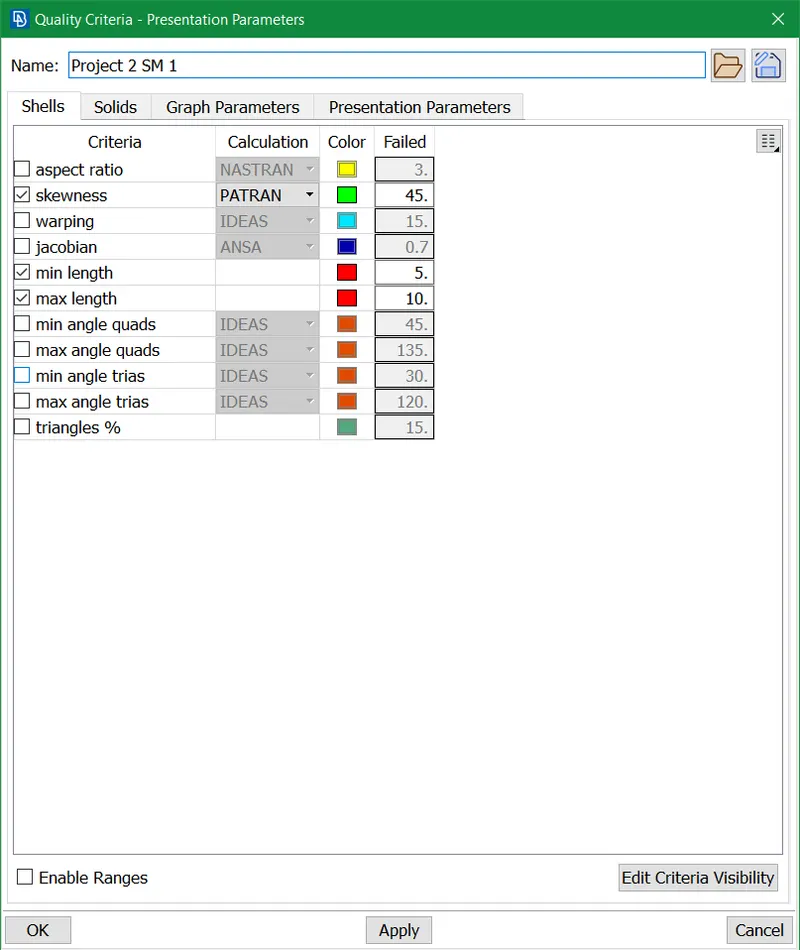
Figure 7 Quality criteria parameters for surface meshing of tyre and rim
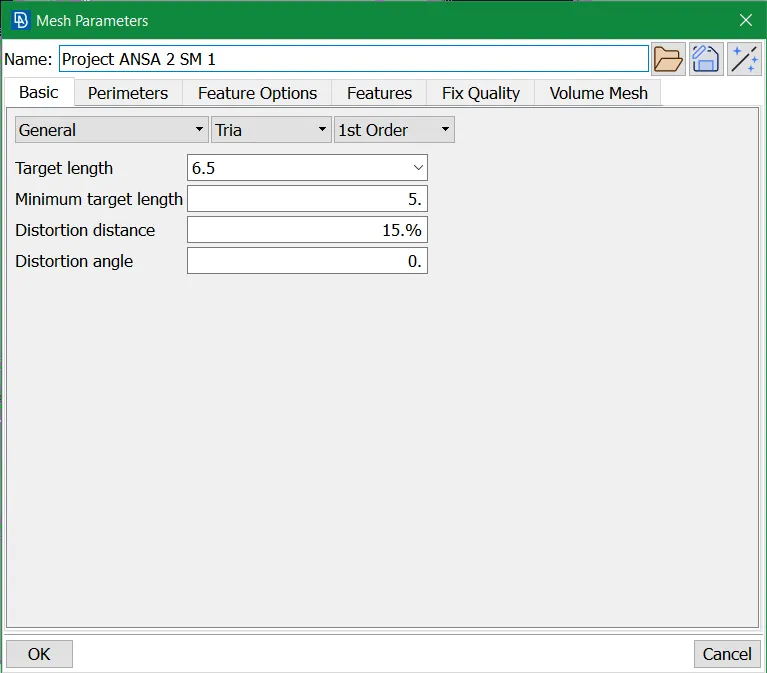
Figure 8 Mesh parameters for surface meshing of tyre and rim
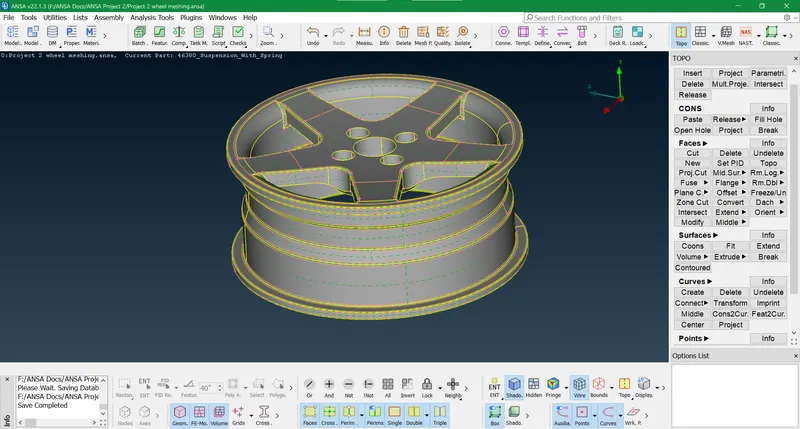
Figure 9 Defeaturing rim manually or by feature manager
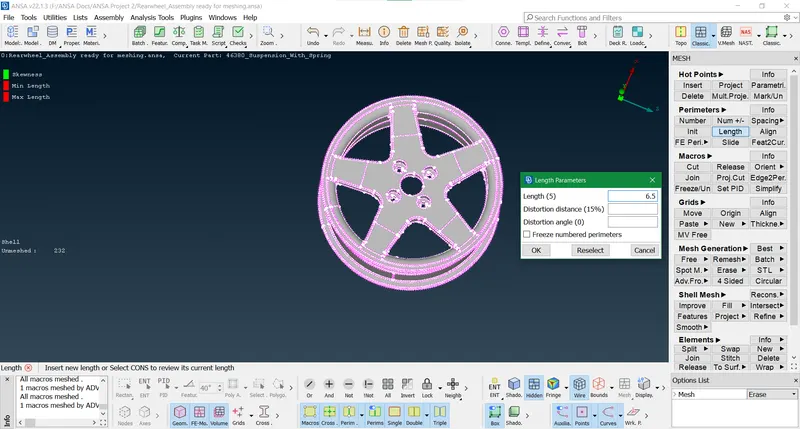
Figure 10 Adjusting cons resolution of rim w.r.t target element length
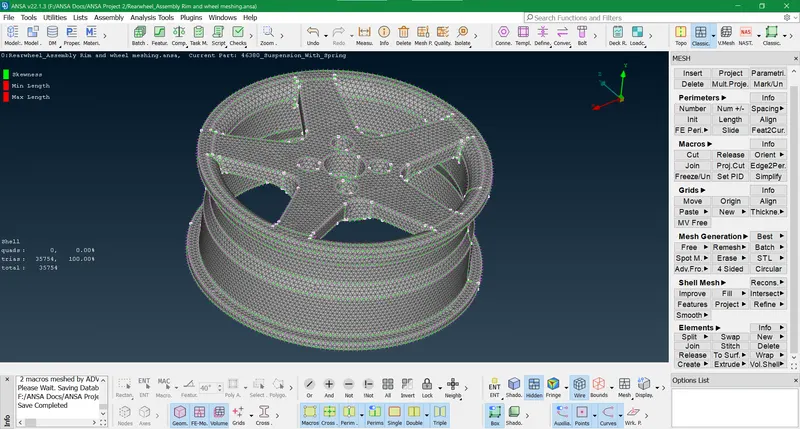
Figure 11 Surface meshing of the rim
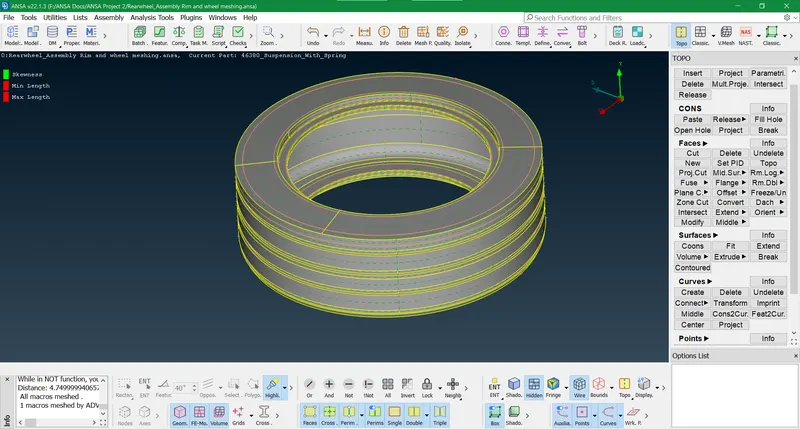
Figure 12 Defeaturing tyre and modification into sharp fillets by the feature manager
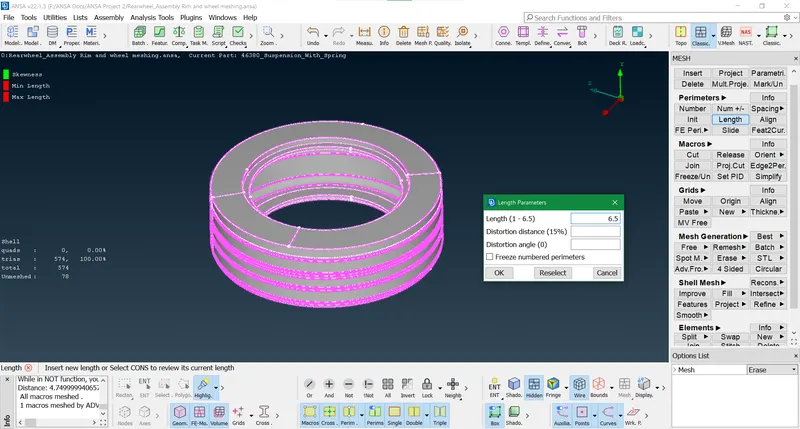
Figure 13 Adjust tyre cons resolution w.r.t its target element length
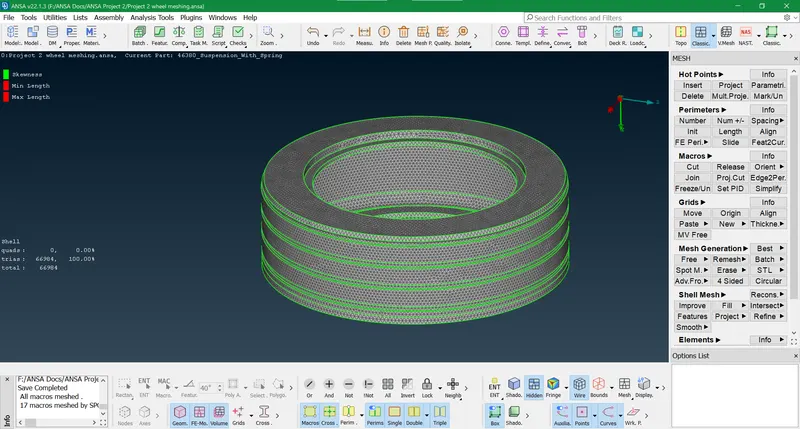
Figure 14 Surface meshing of the tyre
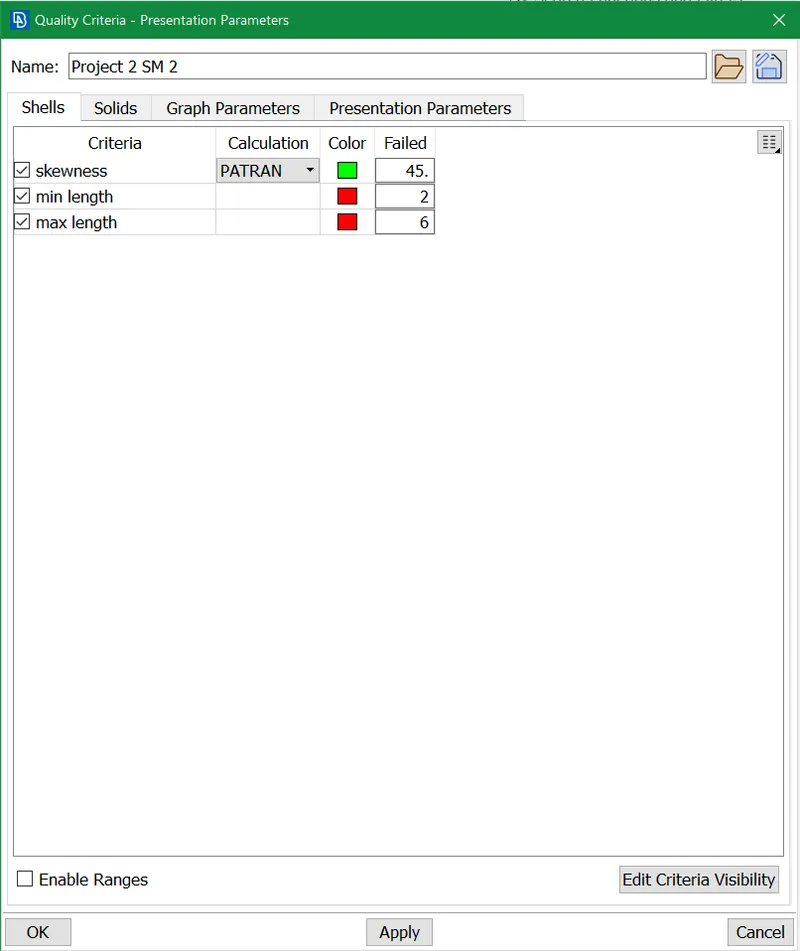
Figure 15 Quality criteria parameters for Surface Meshing of Non-Uniform thickness components above 5mm thickness other than Tyre and Rim
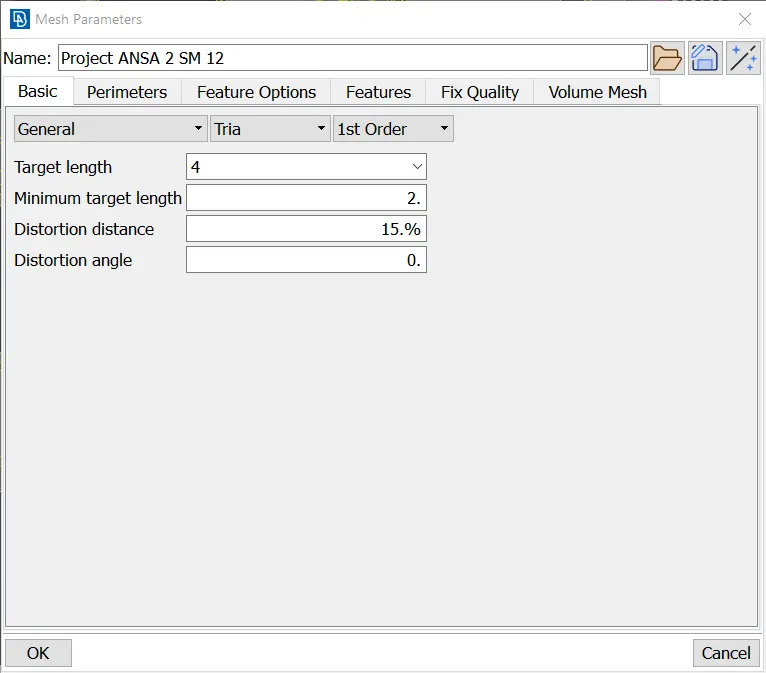
Figure 16 Mesh parameters for Surface Meshing of Non-Uniform thickness components above 5mm thickness other than Tyre and Rim
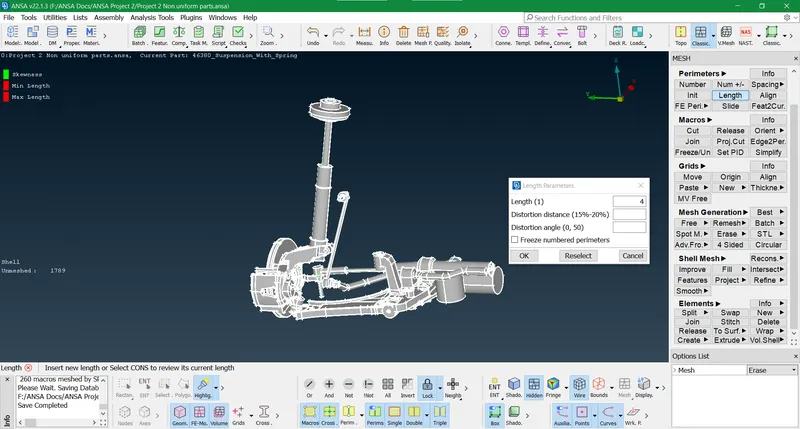
Figure 17 Adjust cons resolution of suspension assembly for non-uniform components above 5mm thickness thickness
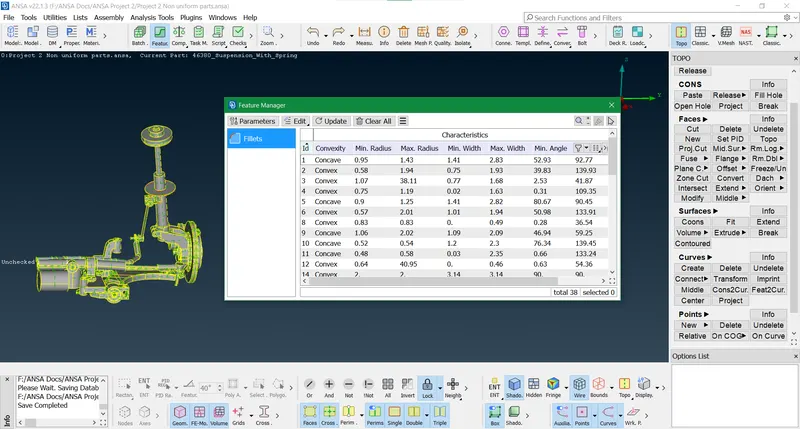
Figure 18 Defeaturing non-uniform components of suspension assembly to attain better quality surface mesh
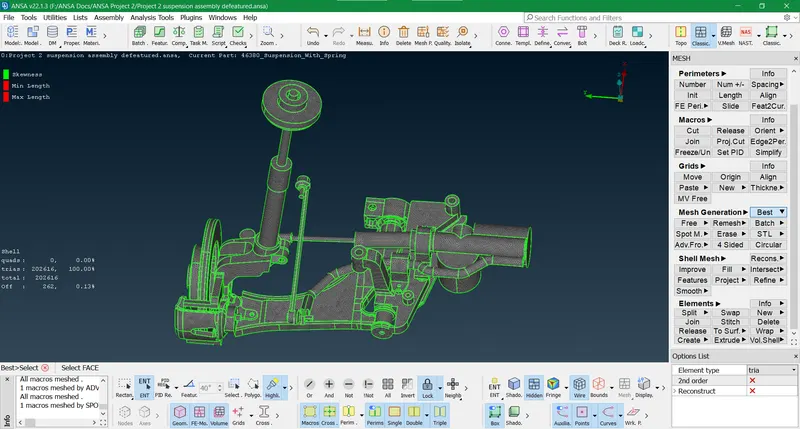
Figure 19 Post defeaturing of suspension assembly we pursued surface meshing on non-uniform components above 5mm thickness
- The uniform thickness components below 5mm and the spring are now operated. Since spring is a 1D element so we give it a PBAR i.e. 1D definition or property in the form of a connection. Also, we extract mid-surface for components below 5mm thickness by offset or Middle>Single options in the Faces toolbar of the Topo deck. The components are having uniform thickness throughout so both tools give good results. Afterwards, we insert the allotted quality and mesh parameters and advance with 2D meshing for the aforementioned components. The mesh is refined and reconstructed as per quality standards to get optimum results
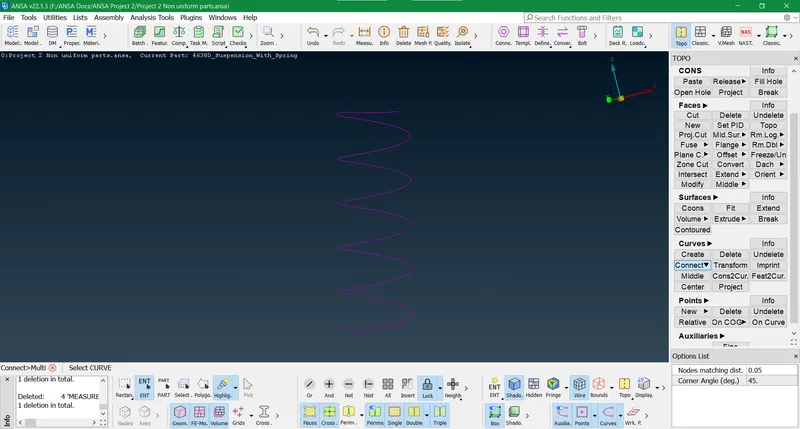
Figure 20 Create middle curves for spring and connect them as a one major curve
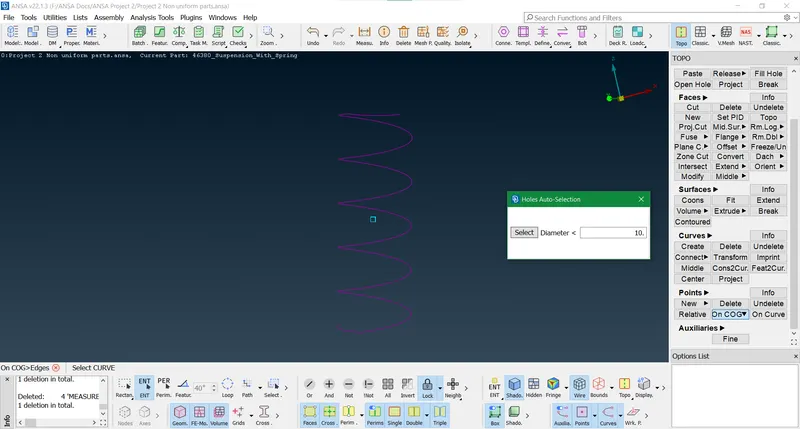
Figure 21 Create a centre point for the spring
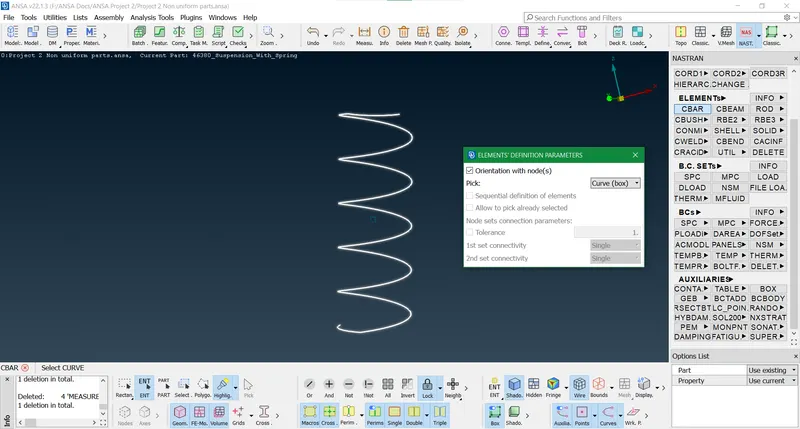
Figure 22 Give it a definition and property with respect to its radius
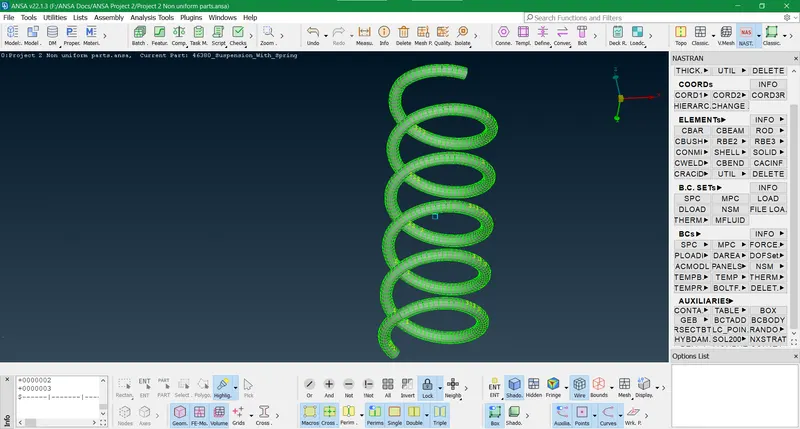
Figure 23 Spring generated as a 1D element
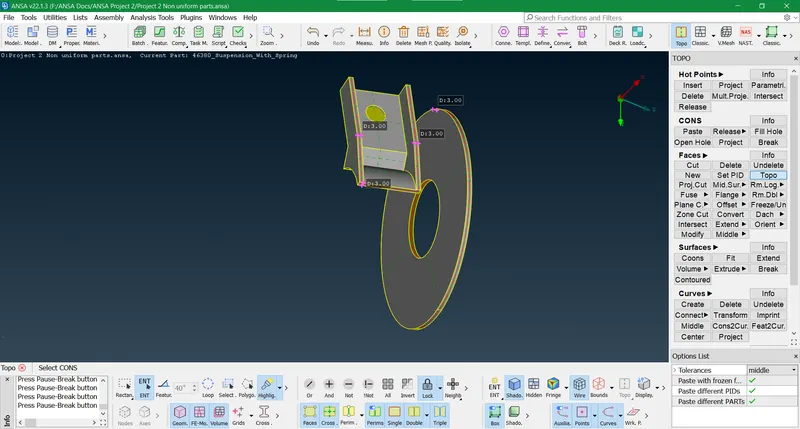
Figure 24 Extract mid-surface for components below 5mm thickness
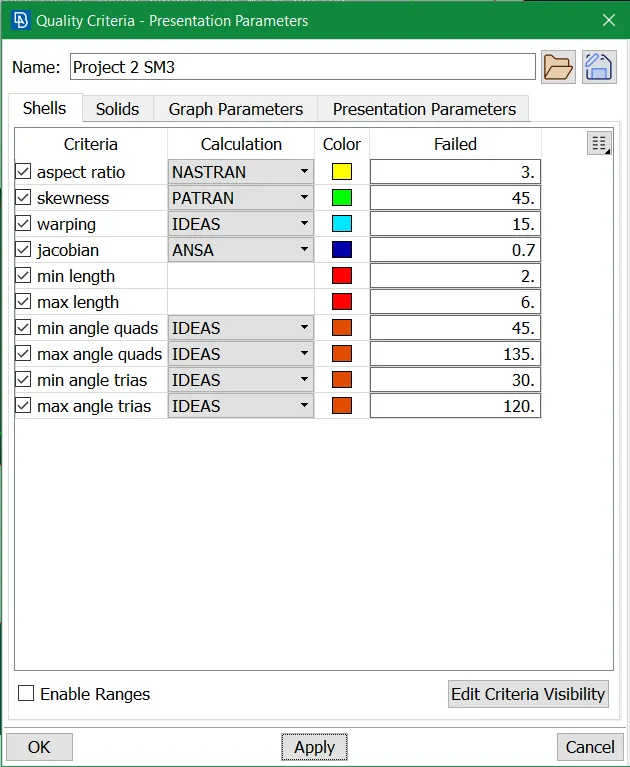
Figure 25 Quality criteria parameters for Mid surfacing of Uniform thickness part which has a thickness less than 5 mm
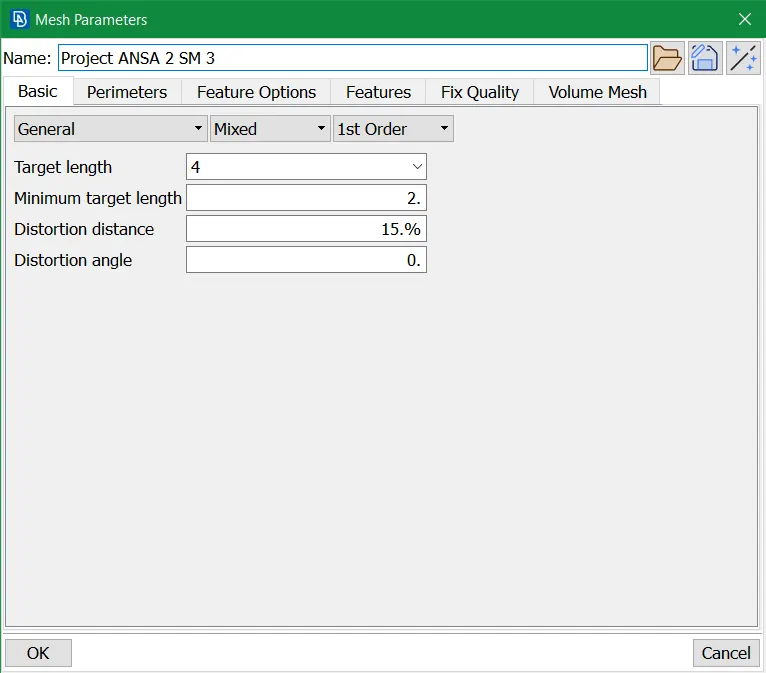
Figure 26 Mesh parameters for Mid surfacing of Uniform thickness part which has a thickness less than 5 mm
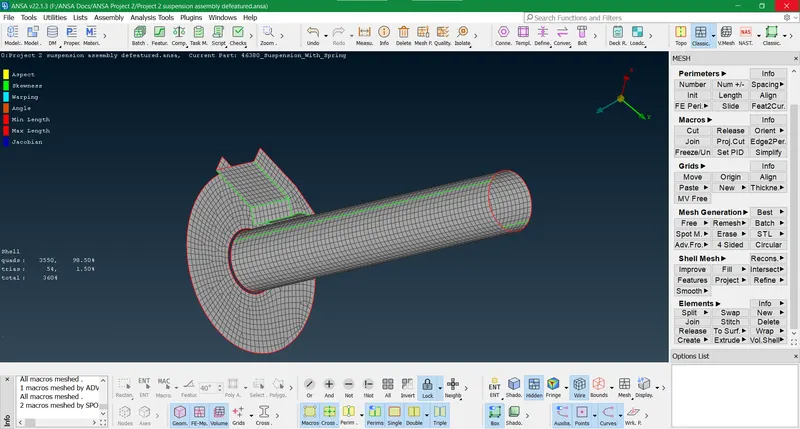
Figure 27 2D Meshing of Uniform thickness parts which has a thickness of less than 5 mm
- Eventually, we begin with volume meshing tyre, rim and non-uniform components of the suspension assembly. We use Tetra rapid method after defining the volume which means tetra elements are used in solid meshing for this geometry. The quality parameters as provided above are inserted and the mesh is initiated. A lot of elements fail for tet collapse which is fixed either by Improve>Fix quality tool in Volume mesh deck or Grids>Move in Classic mesh deck.
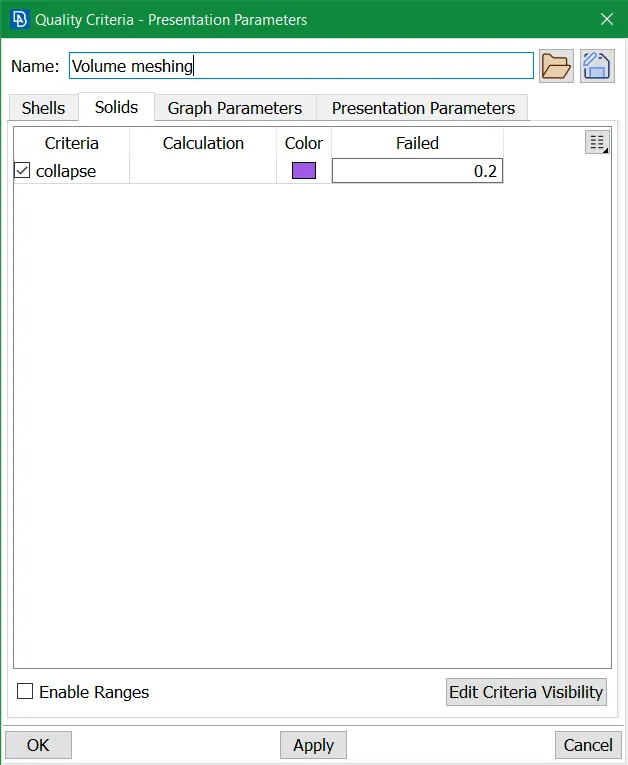
Figure 28 Quality criteria for volume meshing of tyre, rim and non-uniform components of suspension assembly above 5mm thickness
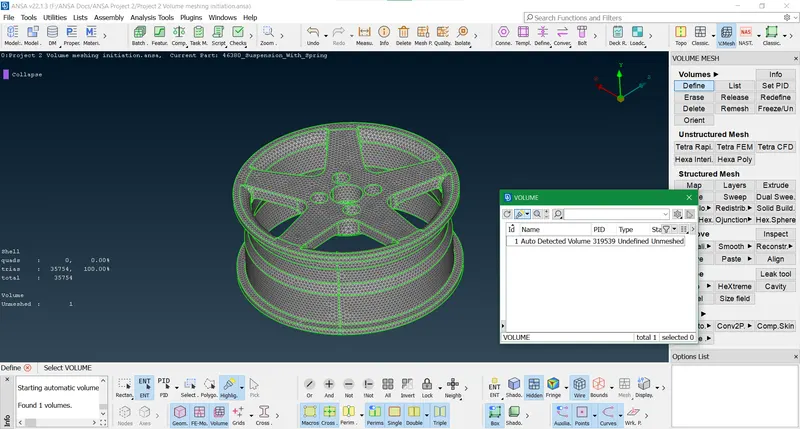
Figure 29 Proceed with volume meshing by defining volumes and remesh w.r.t tet collapse parameters
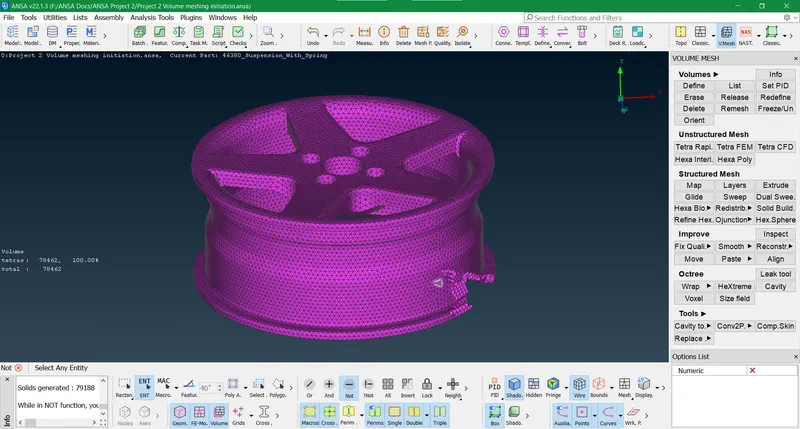
Figure 30 Volume meshing for rim with a small portion of bottom base sectioned
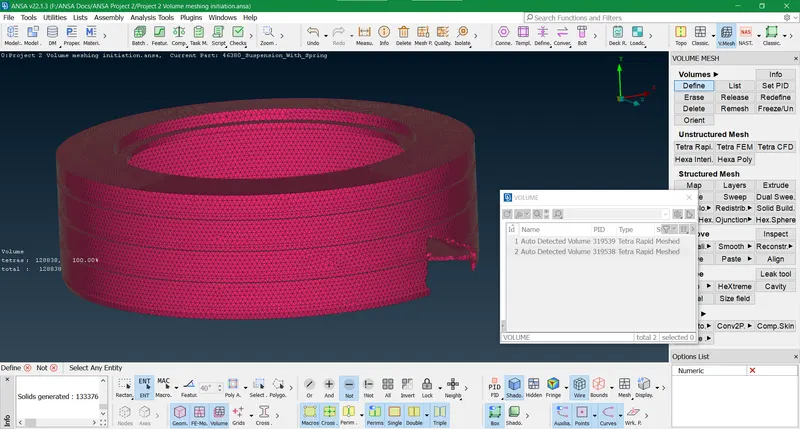
Figure 31 Volume meshing for tyre with a small portion of bottom base sectioned
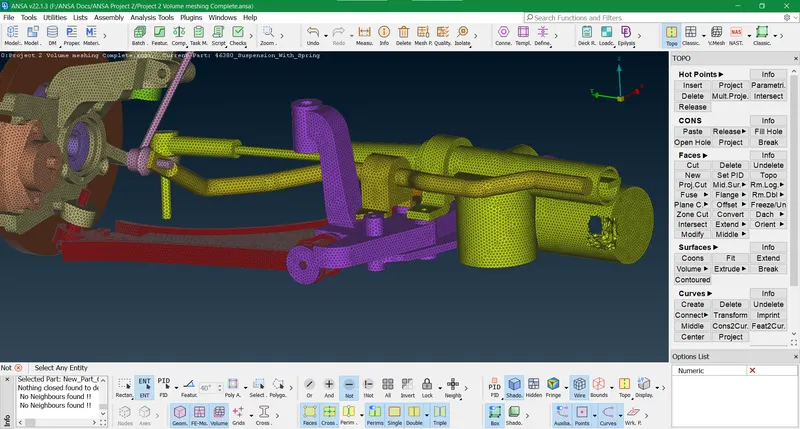
Figure 32 Volume meshing for suspension assembly non-uniform parts above 5mm with a small portion of bellows sectioned
- Afterwards, we have to connect all solid components and shell components together in order to make one integrated model. So we introduce different types of connections depending on the applications in various areas. The seam weld is established between the PIDs of shell elements with the help of the connection manager found in the assembly toolbar at the top. We provide the search distance, width of weld elements part ids and other parameters before realizing the connection. For many bolt and hole areas, we generate RBE2 with many nodes or 2 nodes connections as RBE2 is stiffer than RBE3. The rigid elements are developed from the Elements tools bar of the Nastran deck. Lastly, after forming all the necessary connections, we replicate the whole geometry by Transform>Copy tool in Utilities tools bar. Since in the model only 1 wheel, rim and half suspension assembly are given so need to generate another pair with the help of the symmetry tab. The default symmetry plane or Mirror 3 points plane option is used to create a duplicate of our model. Ultimately the pre-processing of our model is completed by using a blend of 2D and 3D meshing.
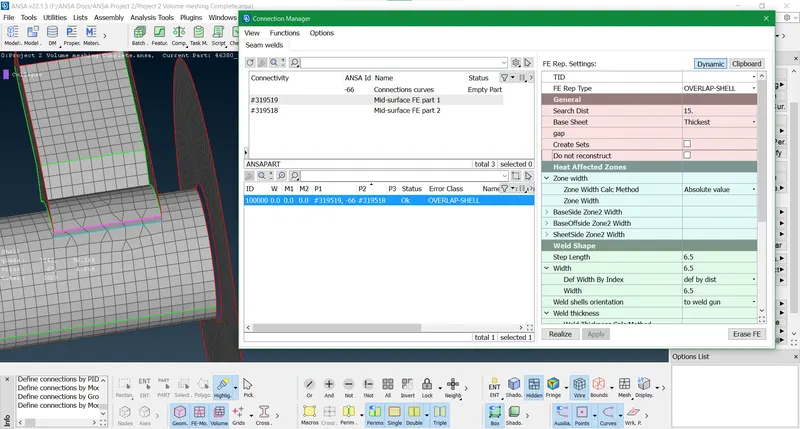
Figure 33 Seam weld connection is developed with specific parameters inputted in the connection manager
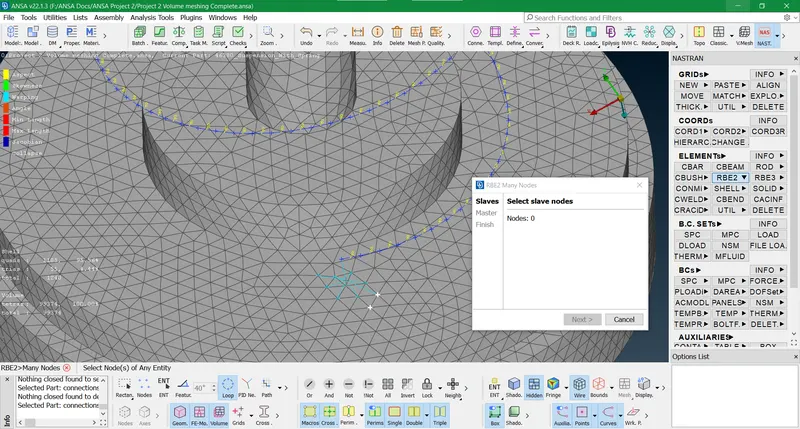
Figure 34 RBE2 many nodes connection established between the flange and spring
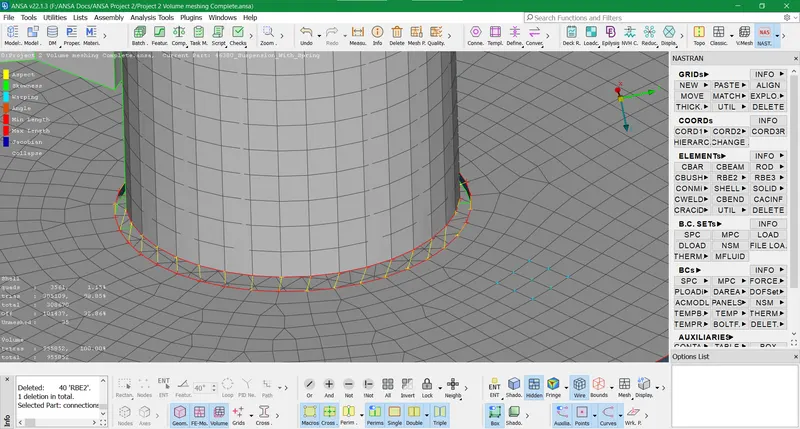
Figure 35 RBE2 two nodes connection acquired between hollow shaft and flange
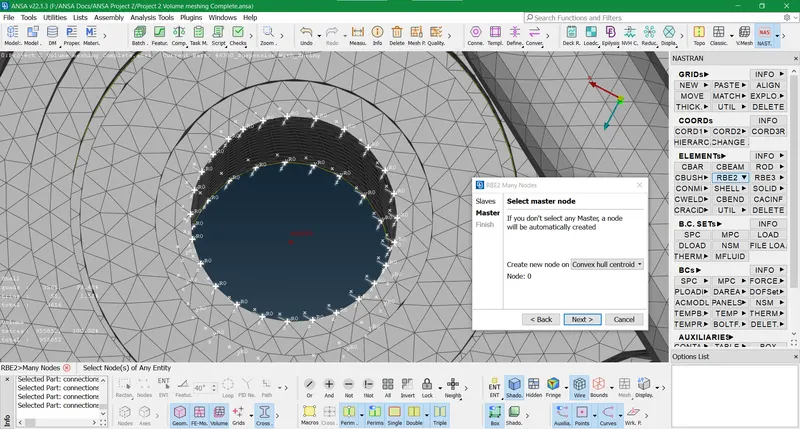
Figure 36 RBE2 many nodes connection setup in bolt or holes
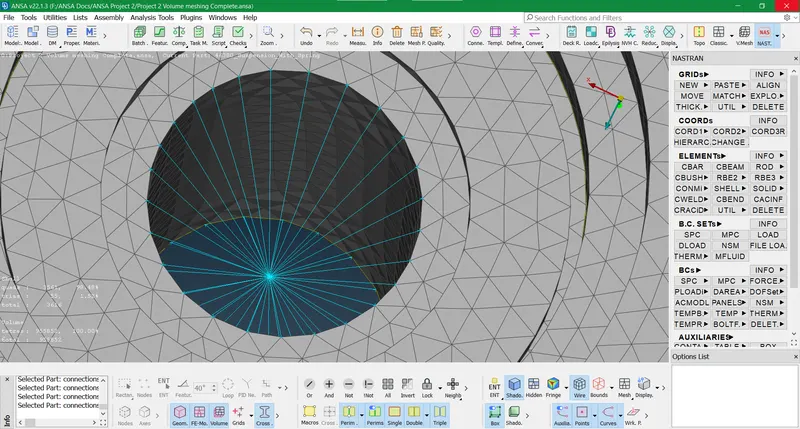
Figure 37 RBE2 many nodes connection garnered having many slave nodes and one master node
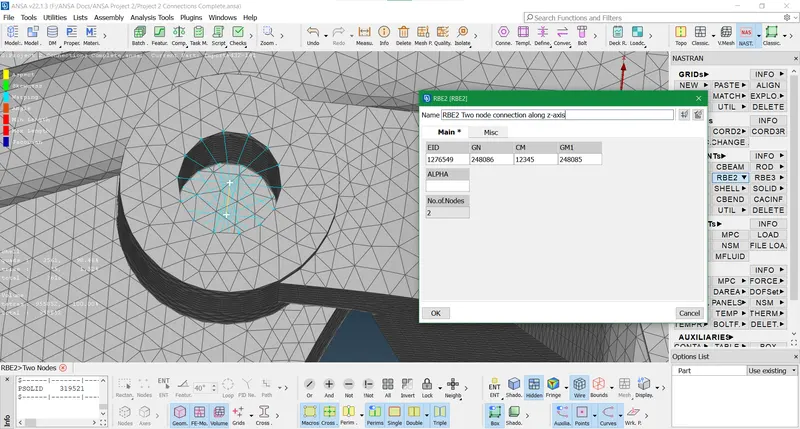
Figure 38 RBE2 two-node connection synthesized between many node connections
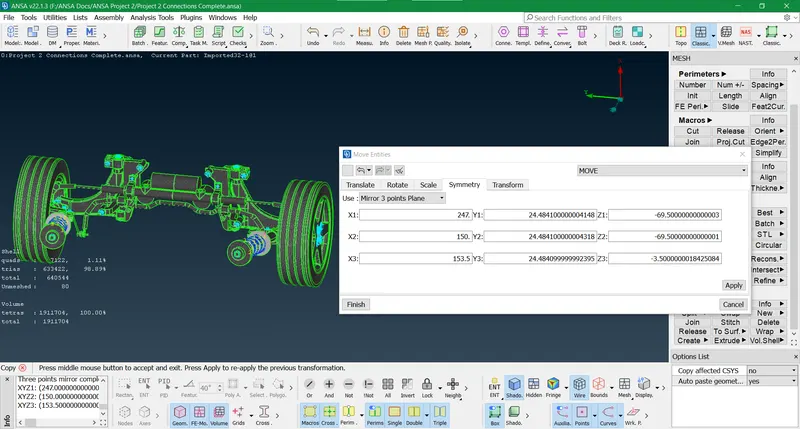
Figure 39 Finally using the symmetry option to attain a complete model
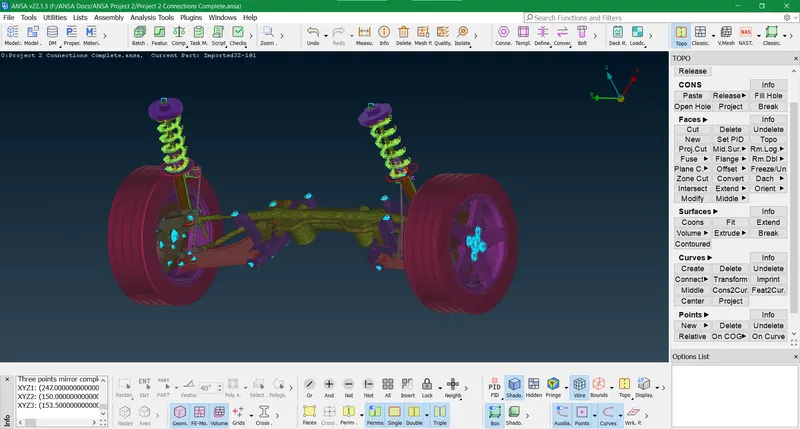
Figure 40 Final image of the suspension assembly obtained after completing pre-processing
LEARNING OUTCOMES
- This project is a collaboration of 2D and 3D meshing with large assembly parts thus providing a better understanding of operating both together.
- The various types of connections introduced in this model give a good insight into incorporating a large assembly together.
- The defeaturing of a large assembly in a short span of time can be learned in this project. Although it is not mandatory for solid meshing in this model it can provide a better platform for future assignments where the quality of elements is a preference.
- The modelling of spring as a 1D PBAR element is observed in this model consequently.
CONCLUSION
- There are no element quality errors in the surface meshed faces of tyre and rim. Also same applies to 2d meshed uniform components below 5mm thickness. Whilst there are minimal quality errors for surface meshed parts of non-uniform components in suspension assembly which can be ignored due to its deigning feature configuration.
- All the tet collapse failures are eliminated for all solid components of the geometry.
- The connections generally used are RBE2 and seam welds thus providing a proper integration as one big entity.
- The thickness for mid-surface components has been assigned in the property cards.
- The PIDs of mesh and faces for one half are the same as that of the other half after acquiring symmetry operation.