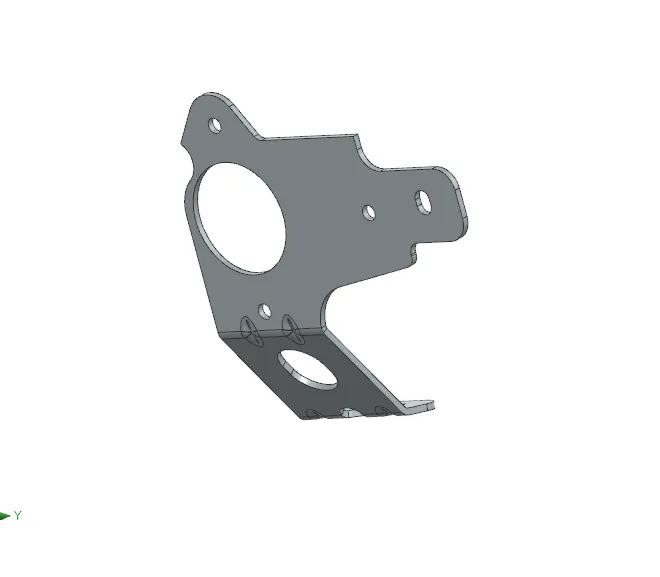
Advanced Sheet Metal Design Using NX Cad Challenge_7_ Metal bracket-II
METAL BRACKET DESIGNING
Objective
To design a metal bracket using the sheet metal designing and the features used in the sheet metal designing.
Introduction
A metal bracket is a structural or decorative component used in various applications to support, secure, or connect different parts. These brackets are typically made from materials such as steel, aluminium, or brass and come in various shapes and sizes depending on their intended use. Here are some common types of metal brackets:
- L-Brackets: Shaped like the letter "L," these are often used to join two perpendicular pieces, providing support and stability.
- Z-Brackets: These have a "Z" shape and are used for mounting and securing objects at an angle.
- Corner Brackets: Designed to reinforce right-angle joints, commonly used in framing or shelving.
- Shelf Brackets: Specifically designed to support shelves, they come in decorative and plain designs.
- Angle Brackets: Used for various structural applications, providing support and reinforcing angles.
- Flat Brackets: Flat pieces of metal with pre-drilled holes, used to join two flat surfaces.
Applications
- Construction: For framing, structural support, and reinforcement.
- Furniture: In the assembly and support of furniture pieces.
- DIY Projects: Popular in home improvement and crafting projects.
- Automotive: Used in the construction and repair of vehicles.
Features
- Material: Usually made from durable metals such as stainless steel, galvanized steel, or aluminum
- Finish: Can be plain, painted, powder-coated, or galvanized to prevent rust and corrosion.
- Load Capacity: Varies based on design, material, and thickness.
DESIGN METHODOLOGY
Design methodology is a simple process in the bracket designing.
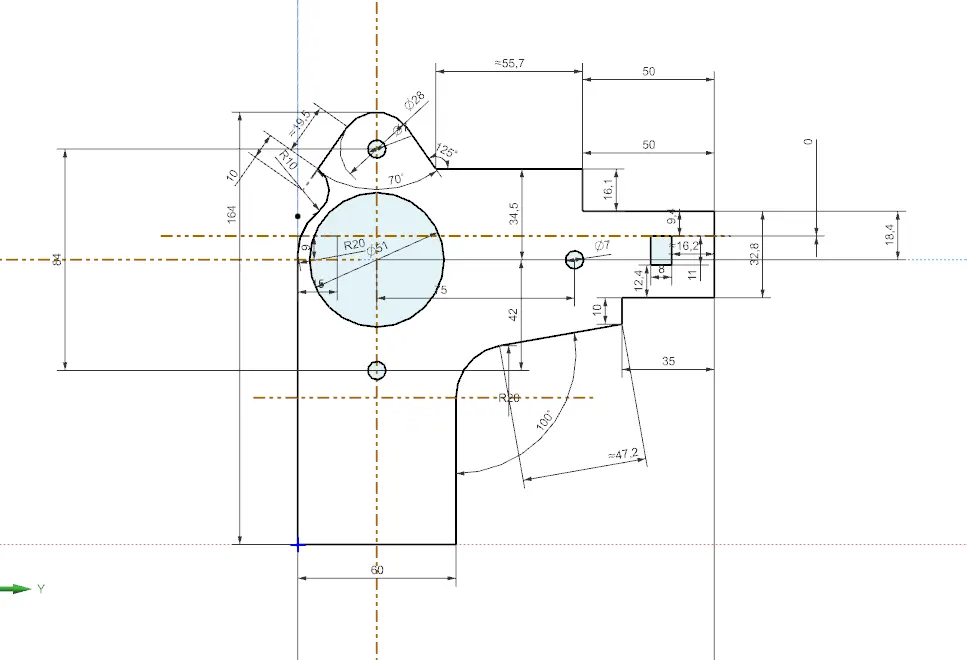
- Sketching the required sketch for the normal cut out shape with a constrained elements.
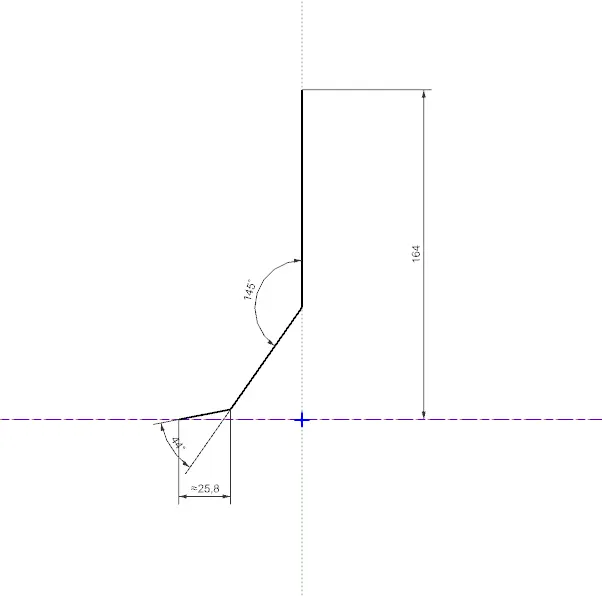
- Creating the counter flange shape to create the flange of appropriate shape.
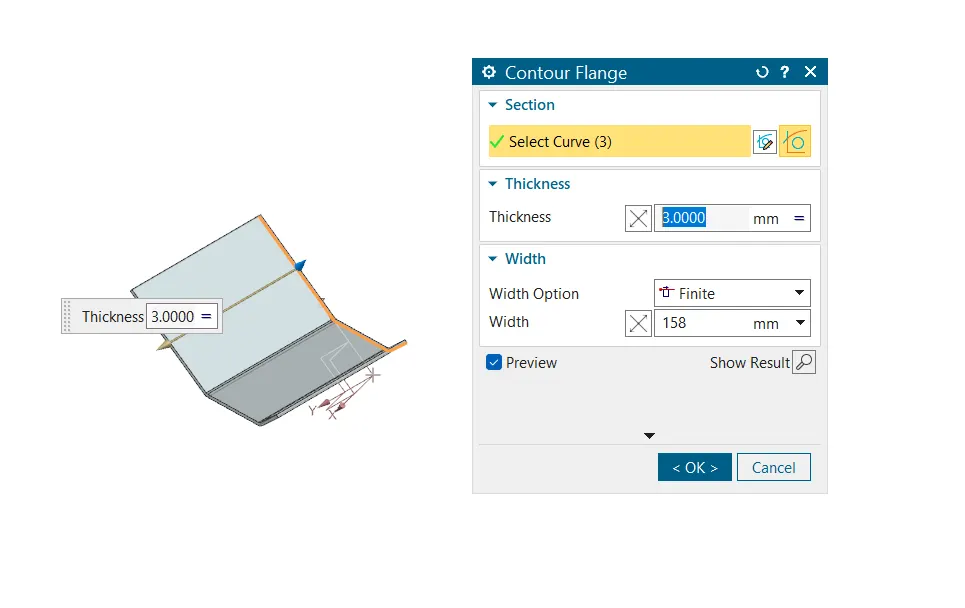
- Selecting the tab function to create the sheet of required length
- After creating the flange the normal cut out is made using the previous sketch made, before the counter flange sketch.
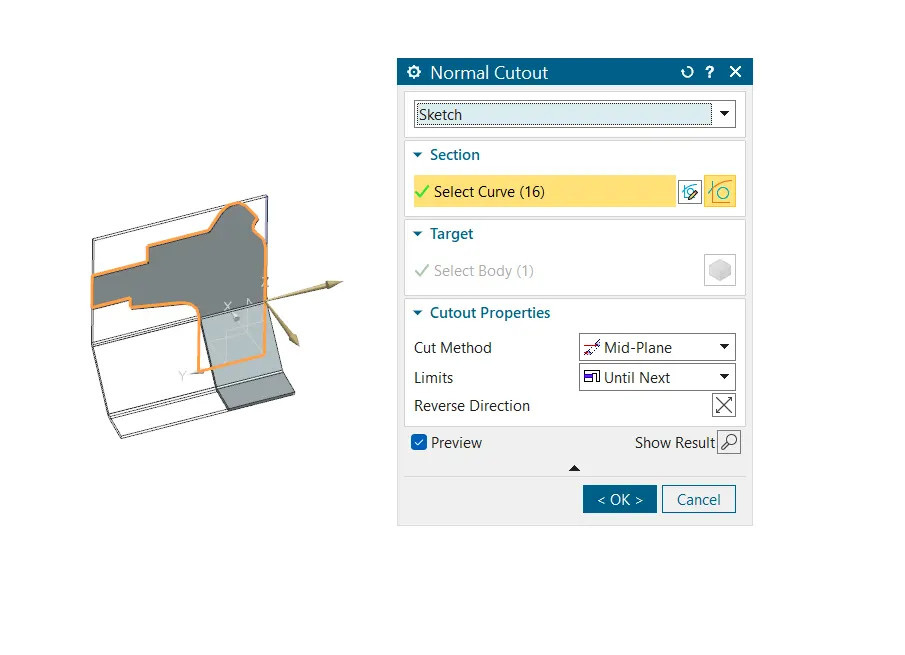
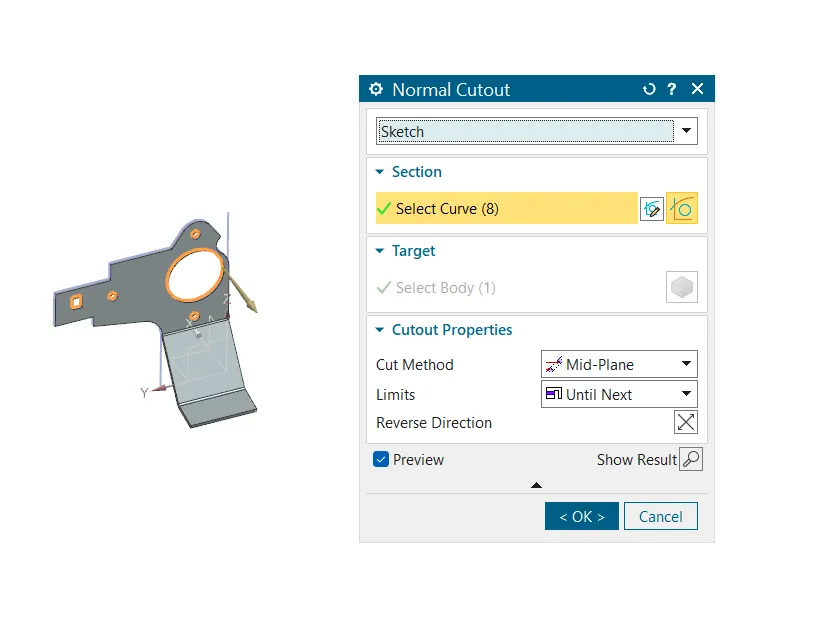
The normal cut out for the holes are also given to get the final shape.
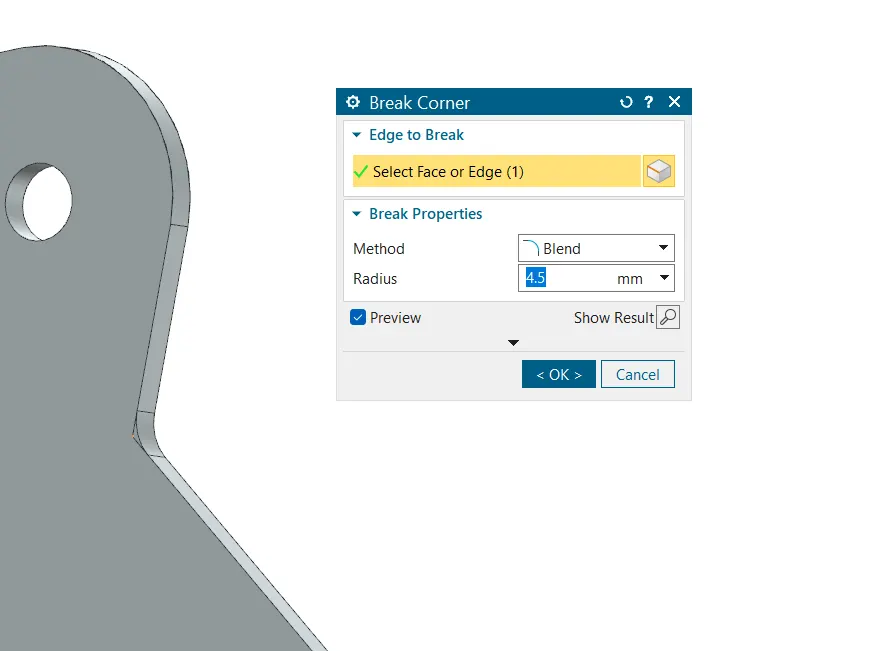
- Break corner tool is used to create the fillet like shape for the bracket.
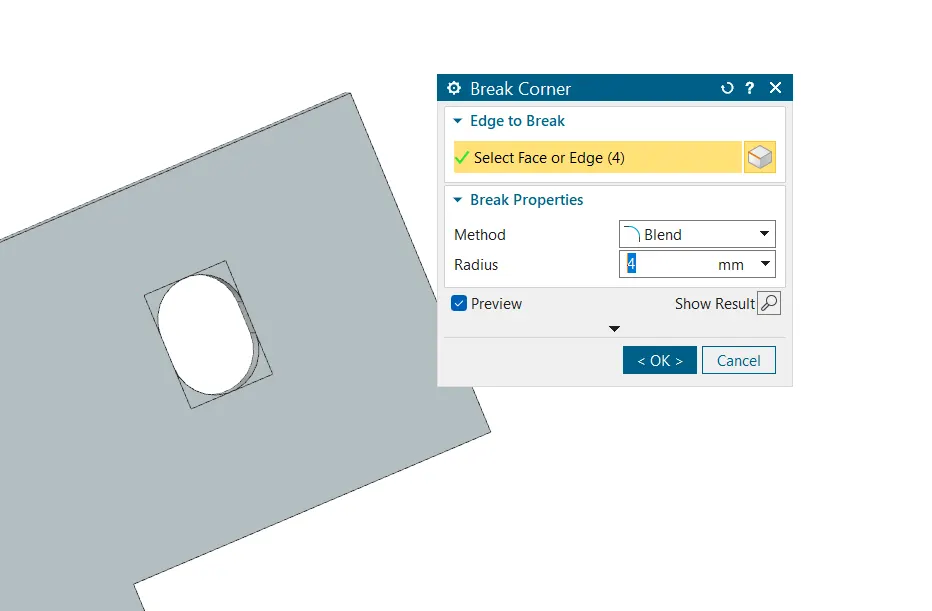
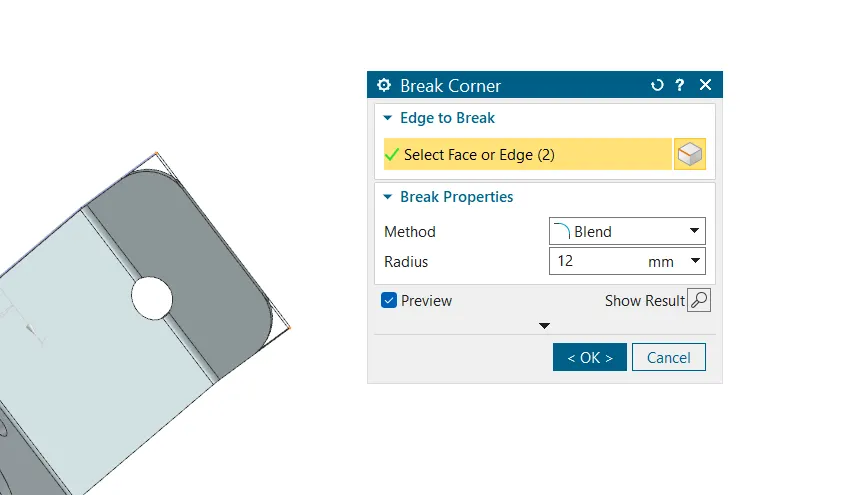
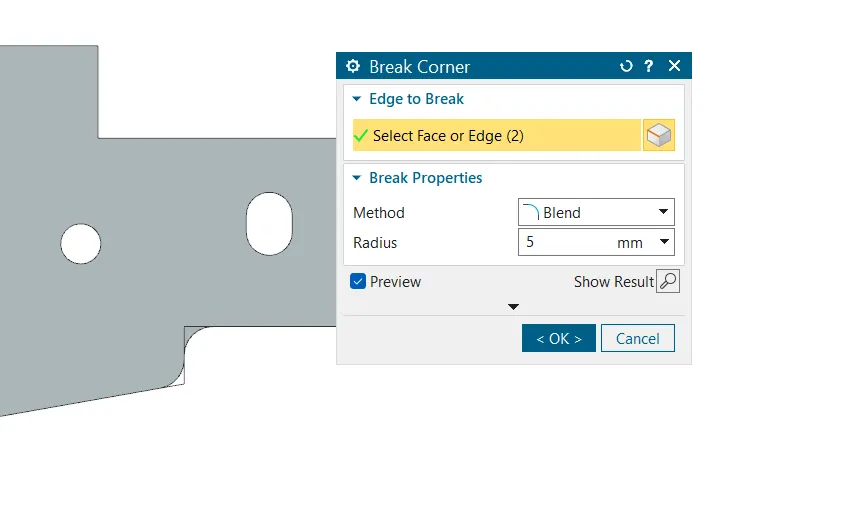
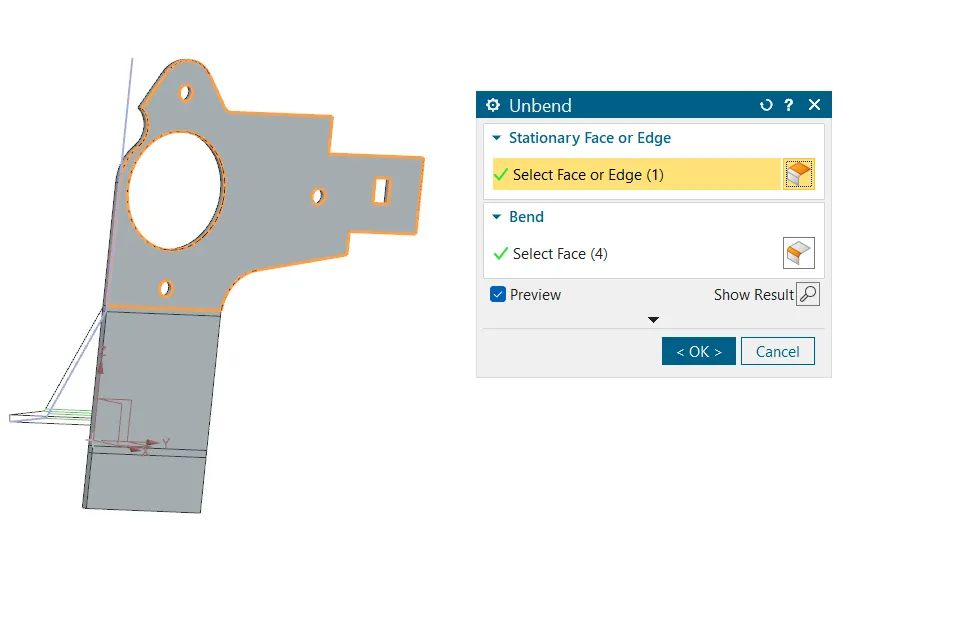
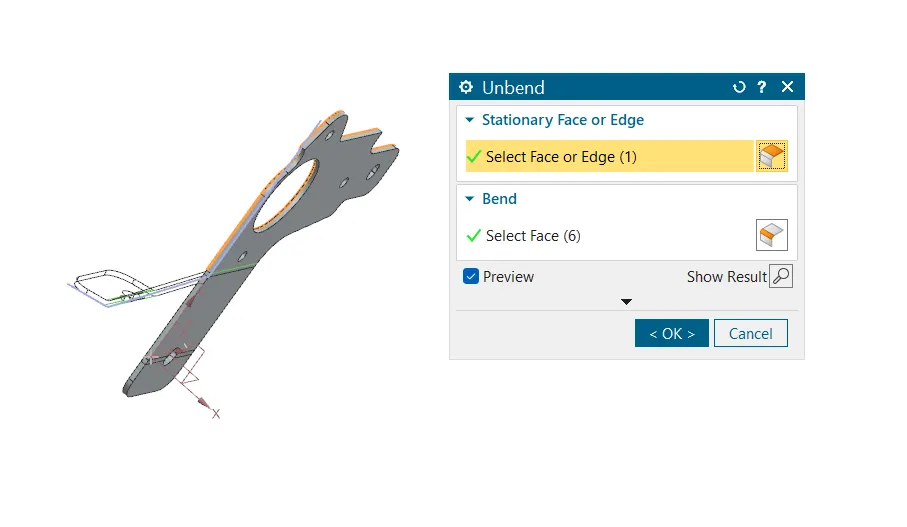
- Unbending the sheet to check whether the sheet is reversible and to give required properties to the sheet.
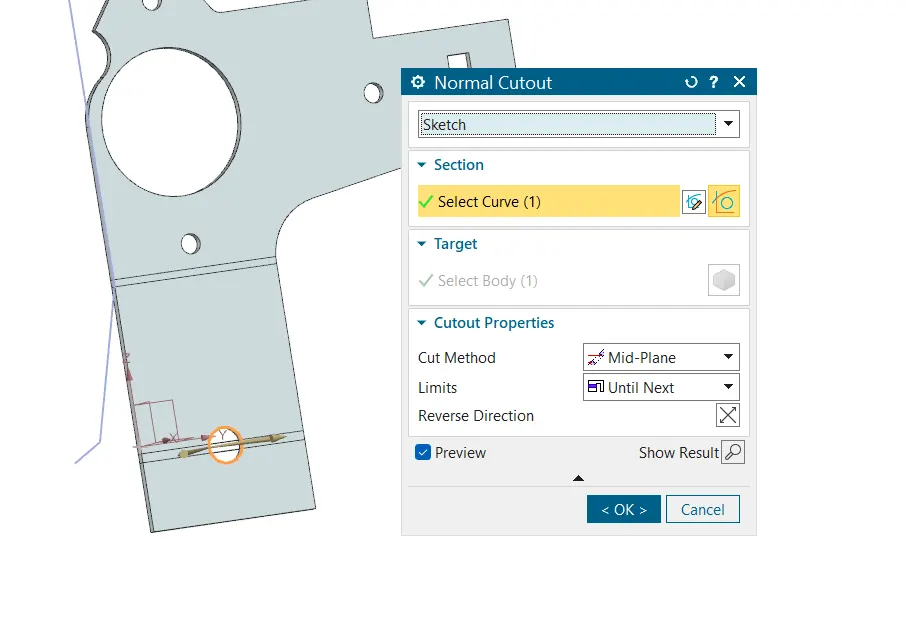
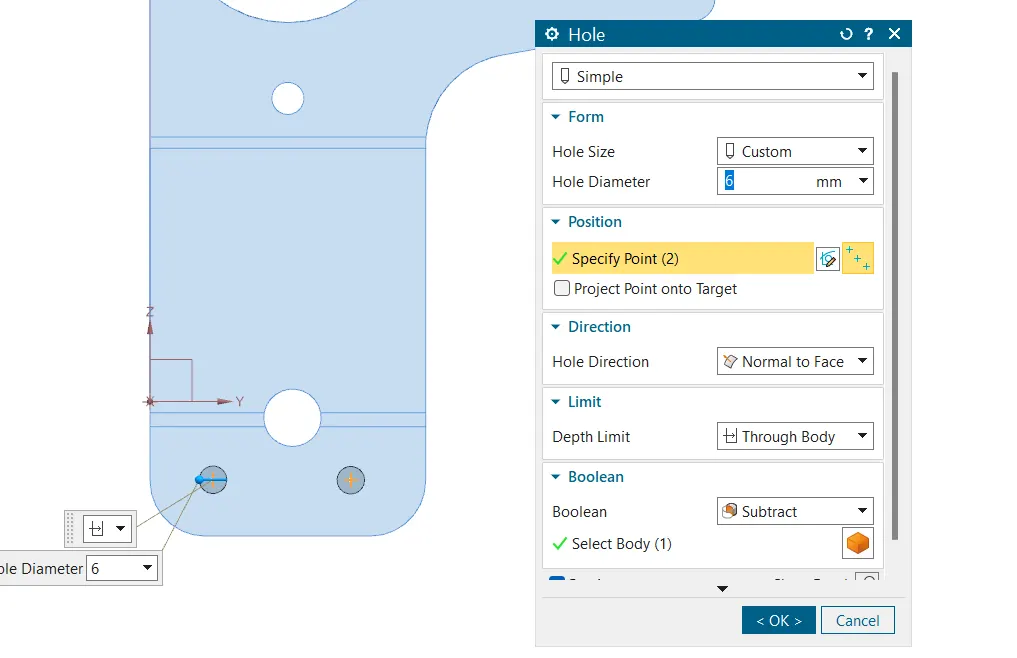
- Adding hole to the sheet by creating the sketch for the normal cut out hole.
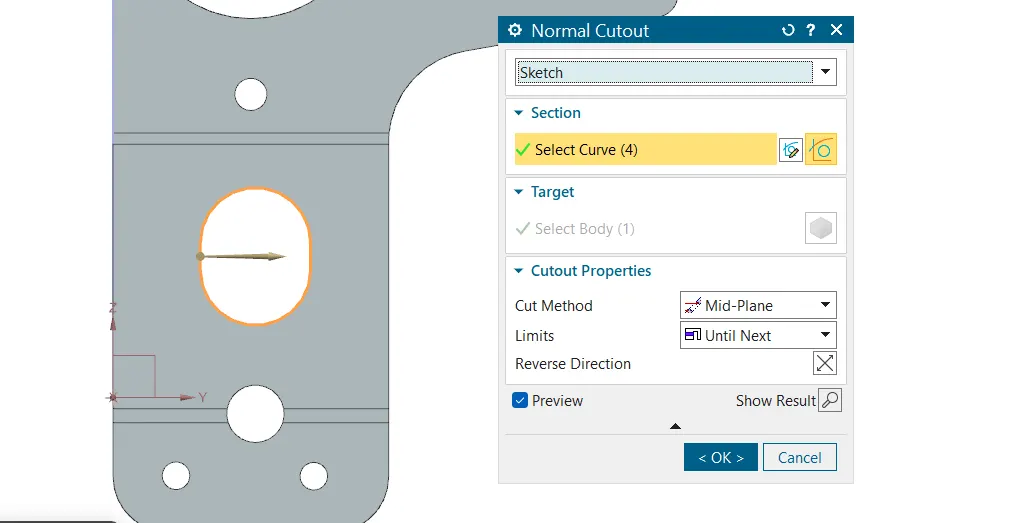
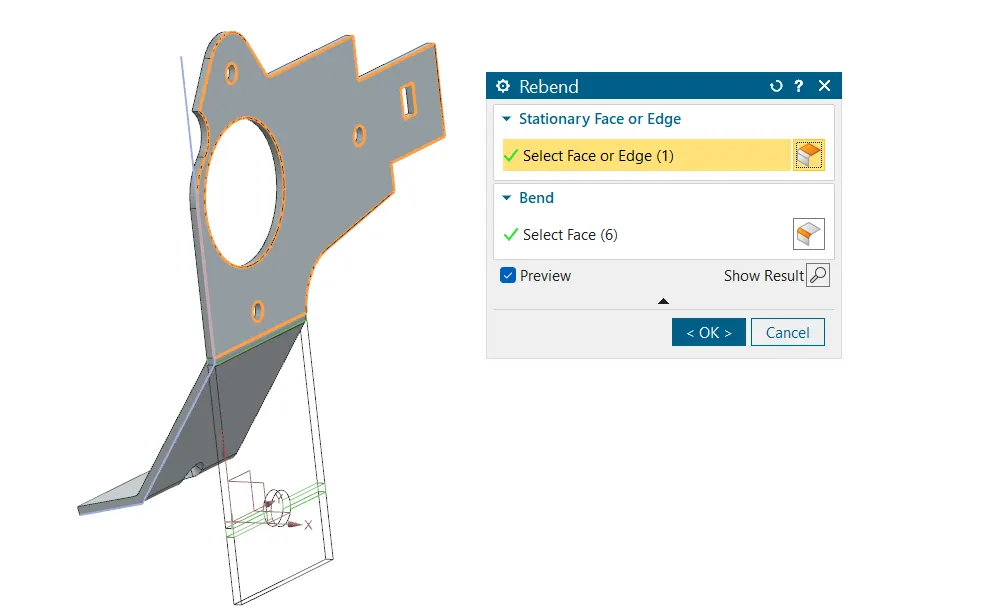
- Re bending the sheet to check the reversibility of the sheet.
- Un bending the Sheet to falTtening the shape
- Creating the sketch for the hole with diameter 6 mm on the flat sheet.
- Re bending the sheet to give the required shape.
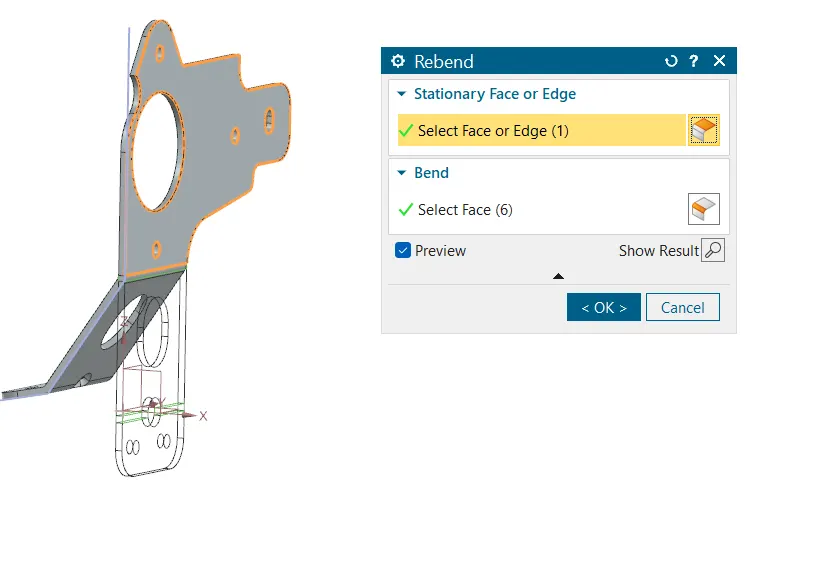
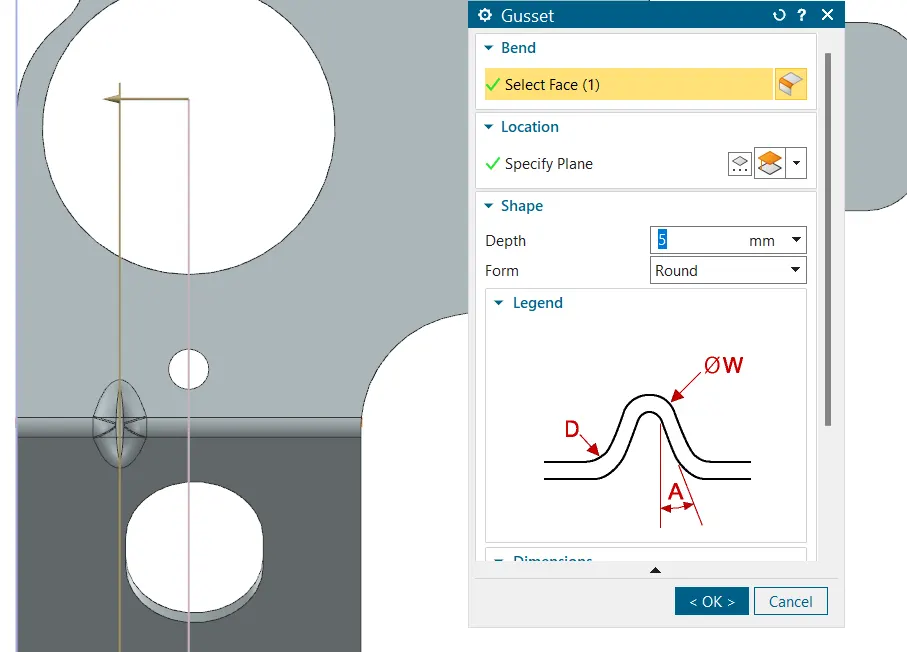
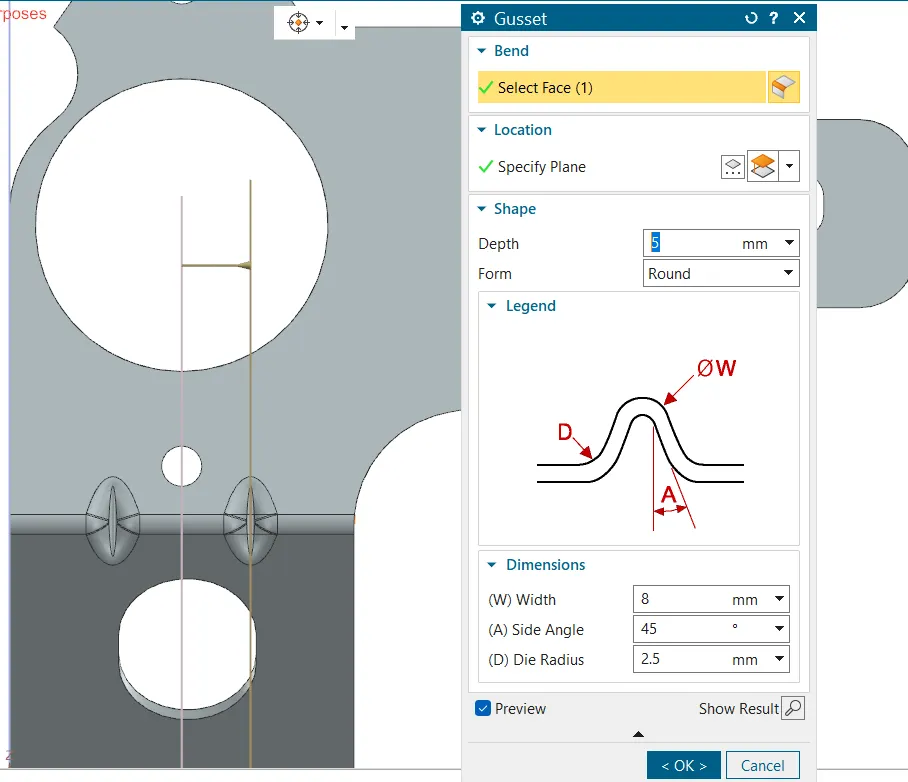
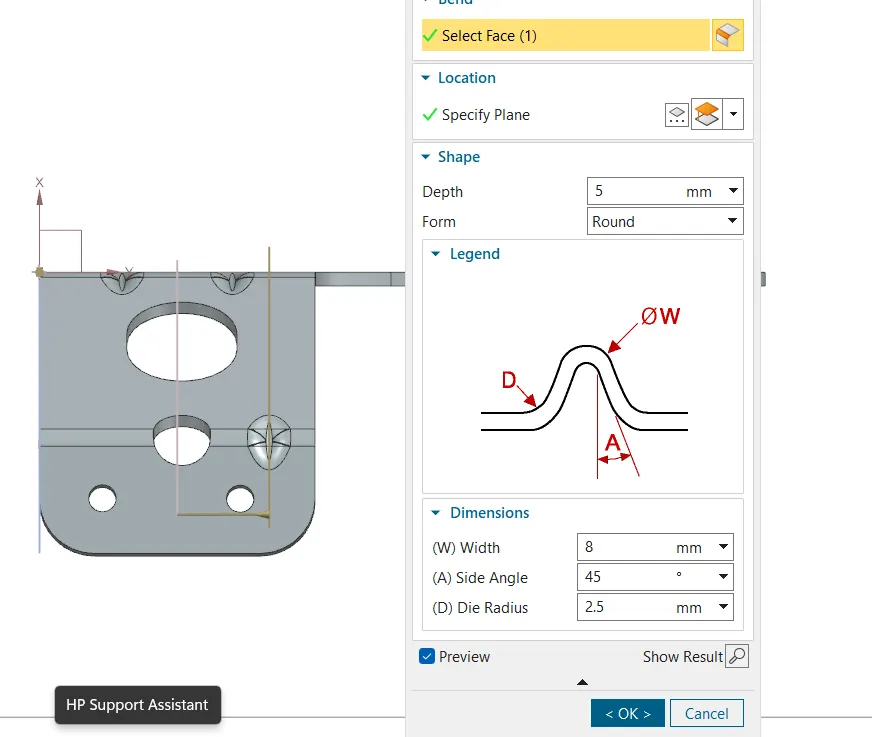
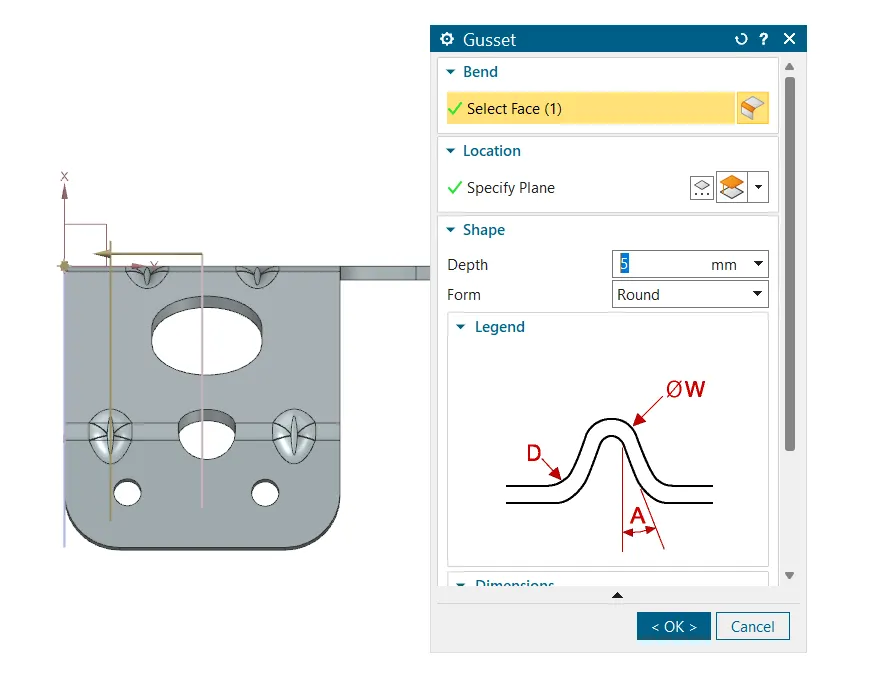
- Giving the gusset tool to the bed surface of the sheet metal of a depth of 5mm.
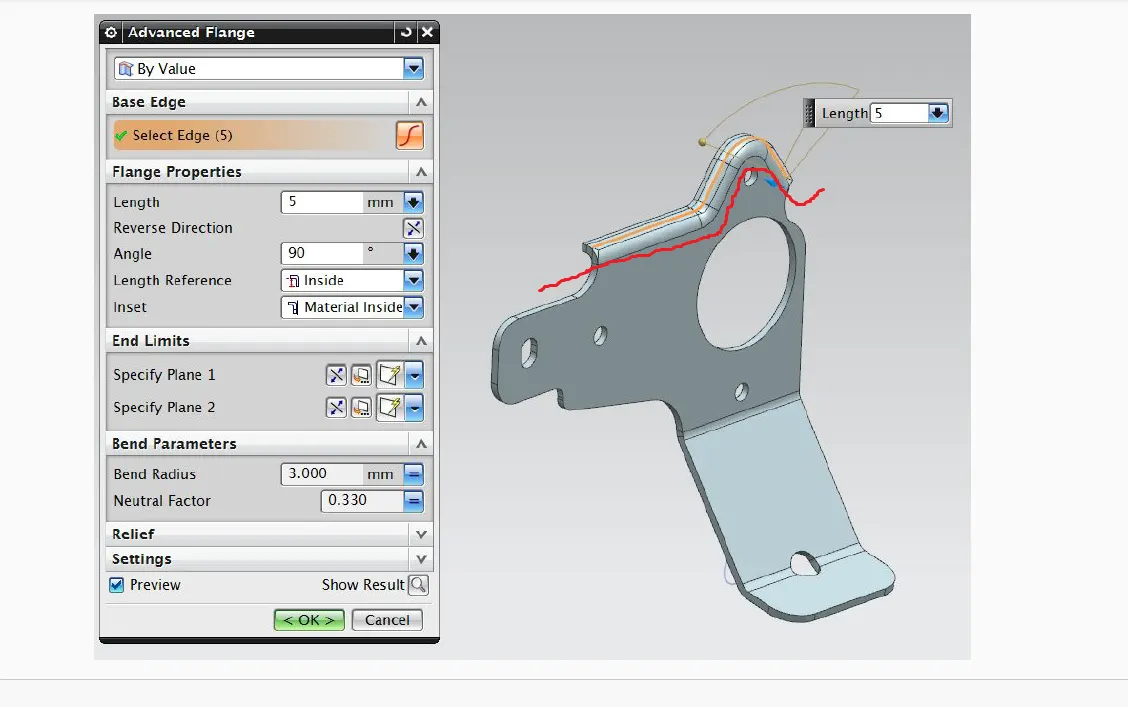
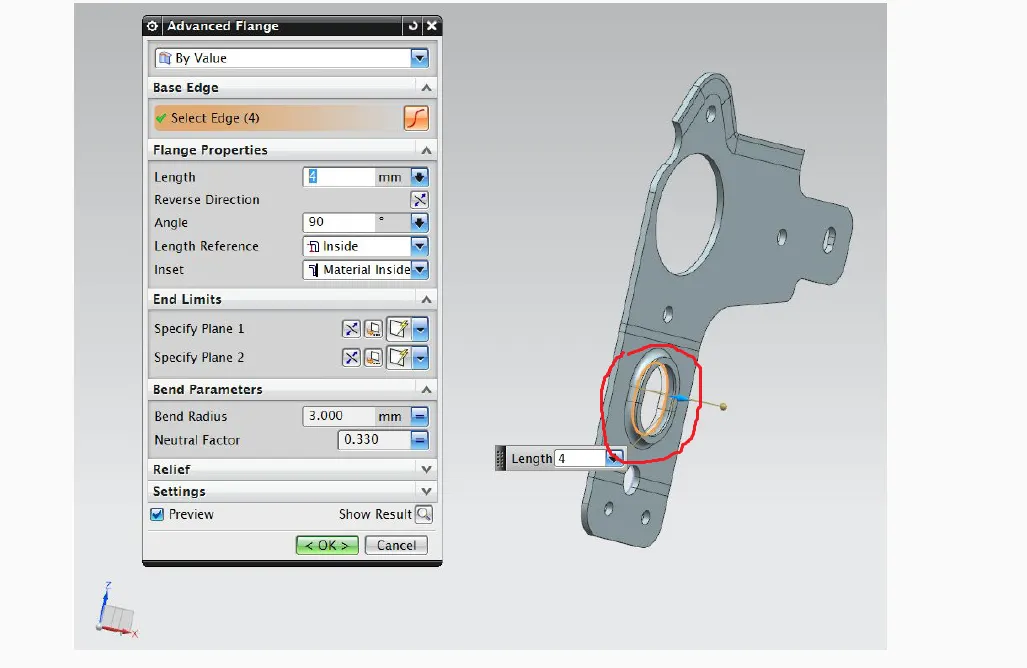
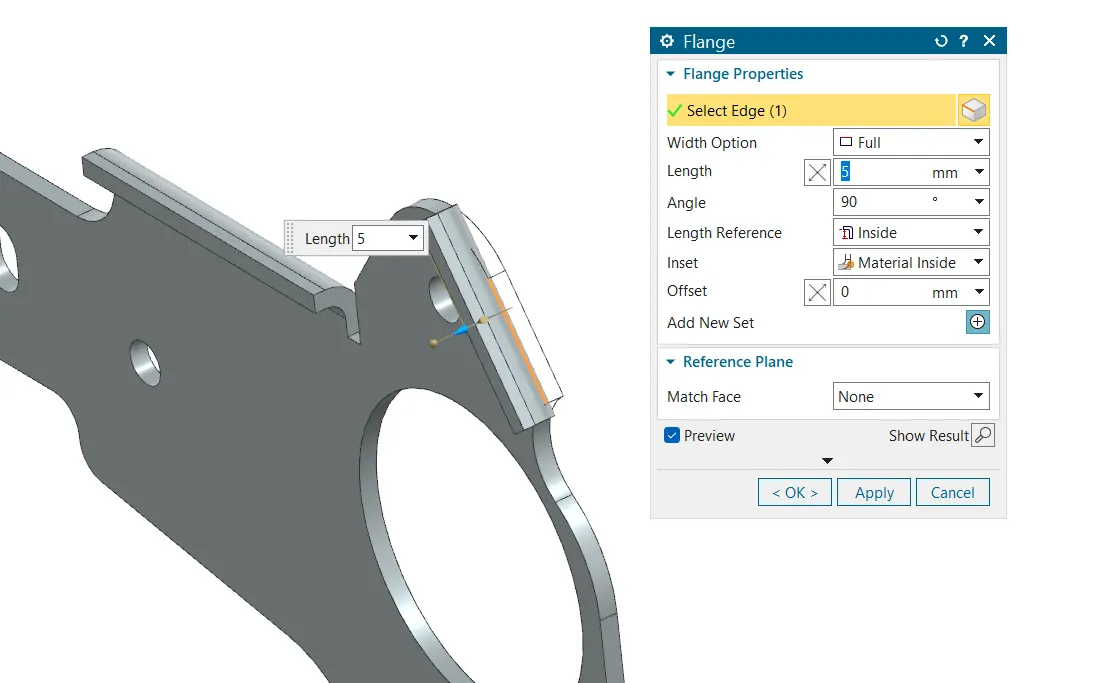
- The advanced flange cannot be created because of the licence issue of the software ( Student version). I have tried by creating the offset curve method and close corner method but it was un satisfactory.
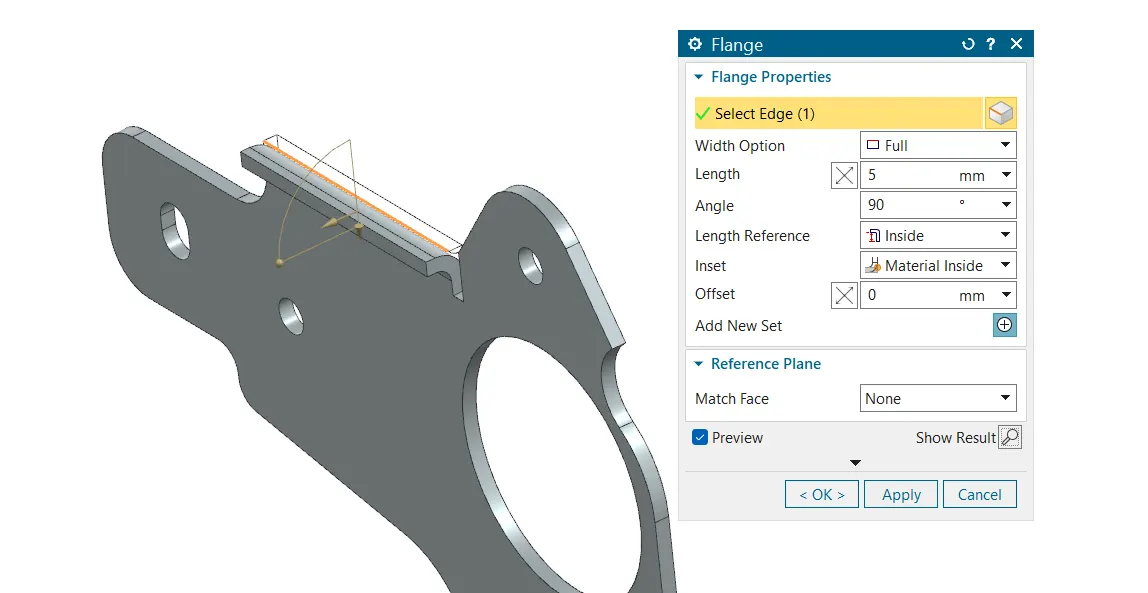
Using the flange option we can only create flange with only limited length with a straight edge.
DESCRIPTION ABOUT THE TOOLS USED
Tab
In Siemens NX, the "Tab" command is used to create a tab feature on a sheet metal part. The sheet part is mainly created using tab command. It is the base for all operation.
Counter flange
In Siemens NX, a counter flange can be designed and modelled using the various tools and features available within the software. Siemens NX is a powerful CAD/CAM/CAE software used for product design, engineering, and manufacturing.
Normal cut out
In Siemens NX, creating a normal cut out is a common operation used to remove material from a solid body in a way that the cut is normal (perpendicular) to a specified face.
Advanced flange
Creating advanced flanges in Siemens NX involves using its robust set of tools for 3D modelling and design. Siemens NX is a powerful CAD (Computer-Aided Design) software widely used in industries for designing complex components, including flanges.
Gusset
The Gusset tool in Siemens NX is used to create gussets, which are structural elements added to a design to provide reinforcement and increase the rigidity of a structure. Gussets are typically triangular or trapezoidal in shape and are used in sheet metal, welded structures, and other fabrication contexts.
Break corner
The Break Corner tool in Siemens NX is used to create rounded or chamfered edges on a solid model, enhancing both the aesthetics and functionality of a part by eliminating sharp edges that might be prone to damage or difficult to handle. This tool can be particularly useful in various stages of design and manufacturing.
Bending , unbending and Re bending
The Bend tool in Siemens NX is a powerful feature used in the sheet metal design module. It allows designers to create bends in sheet metal parts, which are essential for manufacturing processes like bending, folding, and forming.
The Unbend tool in Siemens NX is a feature used in the sheet metal design environment to flatten a bent sheet metal part, allowing for further operations or analysis in its flat state. This tool is essential for sheet metal design as it helps engineers and designers visualize and work with the flat pattern of a part, making it easier to plan manufacturing processes like cutting, punching, or bending.
n Siemens NX, the Re bend tool is used in sheet metal design to adjust or modify the bend lines of sheet metal components. This tool helps you make changes to existing bend radii and angles, ensuring that the design meets specific requirements or tolerances.
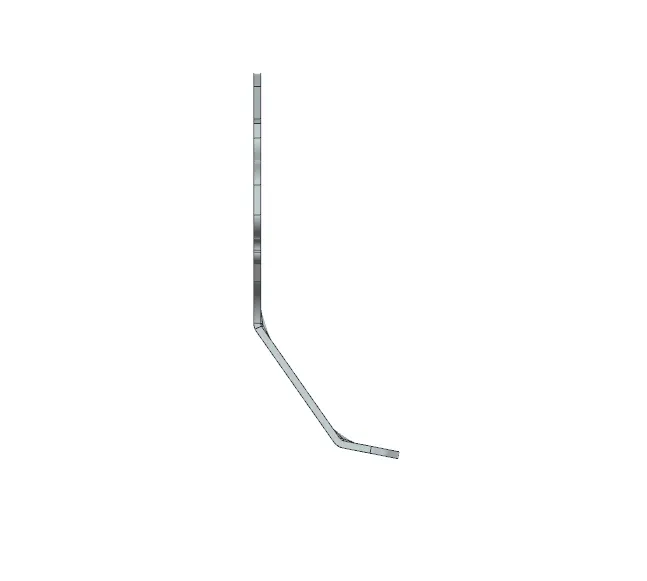
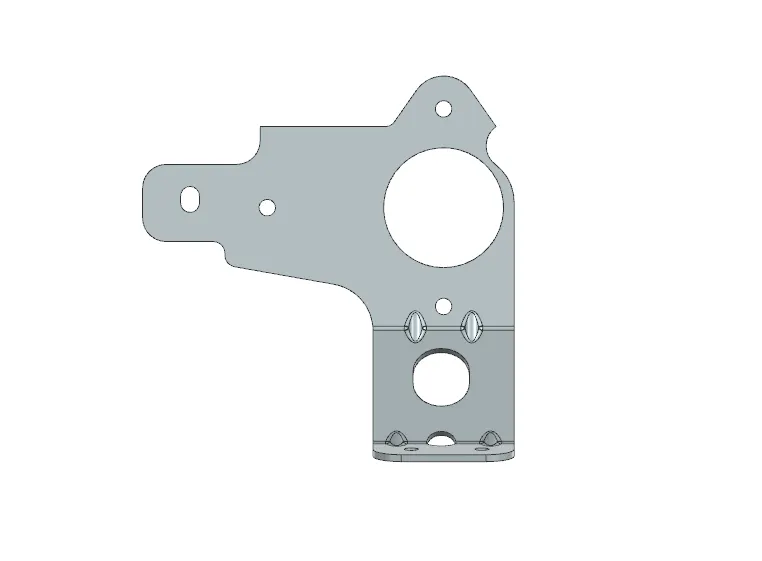
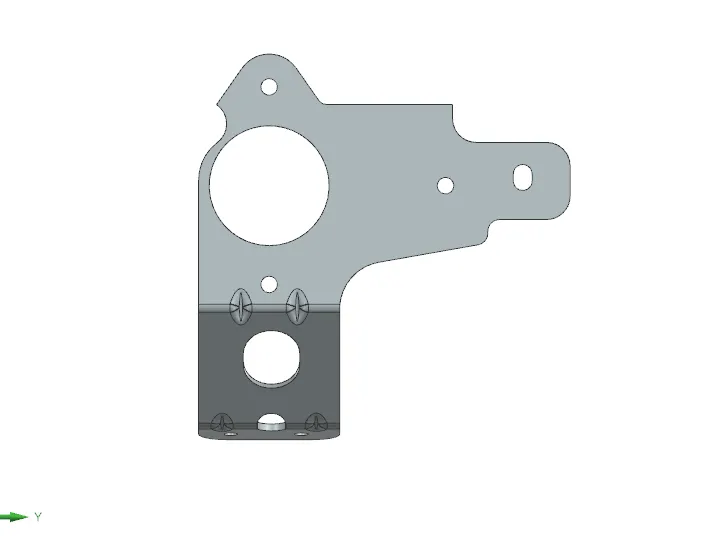
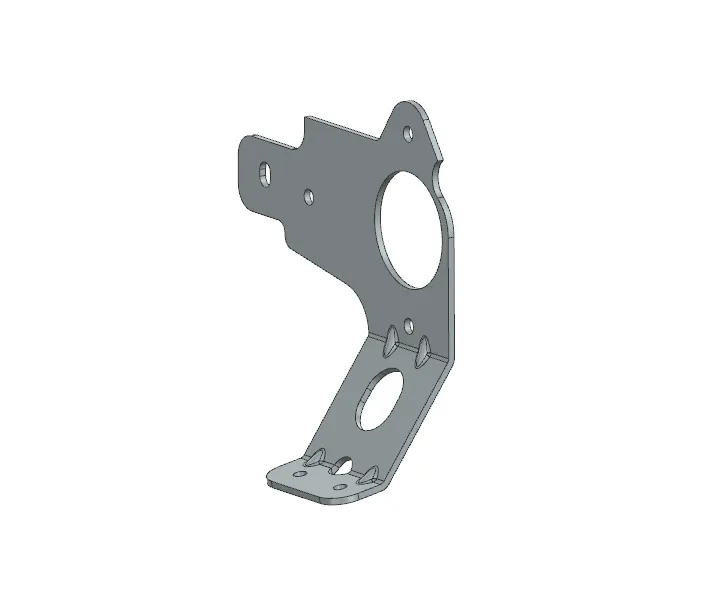
DIFFERENT MODEL VIEWS