What does the PG Program in Battery Technology teach a mechanical engineer?
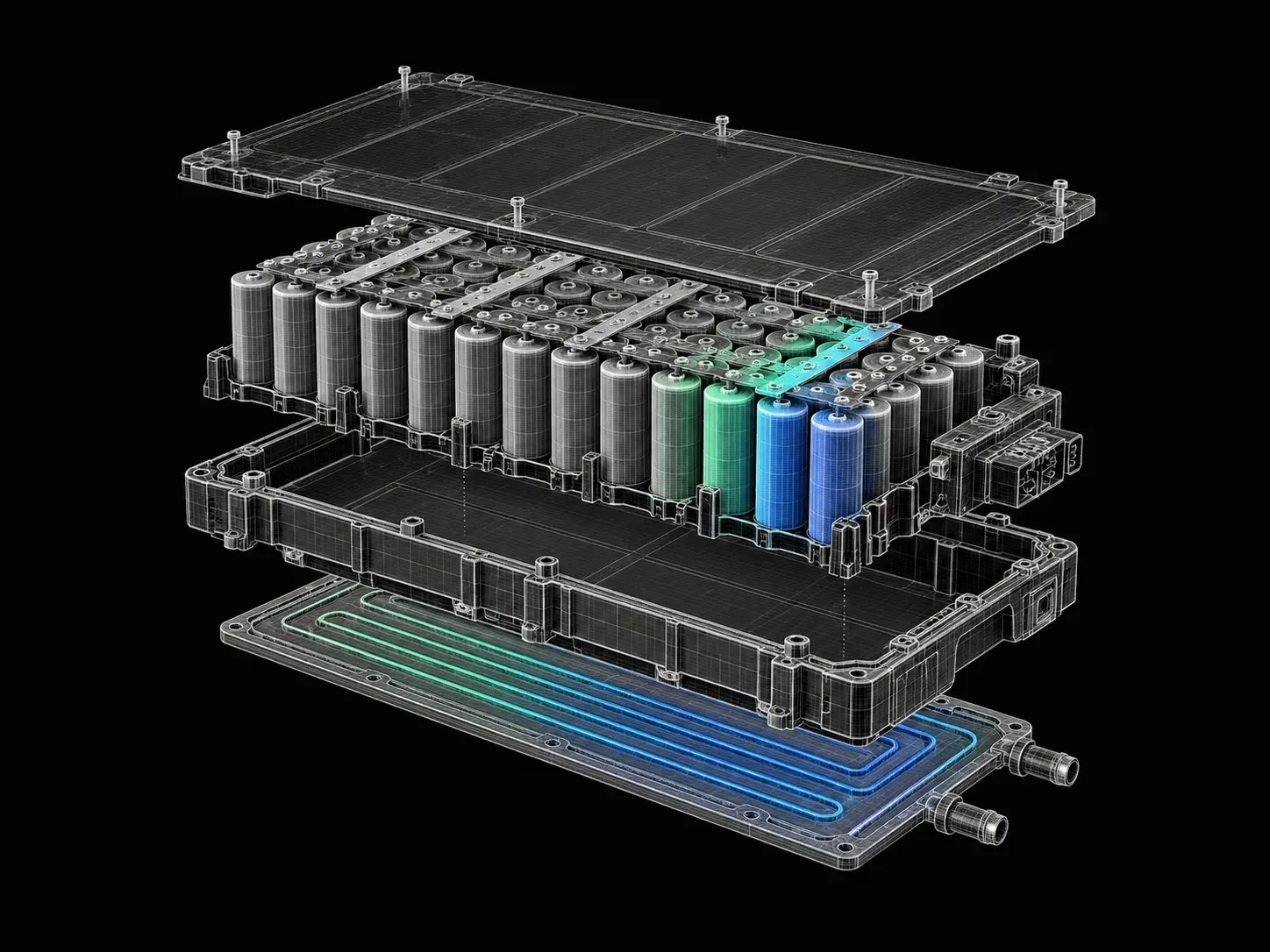
How to design a battery pack and keep it cool. Its six courses add up to 81 hours: three on batteries (cells, pack design, the BMS and thermal management) and three on CFD (meshing in ANSA, solver basics in MATLAB and OpenFOAM, and ANSYS Fluent). The program lists 14 projects, from a pack CAD model to a liquid-cooled module in Fluent.
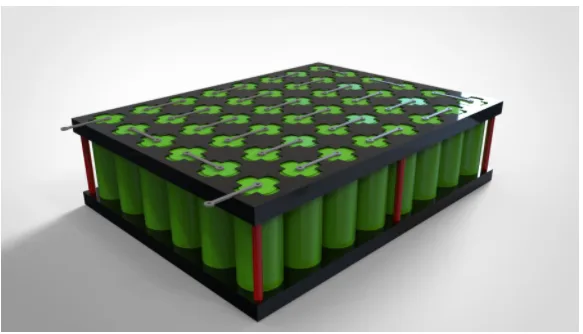
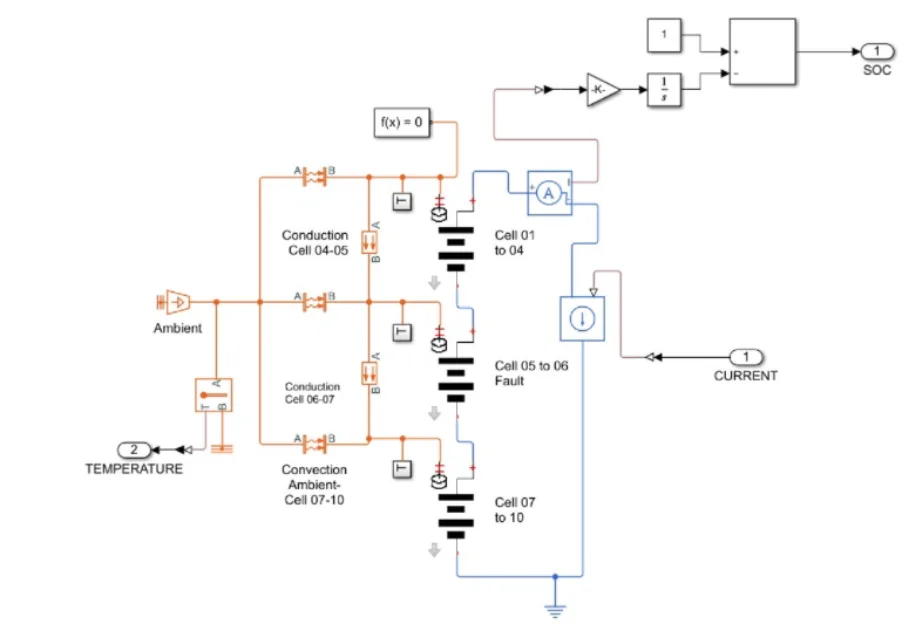
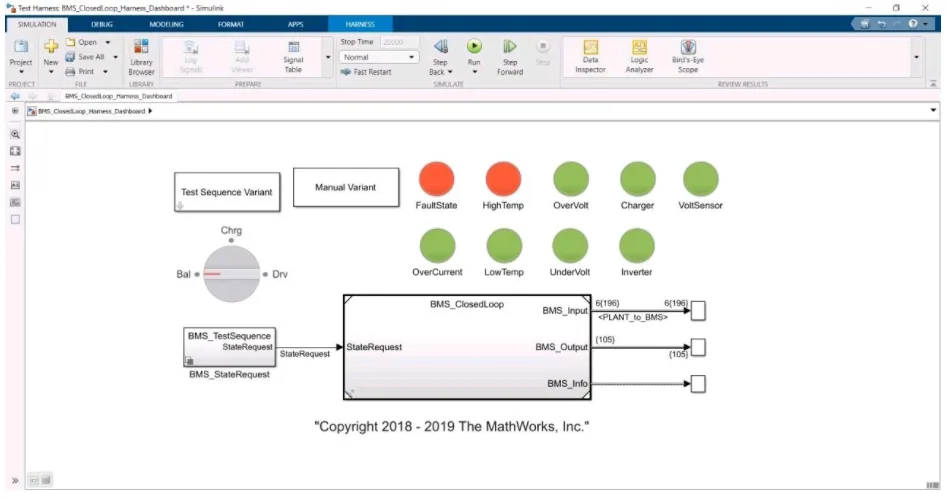
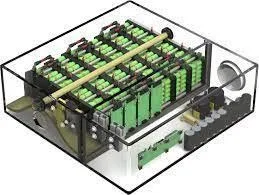
- Introduction to Battery Technology for Electric Vehicle (22 h). Cell chemistry and ratings, battery models in MATLAB, pack construction (modules, assembly methods, electrical connections, cell- and pack-level protection), the BMS, charging and a thermal-management week. Projects: a CAD model of a lithium-ion pack with series and parallel cells, connections and holders; a thermal model of a 10-cell series pack at different temperatures; BMS fault tests in Simulink. Its LMS list has 52 lessons, and it opens with an HEV introduction and a MATLAB install video before the battery material.
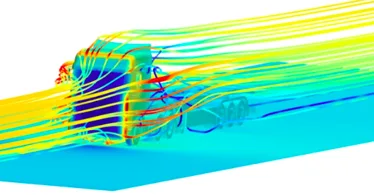
- Advanced CFD Meshing using ANSA (12 h). Geometry cleanup, then surface and volume meshes on a pressure valve, a turbocharger, a BMW M6 in a wind tunnel and a surface wrap of an engine and gearbox assembly. Project: a truck in a wind tunnel.
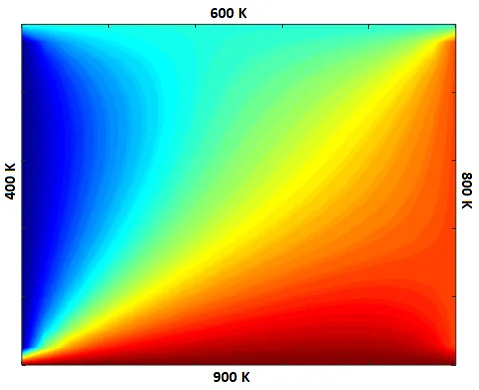
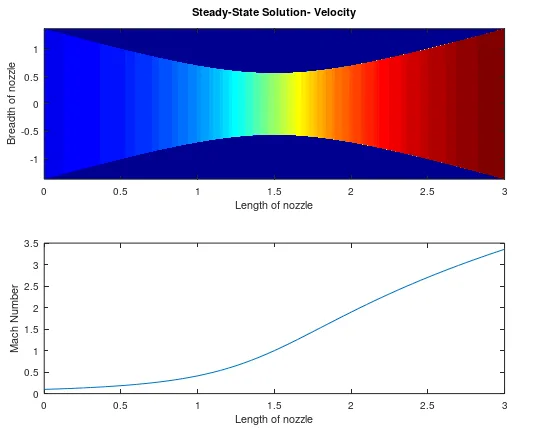
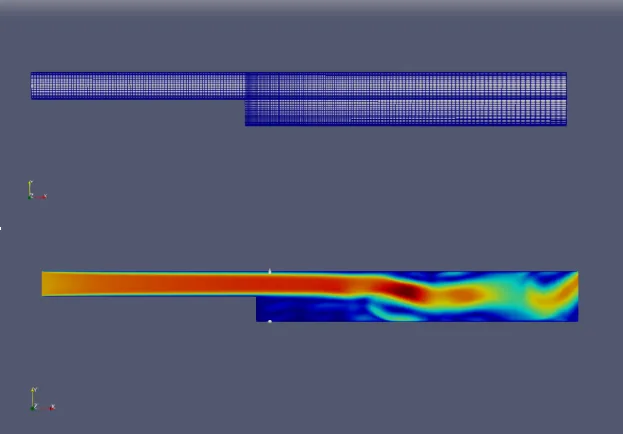
- Introduction to CFD using MATLAB and OpenFOAM (13 h). You derive the Navier-Stokes equations, write finite-difference solvers in MATLAB or Octave, then move to finite volumes in OpenFOAM on Linux. Projects: 2D heat conduction, a supersonic nozzle (MacCormack method), a backward-facing step and a scripted pipe mesh.
- Introduction to GUI based CFD using ANSYS Fluent (16 h). Laminar and turbulent flow, meshing and y+, external aerodynamics, conjugate heat transfer, particles, user-defined functions and reacting flow. Projects: conjugate heat transfer on a graphics card and oil sloshing in a gearbox.
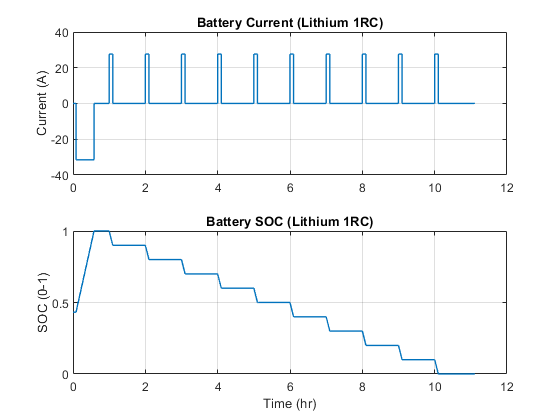
- Li-ion Battery System design in EV and ES (12 h, 52 lessons). Cells in series and parallel, ageing, the mechanical enclosure, cell testing, BMS hardware and communication, range estimation, cooling-system design calculations and high-voltage safety, including thermal runaway and fire. Projects: a 1-RC cell model in MATLAB and a pack designed to a customer requirement.
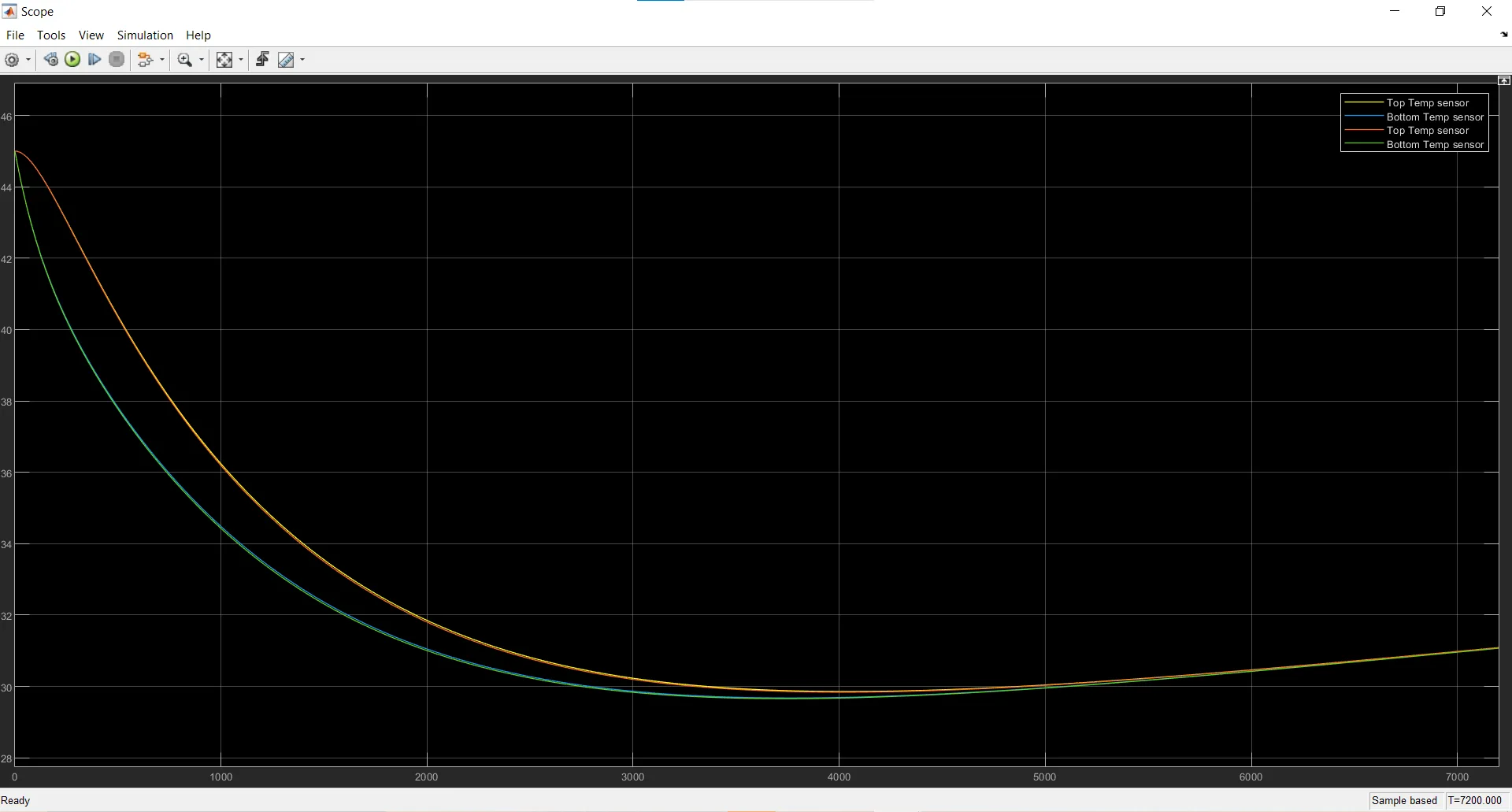
- Battery Thermal Management using Ansys Fluent and MATLAB (6 h, 22 lessons). Heat transfer, cell electrochemistry and thermodynamics, cooling methods (air, liquid, direct refrigerant, phase-change material, thermoelectric, heat pipes, PTC heaters), CFD concepts, a pressure-drop study and fan or pump selection. Projects: a 1D liquid-cooling model in Simulink, and 3D liquid- and air-cooled modules in Fluent with SpaceClaim geometry.
The rest of this guide works through the thermal side: how much heat a pack makes, how warm the cells may get, how much coolant you need, and why the program spends three courses on CFD. For cell basics, pack sizing and the BMS, see the battery technology courses.
How much heat does an EV battery pack generate? A worked example
Mostly I2R: the current squared times the cell's internal resistance. Take a pack of 96 cells of 100 Ah, each with an assumed resistance of 1.0 mΩ. At 1C (100 A) every cell makes 10 W and the pack 960 W. A 2C fast charge doubles the current and quadruples the heat, to 3.84 kW.
Internal resistance is the cell's built-in friction: part of the energy passing through it turns into heat instead of being stored or reaching the motor.
Assumed pack (round values for illustration, not a real product): 96 cells in series, 100 Ah, 3.65 V nominal, so 350 V and about 35 kWh. Each cell has 1.0 mΩ of DC resistance. In series, every cell carries the full pack current.
Qcell=I2R- 1C, 100 A (a full charge or discharge in one hour): 1002×0.001=10 W per cell. Times 96 cells, 960 W, about 2.7% of the 35 kW flowing.
- 2C, 200 A (a fast charge): 2002×0.001=40 W per cell and 3,840 W for the pack, about 5.5% of 70 kW.
Doubling the current doubled the power but quadrupled the heat. That square is why fast charging, not cruising, usually sizes the cooling system.
The catch. I2R is only the ohmic part. A 2021 review of battery thermal physics (Zeng et al., Energy Storage Materials) lists four heat sources: ohmic and kinetic losses, reversible heat from the reaction's entropy change, side reactions, and heat of mixing. Resistance also changes with temperature and state of charge, and grows as the cell ages. The thermal management course covers cell thermodynamics, and its first project models heat generation in the pack in Simulink before any CFD.
What temperature should a lithium-ion cell stay at?
Roughly 15 to 35 °C for the best life and performance, the band a 2021 review of battery thermal physics calls the conventional target. The rated limits are wider: the Panasonic NCR18650B datasheet allows charging from 0 to 45 °C and discharging from −20 to 60 °C. Cooling exists to hold the pack near the narrow band, not just inside the rated one.
- Too cold. Reactions slow down, and during charging lithium can plate onto the anode as metal. The review names this as the main low-temperature risk, and the datasheet asks for a gentle 0.25C charge below 10 °C.
- Too hot. Side reactions speed up, the SEI layer (a film that grows on the anode) thickens and capacity fades faster. Far above the window lies thermal runaway, covered in the safety week of the Li-ion system design course.
- It depends on the cell. The same review reports high-energy cells that cycled better at 40 °C than at 25 °C when charged at 1C. Start from your own cell's datasheet.
Worked example: how fast does an uncooled cell heat up? Take the 40 W per cell from the 2C fast charge above, a cell mass of 2.0 kg and a specific heat of 1,000 J/(kg·K) (both assumed). With no cooling, all the heat stays in the cell:
dtdT=mcpQ=2.0×100040That is 0.02 K/s, or 1.2 °C a minute. From 30 °C the cell reaches 45 °C, the datasheet's charge ceiling used here as a stand-in, in 12.5 minutes. A 2C charge from 10% to 80% takes about 21 minutes, so the cell would pass the limit well before the charge ends. The heat has to leave as fast as it is made.
How much coolant flow does a battery pack need? A worked example
Divide the heat by what each kilogram of coolant can carry: m˙=Q/(cpΔT). To remove the 3.84 kW of the fast-charge example with a 50/50 water-glycol coolant that warms by 5 °C, you need about 0.22 kg/s, roughly 12.3 litres a minute.
m˙=cpΔTQm˙ is the mass flow, cp the coolant's specific heat (the energy to warm 1 kg by 1 °C) and ΔT how much the coolant warms from inlet to outlet. It is an energy balance: at steady state, every watt the cells make leaves in the coolant.
Q = 200**2 * 0.001 * 96      # W: I^2 R over 96 cells at 2C
cp, rho, dT = 3500, 1070, 5  # J/(kg K), kg/m3, K
m = Q / (cp * dT)            # kg/s
print(round(Q), round(m, 3), round(m / rho * 60000, 1))
# 3840 0.219 12.3
- The coolant values are rounded from Engineering ToolBox's table for 50% ethylene glycol by mass: specific heat about 3.5 to 3.6 kJ/(kg·K) and density about 1,070 to 1,080 kg/m³ between 20 and 40 °C.
- At 1C (960 W) the same sum gives about 3.1 L/min. Allow a 10 °C coolant rise instead of 5 °C and the flow halves, to about 6.2 L/min, but the cells near the outlet then sit in warmer coolant.
- This sizes the pump's flow, not the cell temperature. How far the hottest cell sits above the coolant depends on the heat-transfer coefficient, the contact area and how evenly the flow splits between channels. That is the job of the next step.
Why is CFD (ANSA, OpenFOAM, Fluent) part of a battery program?
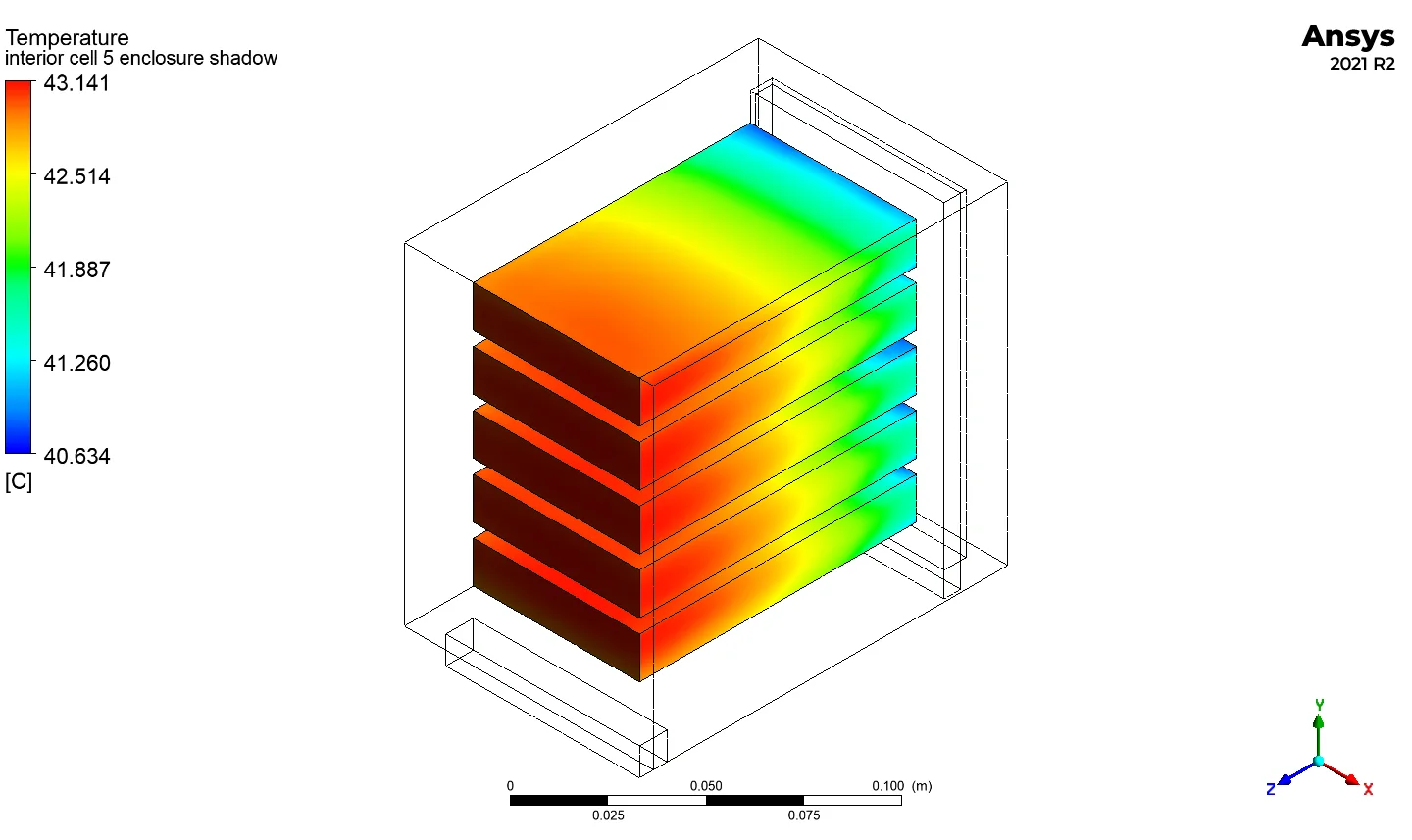
Because the energy balance gives the total flow, not where the heat goes. CFD (computational fluid dynamics: solving the flow and heat equations on a mesh of many small volumes, called mesh cells) shows the hottest battery cell, how unevenly coolant splits between channels and the pressure drop the pump must beat. The three CFD courses teach each step: meshing in ANSA, solver maths in MATLAB and OpenFOAM, and full cases in Fluent.
- Conjugate heat transfer (CHT). In a pack, heat conducts through solid cells and plates and is carried off by moving coolant. CHT solves both together. The Fluent course teaches it in week 6 with a graphics-card cooling project, and its free first lesson explains that the shared-topology feature builds the mesh interface between fluid and solid.
- The mesh decides the cost. In the free ANSA lesson, a 10 mm line meshed at 5 mm has 3 nodes, and at 1 mm it has 11. In 3D, halving the element size gives 8 times the mesh cells: a 300 × 100 × 20 mm region holds 600,000 cells at 1 mm and 4.8 million at 0.5 mm. The free Fluent lessons add that compute time can grow faster than the cell count, so you refine only where the answer changes and prove it with a mesh-independence test.
- Knowing what the solver does. The MATLAB and OpenFOAM course has you write a 2D heat-conduction solver yourself before you trust a commercial one. It is the same physics that spreads heat through a cell and its cooling plate.
- The pack itself comes in the thermal management course: geometry cleanup, meshing strategy, a pressure-drop study, fan or pump selection, then 3D models of liquid-cooled and air-cooled packs in Fluent.
For the heat-transfer background (conduction, convection and heat-transfer coefficients), see the free Heat and Mass Transfer book.
Which software does the program use, and is any of it free?
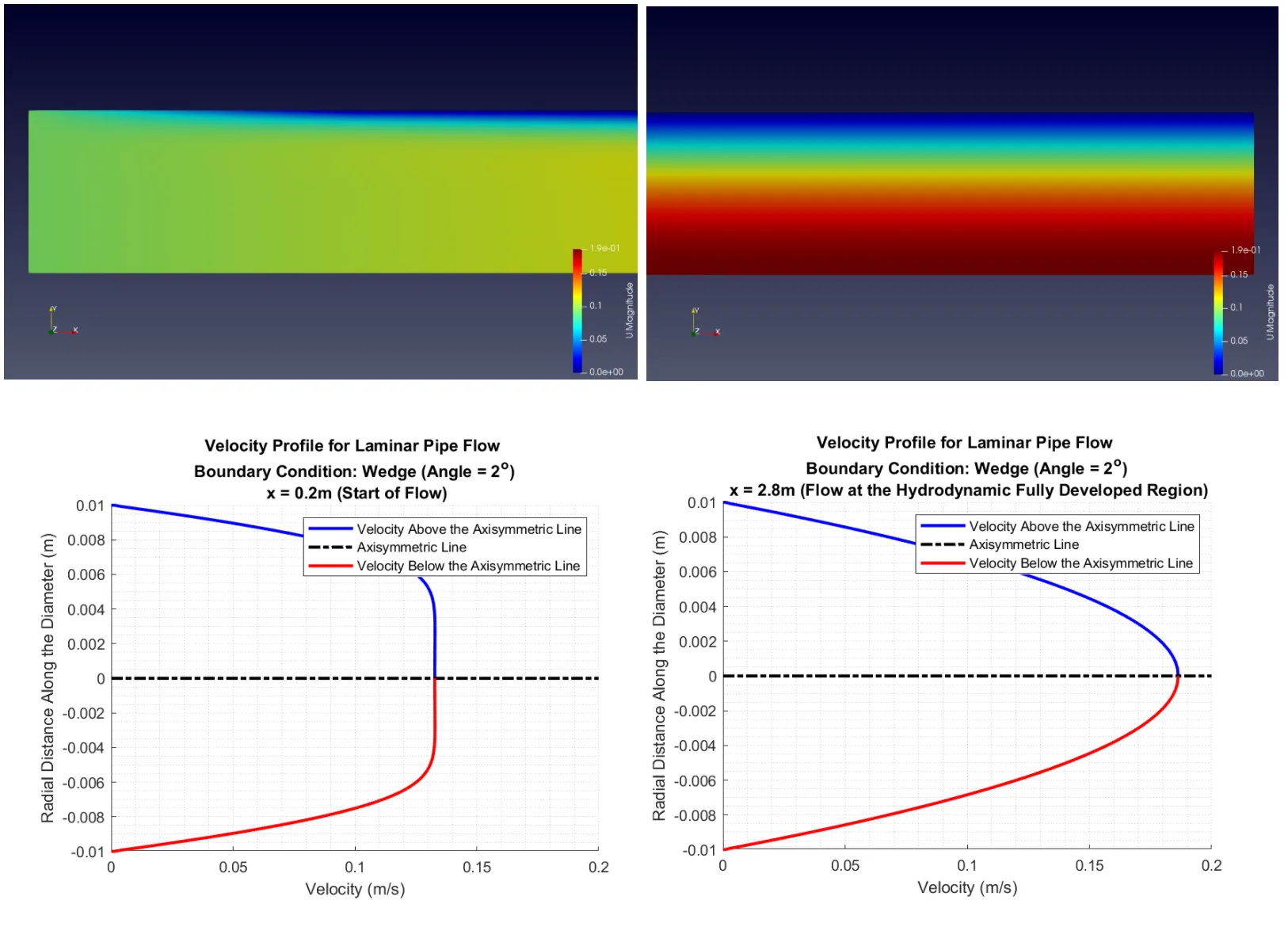
Eight tools are listed: ANSA, ANSYS Fluent with SpaceClaim and CFD-Post, MATLAB, Simulink, OpenFOAM and Octave. OpenFOAM and Octave are free and open source under the GNU General Public License. The others need commercial licences. ParaView, used to view the OpenFOAM pipe-flow results, is also free.
- ANSA: geometry cleanup and CFD meshing.
- Ansys: SpaceClaim to build and repair geometry (the last thermal-management lessons repair corrupted and missing faces), Fluent to solve and CFD-Post to plot the results.
- MATLAB and Simulink: cell and pack models, the BMS fault tests and the 1D cooling model. The two MATLAB CFD project briefs say "MATLAB/Octave", so Octave can stand in there.
- OpenFOAM: a finite-volume CFD toolbox you drive from text files on Linux.
GT-SUITE and embedded C are not in the six courses' syllabus. If you want 1D cooling-loop models in GT-SUITE or BMS firmware, plan for a separate course.
Do battery thermal and CFD skills lead to jobs?
Our records for this exact path are thin. As of 19 Nov 2026, none of Skill-Lync's 3,905 placement records comes from this program, so we can't show its own outcomes. Across all programs, 10 records name battery, BMS or thermal work in the job title. CFD-titled roles are the larger, closer market: 157 records, median ₹3.5 LPA.
- Battery and BMS titles: 7 records (one learner is listed twice) from the EV and HEV PG programs, such as Battery Design Engineer, Battery Systems Engineer and BMS Engineer, at Tata Elxsi, Tata AutoComp, HBL Power Systems and others, from 2021 to 2024.
- Thermal titles: 3 records from the PG CFD program, thermal engineers at Cyient and Tessolve.
- Disclosed pay across these 10 records runs from ₹2.1 to ₹9 LPA. That is too few for a reliable median.
- CFD in the title: 157 records from 2019 to 2024, 117 of them from the PG CFD program. The median is ₹3.5 LPA (141 disclosed) and the middle half earned ₹2.8 to 4.5 LPA. Analyzer CAE, Mechartes and Cummins hired the most.
All figures are self-reported starting offers, mostly from 2021 to 2023. See EV engineer salaries for wider data, and the BMS course comparison for how this program sits against other options.
Which Skill-Lync battery or CFD course fits you?
| Course | Length | Projects | Tools | Fee |
|---|
| PG Program in Battery Technology for Mechanical Engineers (this page)All 6: cells, pack design, BMS, cooling and CFD | 32 weeks, 81 h | 14 | ANSYS Fluent, SpaceClaim, CFD Post, MATLAB, Simulink, OpenFOAM, Octave, ANSA | ₹2,75,000 |
| Battery Thermal Management using Ansys Fluent and MATLABCooling only: air, liquid and PCM in Fluent and MATLAB | 6 weeks, 6 h | 2 | ANSYS Fluent, MATLAB | ₹40,000 |
| Li-ion Battery System design in EV & ESPack sizing, BMS, range and high-voltage safety | 12 weeks, 12 h | 2 | MATLAB, Simulink | ₹40,000 |
| Introduction to Battery Technology for Electric VehicleCells, battery models, BMS, charging and thermal | 12 weeks, 22 h | 3 | MATLAB, Simulink | ₹40,000 |
| PG Program in Computational Fluid Dynamics10 CFD courses: solvers, ANSA, Fluent, CONVERGE | 48 weeks, 125 h | 28 | ANSYS Fluent, SpaceClaim, CFD Post, CONVERGE, Paraview, MATLAB, OpenFOAM, Octave, GT POWER, GT-SUITE, ANSA, ICEM CFD, Visual Studio | ₹2,75,000 |
| Introduction to GUI based CFD using ANSYS FluentFluent only: flow, meshing and conjugate heat transfer | 12 weeks, 16 h | 2 | ANSYS Fluent, SpaceClaim, CFD Post | ₹40,000 |
Lengths, projects and fees are taken from each course page on 19 Nov 2026; fees are the Premium plan in INR, including all charges.