Week 6 Challenge
Challenge 6
Submitted by Kanala Rahul Reddy
1. Create a MicroStation rectangle, and complex line and apply civil rule features to the same with linear > match line feature definition.
Aim: To Create a MicroStation rectangle, and complex line and apply civil rule features to the same with linear and match line feature definition
Introduction:
The feature definitions can be used to define the symbology and display of the feature in all viewing possibilities, element naming, automatic selection of templates, attributes for quantity calculation of areas, and other attributes.
Procedure:
Step1: Open File
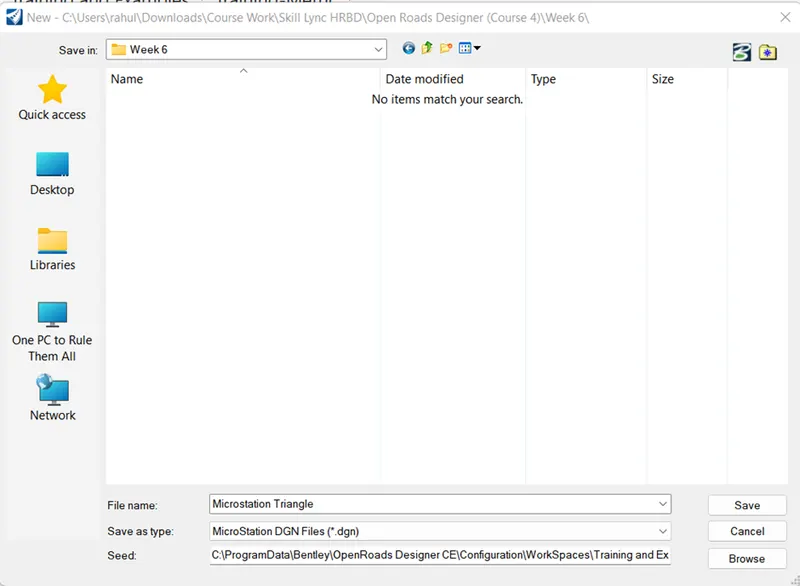
Open New File with name MicroStation Rectangle as follows with seed 2D file
Step2: Create a Microstation triangle and setting rules
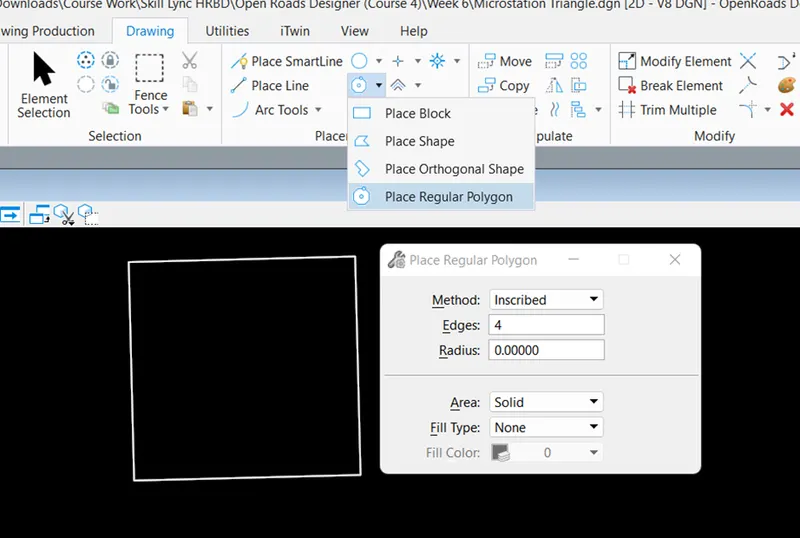
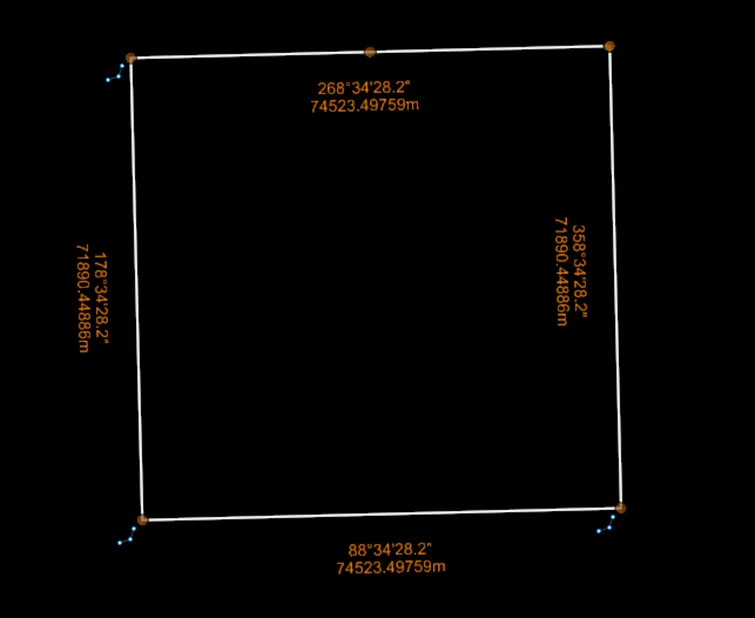
Draw a polygon of 4 sides using Polygon in the Drawing tab as follows
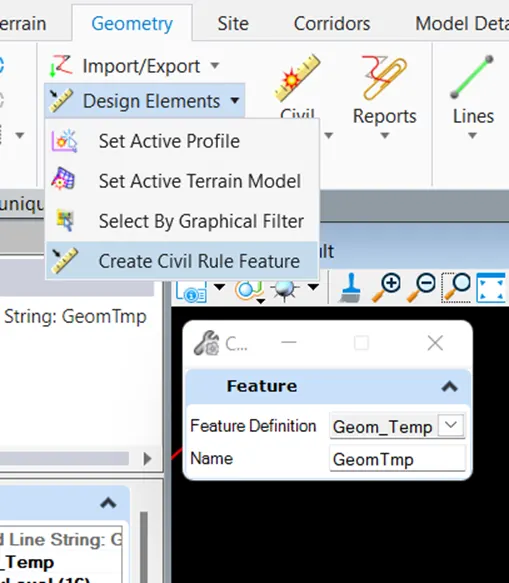
Go to the Geometry tab and Select "Create Civil Rule Feature and set feature definition as geom Temp as follows
Select the MicroStation rectangle created and civil rules are created as follows
Step 3: Complex Line
Go to the geometry tab
Draw a line using a Line between points
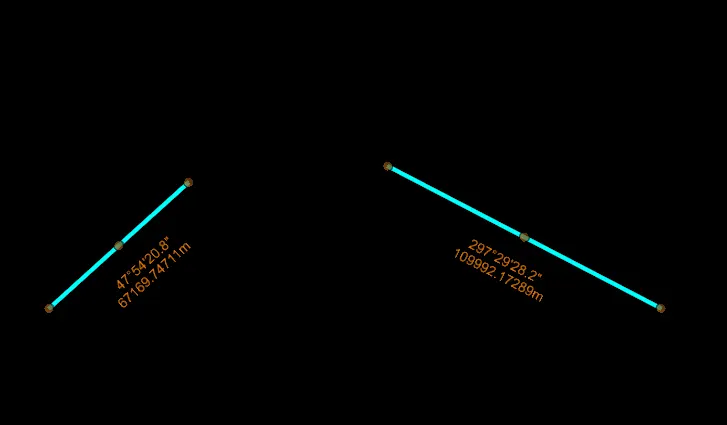
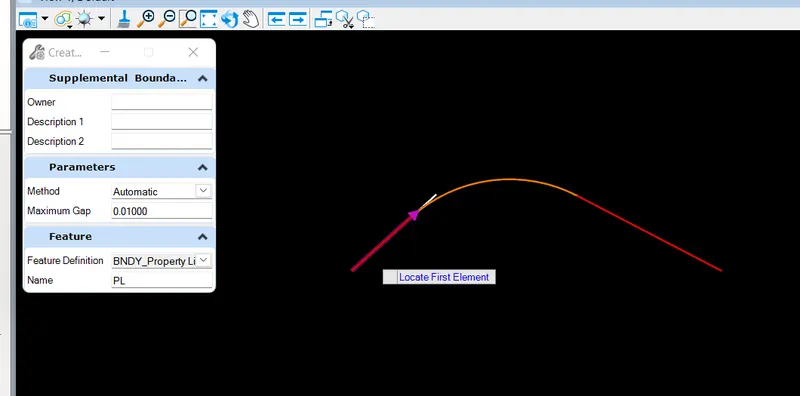
Draw a curve using the Curve between elements as follows with feature definition as Geombase line
Select Complex by element and set method as automatic
Result:
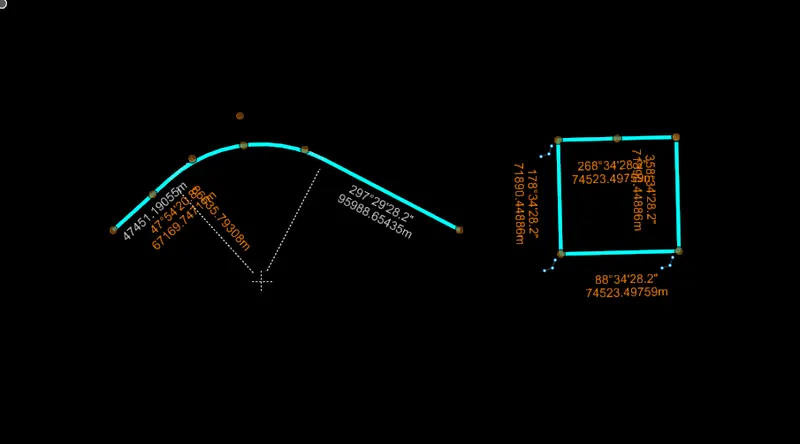
The rectangle and complex line with feature definition is as follows
2. Build geometry of your own parameters with the geometry builder tool.
Aim: Build geometry of your own parameters with the geometry builder tool.
Introduction:
Geometry Builder tool is used on open roads to draw alignment geometry by setting coordinates and attributes.
Procedure:
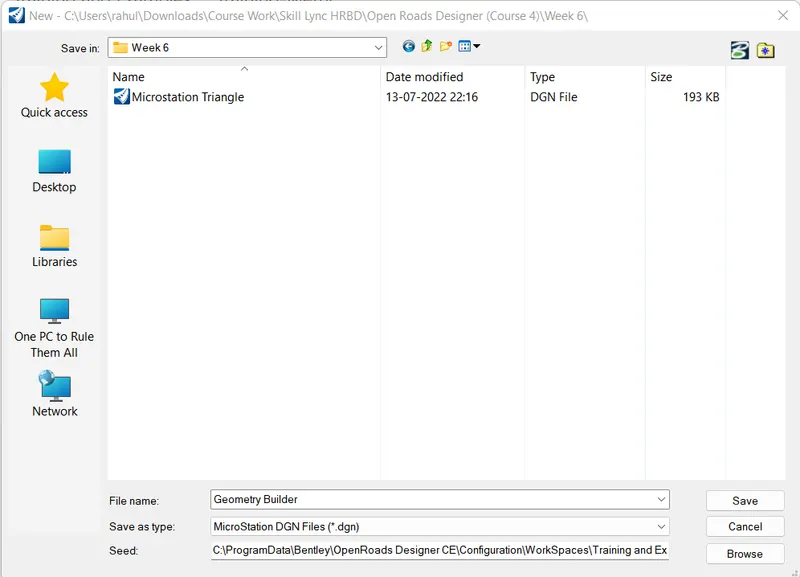
Step1: Open New File
Open a new file with the name Geometry builder
Step 2: Open Geometry Builder Tool
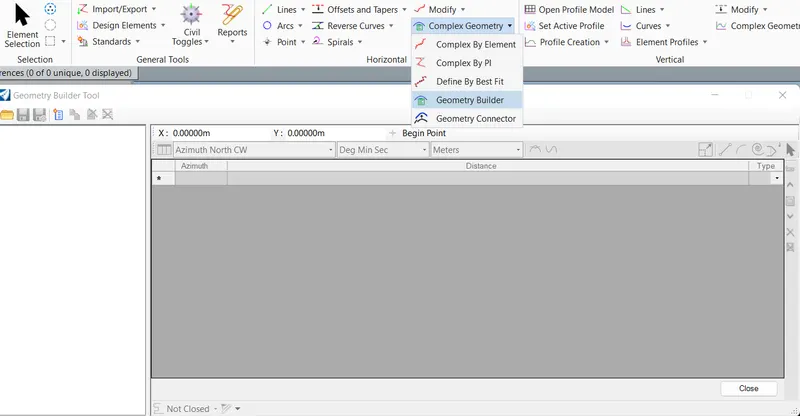
Go to Geometry Tab and Click on Complex Dropdown
Click on Complex geometry builder
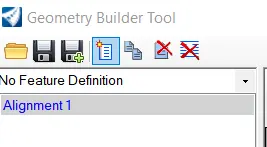
Click on Add geometry and rename as Alignment 1
Click on Begin Point and click somewhere on the screen
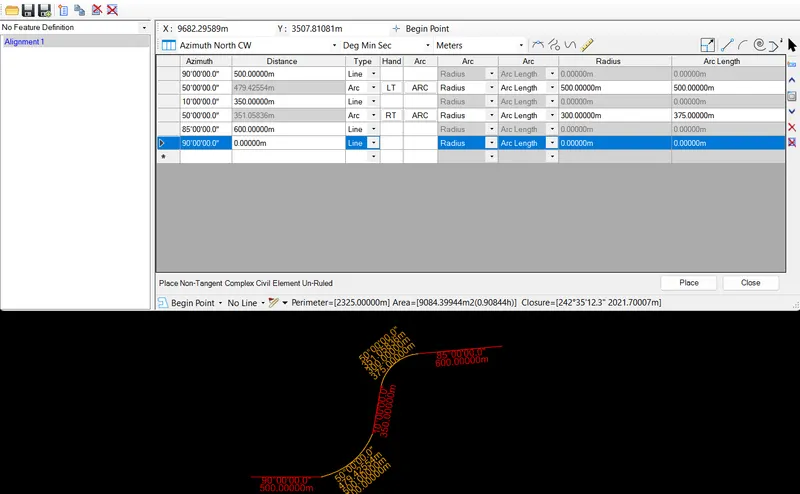
Click on Angle and set as 90 and length as 500
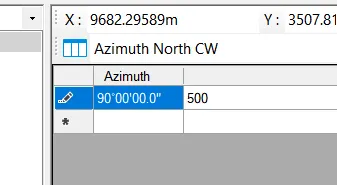

Clcik on the below row to show the drawn line
Set second as a drawn arc and Set Hand as LT
Set angle as 50 set radius as 200 and arc length as 50 as shown below
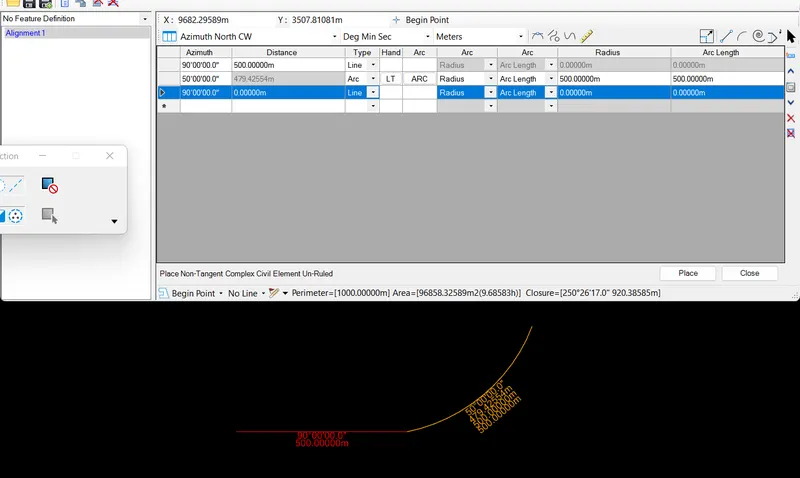
Click on the below row to show the curve
Set the next as a line and set the angle as 10 and length as 350
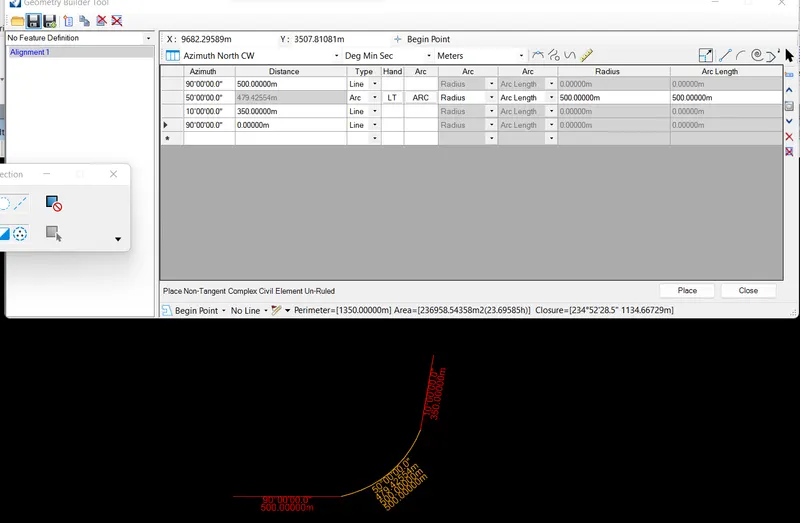
Clcik on the below row to show the drawn line
Set second as a drawn arc and
Set angle as Hand as RT 50 set radius as 200 and arc length as 50 as shown below
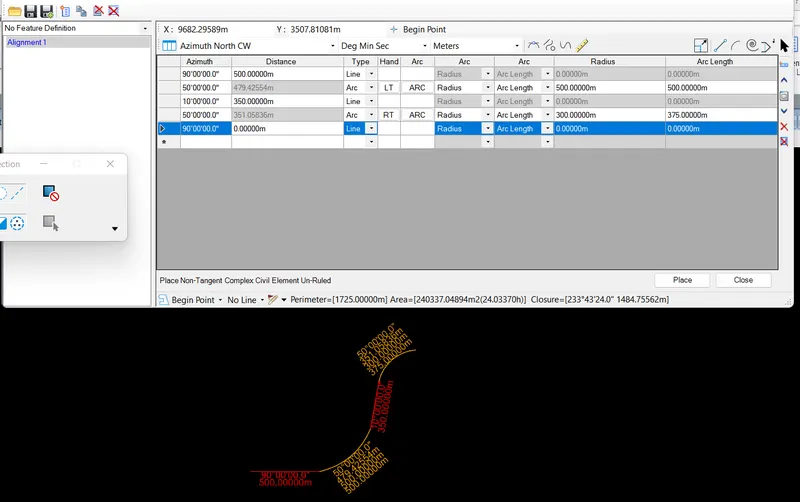
Click on the below row to show the curve
Set the next as a line and set the angle as 70 and length as 600
Clcik on the below row to show the drawn line
Result:
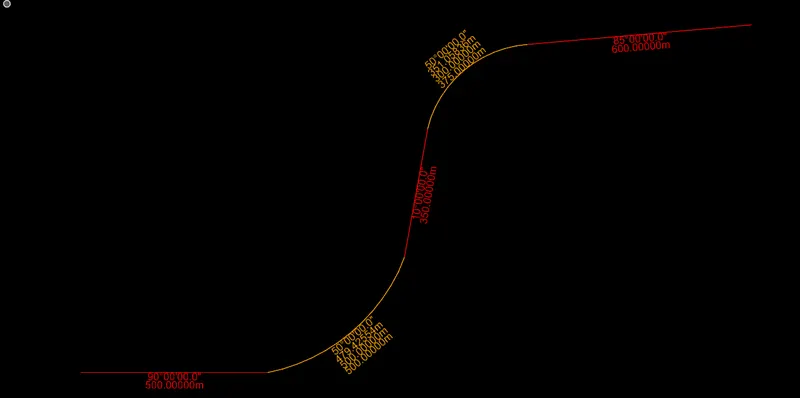
Geometry created using the Geometry builder tool is as follows
3. *Design an alignment on the 1st intersecting street. Design the proposed profile for the same. Name the alignment as “INT_01” and “PGL_INT_01”. Assign stationing starting from the start of the alignment with 50+00.
Aim: To Design an alignment on the 1st intersecting street
Introduction:
Road alignment is the positioning of the centerline of the highway or road. It is also called highway alignment.
- Simply, it is the direction through which the road will pass.
- Road alignment provides proper guidance to pass the road through the path which is most economical, easy to construct, and free from conflicts.
Result of Improper Road Alignment
Improper road alignment leads to the following:
a. Increase in the rate of accidents.
b. Increase in construction and maintenance costs.
c. Increase in the vehicle operating cost. Also leads to the discomfort of the users.
d. Decrease in durability and strength of the road
Procedure:
Step1: Open File
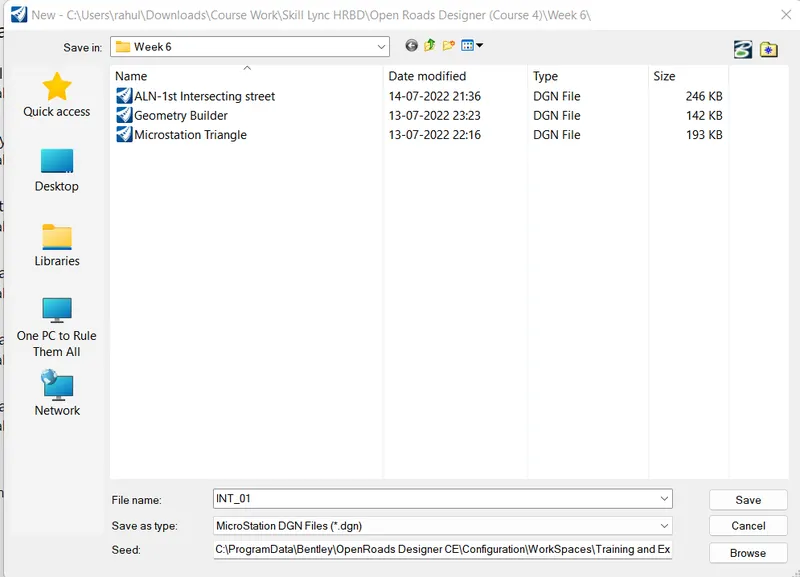
Open New File with name ALN-1st Intersecting street as follows with seed 2D file
Step2: Attaching Elements
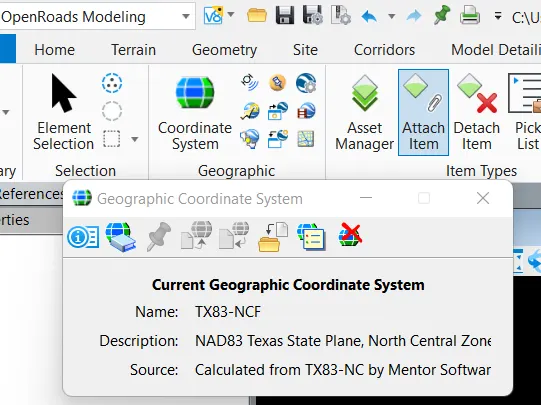
Go to the utility tab and set the coordinate system as follows
Import Topo ROW Existing and ROW Proposed as follows
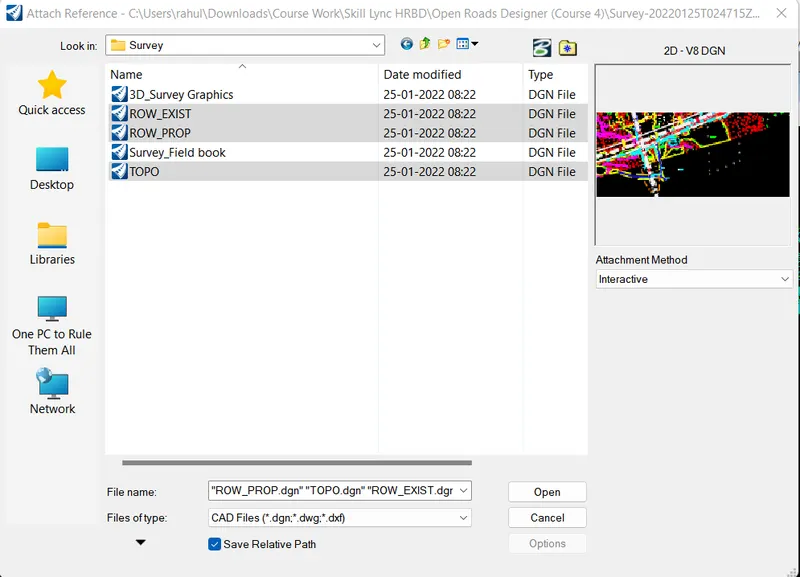
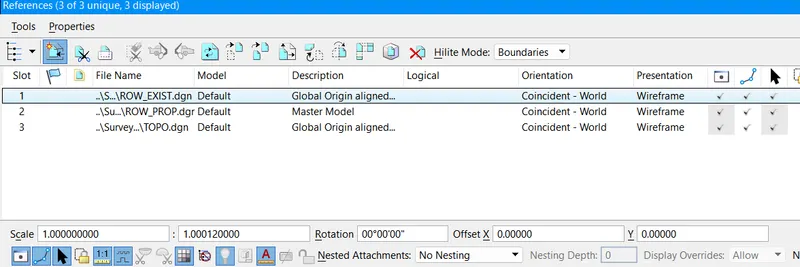
Adjust scale factor as above
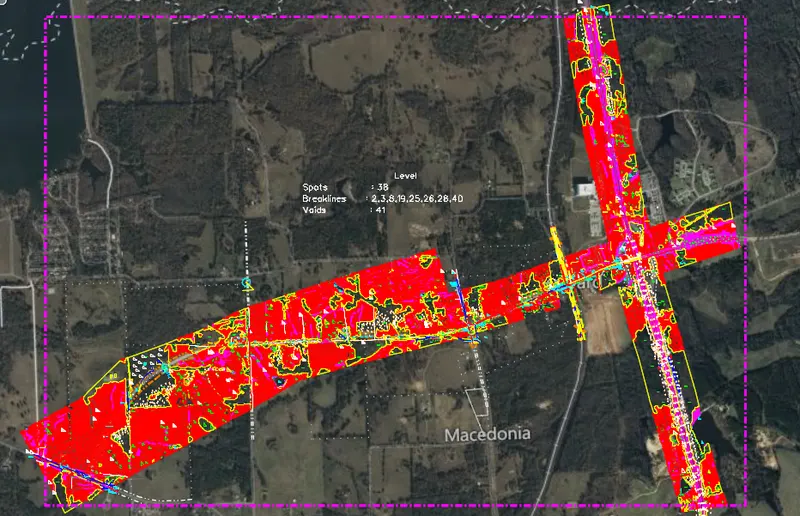
Hide unnecessary layers as follows
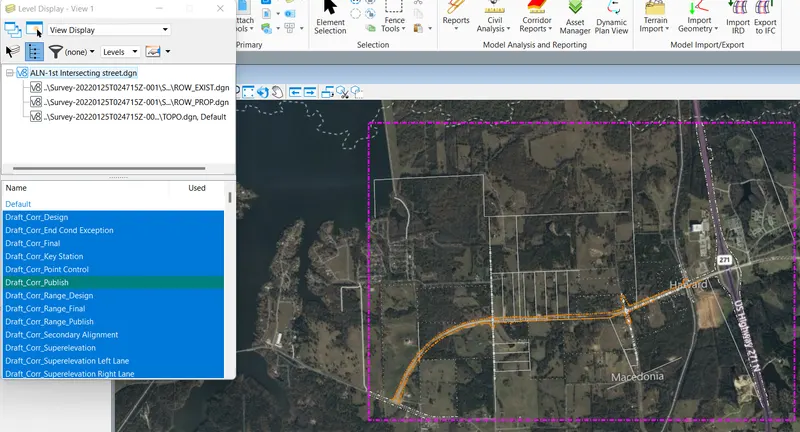
Step 3: Drawing Alignment
Go to the geometry tab
Select Line between points
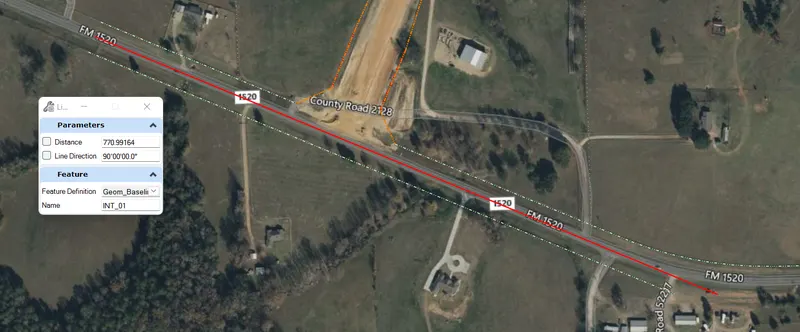
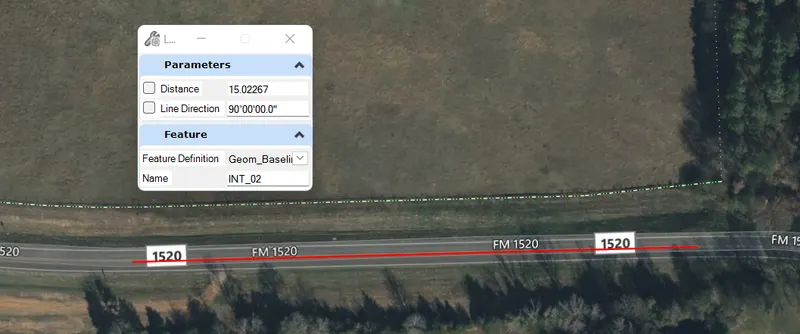
draw another tangent line along the other edge as follows
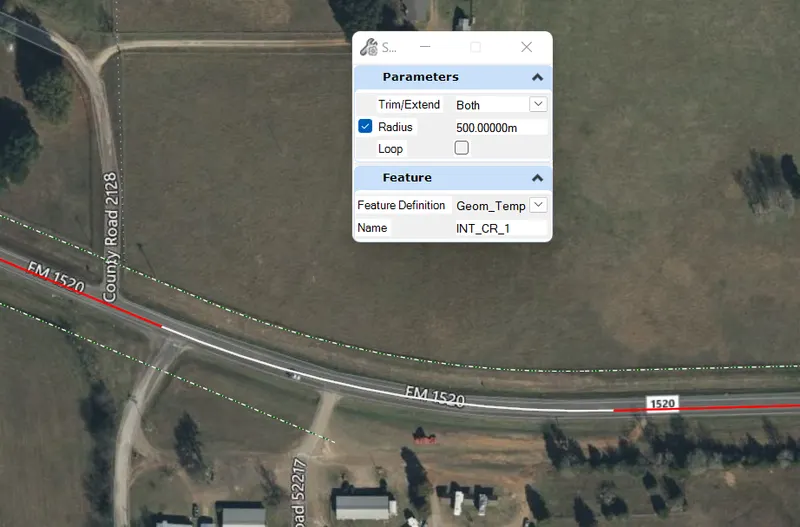
Using a Curve between elements draw a curve between two lines drawn as follows
Similarly, draw the extended alignment as follows
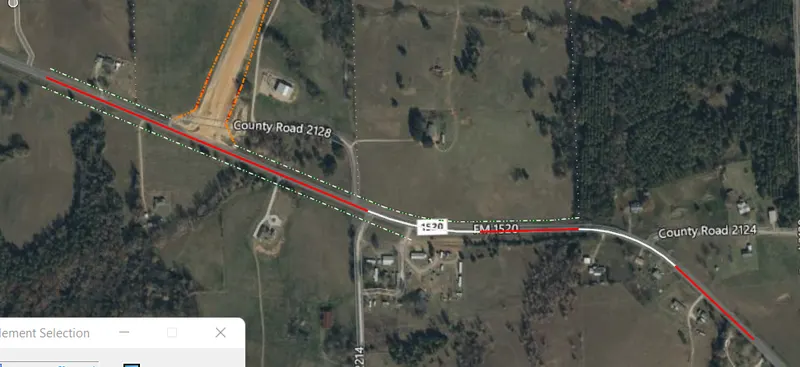
Convert the element drawn in to complex as follows
- Set method as automatic
- Set Feature definition as Geom Temp and Name as INT_01
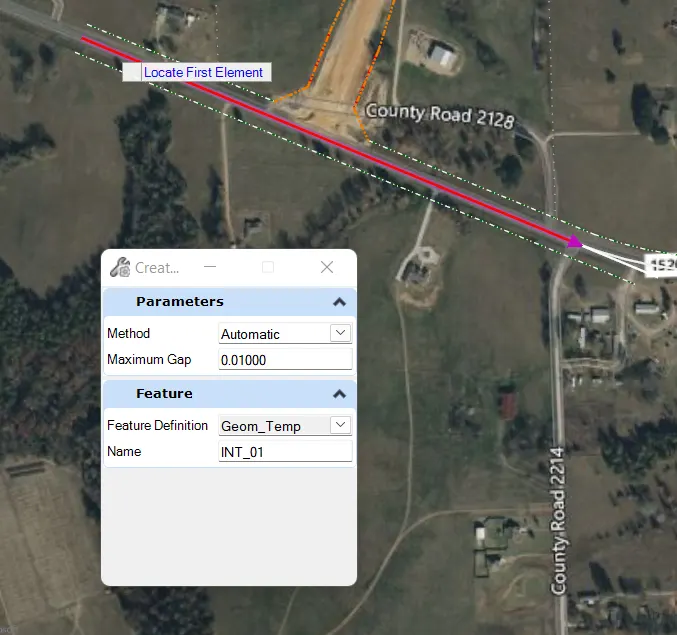
Result:
The Elements converted into the complex are as follows
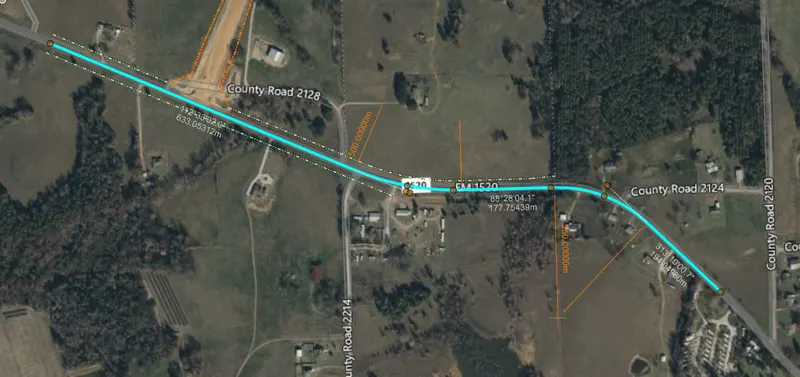
4. *Design the roadway layout for this intersecting street till the survey/topo limits. Use the above alignment as a starting point. Refer to the parameters from week 5 challenges # 01, 02. Create driveway and intersection openings referring to the background imagery.
(* Use best practices. Check snaps. Check tie-in conditions in the plan and profile to existing conditions. Use proper feature definitions. Use appropriate geometry)
Aim: Design the roadway layout for this intersecting street till the survey/topo limits
Introduction:
Road alignment is the positioning of the centerline of the highway or road. It is also called highway alignment.
- Simply, it is the direction through which the road will pass.
- Road alignment provides proper guidance to pass the road through the path which is most economical, easy to construct, and free from conflicts.
Result of Improper Road Alignment
Improper road alignment leads to the following:
a. Increase in the rate of accidents.
b. Increase in construction and maintenance costs.
c. Increase in the vehicle operating cost. Also leads to the discomfort of the users.
d. Decrease in durability and strength of the road
Procedure:
Step1: Open File
Open the same file created above for alignment for creating roadway edges
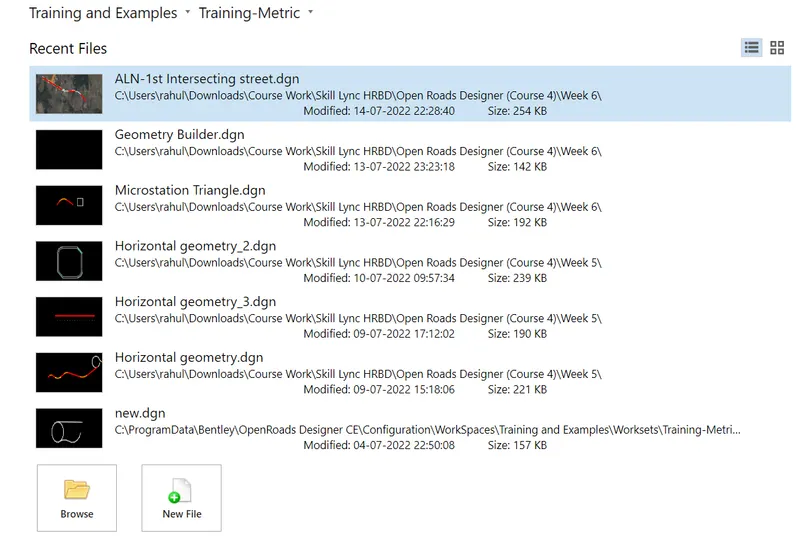
Step 2: Creating offsets to create a roadway
Off all other layers and turn on the background map
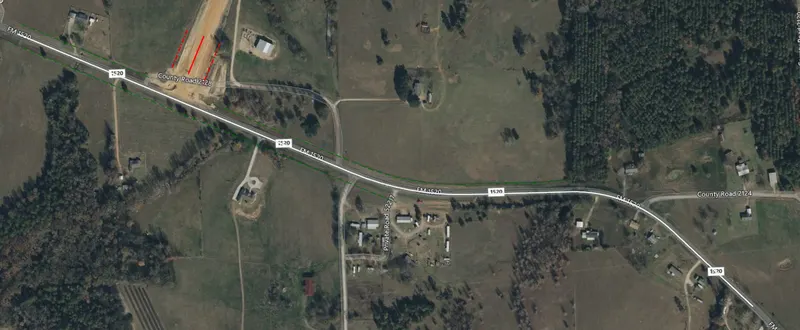
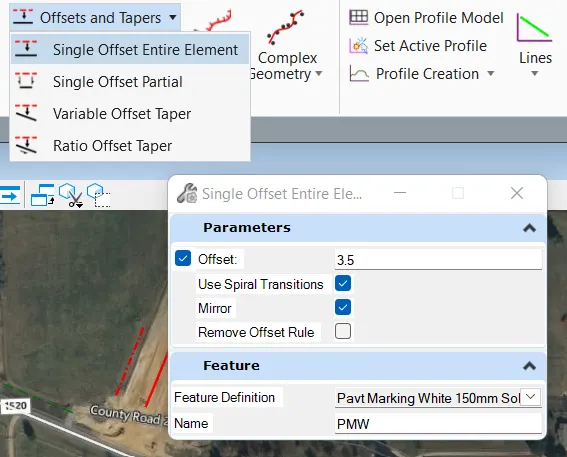
Go to the Geometry tab and click on the Offset and tapers dropdown'
Click on "Single offset entire element
- Set Offset as 3.5
- Check "Use spiral Transitions" on curves
- Check "Mirror" to create a mirror offset on another side as well
- Set Feature definition as Pavement Marking white solid marking 150mm as follows
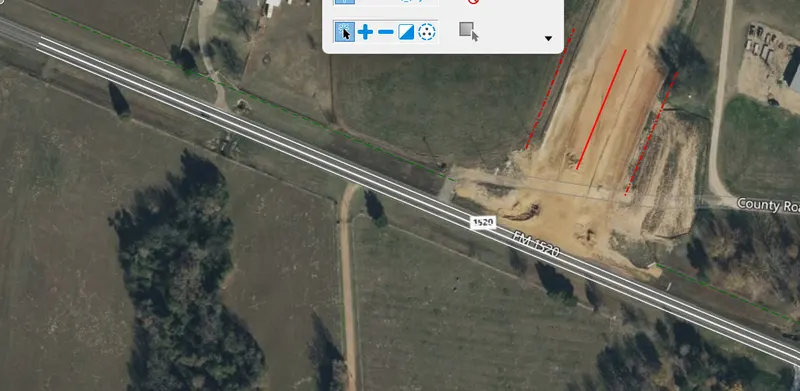
Select the complex alignment created above and reset to complete
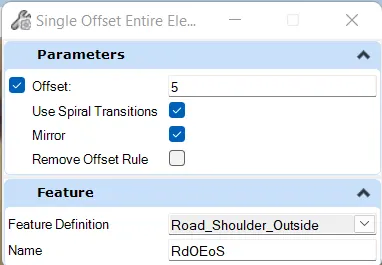
Offset again for shoulder edge
- Set Offset as 3.5m +1.5m =5m
- Check "Use spiral Transitions" on curves
- Check "Mirror" to create a mirror offset on another side as well
- Set Feature definition as Road shoulder Outside
Select the center alignment drawn above
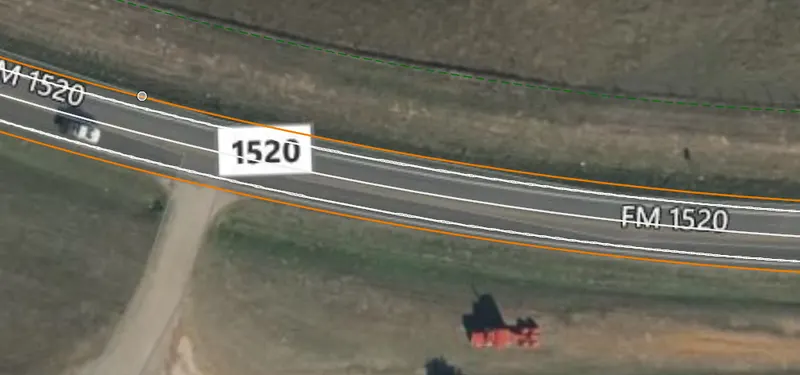
Step 3: Creating offsets for the mainline element
Create a small portion of Main Line alignment as shown below using Complex by best fit from the complex dropdown
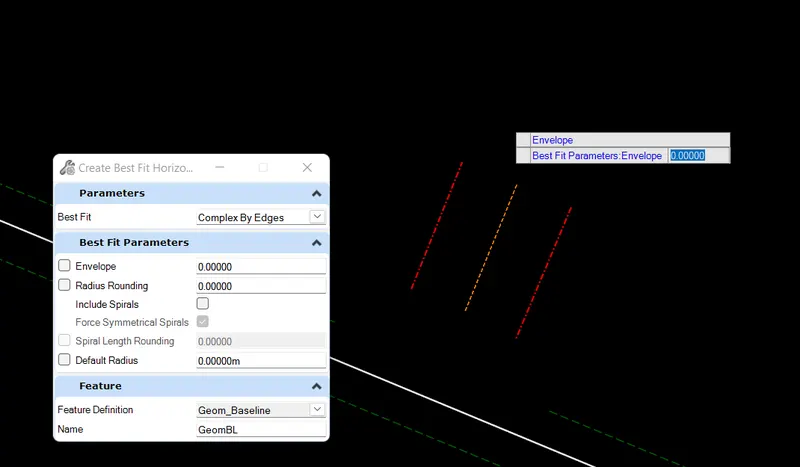
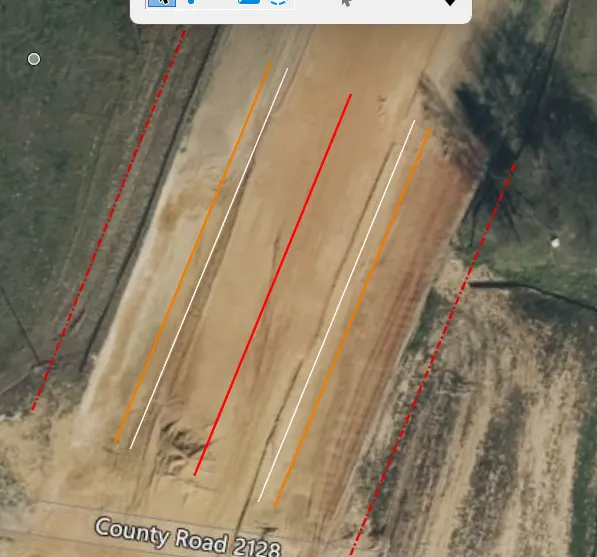
Create offset using same feature definition and
- 12m offset for Road marking and 3m for shoulders as shown below
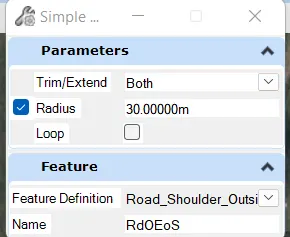
Now using a simple curve between elements draw corner's between the shoulders
- Use a Radius of 30m
- Feature definition as Road shoulder outside
Extend the Main alignment up to the edge of Intersecting alignment
Result:
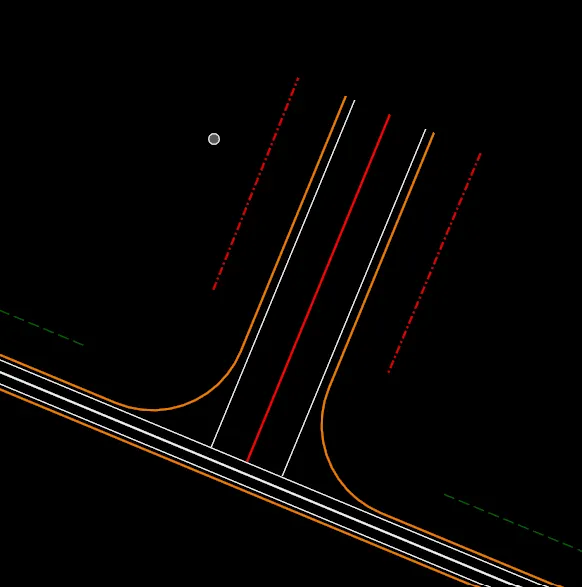
Interset alignment Roadway is as follows
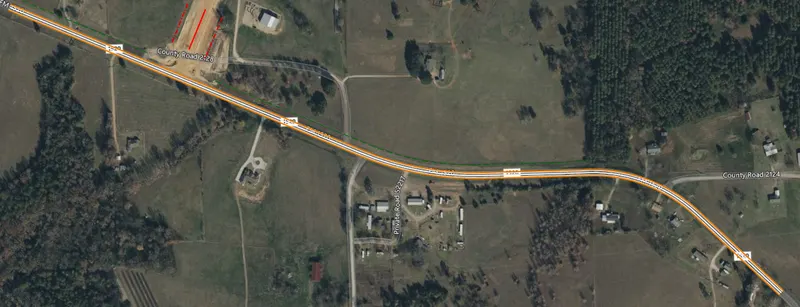
Developed Junction result is as follows