Week 4.2: Project - Transient simulation of flow over a throttle body
GEOMETRY:
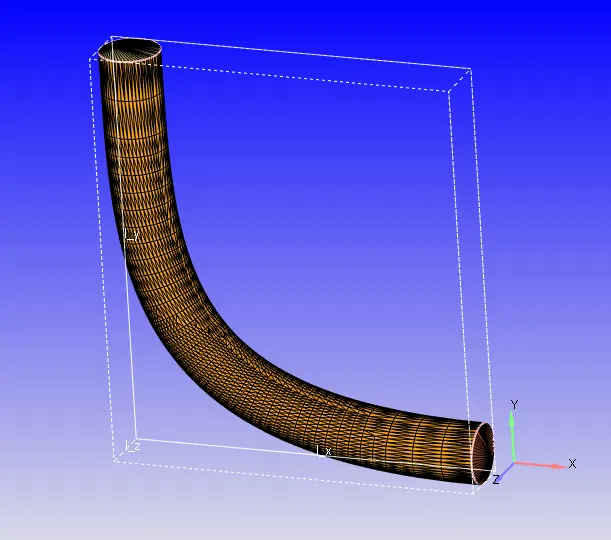
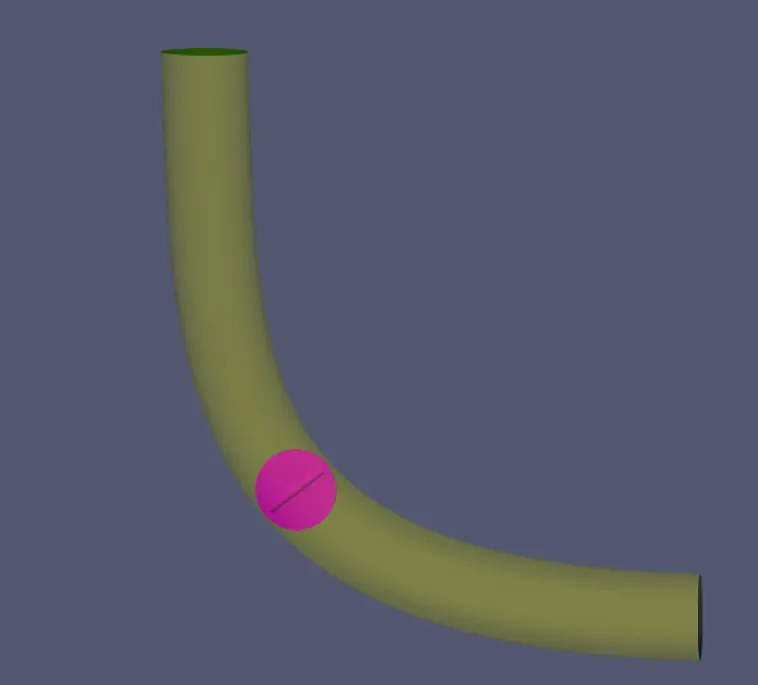
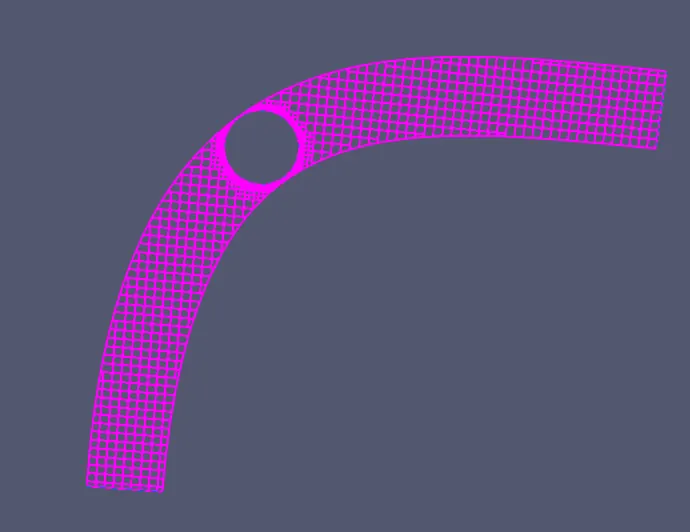
Throttlr valve fitted inside is created in solidworks and then it is imported as . STL file in CONVERGE studio.
CASE SETUP:
MATERIAL : AIR
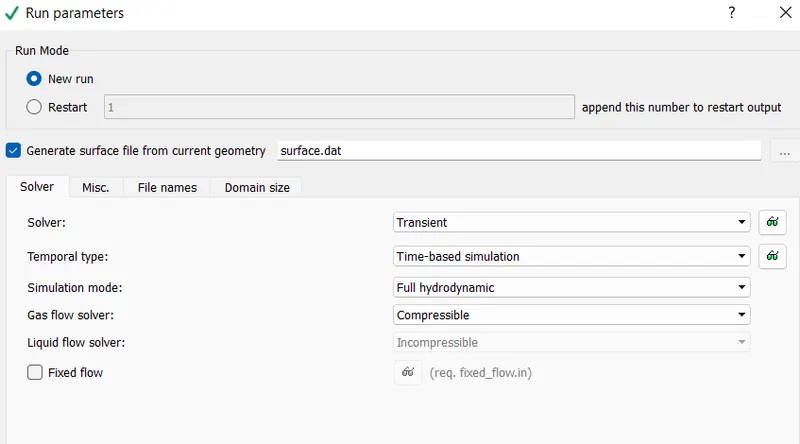
SOLVER TYPE:
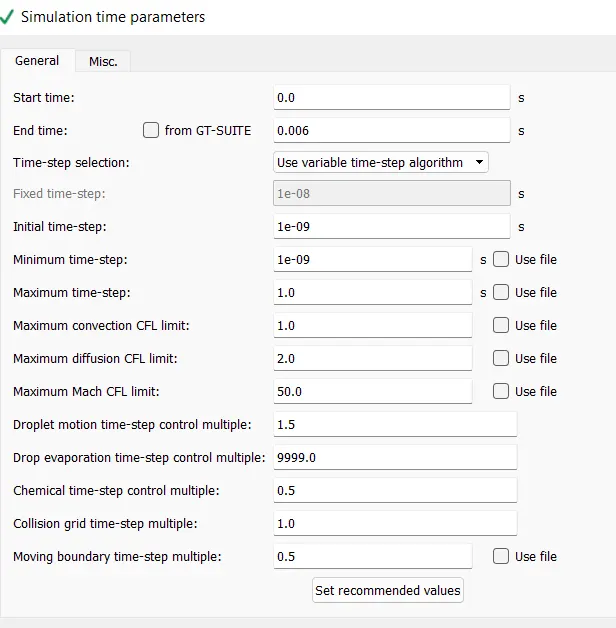
SIMULATION PARAMETER:
BOUNTARY CONDITION:
INLET:
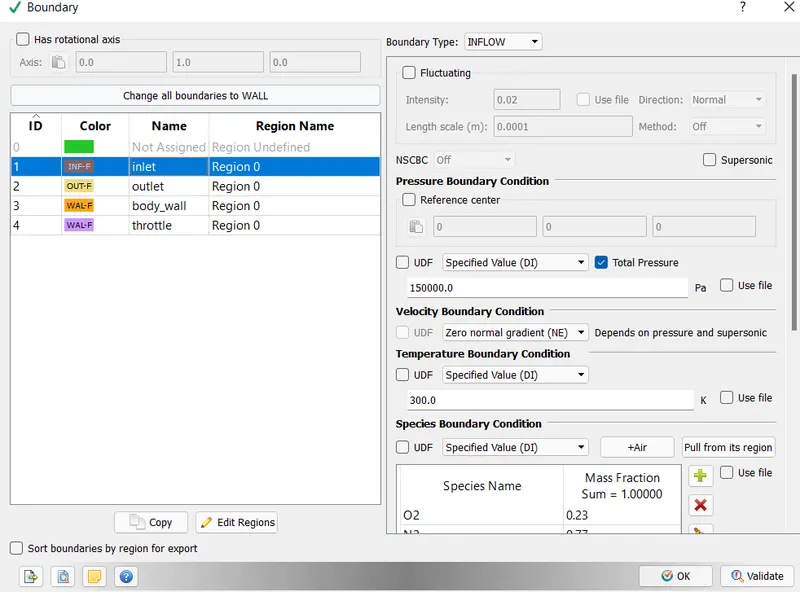
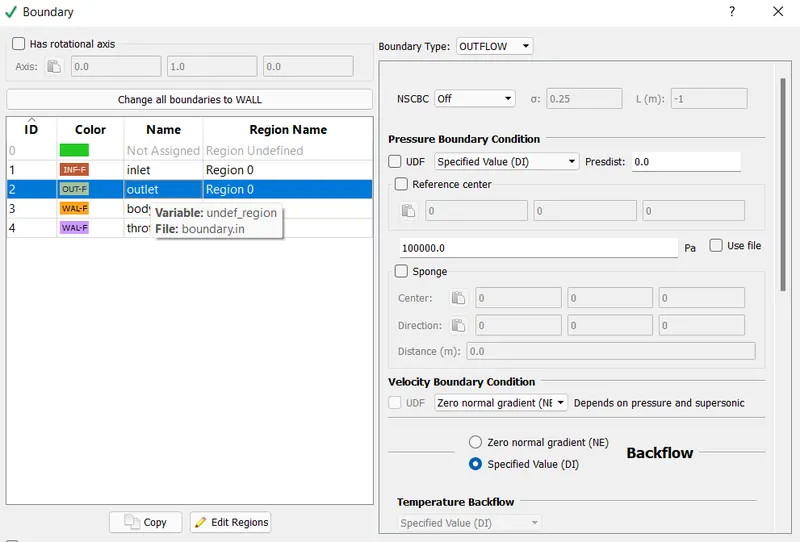
OUTLET:
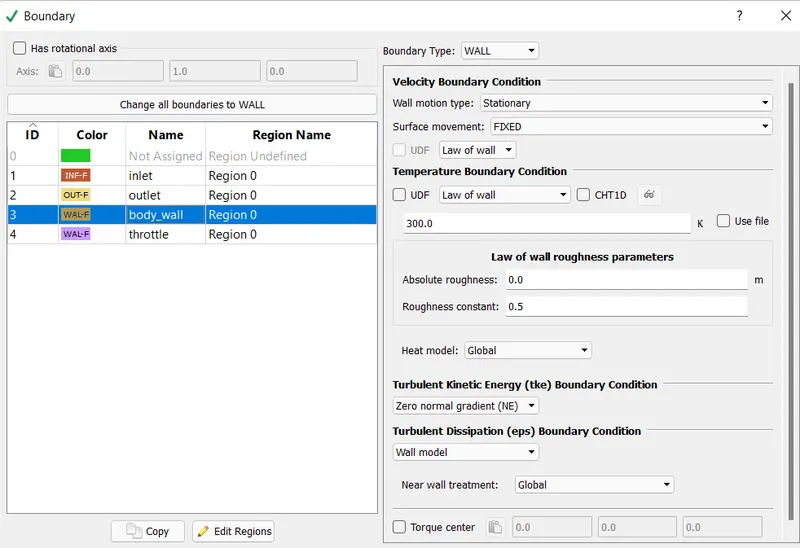
BODY WALL:
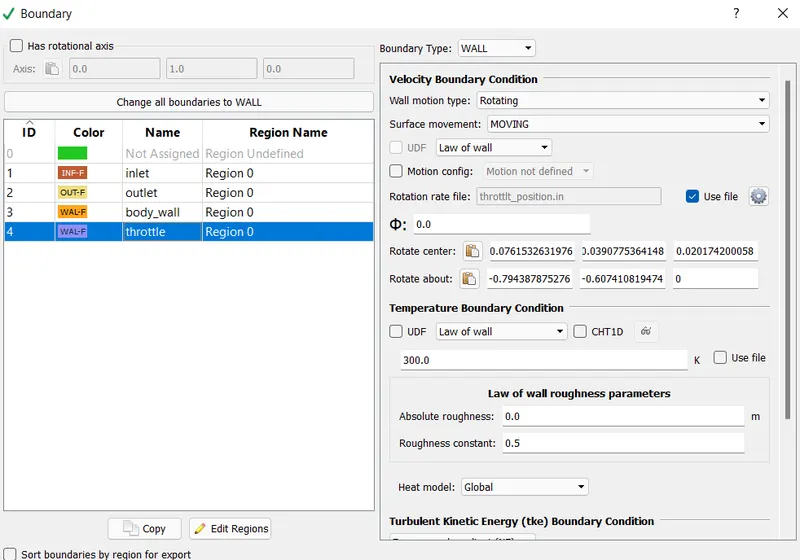
THROTTLE :
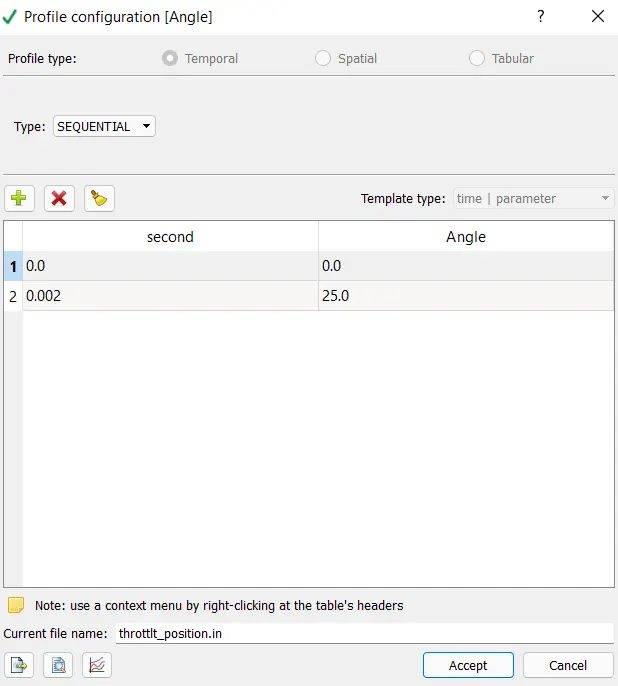
PROFILE CONFIGUATION:
TURBULENCE MODELING: Rng k-e
MESH SIZE:
2e-3m in X,Y,Z direction
FIXED EMBEDDING:
SCALE:3
EMBED LAYER:2
OUTPUT FILES:
Time interval for writting text files:1e-6
Time interval for writting 3D outputfiles :
for 10 files=0.001s
RESULT:
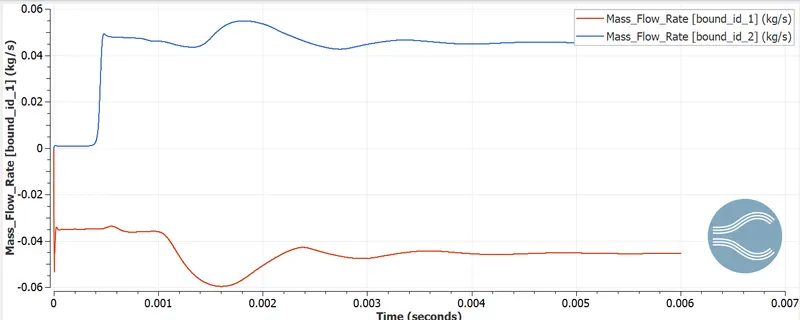
MASS FLOW RATE PLOT:
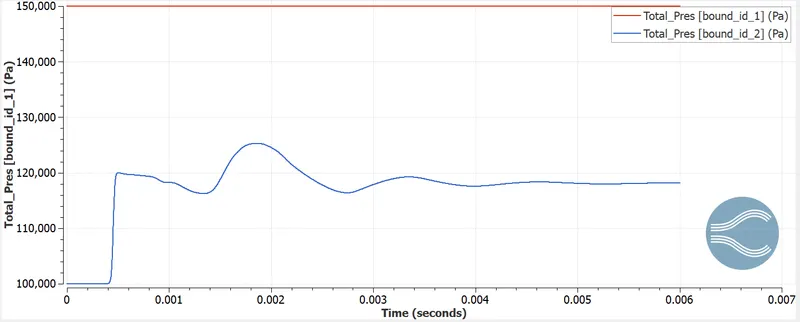
TOTAL PRESSURE:
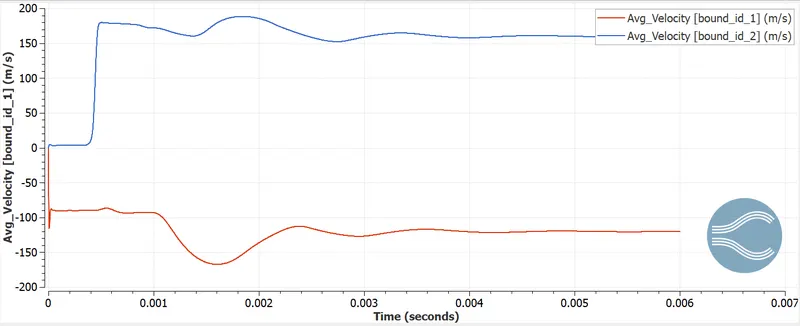
AVG VELOCITY:
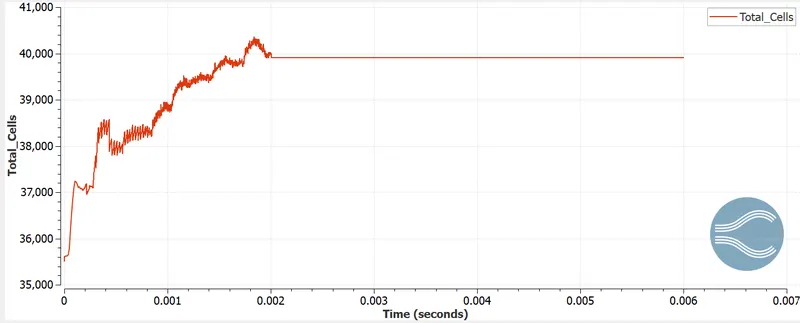
TOTAL CELL:
STREAM LINE BT VELOCITY MAGNITUTE:
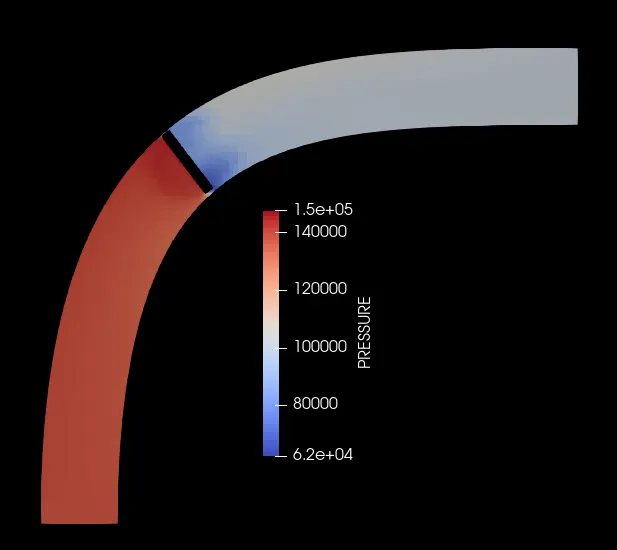
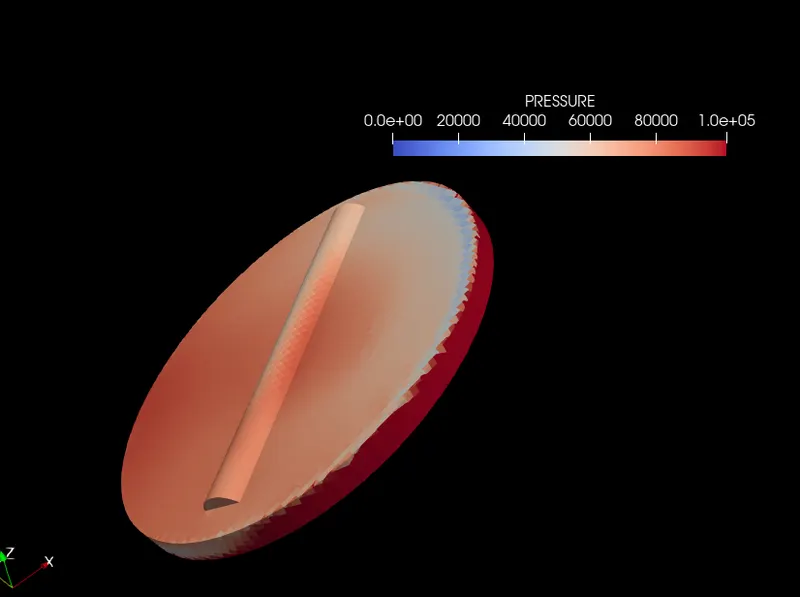
PRESSURE CONTOUR:
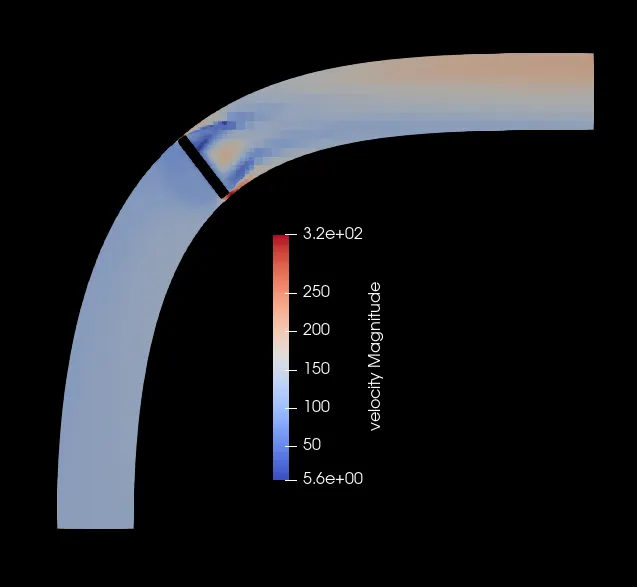
VELOCITY CONTOUR:
 \
\
CONCLUSION:
*Converge use adaptive mesh refinement technique to produce mesh hence ir is found drastich increase in cell count when throttle body moves. if we had kept again throttle body to move to zero position then the cell count might decreases. in our case it is not that why cell count is high.
*As throttle body rotates there is an obstriction in flow of fluid and hence its velocity and kinetic energy of fluid is converted into pressure energy therefor total pressure increases.
*Due to the rotation of throttle plate wake region is formed on plate causing decceleration of flow leads to separation of flow hence decreases in static pressure at outlet.
*Rotaion of throrrle plate causing obstruction to the fluid flow increases the pressure gradient(pressure forces in the direction of flow) forced fluid hence velocity of fluid flow increases therefore mass flow rate increases at the outlet.