Week 2 - Flow over a Cylinder.
FLOW OVER A CYLINDER
Aim: Simulate the flow over a cylinder and explain the phenomenon of Karman vortex street.
Objectives:
PART-I
- Simulate the flow with the steady and unsteady case and calculate the Strouhal Number for Re= 100.
PART-II
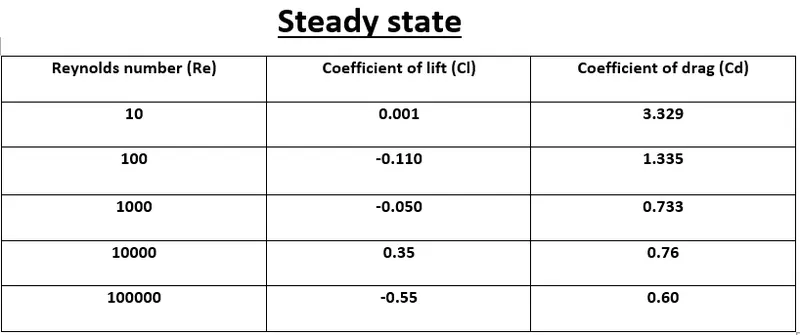
- Calculate the coefficient of drag and lift over a cylinder by setting the Reynolds number to 10,100,1000,10000 & 100000. (Run with steady solver)
- Discuss the effect of Reynolds number on the coefficient of drag. [ Results should be validated with any standard literature and error should be within 5 %]
Theory:
Flow over a cylinder is important in many industrial application like cooling of iron or cylindrical pipe,Circular pipes have more application in heat exchanger. High temperature flue gases flow over a circular cylinder in a cross flow.Depending on flow rate, fluid properties and size of cylinder, the flow can be laminar, transition and turbulent
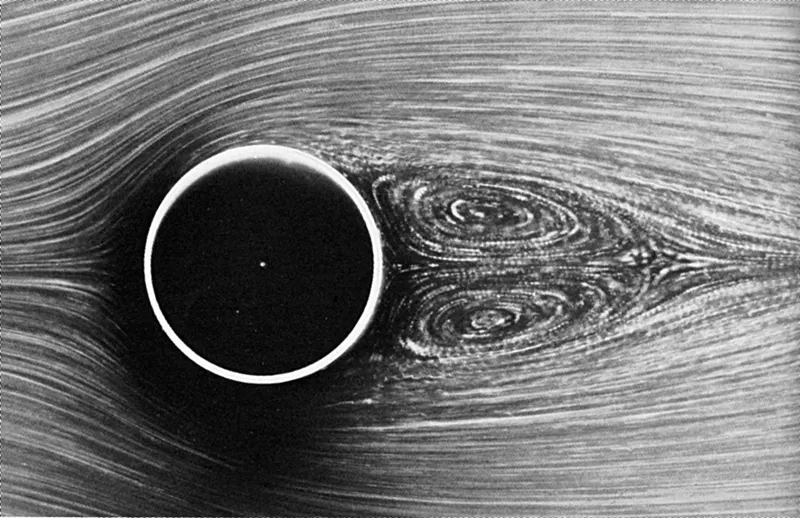
Larger vortexes are found at lower Reynolds number.
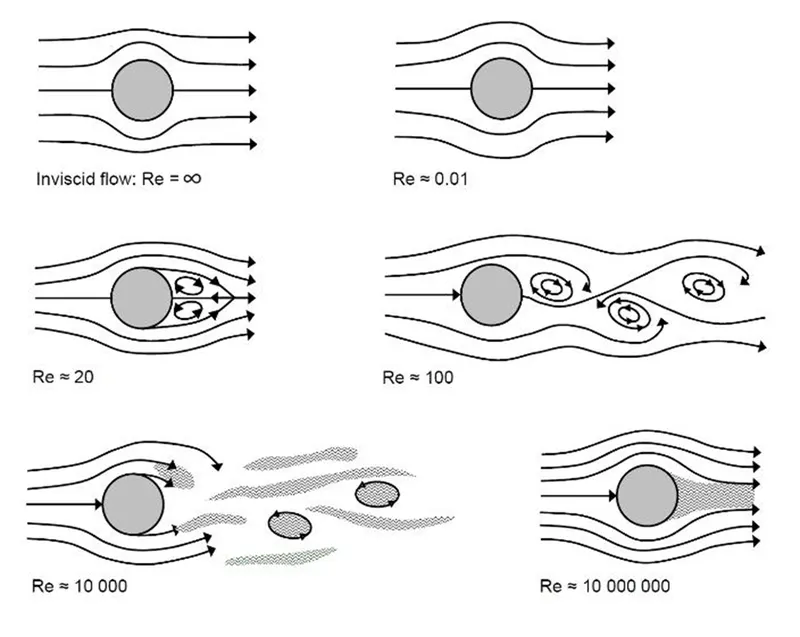
Von Karman vortex street: In fluid dynamics, a Kármán vortex street (or a von Kármán vortex street) is a repeating pattern of swirling vortices, caused by a process known as vortex shedding, which is responsible for the unsteady separation of flow of a fluid around blunt bodies.
A vortex street will form only at a certain range of flow velocities, specified by a range of Reynolds numbers (Re), typically above a limiting Re value of about 90.
Reynolds number: The Reynolds number is the ratio of inertial forces to viscous forces within a fluid which is subjected to relative internal movement due to different fluid velocities.
Re = `(rhovD)/(mu)`
Where:
`rho`= Density
v = Velocity
D = Diameter
`mu`= viscocity
Case Setup:
- Geometry:
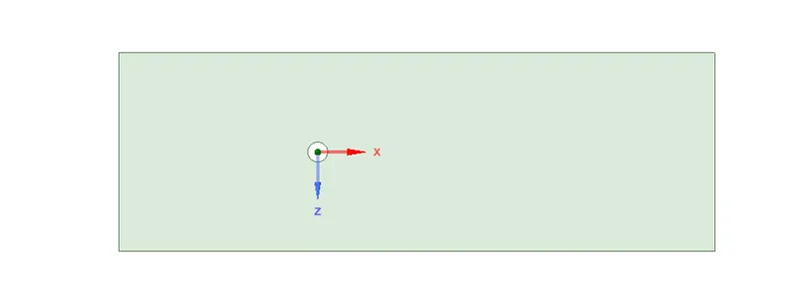
- Create a cylinder of diameter 20m, create a rectangle around it with inlet location being 20 times the diameter on the left side and outlet at 40 times the diameter on left side.
- Use pull tool to create the geometry
- Meshing:
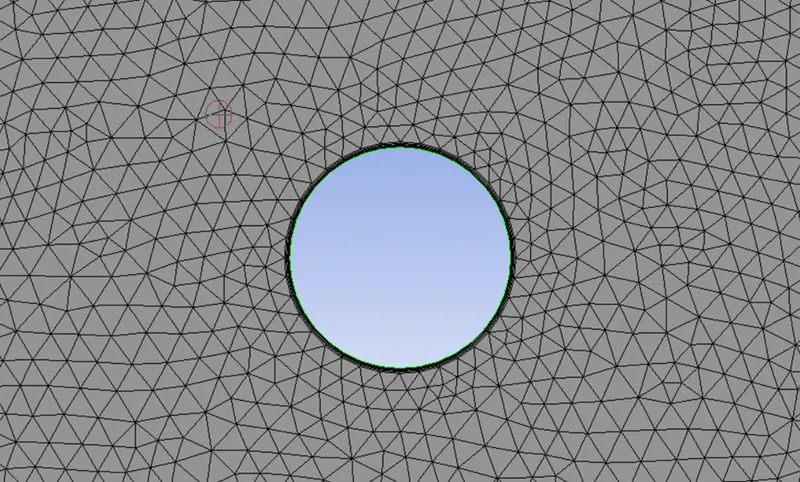
- Create a base nesh, we get quadrilateral mesh in other words quadominant mesh means elements in the mesh are in quadrilateral in shape.
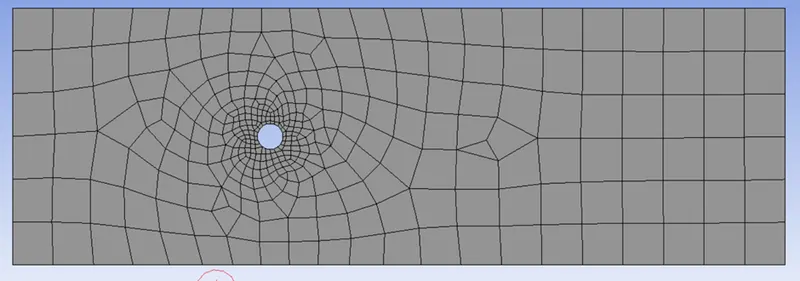
- Now insert method and select triangles as method.
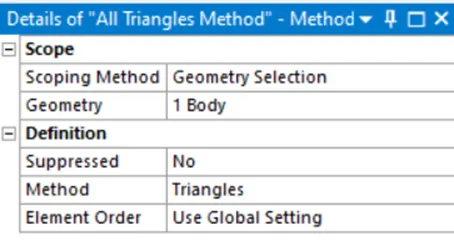
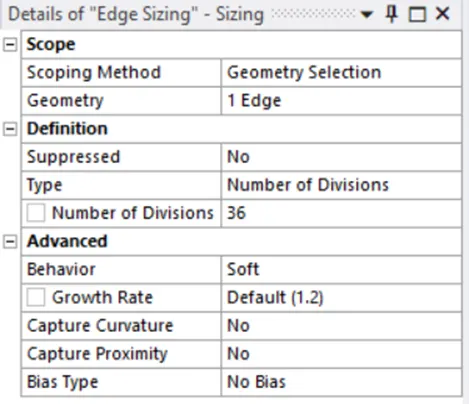
- Insert sizing in mesh and select cylinder wall as edge, set number of divisions as 36
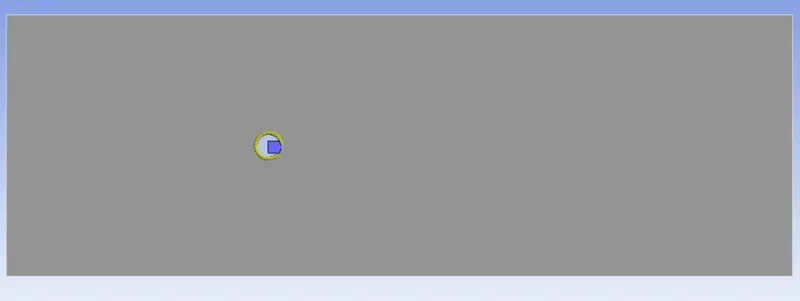
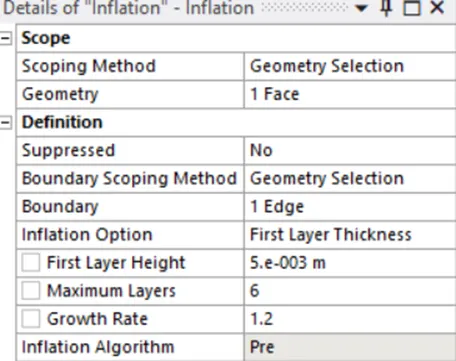
- Insert inflation layer to create body fitted mesh
Mesh refinement:
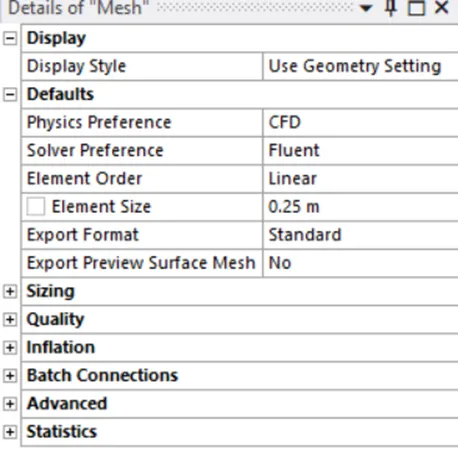
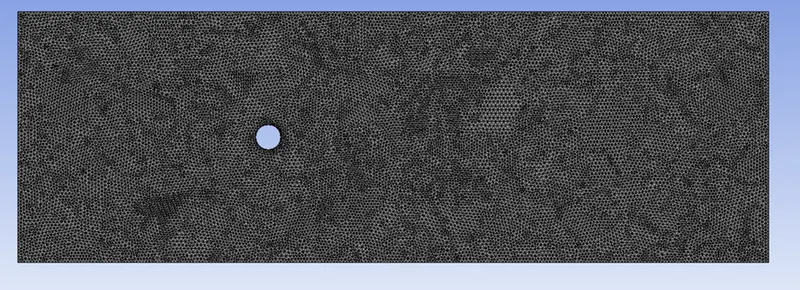
- Set element size as 0.25m
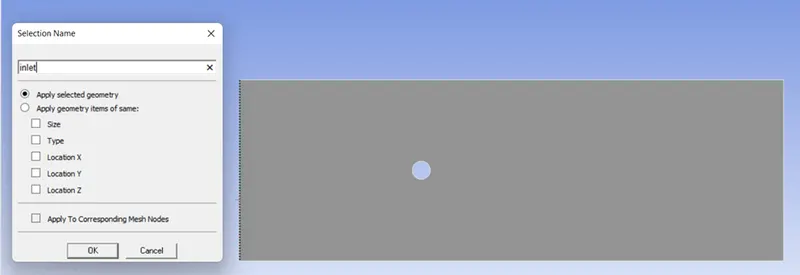
Naming:
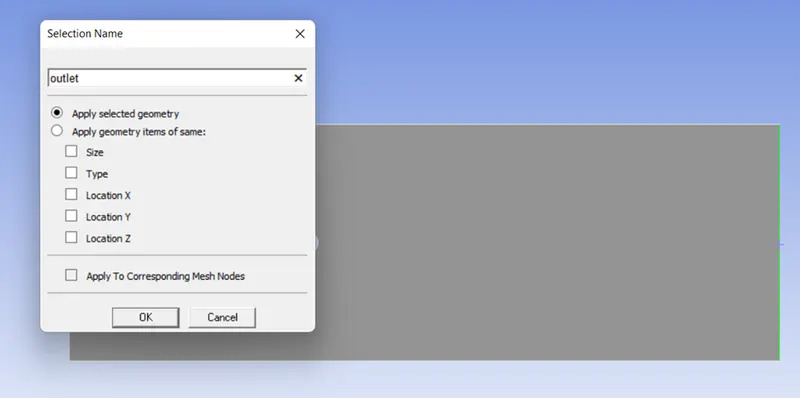
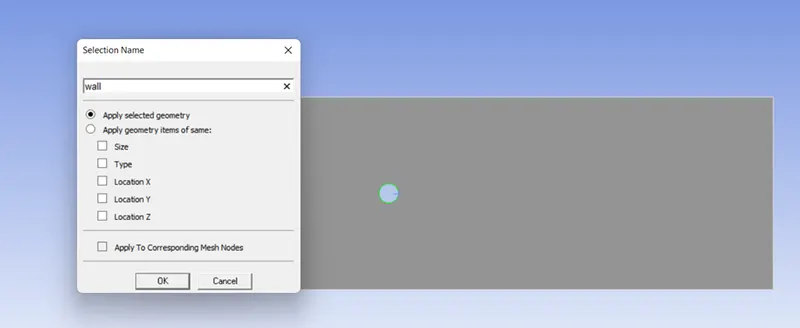
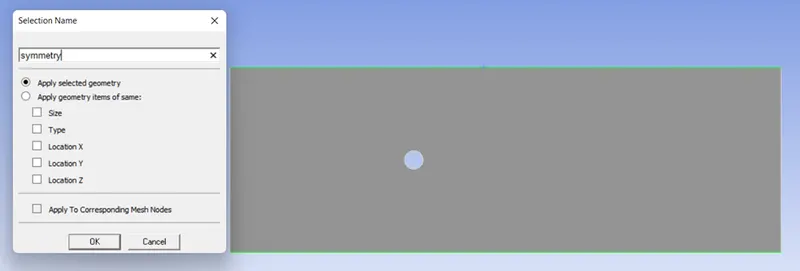
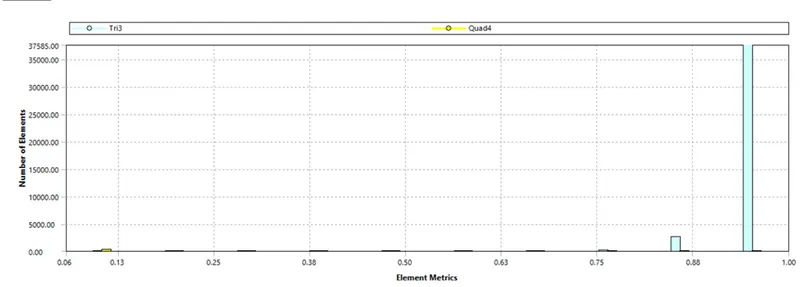
Quality:
3.Seup:
Steady solver:
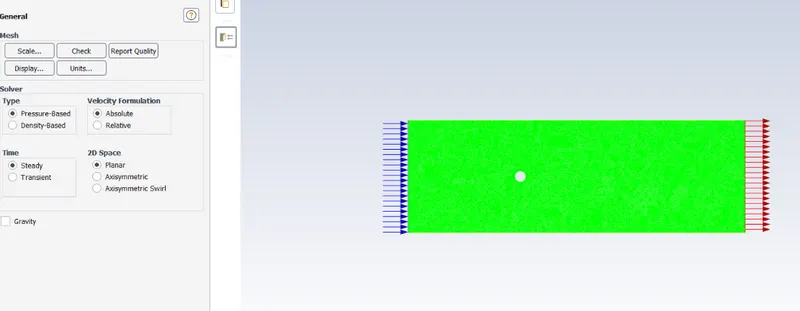
Unsteady solver:
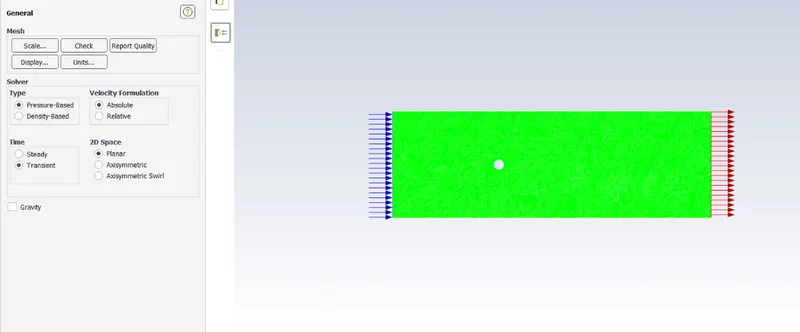
User material: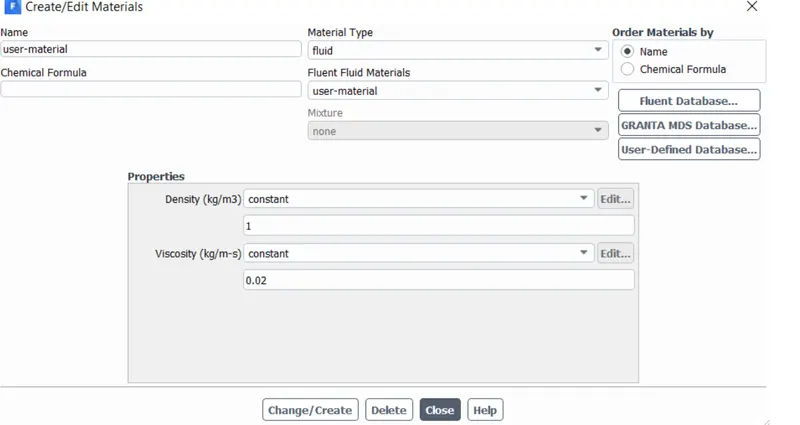
Reference values:
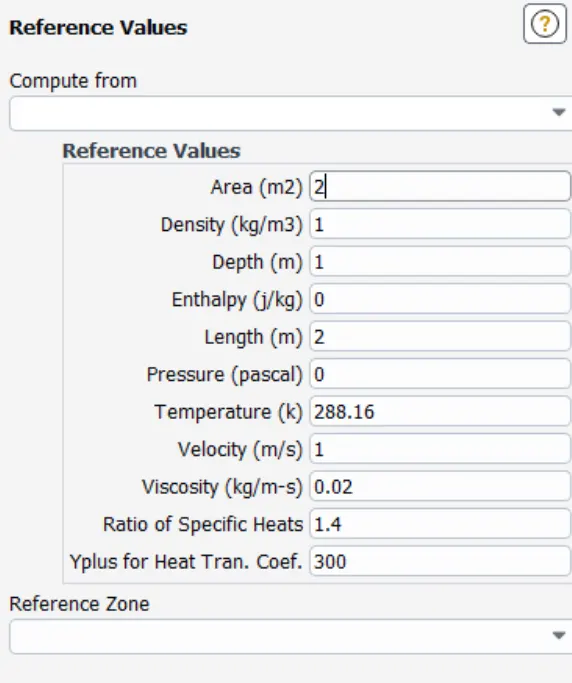
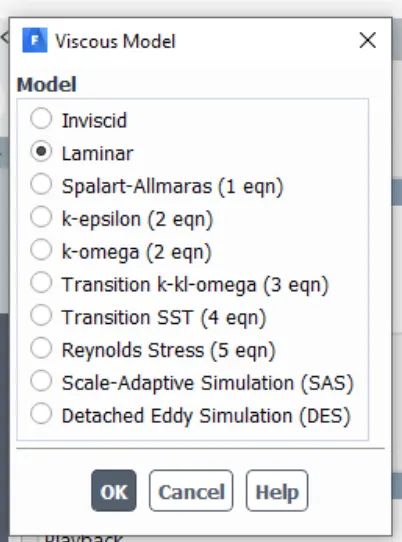
Viscous model:
Material properties:
Steady state:
case 1:
- Renolds number = 10
- Velocity = 0.1 m/s
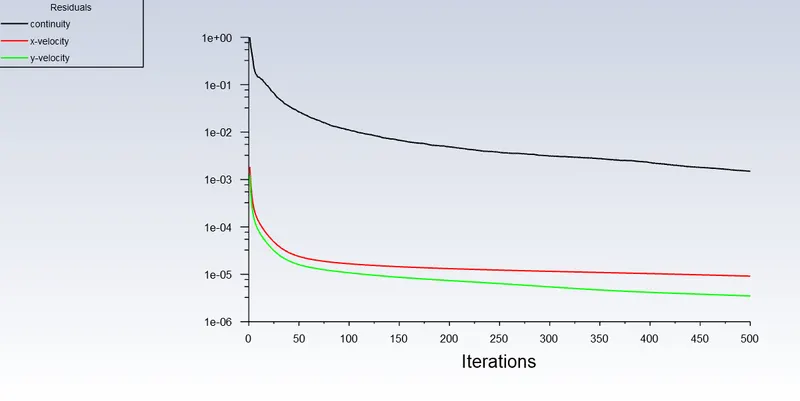
Residuals:
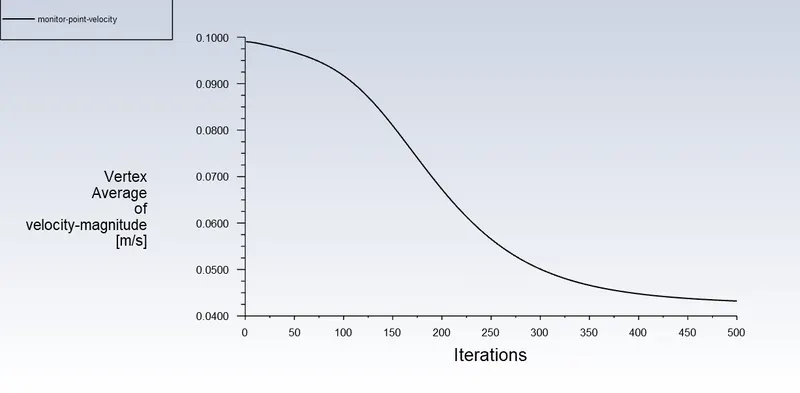
Monitor point velocity:
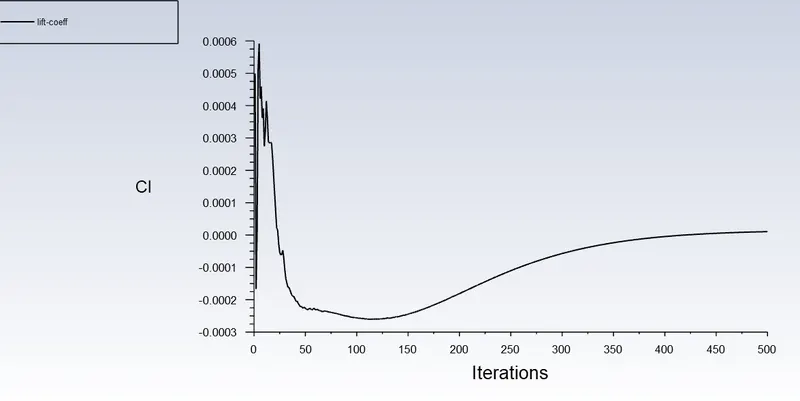
Coefficient of lift (Cl) :
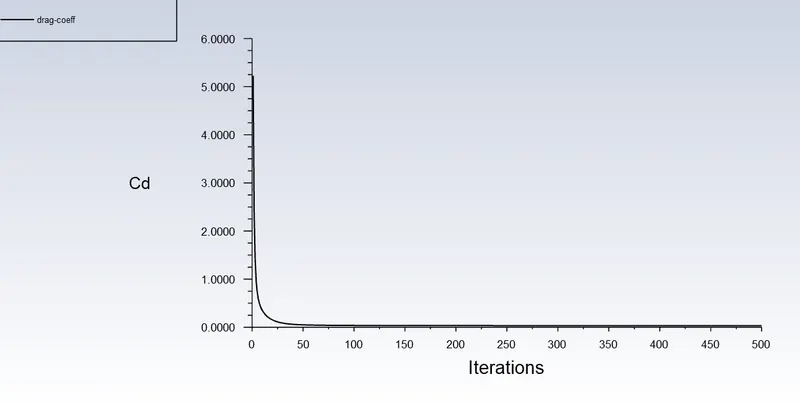
Coefficient of drag (Cd):
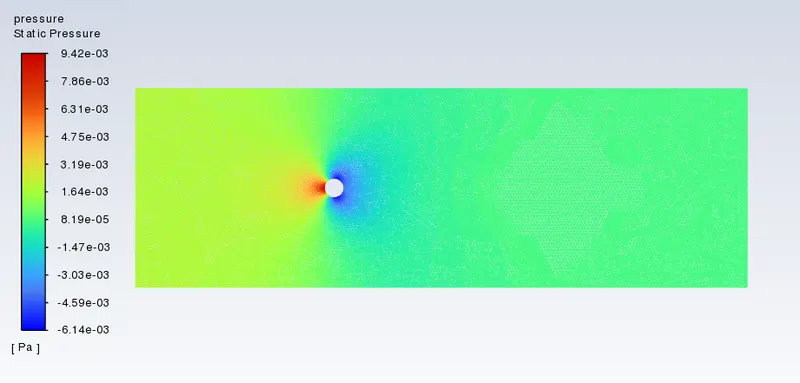
Pressure contour:
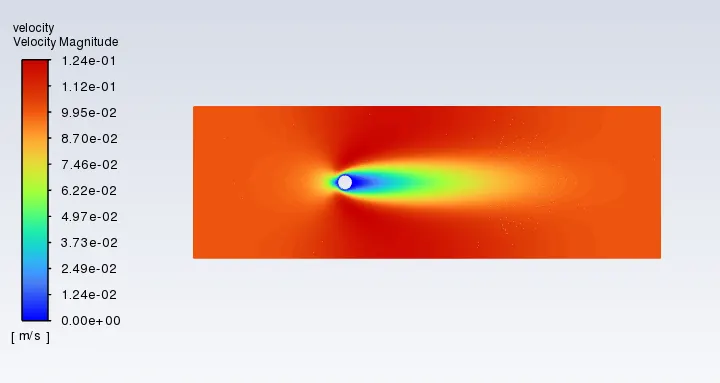
Velocity contour:
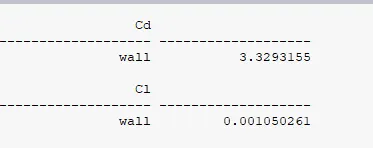
Cl and Cd values:
Velocity contour animation:
case 2:
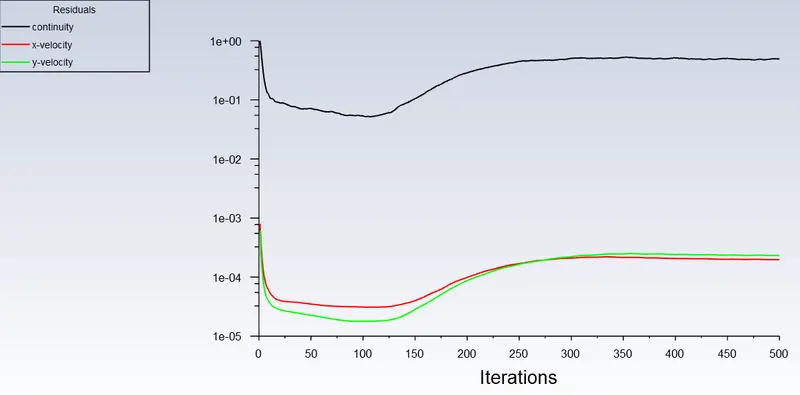
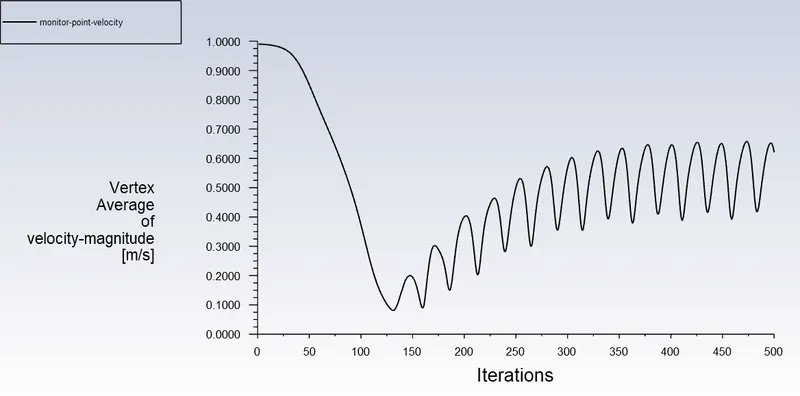
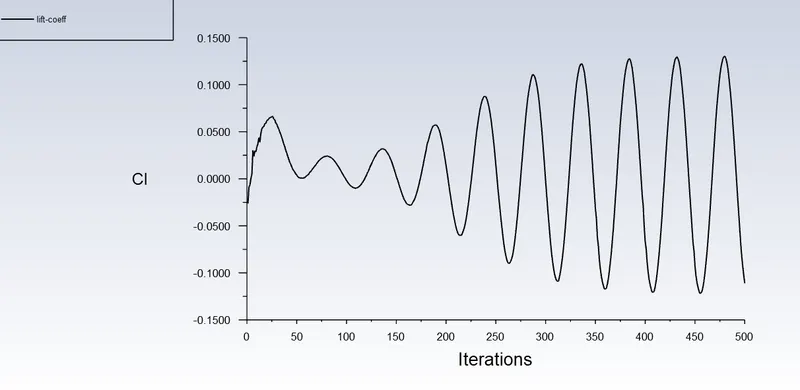
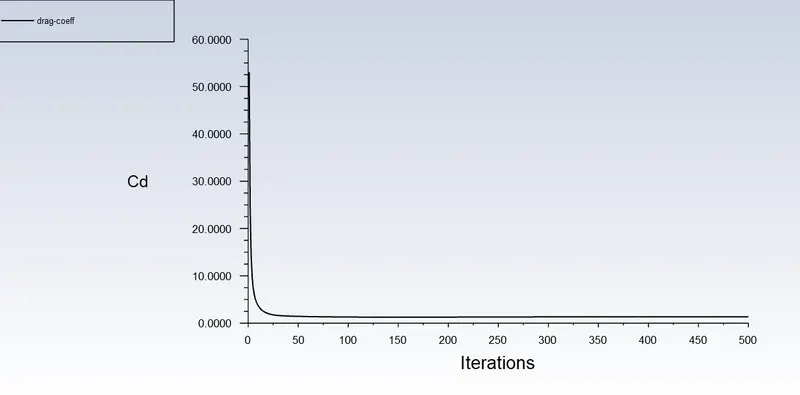
- Renolds number = 100
- Velocity = 1 m/s
Residuals:
Monitor point velocity:
Coefficient of lift (Cl) :
Coefficient of drag (Cd) :
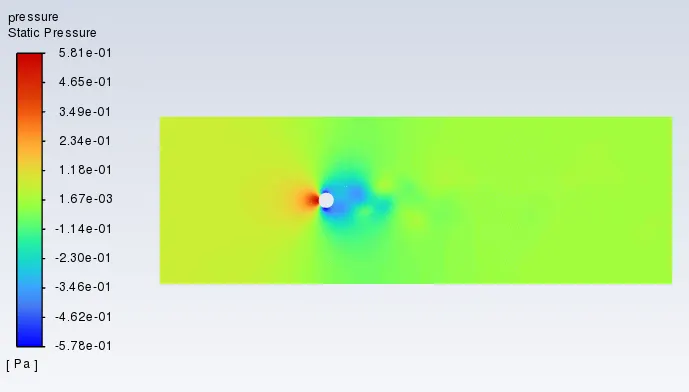
Pressure contour:
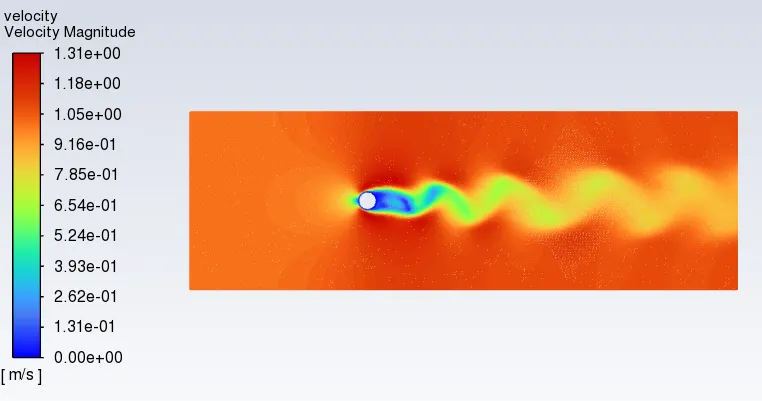
Velocity contour:
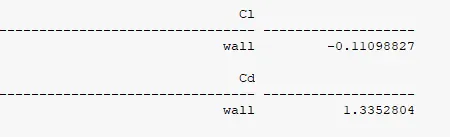
Cl and Cd values:
Velocity contour animation:
case 3:
- Renolds number = 1000
- Velocity = 10 m/s
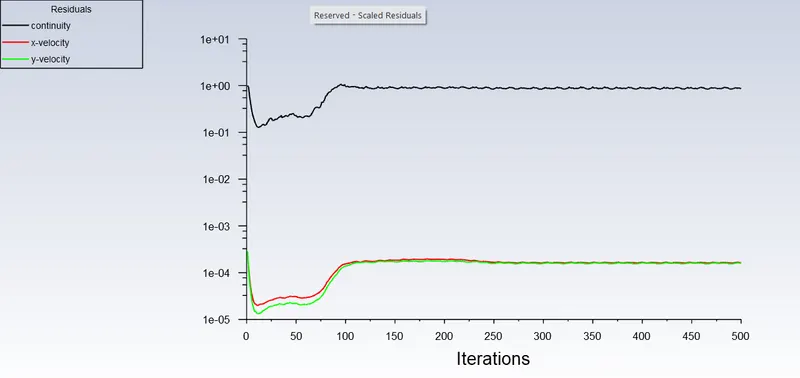
Residuals:
Monitor point velocity:
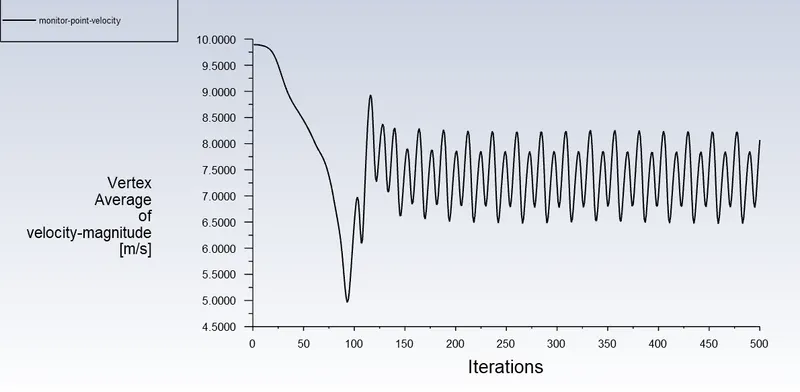
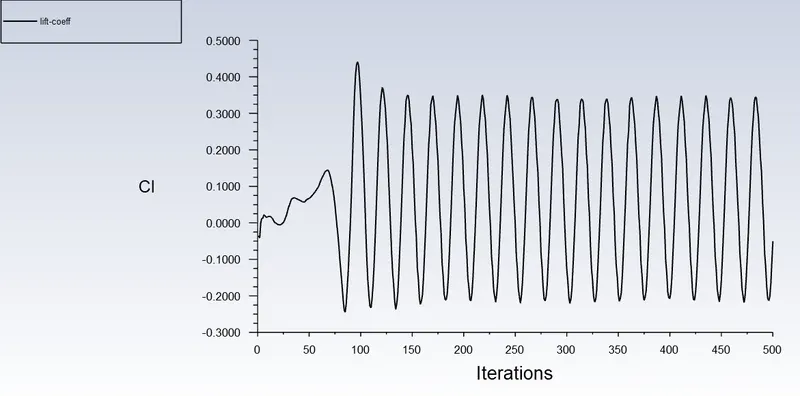
Coefficient of lift (Cl) :
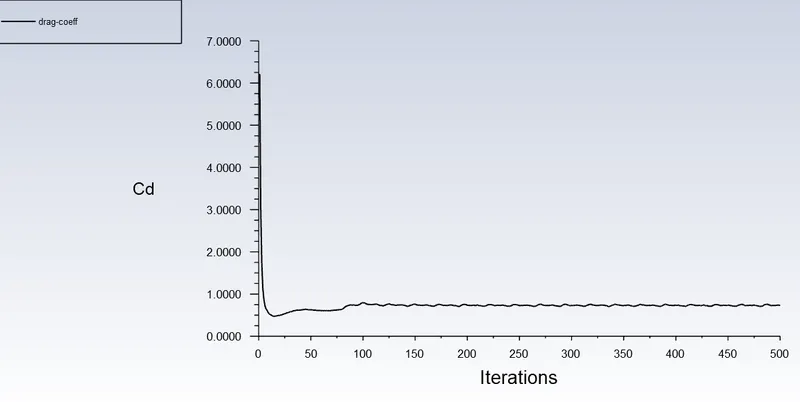
Coefficient of drag (Cd) :
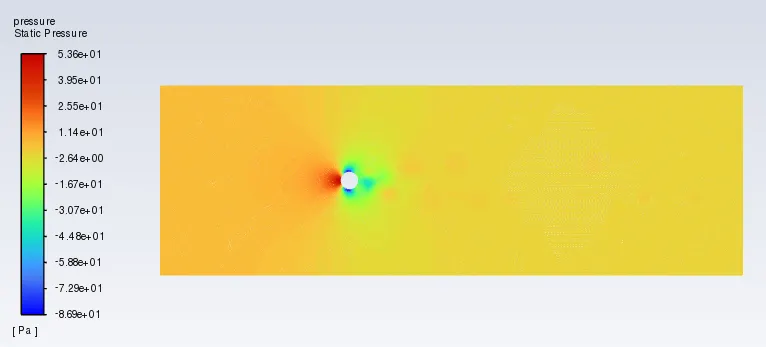
Pressure contour:
Velocity contour: 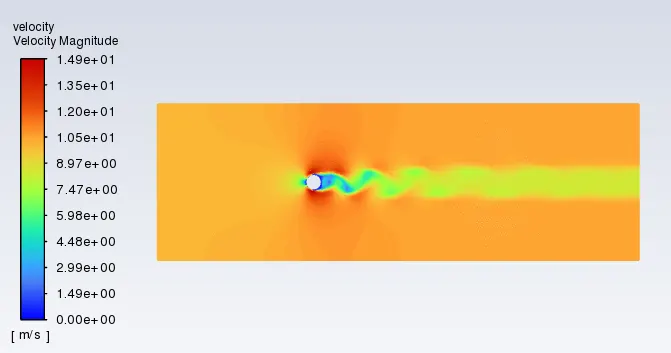
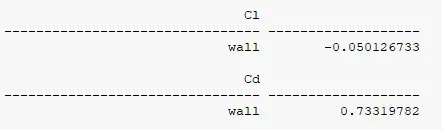
Cl and Cd values:
Velocity contour animation:
case 4:
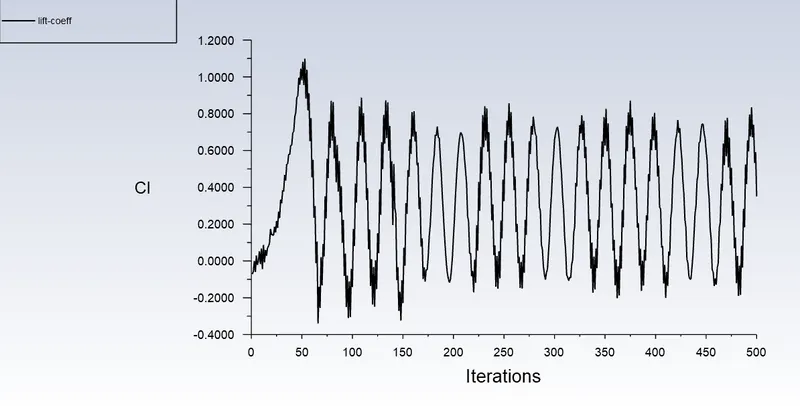
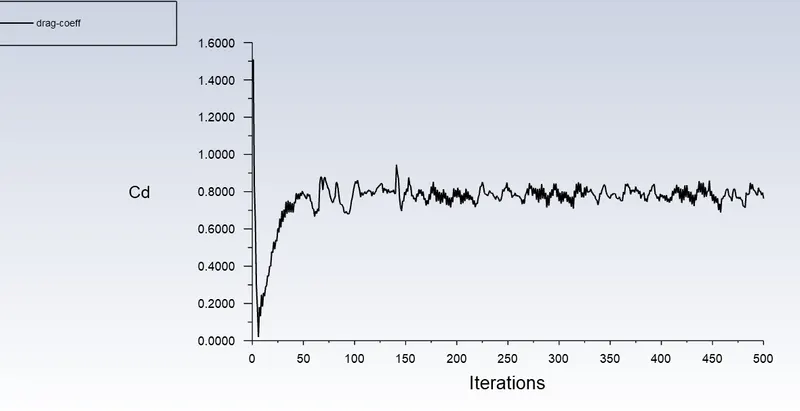
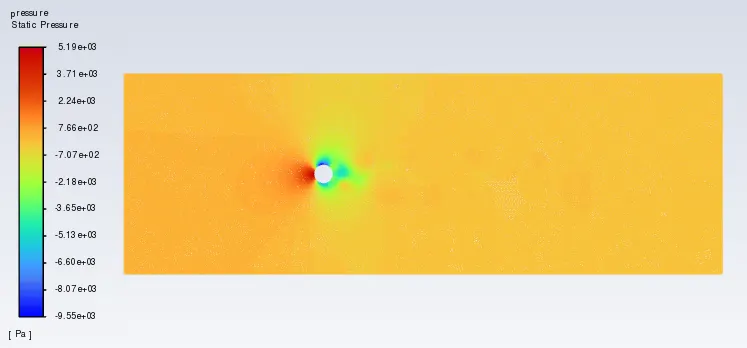
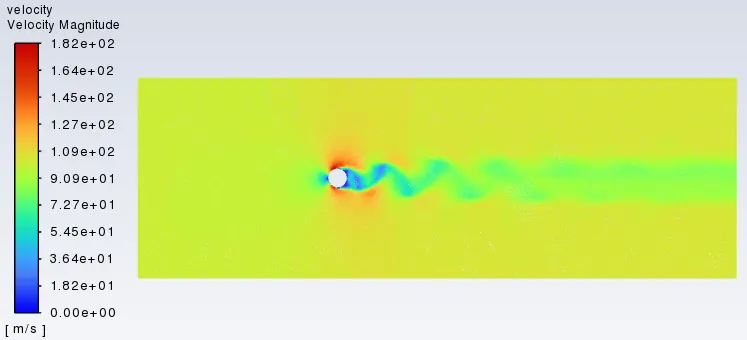
- Renolds number = 10000
- Velocity = 100 m/s
Residuals:
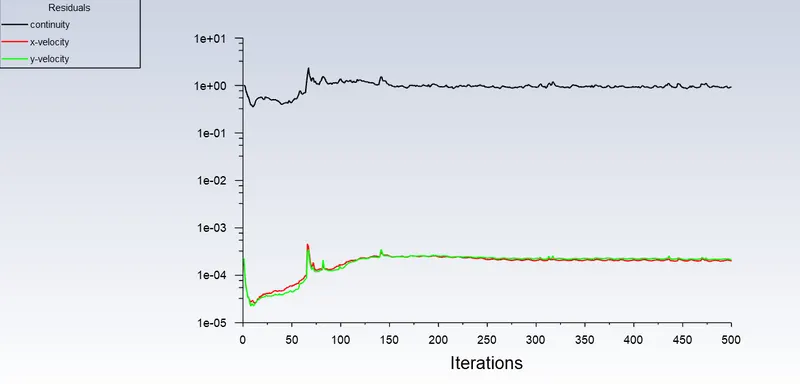
Monitor point velocity:
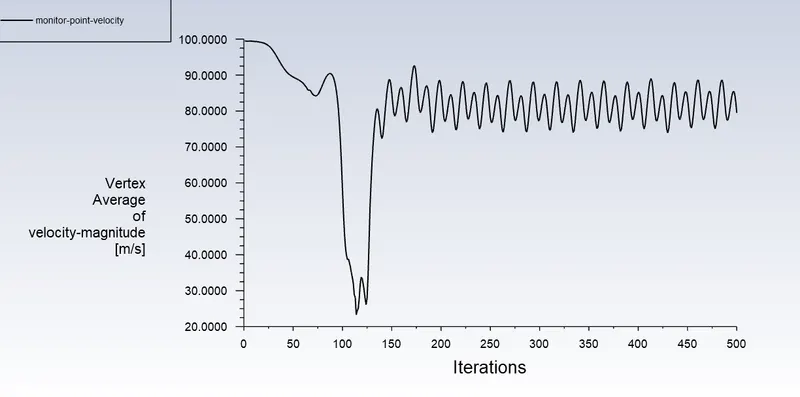
Coefficient of lift (Cl) :
Coefficient of drag (Cd) :
Pressure contour:
Velocity contour:
Cl and Cd values:
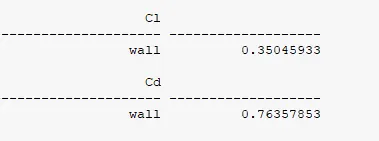
Velocity contour animation:
case 5:
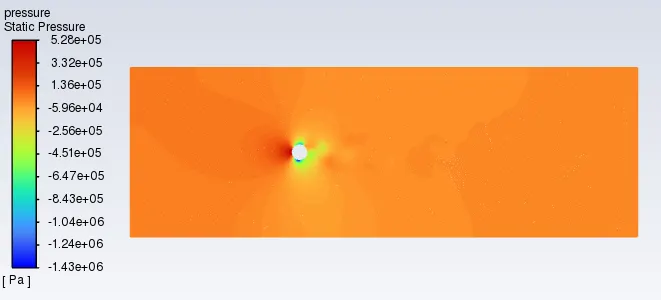
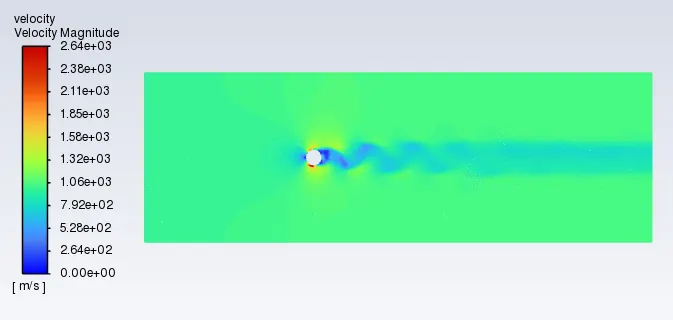
- Renolds number = 100000
- Velocity = 1000 m/s
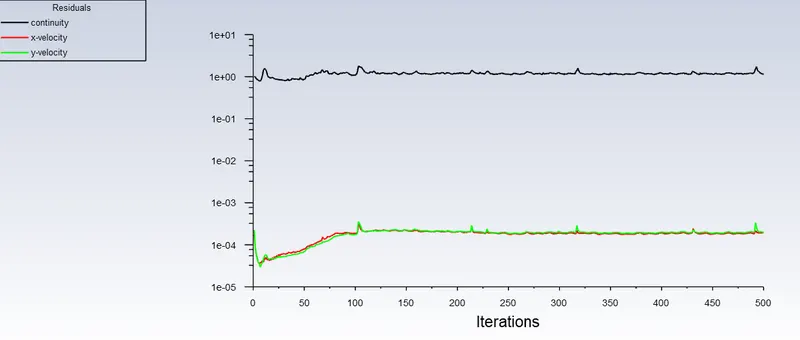
Residuals:
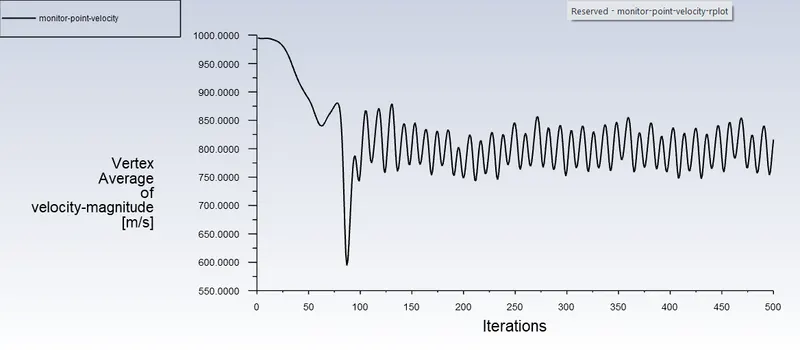
Monitor point velocity:
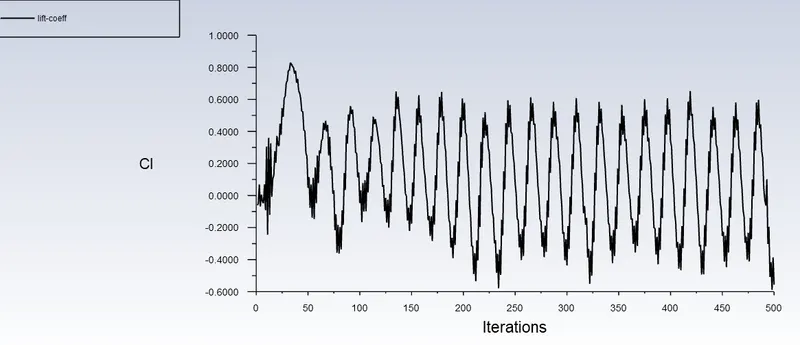
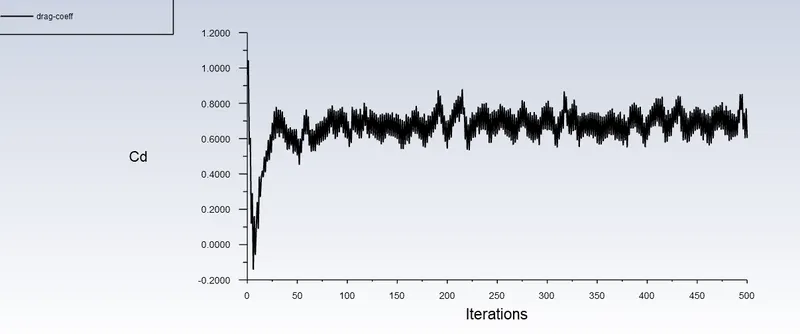
Coefficient of lift (Cl) :
Coefficient of drag (Cd) :
Pressure contour:
Velocity contour:
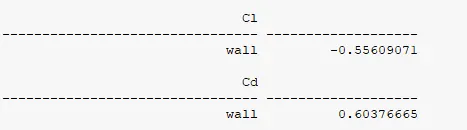
Cl and Cd values:
Velocity contour animation:
Unsteady solver (Transient solver):
case 1:
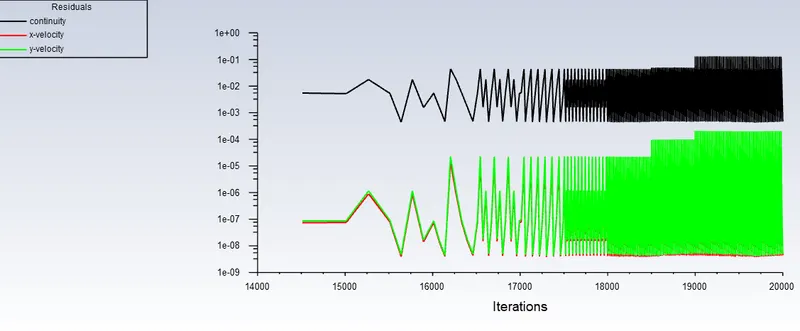
- Renolds number = 100
- Velocity = 1 m/s
Residuals:
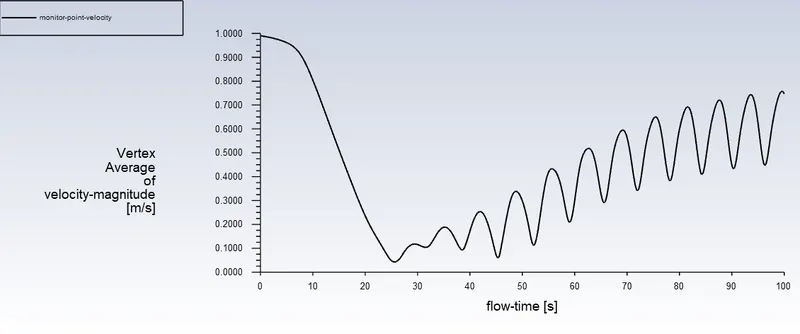
Monitor point velocity:
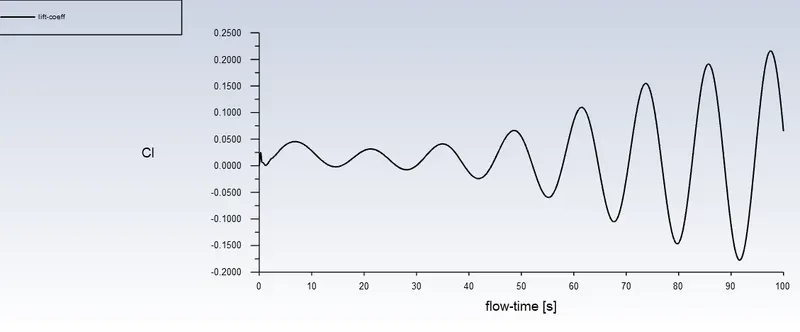
Coefficient of lift (Cl) :
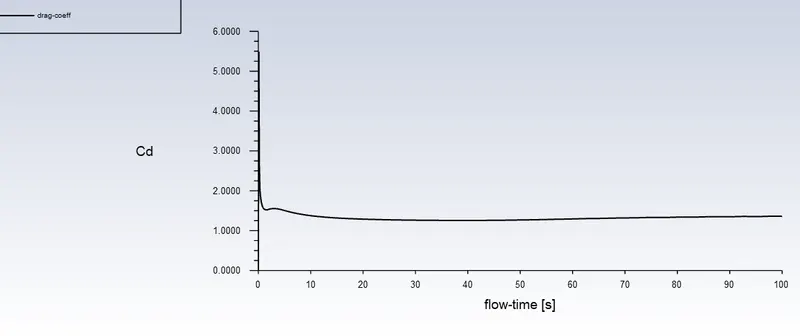
Coefficient of drag (Cd) :
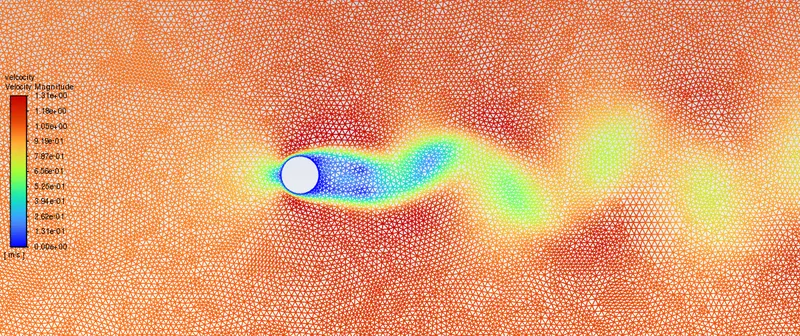
Velocity contour:
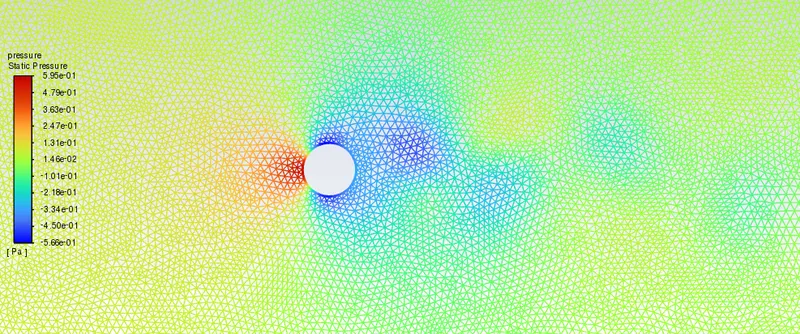
Pressure contour:
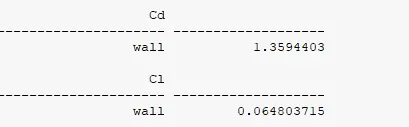
Cl and Cd values:
Velocity contour animation:
Strouhal number:
- Create stohaul number plot by selecting FFT plot, write the output to a file and open with excel
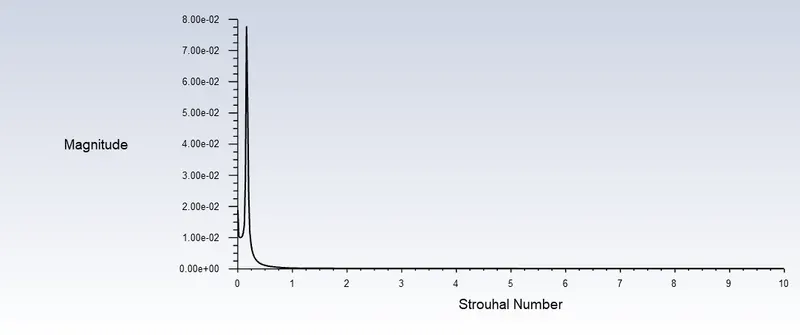
- Find the maximum value of magnitude and correspondid value of strouhal number.
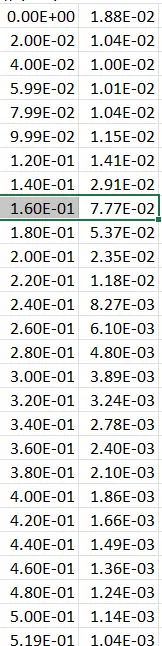
We get the strouhal number to be 0.16
Coefficient of lift and coefficient of drag for different cases:

Conclusion:
- At low Reynolds number (Re=10) flow is steady, and streamline are symmetrical about Y-axis of cylinder
- At Re = 100 vortex shedding starts to appear in the wake region behind the cylinder
- With increasing in Reynolds number, the flow becomes unsteady, flow pattern shows periodic flow of vortex shedding in the wake region of the cylinder which is called the von Kaman vortex
- At a higher Reynolds number, flow around the cylinder becomes irregular. The increased inertia forces break the vortex generated behind the cylinder, with a higher frequency of vortex shedding than that in laminar flow
Effect of Reynolds number on Cd:
- As Reynolds number increases, the value of coefficient of drag decreases
- As the reynolds number increases, the velocity value keeps on increasing because of this inertial forces dominate the flow and viscous force become less dominant
- Since inertial forces are dominant and the flow becomes more turbulent, the skin friction decreses, due to decrease in skin fricition drag value reduces with respect to increase in Reynolds number.