Week 10 - Simulating Combustion of Natural Gas.
Part I
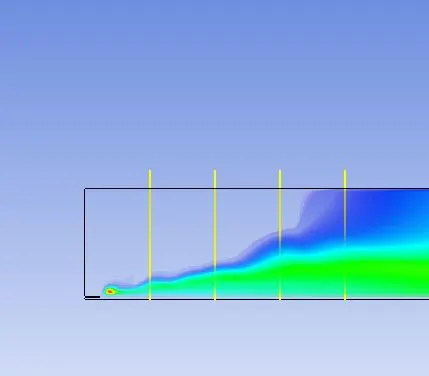
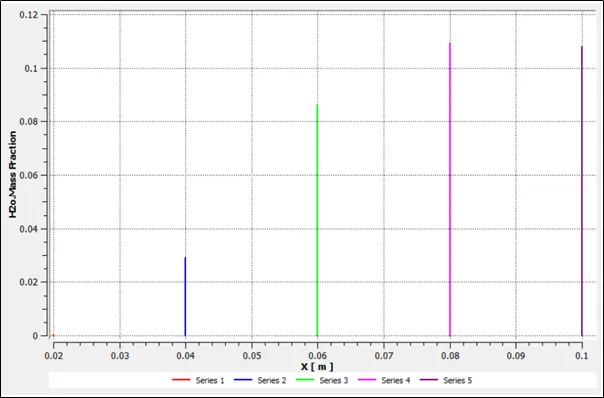
Perform a combustion simulation on the combustor model and plot the variation of the mass fraction of the different species’ in the simulation using line probes at different locations of the combustor as shown in Fig. You need to plot for CO2, H2O, CH4, N2, O2, NOx emissions & Soot formation.
Part II
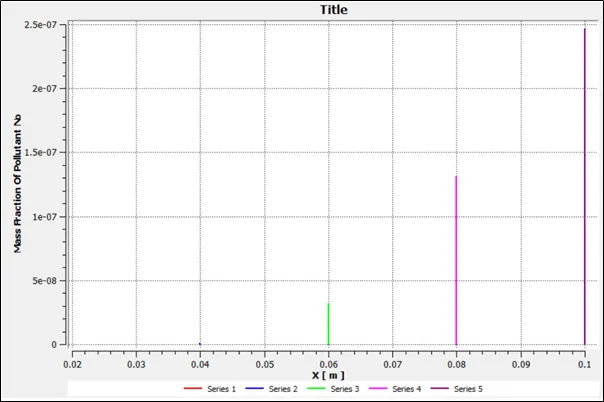
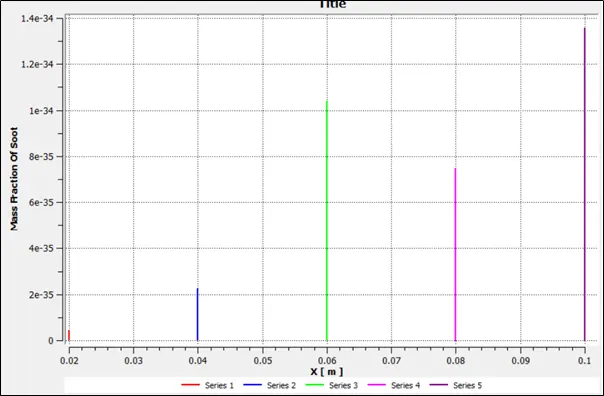
As you must have observed from the above simulation, the Nox and soot is getting formed at the outlet of the combustor. Such formation has harmful effects on the environment and humans. The stringent government norms also demand the least formation of Nox and soot and to satisfy those requirements, you need to check the effect of adding the water in the fuel.
In this part, you need to add the water content in the fuel from 5% to 30% by mole and observe the effect of it on the results. It is necessary to provide line plots and contours to prove your claim.
Solution:
Geometry
we considered 2D geometry for simulation. It consists inlet for fuel and air and outlet. i am considered axisymetrical model for simplicity.

Meshing:
Hex mesh is used for this model.

The local mesh is used near the inlet for better accuracy in the simulation
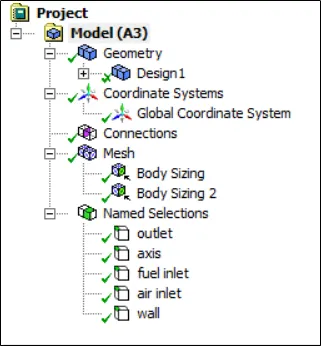

Total mesh count in the simulation is 21400 and element is 21661
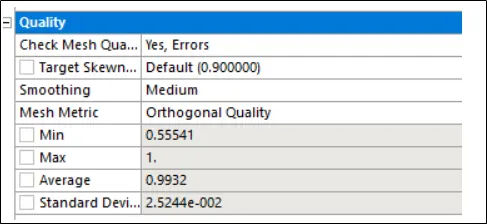
Orthogonal quality of the simulation
Setup :
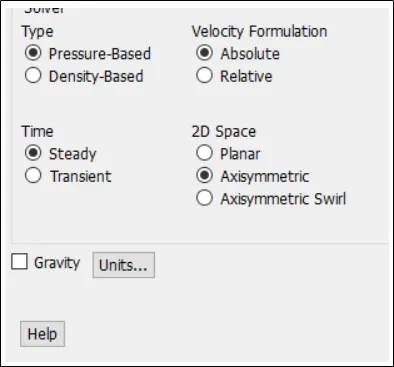
Pressure base steady-state solver is used. In 2D space, Axisymmetric model is used.
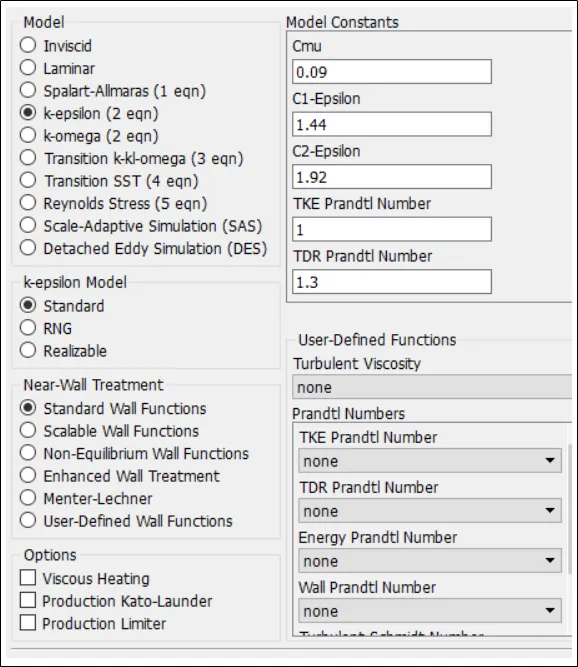
In turbulence model k-epsilon Standard, Standard Wall Function is selected
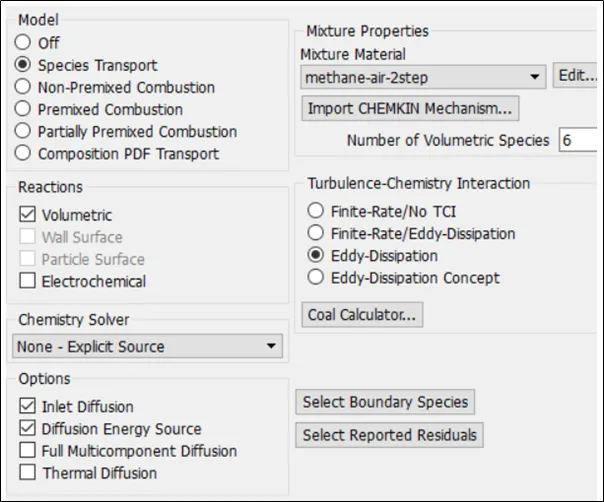
To solve the combustion I activated Species transport model.
in reaction, Volumetric option is activated.
For fuel methane-air-2step fuel model is selected.
For turbulence-chemistry interaction, eddy-dissipation function is selected.
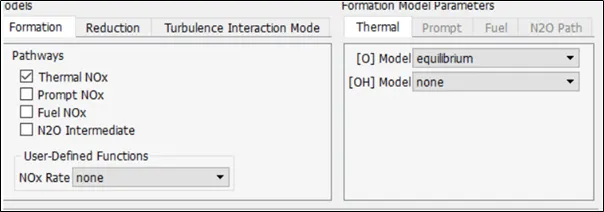
To capture the NOx formation NOx model is activated
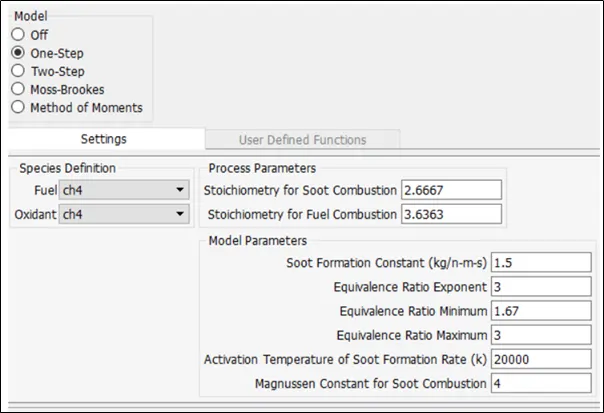
For soot measurement soot model is activated
Boundary condition
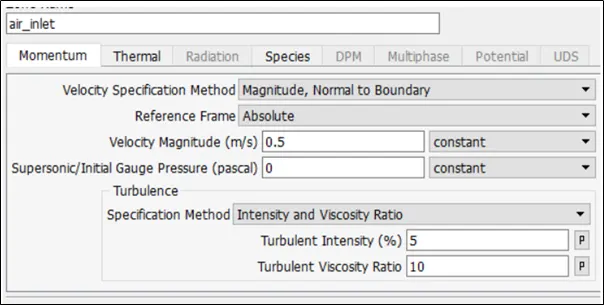
Inlet
velocity is 0.5 m/s
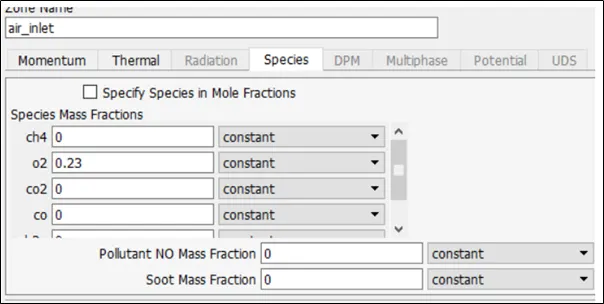
in species, O2 mass fraction is 0.23 selected
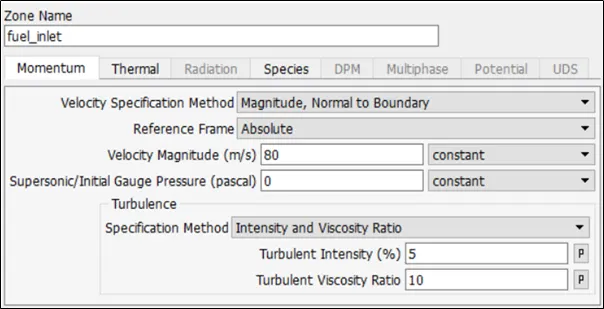
Fuel inlet
velocity 80 m/s
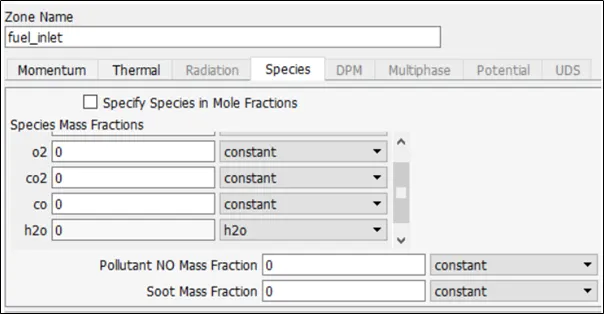
Species CH4 mass fraction 1 is selected
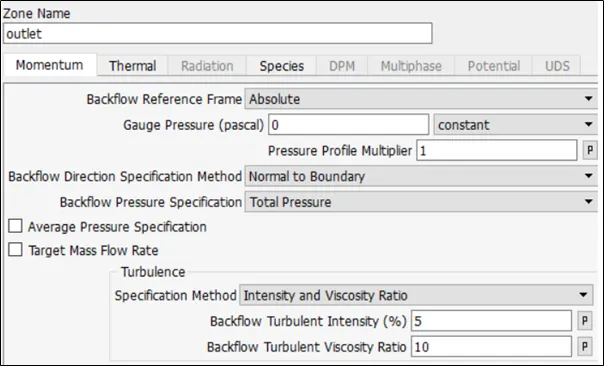
Outlet
The pressure outlet is 0 pa (gauge pressure)
Results
Convergence
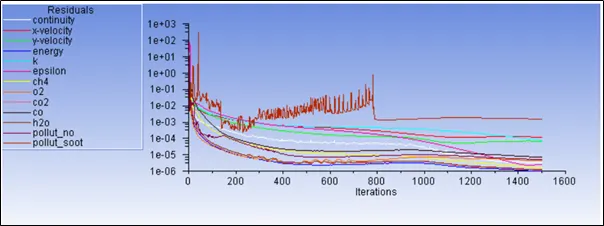
Simulation ran for 1500 iteration, where it seems to be converged.
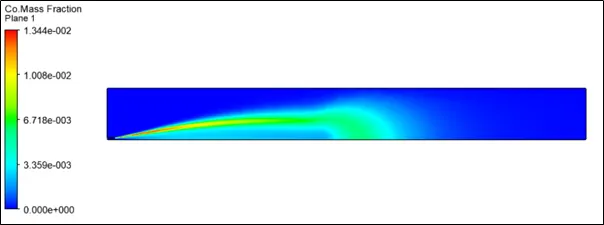
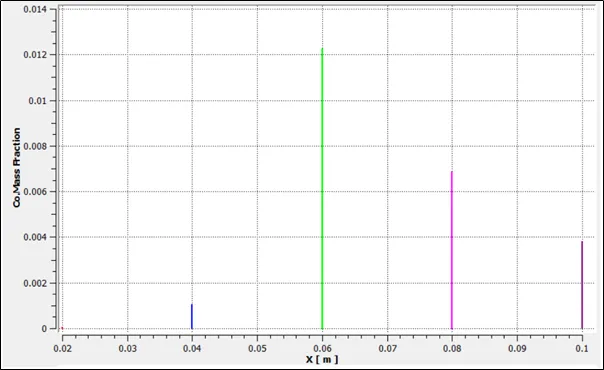
Co mass fraction
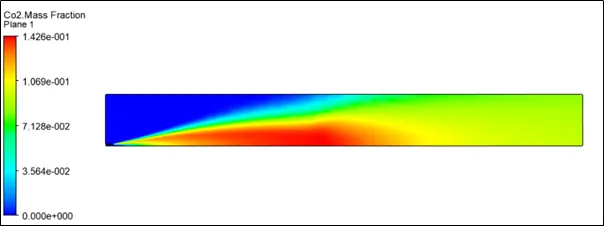
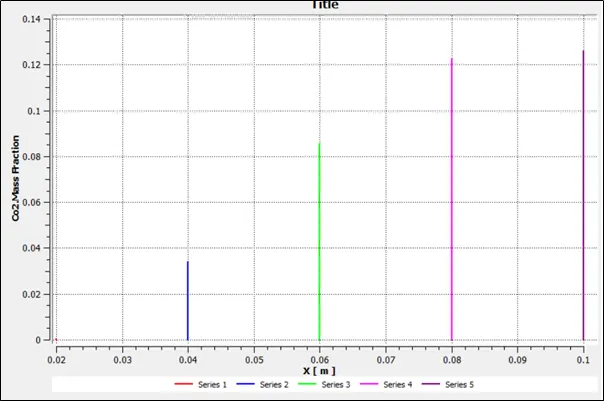
Co2 mass fraction
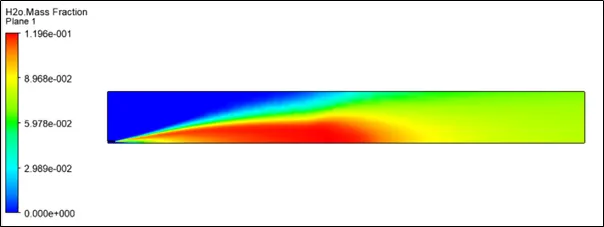
H2o mass fraction
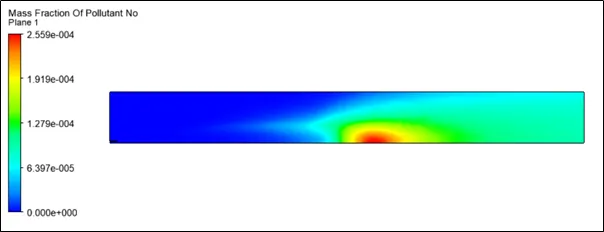
NOx mass fraction
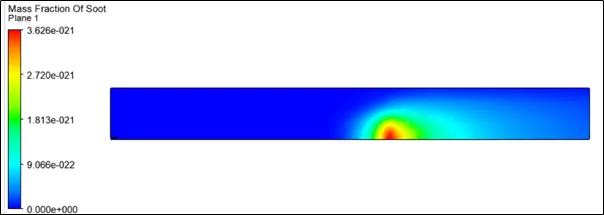
Soot mass fraction
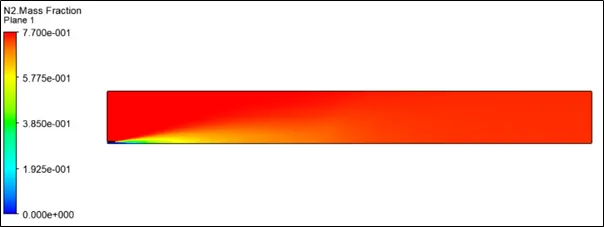
N2 mass fraction
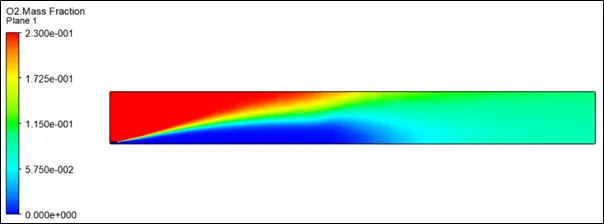
O2 mass fraction
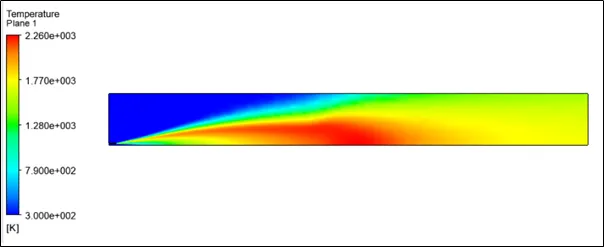
Temperature contour
Co mass fraction along with the length of the combustion
Co2 mass fraction along with the length of the combustion
H2o mass fraction along with the length of the combustion
NOx mass fraction along with the length of the combustion
Soot mass fraction along with the length of the combustion
Part II:
Results & discussion
A parametric study by changing the fuel composition
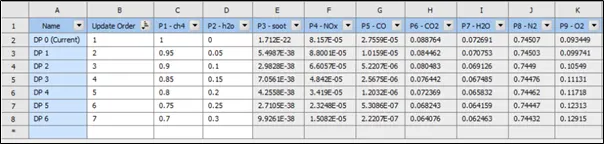
NOx count Vs Water content in fuel
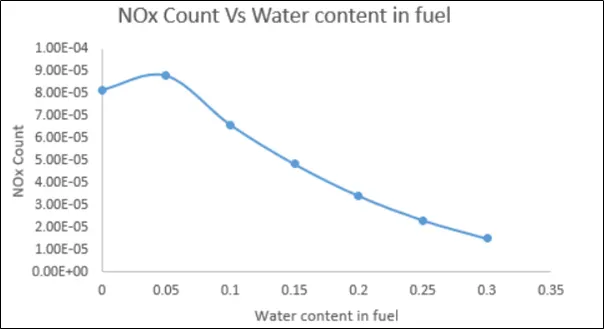
As water content is increasing NOx count reduces.
Soot count Vs Water content in fuel
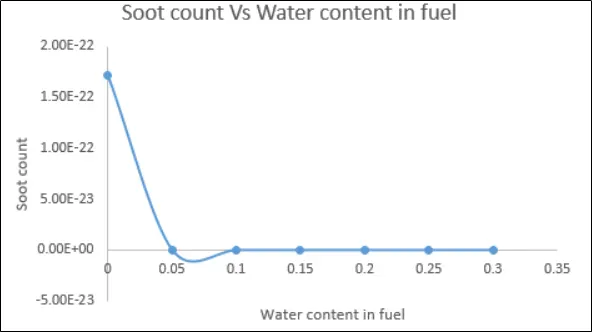
As water content is increasing Soot count reduces.
CO count Vs Water content in fuel
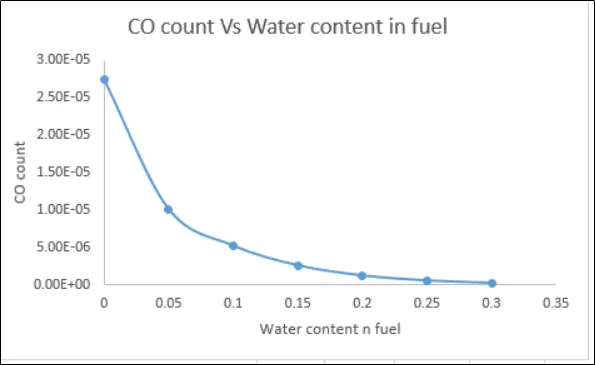
As water content is increasing CO count reduces.
CO2 count Vs Water content in fuel
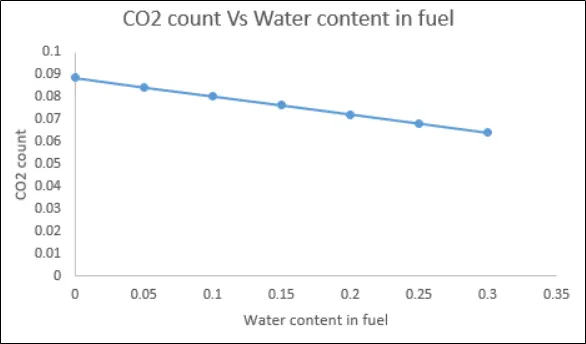
As water content is increasing CO2 count reduces.
H2O count Vs Water content in fuel
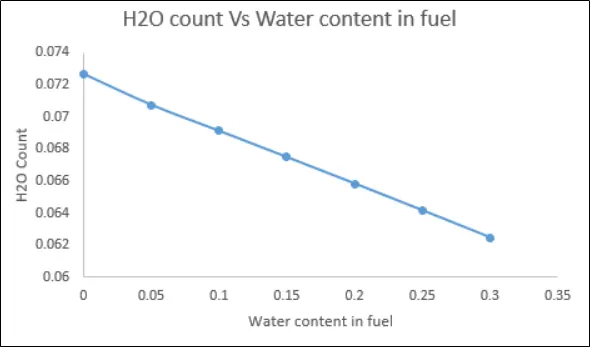
As water content is increasing H2O count reduces.
N2 count Vs Water content in fuel
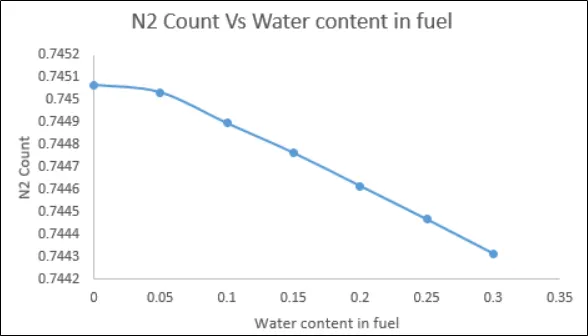
As water content is increasing N2 count reduces.
O2 count Vs Water content in fuel
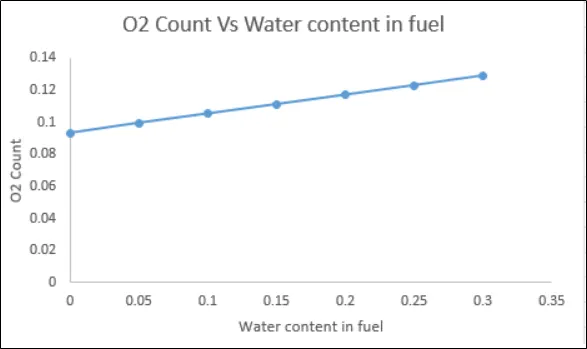
As water content is increasing O2 count increase.