Simulating Combustion of Natural Gas using Ansys Fluent
Description:
Combustion, a chemical reaction between substances, usually including oxygen, and usually accompanied by the generation of heat and light in the form of flame. The rate or speed at which the reactants combine is high, in part because of the nature of the chemical reaction itself and in part because more energy is generated than can escape into the surrounding medium, with the result that the temperature of the reactants is raised to accelerate the reaction even more.
In general terms, combustion is one of the most important of chemical reactions and may be considered a culminating step in the oxidation of certain kinds of substances. Though oxidation was once considered to be simply the combination of oxygen with any compound or element, the meaning of the word has been expanded to include any reaction in which atoms lose electrons, thereby becoming oxidized. As has been pointed out, in any oxidation process the oxidizer takes electrons from the oxidizable substance, thereby itself becoming reduced (gaining electrons). Any substance at all can be an oxidizing agent. But these definitions, clear enough when applied to the atomic structure to explain chemical reactions, are not as clearly applicable to combustion, which remains, generally speaking, a type of chemical reaction involving oxygen as the oxidizing agent but complicated by the fact that the process includes other kinds of reactions as well and by the fact that it proceeds at an unusually fast pace. Furthermore, most flames have a section in their structure in which, instead of oxidations, reduction reactions occur. Nevertheless, the main event in combustion is often the combining of combustible material with oxygen.
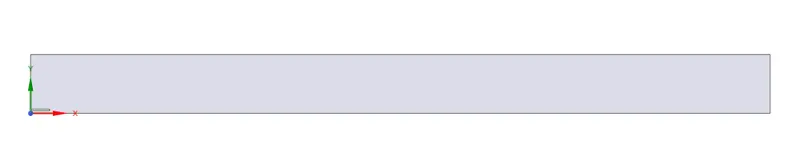
Geometry:

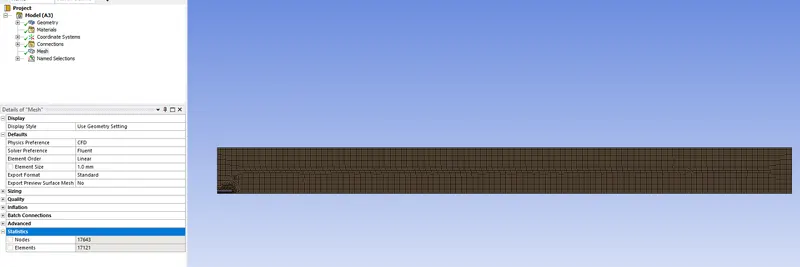
Mesh
Mesh size 1mm
No of elements 17121
Named selection
Axis

Fuel-inlet

Air-inlet

Wall

Setup and solution
Solver: Pressure-based/steatdy-state/Axisymmetric
Model:
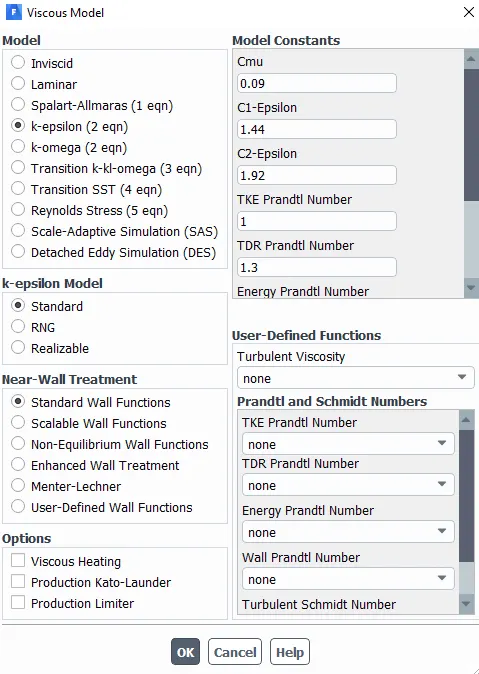
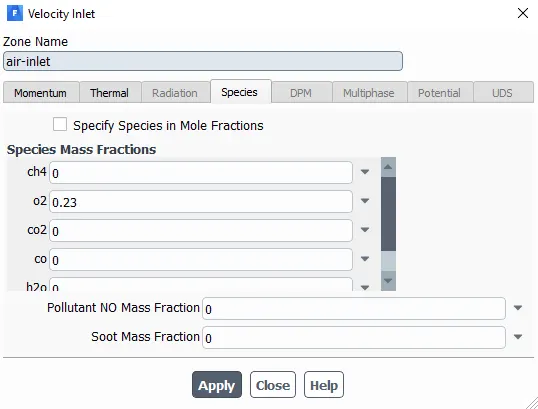
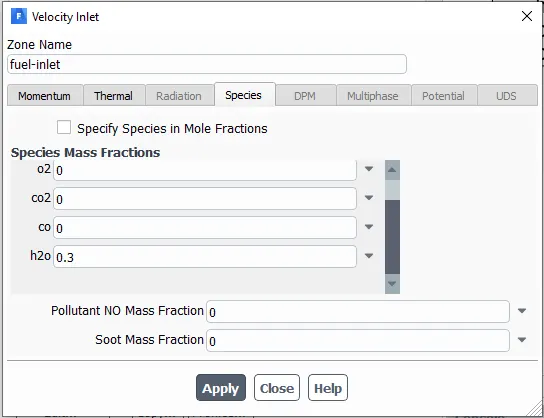
Species model
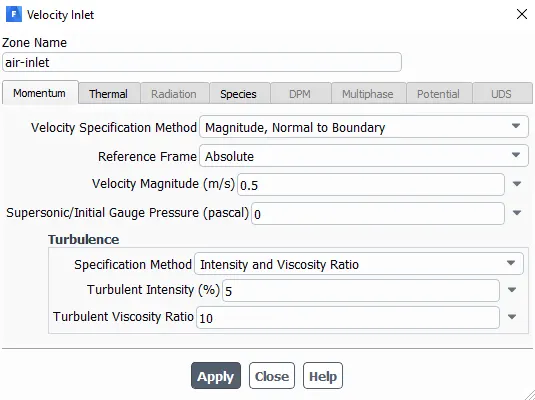
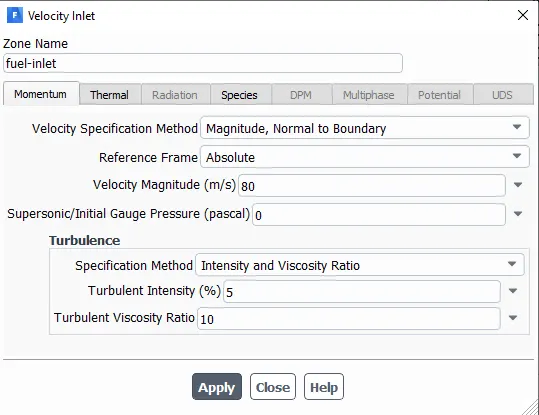
Boundary conditions
Air inlet at 300K
Fuel-inlet
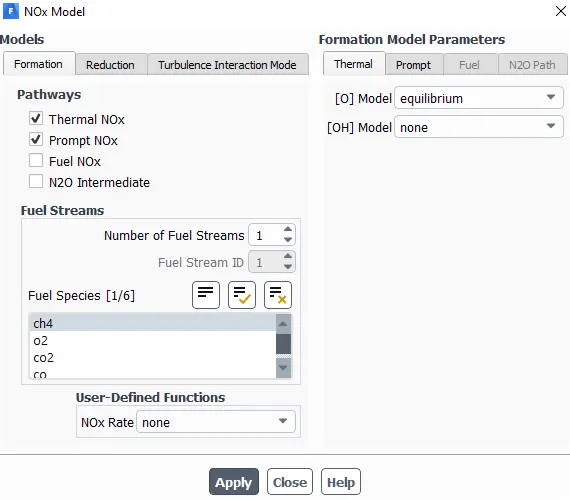
NOx model
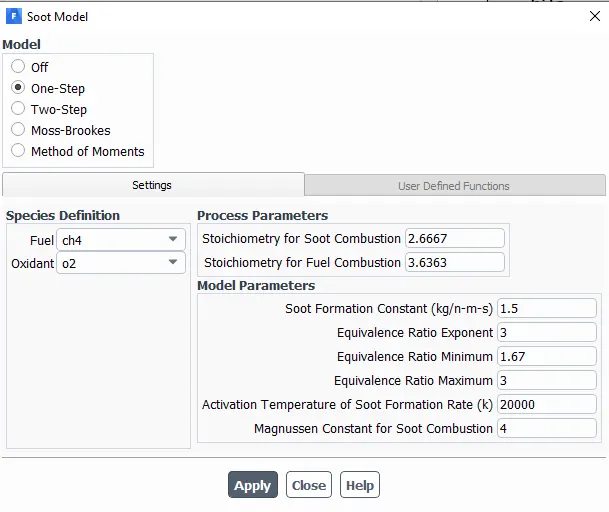
Soot model
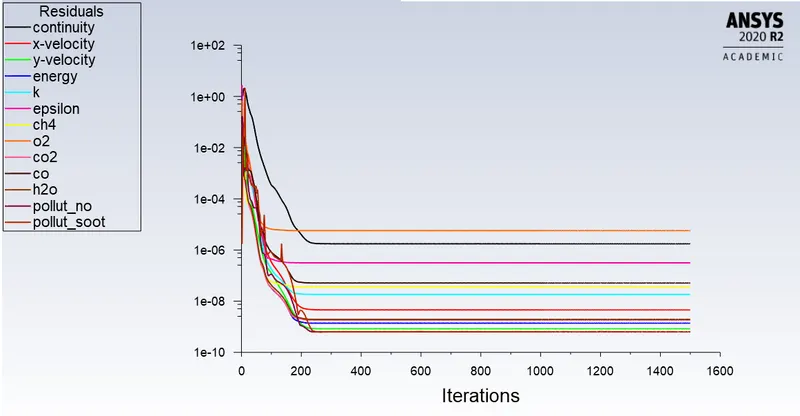
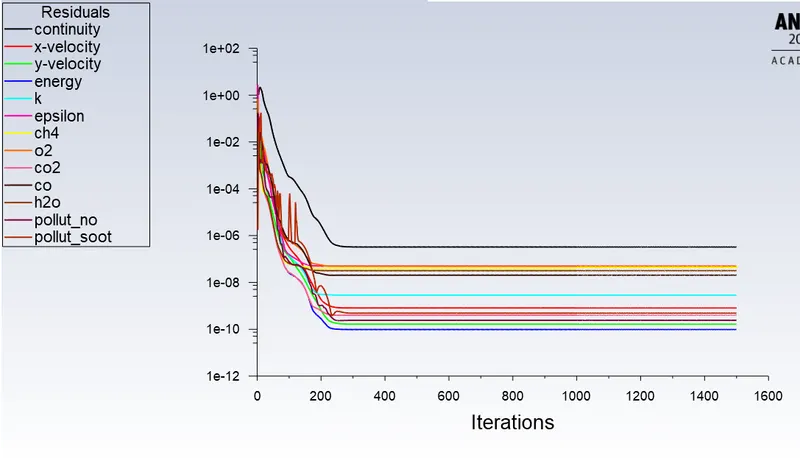
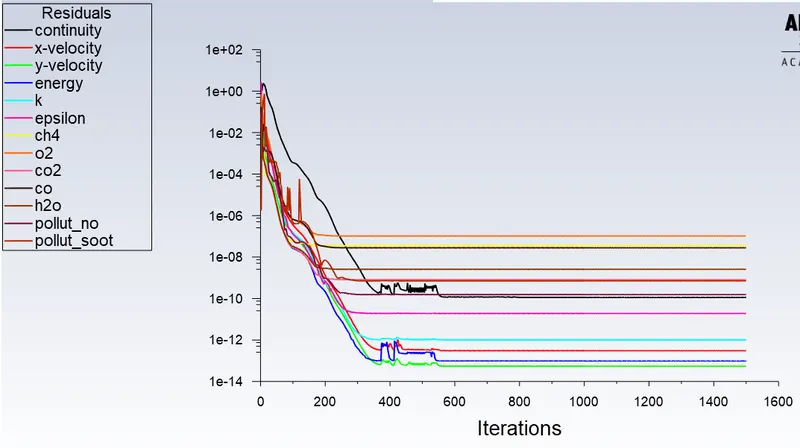
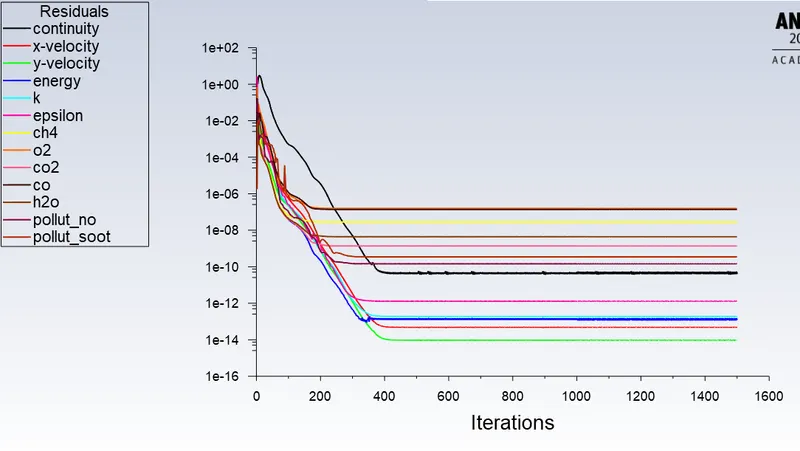
Number of iterations 1500
Line probes
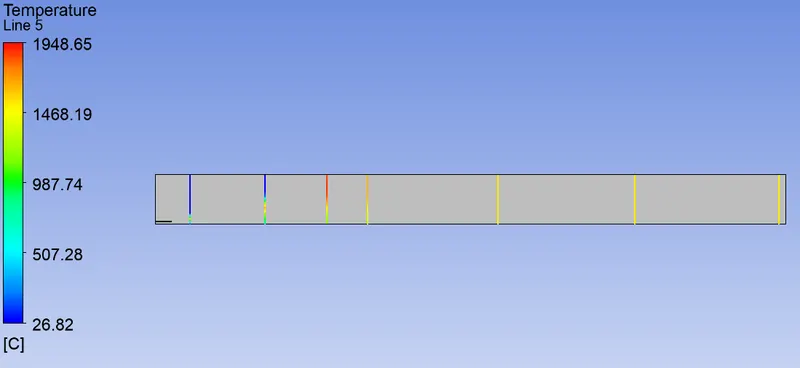
For 0%H2O
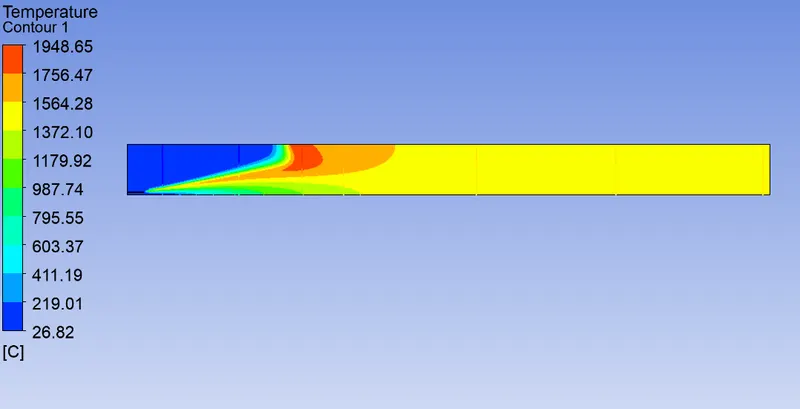
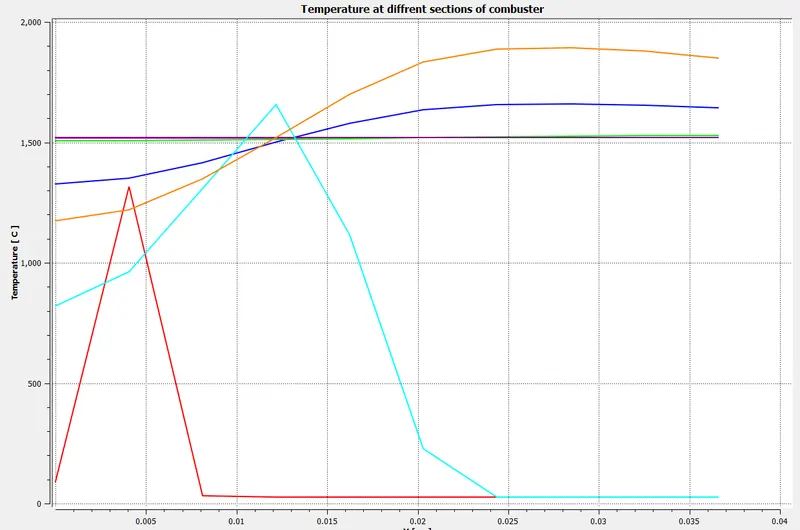
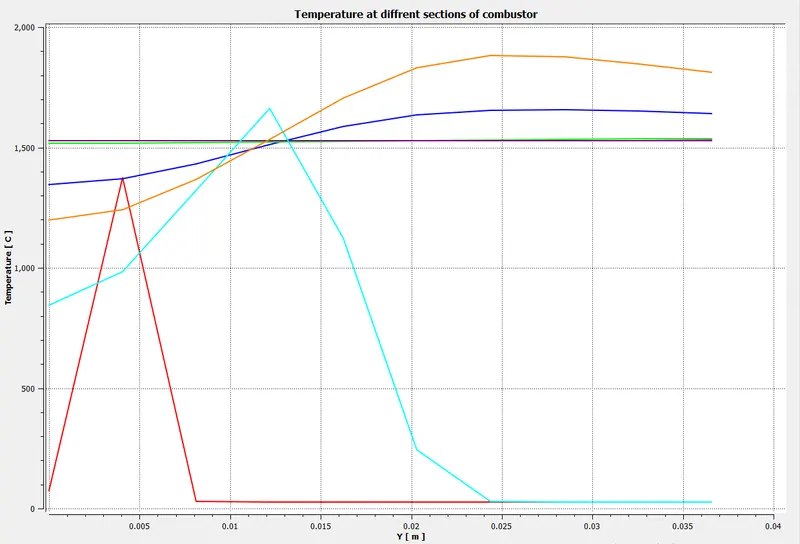
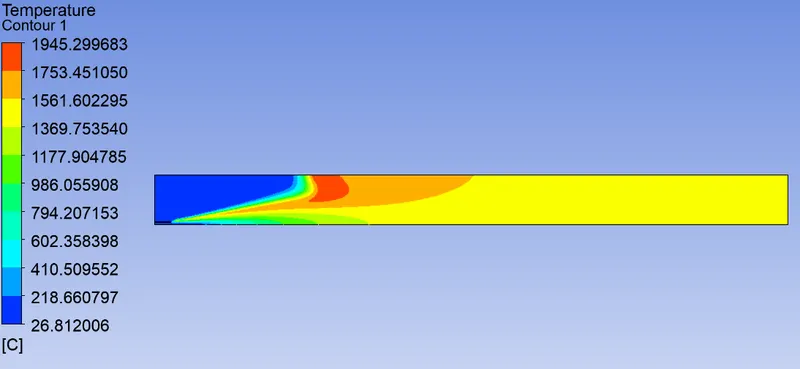
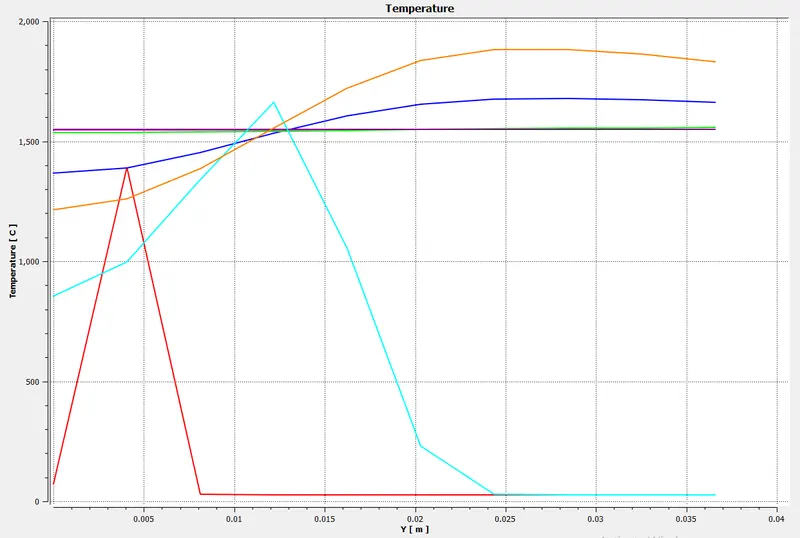
Temperature across the combustor
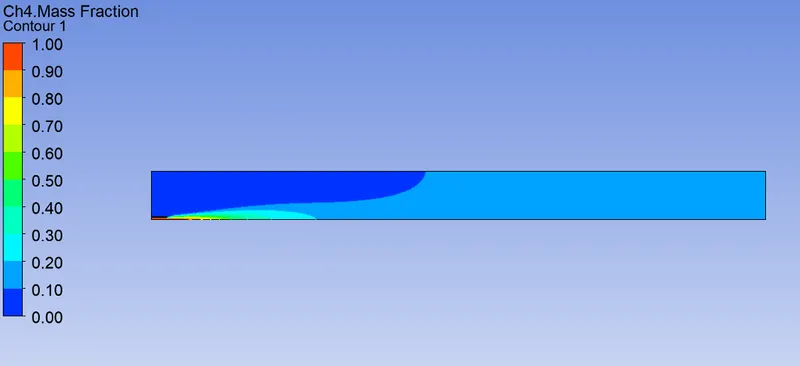
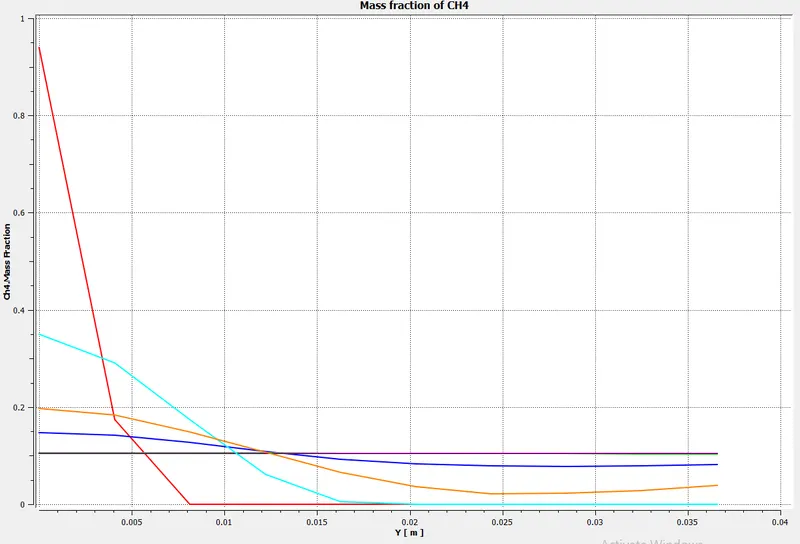
Mass-fraction of CH4
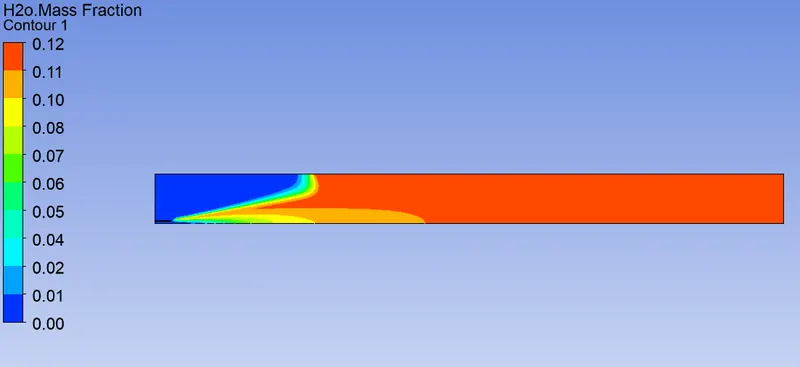
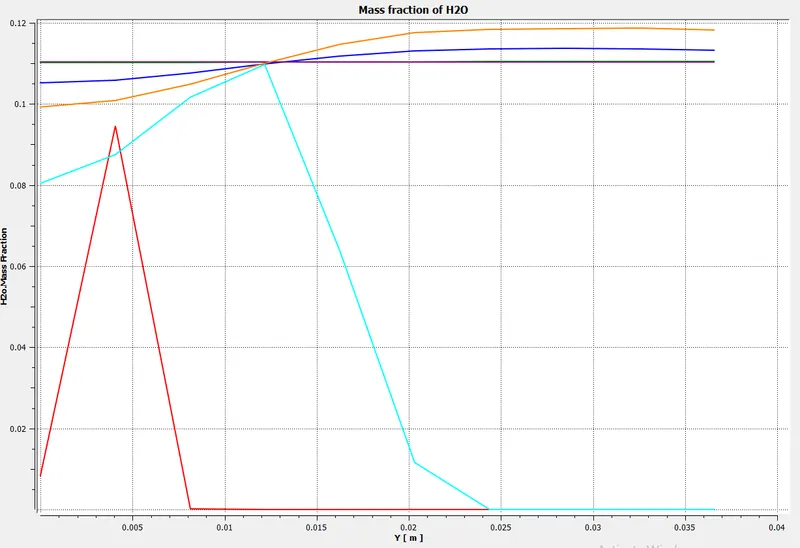
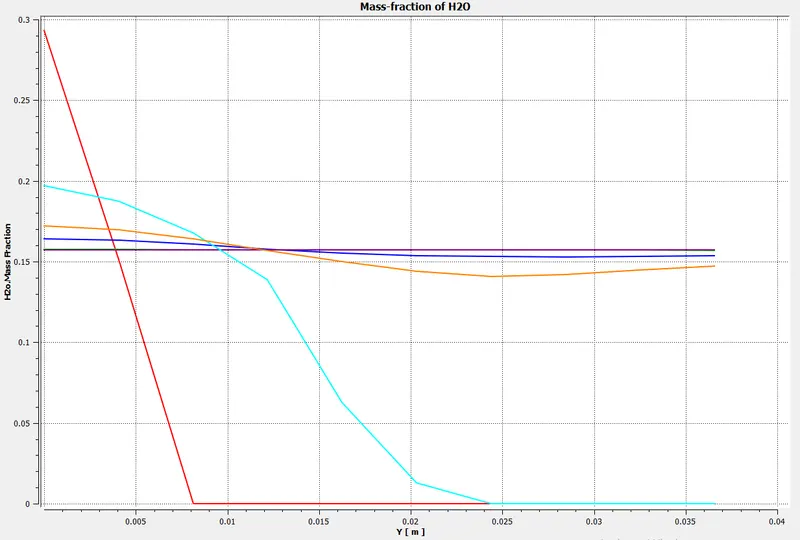
Mass-fraction of H2O
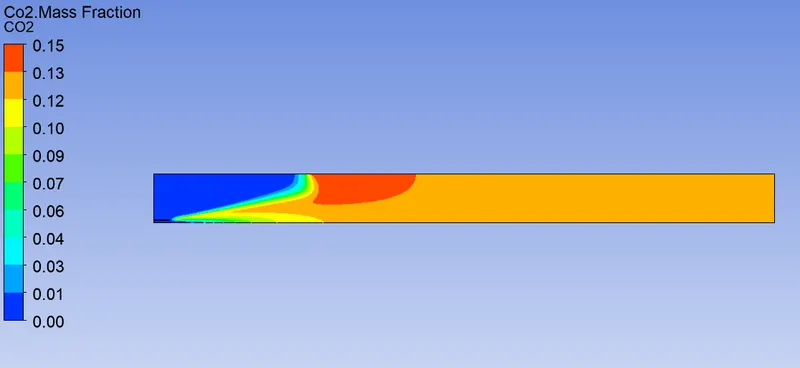
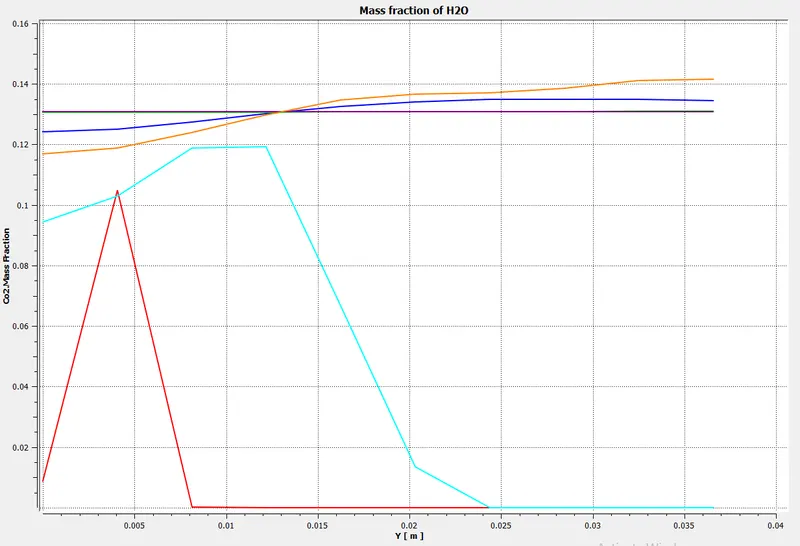
Mass-fraction of CO2
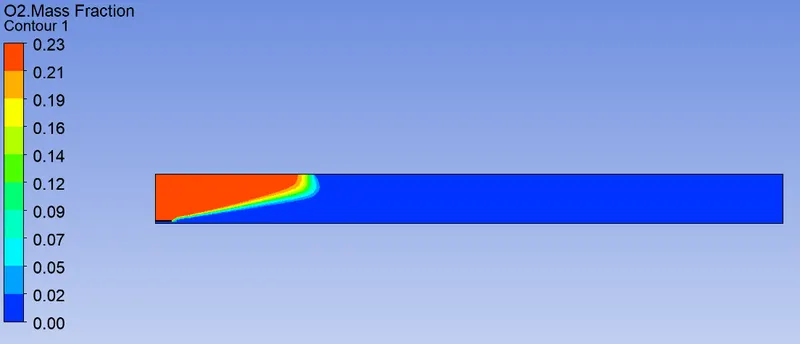
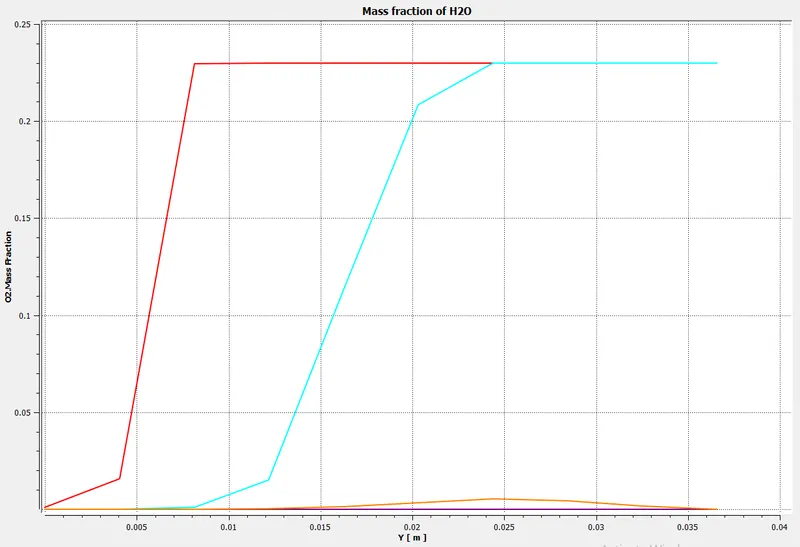
Mass-fraction of O2
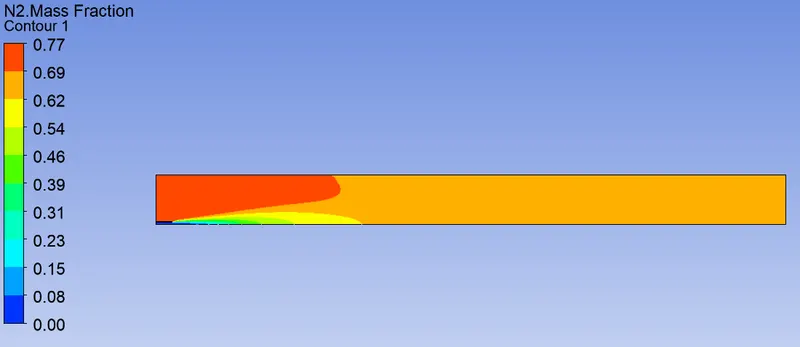
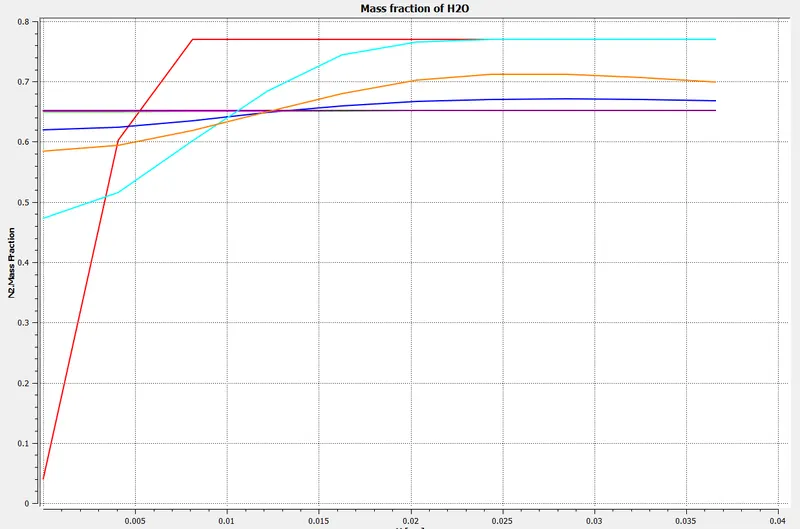
Mass-fraction of N2
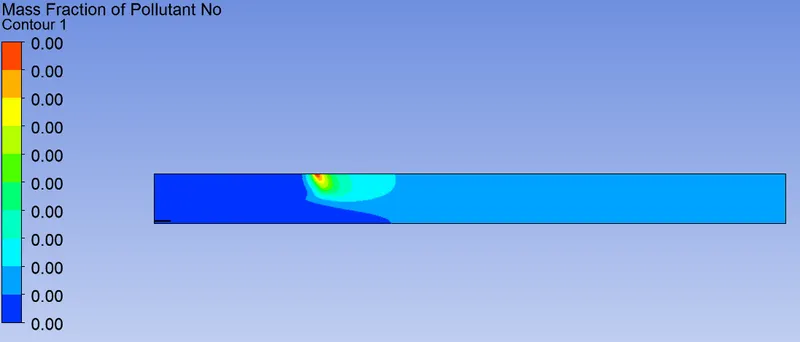
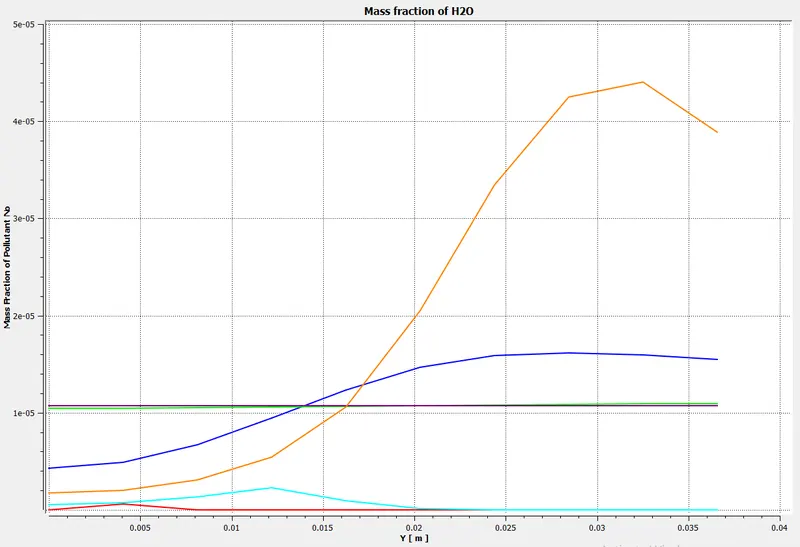
NOx emission
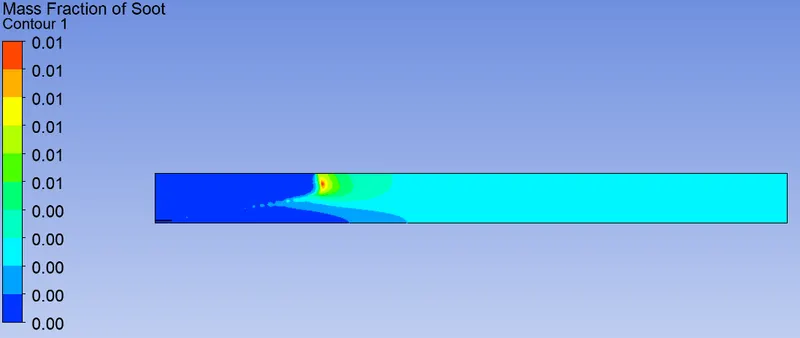
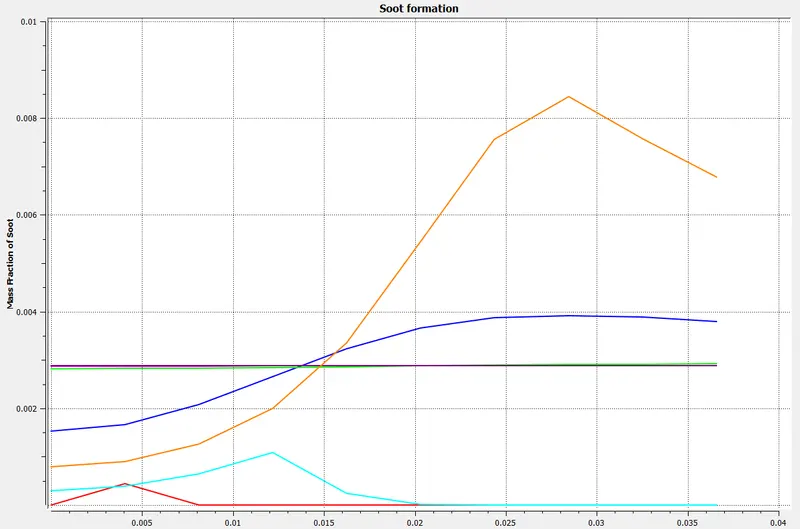
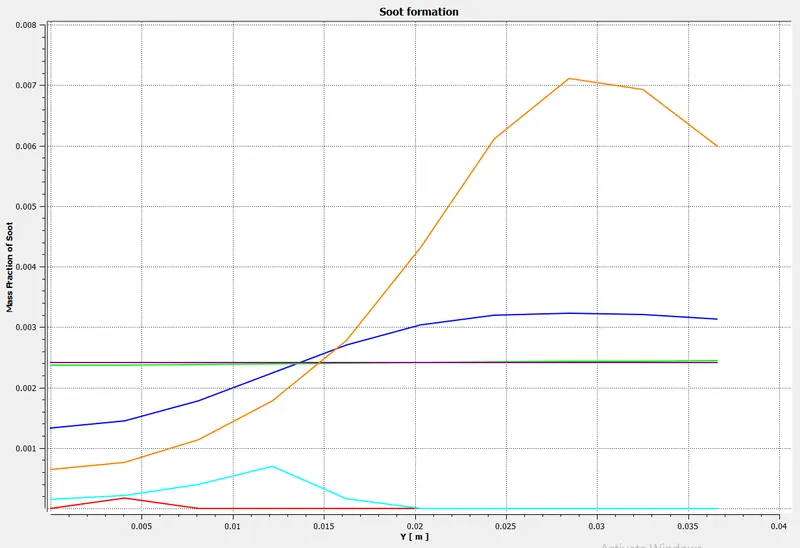
Soot formation
Part 2
5% water addition
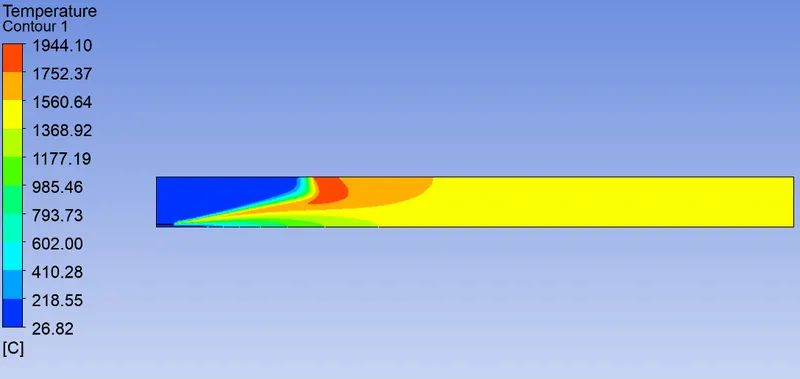
Temperature
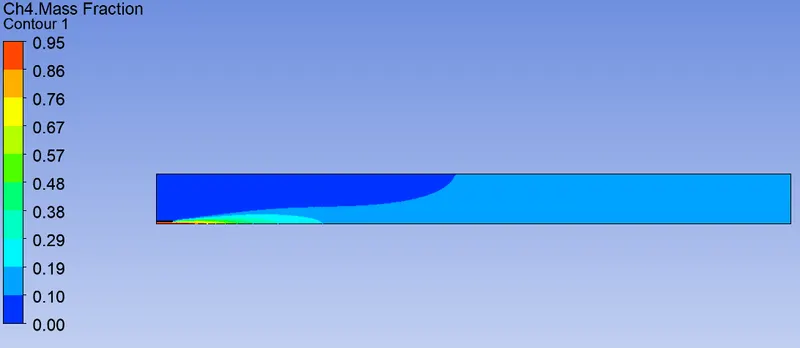
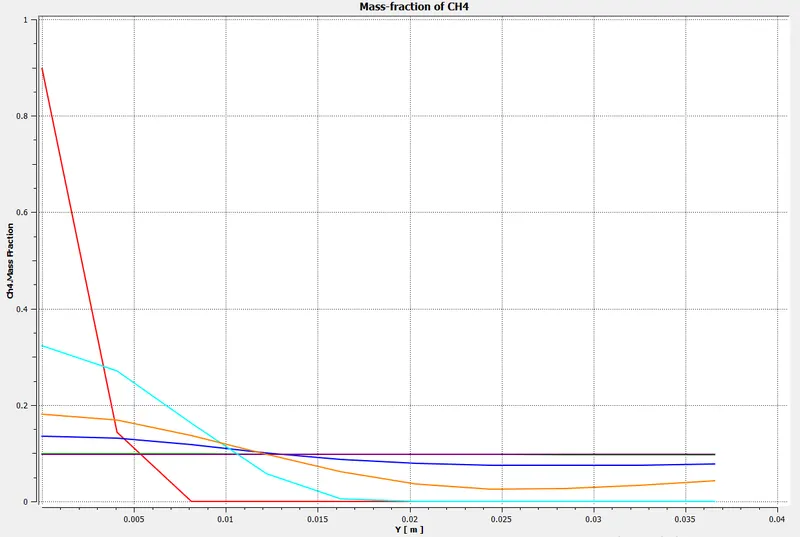
Mass-fraction of CH4
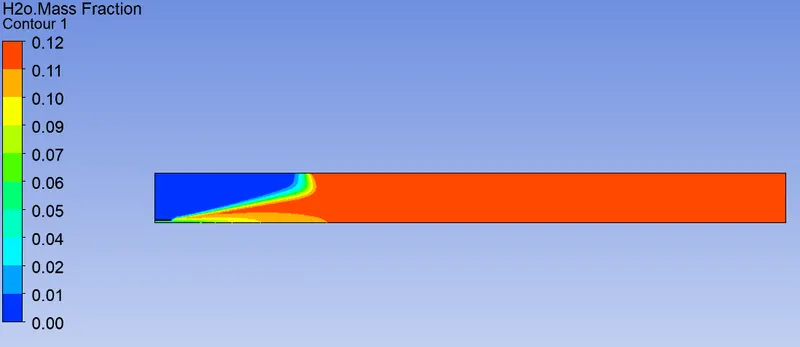
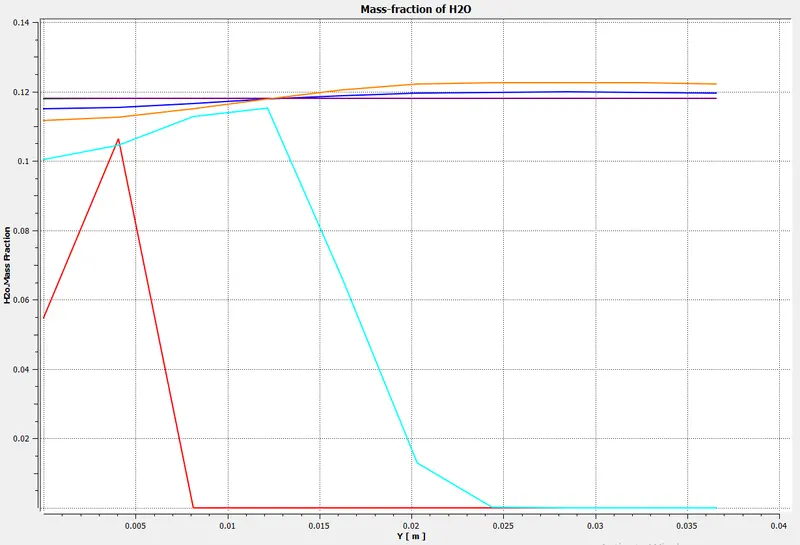
Mass-fraction of H2O
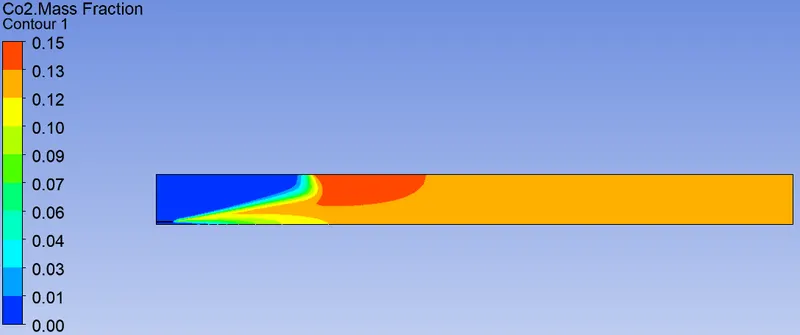
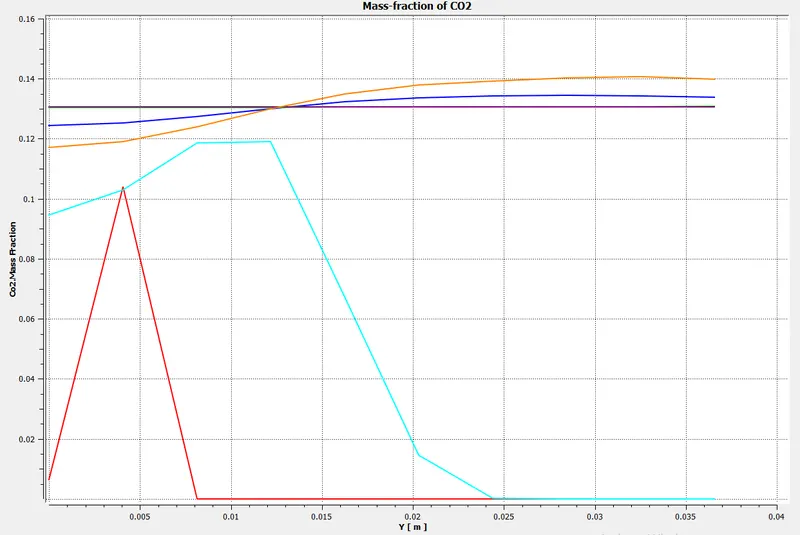
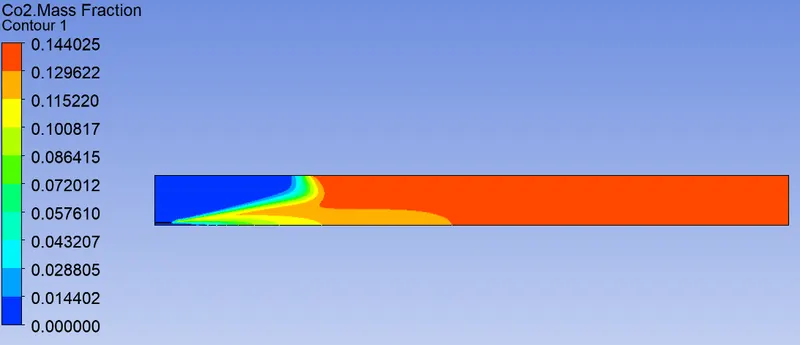
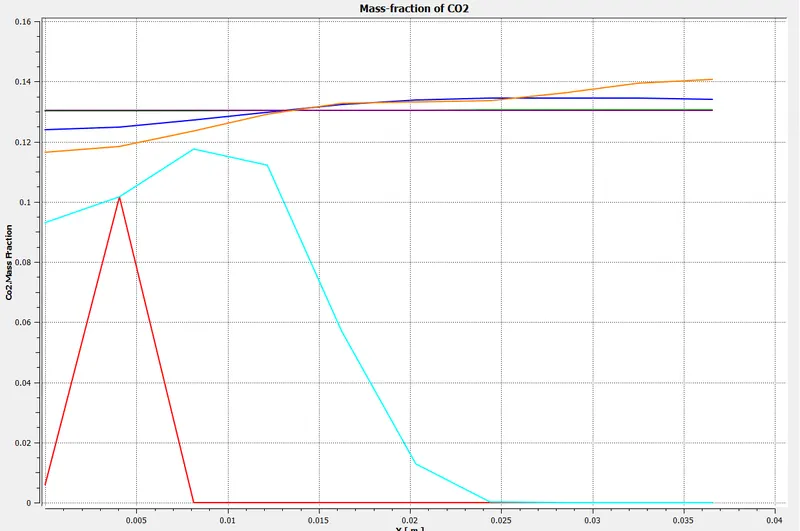
Mass-fraction of CO2
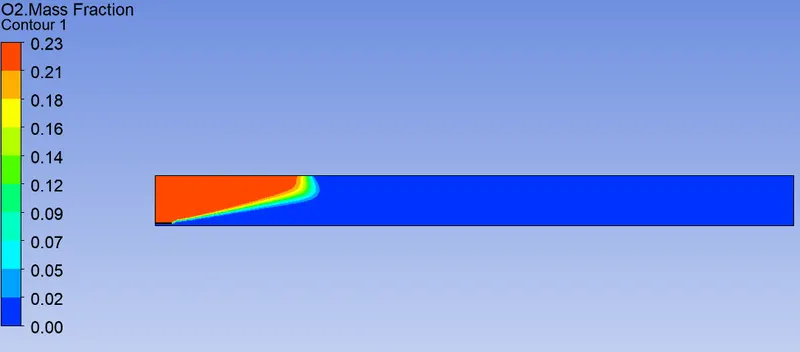
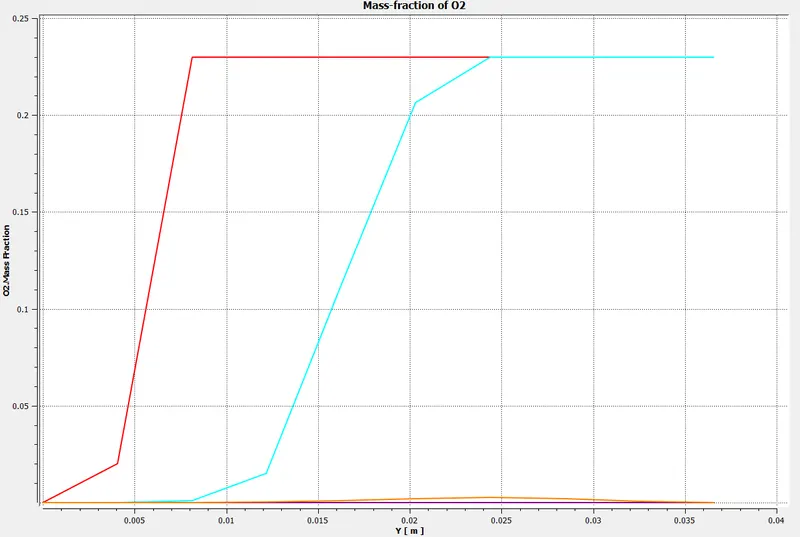
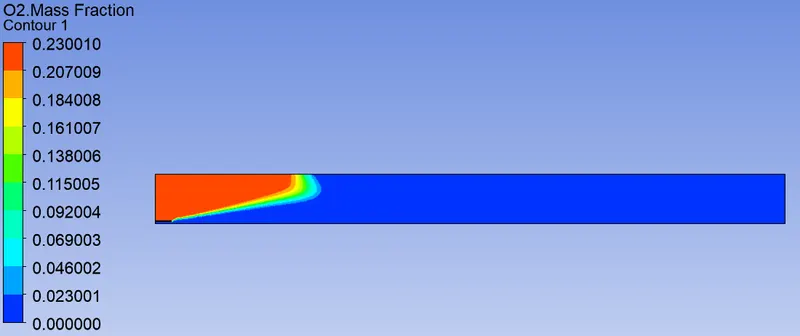
Mass-fraction of O2
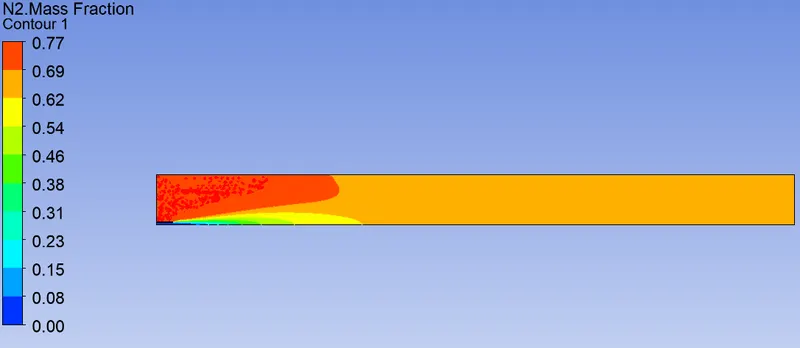
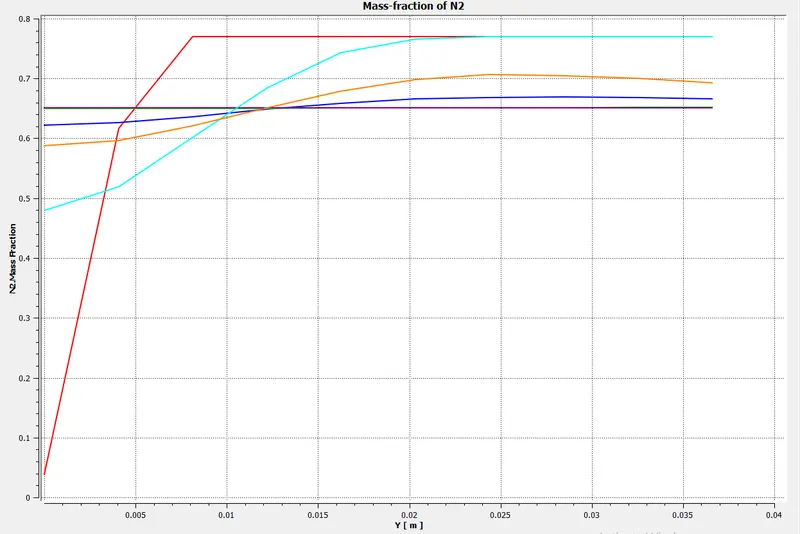
Mass-fraction of N2
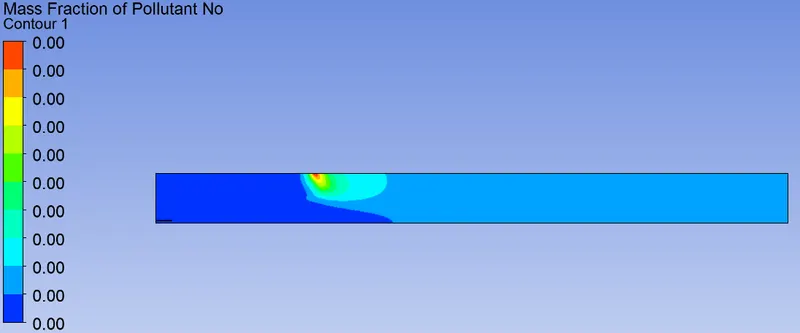
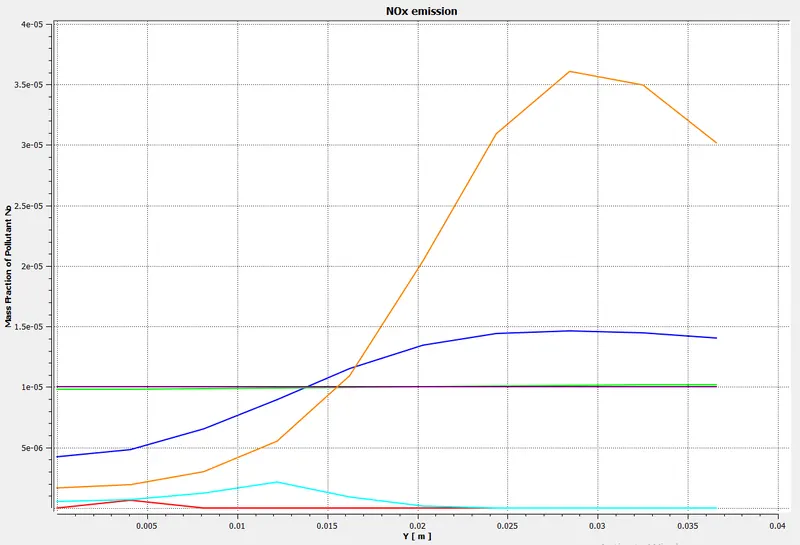
NOx emission
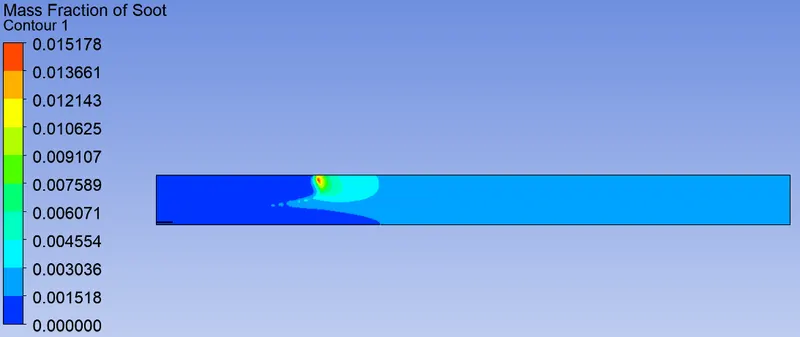
Soot formation
15% water addition
Temperature
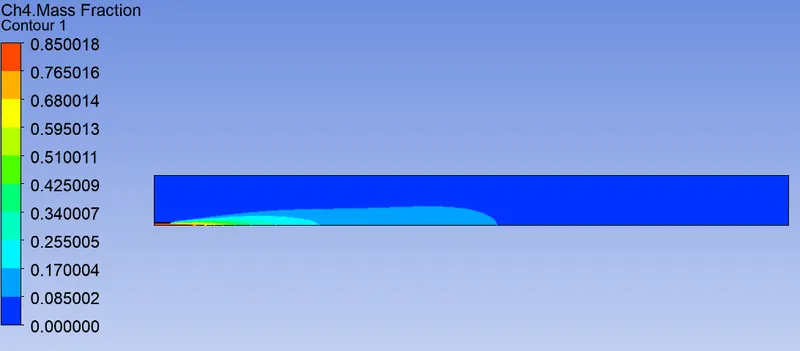
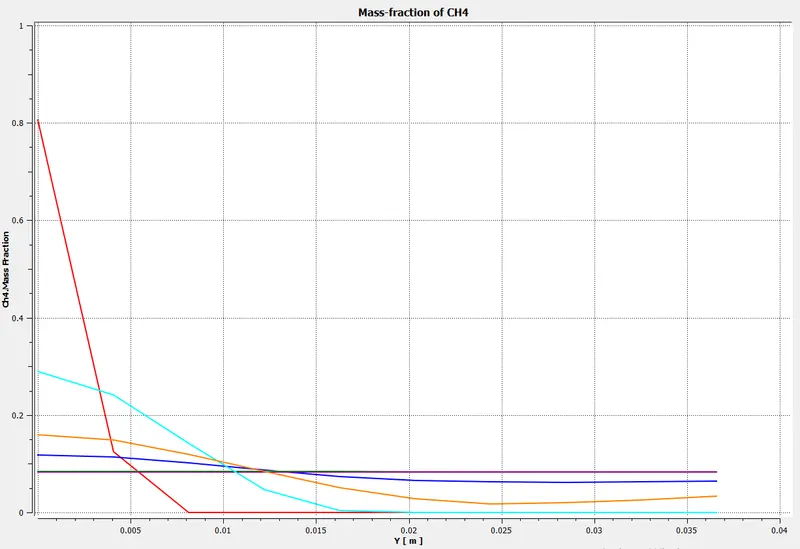
Mass-fraction of CH4
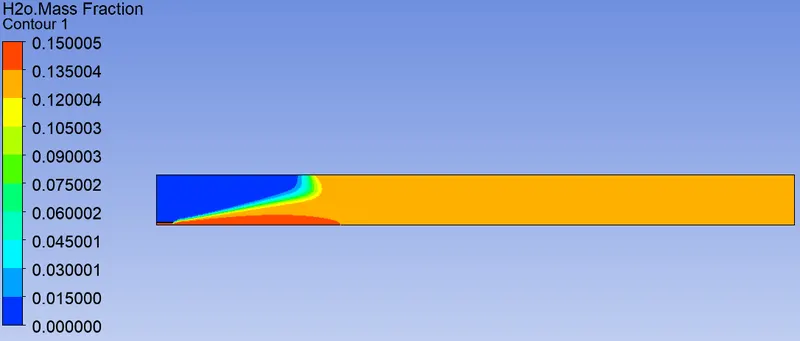
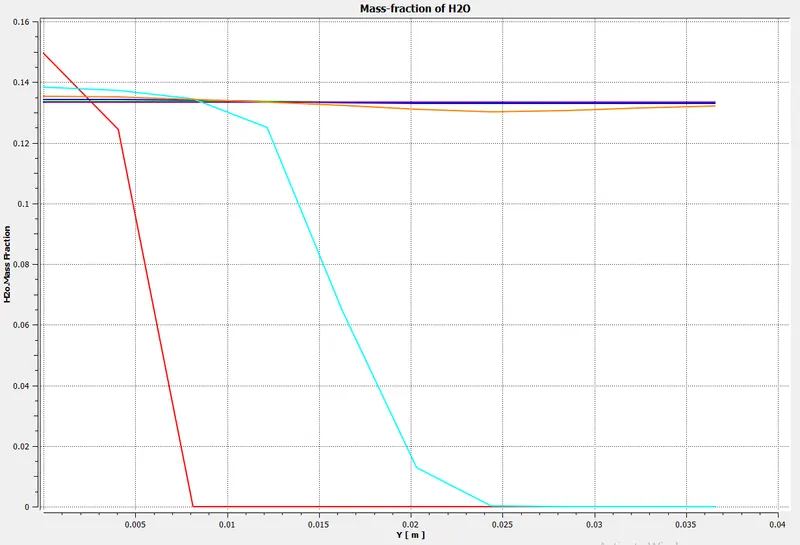
Mass-fraction of H2O
Mass-fraction of CO2
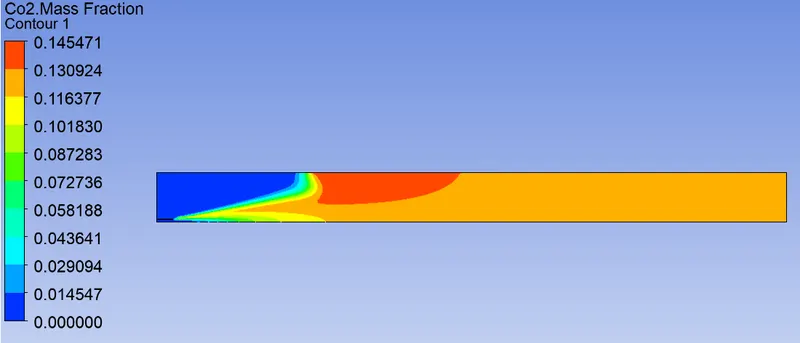
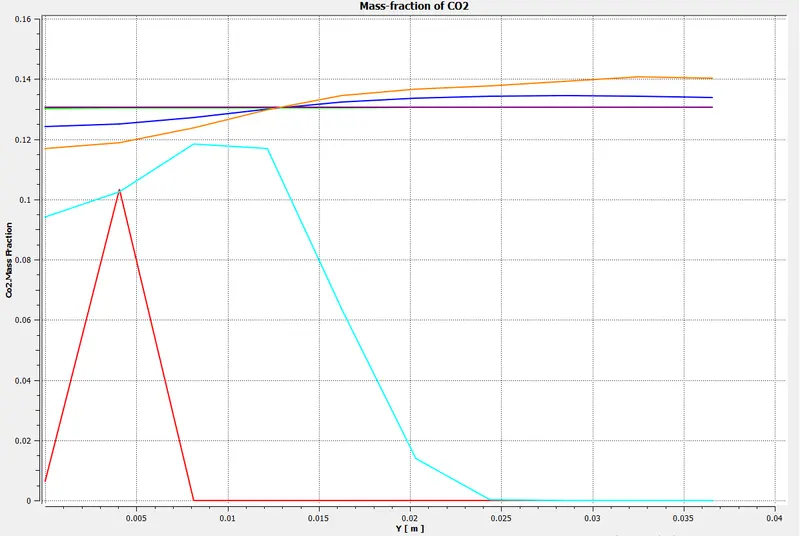
Mass-fraction of O2
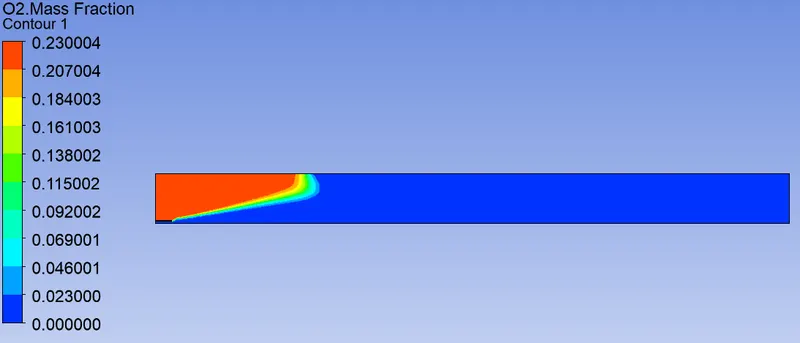
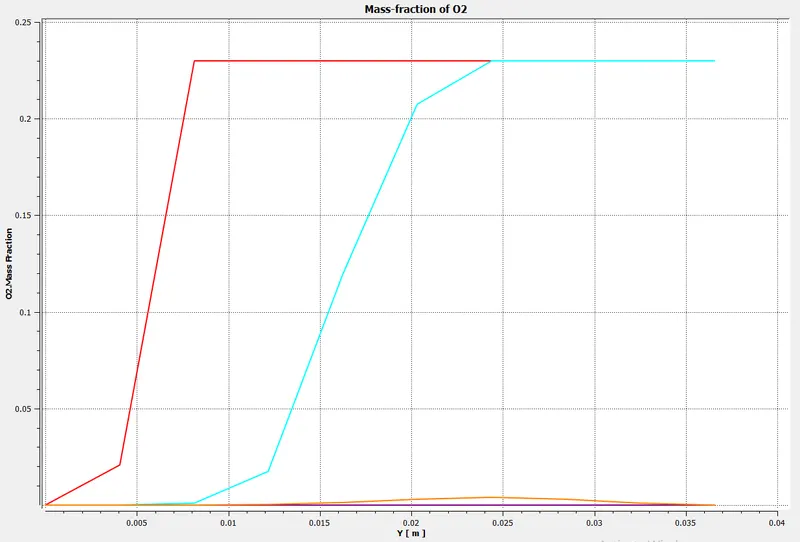
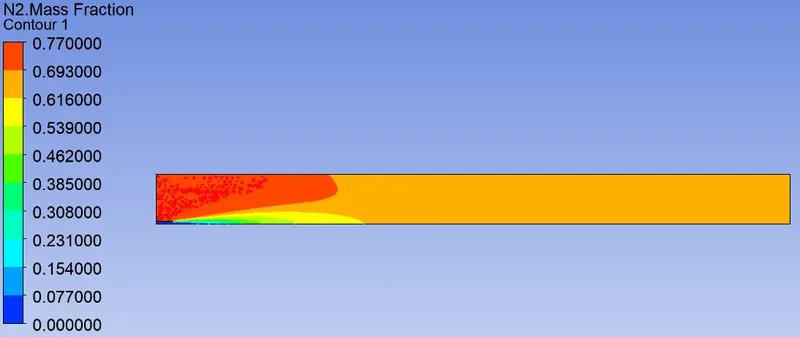
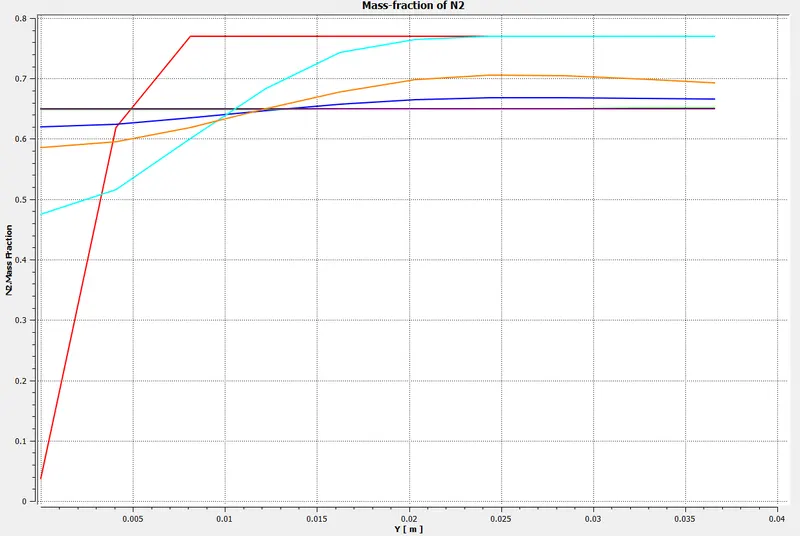
Mass-fraction of N2
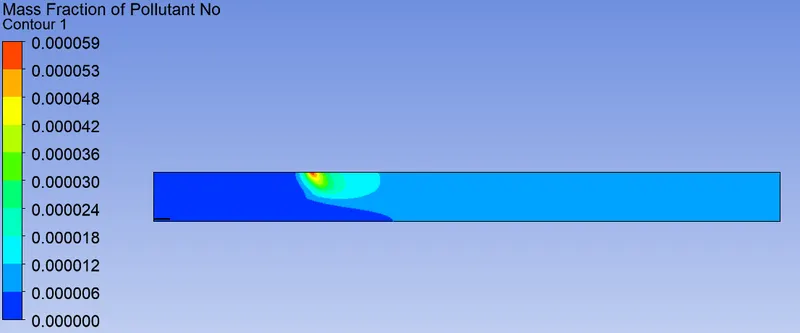
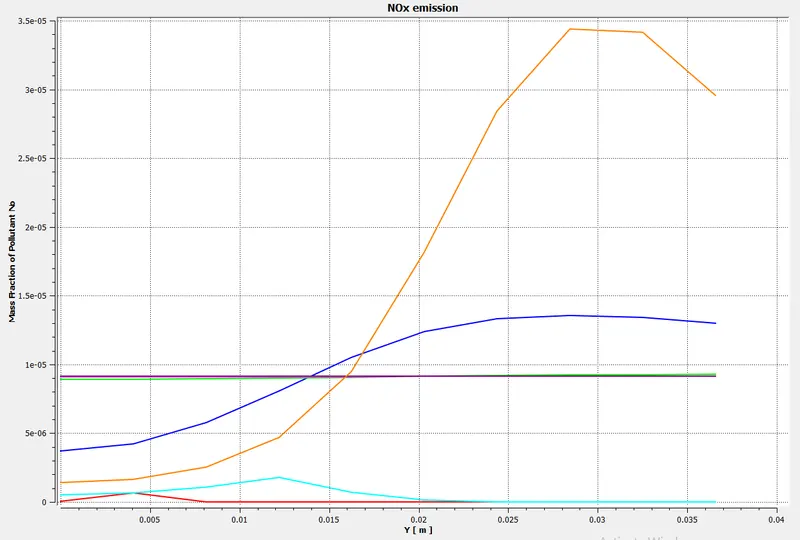
NOx emission
Stool formation
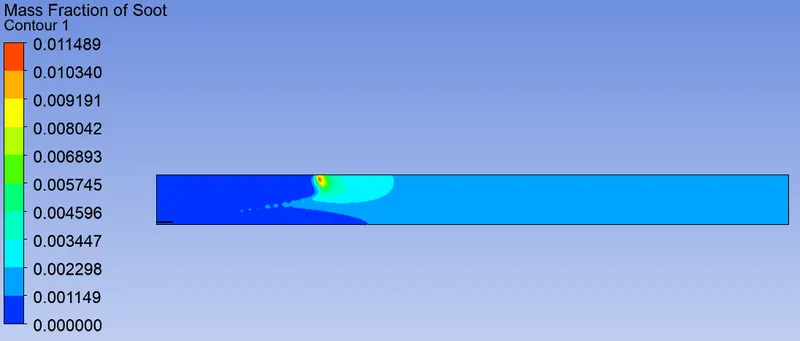
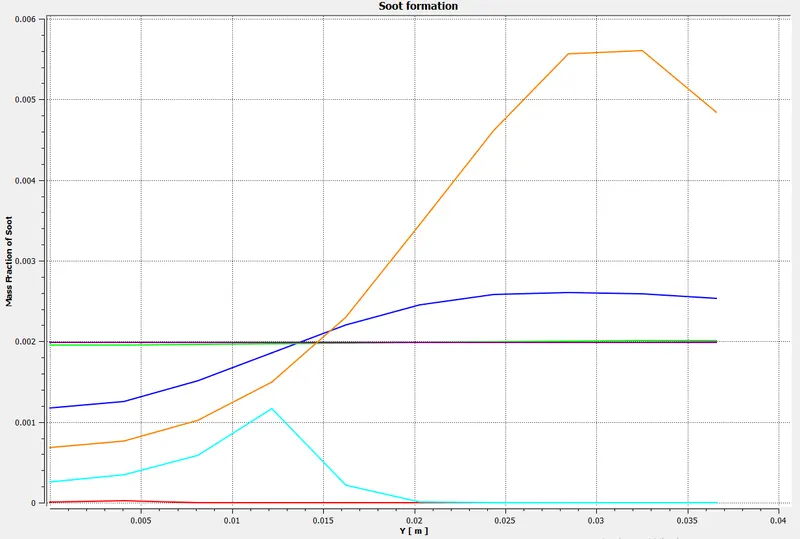
30% water addition
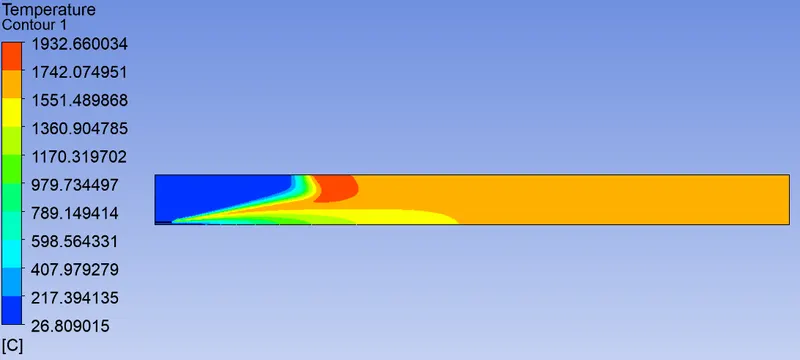
Temperature
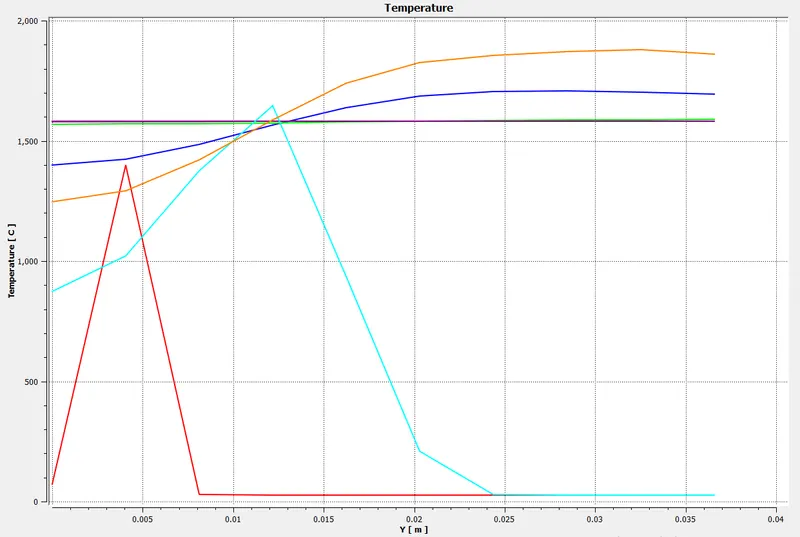
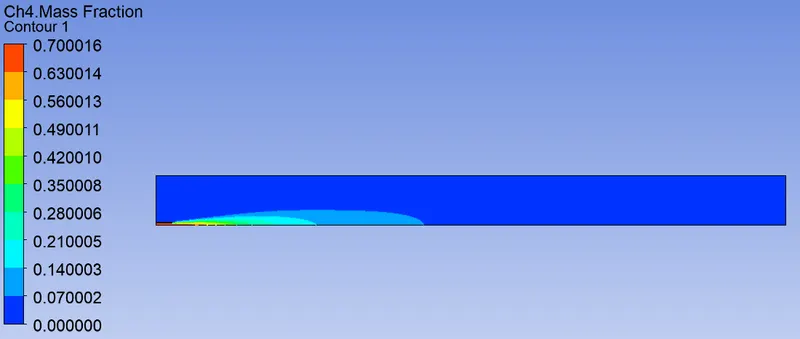
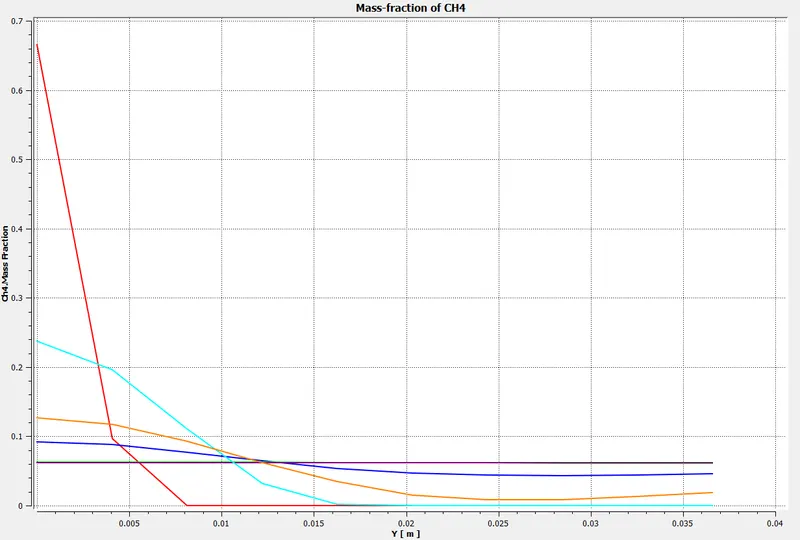
Mass-fraction of CH4
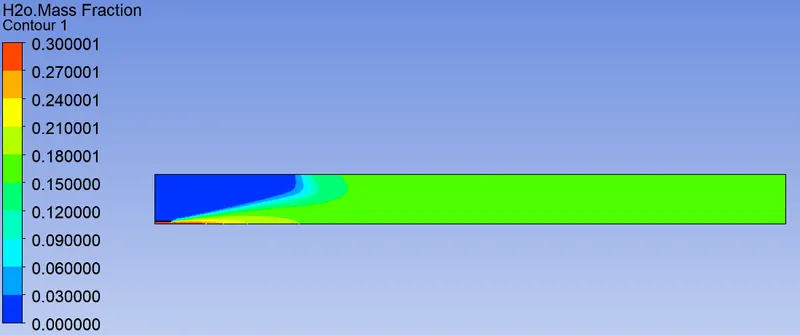
Mass-fraction of H2O
Mass-fraction of CO2
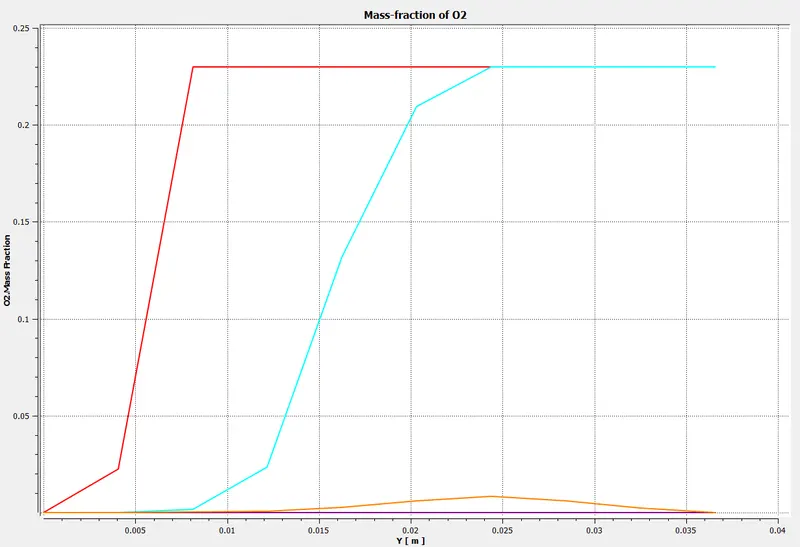
Mass-fraction of O2
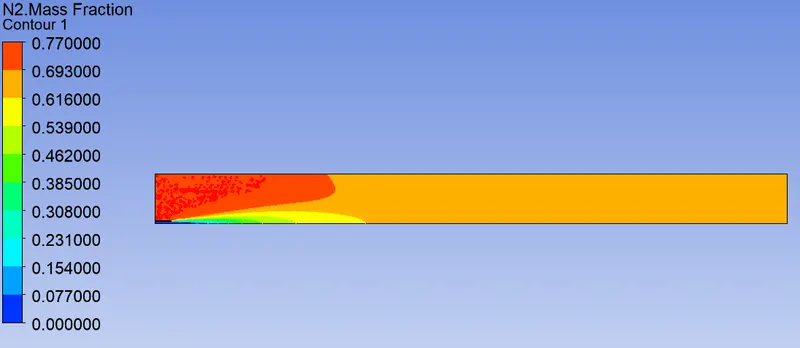
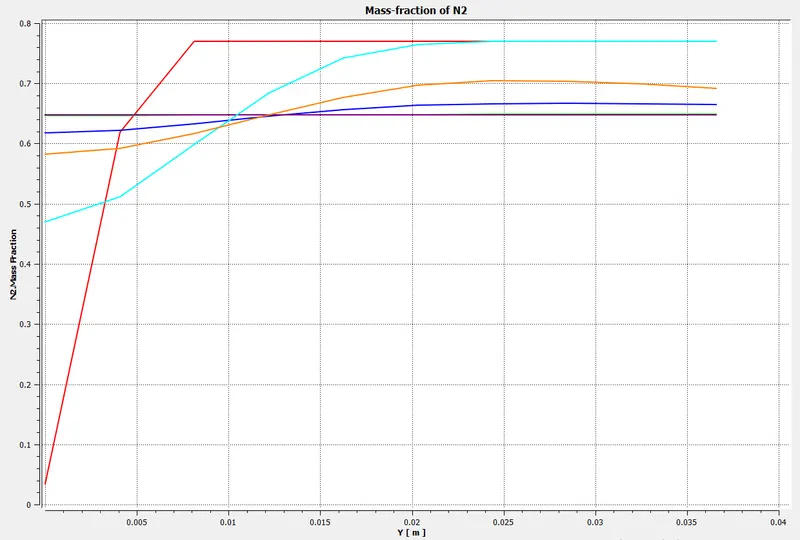
Mass-fraction of N2
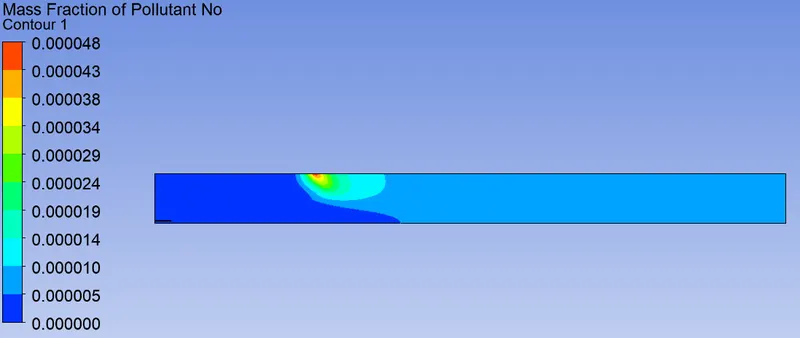
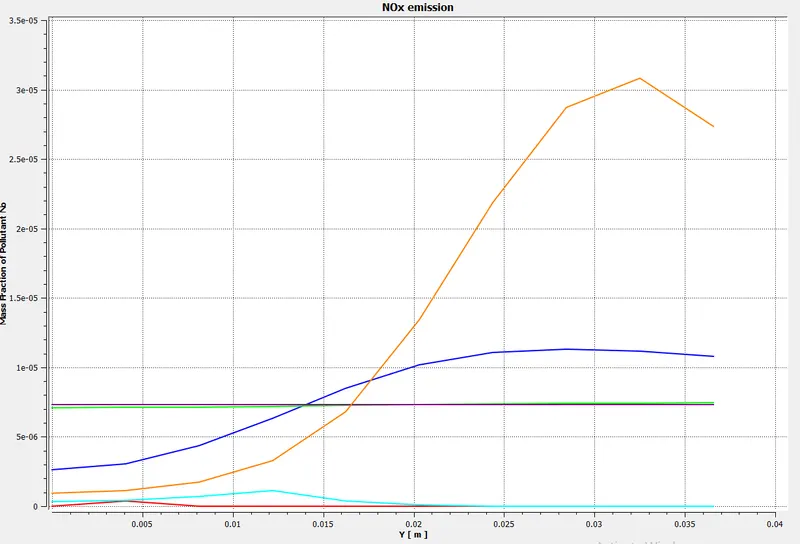
NOx emission
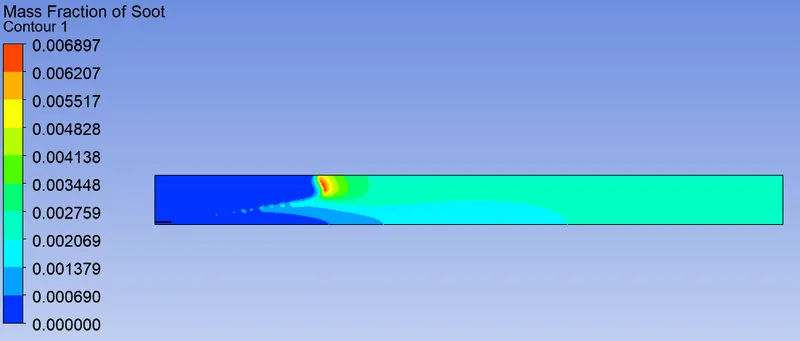
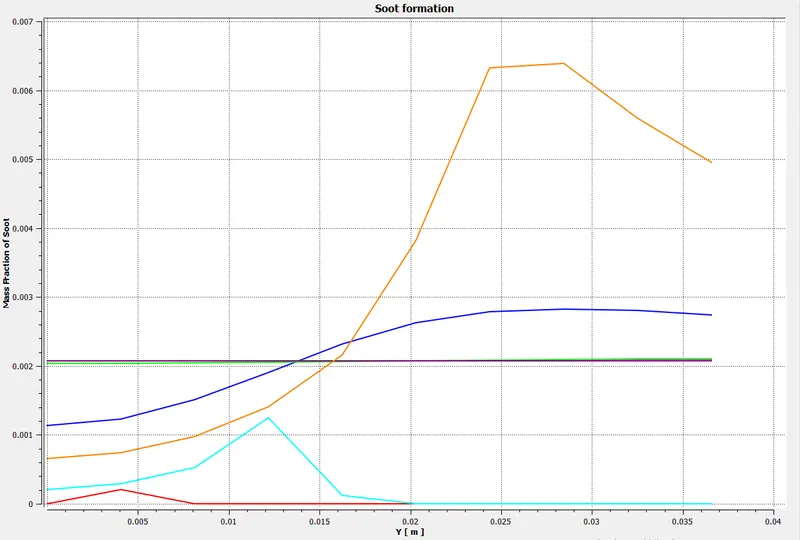
Soot formation
Tabulation:
| Percentage of water | CH4:h2o | Mass-fraction of NOx | Soot formation |
| 5 | 0.95:0.12 | 0.000064 | 0.0151 |
| 15 | 0.85:0.15 | 0.000059 | 0.0114 |
| 30 | 0.7:0.3 | 0.000048 | 0.01 |
Conclusions:
NOx emission and soot formation reduced as the water level is increased.
But the efficiency of the engine reduces as the water level increases there will be incomplete combustion.
We can observe that as the water level increases in fuel, CH4 level reduced