Roof challenge
AIM:
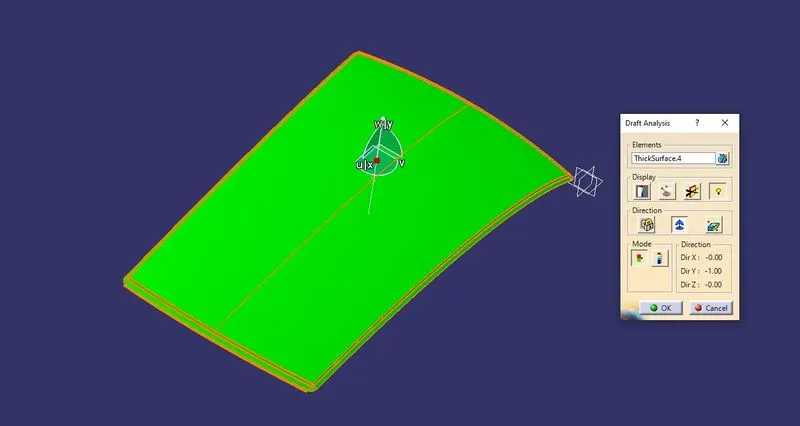
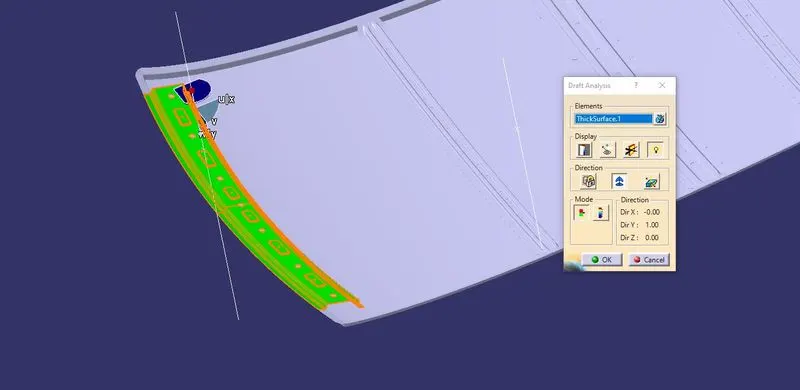
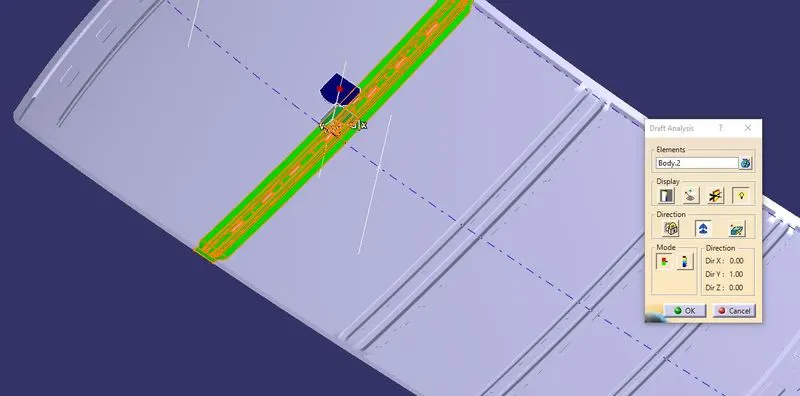
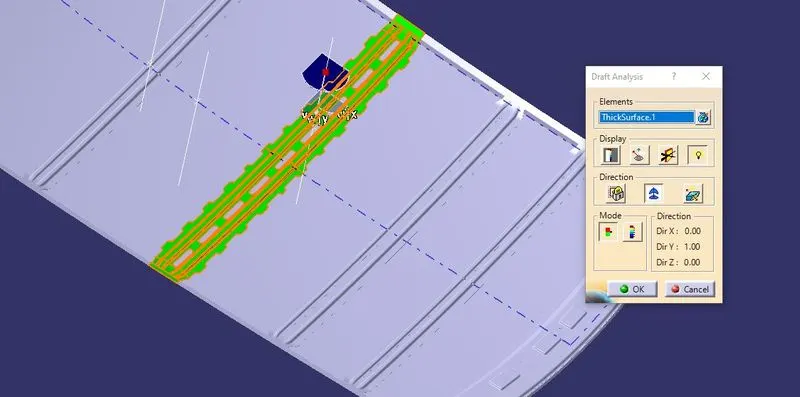
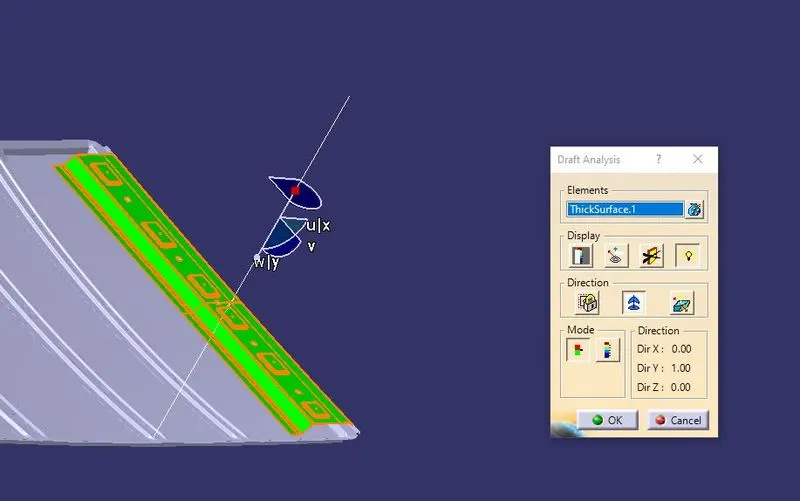
To Develop the essential flanges and reinforcements with Provided appropriate dimensions and check for Draft analysis with the creation of a roof ditch area tool opening angle is only 3 degrees. To perform a curvature study on the roof and to determine a calculations to obtain the position of the Bow-roofs.
Outer roof Panel:
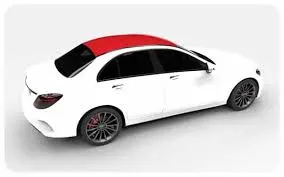
An automobile roof is considered as an integral part of BIW (body in white) design. A car roof is responsible for protecting the passenger from rain, wind, sunlight, accidents etc. It also offers aerodynamic support to the car when it is in motion.
Input for Outer roof Panel:
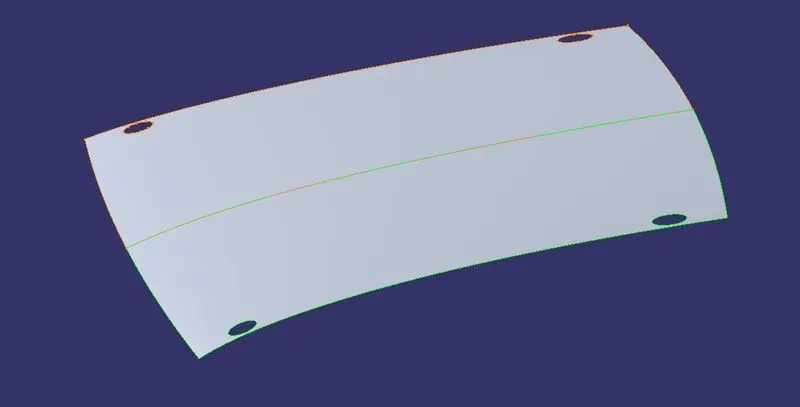
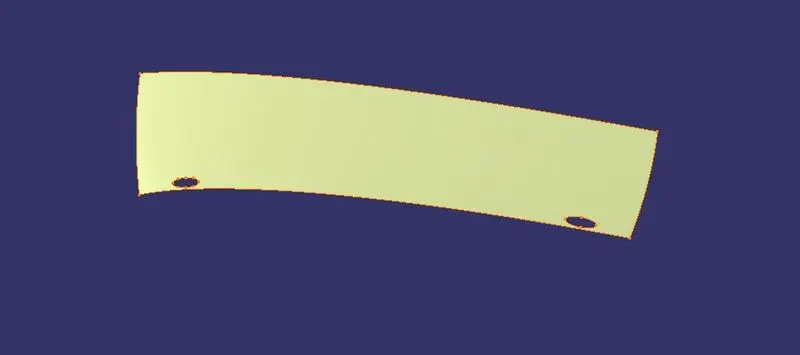
Using master section create a rear and front flanges for outer roof panel.
Outer roof flange front panel:
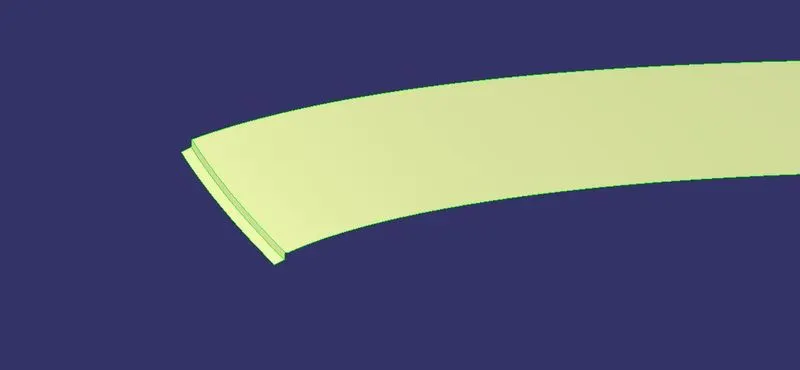
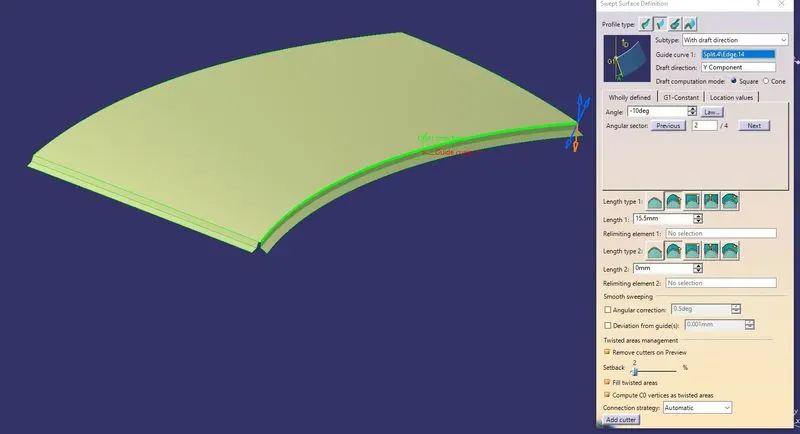
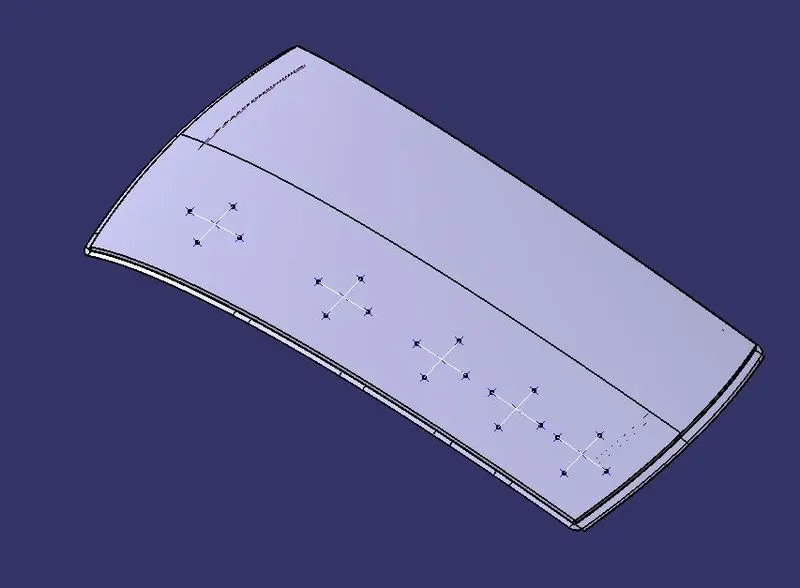
side flange for the panel according to the tooling axis and master section. swept tool with draft direction is used for creating flanges on front, rear and side.
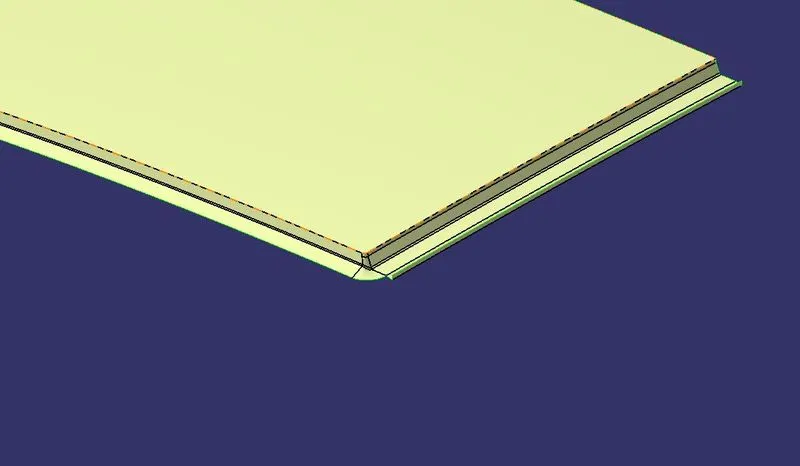
after creation flanges multi-section surface is used to attach the flange and join the flange ditch area.
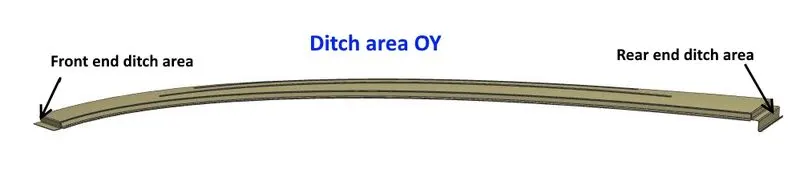
front and side flange of the roof outer panel.
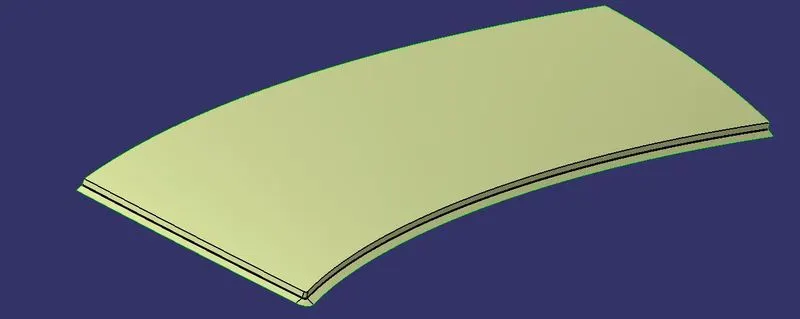
consider same procedure for rear end flange.
Outer roof flange Rear panel:
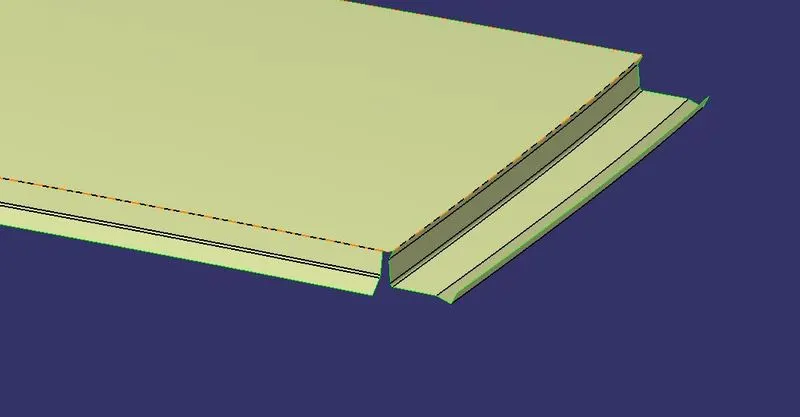
close and join surface using multi-section surface.
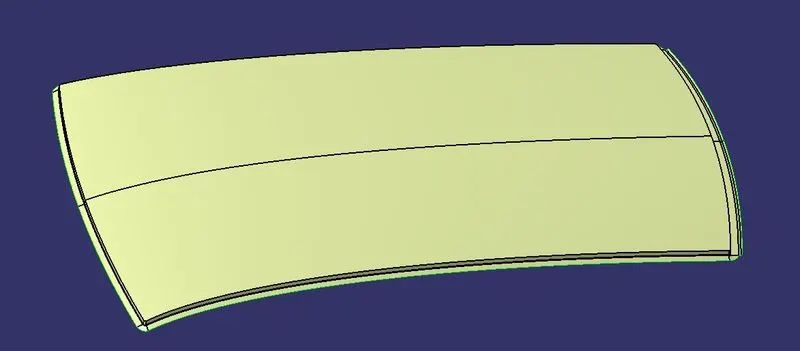
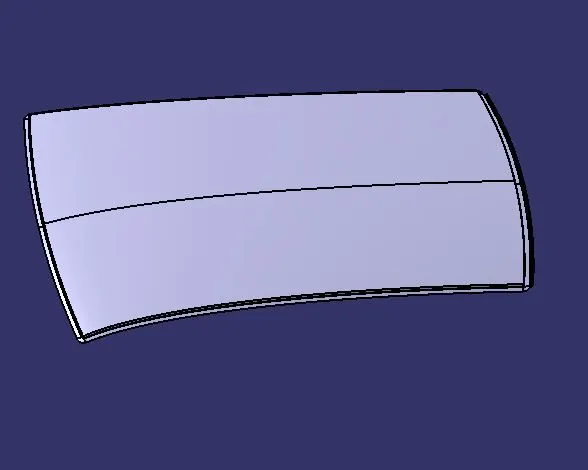
Outer roof panel solid part:
Inner Roof rail:
Roof Rail is a additional commodity as a reinforcements and also it has features in it to support car roof lamp.
The roof panel is the section of material, usually sheet metal, that forms the roof of a vehicle. Its long, low hood was impressive, as was the flat roof panel
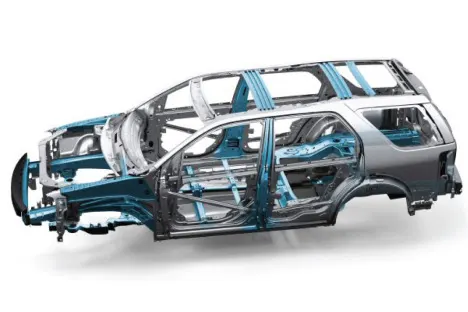
Bow Roof Rail:
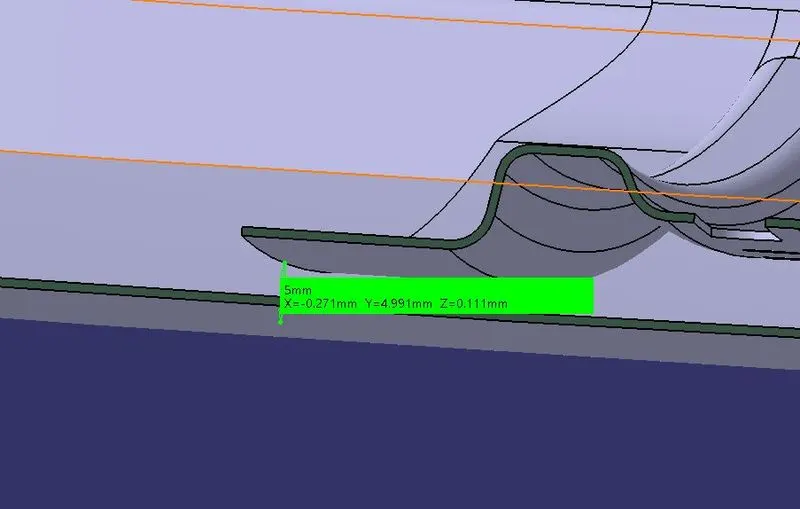
Inner roof rails are designed from acquired master section of front, bow and rear rails with proper mastic points gap of 5mm between roof outer panel and inner rool rails. for welding their is a gap provided between the roof rail and panel with 0.2 mm.
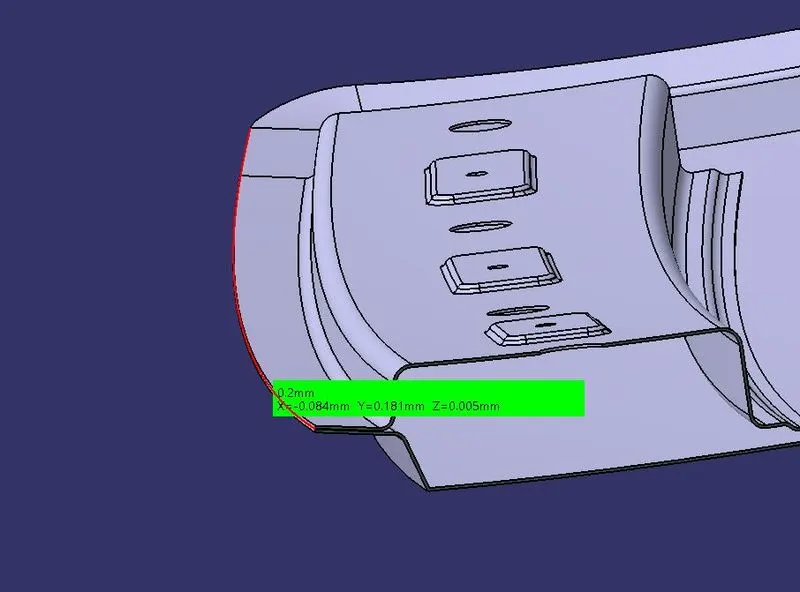
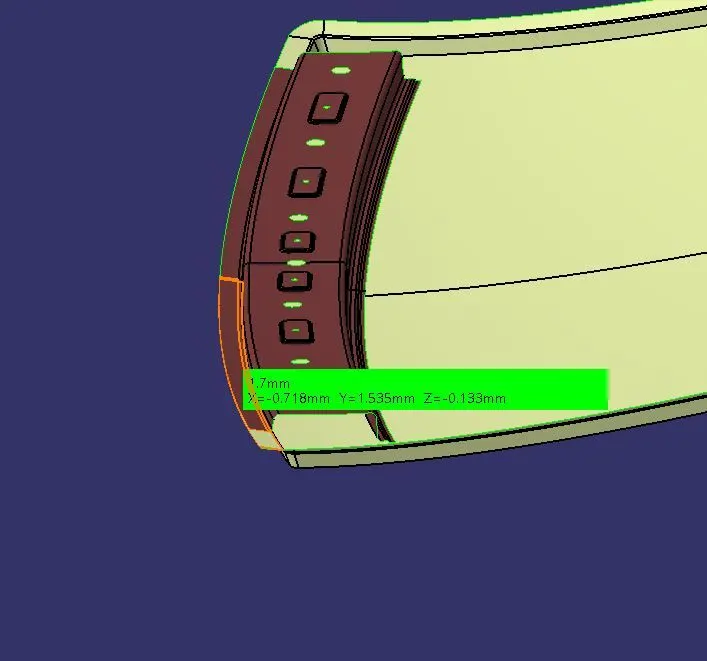
Front and Rear roof rail according to the master section
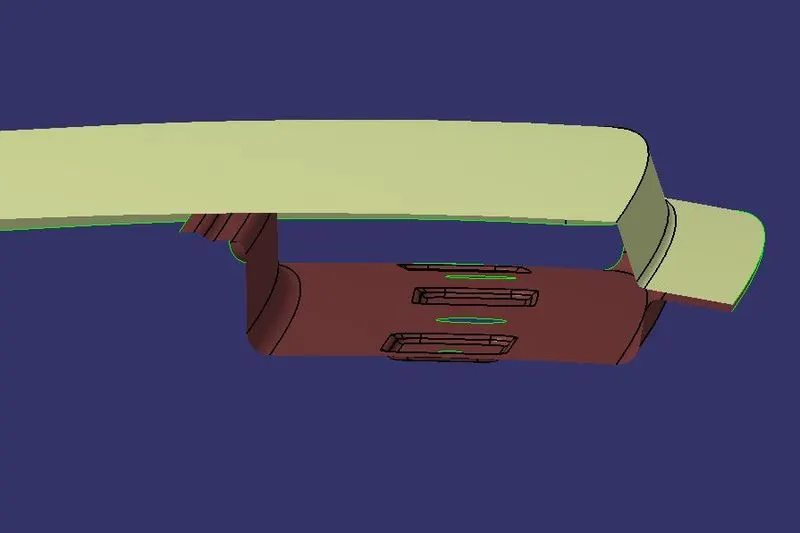
The roof header is the leading component of the safety critical roof structure, supporting the windshield and protecting the passengers in rollover. Roof header materials must be high in tensile strength, low in weight to lower the vehicle center of gravity, high in toughness, and integration-friendly.
rail roof master section
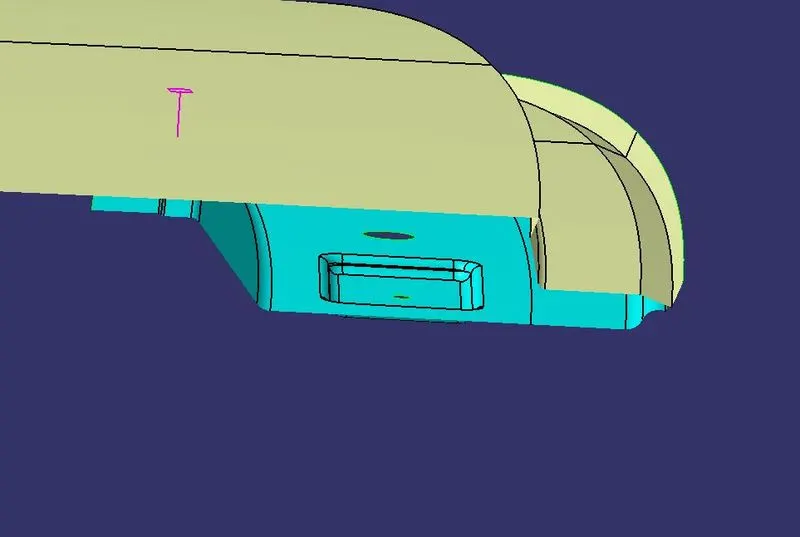
solidpart of front and rear roof rail:
front roof rail is designed with appropriate embosses and cut out that supports and provide a stiffness for windshield, roof panel and others.
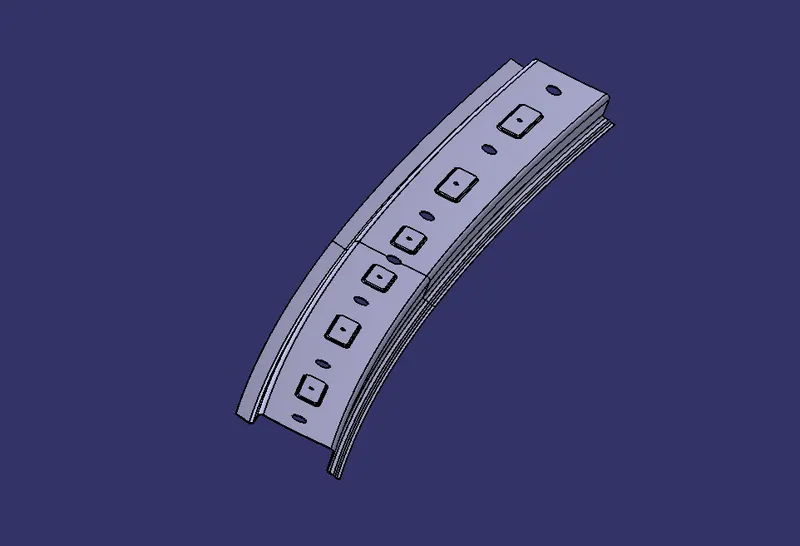
rear roof also supports the cross bars and back door placement and also makes the outer panel body of a roof. rear also is provided with embosses and cutouts to increase thr stiffness of the rail.
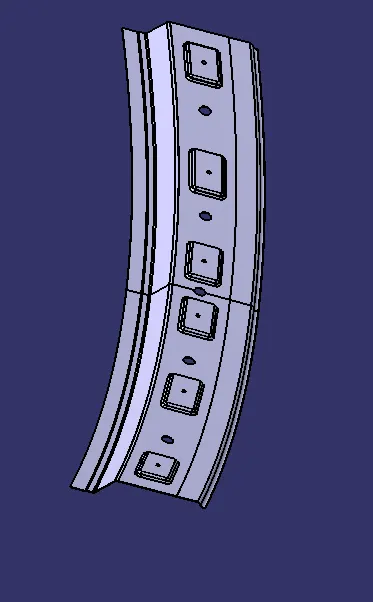
Reinforcement rail or centre roof rail:
Centre roof rail has two layers (with reinforcement), this is to strengthen the roof for roll over crash.various roof rail tests are conduct over the roof to determine the strenght and stifness for obtaining a safe outer roof panel of the car.
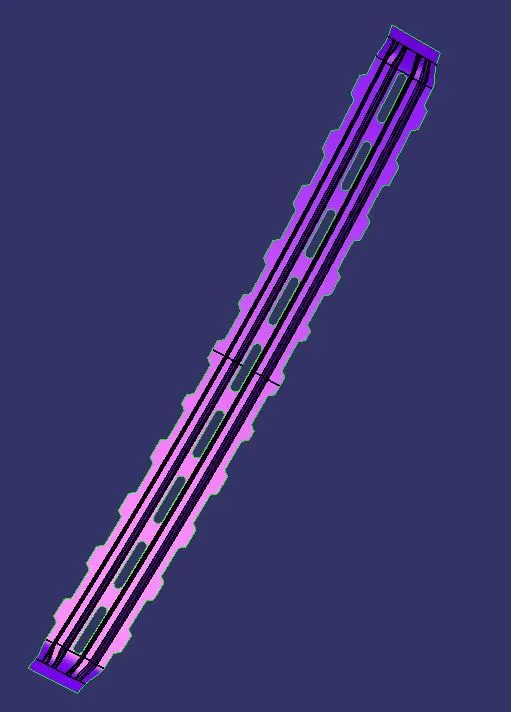
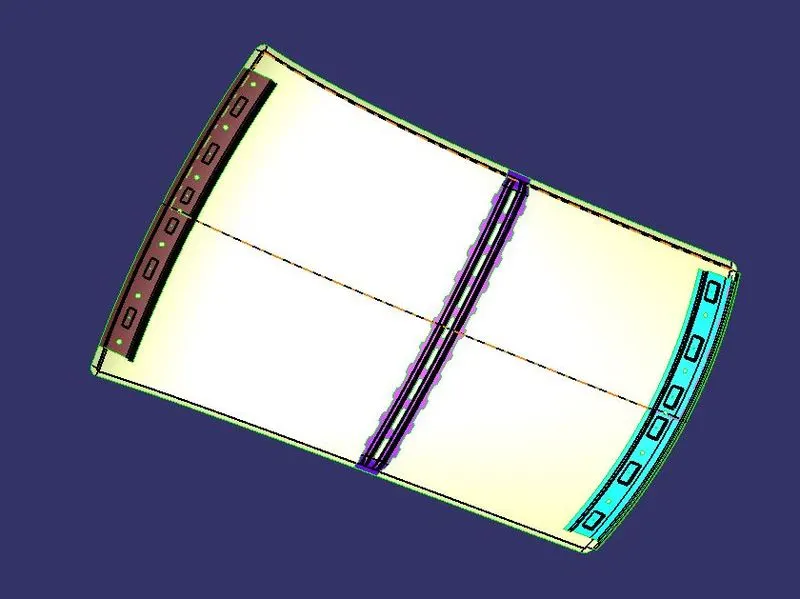
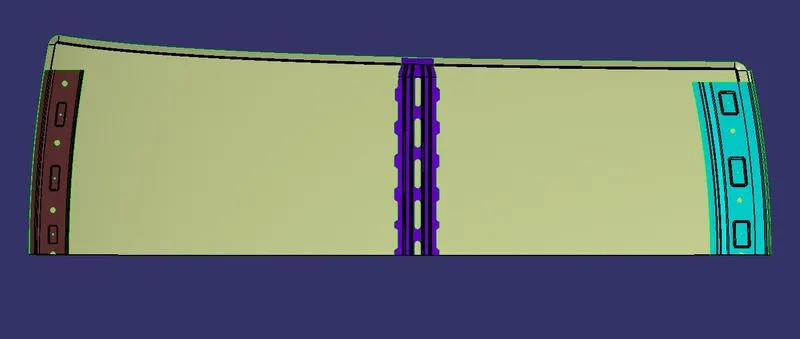
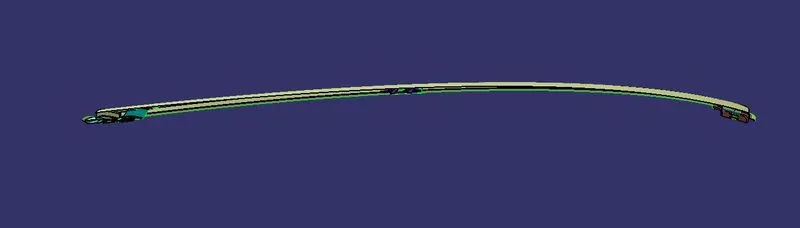
solidpart of reinforcement roof rail:
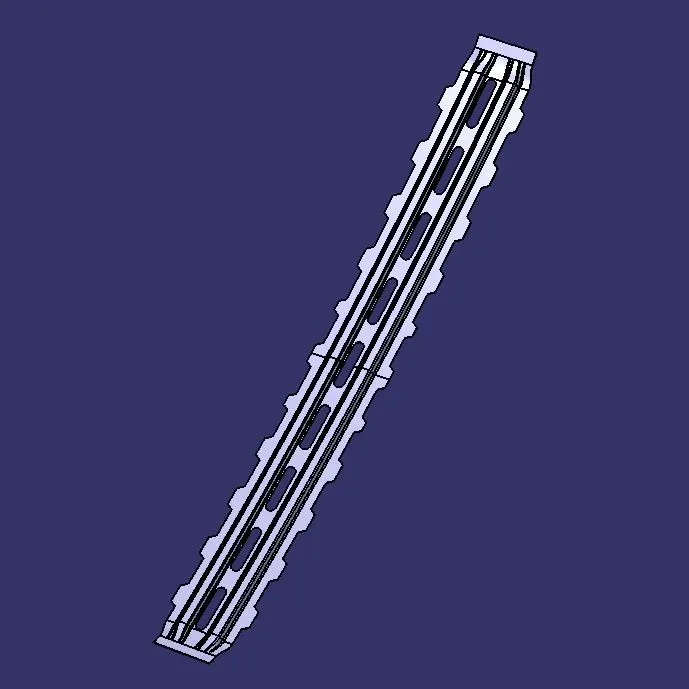
BOW roof rail for additional support for panel:
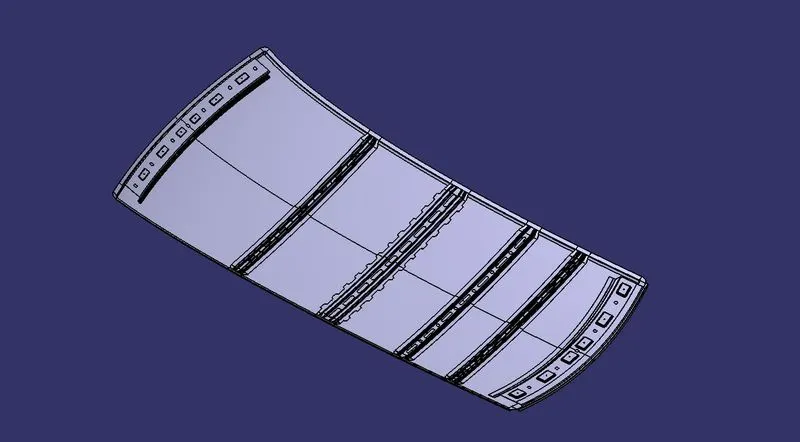
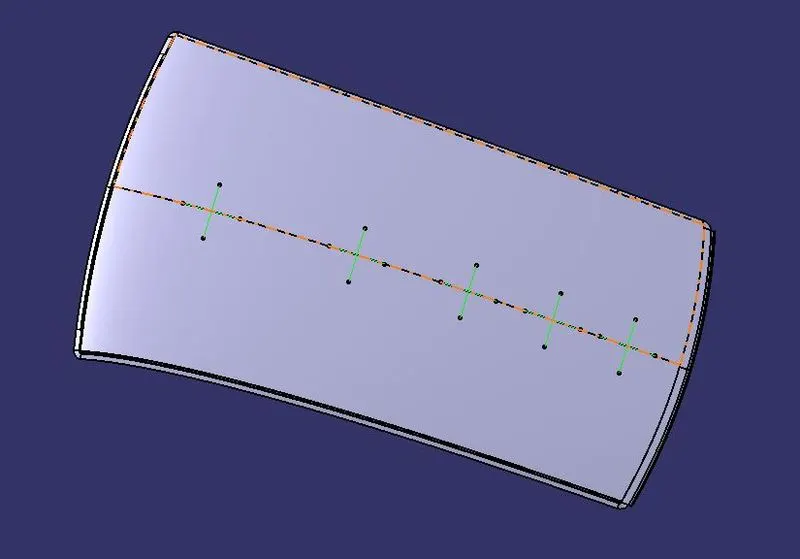
It consists of Front, Rear, Centre, Bow Roof I , II & III roof rails. Bow roof rails are provided for the support of roof surface and better protection of roof from crash. The bow roofs are provided with mastic sealant as they are assembled with the surface as welding is not possible, whereas the ditch area, front and rear area is welded with the roof.
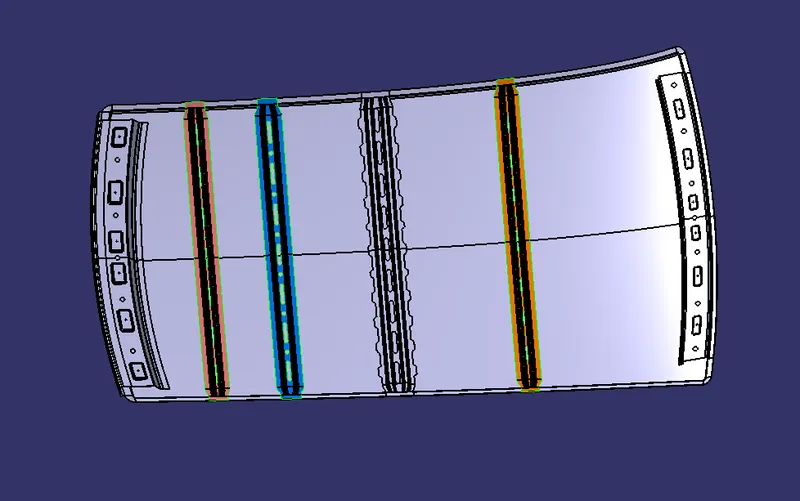
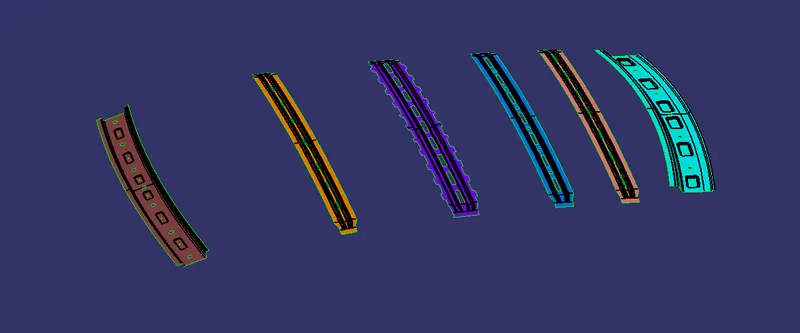
Appropriate head liner is provided:
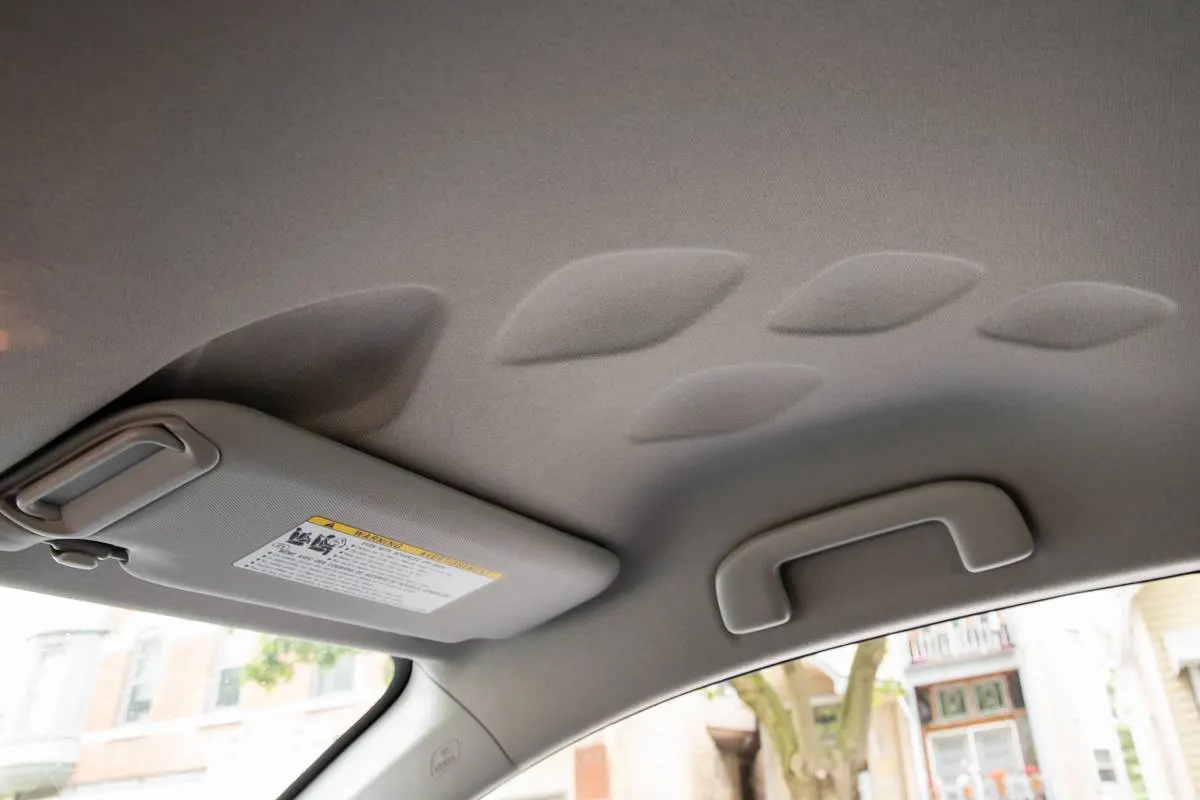
A headliner is the material that covers the ceiling of a vehicle, but it does more than hide bare metal with color-coordinated soft fabric. Headliners provide insulation against heat and noise, and they can also hide wiring and hardware for electrical components, antennas and other accessories.
Final roof assembly:
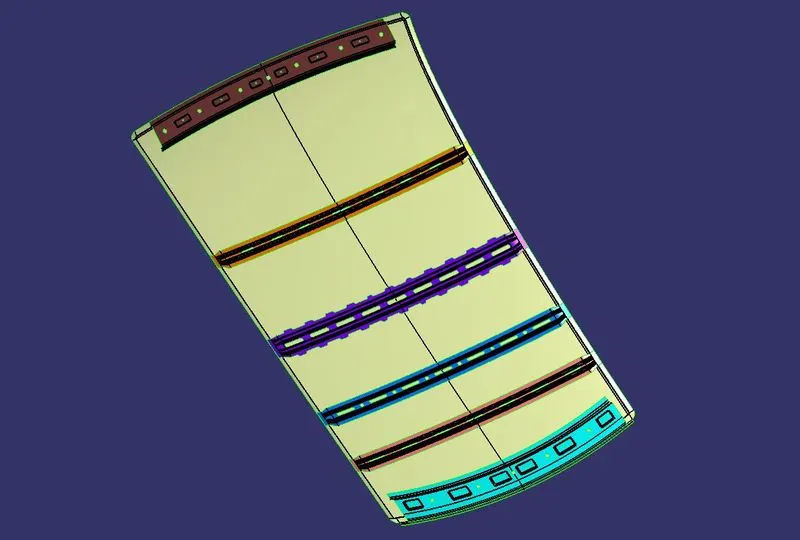
solidpart of the assembly:
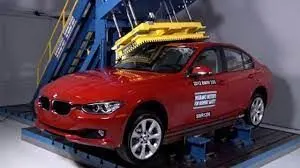
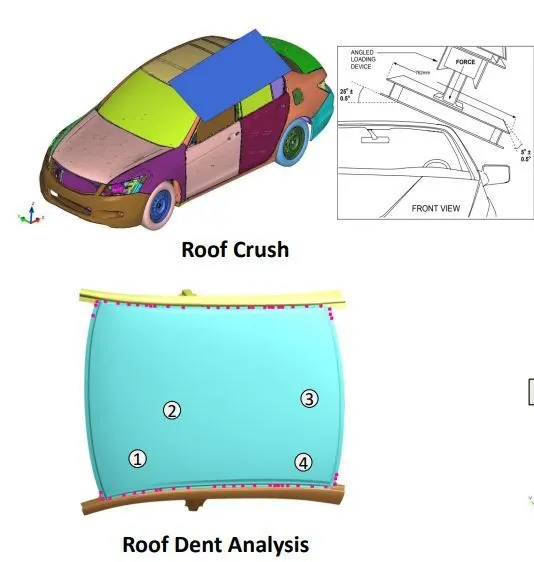
various test conducted on roof:
- Roof crush is the failure and displacement of an roof into the passenger compartment during a Rollover test
In Insurance Institute for Highway Safety crash testing(IIHS), a “Good” roof strength test means that the vehicle can support up to four times its own weight before collapsing. This means that a single person, or even a couple can probably sit on the roof of car without braking it
- Roof dent analysis:
Bow–roof prediction Formula
W = [1.73 x 10^(-3) x L] + [1.85 x 10^(-8) x (R^2)/t] + [ 1.10x10^(-3) x l] - 2.68
Judgement Condition : OK< 2.7> 3.1
Where
L = Roof Length in X-Direction[mm](Roof dimension in 0-Y)
R = Roof curvature
R = 2(Rx*Ry)/(Rx+Ry)
Rx = X curvature
Ry = Y curvature
t = Roof plate thickness [mm]
l = Bow Roof Span [mm]

Snow load:
Qr = [Iy x t2] / [α x s x [(Rx + Ry)/2]2 x 10-8]
The Qr value given over here is correct. There was a typo error in the formula given in the video.
Where
α = My x Lx2 x 10-12 , My = Y(Ly-Y)
Judgement condition = Qr ≥ 3.1
250 ≤ s ≤ 380
t = Roof plate thickness [mm]
Ly = Distance between the front and rear roof Rails on the Vehicle along with 0Y[mm]
Length of Roof panel with the center point between Roof rail Front /Rear as the front and rear reference point.
Lx = Distance between the Left and Right end of the roof on the Roof BOW [mm]
Width of the roof panel exposed on the surface.
Y = Distance front Front Roof Rail to Roof BOW[mm]
s = Distance for which Roof BOW bears divided load [mm]
s = L1/2 + L2/2
Iy = Geometrical moment of inertia of Roof BOW (Y cross-section )[mm4]
Rx = Lateral direction curvature radius of roof panel Y cross-section on Roof BOW [mm]
Roof panel curvature Radius of the Length Lx in Front view
Ry = Longitudinal Direction curvature radius of the Roof panel X cross-section on Roof BOW [mm]
Roof panel X curvature radius of length s in Side view
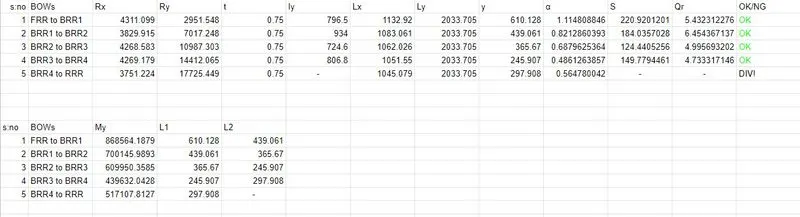
Both Qr and s Value satisfies the Snow load criteria.Roof Panel is test is criteria is passed.so need for embosses.If roof panel test result is NG then increase thr strenght and stiffness of the panel.
Drafting for inner and outer roof rail: