Radar Mast & Final Assembly of Yacht
- TITLE:- MODELLING OF SUNSEEKER PREDATOR YACHT
- OBJECTIVE:- Objective of this project is to model a sunseeker predator yacht. In this project, I will learn about surface modelling. I will use different features and tools like surface extrude, surface swept, surface loft, boundary surface, fill surface, trim surface, extended surface, and ruled surface, etc. This project will also give insight of how big projects are done and not only big things matter but also small details takes so much time.
- INTRODUCTION:- Back in 1969, in the English seaside town of Poole, Robert Braithwaite dreamt of building a new kind of boat. Using revolutionary materials and technology, his early designs were tailored to a handful of customers, keen to embrace newfound freedoms. When Robert sailed his first little cruiser in 1971, it wasn’t just a boat he launched. It was an entirely new world of boat making. Throughout the decades, Sunseeker has always pursued the more advanced, the more ambitious, the more creative – and consequently, the more successful. Today, Sunseeker International employs a dedicated team of over 2,200 highly skilled designers, engineers and master craftsmen supported by a worldwide network of over 120 retail and service locations, exporting c.150 yachts a year to more than 74 countries. Sunseeker has always stayed true to this thought. With their passion to seek perfection and exceed boundaries stronger than ever. The brand’s enormous global strength can be greatly attributed to its commitment to constantly set new standards and exceed what came before. Breaking new waves. Discovering new horizons.
- Design Methodology:-
Flowchart
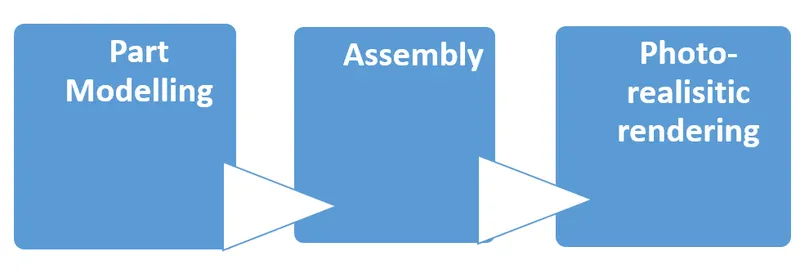
- Part Modelling:- In part Modelling, I've modelled 9 below mentioned parts:-
- Propeller
- Radar
- Hull
- Garage Door
- Front seat
- Middle seat
- Rear seat
- Superstructure
- Radar mast
I've used different tools for modelling like sketch, extruded boss, revolved boss, swept boss, lofted boss, extruded cut, revolved cut, swept cut, lofted cut, fillet, chamfer, linear pattern, circular pattern, shell, mirror, dome etc. I've also used surface features like surface extrude, surface loft, surface swept, surface fill, boundary surface, surface extend, ruled surface, trim surface and knit surface etc. for modelling of parts.
- Assembly:- I've Assembled those 9 modelled parts using a different kind of mates and features. I've used coincident mate, concentric mate, distance mate, limit angle mate, width mates, angle mate, parallel mate, tangent mate etc. mates for assembly of Sunseeker predator yacht.
- Photo-realistic rendering:- Rendering is a process after which we got an image of real view of the product i.e. after rendering of bike I can see how it will look like in reality after manufacturing. There are different tools available for rendering but I've used Photoview 360, SOLIDWORKS Visualize and Key shot. In rendering different settings of the scene, decals, environment and camera should be done.
- Designing:- In this section, I will explain how I modelled different parts of Sunseeker predator yacht. Here is the list of parts which I modelled:-
- Propeller
- Radar
- Hull
- Garage Door
- Front seat
- Middle seat
- Rear seat
- Superstructure
- Radar mast
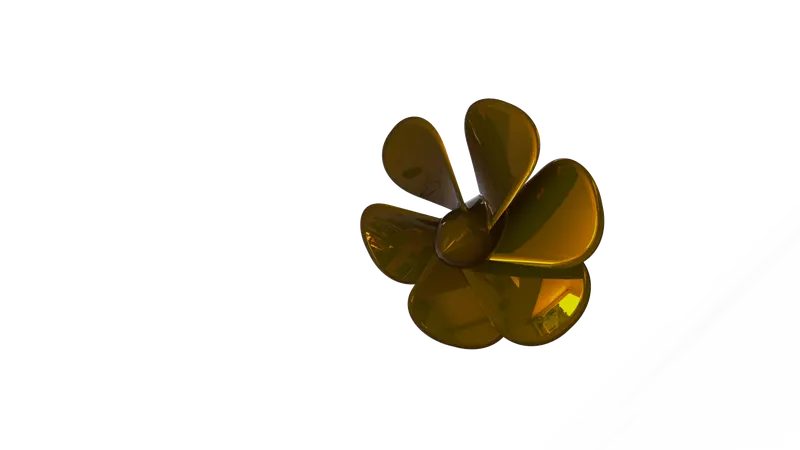
Propeller:- It is used to displace the water for easy movement of the yacht. Here are the snaps of modelling of propeller:-
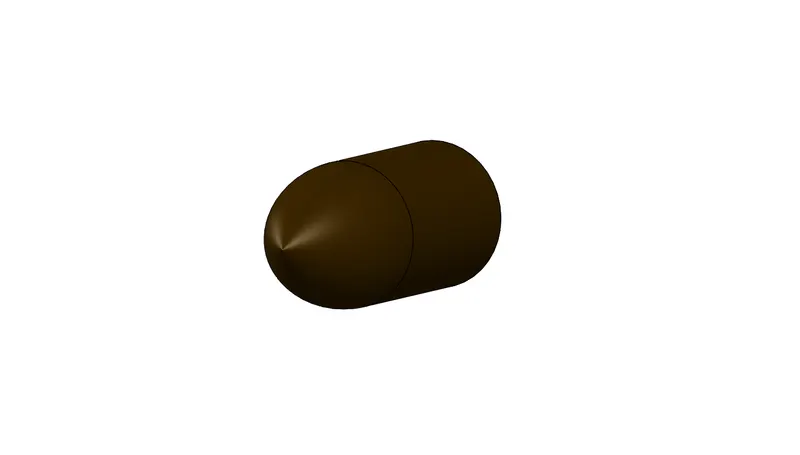
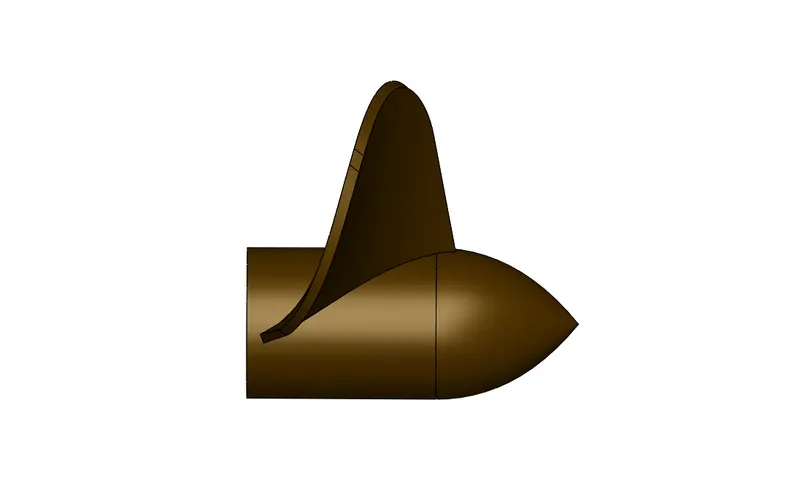
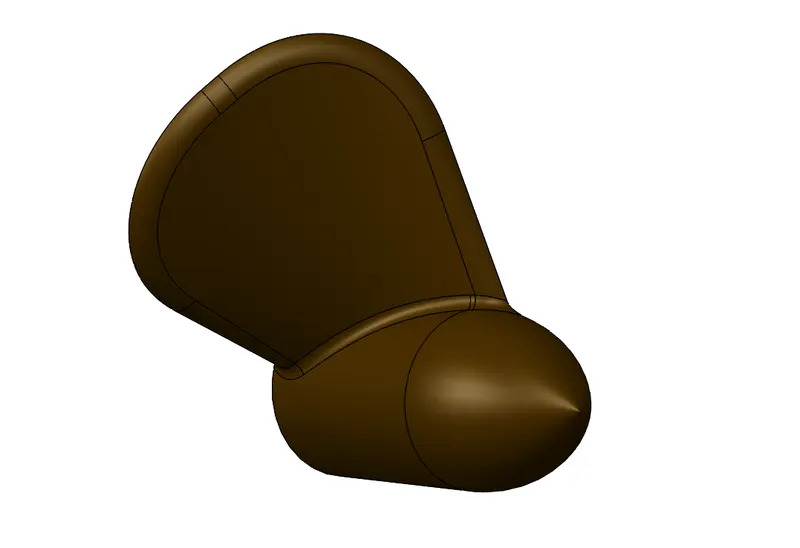
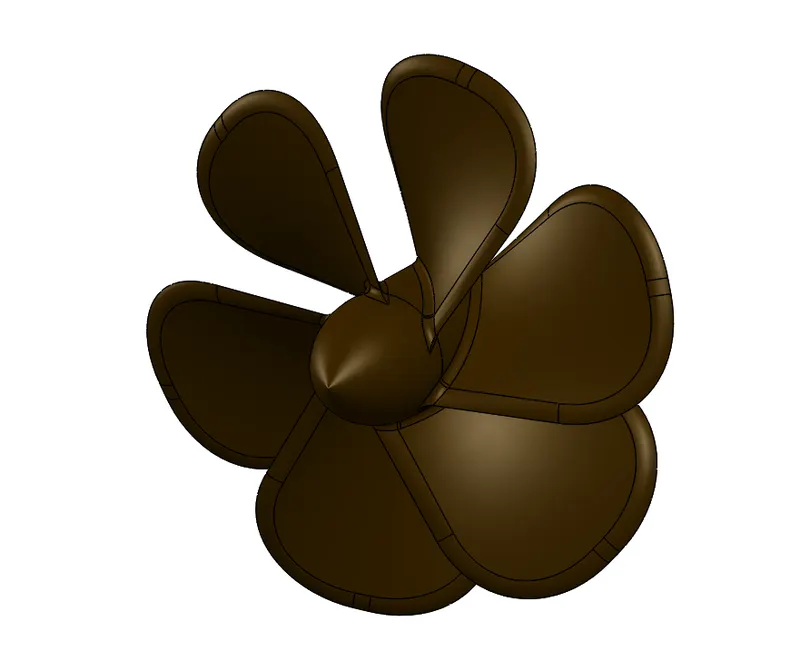
Here is the rendered image of the propeller
Features Used:-
1. Sketch
2. Revolved Boss
3. Reference Plane
4. Lofted Boss
5. Fillet
6. Extruded Cut
7. Circular pattern
Radar:- It is used to transmit the signals. Here are the snaps of modelling of radar:-
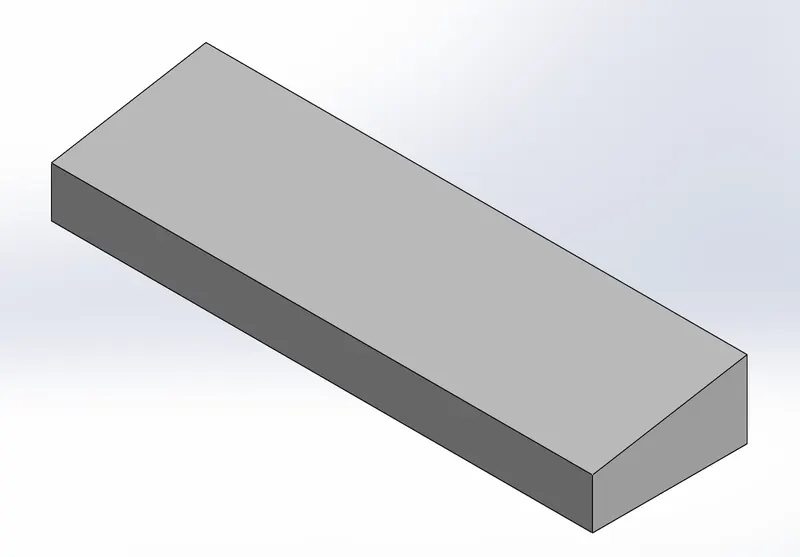
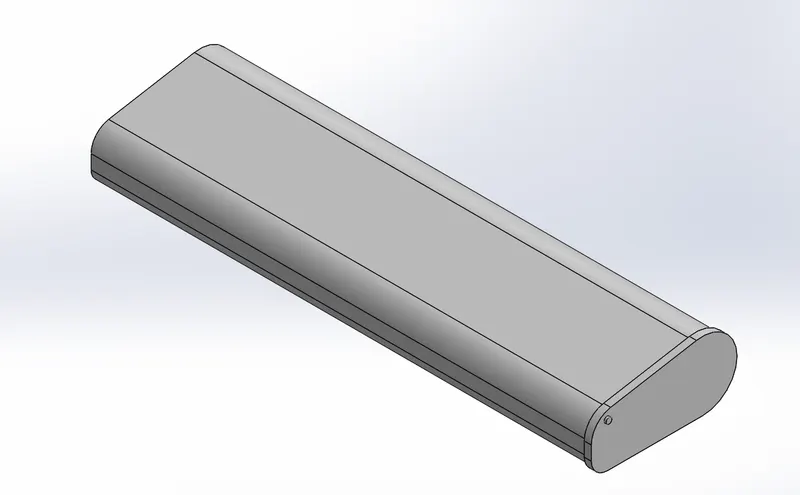
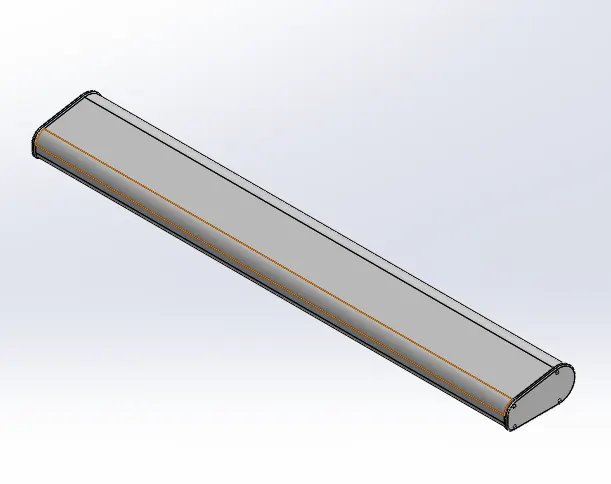
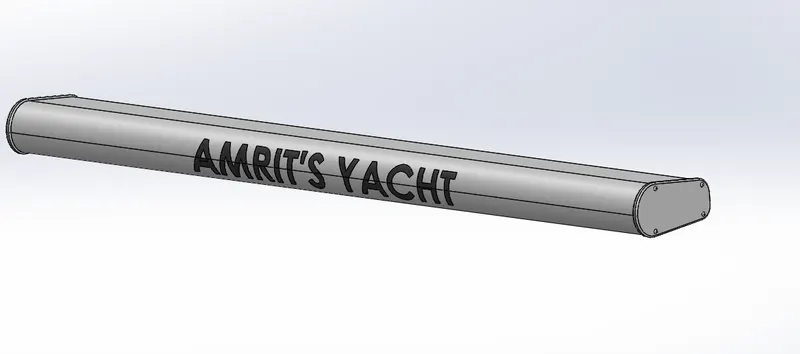
Here is the rendered image of the radar
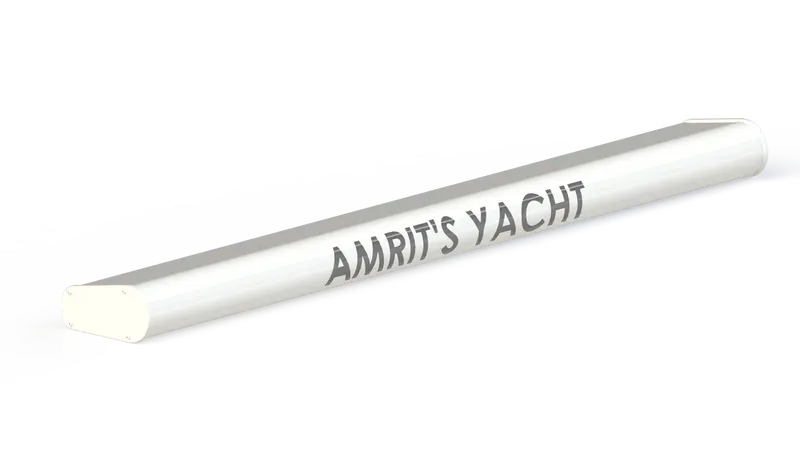
Features Used:-
1. Sketch
2. Extruded Boss
3. Sketch driven pattern
4. Mirror
5. Fillet
6. Extruded Cut
7. Split line
Hull:- Hull is the base part of the yacht. Here are the snaps of modelling of Hull:-
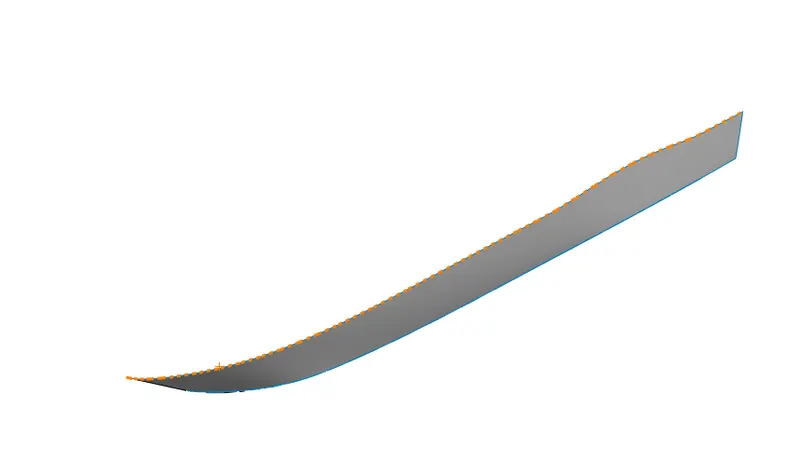
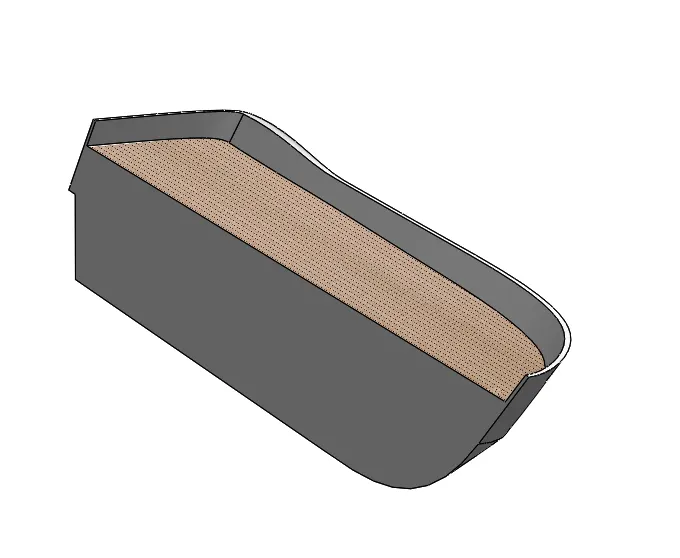
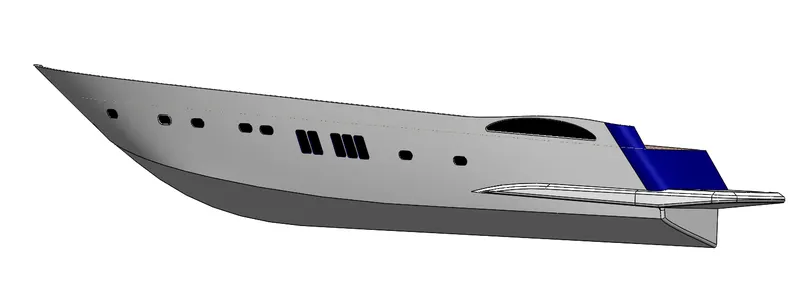
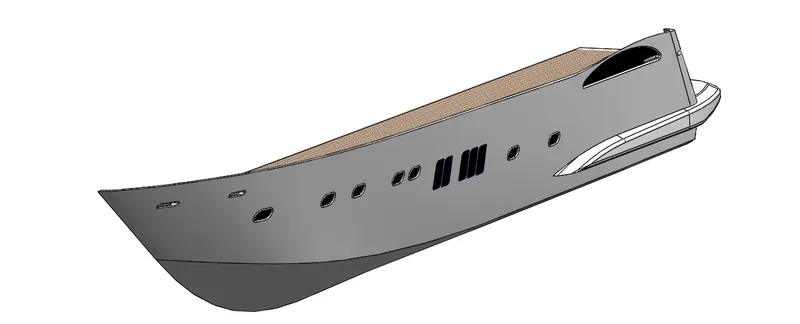
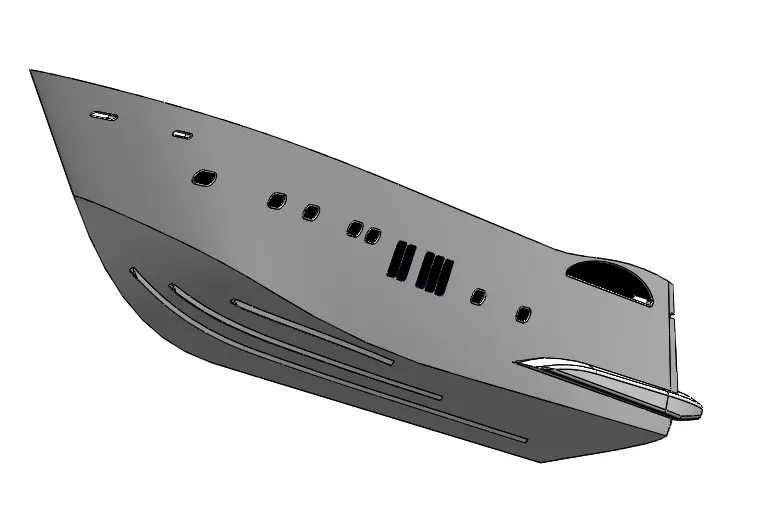
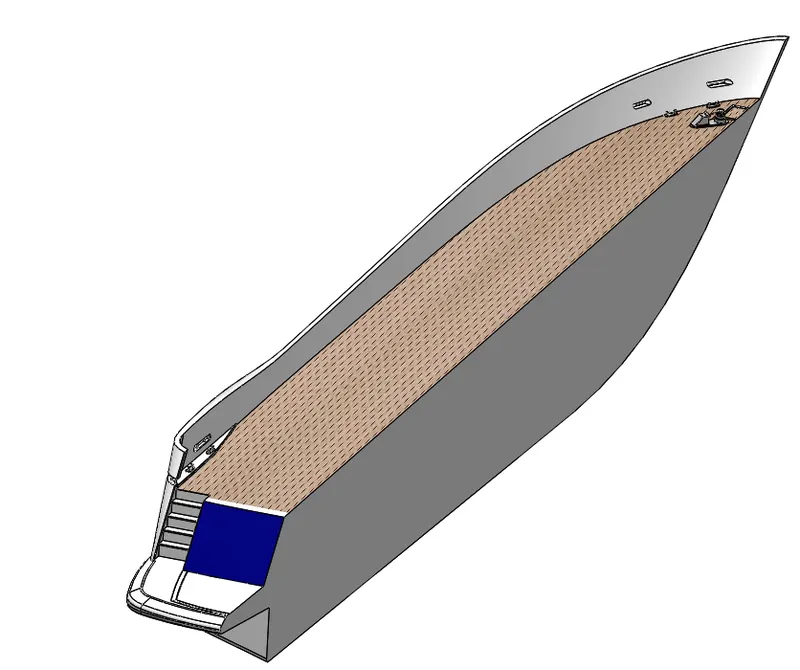
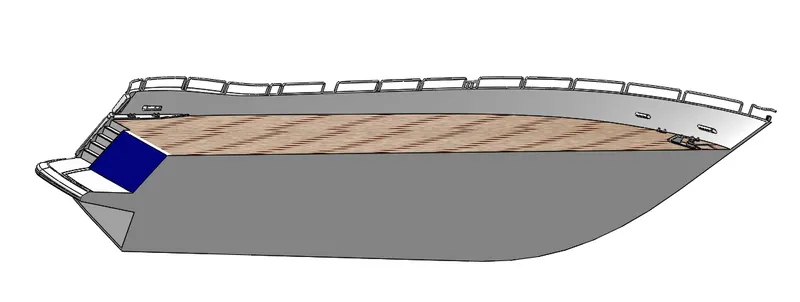
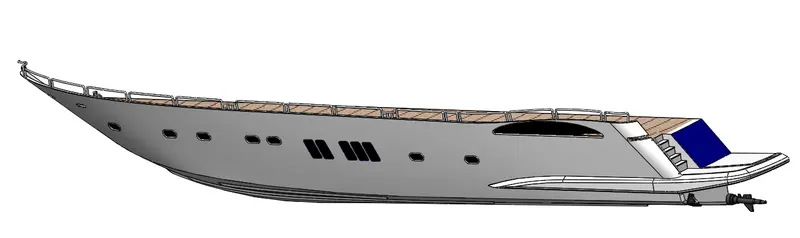
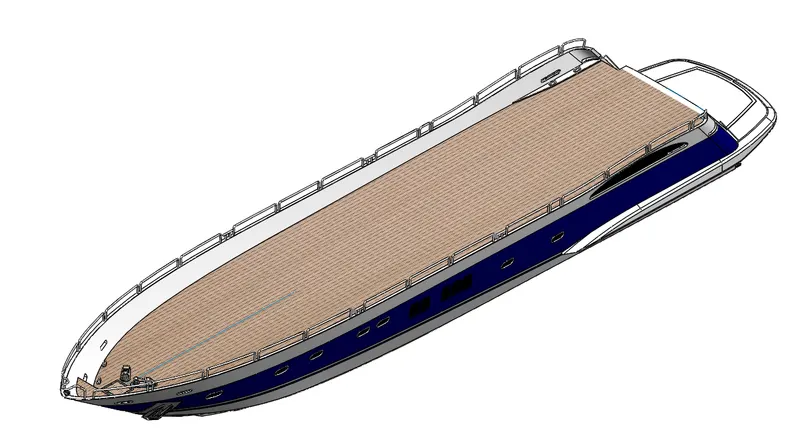
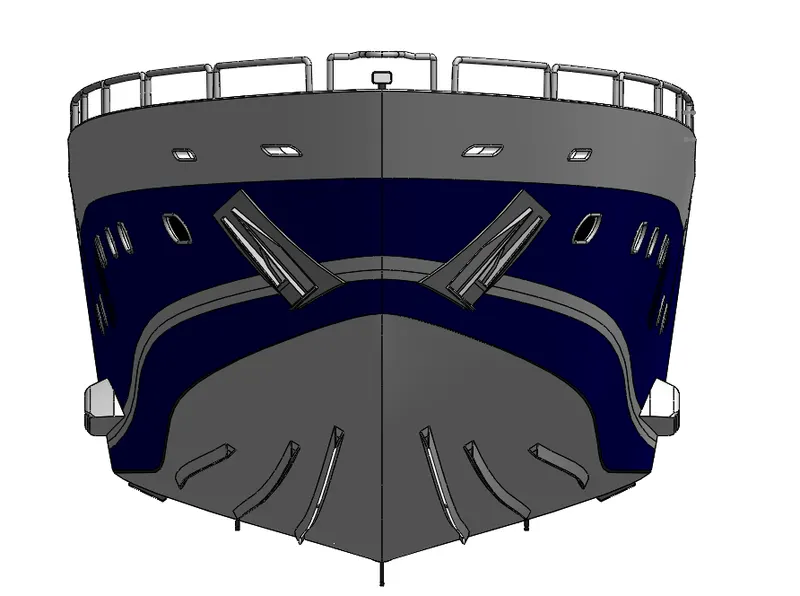
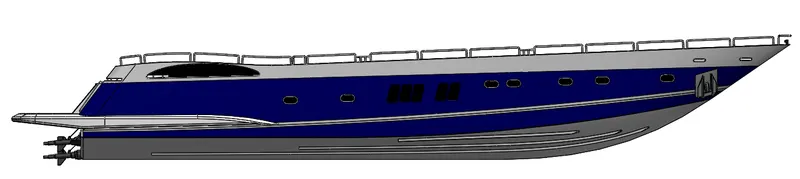
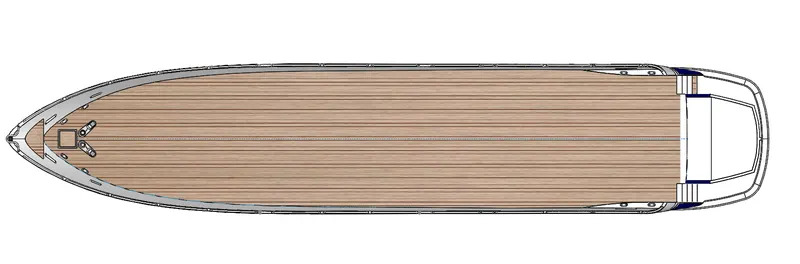
Here is the rendered image of the Hull
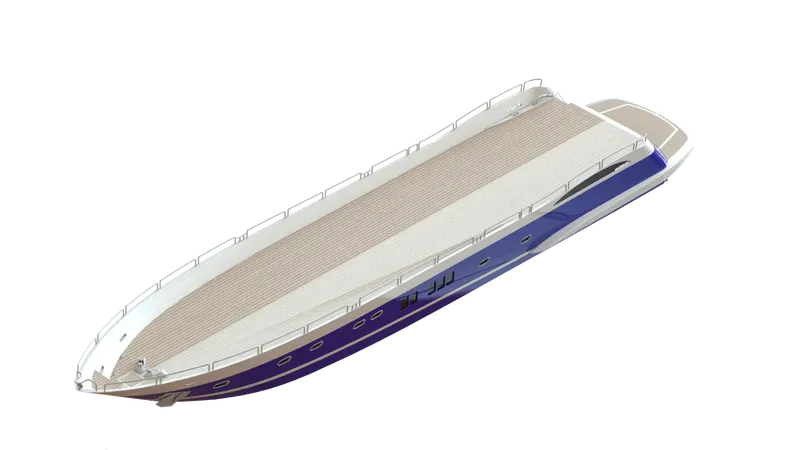
Features Used:-
1. Sketch
2. Projected curve
3. Lofted surface
4. Surface trim
5. Extrude surface
6. Surface knit
7. Surface fill
8. Shell
9. Extruded boss
10. Extruded cut
11. Fillet
12. Chamfer
13. Reference plane
14. 3D Sketch
15. Swept boss
16. Revolved Boss
17. Dome
18. Helix/Spiral
19. Linear pattern
20. Delete face
21. Mirror
22. Combine
23. Split
24. Offset surface
25. Thin extrude
Garage Door:- Garage Door is used to close and open the garage of the yacht. Here are the snaps of modelling of Garage door:-
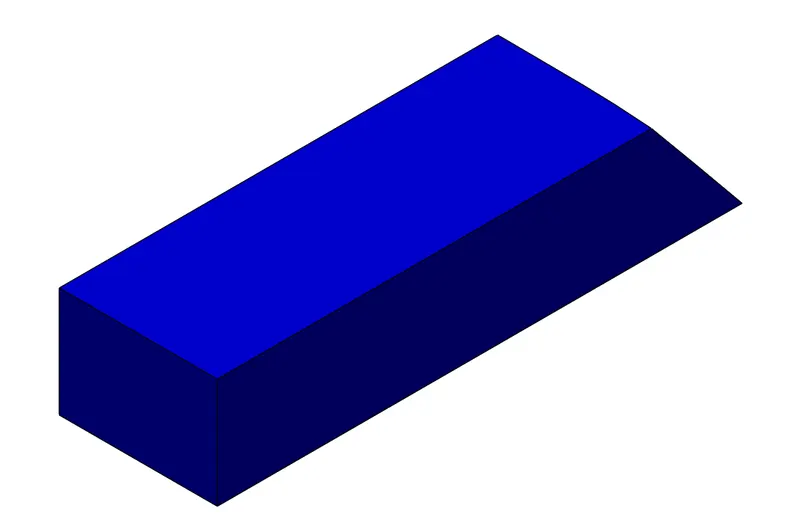
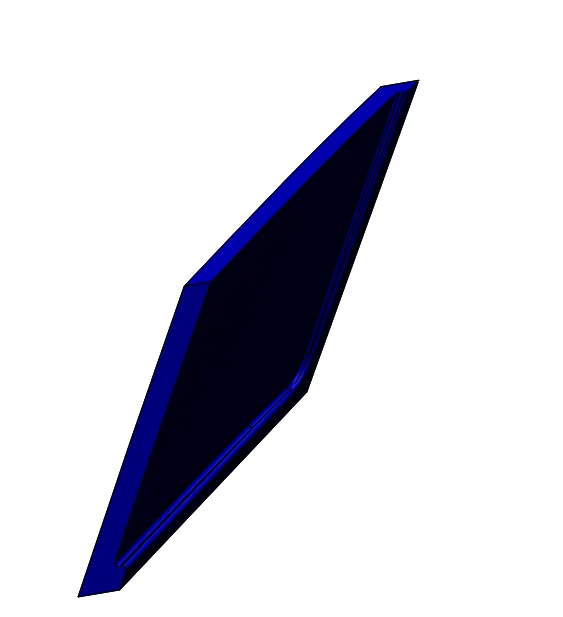
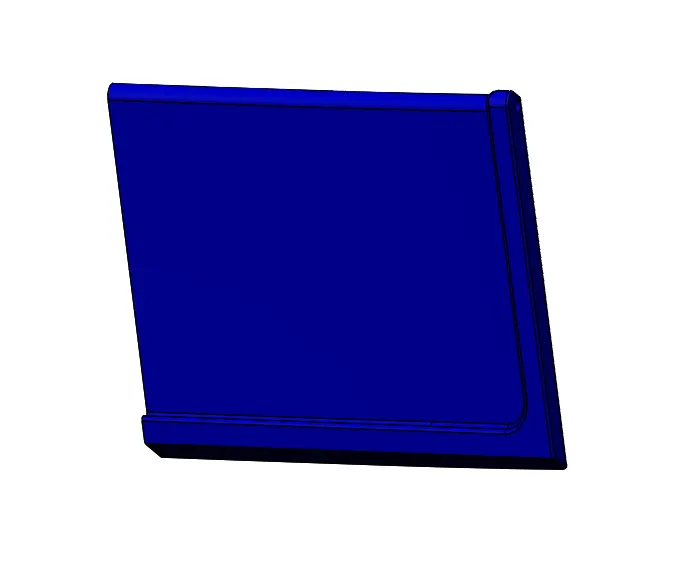
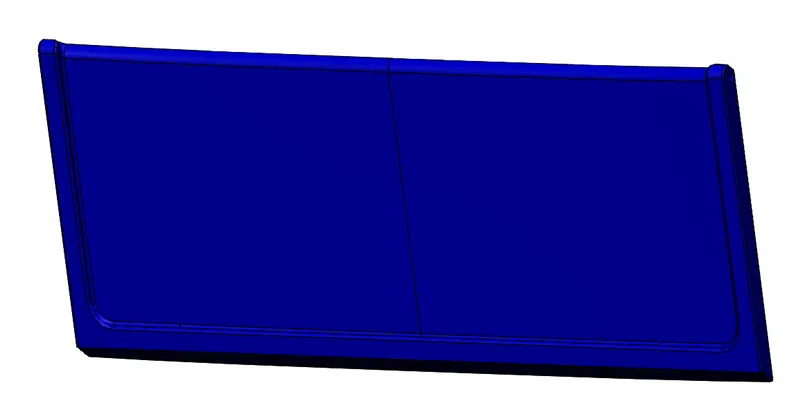
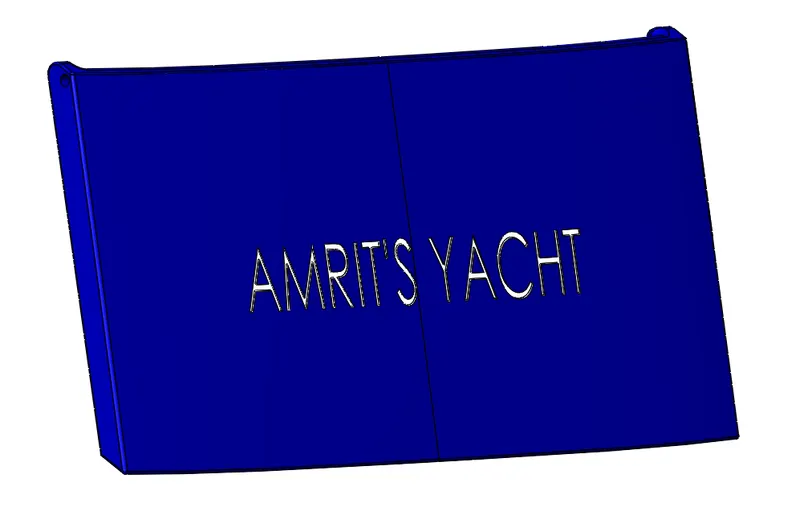
Here is the rendered image of the Hull
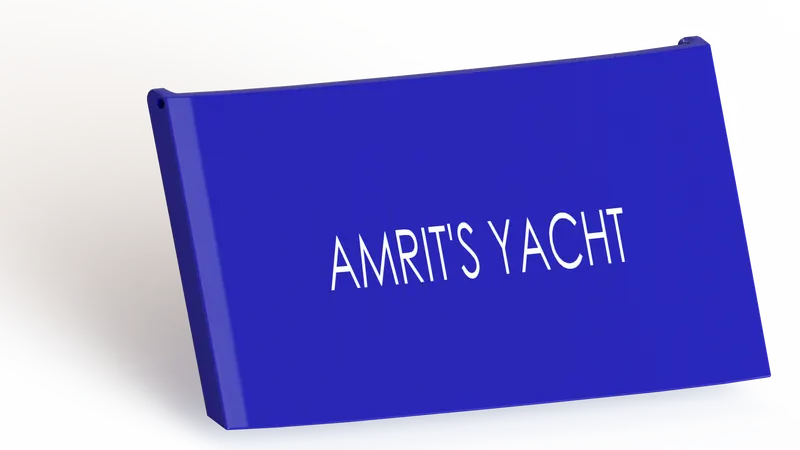
Features Used:-
1. Sketch
2. Extruded cut
3. Shell
4. Fillet
5. Mirror
6. Reference Plane
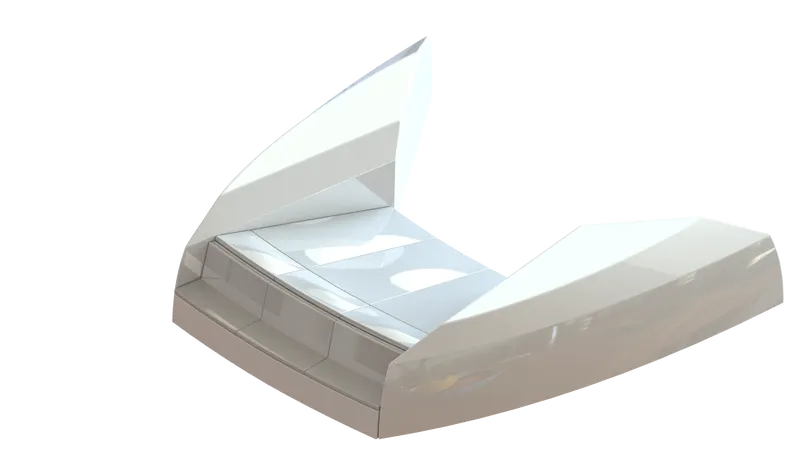
Front seat:- Front seat is used to sit in the front area of the yacht. Here are the snaps of modelling of Front seat:-
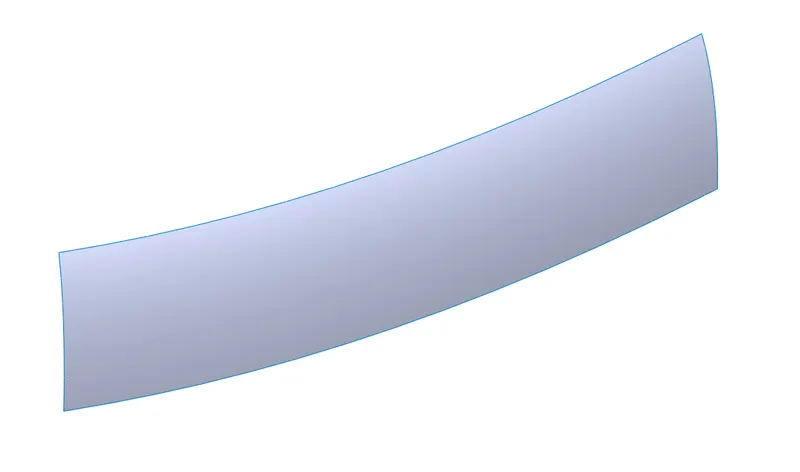
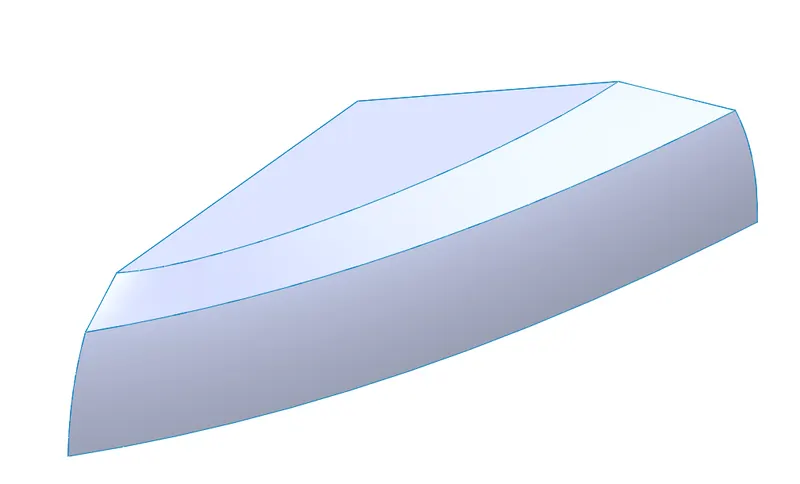
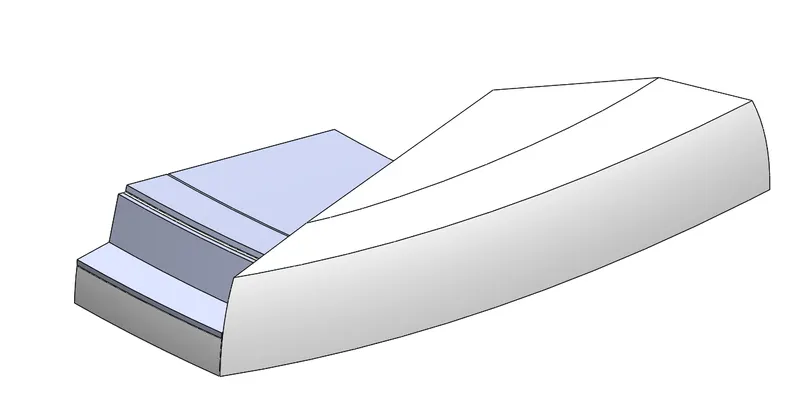
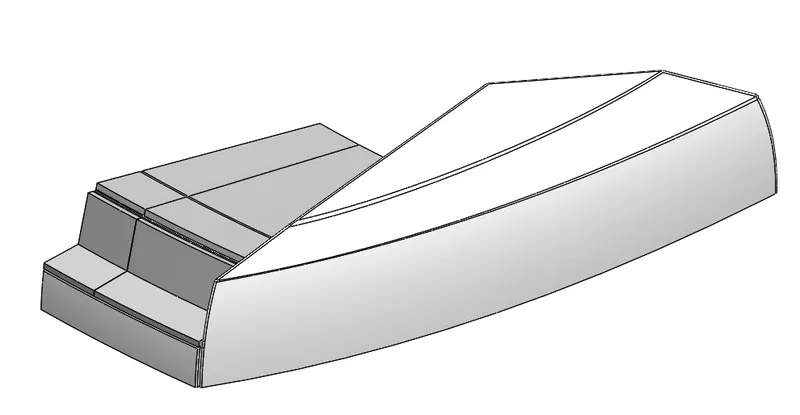
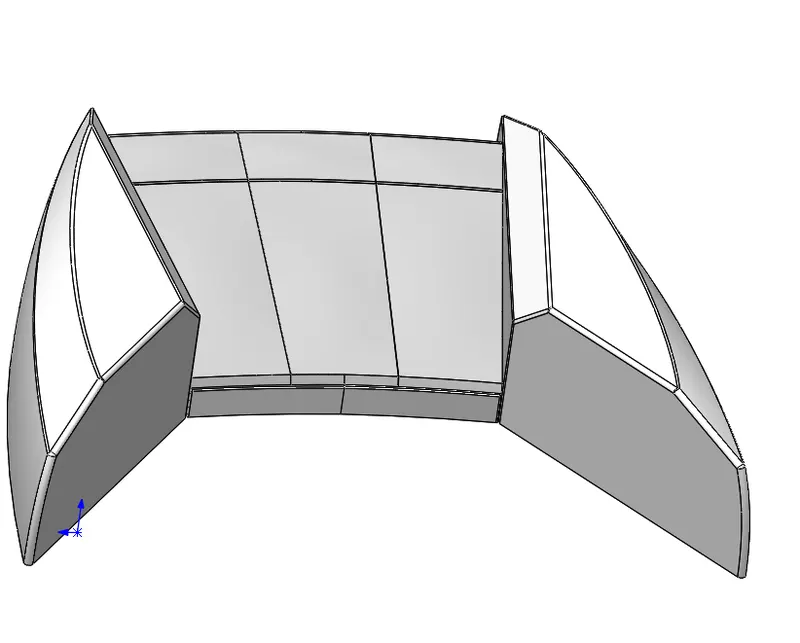
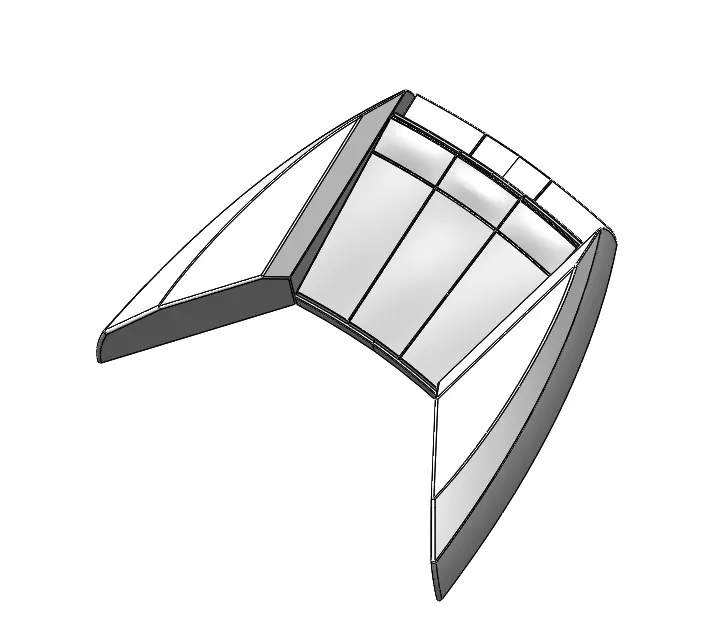
Here is the rendered image of the Front seat
Features Used:-
1. Sketch
2. Reference plane
3. Swept surface
4. Extrude surface
5. Surface trim
6. Surface fill
7. Lofted surface
8. Surface knit
9. Chamfer
10. Revolved boss
11. Extruded cut
12. Fillet
13. Mirror
14. Dome
15. Extruded Thin cut
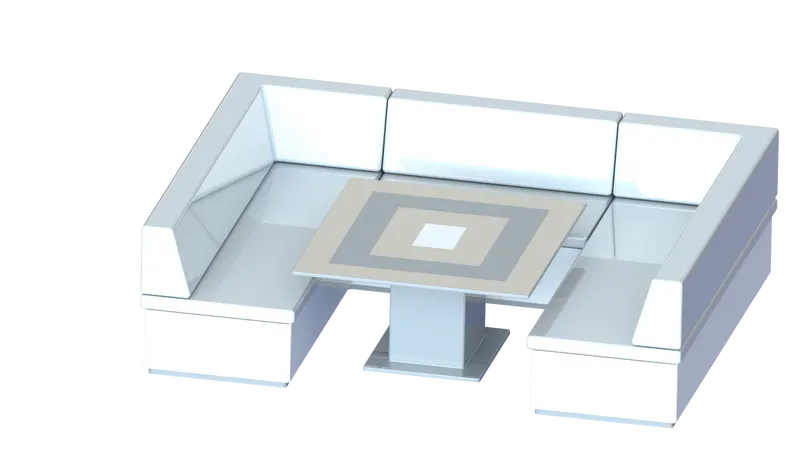
Middle seat:- Middle seat is used to sit in the middle area of the yacht. Here are the snaps of modelling of Middle seat:-
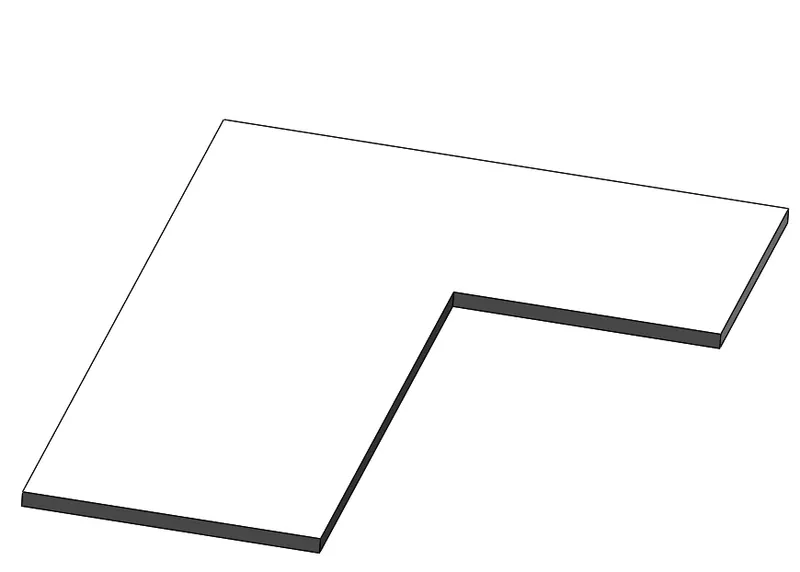
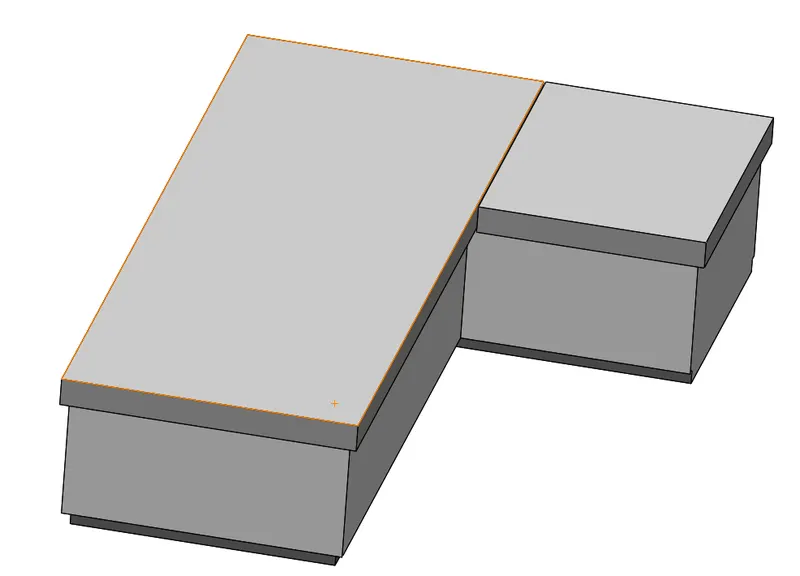
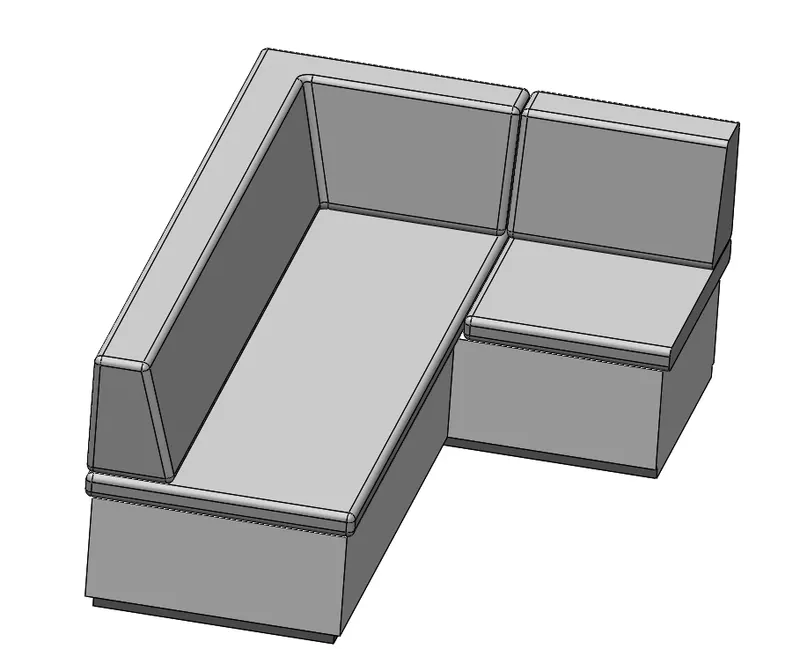
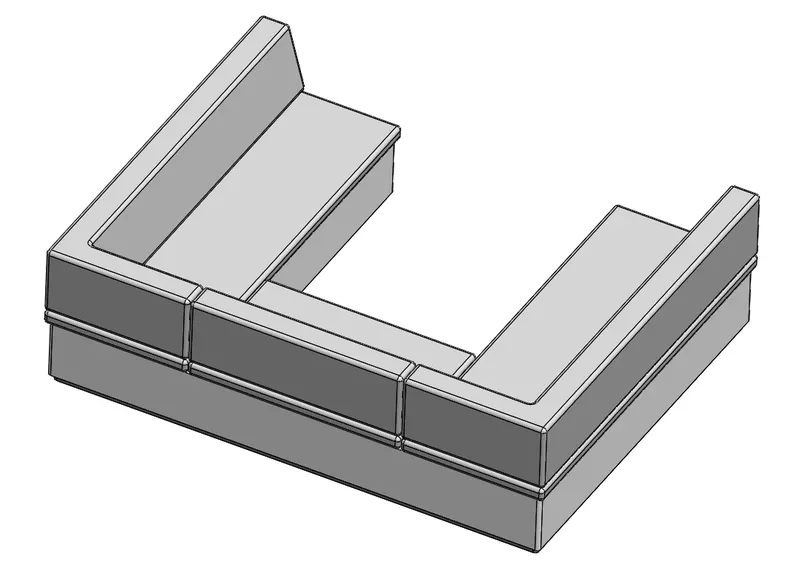
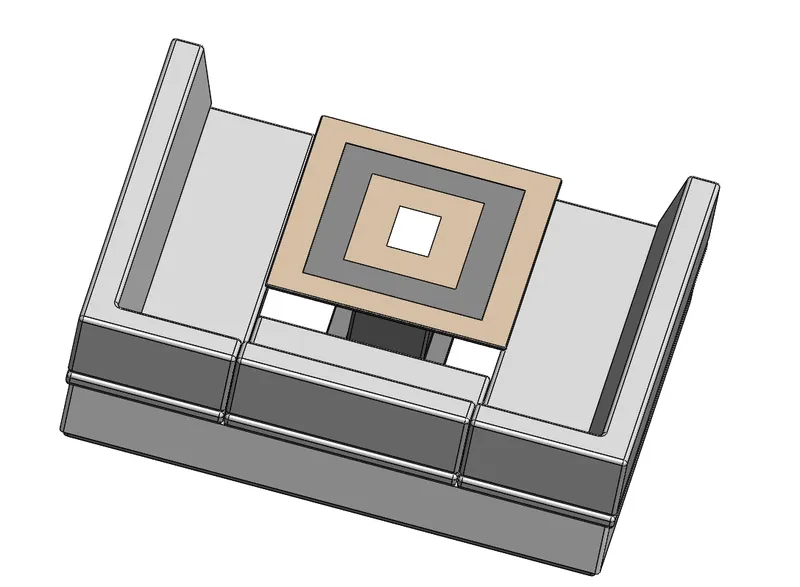
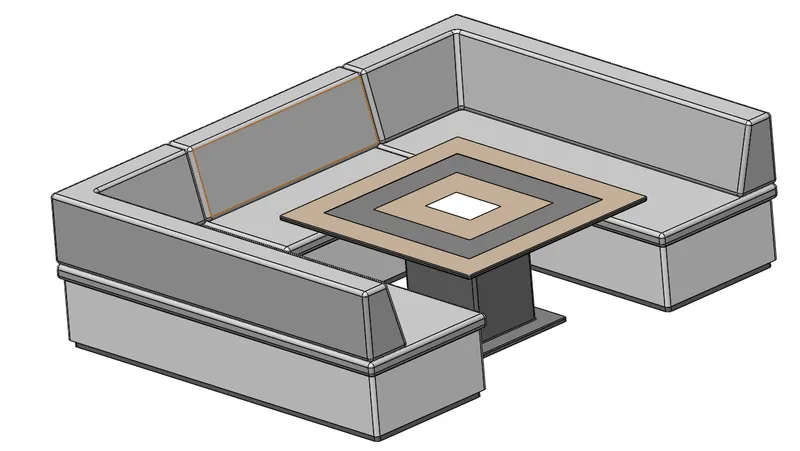
Here is the rendered image of the Middle seat
Features Used:-
1. Sketch
2. Extruded boss
3. Reference plane
4. Chamfer
5. Fillet
6. Mirror
7. Extruded Cut
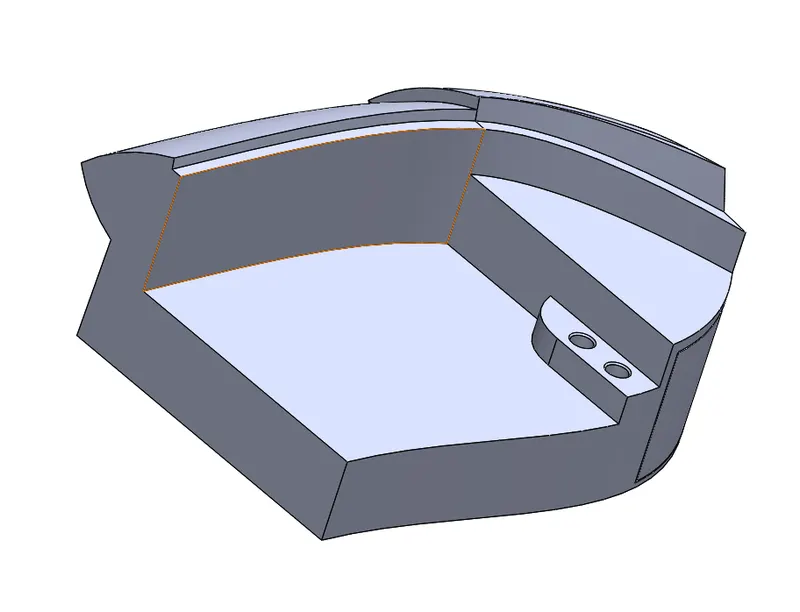
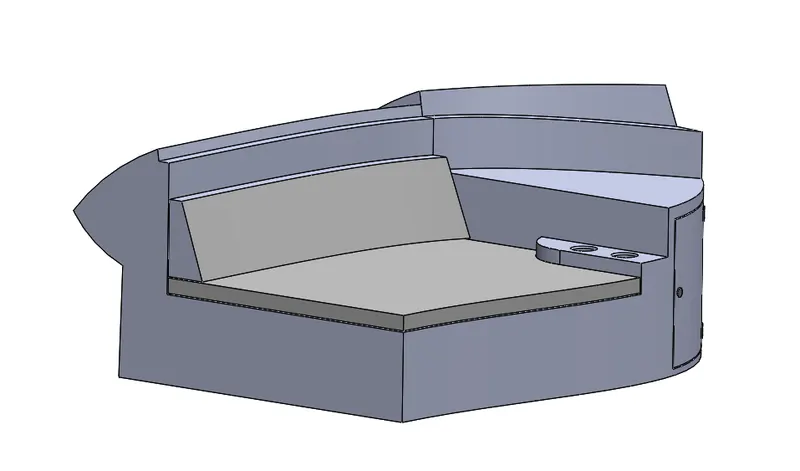
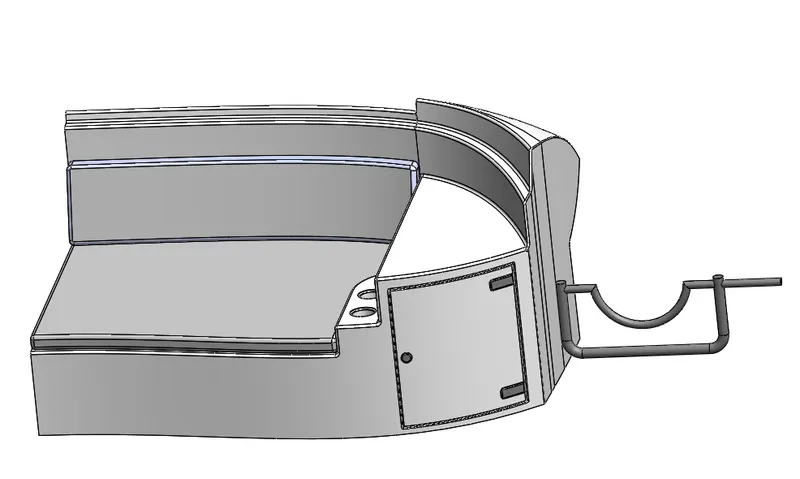
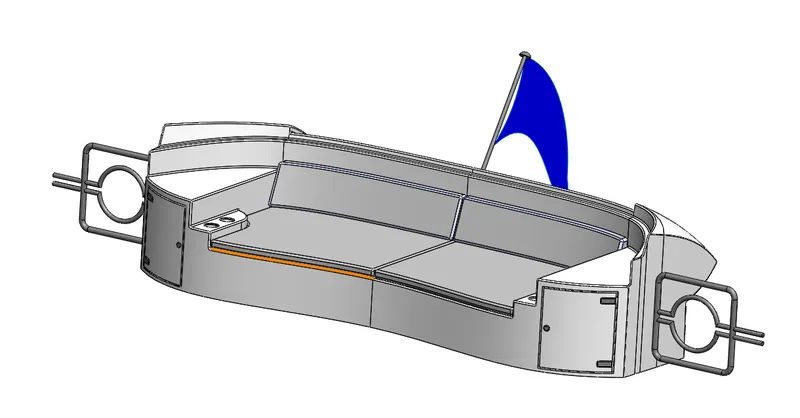
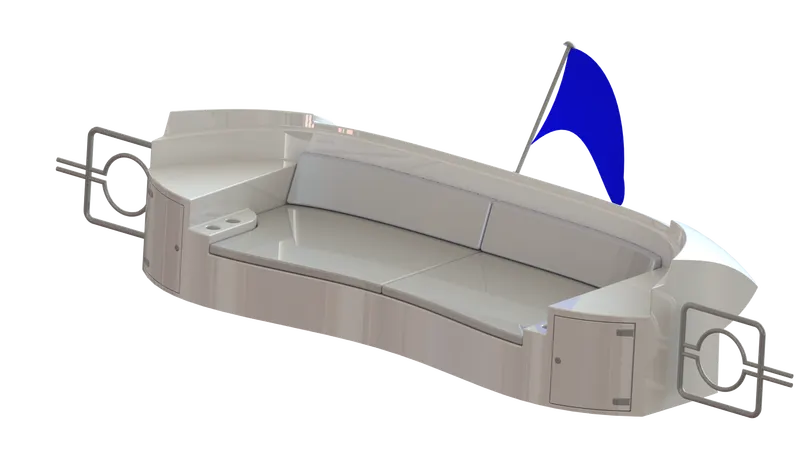
Rear seat:- Rear seat is used to sit in the Rear area of the yacht. Here are the snaps of modelling of Rear seat:-
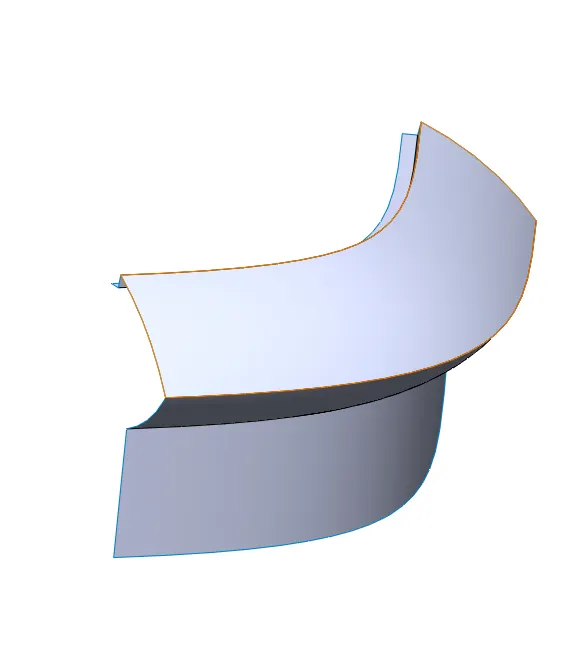
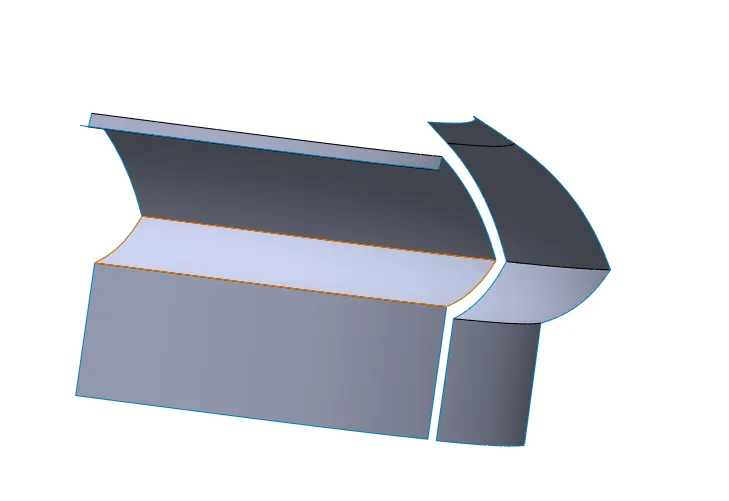
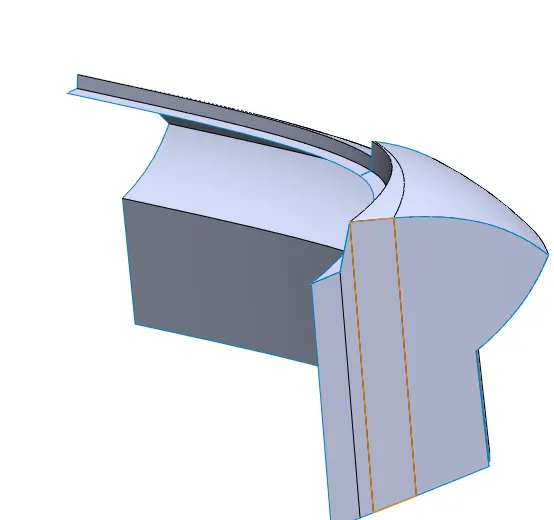
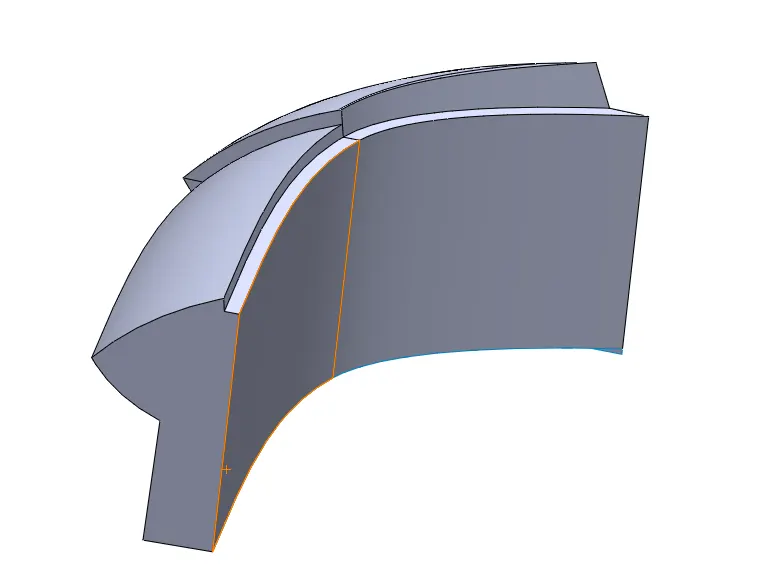
Here is the rendered image of the Rear seat
Features Used:-
1. Sketch
2. Reference plane
3. Swept surface
4. Surface offset
5. Surface trim
6. Surface knit
7. Extended surface
8. Extruded surface
9. Lofted surface
10. Extruded boss
11. Extruded cut
12. Chamfer
13. Fillet
14. Mirror
15. Revolved boss
Superstructure:- Superstructure is the upper part of the yacht. Here are the snaps of modelling of Superstructure:-
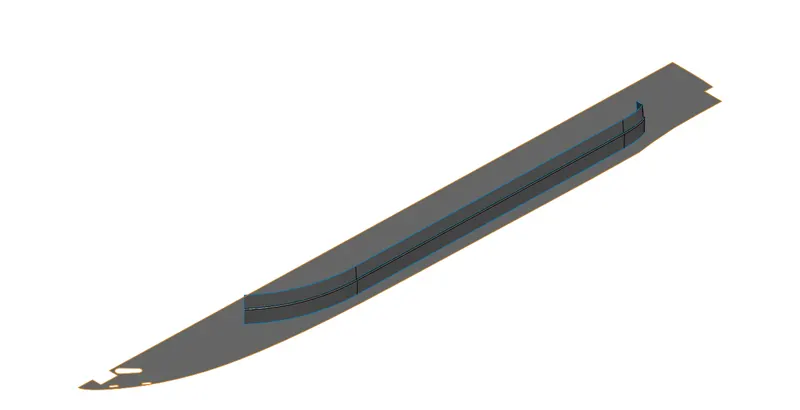
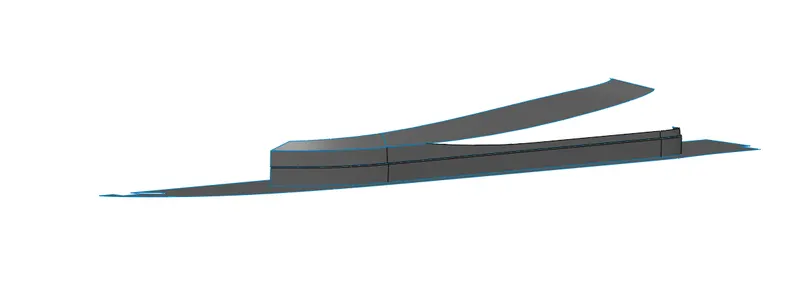
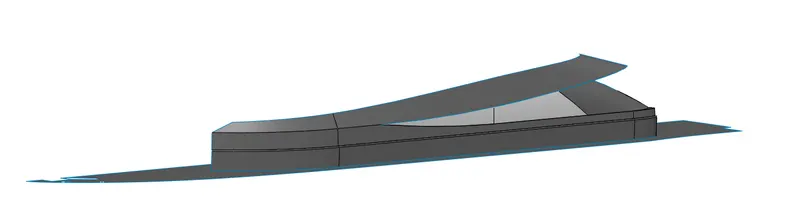
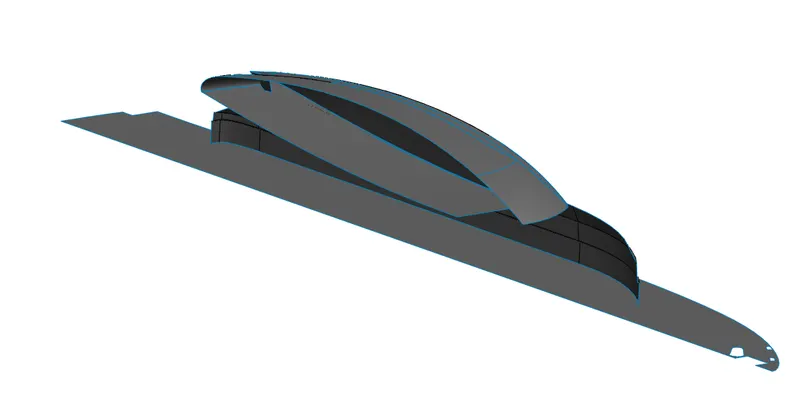
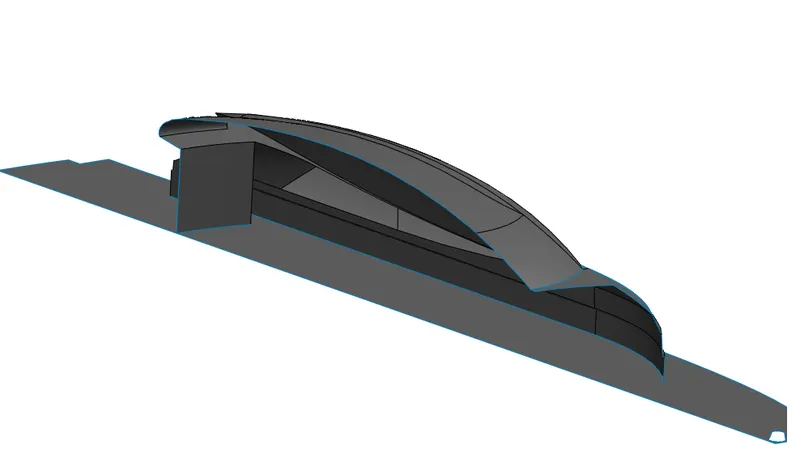
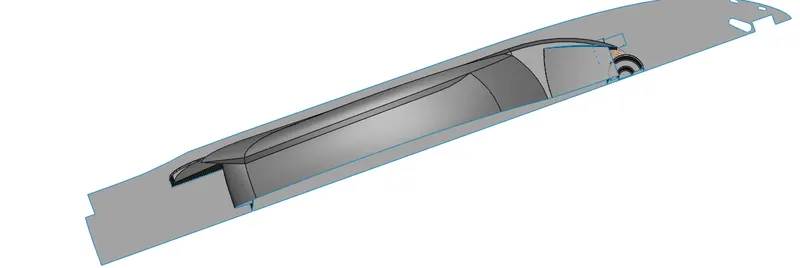
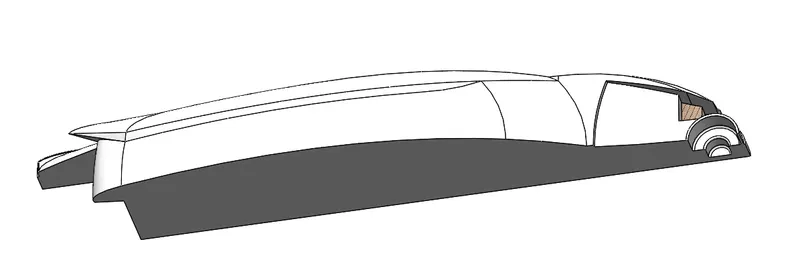
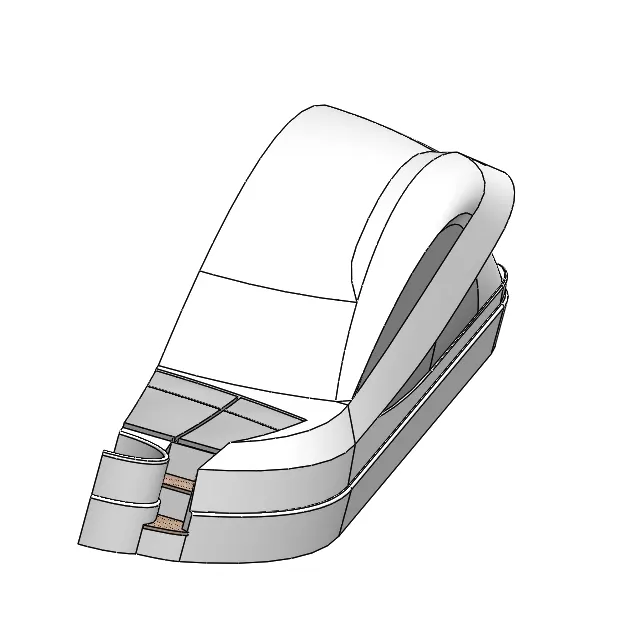
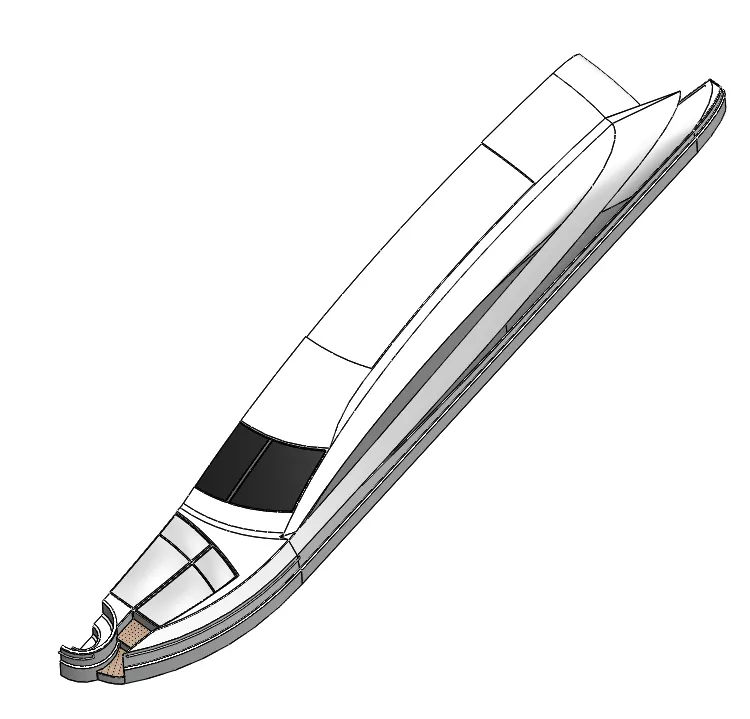
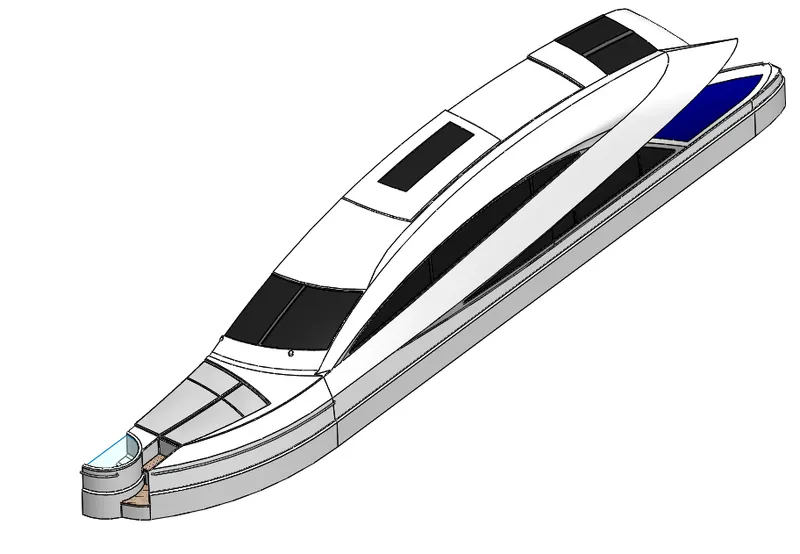
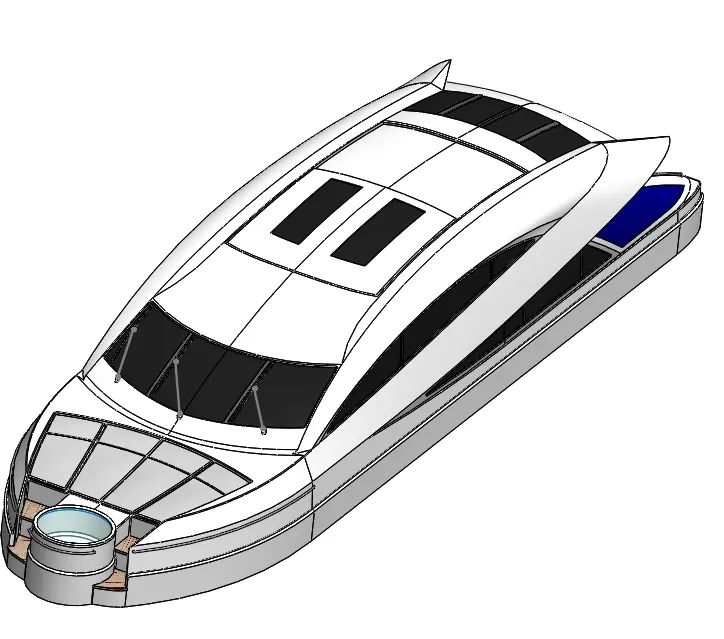
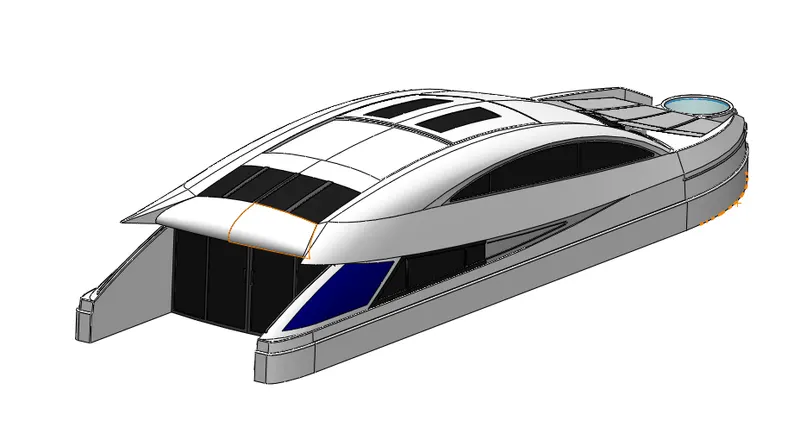
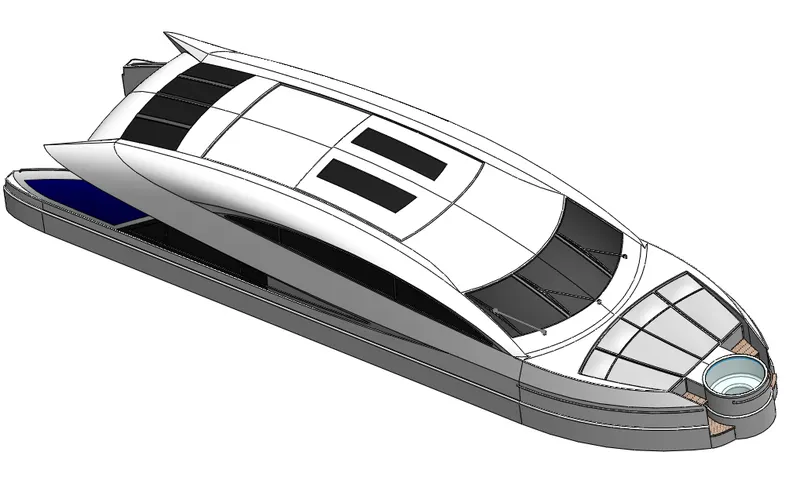
Here is the rendered image of the Superstructure
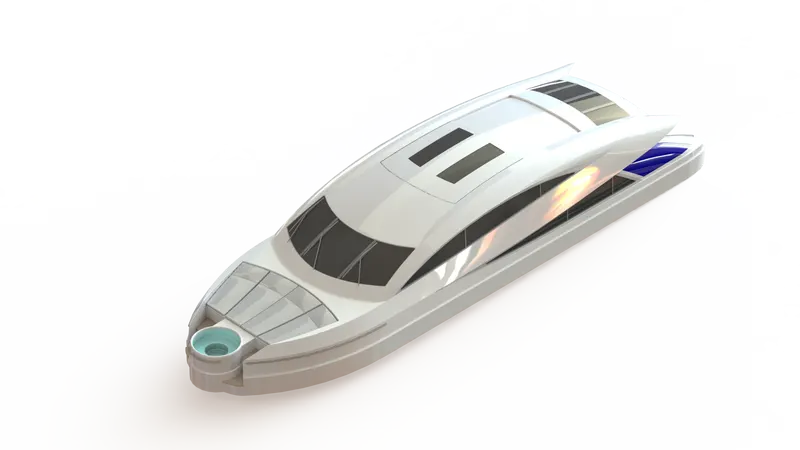
Features Used:-
1. Sketch
2. Surface Extrude
3. Reference plane
4. Surface swept
5. Surface knit
6. Fillet
7. Ruled surface
8. Surface trim
9. Projected Curve
10. Lofted Surface
11. Surface fill
12. Surface trim
13. Surface loft
14. 3D Sketch
15. Surface extend
16. Delete face
17. Extruded boss
18. Extruded cut
19. Surface offset
20. Thicken surface
21. Dome
22. Swept Boss
23. Extrude thin boss
24. Split line
25. Mirror
26. Chamfer
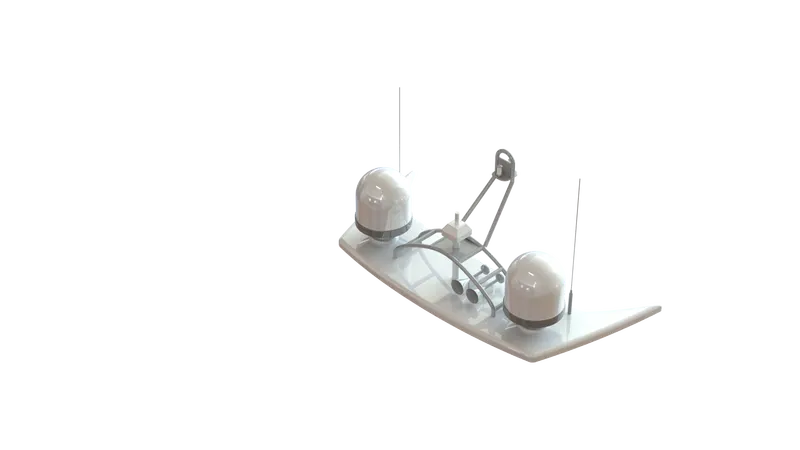
Radarmast:- Radarmast is used to transmit the signal from the yacht. Here are the snaps of modelling of Radarmast:-
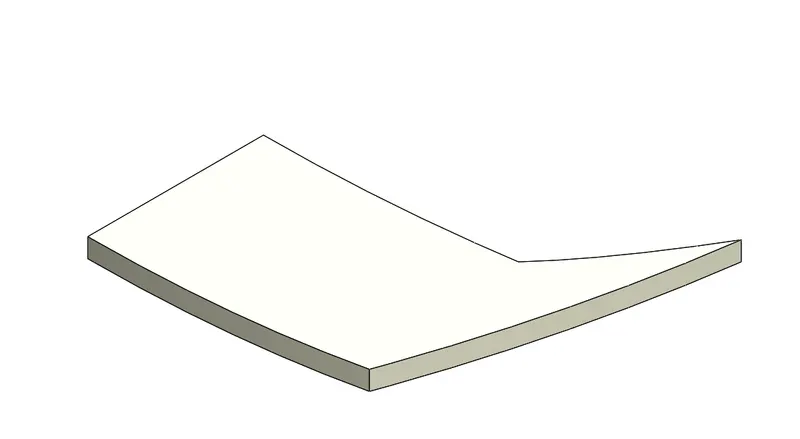
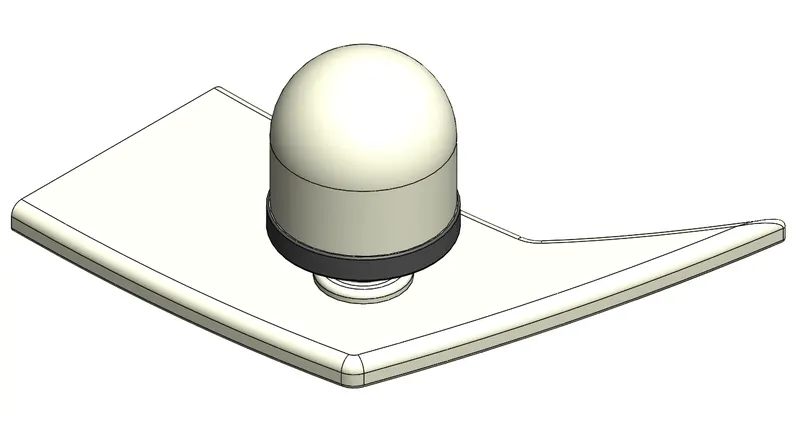
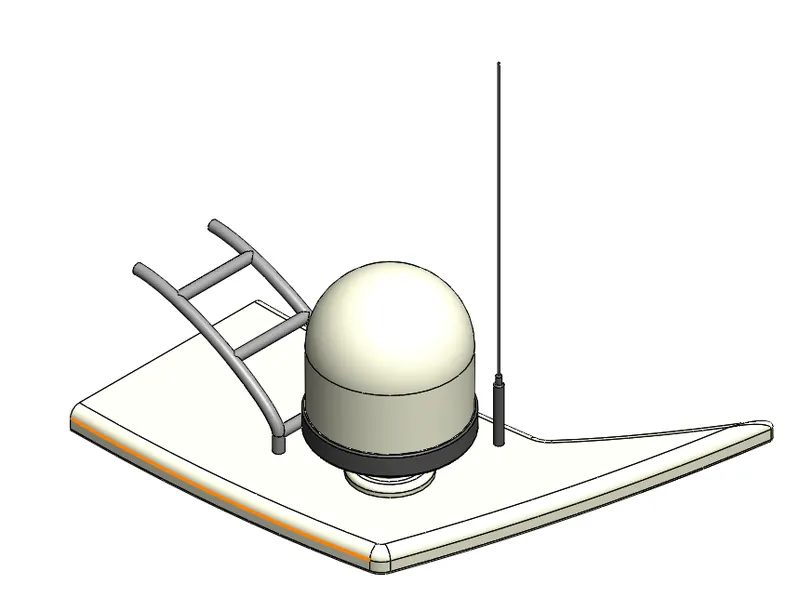
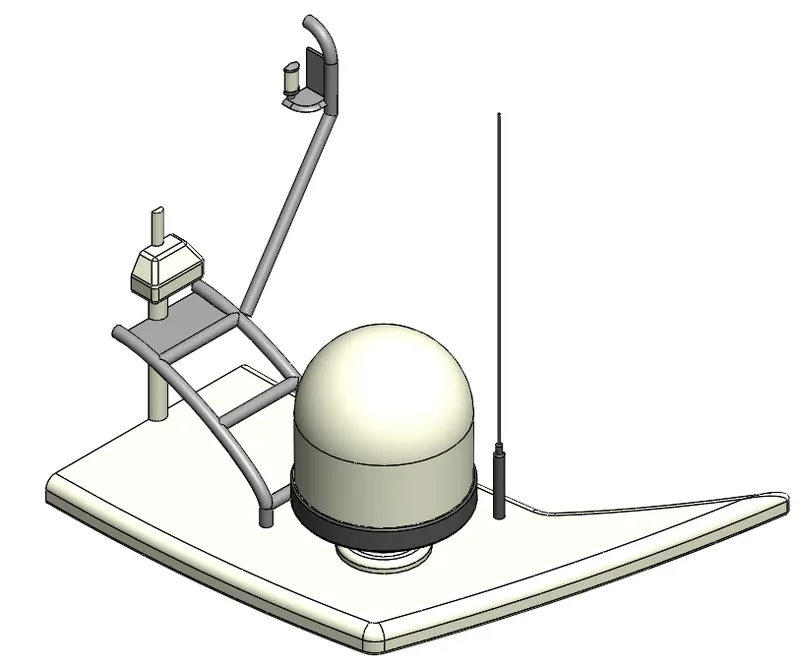
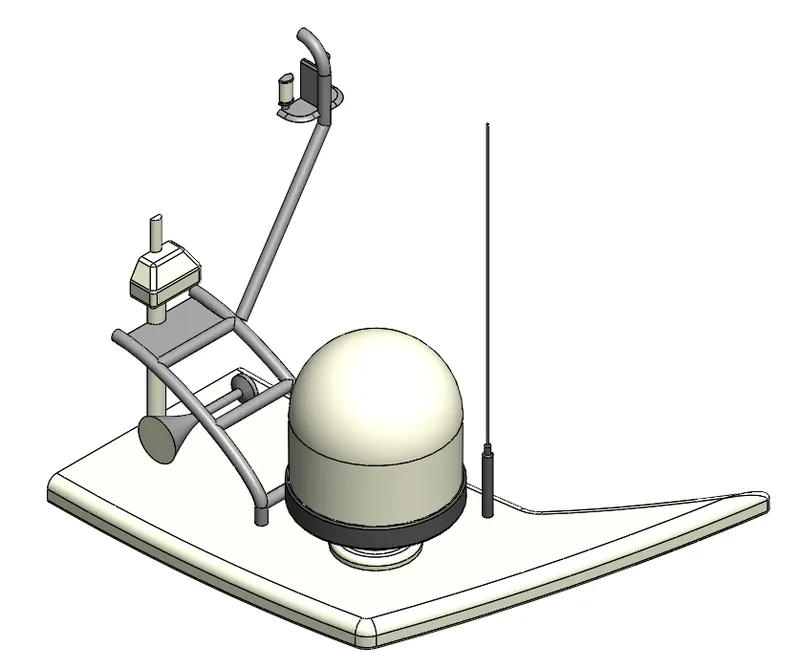
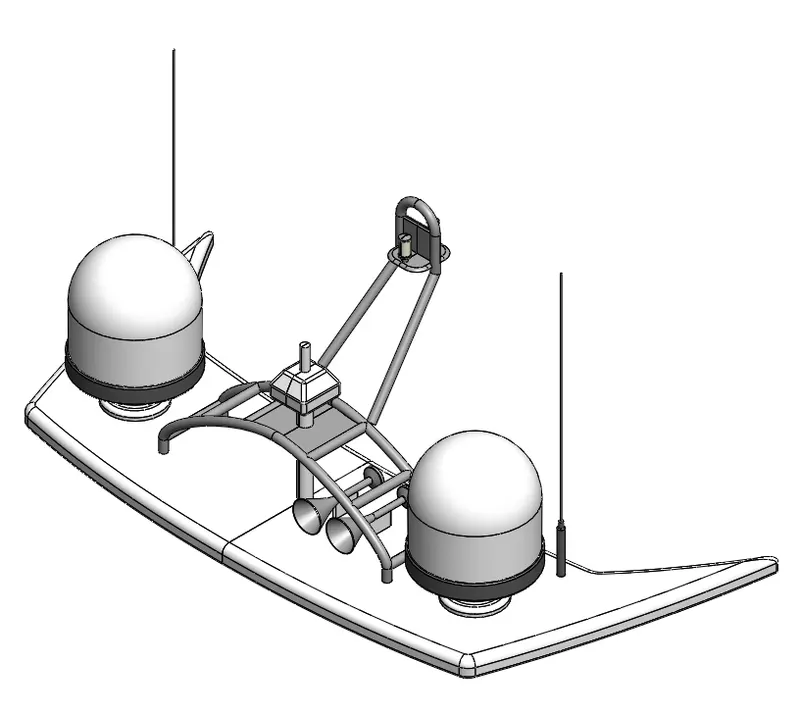
Here is the rendered image of the Radarmast
Features Used:-
1. Sketch
2. Reference Plane
3. Delete body
4. Extruded boss
5. Fillet
6. Revolved boss
7. Swept boss
8. Mirror
9. Projected curve
10. Chamfer
11. Dome
12. Shell
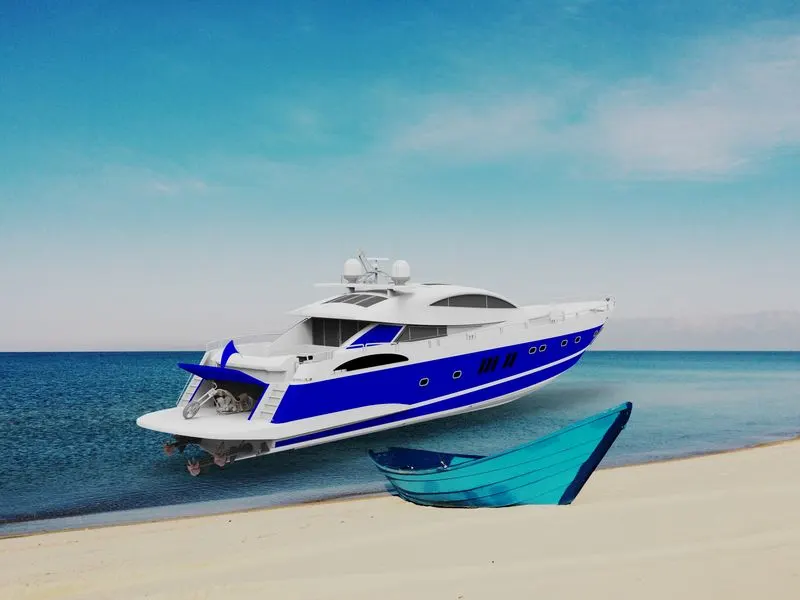
Assembly:- After modelling these 9 parts I have assembled them using different mates. I have also put American Chopper Bike in Yacht garage. I have assembled them in the following sequence.
Hull => Superstructure => Radarmast => Front seat => Middle seat => Rear seat => Garage door => Propeller => Radar => American chopper bike assembly
I have used the following mates for assembly:-
- Coincident mate
- Concentric mate
Here are some snapshot of assembly:-
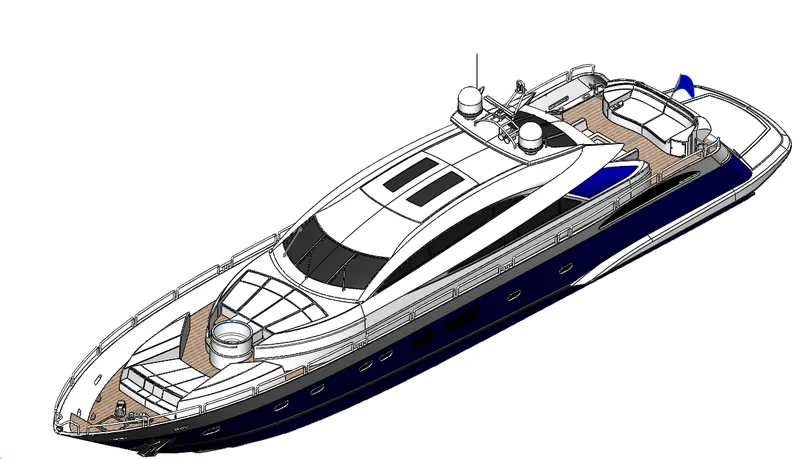
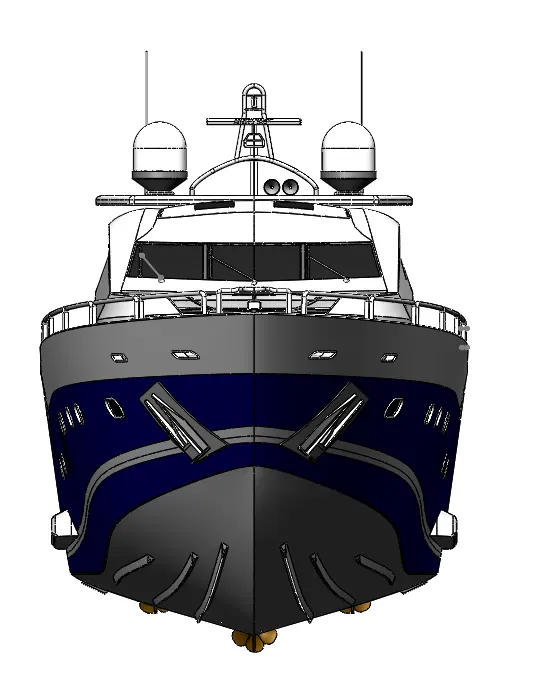
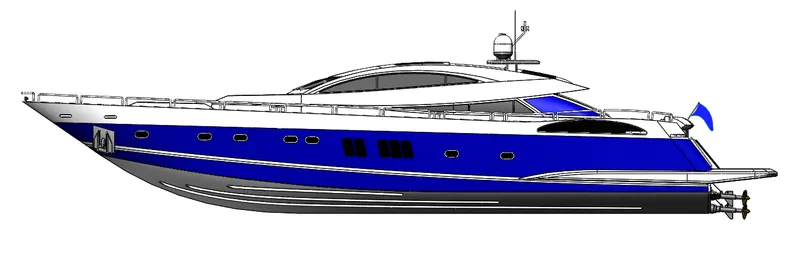
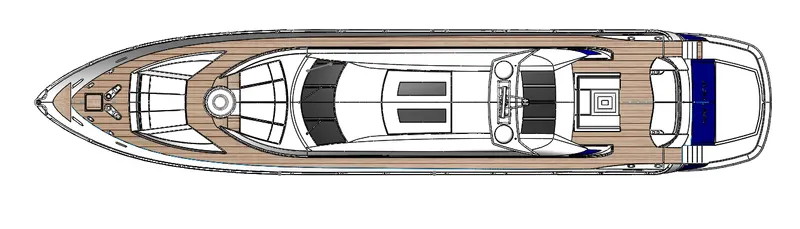
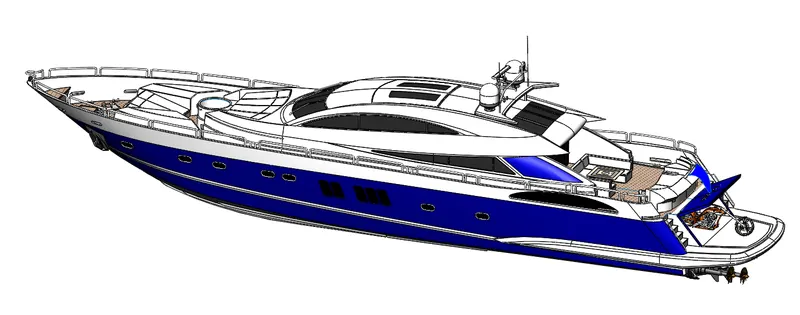
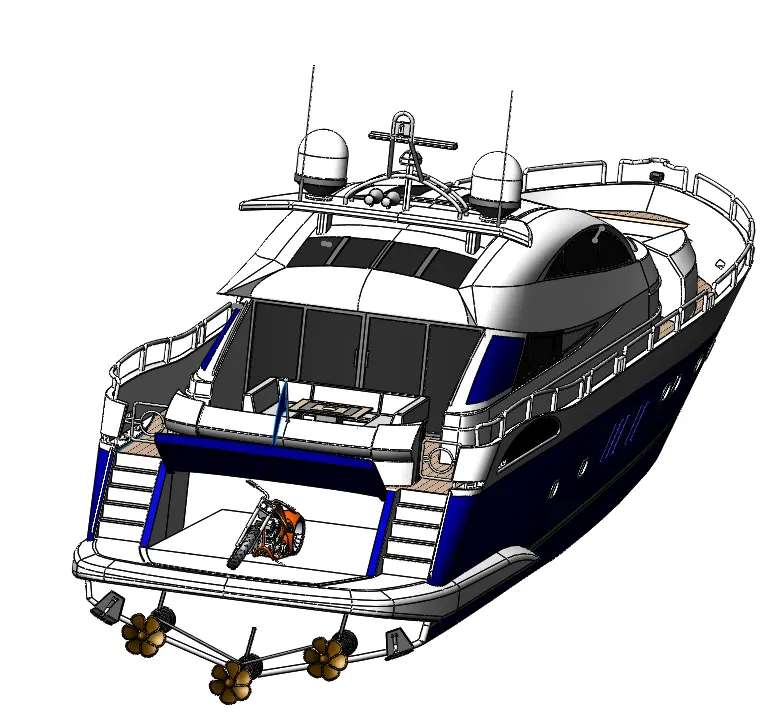
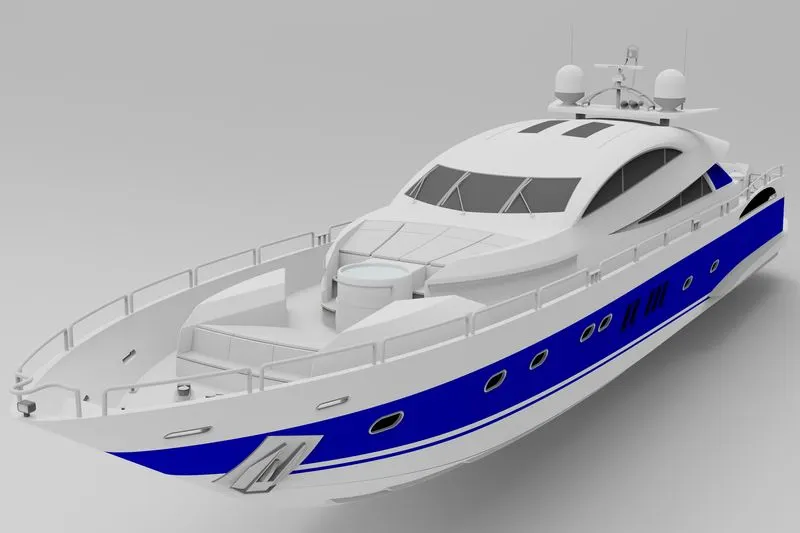
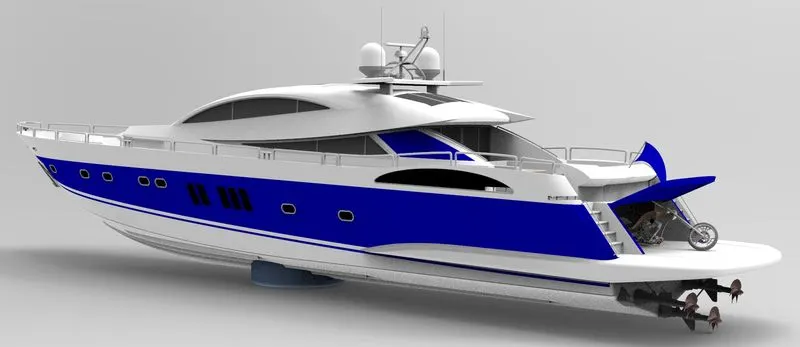
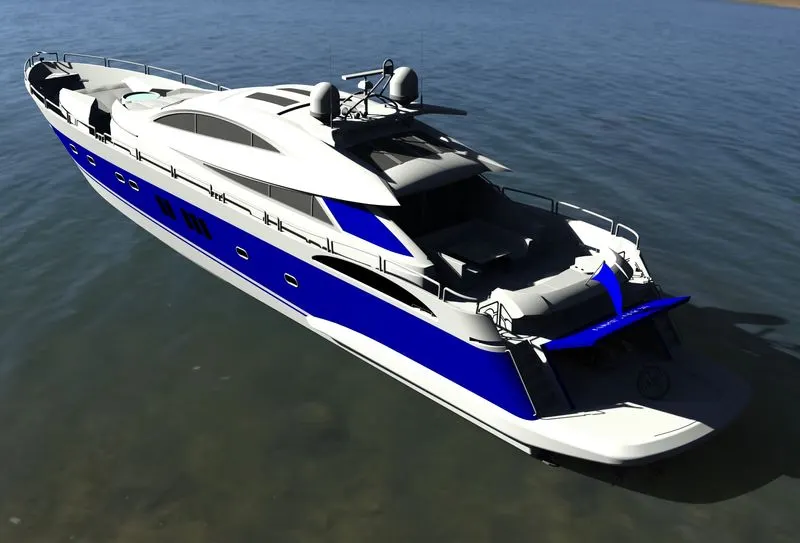
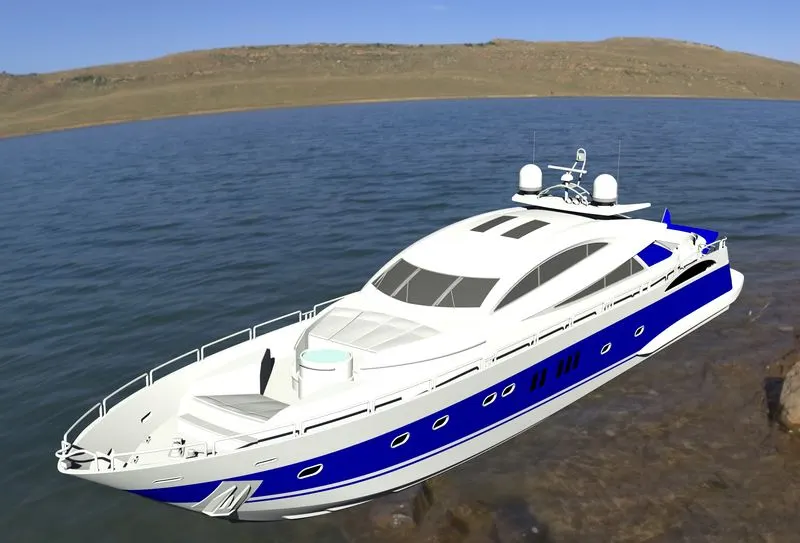
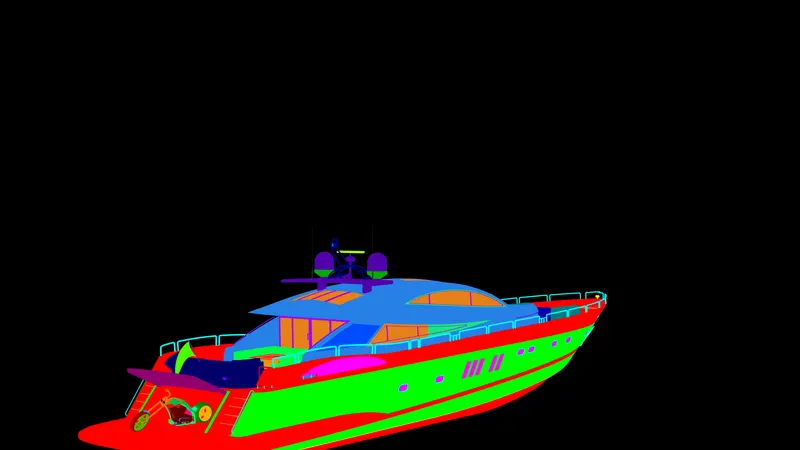
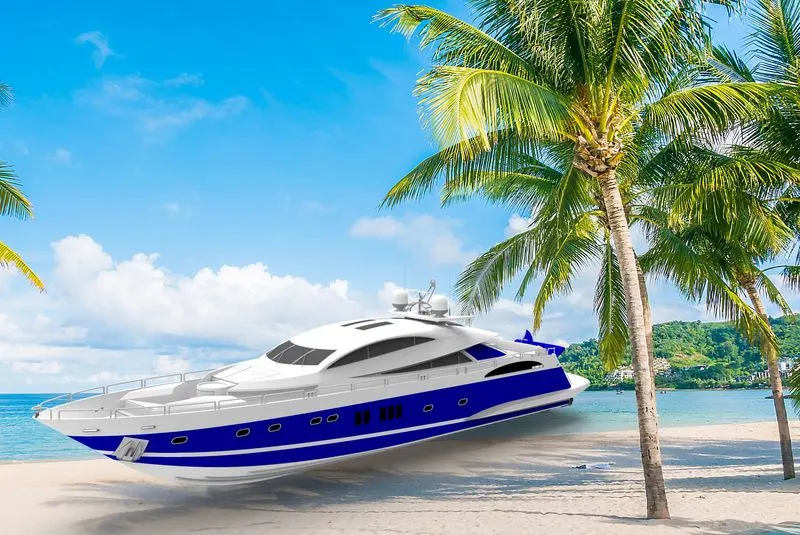
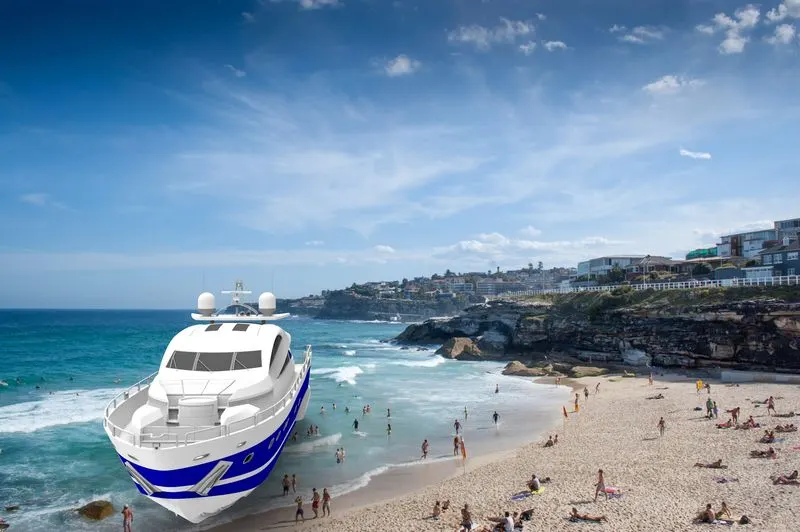
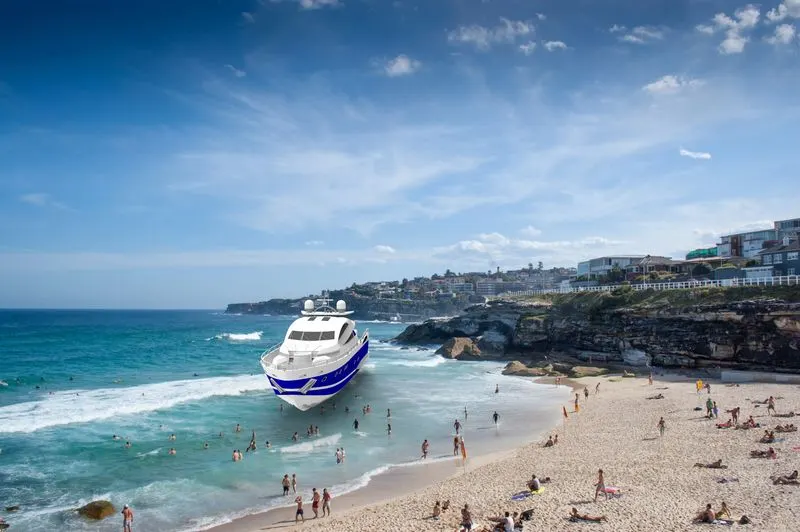
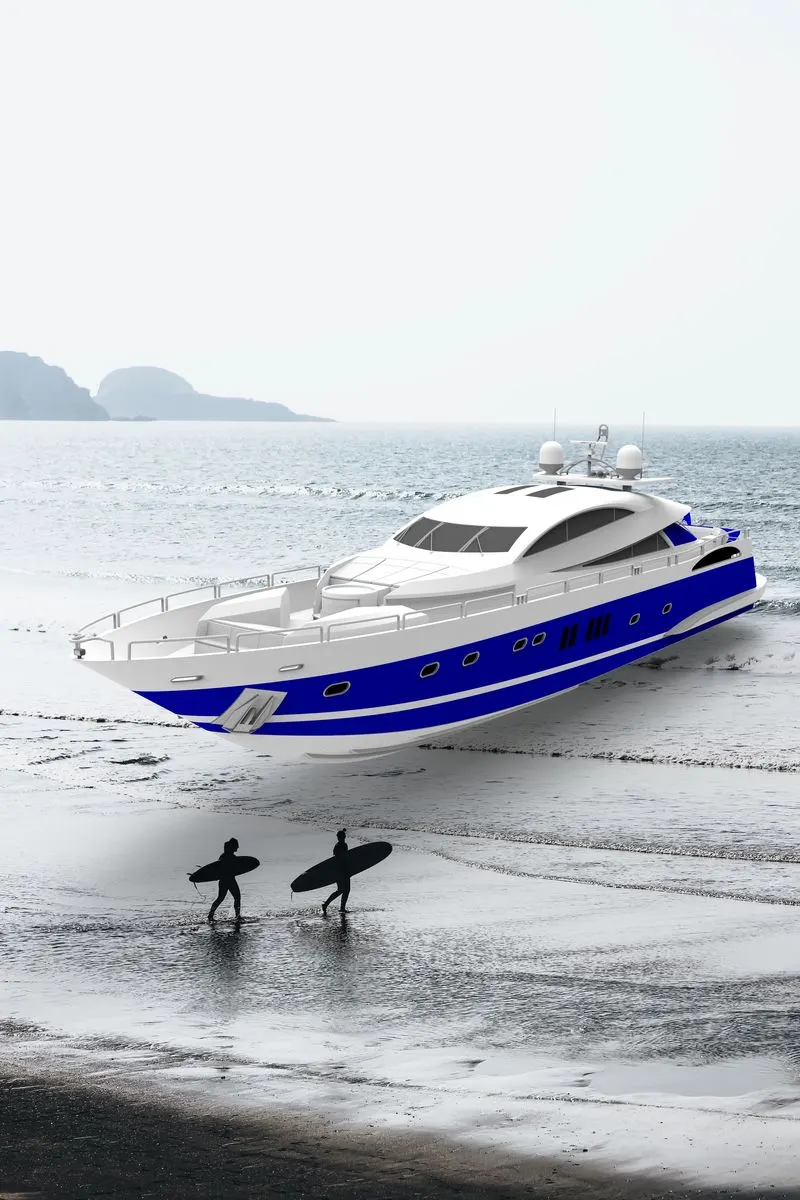
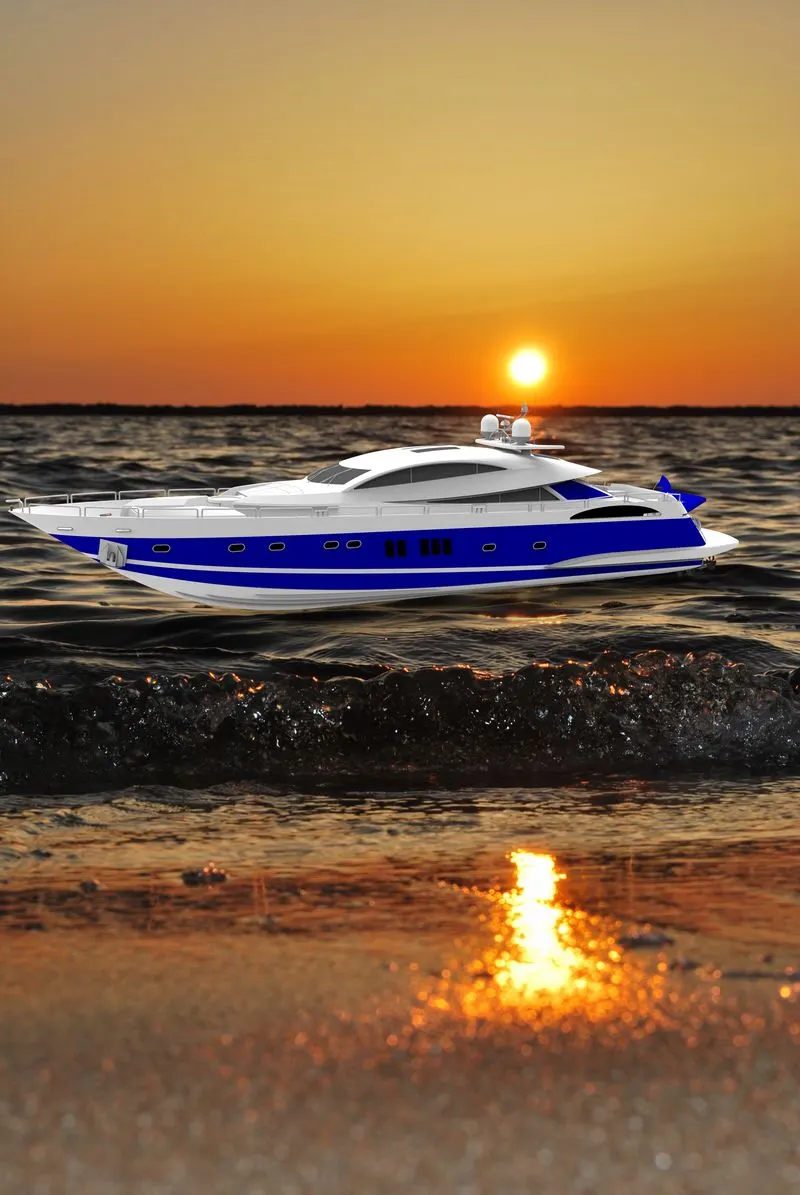
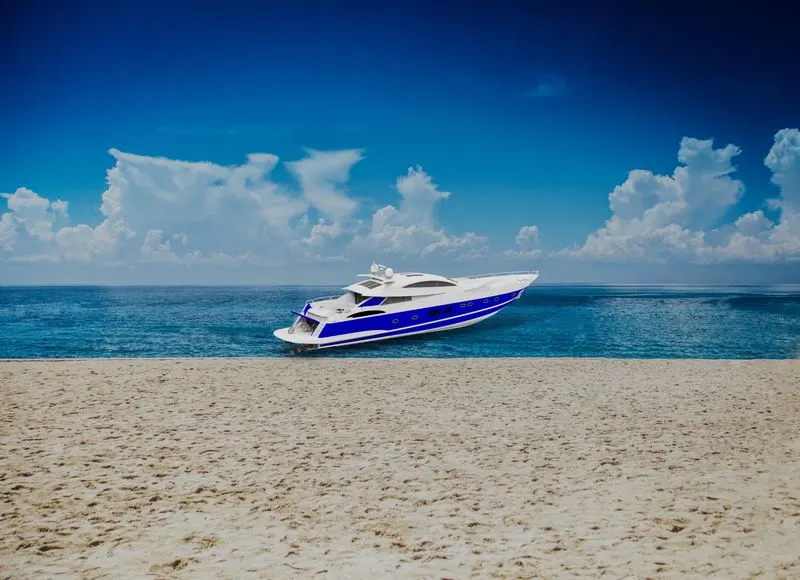
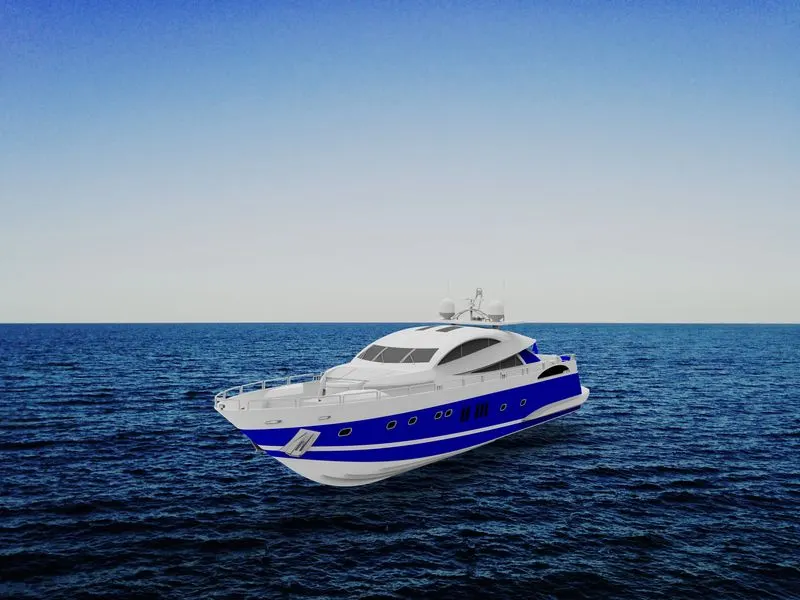
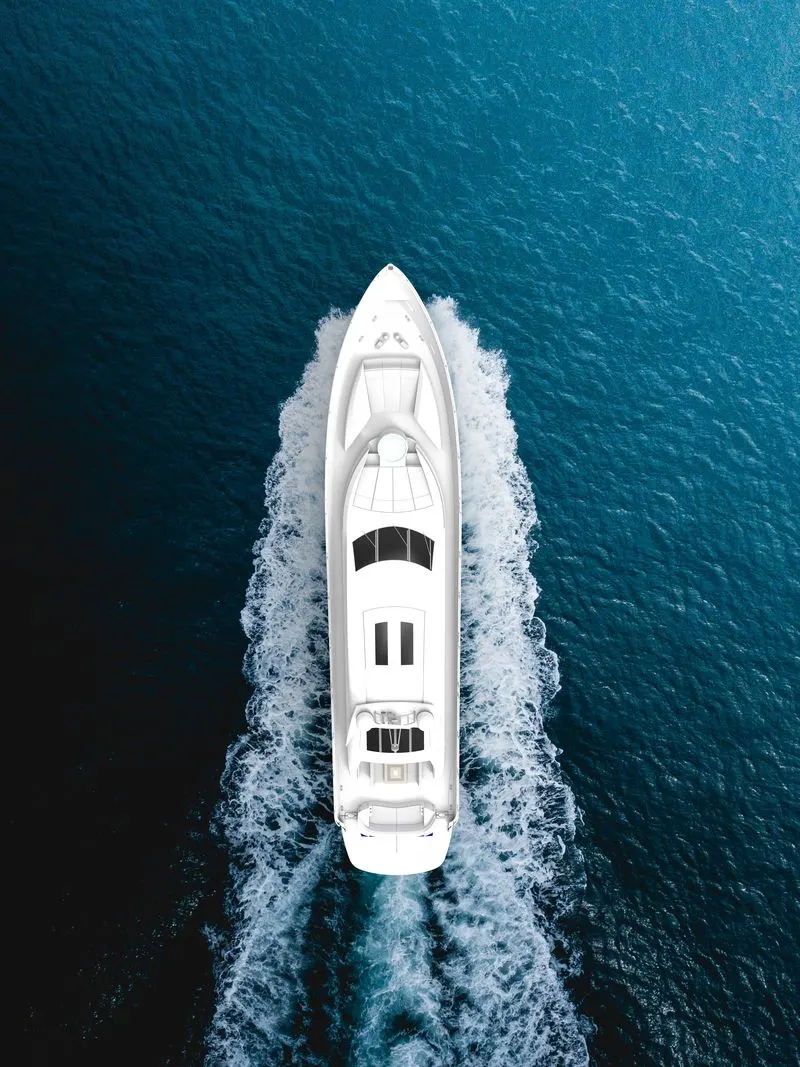
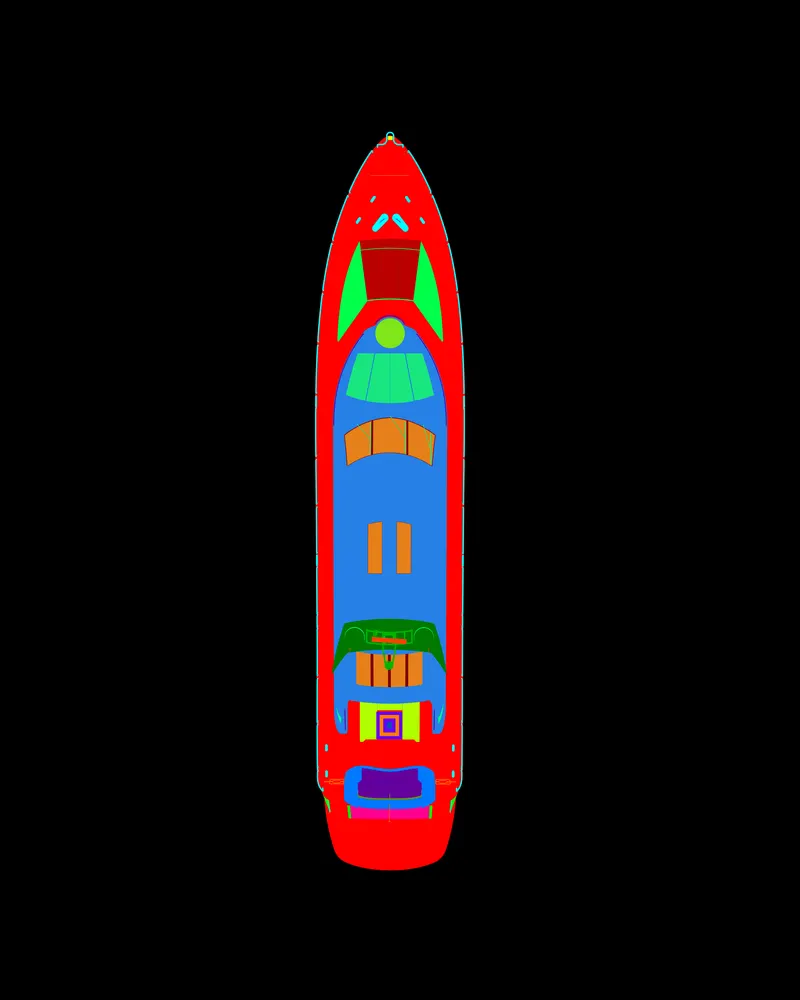
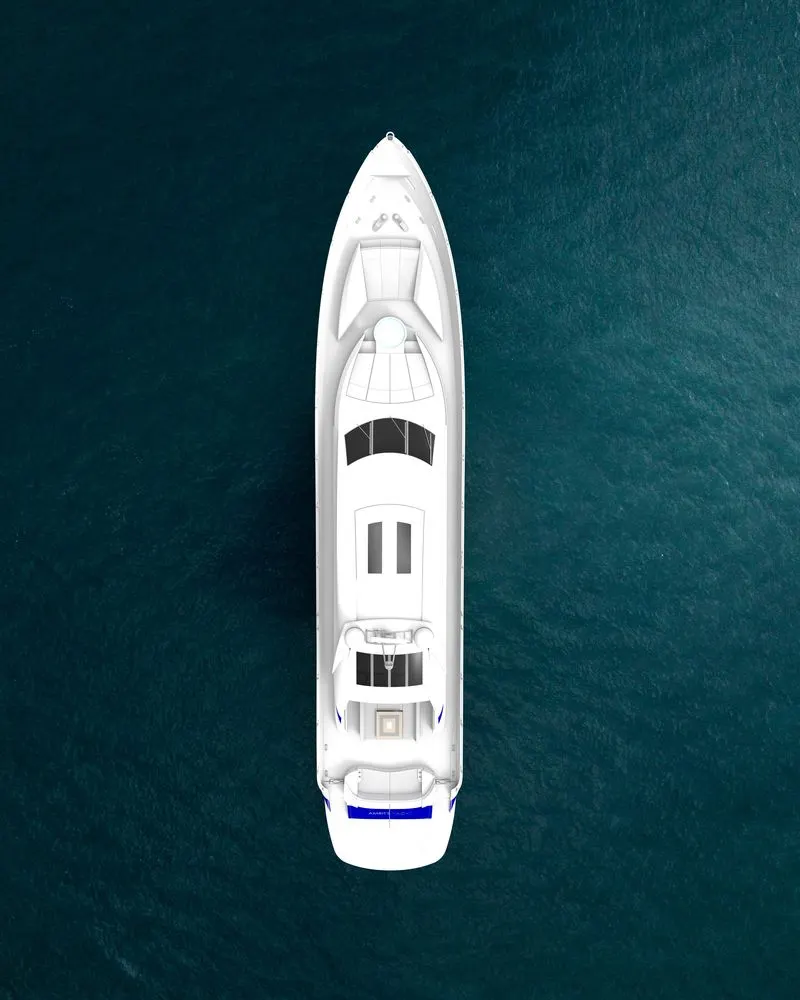
Here are some rendered images of YACHT
Conclusion:- In this project I have learnt about many features of SOLIDWORKS. I have learnt Boss extrude, Sketch making, Swept, Loft, Fillet, chamfer, dome, mirror, pattern etc. I learnt about surface modelling. I will use different features and tools like surface extrude, surface swept, surface loft, boundary surface, fill surface, trim surface, extended surface, and ruled surface, etc. It will help me in my next project of designing.