Project 2
WIRING HARNESS FOR TAILGATE
AIM
- To route the wiring harness for the given Tailgate.
- Application of all Packaging rules, Industry best practices studied in this course shall be demonstrated in design.
- Apply Protection coverings as required.
What is wire harness engineering?
A wire harness is a system of insulated conducting wires bound together with insulating materials, used in the electrical system of a motor vehicle, complex machine or aircraft. Wire harness engineering is the development process of an electrical foundation for the safe and reliable distribution of power throughout a system. It forms the foundation of reliable, cost-effective and successful product design and manufacturing. The design, engineering and manufacture of wiring harnesses is complicated by shorter program launch cycles and increasing price pressure, coupled with increasing product and configuration complexity. Harness design software helps many companies address wire harness engineering challenges. Powerful design automation capabilities, coupled with model-based wiring harness engineering flow, help harness manufacturers cut costs, improve product quality and boost efficiency.
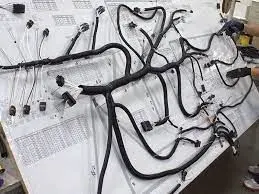
The Difference Between Wire Harness Assemblies and Cable Assemblies
One common assumption made about wire harness assemblies is that they are interchangeable with cable assemblies. Wire harness assemblies are often confused with cable assemblies because they both have similar features; however, they are not the same.
Wire Harness Assembly
As a short review, a wire harness assembly is a collection of bound cables and wires sheathed in a basic thermoplastic or thermoset material designed. The wire harness assembly sheath is simply designed to bring organization to the installation of cables and to provide basic protection from externalities. This basic construction defines wire harness assemblies as best suited for indoor use where externalities are minimal.
Cable Assembly
Similar to wire harness assemblies, cable assemblies consist of bound cables and wires. However, the material in which they are wrapped tends to be more durable. Cable assembly casings are usually made from materials, such as vinyl or thermoplastic rubber, that allow the unit to operate in the most intense environments where externalities abound. In comparison to wire harness assemblies, cable assemblies are often best suited for outdoor use or within environments operating under various amounts of stress, such as heat, moisture, and friction.
COMPONENTS
(a).Connectors:
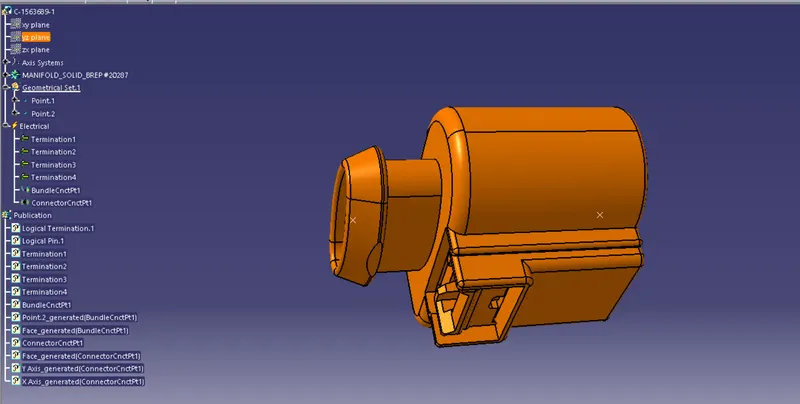
1.
Part No : C-1563689-1
No of terminals: 4
No of Quantity : 6
2.
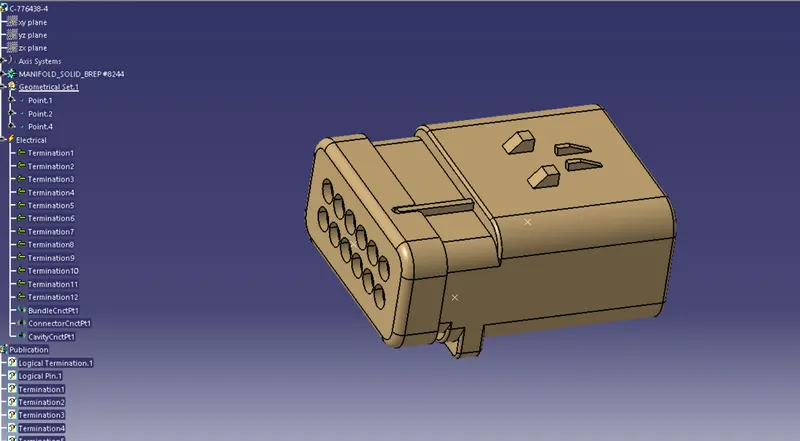
Part No : C-776438-4
No of terminals: 12
No of Quantity : 1
(b).Mounting Equipment:
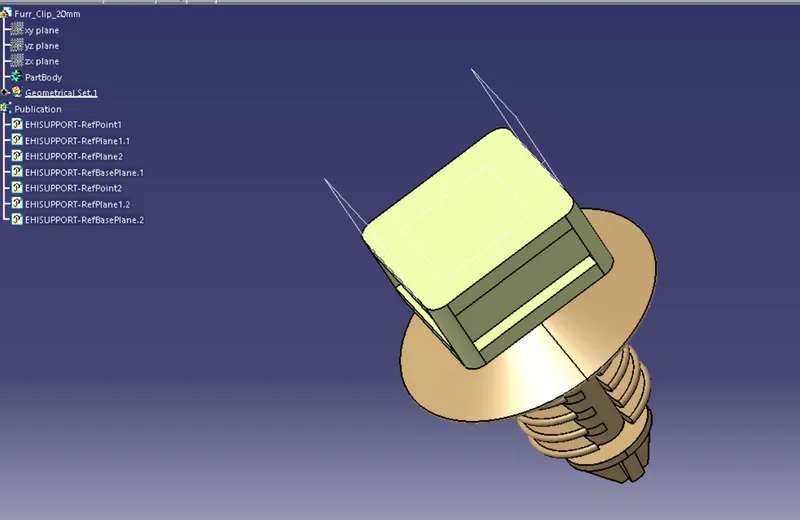
1. Furr Tree Clip
No of Quantity : 11
PACKAGING RULES
- Wiring harness routing shall provide ease in manufacturing, accessibility, easy removal, and easy maintenance of attached equipment and wiring harness.
- Routing through small structural holes and openings shall be avoided, minimizing chafing and handling the wiring harness during installation.
- Avoid the harness routing and clipping in the Blind zone of the Operator during harness assembly or in service.
- Routing shall offer protection against possible damage through common misuses such as being handhold and temporary support for test equipment.
- Provide additional slack to the harness according to the surroundings and harness bending requirements.
- Ensure the routing meets the clearance requirements with different surrounding parts.
- Avoid routing over the bolts, near to the bolted joints. It may damage the harness or puncture the harness. Keep harness away from panel mounting screws.
- Avoid harness routing near sharp edges, if not possible provide protection to the harness.
- The maximum distance between two clips on a straight branch is 200mm.
- Provide Clips and clamps if the harness is going to bend at multiple locations.
- The use of too many sheet-metal brackets should be avoided.
- The branch length should be more than 50 mm.
- Min distance between clip and branching point to be 25 mm.
- Min distance between two branch breakouts should be 50 mm.
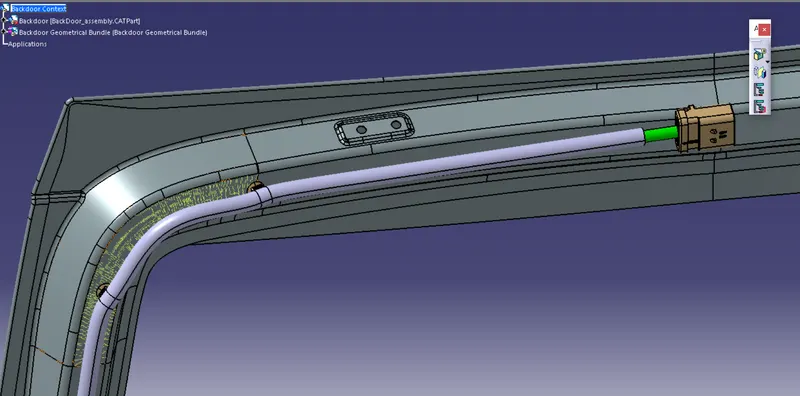
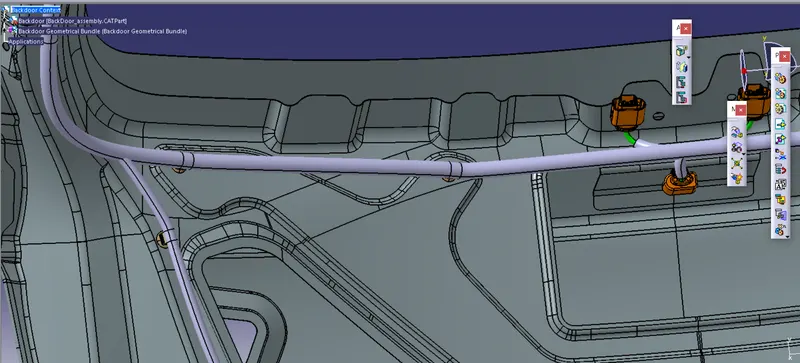
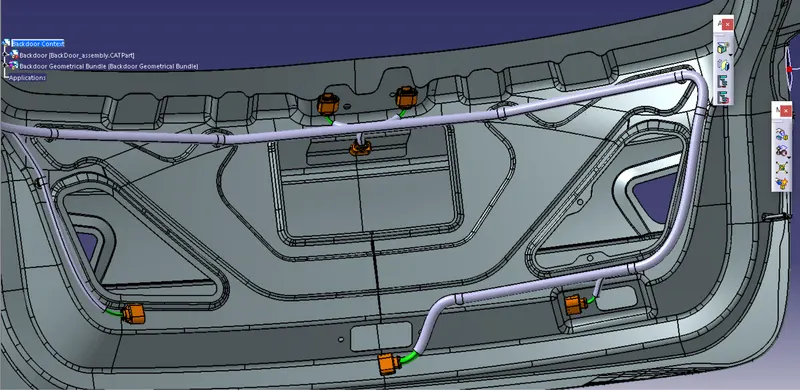
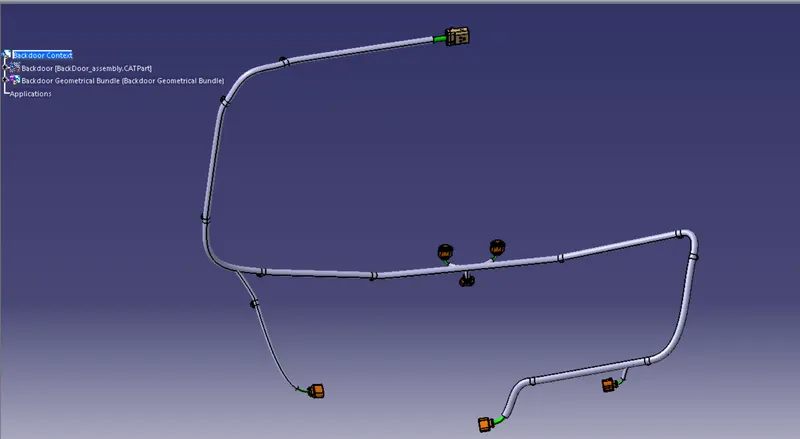
HARNESS ROUTING
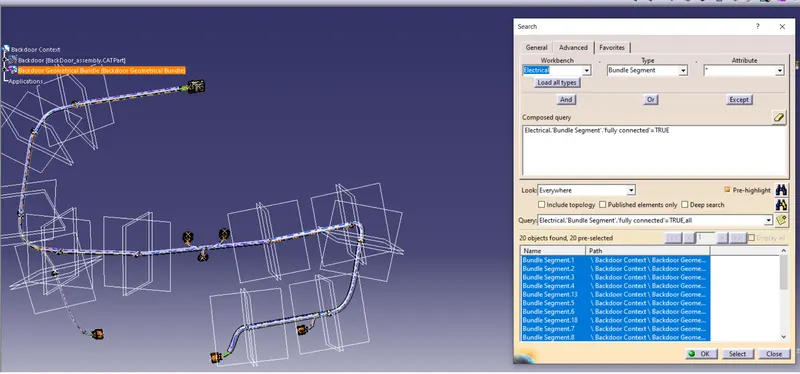
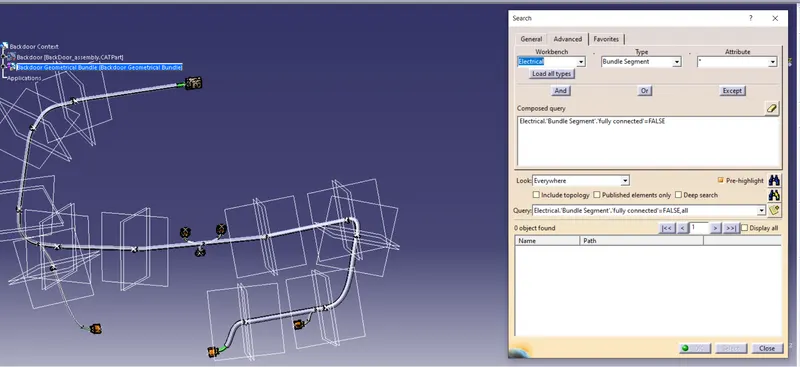
BUNDLE CONTINUITY CHECK
FLATTENING
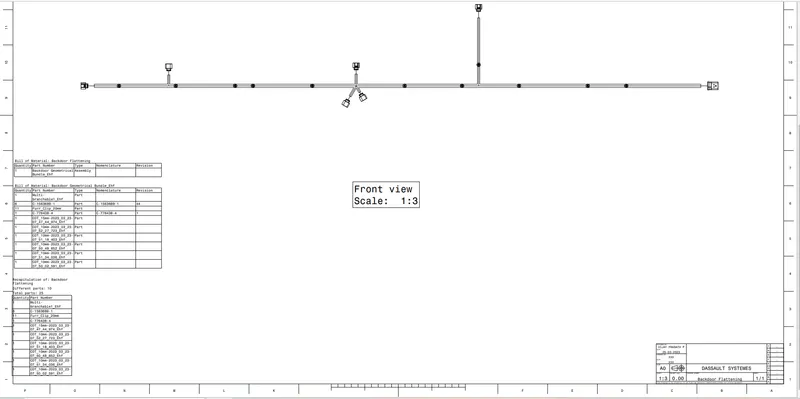
DRAWING
CONCLUSION
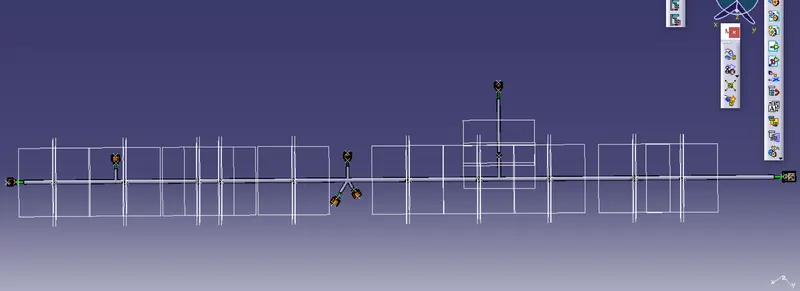
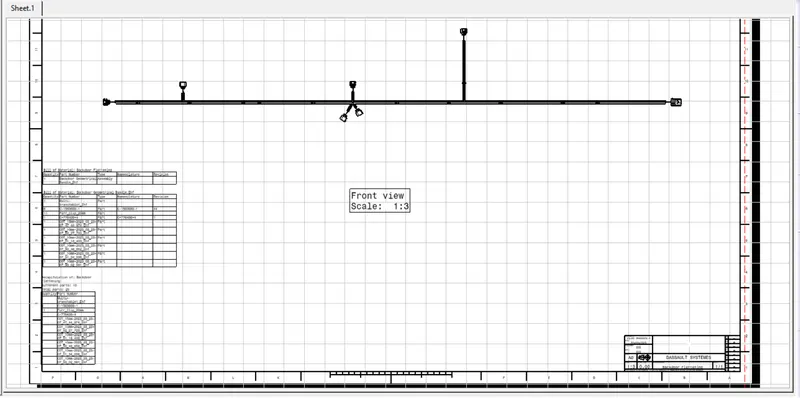
The harness is routed for the given Tailgate and flattened the Harness. Created the drawing for the harness in the sheet.