Design of backdoor
Aim:
To design the Back door (Tail gate) of a car from the styling surface provided using NX CAD. The ultimate aim is to design the Back Door by following the Industrial Standards.
Backdoor Introduction:
A back door is a BIW component found in all Automotive car generally used for opening and closing of the so called car luggage that is usually used for storing items inside a car.. A hinge allows the boot lid to be raised, while devices such as springs or gas cylinders hold it up in the open position The Backdoor is an assembly of many parts such as inner panel, outer panel upper, outer panel lower and Reinforcement. Inner panel is attached to the outer panel using mastic sealant.
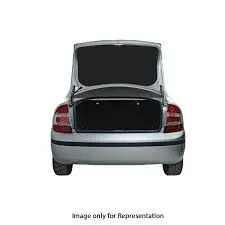
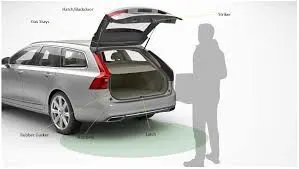
A back door is a BIW component found in all Automotive car generally used for opening and closing of the so called car luggage that is usually used for storing items inside a car.
A backdoor is usually made up of 1 inner panel and 2 or 3 outer panels joined together by hemming and spot welding wherever necessary.
The Main Parts of the Back Door:
- Back door outer panel (upper)
- Back door outer panel (lower)
- Back door inner panel
- Hinge reinforcements
- Gas stay reinforcements
- Latch and striker reinforcements
- Wiper motor reinforcements.
The material used for backdoor varies as per the price range of the vehicle. Most of the low cost vehicles use steel as it is cheaper and use parts that are stamped using moulds. These parts are usually of uniform thickness and reinforcements are added to improve local strength where needed. The premium vehicles use aluminium parts which are usually die casted and hence can have variable thickness. This removes the need of reinforcements hence keeping the weight even lower as aluminium parts are lighter in comparison. On the contrary aluminium is more expensive than steel hence its applications are limited in cheaper vehicle. Currently due to the extensive use of plastics trims and plastic parts the cost of aluminium is affordable for the manufacturers in all price brackets. Use of aluminium reduces the overall weight of the component and hence the vehicle improving its fuel efficiency.
- Outter panel - 0.75 mm
- Inner panel - 0.75 mm
- Reinforcements - 1 mm
DESIGN CONSIDERATION FOR BACKDOOR INNER PANEL:
1. Rear Visibility.
2. Support structures like hinges and gas stays.
3. Mounts for wiper motor, tail lamps, and other wiring loops.
4. Fit and clearances.
5. Boot space
6.Rear crash regulations and requirements.
7.Sealing and its functions.
8.Joining techniques like hemming, spot welding etc.
Types of Back Doors:
There are three types of back door based on the position of the Hinge axis. They are
- Top Mounted
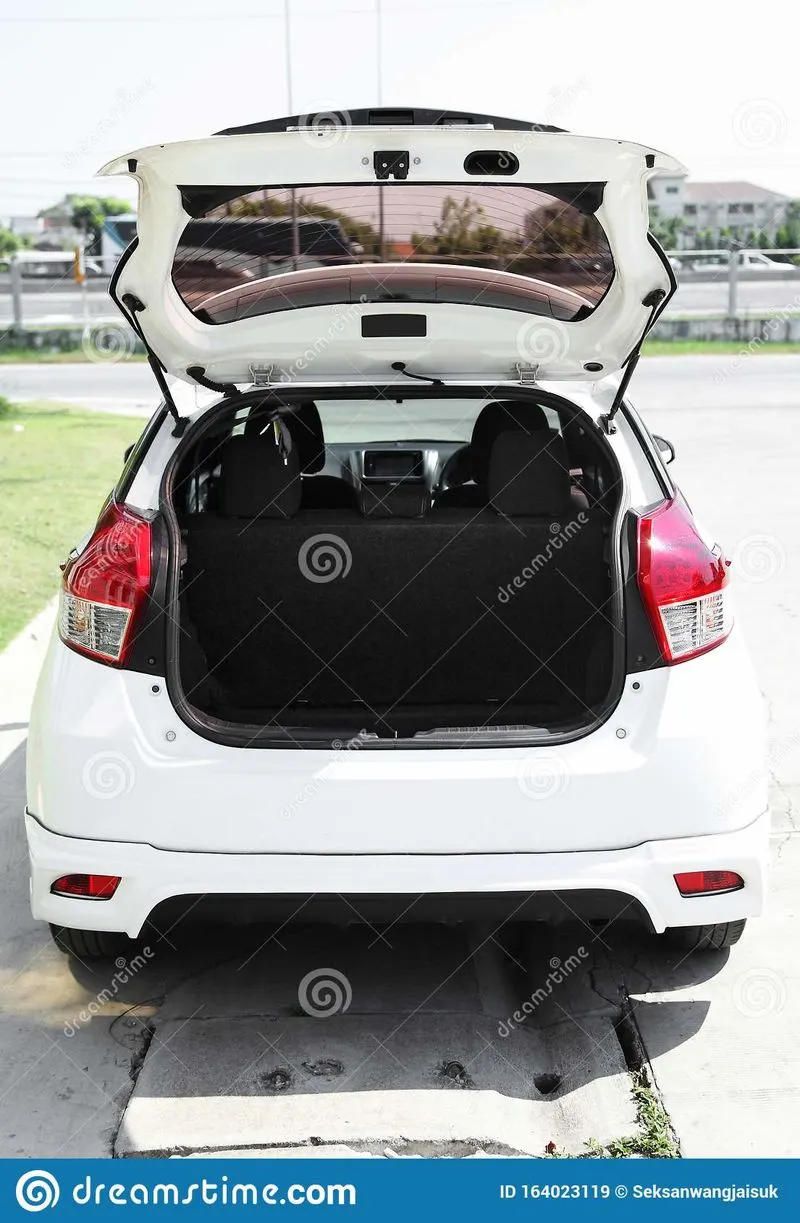
- Side mounted door
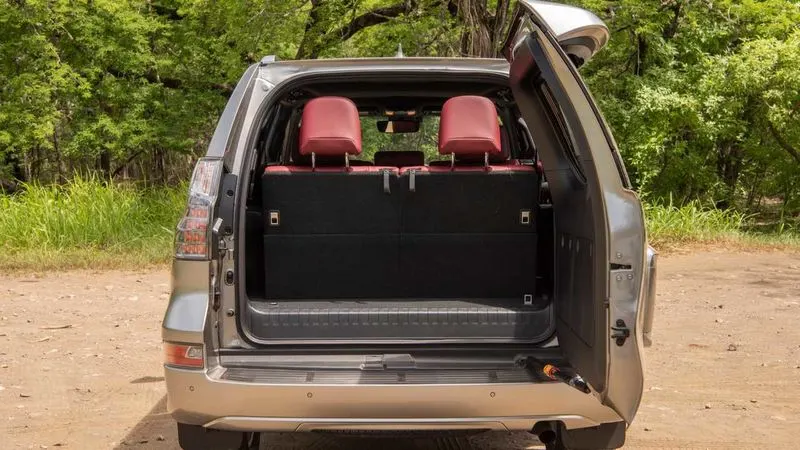
- Bottom Mounted.
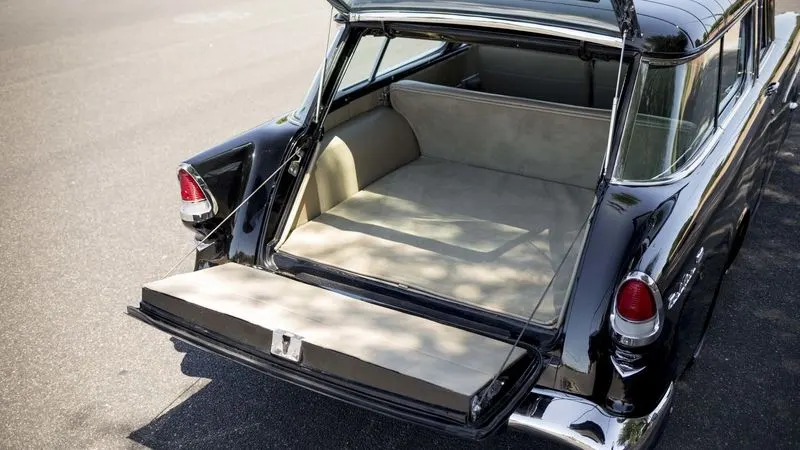
In these project, I designed Top mounted door, So here we discuss mainly about top mounted door only.
PROCEDURE:
1. Checking the Geometry:
- Once the model is opened, we get a Class A Surface of the back door.
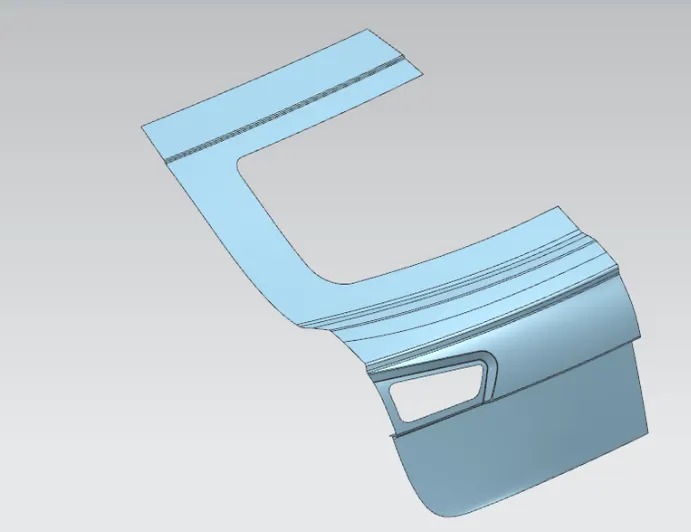
- Try joining the Upper surface of the car, if the surface sews together, we get the outer surface and if the surface didn’t join then we need to create the surface by using studio surface tool
- Create the fillet areas, Tail Lamp areas as those areas will be vulnerable and are unable to join together.
2. Tooling axis creation:
- Draw a line from left and right extremities almost parallel to the path of the surface along the unsymmetrical axis.
- Using the Derived lines tool, create a bsecting line as shown below:
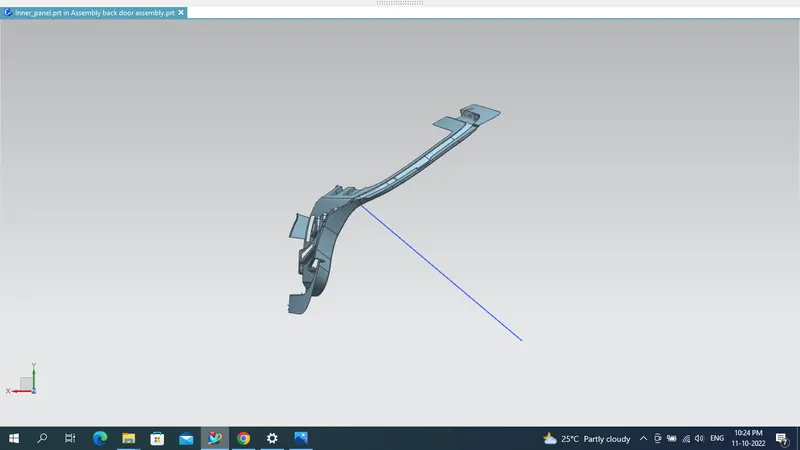
The Tooling Direction for the inner panel is derived using bisection lines of the part from two sides.
3.OUTER PANEL (UPPER):
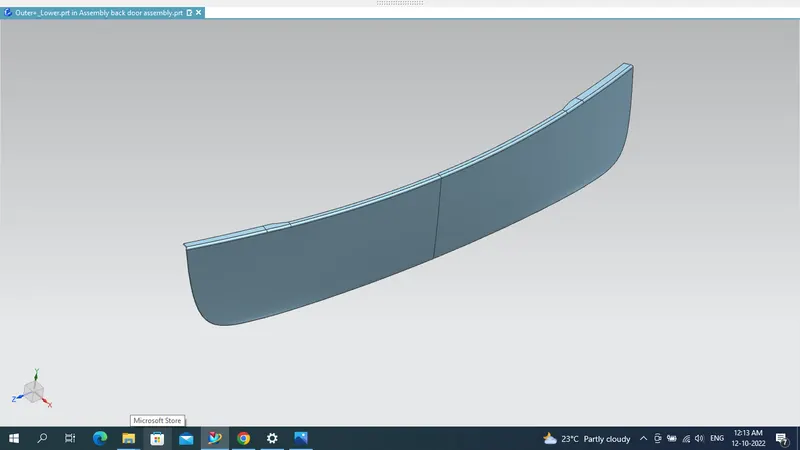
The Outer Panel upper is developed from styling surface The thickness provided for the outer panel is: 0.75 mm Hemming is provided with corner relief.
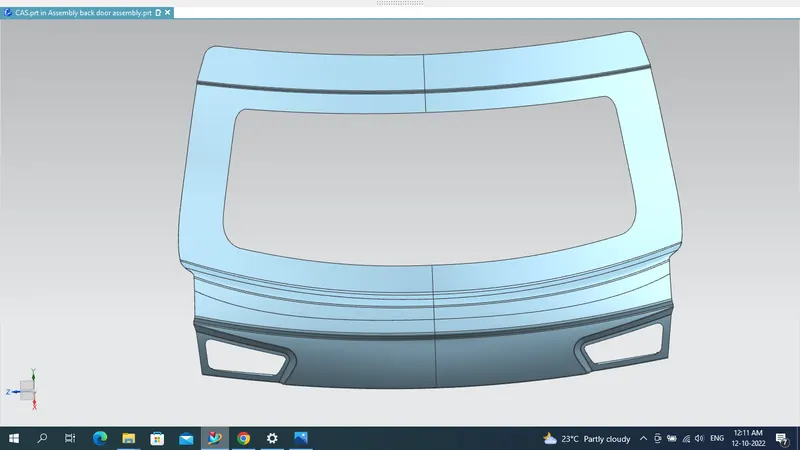
OUTER PANEL (LOWER):
4.Trajectory
The position of the hinge should be perpendicular to the latch at the time of latch and striker meets. The circle is drawn from the center of the hinge axis to find the path of the striker and perpendicular to the path.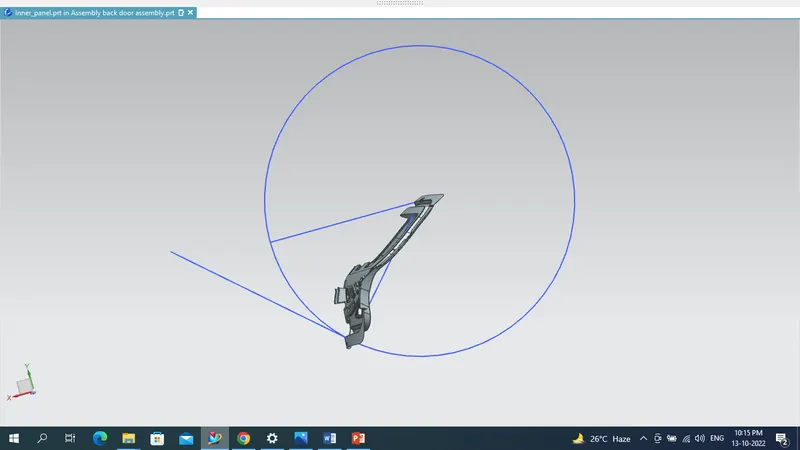
5.INNER PANEL
While designing the inner panel the consideration for its design are Thickness, the gap between the outer panel, and embossing.The nominal thickness of the inner panel is 0.75.The clearance gap between the inner and outer panel is 0.2mm embosses of the inner should follow the force dissipation criteria.
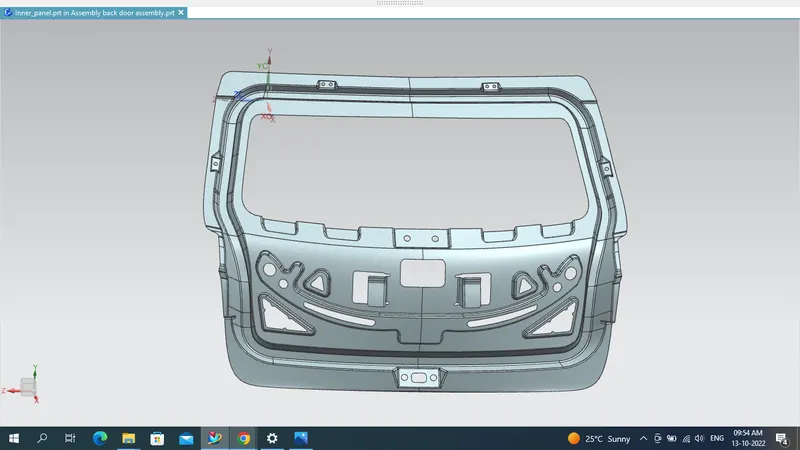
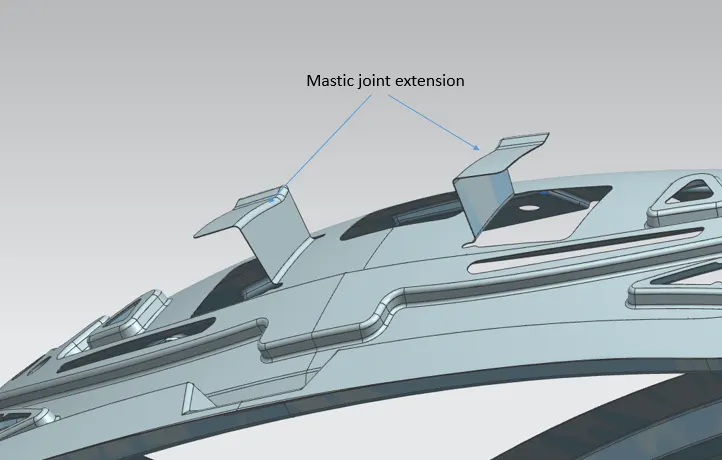
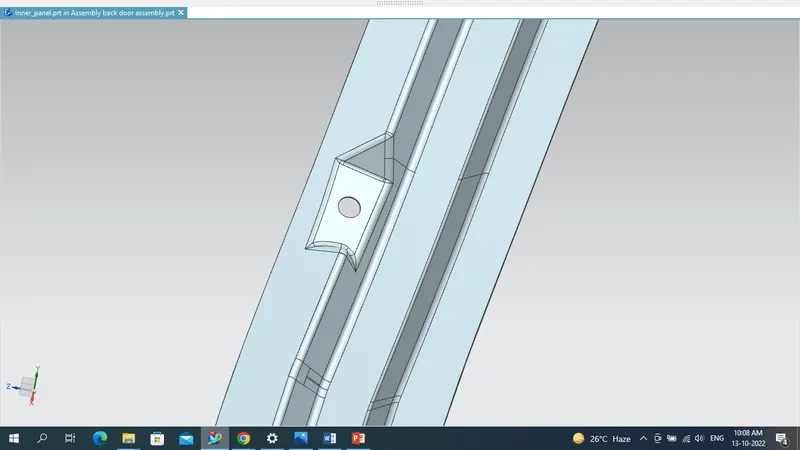
gas stay emboss
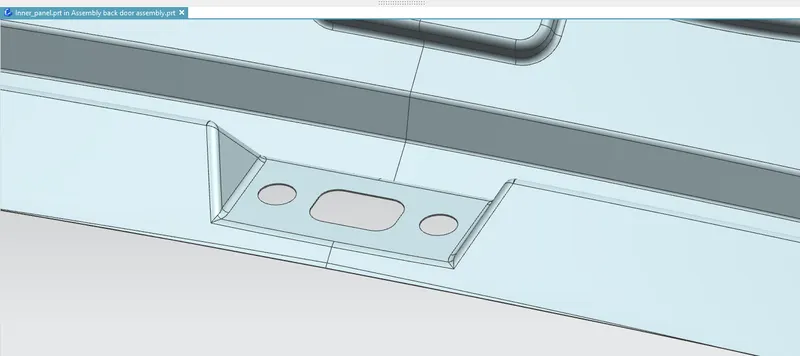
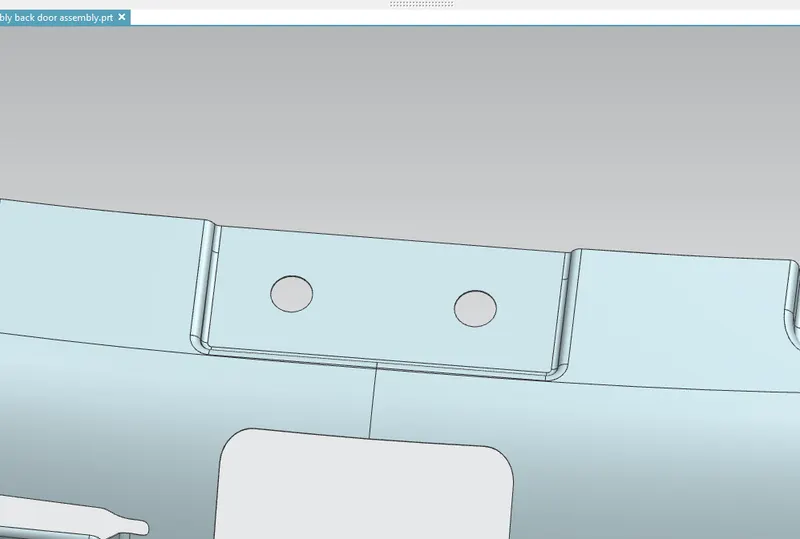
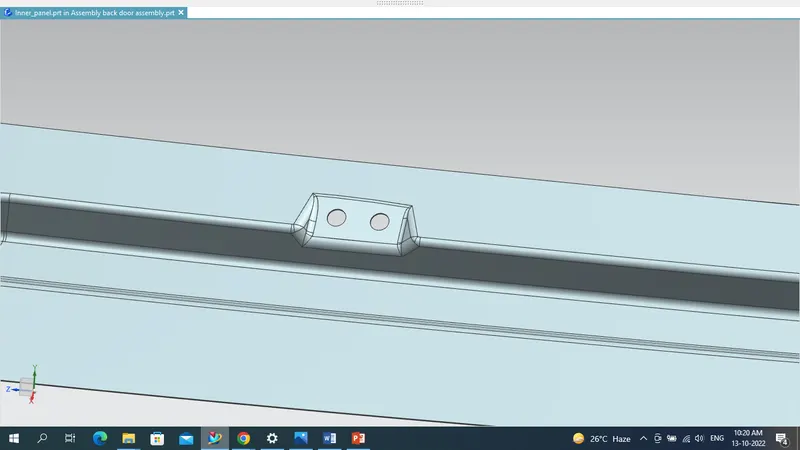
striker emboss wiper motor emboss hinge emboss
6.HEMMING PROCESS:
Create the hem using the through curve mesh or swept tool in the surface panel. the surface must have tangent continuity.
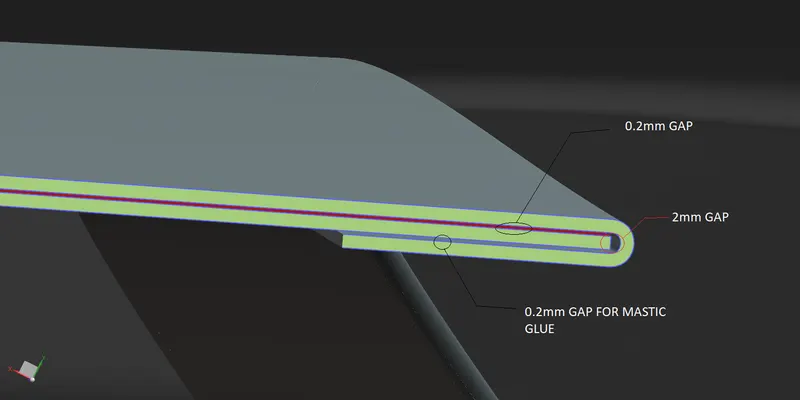
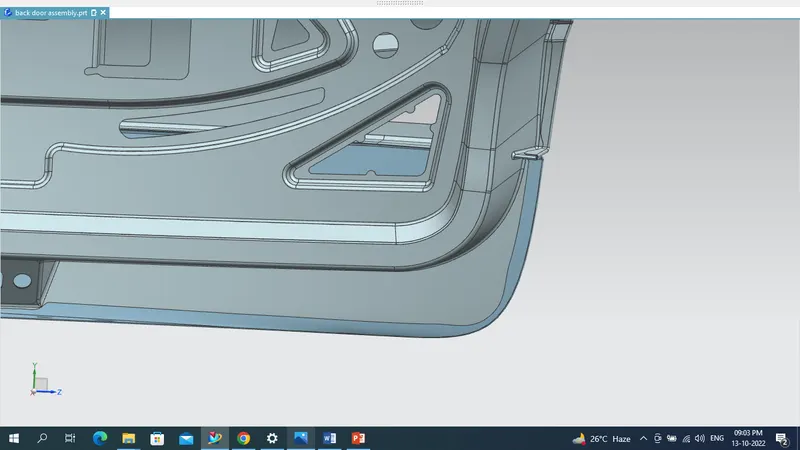
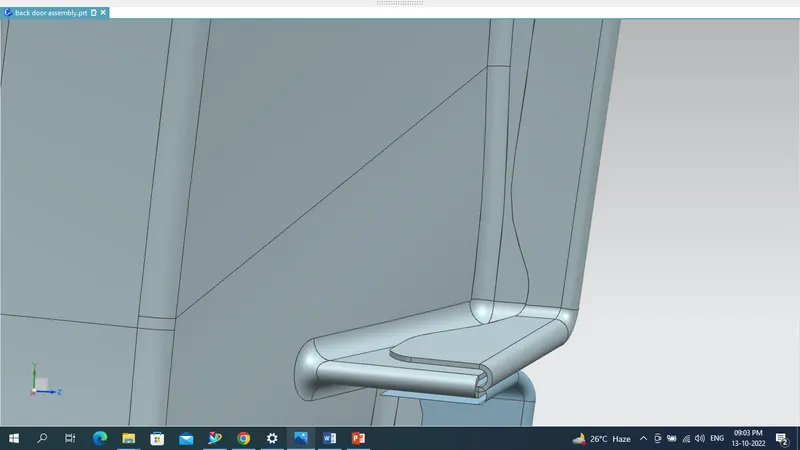
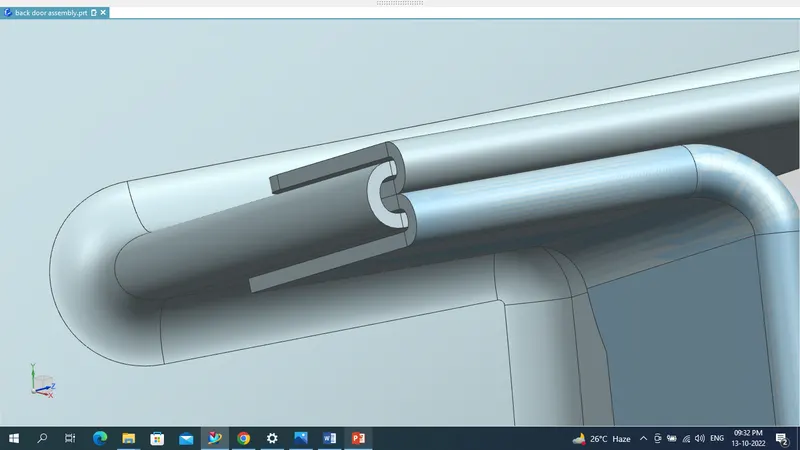
Hemming is the metel working process in which a sheet metal edge is rolled into itself .The outter surface of the panel is rolled 2 or 3 times over the inner panel.In first roll the panel is bent slinghtly, and in the second roll the shhet matel is rolled even more and in the last roll it completely fits or covered the inner panel.There must be a 0.2mm gap between outter and inner pannel in both upper and lower side.
There are different types of hemming operations:
- Conventional die hemming
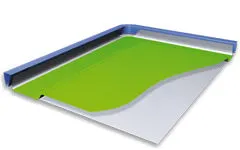
In conventional die hemming, the flange is folded over the total length with a hemming tool.
- Roll Hemming
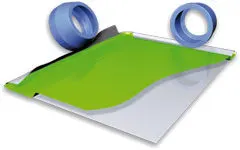
In roll hemming, the hemming roller is guided by an industrial robot to make the flange.
7.CORNER RELIEF:
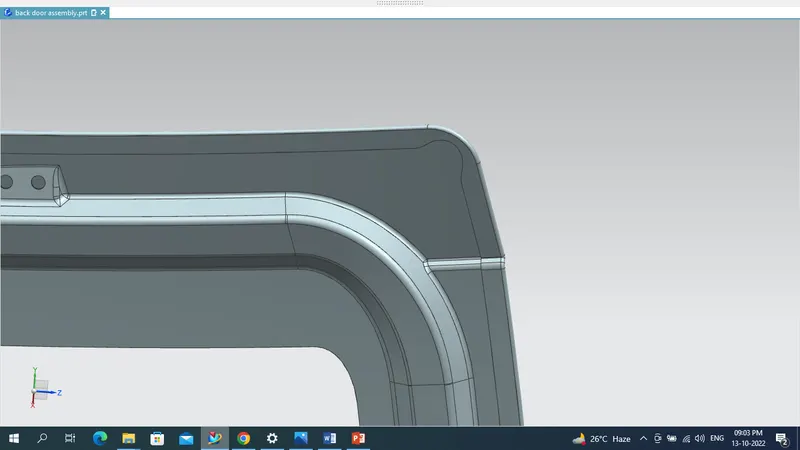
During the hemming process, when giving the Corner Relief helps to control sheet metal material behavior & to prevent unwanted deformation during unbend operations & also helps to minimize the number of passes in hemming.
Reliefs has to be given in the corner areas for the easy manufacturability.
8.REINFORCEMENTS:
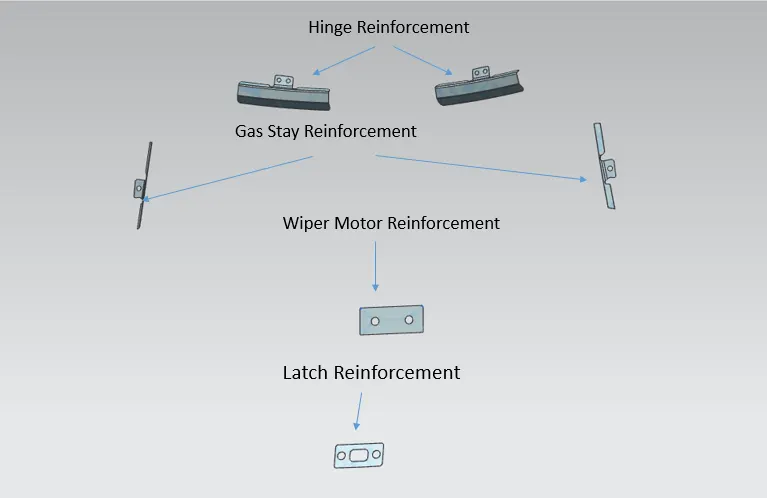
The thickness provided for reinforcements is 1mm.
HINGE REINFORCEMENT:Hinges support the weight of the whole backdoor.Hence, the reinforcements must be provided there too.
GAS STAY REINFORCEMENT:Gas stay is used to lift the backdoor automatically.There are two types of gas stay one is semi-automated and another one is fully automated.In semi automated type the back boor needs little force to lift after that it lift the backdoor automatically
WIPER MOTOR REINFORCEMENT:Wiper is used to to wipeout the rain water falls on the backdoor window.It is actuated by the motor which is mounted on the inner panel.Due to the vibration and heat created by the motor.
LATCH REINFORCEMENT:At bottom of the panel, reinforcement and emboss are given to accomodate the latch and striker assembly.
9.DRAFT ANALYSIS:
Draft analysis is a method of checking the draft angle on various faces. Draft analysis of inner panel is carried out through the tooling direction only. Only the green areas are acceptable and i worst cases yellow regions are accepted but the blue and red regions are never accepted.
The draft angle for aluminium casted panel is 2 to 3 degrees is enough but if it is steel then the angle is more than 7 degrees.
In this project i considered it as steel and used 7 degrees as draft angle and direction is choosen as tooling direction which is the deep drawn direction.
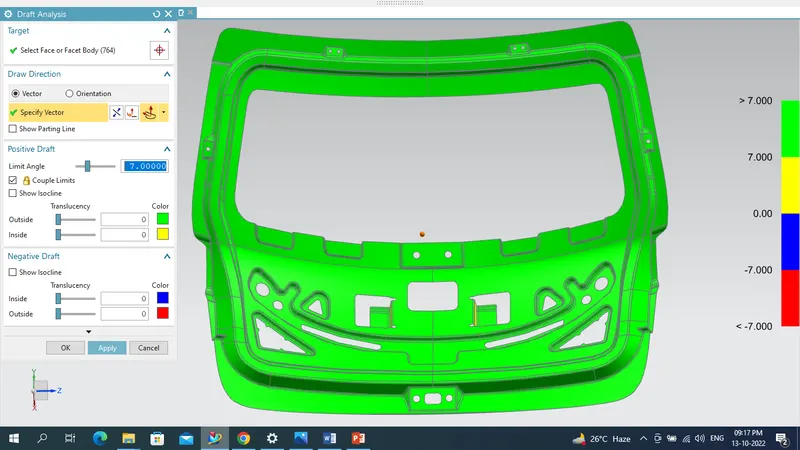
DRAFT ANALYSIS OF INNER PANNEL
The outter panel upper and outter panel lower are joined through the spot welding .So there must be no gap between the outter panel upper and outter panel lower.
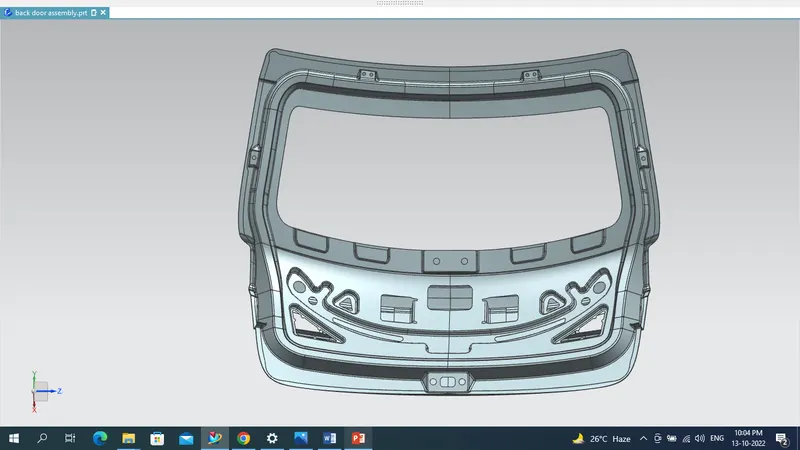
FINAL VIEW
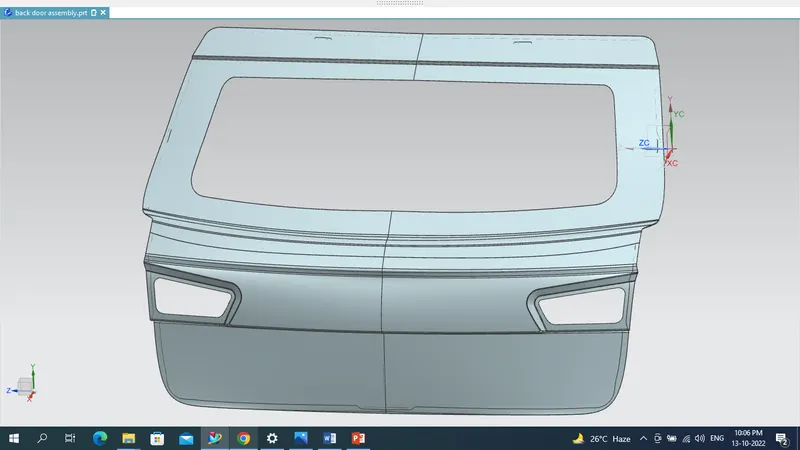
BACK VIEW
CONCLUSION:
Thus the Body In the White Back Door of a car was designed by following the engineering standards & also the deep drawing requirements consideration.