Design of backdoor
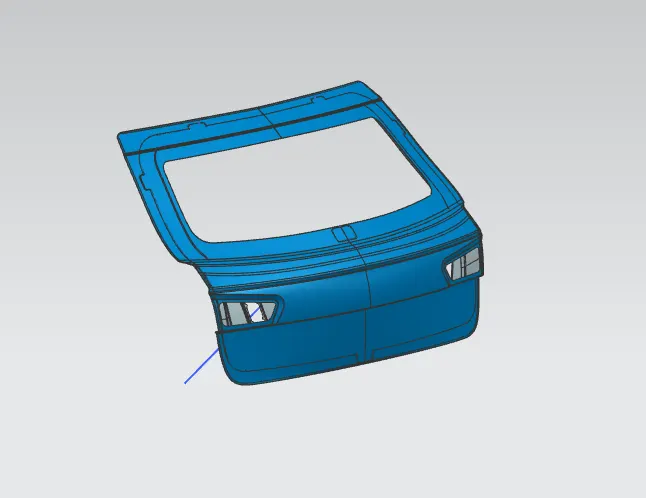
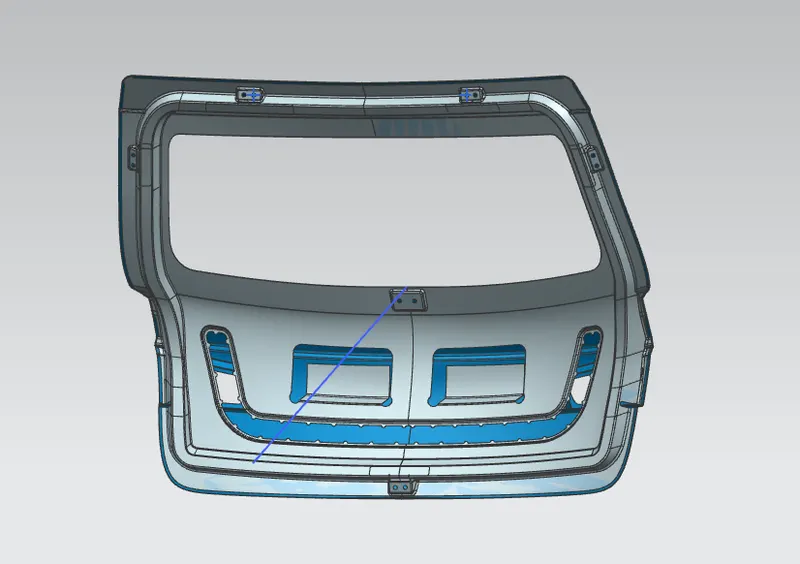
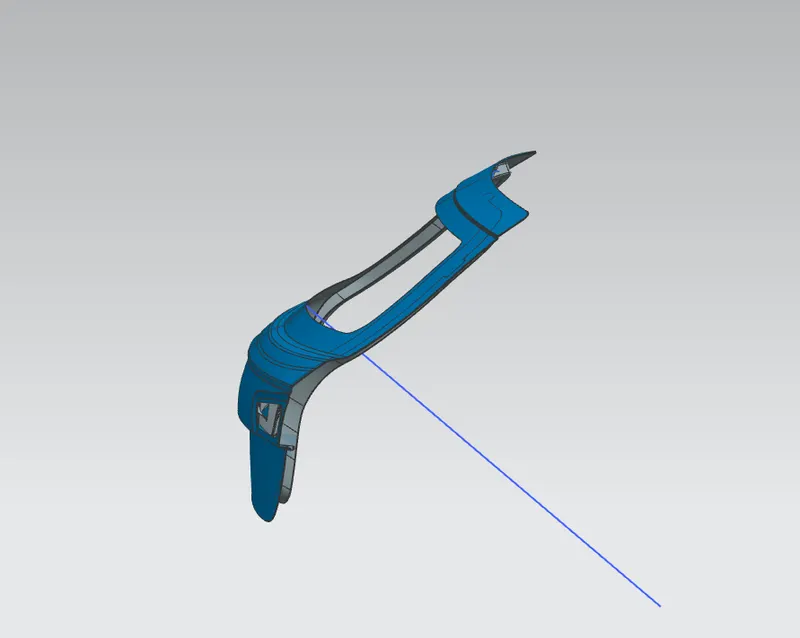
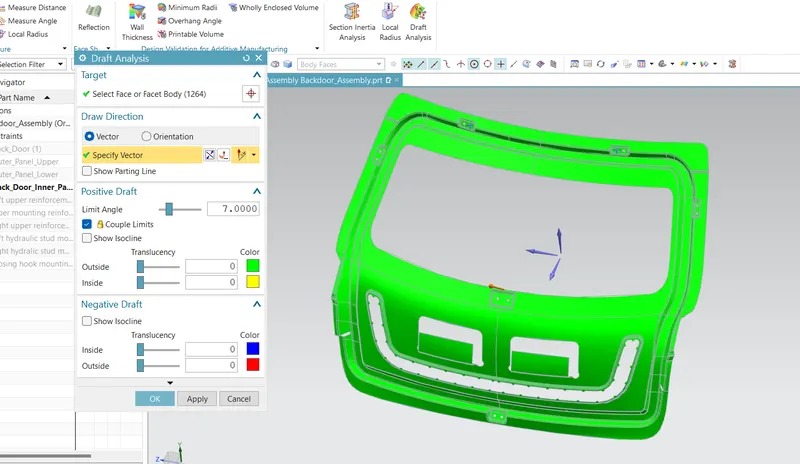
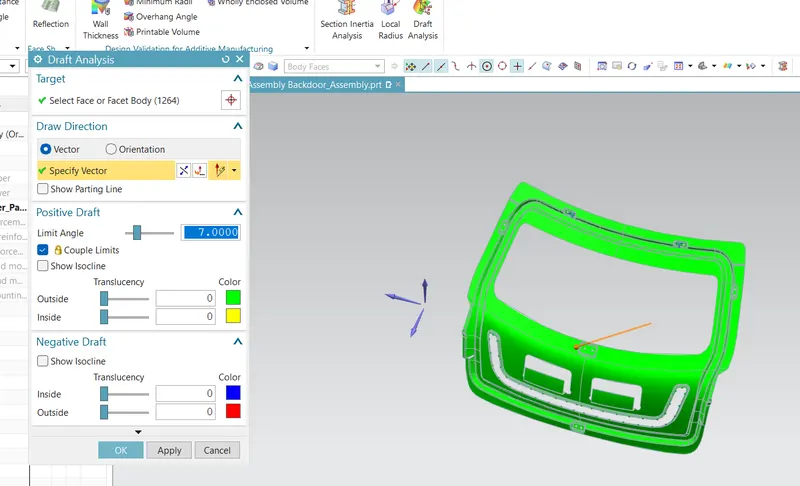
Aim:- Design of backdoor and use the provided styling surface to come up with a back door design, use appropriate design methodologies, and provide the necessary reinforcements and embosses
What is back door of a car?
The Back door is typically hinged, but sometimes attached by other mechanisms such as tracks, in front of an opening which is used for entering and exiting a vehicle.
A vehicle door can be opened to provide access to the opening, or closed to secure it. These doors can be opened manually, or powered electronically. Powered doors are usually found on minivans, high end cars, or modified cars.
Types of doors based on working position,
- Top Mounted Door
- Side mounted Door
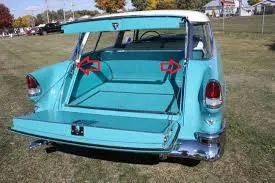
- Bottom Door
Top Mounted Back Doors :

Side Mounted Back Door :
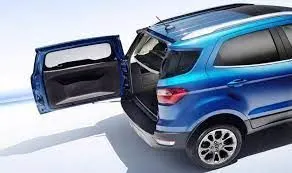
Bottom Mounted Back Door :
Types based on Working Mechanism:
1.Gas Stays type.
2.Powered Lift system.
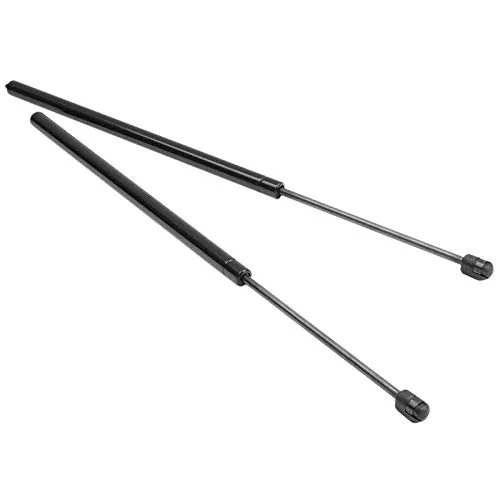
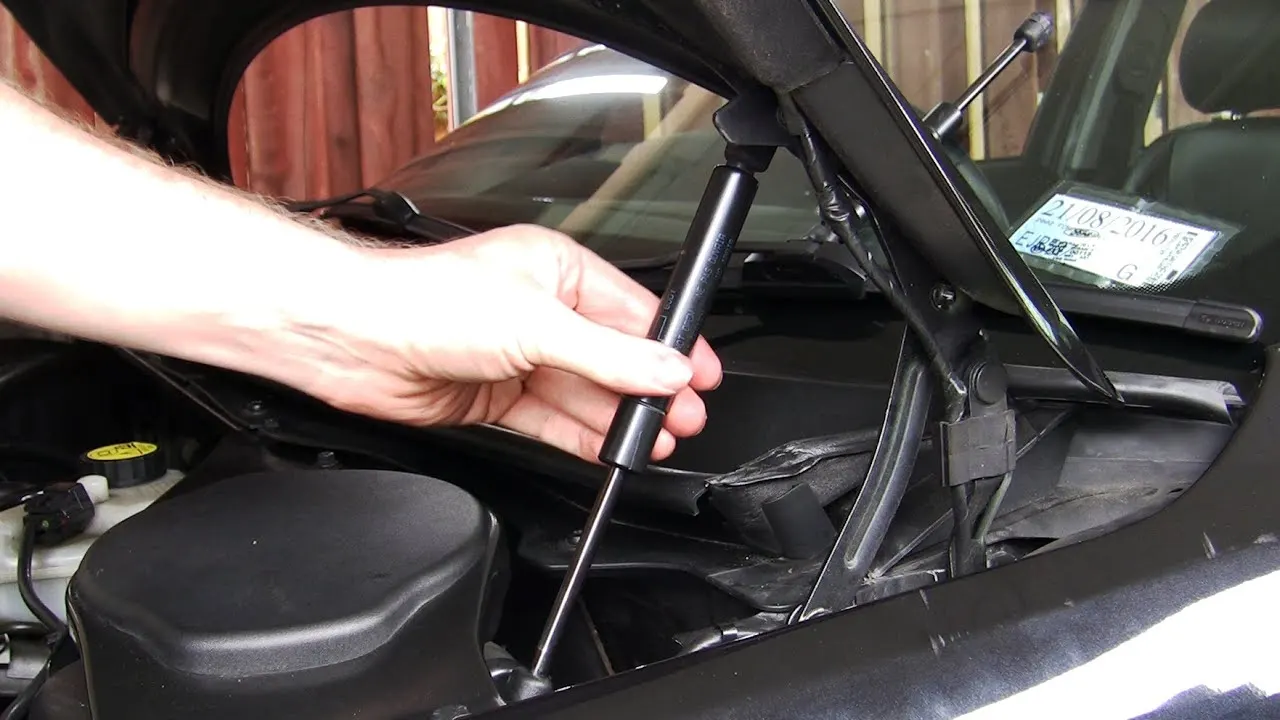
1.Gas Stay type:
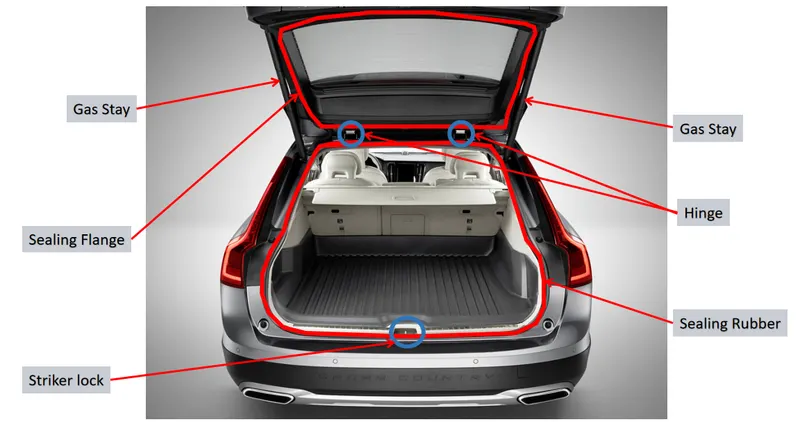
Gas Stay type backdoor is an ideal and most commonly used tailgate mechanism from lower segment car to luxury car segment. The ideal components of tailgate consist of a hinge, door, gas stay and some rubber beadings for sealing of door.
2.Powered Lift System:
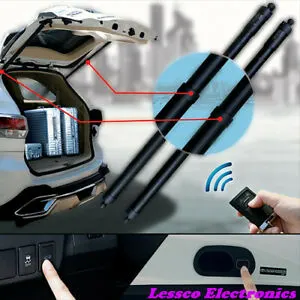
Power trunk lift system is another sophisticated way of trunk or liftgate opening mechanism which is to automatically open and close of the trunk and release of the latch by the touch of a bottom. Powered trunk Lift system consists of a power latch, anti pinch switch, PTG assly, PTG main switch. When the switch is pressed in the compartment or outside the power latch releases the latch and the entire backdoor is opened. The anti pinch switch is located in order to avoid accidental hand insertion during the operation of the door.
Manufacturing methods of automotive doors
A method of manufacturing a door for a vehicle, the method comprising the steps of: molding a door inner panel using a polymer composite material; Molding a door frame assembly using an aluminum alloy or a steel alloy, the door frame assembly defining a space that is opened or closed by a door glass; Molding an outside door panel using an aluminum alloy or a steel alloy; Forming an impact beam using an aluminum alloy or a steel alloy, the impact beam serving to increase the rigidity of a side surface of the door; Coupling the molded door frame assembly and the molded impact beam to the door inner panel; and coupling the door inner panel coupled to the door frame assembly and the impact beam to the outside door panel.
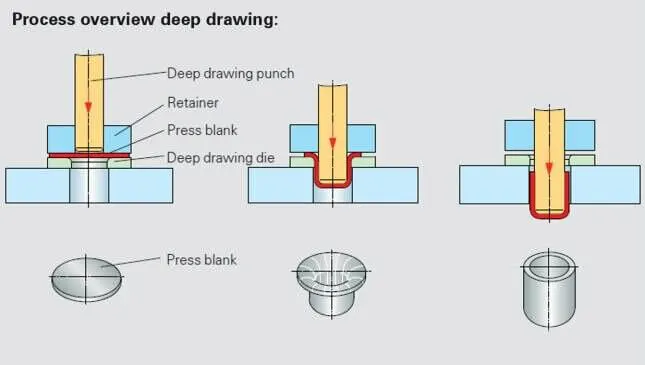
- First- stage drawing: The blank shape of metal is placed on the die and contact with the punch. When the metal specimen is flat piece of sheet metal used in forming and finish the product. Initially the punch moves in downward direction. The outer rim of blank is subjected to pure radial drawing (drawing toward in vertical axes) between die and blank metal. The metal become a bend and sliding over die and also stretched between die and punch. The metal in vicinity of punch head and contact with it bend and slide over radii and stretch over punch head.
- Redrawing: The components drawn from first stage again it is redrawn convert into more depth to form a cup shape in the die and punch. The second stage of drawing is called as redrawing.
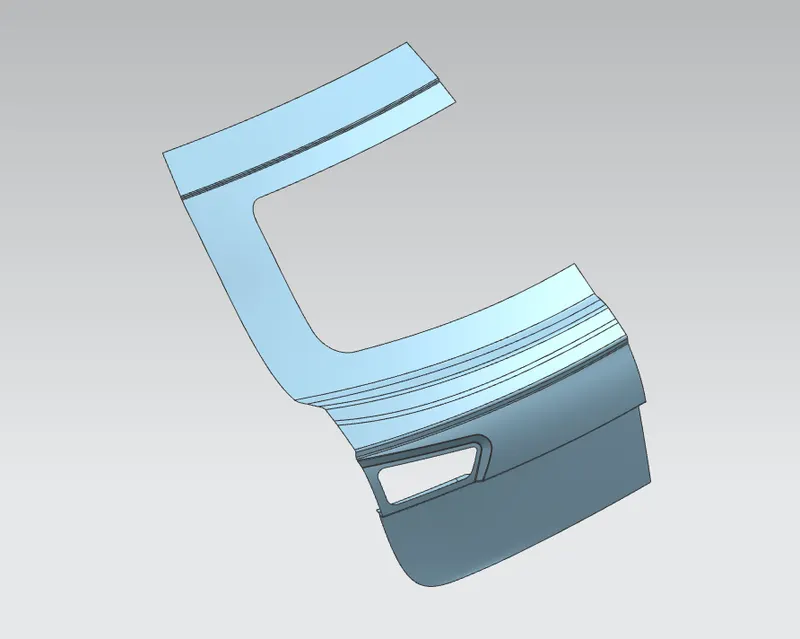
The Different panels or regions are as follows:
1.Inner Panel.
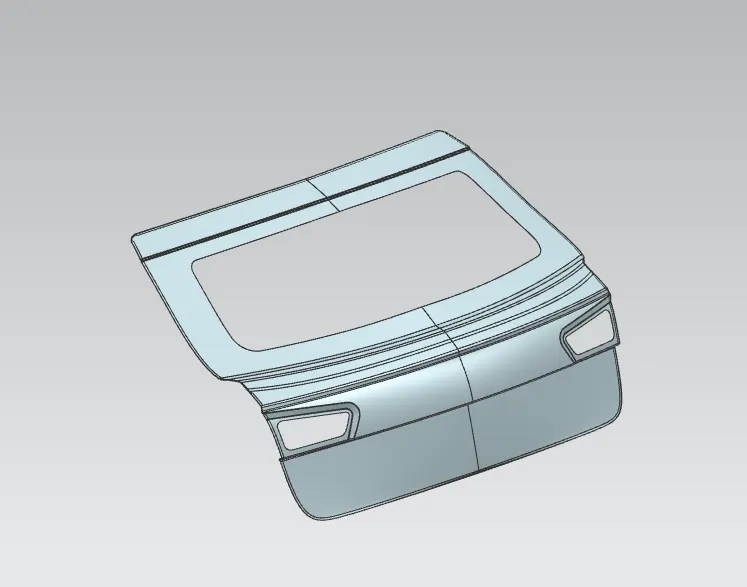
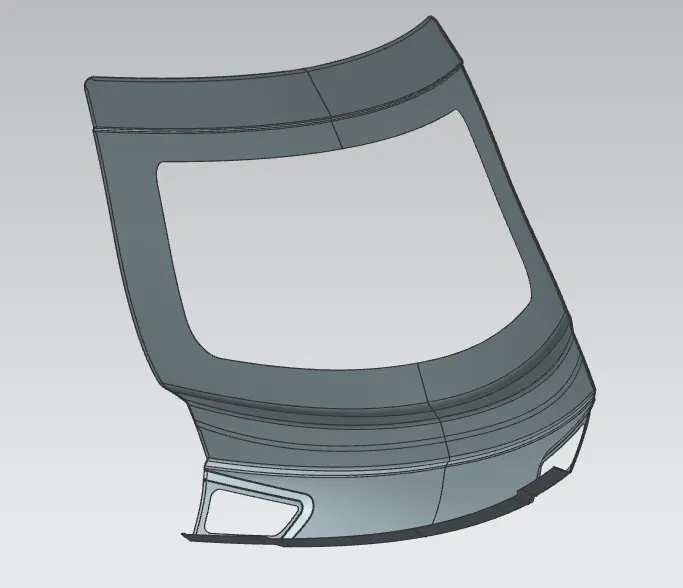
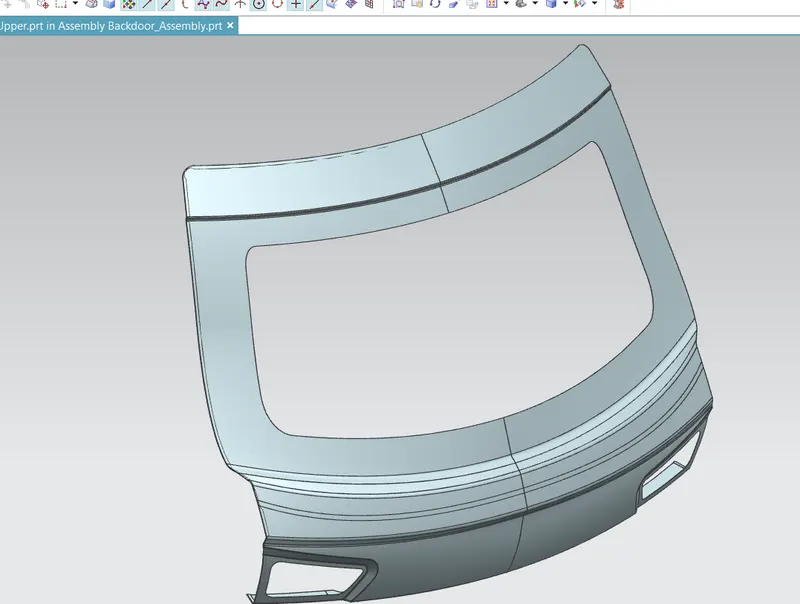
2.Outer Upper Panel.
3.Outer Lower Panel.
Backdoor Assembly:
1.Inner Panel
2.Outer Panel
3.Hinge Reniforcement.
4.Gas Stay Reniforcement.
5.Wiper Motor Reniforcement.
6.Striker Reniforcement.
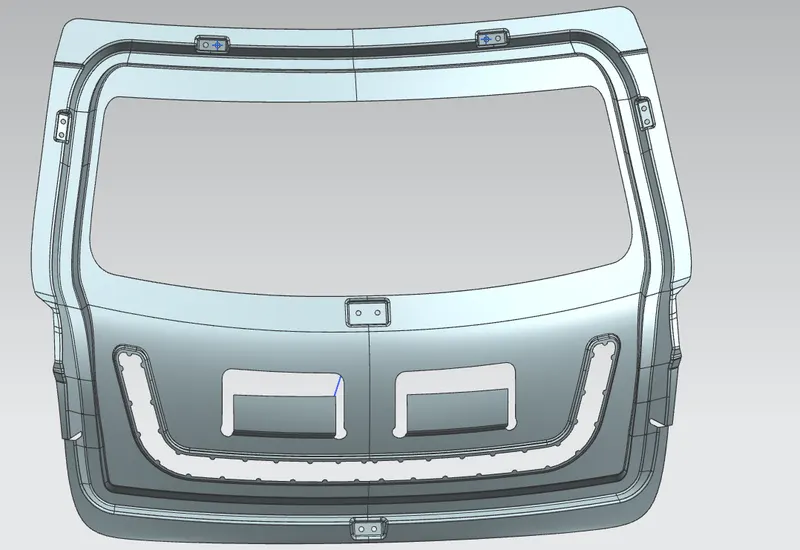
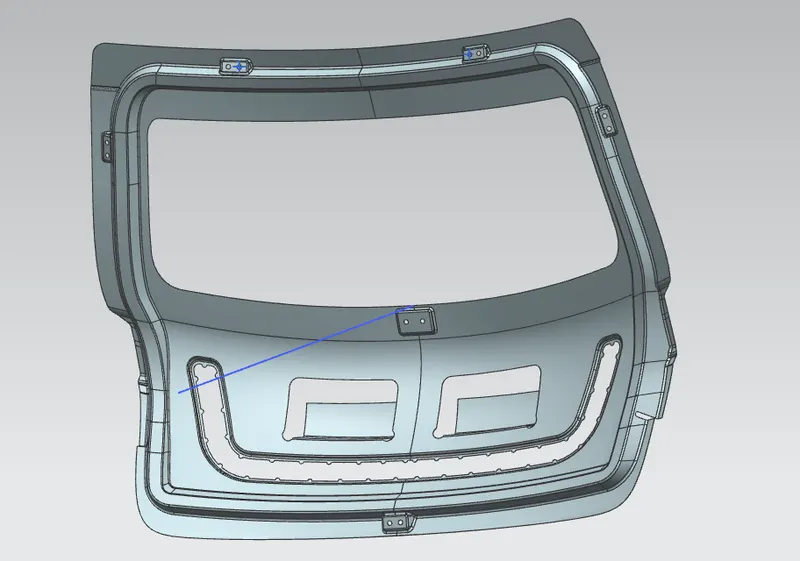
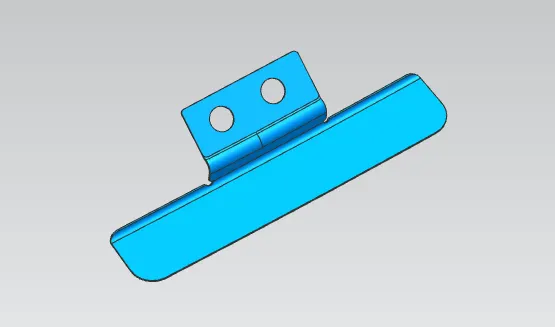
1.Hinge Reinforcement:
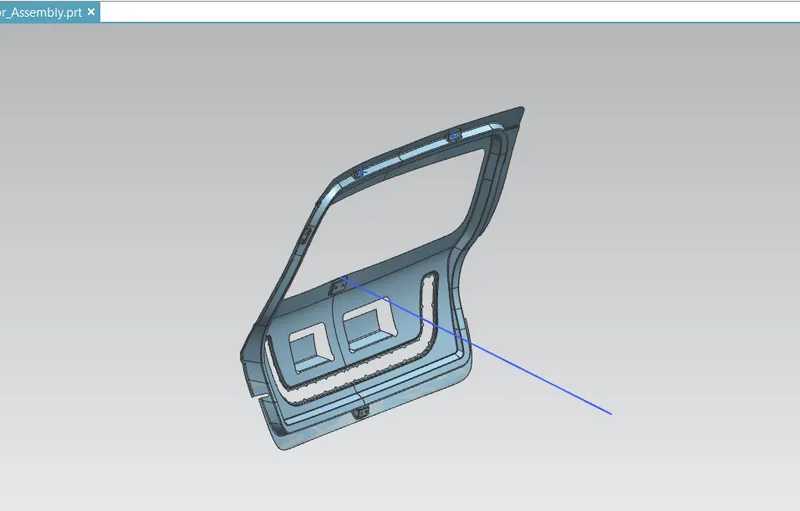
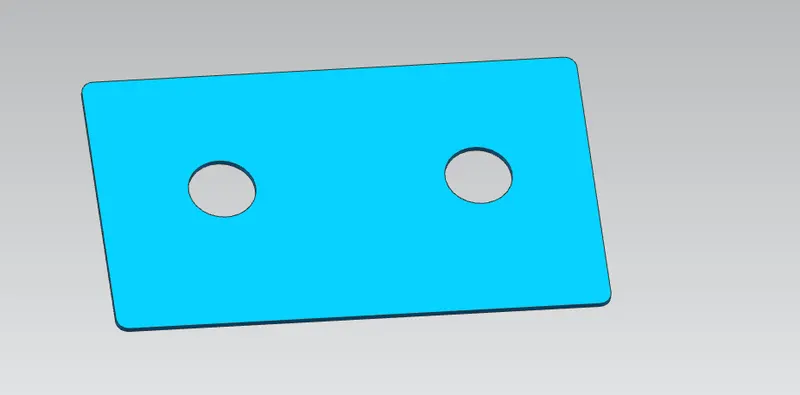
Hinges support the weight of the whole backdoor. Hence a reinforcement are provided here too. Emboss is designed such that the hinges should operated freely. The electrical wiring looms are through the holes along the periphery to keep them hidden.
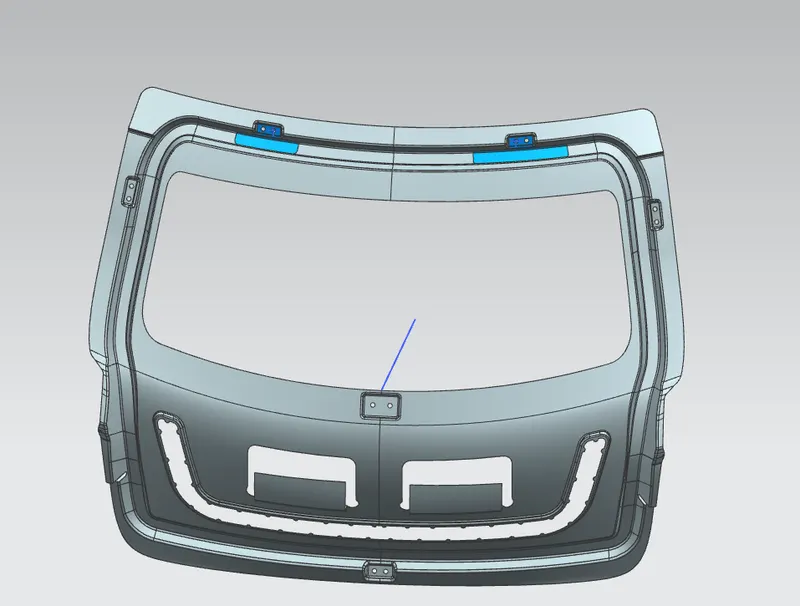
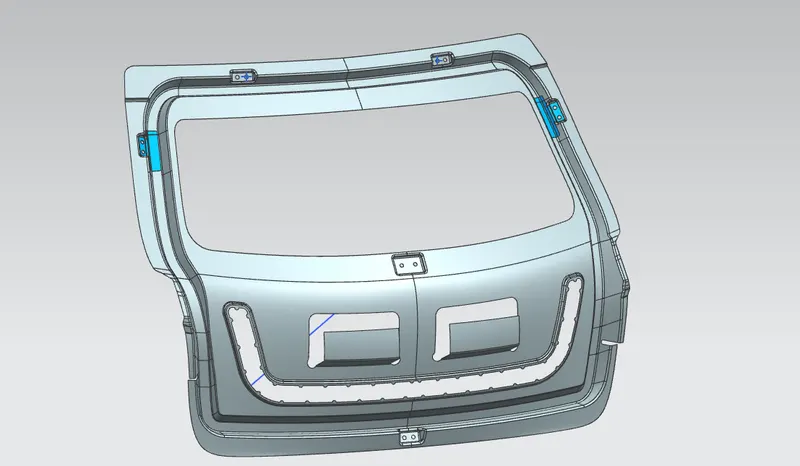
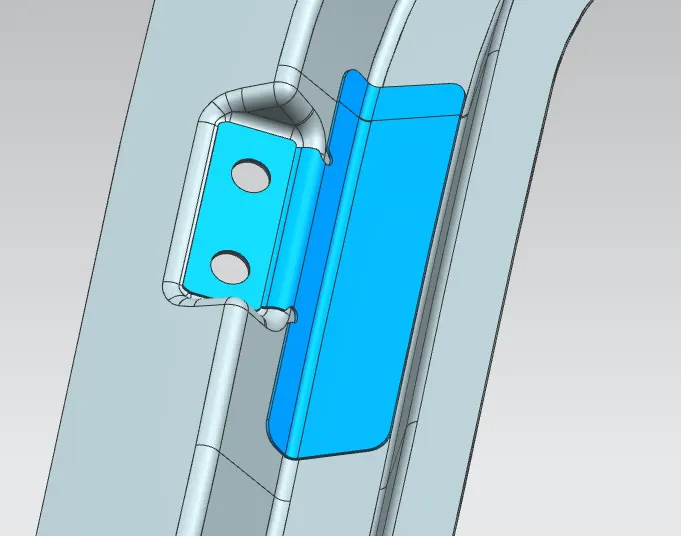
2.Gas stay Reinforcement:
An angled or Diabolic emboss is provided for the gas stay mounts. The angle makes it easy to be machined and stamped. It is reniforcement with a thicker sheet.
3.Wiper motor Reniforcement:
A dedicated space near the window is left for wiper motor assembly. A cavity is placed in the middle of the panel for the necessary components in the assembly as well as other accessories.
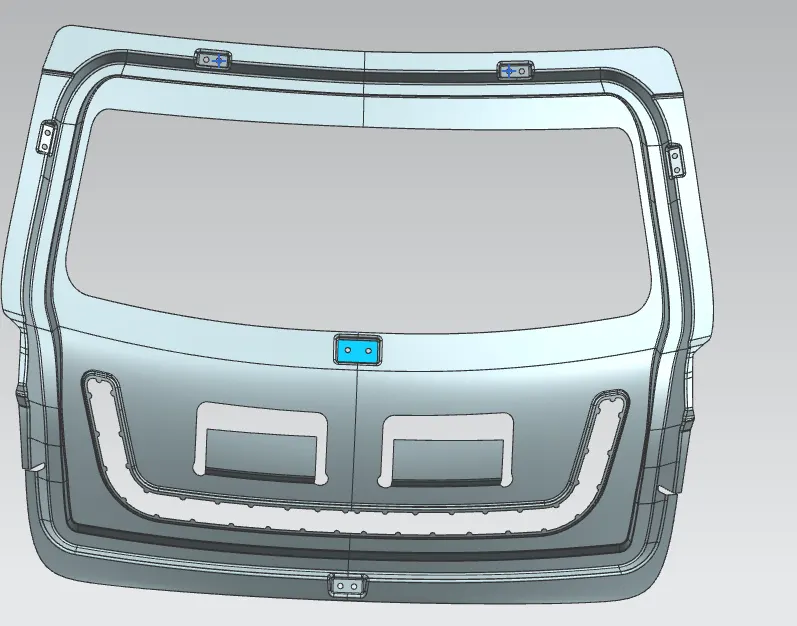
The holes or cavities are placed strategically to accommodate wiring looms, tail lamp mount, and other accessories. Embosses help stiffening the panel and act like local reniforcements. Extensions are provided around holes which are attached to outer panels and acts are crumple zone elements in case of rear impacts.
4.Latch and strikere Reniforcement:
At the bottom of the latch and striker assembly. Generally a key operated or automatic remotely controllable locking mechanism is used to keep the door closed and open.
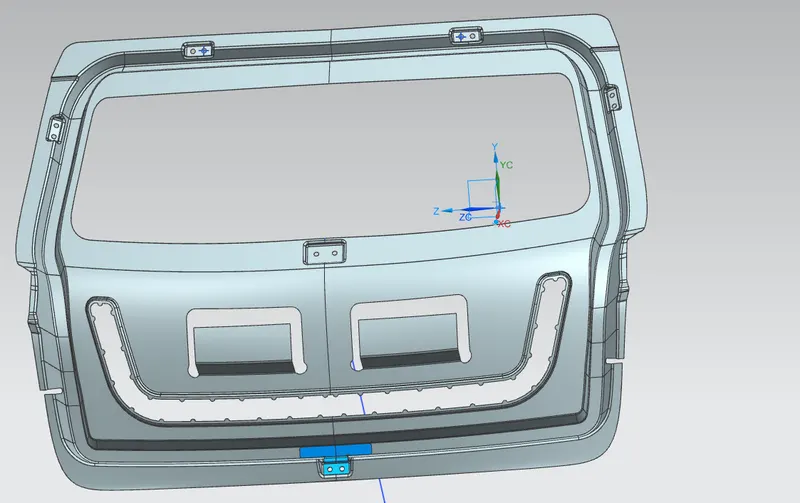
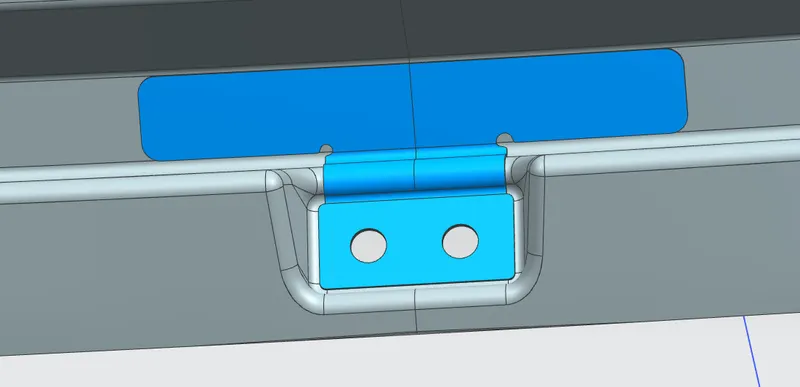
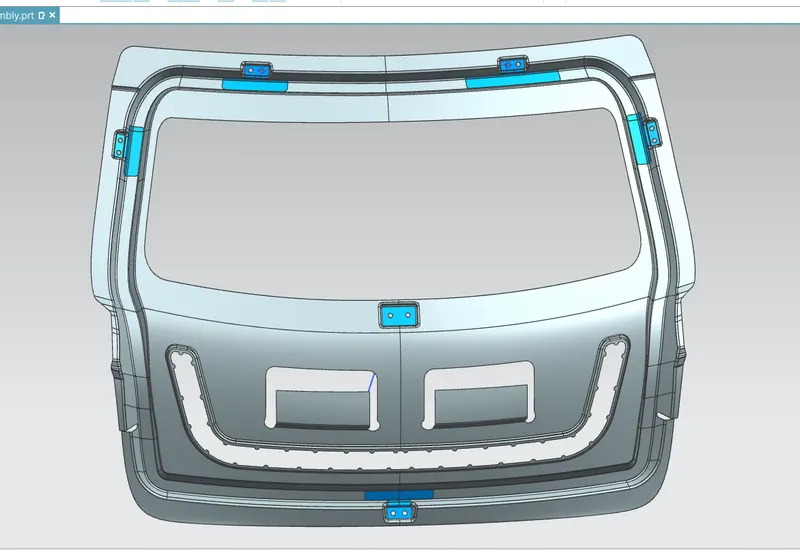
Inner panel with all this reinforment
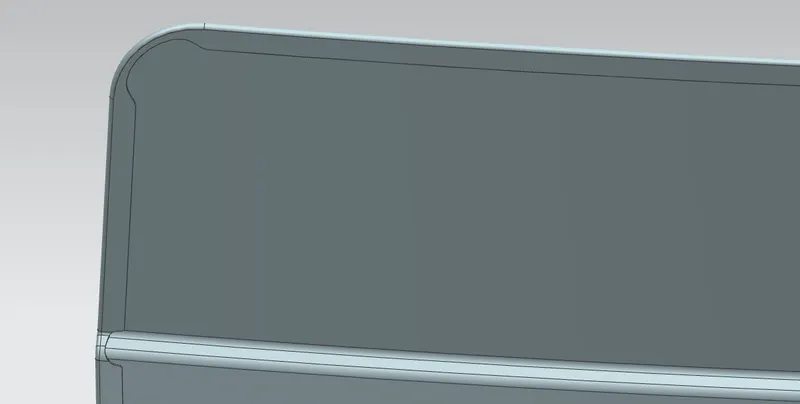
Corner Relief:
Relief helps to control sheet metal material behavior and to prevent unwanted deformation during unbend operations. So here i gave two cornor relief for Back door.
Embossing:
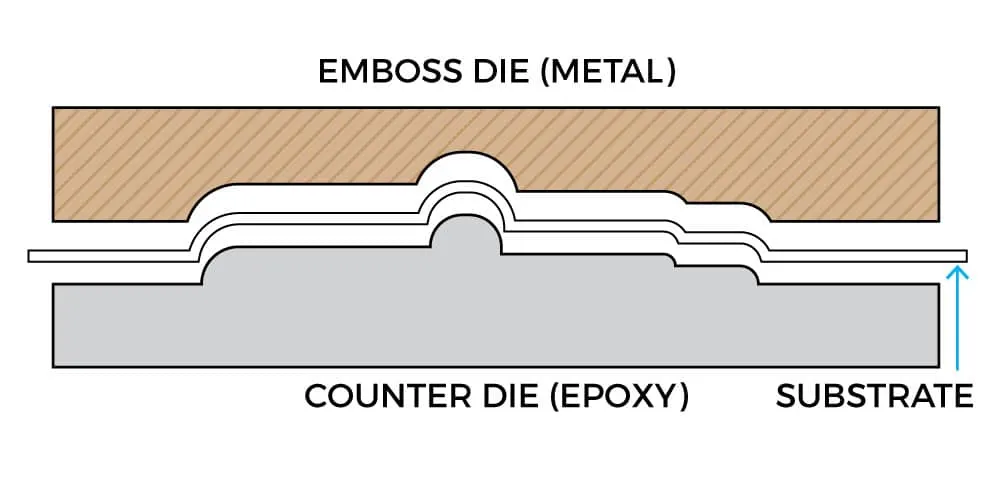
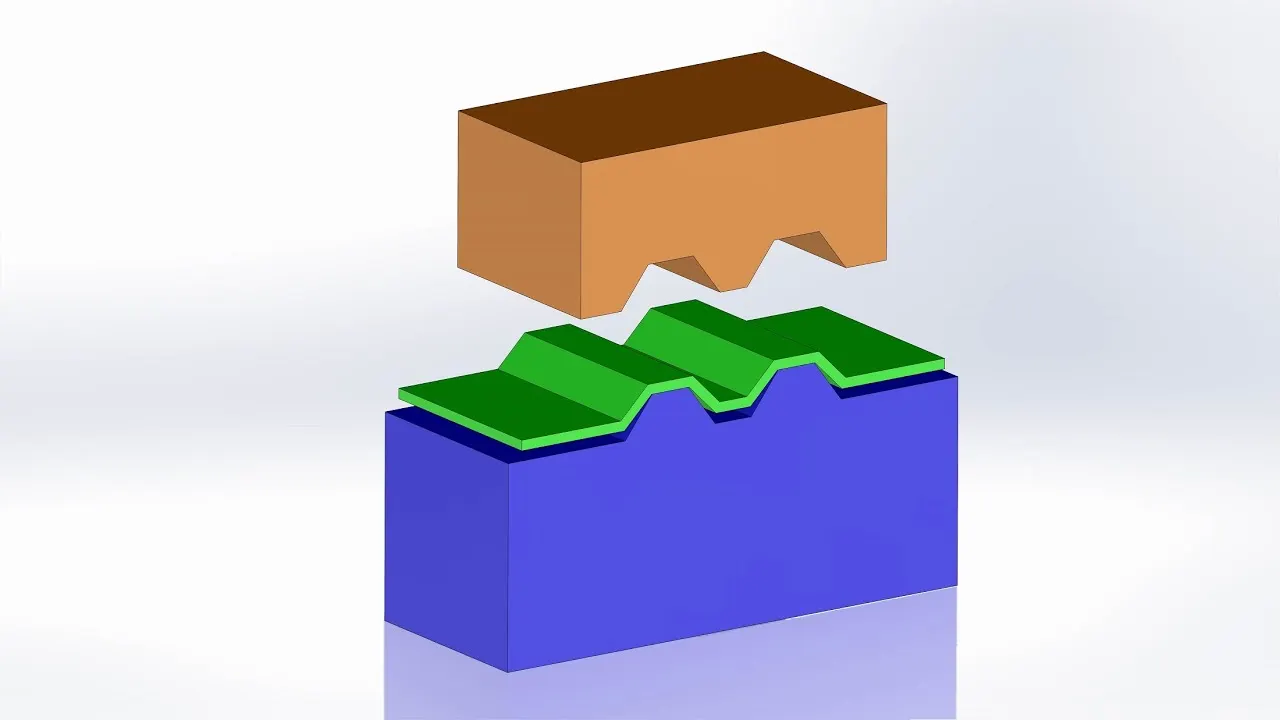
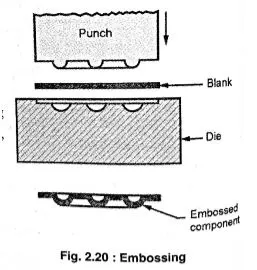
Embossing is a metal forming process for producing raised or sunken designs or relief in sheet materials by means of matched male and female roller dies, theoretically with no change in metal thickness or by-passing sheet or a strip of metal between rolls of the desired pattern. Metal sheet is drawn through the male and female roller dies producing a pattern or design on the metal sheet. Depending on the roller dies used, different patterns can be produced on the metal sheet.
Materials commonly used in the metal embossing process include:
- Aluminum alloys
- Steel alloys
- Zinc
- Copper
- Galvanized steel
- Brass
- Cold rolled steel
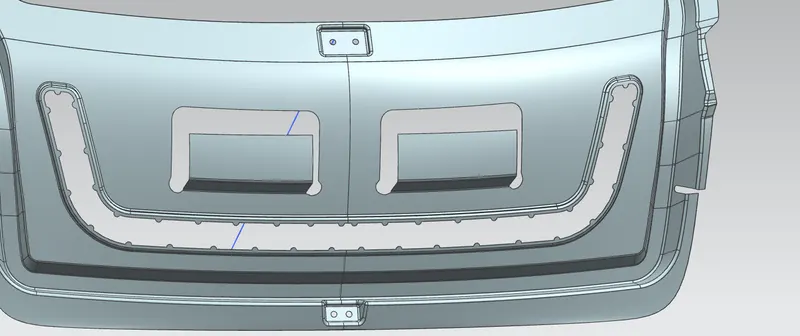
Hemming:
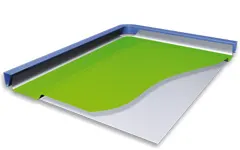
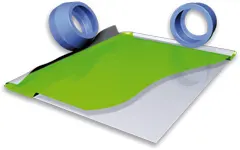
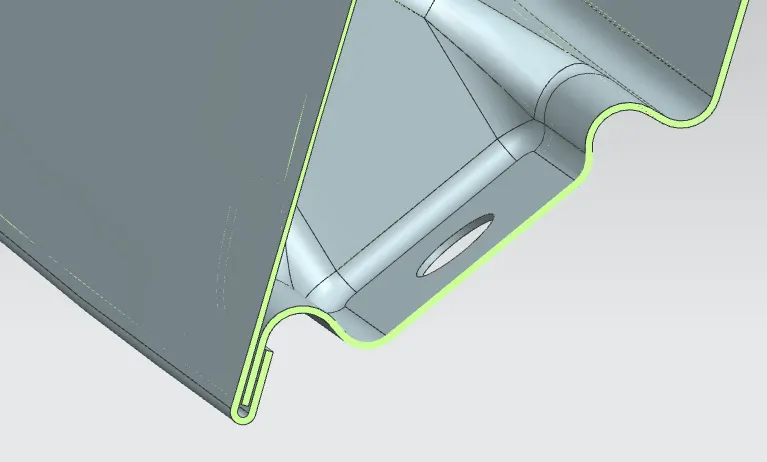
Hemming is a forming operation in which the edges of the sheet are folded or folded over another part in order to achieve a tight fit. Normally hemming operations are used to connect parts together, to improve the appearance of a part and to reinforce part edges.
In car part production, hemming is used in assembly as a secondary operation after deep drawing, trimming and flanging operations to join two sheet metal parts (outer and inner) together. Typical parts for this type of assembly are hoods, doors, trunk lids and fenders.
There are various types of hemming operations:
- Conventional die hemming: In conventional die hemming, the flange is folded over the entire length with a hemming tool.
- Roll hemming: In roll hemming, the hemming roller is guided by an industrial robot to form the flange.