Embedded Systems in Medical Field - Things You Should Know
Doctors can employ medical equipment to further examine the patient's symptoms instead of a physical examination and diagnosis.
 Anup KumarH S·4 Dec 2022·4 min read
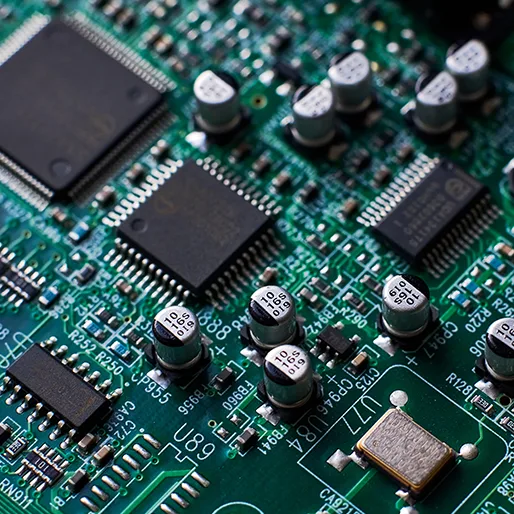
Do you know the glucometer used to check the glucose level in blood is an application of an embedded system?
A more compact operating system known as an embedded system is designed to perform one or more specific tasks. The healthcare sector frequently uses embedded systems for data storage and simple diagnosis.
Doctors can employ medical equipment to further examine the patient's symptoms instead of a physical examination and diagnosis. Scientists, researchers, and medical experts have collaborated to develop the best equipment imaginable for years.
Modern medical gadgets that use embedded technologies include CT scanners, MRI machines, X-ray equipment, and ECG machines.
Application of Embedded Systems in the Medical Field
For OEMs to select industrial-grade embedded systems, embedded systems in medical applications are usually necessary because healthcare applications could be used in challenging operating conditions with varying temperatures, exposure to shock and vibration, and more. Industrial-grade products are designed to withstand those challenging conditions without losing any functionality.
There are numerous uses for embedded systems in healthcare. They are used to monitor vital signs and amplify sounds from electronic stethoscopes and vital signs in virtually every imaging system, including PET scans, CT scans, and MRIs.
Embedded systems are necessary for much medical equipment, including pacemakers, CPAP machines, glucose metres, and other biomedical sensors.
With biomedical applications, embedded systems let medical professionals use telemedicine and other distant technologies to diagnose and treat patients while remotely monitoring their health.
How has the Application of Embedded Systems been Beneficial for both Patients and Doctors?
The deployment of embedded system applications in the medical field is helping doctors and practitioners in many ways. Doctors can detect health issues using imaging tools through embedded systems without doing exploratory surgery, and they can also use such imaging techniques to monitor the effectiveness of treatment.
Medical Embedded Systems Projects & Its Various Aspects
In the upcoming section, you will gain a fair idea of how medical devices using embedded systems have been helping doctors in ensuring better treatment services.
Doctors can now Remotely Monitor their Patients’ Health
Doctors are better able to identify emerging problems or imbalances by using their skills to examine patient data. In recent years, embedded medical systems like pacemakers have altered perceptions of cardiac health.
The pacemakers essentially function as mobile EKG machines thanks to the incorporated technology. The sensors warn doctors of irregular heartbeats and provide a comprehensive report on the patient's heart health.
The latest CPAP machines are more sophisticated than the health app on iPhones or the sensors in watches with embedded technologies. Outside the hospital, medical personnel can keep an eye on the sleep patterns of individuals with sleep apnea. The device travels with the patient to their house, but the sensors in it alert the doctor to the patient's lousy sleeping patterns so the doctor can get in touch with the patient to find a solution.
In the hospital, a bed is now a smart bed and is no longer just a bed. Patients' self-monitoring throughout the night can be tiresome and time-consuming. Smart beds can identify when a patient needs to be readjusted. The sophisticated programming in them will make the modifications automatically, allowing nurses to spend as much time with patients as possible.
Prosthetic Developers can now Better Understand a Patient’s Motor Intent
In prosthetics, intuitively connected devices are increasingly assisting researchers and medical practitioners. A patient has agony and difficulty upon losing a limb. They suffer from phantom limbs, have to learn how to live without them, and if they decide to wear a prosthesis, they have to become used to the new limb.
The way patients adjust to a prosthetic limb is changing due to medical-embedded technology. Using embedded devices, researchers and healthcare providers can track sensory feedback by analysing neurotransmissions from an implanted neuromusculoskeletal interface. The data enables prosthetics researchers to monitor a patient's motor intent and prosthesis control.
Embedded Systems Help Patients Sense their Health Anomalies at an Early Stage
To enable clinicians to analyse patient symptoms based on reports and to more accurately detect patient symptoms, medical equipment must keep up with technological advancements. Smart technology allows for more precise health monitoring. It can modify for patients with little to no human involvement, but this does not negate the importance of humans in the applications.
Doctors and nurses use embedded medical systems to support their job and provide patients with better, more comprehensive treatment. Proactive care is preventative. Intelligent technology can detect changes in the body much earlier than a patient might notice the symptoms.
Patients who use embedded systems have a greater grasp of their health, which can encourage them to focus more on taking care of their bodies.
Embedded, connected gadgets can track medical issues from any location and allow users to live a balanced life without frequently visiting doctors or experimenting with different treatments.
Conclusion
Medical embedded systems enable people to monitor their health from home, just as embedded systems in other industries help improve communication between patients and healthcare experts. Devices are becoming smaller and more innovative, which makes them simpler to operate and comprehend.
The medical equipment market is working hard to increase medical equipment's usability and responsiveness. When doctors, nurses, and patients employ embedded technologies to monitor patients' health, there is less opportunity for error and more room for improvement.
If you are interested in learning more about embedded systems, follow other articles posted by Skill-Lync to acquire complete knowledge.