Underbody Coating
Under-body coating:
Underbody coating is usually a dense cladding (often based on rubber) applied uniformly to the undercarriage of the automobile. It is normally sprayed or painted on when the car is just out of the dealership and is clean. But even if you are getting the undercoating applied after a couple of years, it’s fine too. This is because it can prevent further damage to the undercarriage.
The main purpose of undercoating is to check rust especially in the body components like frame rails along with other exposed metal parts. Underbody coating can also reduce wear and tear.
Different Types of Vehicle UnderBody coating
Having under coating professionally applied to your vehicle can be expensive, but fortunately, if your budget is tight, you can do it yourself for a fraction of the price. Here are some of the various types of undercoating available.
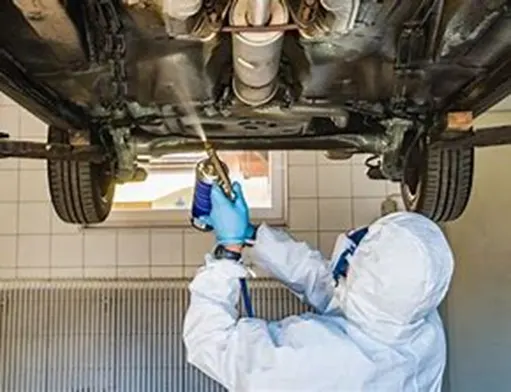
Now let us look at the various kinds of automotive underbody coating you can go for, for your vehicle.
1-Rubberized Underbody Coating
Rubberized vehicle undercoating is easy to apply and offers sound-cushioning as well as protection from dust, moisture, and dings or dents.
In addition to your undercarriage, rubberized undercoating is also safe to use on wheel wells and quarter panels and dries to a soft rubbery finish that prevents further rust, damage, or moisture seeps. The coating can be painted over and, if necessary for bodywork, can be easily removed with an undercoating removal spray.
Overall, rubberized coating is generally the best option for protecting your vehicle's undercarriage, as it provides the simplest and best protective measures against rust and moisture.
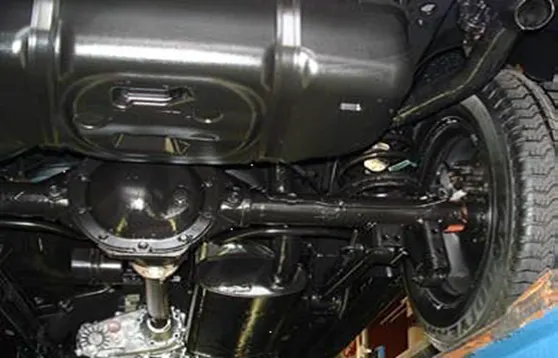
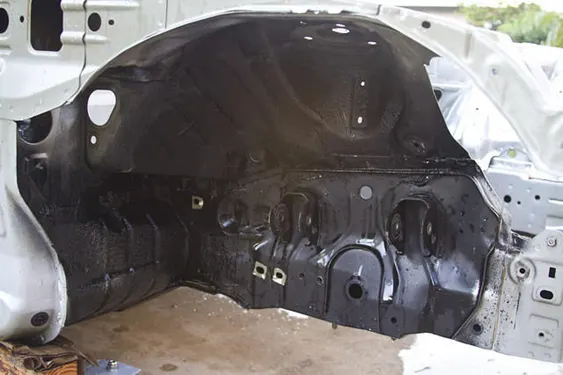
This is generally thought of as the best underbody coating for your car. It preserves the underbody well, protecting it from scratches. Applying this to the undercarriage is not much of a hassle either.
2-Wax Based Underbody Coating
A paraffin-based undercoating will be the cheapest and quickest option available with which to protect the undercarriage of your vehicle. However, keep in mind that it will wear off quicker than other types of undercoating and will need to be stripped and reapplied at least once every year.
Wax-based undercoating’s never truly harden. During application, they drip or flow into seams and cracks to provide protective properties. They are usually available in a spray gun canister or in an aerosol can and offer at least a base protection in moderately humid climates.
3-Asphalt Based Automotive Undercoating
For standard vehicles, any of the mentioned types of undercoating will provide sufficient protection. For large trucks and heavy machinery, asphalt-based undercoating provides a bit of extra durability against rocks, chips, and moisture.
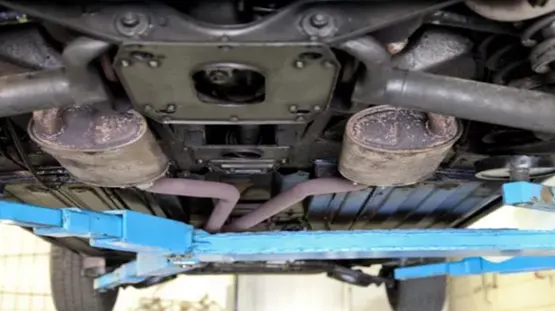
Asphalt-based undercoating generally contains a little bit of rubberized material that sets up firmly and helps soften noise. Generally sold in five-gallon containers, this type of undercoating also needs more cure time than the other three, and is NOT paintable, making it best to use only for undercarriages.
- Polyurethane Underbody Coating
This coating closes splits and fractures on the underbody of the vehicle. It offers up good protection against corrosion and bonds with the metal. Unlike in the case of asphalt-based coating, you can paint over the polyurethane coating.
Advantages of Undercoating
Now we will tell you why you should consider investing in a vehicle underbody coating.
· Fights Rust
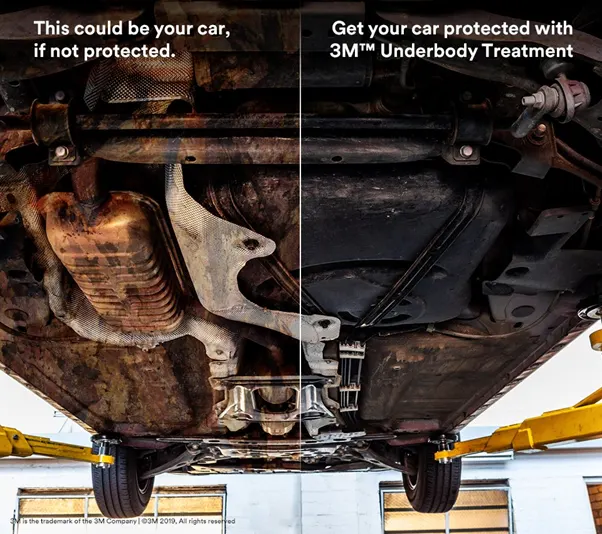
It plays an important role in keeping corrosion at bay. Underbody coating can come in handy especially if you live near the sea, where there is too much humidity, and rusting is just one of those everyday things. You should also seriously consider undercoating if you reside in a place where it snows in winter.
· Absorbs Noise
Believe it or not, very thick undercoating can soften the noises that reach the cabin. Since the undercoating is often made up of rubber it absorbs some of the rackets. The occupants of the car could spare themselves of the road noises – at least up to a certain extend.
· Reinforcement
If your car comes with stock underbody coating, using another coating on top of it, is not going to hurt. It will offer additional reinforcement, protecting the underbody from water, road debris, gravel and small pebbles. There would also be a lesser chance for the factory coat to flake away.
· Prolong Car’s Life

Good undercoating not only defends the underbody from corrosion but also protects the engine and transmission as well! Less rusting coupled with slower wear and tear can surely add years to the lifespan of your vehicle. There would be fewer dents, dings and scratches on the undercarriage for you to fret about.