Underbody Coating
UNDERBODY COATING
- AIM:
To make a detailed report explaining about under-body coating, its types and its pros and cons by adding relevant images
- THEORY :
Underbody coating is a thick resilient coating applied to the underbody or chassis of an automobile to protect against impact damage from small stones, which would rapidly chip ordinary paint, allowing rusting to begin.
Underbody coating provides long term protection from corrosion to car’s underbody. It also protects parts like internal body panels, frame rails and other inner cavities that are not physically accessible but are prone to corrosion.
A car’s underbody is exposed to the most wear and tear caused by muddy water, potholed roads, stones and other obstacles on the road. Because it’s not in plain sight, we often do not see the damage.
- TYPES OF UNDERBODY COATING:
Now let us look at the various kinds of automotive underbody coating you can go for, for your vehicle.
- Rubberized Underbody Coating
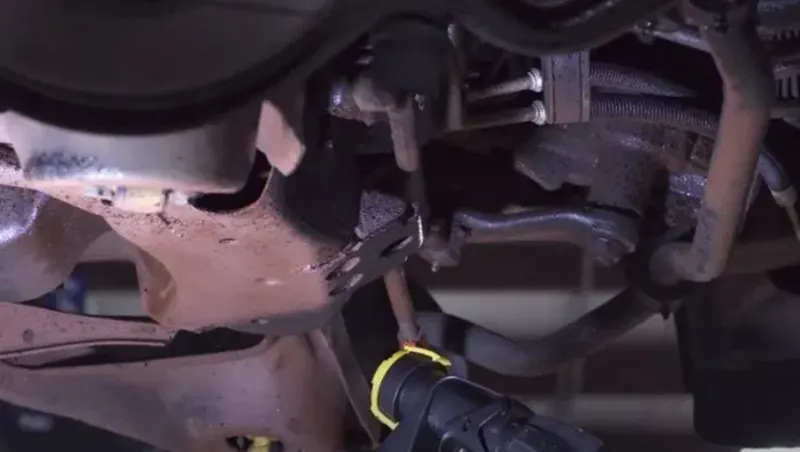
This is generally thought of as the best underbody coating for your car. It preserves the underbody well, protecting it from scratches. Applying this to the undercarriage is not much of a hassle either.
- Wax Based Underbody Coating
This – more or less – ephemeral undercoating will wear away in a few months’ time. On the upside, wax-based undercoating puts up a big fight against moisture. It is also the most affordable option out there.
- Asphalt Based Automotive Undercoating
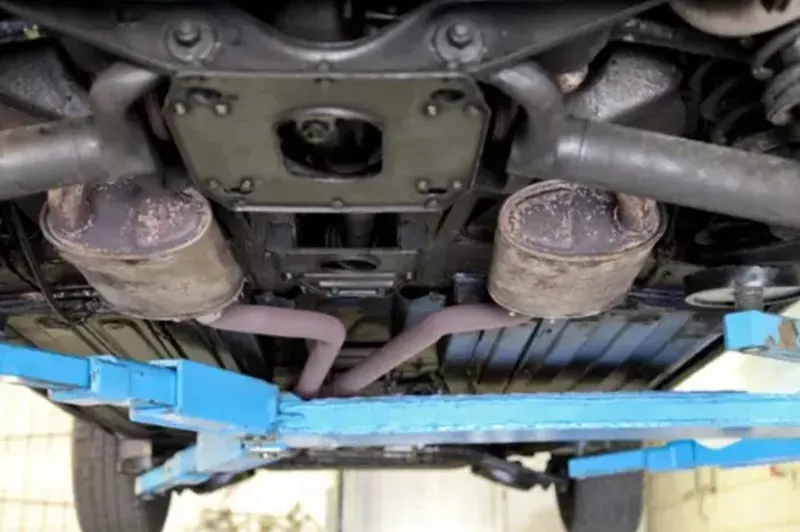
Best suited for lorries, trucks and large vehicles this provides a greater degree of protection compared to rubber-based coatings. However, asphalt-based coatings contain little amounts of rubber for sound-insulation purposes. The process of applying this coating is a bit time-consuming though.
- Polyurethane Underbody Coating
This coating closes up splits and fractures on the underbody of the vehicle. It offers up good protection against corrosion and also bonds with the metal. Unlike in the case of asphalt-based coating, you can paint over the polyurethane coating.
There are thousands of pieces of stones on the road, and they are constantly hitting your car on the under body, wheel arches, sills and the trunk lower part while driving on the road. In some cases, the under body might be scratched by uneven road.
Pros and Cons of using an underbody coating:
- Pros:
- Rust Prevention: Underbody coating ideally should be applied when the car comes out new from the factory, when there are no dust particles present. This will result in a good adhesive coating to prevent rusting of the underbody surface and also extending the life of the parts. It becomes extremely important to apply this coating when the vehicle is to be driven close to coastal areas.
- Protection against debris: It is one of the primary reasons for applying an underbody coating.
- During its lifetime, a vehicle travels over debris the entire time, and this is especially true for Indian roads. These debris fly off from the tyres and hit the underbody, and can possibly damage the underbody components which can get expensive. By giving a sufficient coating the longevity of the surface can be increased.
- Sound reduction: Applying thick layers of covering can reduce the sound within the cabin up to a certain degree. Rubberized paint can reduce the noise from the tyres, the road and the debris.
- Easier maintenance of the vehicle: By giving a uniform coating, the underbody is well protected from moisture, which means that for cleaning the underbody water can be used. A good coating can ensure that water does not enter the components and start rusting prematurely. The coating also prevents retention of water within the parts, which can lead to creation of slush.
- Cons:
- High cost: The cost of underbody coating has reduced over the years, but it is still expensive. The option of applying a coat at the dealership can get quite expensive, since dealerships will look forward to making profits and hence increasing the price for an underbody coating..
- Damage during application: In case of thick rubberized paints, if the coating is not applied properly, then there is a possibility of the paint getting into moving parts and create mechanical failures. It can affect the differential, propeller shafts, joints and even the suspension. If not done carefully, there is also the possibility of the coat damaging the paint job at the lower edges of the car.
- Added weight: Although insignificant, there is a possibility that the extra weight can affect the fuel economy of the vehicle.
CONCLUSION : As a final conclusion we can say that Underbody coating is a must to make sure the underbody is given a layer of protection from all grime and grit and annual clean up and touch up is necessary.