Underbody Coating
Underbody Coating
Underbody coating is usually a dense cladding (often based on rubber) applied uniformly to the undercarriage of the automobile. It is normally sprayed or painted on when the car is just out of the dealership and is clean. But even if you are getting the undercoating applied after a couple of years, it’s fine too. This is because it can prevent further damage to the undercarriage.The main purpose of undercoating is to check rust especially in the body components like frame rails along with other exposed metal parts. Underbody coating can also reduce wear and tear.
Purpose of underbody coating
Fights Rust
It has a crucial function in preventing corrosion. Underbody coating is particularly useful if you live near the sea, where there is excessive humidity and rust is a common occurrence. If you live somewhere where it snows in the winter, you should seriously consider undercoating. During the monsoon season, cars are at high risk of getting corrosion. If you want to extend your car’s life you should get an underbody coating.
Absorbs Noise
Very strong undercoating, realize it or not, can attenuate noises that enter the cabin. The undercoating, which is frequently made of rubber, absorbs part of the rackets. The car’s occupants could avoid the road sounds — at least to some extent. So if you want a quite ride and pleasant experience it is always a good idea to consider getting an underbody coating.
Reinforcement
If your automobile already has an underbody covering, applying another one on top of it will not harm it. It will provide further protection for the underbody from water, road debris, gravel, and tiny stones. The factory coat would also have a lower risk of flaking away.
Prolong Cars Life
A good undercoat protects not just the underbody from corrosion, but also the engine and gearbox! Less corrosion combined with slower wear and tear can extend the life of your car by many years. On the undercarriage, there would be fewer dents, dings, and scratches to worry about.
Types of Underbody coating
1.Rubberized Underbody Coating
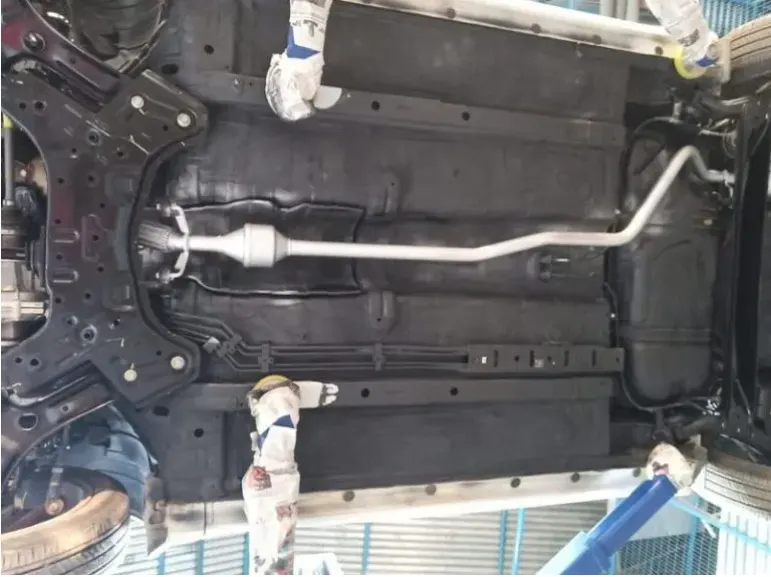
This is widely considered to be the best underbody coating for your car. It protects the underbody from scratches and keeps it properly. It’s also not difficult to apply this to the undercarriage. This can be done at the authorized service center or by the local repair shop at a reasonable price. Rubberized coating is ideal if you want to keep the road noise to a minimum and rust and corrosion away.
2. Wax Based Underbody Coating
Underbody coating is a sprayed application based on wax or rubber under side of the vehicle. it is mainly designed the create a rust proof layer. This transitory undercoating will, on the whole, fade away after a few months. On the plus side, wax-based undercoating is resistant to dampness. It is also the most cost-effective alternative.
3.Asphalt Based Automotive Undercoating
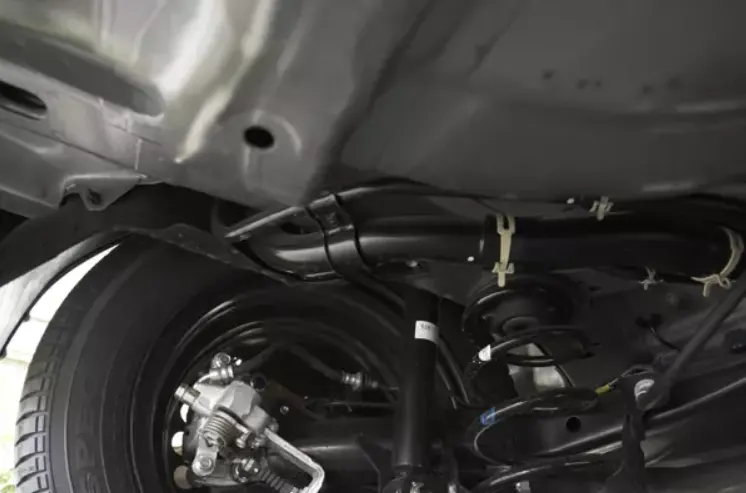
Suitable for lorries, trucks, and other heavy vehicles. In comparison to rubber-based coatings, this gives a higher level of protection. Asphalt-based coatings, on the other hand, incorporate a small quantity of rubber for sound insulation. The application of this coating, however, takes some time.
4. Polyurethane Underbody Coating
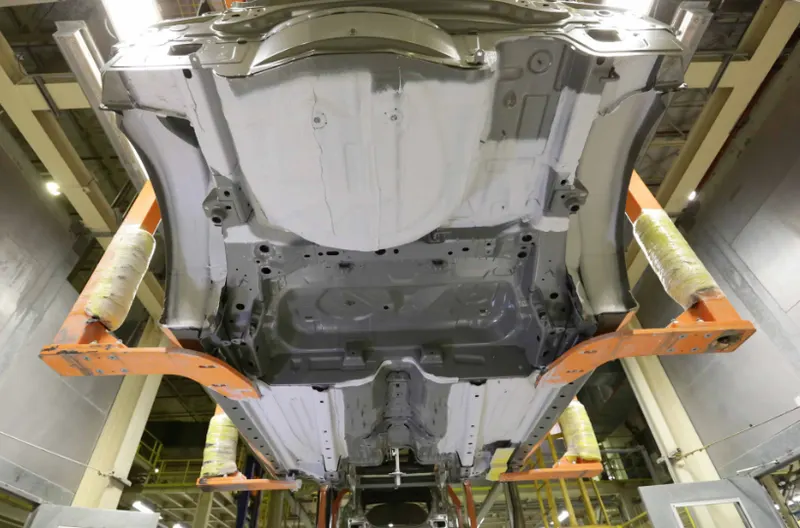
The polyurethane underbody coating closes up splits and fractures on the underbody of the vehicle. It offers up good protection against corrosion and also bonds with the metal. This covering seals breaks and fractures in the vehicle’s underbody. It provides strong corrosion resistance and also binds to the metal. Unlike an asphalt-based coating, the polyurethane coating may be painted over.
Pros of a underbody coating
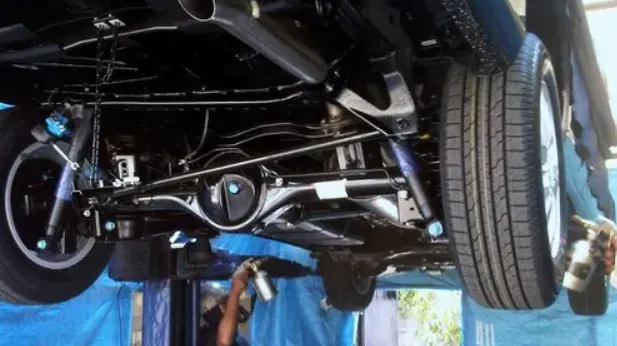
- It provides a layer of protection against corrosion
- It will extend the life of your vehicle
- It can be applied to damaged areas
- It can be self-applied
- There are multiple undercoating methods that can be used
- The service might help with the cost of your insurance
- It may help to reduce interior noise
Cons of a underbody coating
- It is less helpful if corrosion is already present
- It works best on new cars
- Most vehicles make it five years before corrosion begins to show
- A third-party undercoating service might void your vehicle’s warranty
- It adds weight to the vehicle
- An undercoating is not impervious to damage
- It must be reapplied every 3 to 5 years for the best results