Design of backdoor
AIM
To design back door of car using given outer class 'A' surface.
INTRODUCTION
Design of back door is also called as the Tail gate. A car back door which is consist of Inner panel, Outer panel. Basically the car parts are made of Steel or Aluminium based on the budget of the car. Using Aluminium improve the Strength where we can avoid the reinforcements. Aluminium parts are casted and we can very the thickness of the part, because of this avoid or reduce the number of parts as compared to Steel. Only drawback is the cost of aluminium, which is high cast As compared to steel. Steel Parts are stamped, we cannot vary the thickness of the part because of more number of parts are added. which could increase the weight of the part. So now a days most of the car manufacturers are trying to use Aluminium instead of Steel and they reduce the number of parts and weight of the car drastically.
Types of doors based on working position
- Top Mounted Door
- Side mounted Door
- Bottom Door
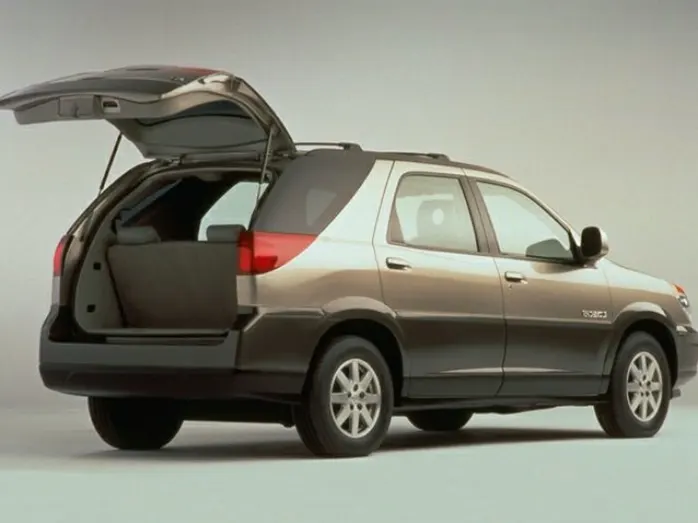
COMPONENTS OF THE BACKDOOR
Outer panel upper
Outer panel Lower
Inner panel
Latch and Striker Reinforcement
Hinge Reinforcement
Gas stay Reinforcement
Wiper motor reinforcement
Design consideration for a back door :
Rear Visibility
Boot Space and accessibility
Fit and Clearance
Support Structures like hinge and gas stays
Mounts for wiper motor, tail lamps, and other wiring loops.
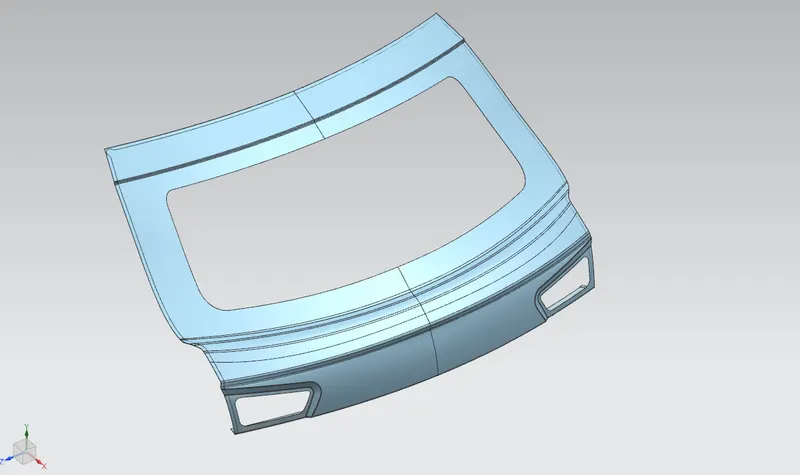
OUTER PANEL
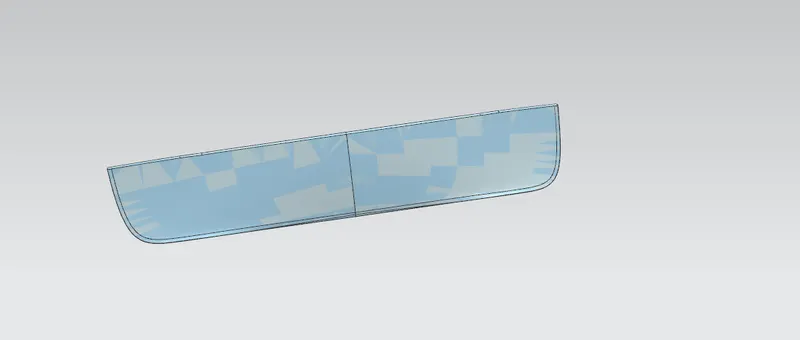
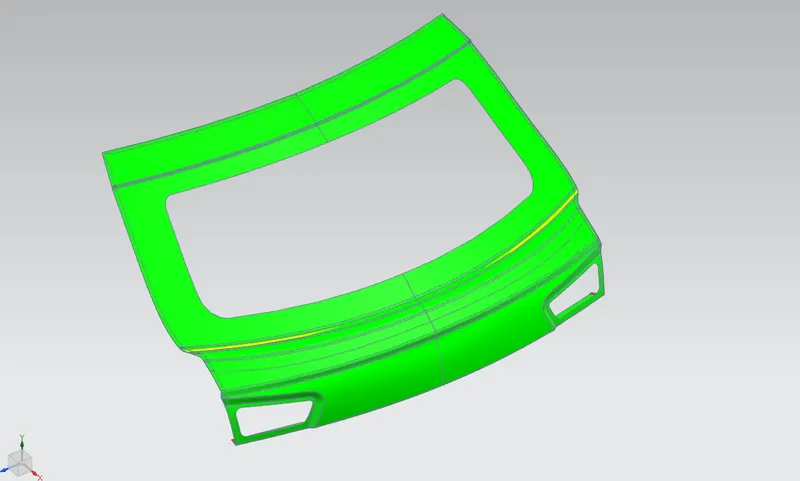
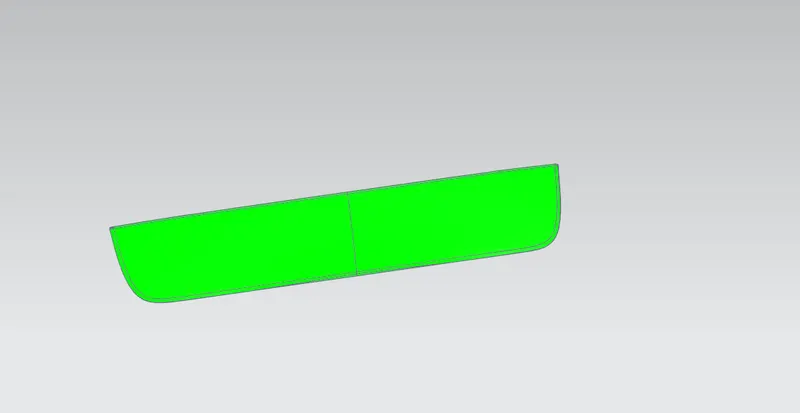
The outer panel has two main portions, one is the upper side and the lower side
The main features used for the outer panel design are the hemming, corner relief and thickening of the surface.
Hemming is a process made in while manufacturing the part, by folding the edge of the surface with a supporting surface between it such that it locks the parts, this process is usually carried out with rollers which rolls on the end surface to get the hemming done.
Corner relief is taken into consideration keeping the stress distribution while hemming process, such that to reduce the high stress in the material at that portion due to the corners, the corner relief is made
Thickening is usually done to get the required thickness of the whole outer panel so that the surface is converted to a sheet.
INNER PANEL
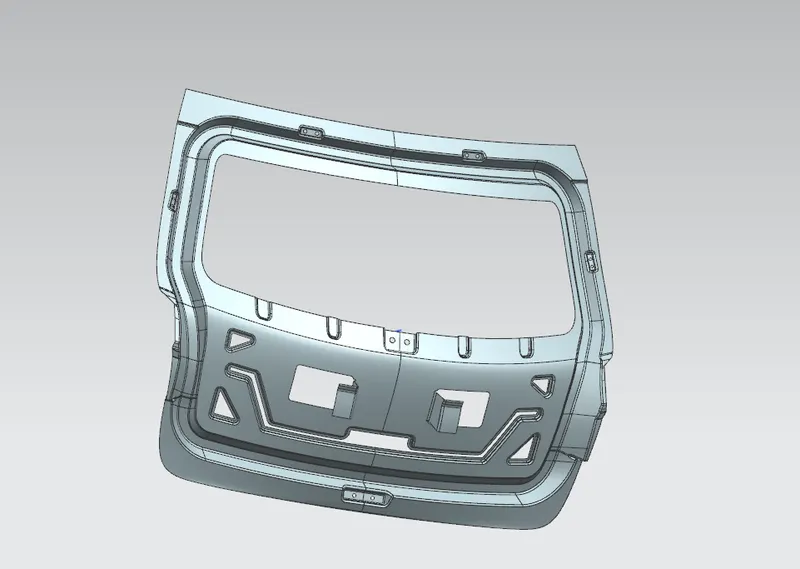
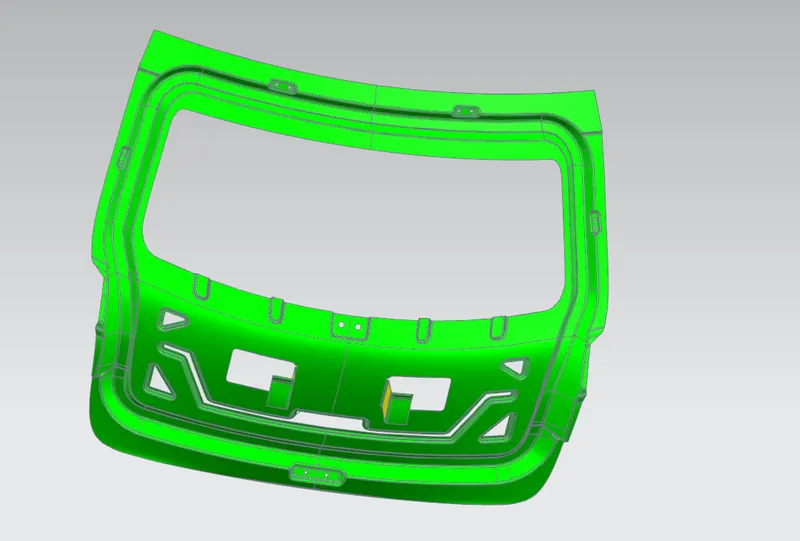
The inner panel is the main part of the backdoor assembly which consists of various features in it.
The inner panel has been designed with all the engineering aspects and as per the standard requirement, some of them are
- The gap between the hem section
The outer panel is hemmed to the inner panel with the help of some sealants, the gap of 0.2mm is given for the sealant to ooze out completely under the hem sections.
- Sealing flange section
The sealing flange area is the portion where the rubber sealing touches and locks the door in closed position, so that there is complete closure of the back door and prevents the water particles from entering the cabin. The sealing flange surface should be smooth enough and no other features are created on that surface.
- Emboss features
Sheet metal embossing is a stamping process for producing raised or sunken designs or relief in sheet metal. This process can be made by means of matched male and female roller dies, or by-passing sheet or a strip of metal between rolls of the desired pattern. It is often combined with Foil Stamping to create a shiny, 3D effect.
These emboss are even created to get the flat surface on one side to attach the striker, Gas stay, wiper motor and the hinge assembly.
Crash impact load distribution, this factor is followed to get the path of the load travelling, we such that avoid going it straight by setting the cuts at an angle to the right and left ends, and even there are more cutouts so that remove more materials, less weight is obtained, the design of the inner panel is shown above. Some of the emboss made in inner panel are shown below
- Mastic sealant
Mastic is the sealant used to seal the gap between the outer panel and the inner panel, this mastic is a type of rubber material and also acts as resistant, in the picture below shows the place where the mastic sealants are used.
The region where the mastic is added is the square region which is designed in such a way that it can be manufactured precisely, there is a standard gap of 5 mm maintained to obtain the mastic data at that region.
HINGE REINFORCEMENT
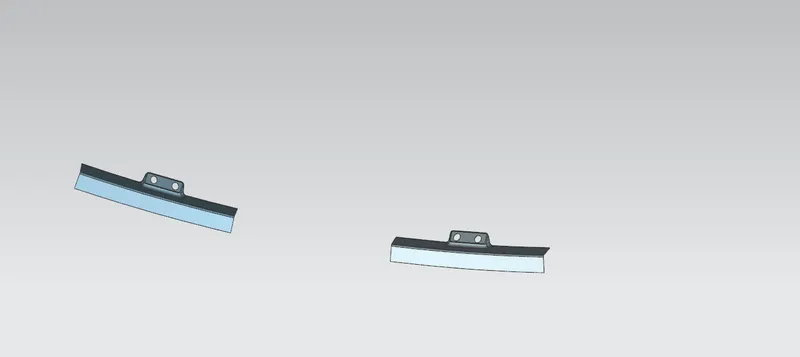
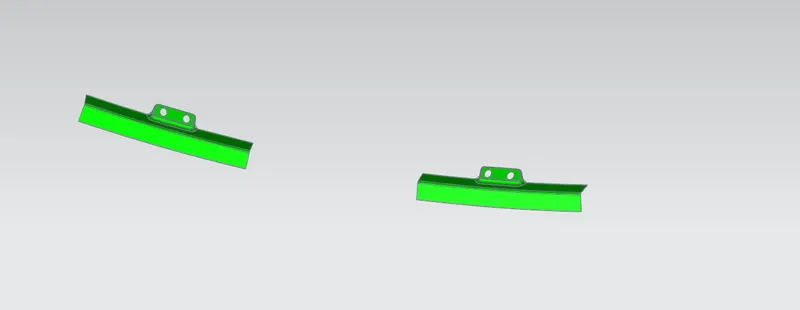
Hinges are the essential, that allows doors to pivot on one edged as open as they open and close. They are found on virtually all doors. It is a mechanical bearing that connects two solid objects, typically allowing only a limited angle of rotation between them.
GAS STAY REINFORCEMENT
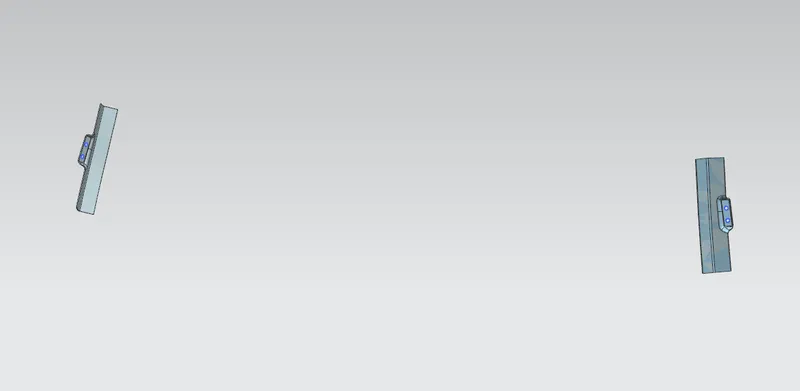
It is used to lift up the Tail gate.
They are two types of Gas stay reinforcement is there. That they are
- Manual System
- Power lift system
Manual system
This mechanism is most used in India cars. It is operated man by his own.
Power Lift System
It works on the basics of Sensor.
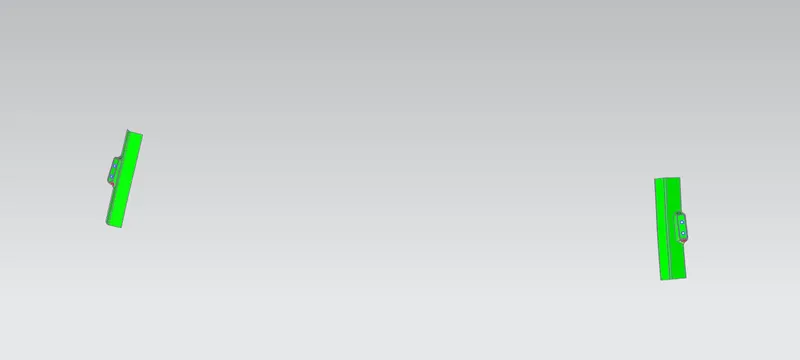
LATCH AND STRIKER REINFORCEMENT
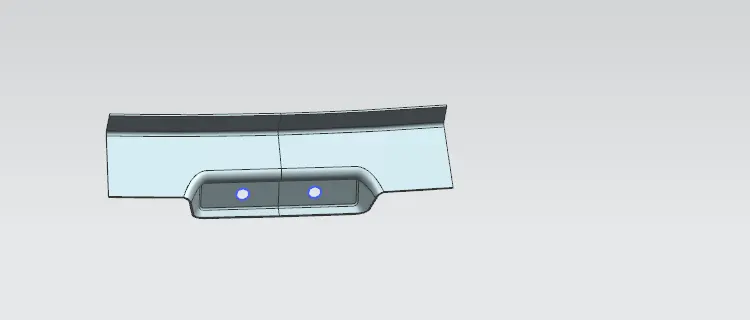
Using the axis of the hinge, a circle is drawn at the middle of the back door and the latch is placed perpendicular to the circle.
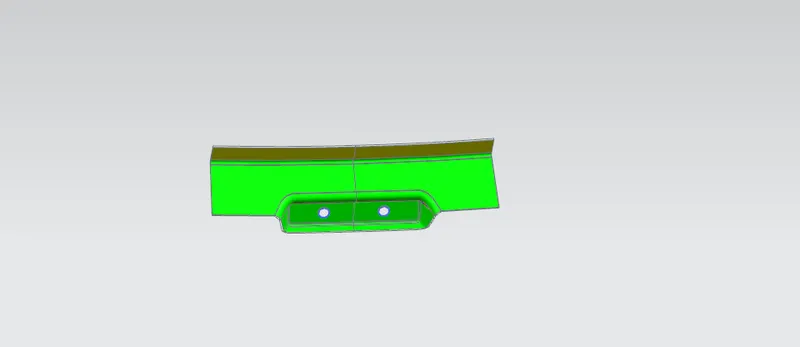
WIPER MOTOR REINFORCEMENT
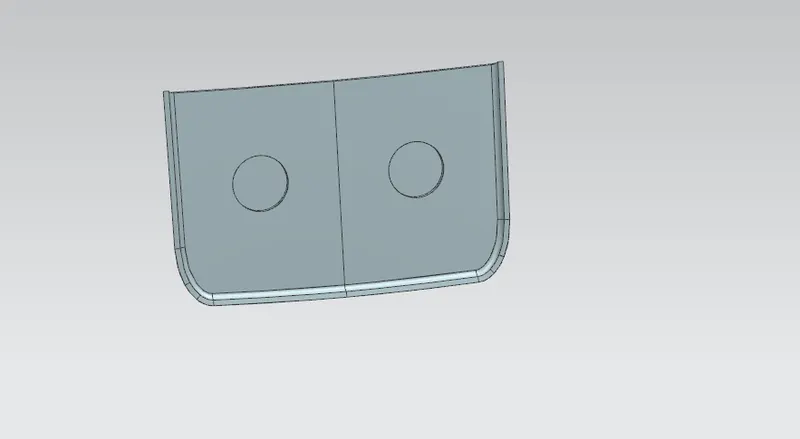
It is small electric motor which is mounted in the rear tail gate. It used to clean the rear wind sheid for clear visibility.
DRAFT ANALYSIS
OUTER PANEL
INNER PANEL
HINGE REINFORCEMENT
GAS STAY REINFORCEMENT
LATCH AND STRIKER REINFORCEMENT
WIPER MOTOR REINFORCEMENT
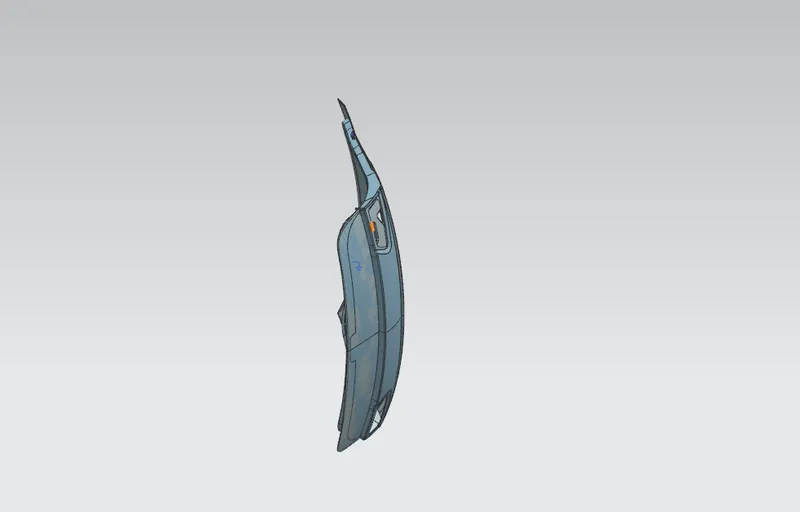
DIFFERENT VIEWS OF BACKDOOR
TOP VIEW
FRONT VIEW
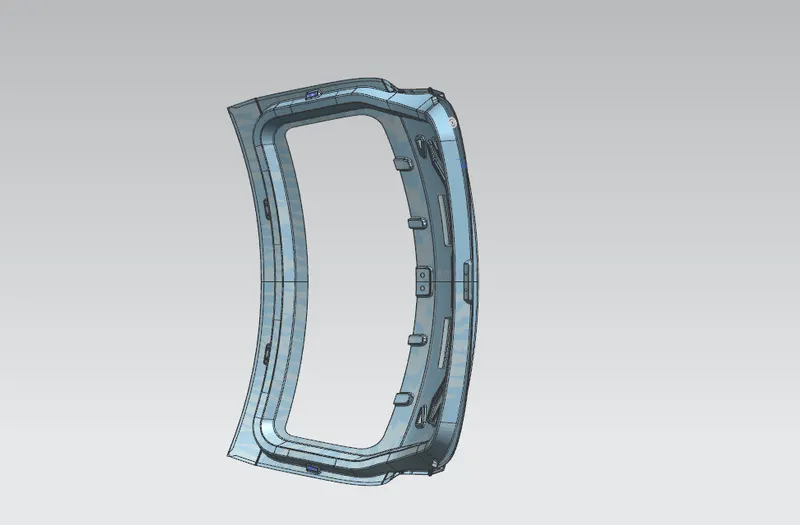
ISOMETRIC VIEW
CONCLUSION
The design of the Back door BIW was completed with the engineering standard and all the reinforcementS.