Key Roles and Responsibilities of an Embedded Developer
Are you considering a career as an embedded developer? Embedded developers are responsible for developing software for embedded systems.
 Navin Baskar·22 Feb 2023·4 min read
Key Roles and Responsibilities of an Embedded Developer
Are you considering a career as an embedded developer? Embedded developers are responsible for developing software for embedded systems. This type of software development requires unique skills and knowledge, as embedded systems are typically used in specialised applications. In this blog, we will be discussing the main job responsibilities of an embedded developer.
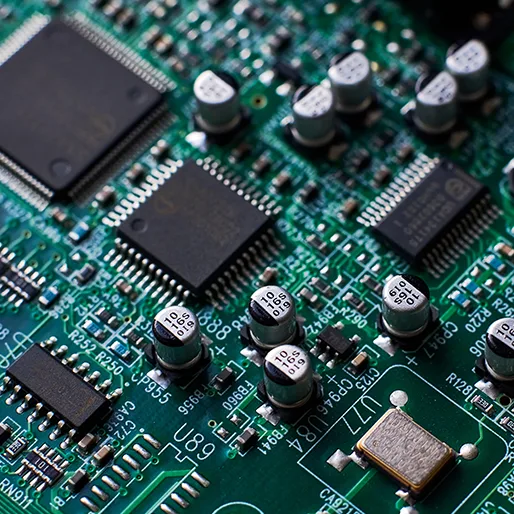
Understanding the Role of an Embedded Developer
An embedded developer is a software engineer specialising in designing, developing, and testing embedded systems. Embedded systems are designed to perform specific tasks, such as controlling a device or providing a service. Embedded developers are responsible for creating the software that runs on embedded systems and maintaining and updating the software.
- An embedded developer must have a strong understanding of hardware and software and be able to work with both.
- They must be able to work with various hardware components, such as
- Processors
- Memory
- Peripherals
- An embedded developer must also be able to work with various operating systems, such as
- Windows
- Linux
- Android
- They must be able to work with various development tools, such as
- Compilers
- Debuggers
- Simulators
- An embedded developer must be able to work with various communication protocols, such as
- Bluetooth
- Wi-Fi
- Ethernet
What are the responsibilities of an embedded software developer?
As an embedded software developer, you will be working to create applications and systems that are,
- Reliable
- Efficient
- Cost-effective
Your main job responsibilities will include the following:
- Designing
- You will be responsible for designing and developing embedded software and hardware solutions for embedded systems. Including,
- Researching client needs
- Understanding system requirements
- developing code and algorithms
- Debugging
- You will be responsible for troubleshooting and debugging embedded systems. Including, Identifying and resolving
- Hardware issues
- Software issues
- Firmware issues
- Developing
- You will be responsible for developing the actual code for embedded systems.
- Testing
- Including Running tests to ensure the system meets the specified requirements and is error-free.
- You will be responsible for testing and verifying embedded systems.
Essential Skills and Qualifications of an Embedded Developer
To succeed in this role, they must possess various essential skills and qualifications.
-
Knowledge of programming languages:
- C
- C++
- Java.
- Embedded developers must have a strong understanding of programming languages such as
- Knowledge of hardware components:
- Embedded developers must deeply understand hardware components such as,
- Microprocessors
- Memory
- Power supplies
- Communication systems
- Knowledge of software engineering principles:
- Embedded developers must be familiar with software engineering principles such as,
- Design patterns
- Object-oriented programming
- Software testing
- Ability to troubleshoot:
- Embedded developers must be able to identify and resolve issues with embedded systems. This requires creative problem-solving skills and the ability to think outside the box.
- Attention to detail:
- Embedded developers must be detail-oriented and have excellent analytical and debugging skills.
- Communication skills:
- Embedded developers must communicate effectively with other team members, stakeholders, and customers.
- Teamwork skills:
- Embedded developers must be able to work collaboratively with other developers and engineers to ensure successful project completion.
Companies recruiting Embedded Developers
- HCL Tech
- TATA Consultancy Services
- Capgemini
- Wipro
Exploring the Benefits of Being an Embedded Developer
As an embedded developer, you can work on various projects involving software and hardware development for embedded systems. The benefits of being an embedded developer are many.
- You can work on many projects, from small embedded systems to large-scale projects.
- You will be able to work on projects that directly impact the end user, such as,
- Medical devices
- Automotive systems
- Consumer electronics
- You will also have the opportunity to work with various technologies, such as,
- Microcontrollers
- Circuit boards
- Sensors
- As an embedded developer, you can work with various teams, from hardware engineers to software developers.
Embedded Software Engineer salary in India with less than 1 year of experience to 5 years ranges from ₹2 Lakhs to ₹ 10.1 Lakhs, respectively, with an average annual salary of ₹4.5 Lakhs. According to The Better Business Bureau, positions for embedded software engineers are expected to grow by over 20% by 2028.
The Role of an Embedded Developer in the Tech Industry
They are responsible for developing and maintaining embedded systems which are the backbone of many of today’s technologies.
Embedded developers must understand hardware, software, and coding languages to create innovative and reliable solutions.
They must be able to troubleshoot, debug programs, and design and develop new systems. With the increasing demand for embedded systems, embedded developers are in high demand, and they can expect to be well-compensated for their expertise.
To gain expertise in the field of embedded systems, check out the courses offered by Skill-Lync. Skill-Lync has various embedded systems courses, such as Pre-Graduate Program in Embedded Systems. Enroll yourself in Skil-Lync for a better future.