Week-7 Head Impact
PEDESTRAIN HEAD IMPACT TEST IN LS-DYNA
OBJECTIVES
In this assignement we have to stimulate Head impact test of a child and calculate HIC value of each cases.
Head Injury Criteria
The Head Injury Criterion (HIC) is a measure of the likelihood of head injury arising from an impact. The HIC can be used to assess safety related to vehicles, personal protective gear, and sport equipment.
Normally the variable is derived from the measurements of an accelerometer mounted at the center of mass of a crash test dummy’s head, when the dummy is exposed to crash forces.
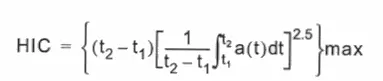
where t1 and t2 are the initial and final times (in seconds) chosen to maximize HIC, and acceleration a is measured in gs (standard gravity acceleration). The time duration, t2 – t1, is limited to a maximum value of 36 ms, usually 15 ms.
This means that the HIC includes the effects of head acceleration and the duration of the acceleration. Large accelerations may be tolerated for very short times.
At a HIC of 1000, there is an 18% probability of a severe head injury, a 55% probability of a serious injury and a 90% probability of a moderate head injury to the average adult
PROCEDURE
The following stimulation has three different cases as fallow.
CASE1 – Simple sphere impact a rigid wall
- k file which has simple sphere in Ls-prepost.
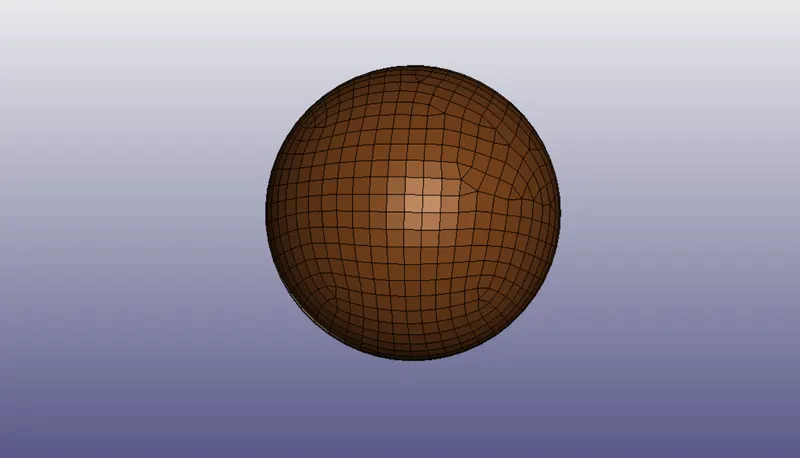
- Then create section using model – keywords – section – shell and assign the thickness of the element.
- Then create pierce_linear_material by model – keywords – mat – 024.
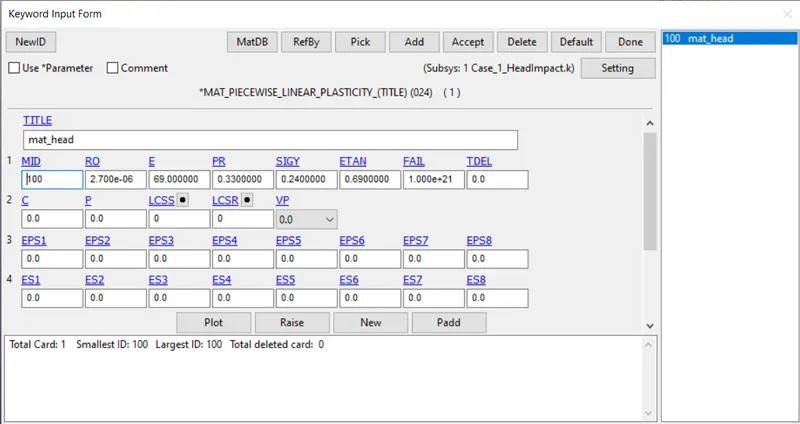
- Then assign the mat and section in part by id.
- Then create rigid wall 10mm away from the sphere with normal force opposite to the direction of sphere.
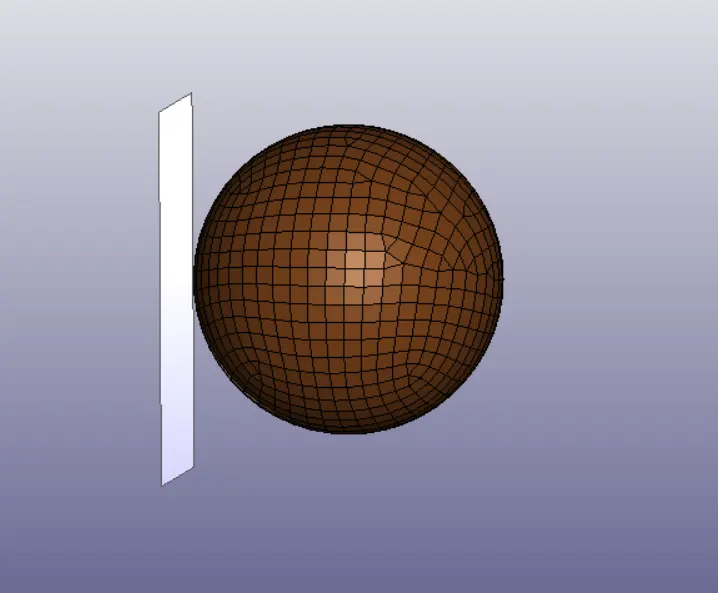
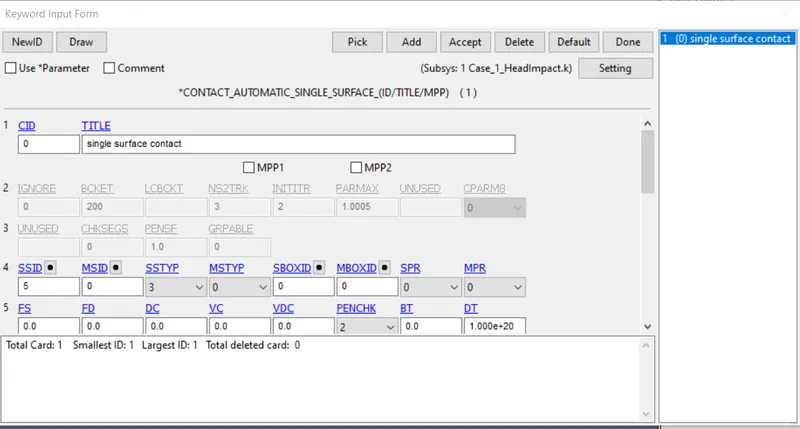
- Create the contact as single surface contact.
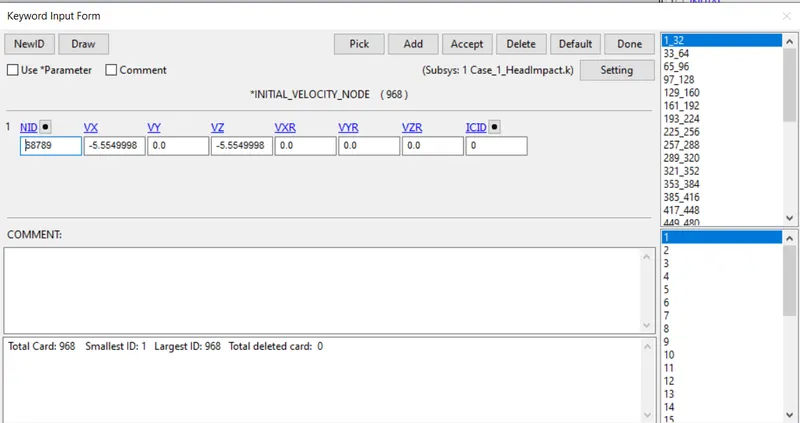
- The initial velocity of sphere as 40kmph i.e 11.666 mm/ms is given, the initial velocity is divided into two by in x and z direction so that the sphere can tilt.
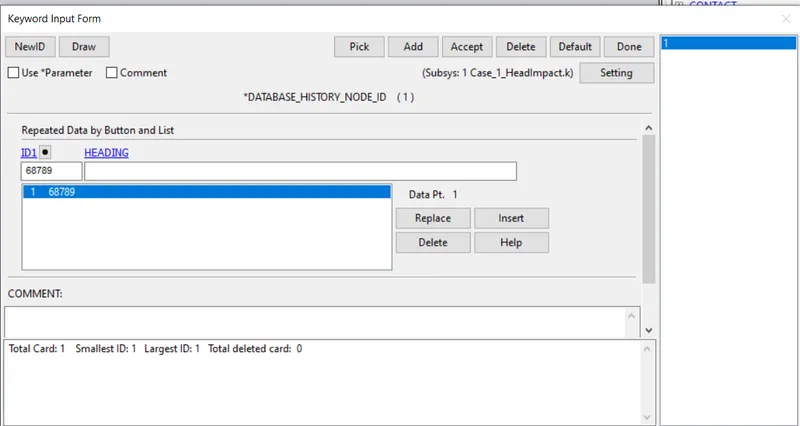
- In database card - ASCII – Binary D3plot and History Node for HIC value is generated.
- Then the control terminal was given 5ms.
CASE2 – Stimulation of head impact with a rigid wall
- In this stimulation open the ls-prepost go to model – keyword – include – transform select the file to included.
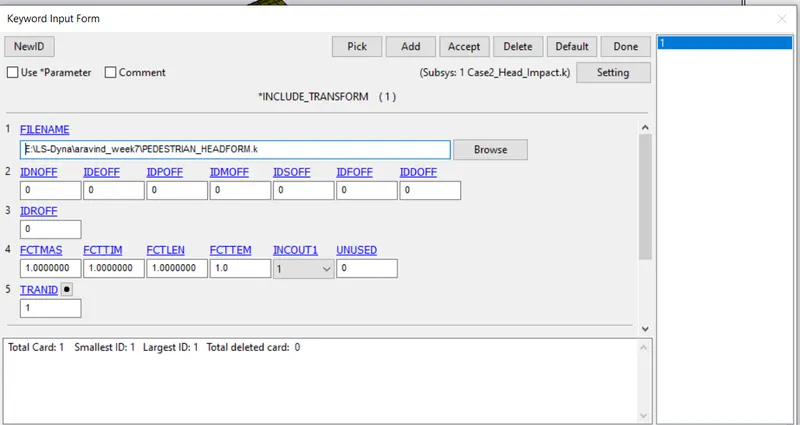
- Then go to model – keyword – define – transform give the rotating angle and trans id, save the file as .k format.
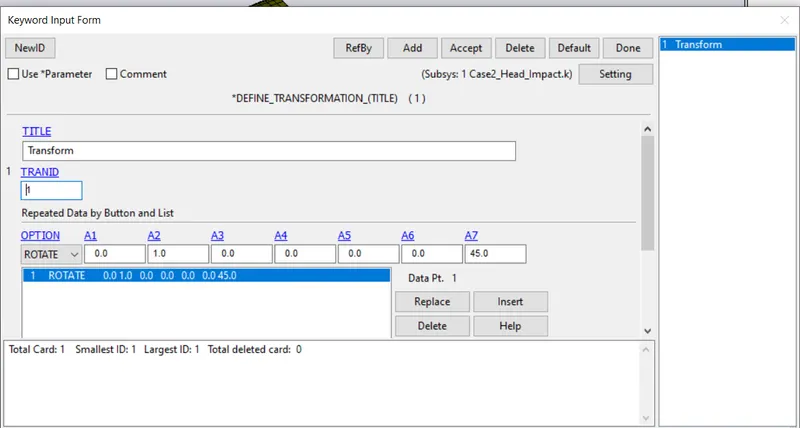
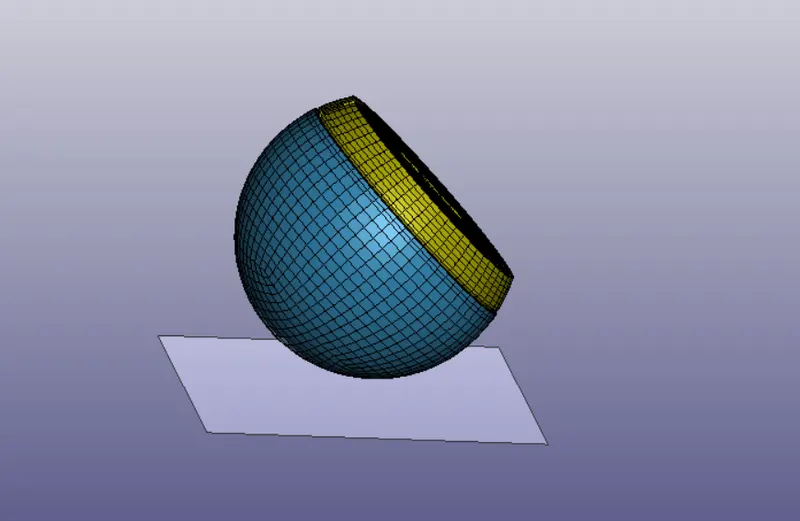
- Then open the saved file in ls-prepost now the given head is tilted in particular angle as we assigned.
- Then create rigid wall 10mm away from the sphere with normal force opposite to the direction of sphere.
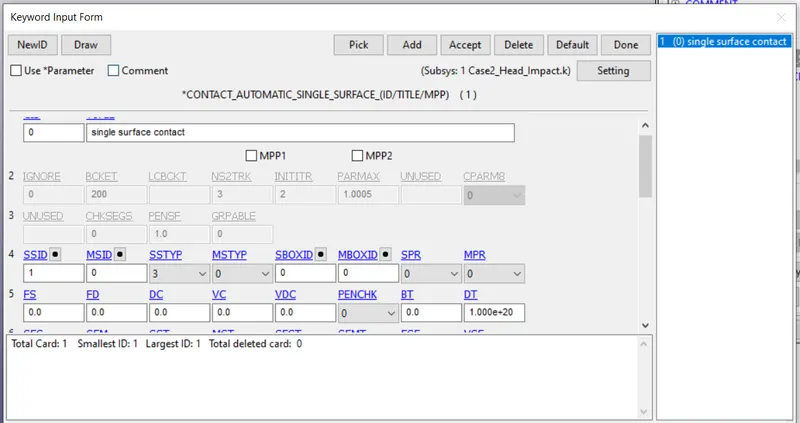
- Create the contact as single surface contact between the skull and rigid wall.
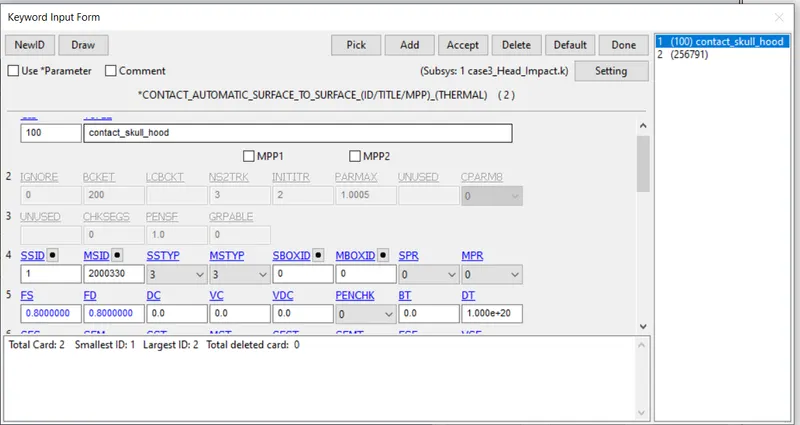
- Surface to surface contact is assigned between the parts of the head.
- The initial velocity of sphere as 40kmph i.e 11.666 mm/ms is given, the initial velocity is divided into two by in x and z direction so that the sphere can tilt.
- In database card - ASCII – Binary D3plot and History Node for HIC value is generated.
- Then the control terminal was given 5ms.
CASE3 – Stimulation of head impact on a Hood of a car.
- In this stimulation open the hood .k file in ls-prepost then go to model – keyword – include – transform select the pedestrian head file to included.
- Then go to model – keyword – define – transform give the rotating angle and trans id, save the file as .k format.
- Then open the saved file in ls-prepost now the given head is tilted in particular angle as we assigned.
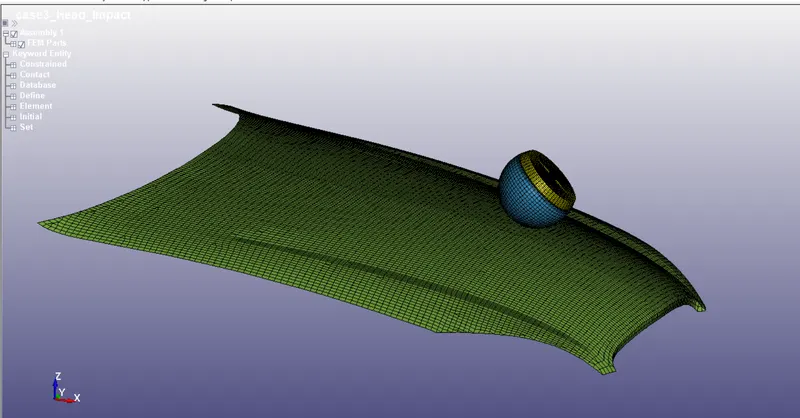
- Then create pierce_linear_material by model – keywords – mat – 024 for the hood.
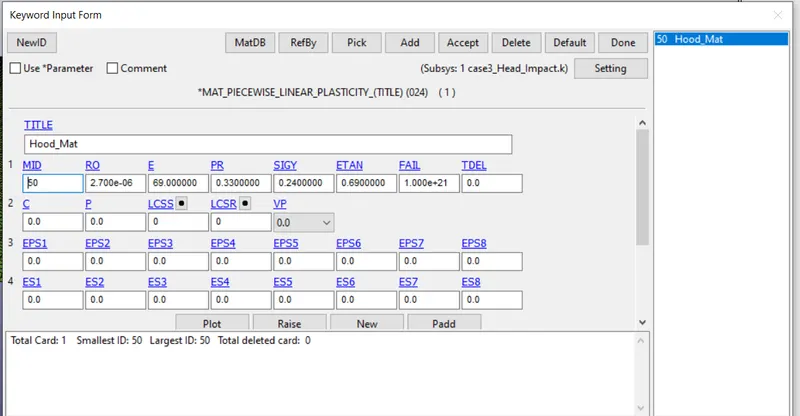
- Surface to surface contact is assigned between the hood and skull.
- The initial velocity of sphere as 40kmph i.e 11.666 mm/ms is given, the initial velocity is divided into two by in x and z direction so that the sphere can tilt.
- In database card - ASCII – Binary D3plot and History Node for HIC value is generated.
- Then the control terminal was given 20ms.
RESULT
From the above stimulation we have extracted the result of von-mises, effective plastic strain and HIC 36 for all the three cases.
Case1
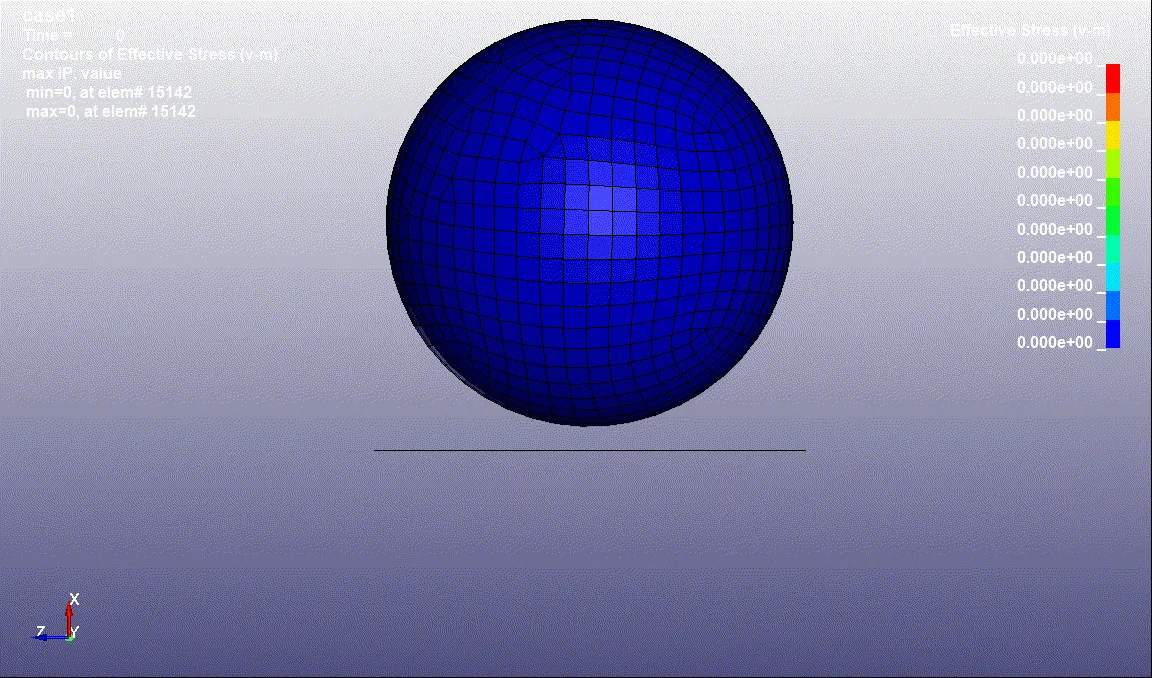
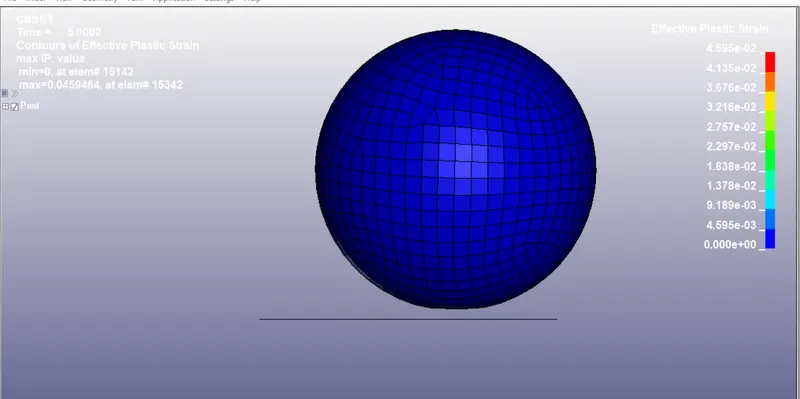
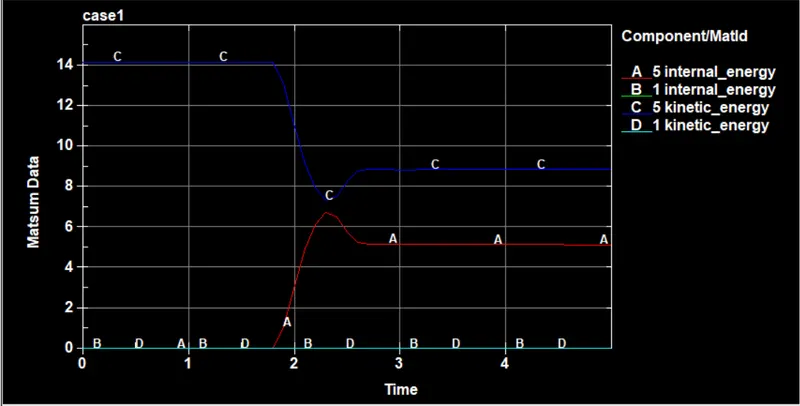
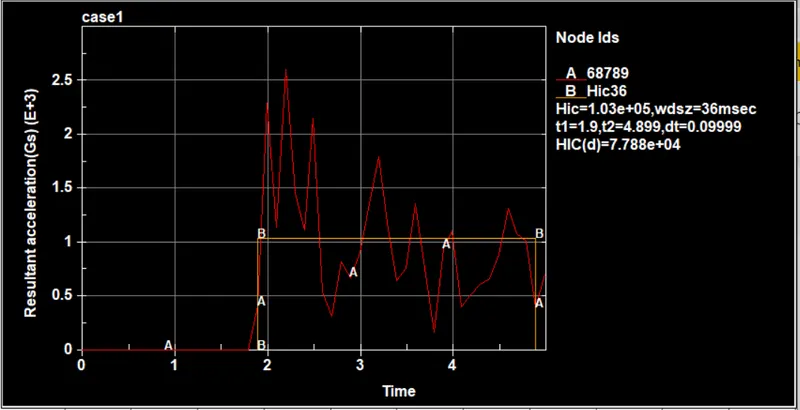
From the above result the von-mises stress is 1.778e-01 MPa, effective strain is 4.595 e-02 at the time of impact with the rigid wall and the HIC value is more in this case 7.788e+04.
Case2
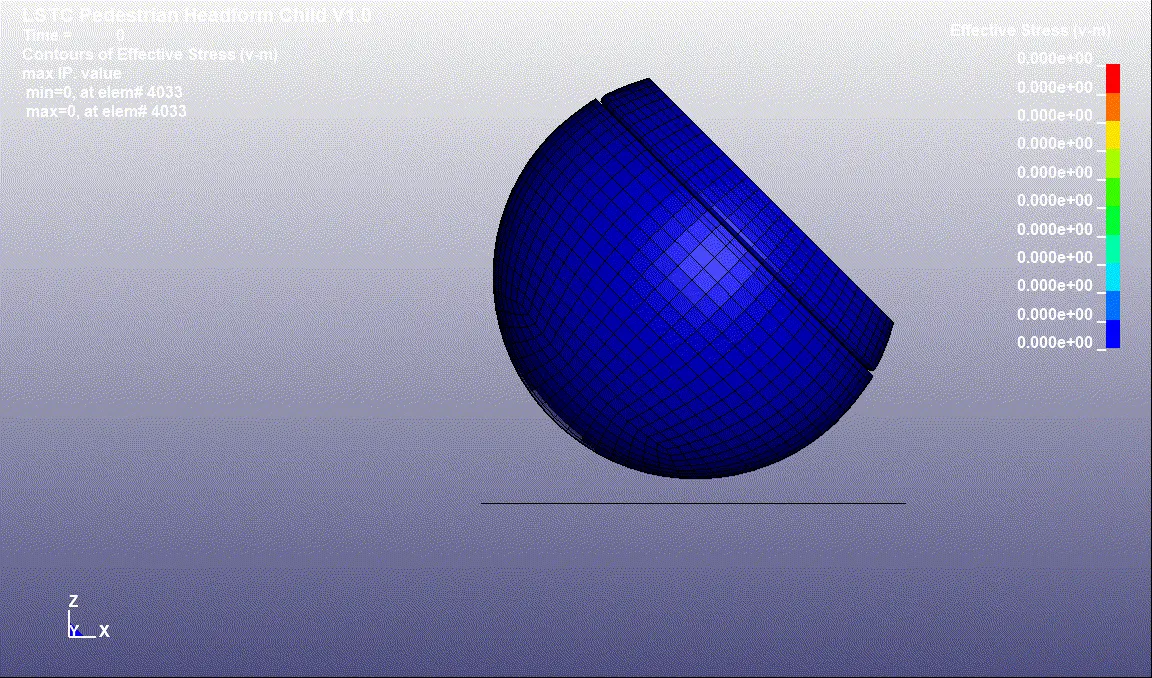
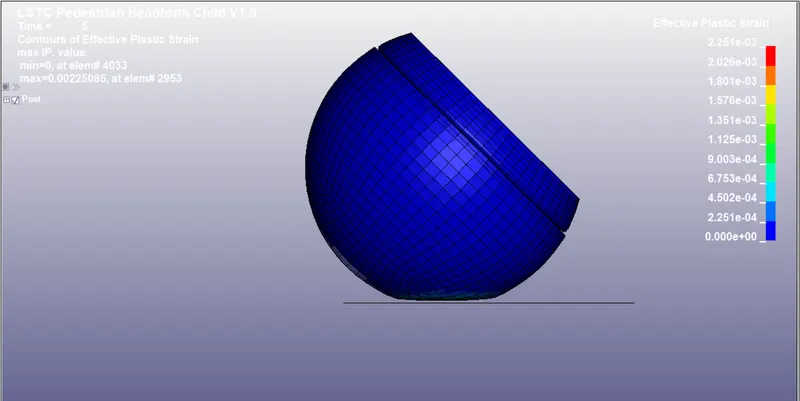
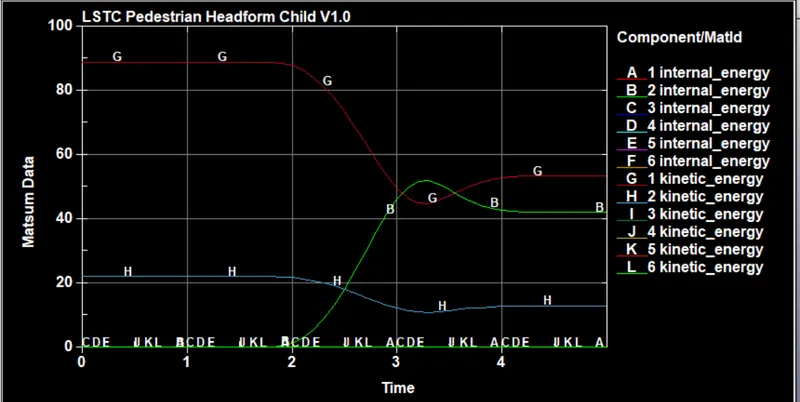
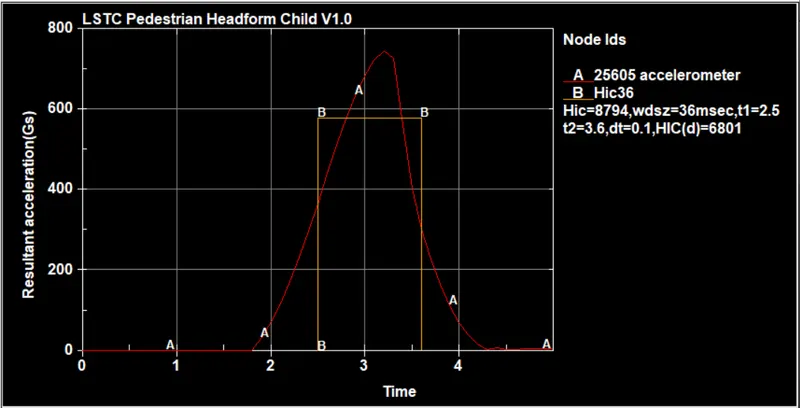
From the above result the von-mises stress is 3.857e-03 MPa, effective strain is 2.251 e-03 at the time of impact with the rigid wall and the HIC value is more in this case 8794.
Case3
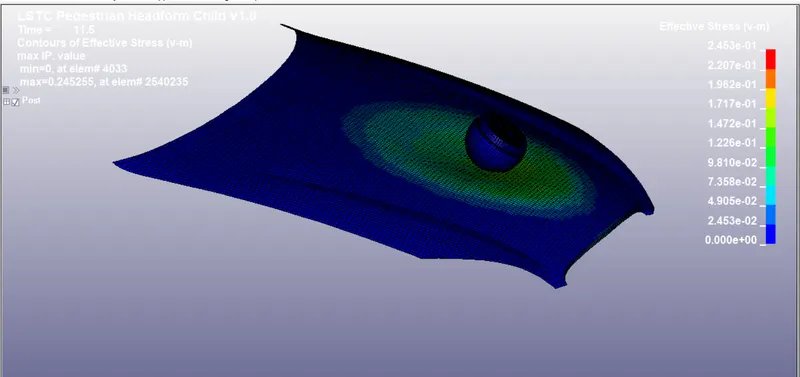
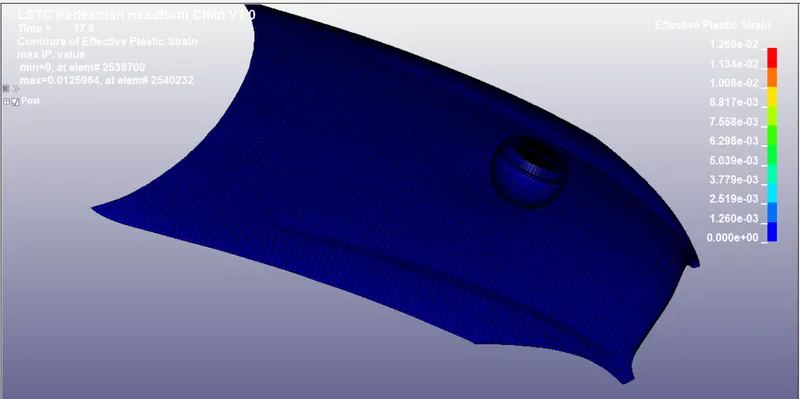
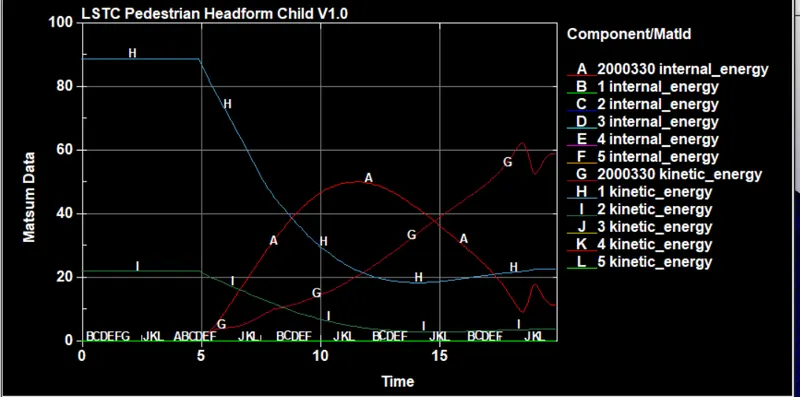
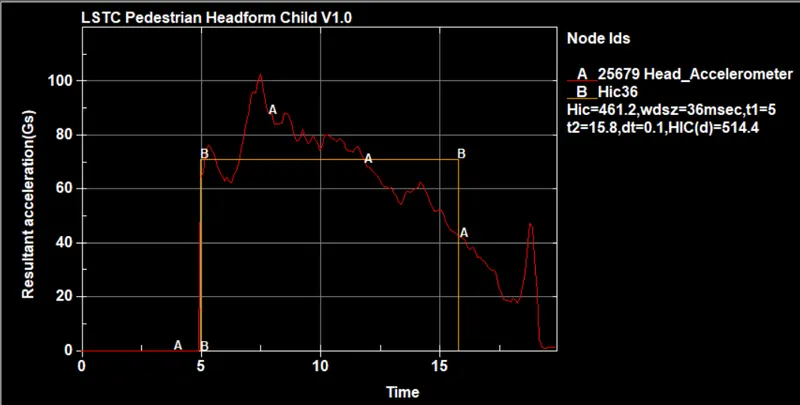
From the above result the von-mises stress is 2.453e-01 MPa, effective strain is 1.26 e-02 at the time of impact with the rigid wall and the HIC value is more in this case 461.
CONCLUSION
- Successfully completed head impact stimulation in Ls-Dyna and compared the result.
- HIC value is mode in first two cases because the material properties are non-realistic in nature and the impact is on a rigid wall.
- In case3 HIC value is considerable because the hood absorb stress compared with rigid wall and the material properties and boundary conditions are realistic.
- The stress and strain is maximum at the time of impact and gradually drops after the impact.